Chinese Cuisine
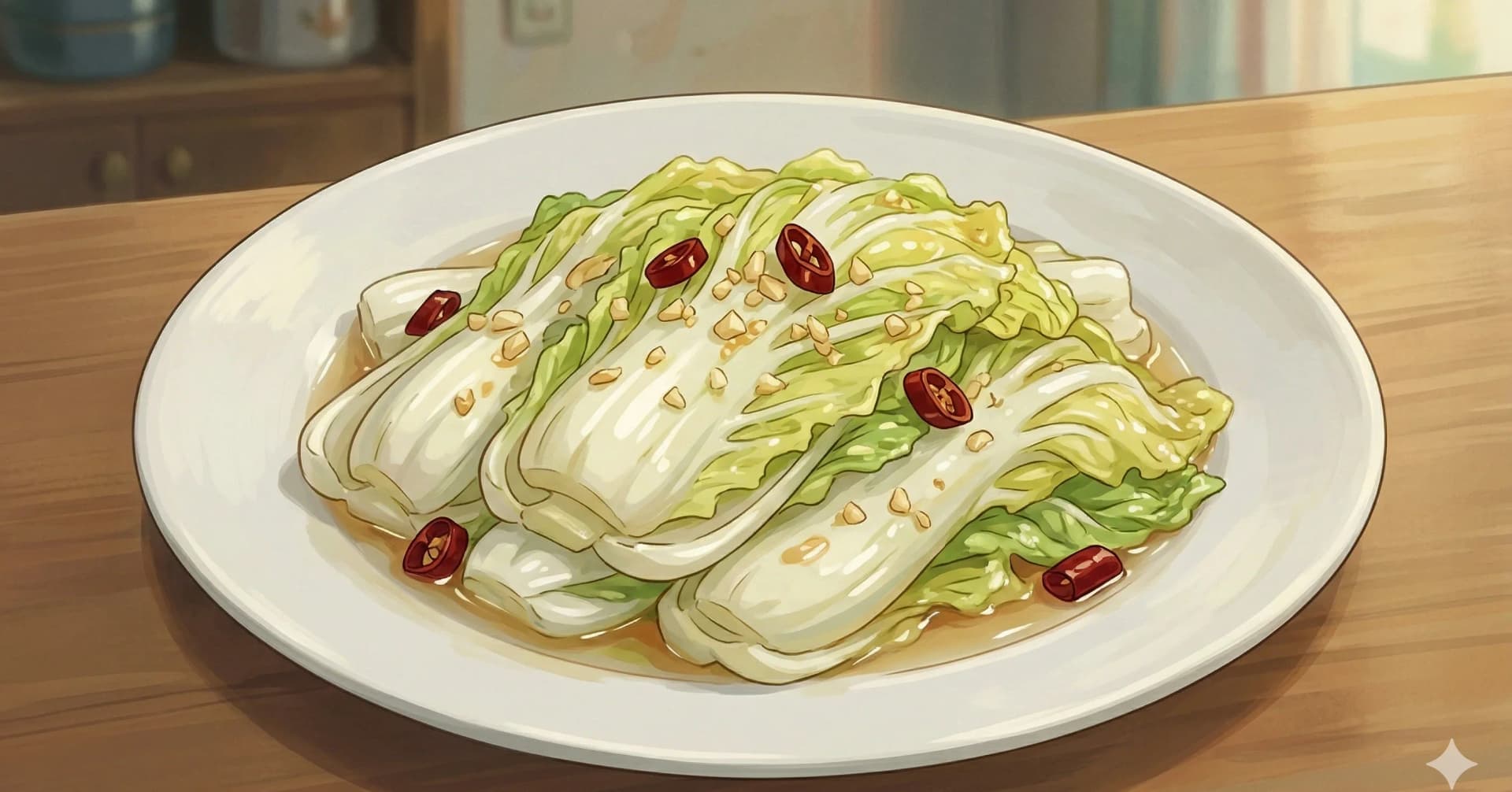
Chao Bai Cai (Stir-Fried Napa Cabbage)
A simple, clean stir-fry of napa cabbage with garlic, yielding silky stems and tender leaves
When the thick white stems of napa cabbage hit a hot wok, they release a gentle sweetness that is easy to miss if you are not paying attention. Within a few minutes, those crisp, watery ribs turn translucent and silky, while the ruffled green leaves wilt into something tender and just barely wilted. There is no sauce to hide behind here, no complex spice paste, no heavy seasoning. This is a dish that lives or dies on technique and the quality of the cabbage itself.
Stir-fried napa cabbage appears on tables across every region of China, from northern home kitchens where it is a winter staple to Cantonese restaurants where it serves as a palate cleanser between richer courses. Its versatility is its strength. A few dried chilies and a splash of vinegar give it the sweet-sour profile common in northern cooking. Garlic and a touch of soy sauce lean it toward the south. The version here walks a middle path, letting the cabbage's own mild sweetness take center stage.
The practical key is separating the stems from the leaves. The thick stems need more time in the wok than the delicate leaves. Adding them in stages ensures that the stems become silky and translucent while the leaves retain their color and gentle bite. It is a small step that makes the difference between a dish that feels considered and one that feels careless.
At a Glance
Yield
4 servings
Prep
10 minutes
Cook
8 minutes
Total
18 minutes
Difficulty
Easy
Ingredients
- 1¼ lbnapa cabbage (about half a large head) (about ½–1 head)
- 2 tbspvegetable oil
- 4 clovesgarlic, smashed and roughly chopped
- 3dried red chilies, halved, seeds removed
- 1 tsplight soy sauce
- 2 tspChinkiang black vinegar
- ¾ tspsugar
- ½ tspsalt, or to taste
- 1 tspsesame oil
Method
- 1
Separate the napa cabbage leaves from the head. Cut the thick white stems away from the green leafy parts. Slice the stems on the diagonal into pieces about 3 cm wide. Roughly chop the leafy parts into similar-sized pieces. Keep the stems and leaves in separate piles.
- 2
Wash both portions thoroughly and spin or pat dry. Excess water on the cabbage will cause the wok temperature to drop and lead to steaming rather than frying.
- 3
Heat a wok over high heat until you see the first wisp of smoke. Add the vegetable oil and swirl to coat.
- 4
Add the dried chilies and let them sizzle in the oil for about 10 seconds. They should darken slightly and release a toasty, mildly spicy fragrance. Remove them quickly if they threaten to blacken.
- 5
Add the garlic and stir for 5 to 10 seconds, just until the edges begin to turn golden and the kitchen fills with a sharp, pungent aroma.
- 6
Add the cabbage stems to the wok. Spread them out and let them sear for about 30 seconds without stirring, then toss. Continue stir-frying for 2 to 3 minutes. The stems will turn from opaque white to slightly translucent and glassy, and they should yield easily when pressed with your spatula.
- 7
Sprinkle the salt over the stems and toss. The salt will draw out a small amount of moisture, which will help create a light sauce in the bottom of the wok.
- 8
Add the leafy green portions. Toss vigorously over high heat for 1 to 2 minutes. The leaves will wilt rapidly, shrinking to a fraction of their raw volume. They should still be bright green and have a gentle chew.
- 9
Add the light soy sauce and sugar. Toss to distribute evenly. The soy sauce will darken slightly and add a savory depth without overpowering the cabbage.
- 10
Add the Chinkiang vinegar along the edge of the wok. It will sizzle and steam, leaving behind a mellow tang that brightens the entire dish.
- 11
Taste and adjust. The cabbage should taste gently sweet, lightly tangy, and savory. Add a pinch more salt or a drop more vinegar if needed.
- 12
Remove from heat and drizzle with sesame oil. Toss once more.
- 13
Transfer to a serving plate. The finished dish should glisten with a light coating of sauce, with the stems translucent and the leaves barely wilted. Serve immediately.
Key Ingredient Benefits
Napa cabbage is a member of the brassica family and contains glucosinolates, compounds that research suggests may have protective properties against certain cancers. It is also low in calories and a good source of folate, vitamin C, and dietary fiber.
Chinkiang vinegar is a fermented black rice vinegar with a mellow, slightly sweet acidity. It has been traditionally used in Chinese food culture for its digestive properties, and some research suggests that vinegar consumption may support blood sugar regulation.
Garlic contains allicin, a sulfur compound associated with cardiovascular and immune system benefits in traditional and some modern research contexts.
Why This Works
Napa cabbage has a high water content, which is both its strength and its challenge in a stir-fry. The stems, which are mostly water and cellulose, become silky and sweet when cooked over high heat because the water evaporates quickly, concentrating the natural sugars. Adding salt partway through draws out just enough liquid to create a light pan sauce without making the dish watery.
Separating the stems from the leaves is the key structural decision. The stems need 2 to 3 minutes of high heat to become tender and translucent. The leaves, being thin and delicate, need only 1 to 2 minutes. Cooking them together from the start means either undercooked stems or overcooked, army-green leaves.
The vinegar is not about making the dish sour. Added at the end and in a small amount, it lifts the flavor and cuts through the mild richness of the oil and sesame, much the way a squeeze of lemon works in Western cooking.
Substitutions & Variations
- Napa cabbage: Regular green cabbage can substitute, though it requires longer cooking and has a stronger flavor. Baby bok choy is another option, though the texture will be different.
- Chinkiang vinegar: Rice vinegar is a lighter substitute. Balsamic vinegar is too sweet and complex for this dish.
- Protein additions: Sliced pork belly, dried shrimp, or crumbled firm tofu can be added. Cook the protein first, set aside, and return it when the cabbage is nearly done.
- Northern style: Add a teaspoon of Sichuan peppercorns with the dried chilies for a numbing-spicy version.
- Cantonese style: Omit the vinegar and chilies. Add a tablespoon of oyster sauce and finish with a handful of wolfberries (goji berries) for color.
Serving Suggestions
This works as a side dish alongside virtually any Chinese meal. It pairs especially well with richer mains like red braised pork belly or twice-cooked pork, where its clean flavor serves as a counterpoint. It is also satisfying as a simple lunch over rice or noodles. For a complete weeknight dinner, serve it alongside steamed fish and a bowl of egg drop soup.
Storage & Reheating
Stir-fried napa cabbage is best eaten fresh, as it continues to release water as it sits. Leftovers can be refrigerated in an airtight container for up to 2 days. Reheat in a hot wok or skillet, tossing quickly, and add a fresh splash of vinegar to brighten the flavor. The stems will soften further but remain pleasant. Not recommended for freezing.
Cultural Notes
Chao bai cai (炒白菜, "stir-fried napa cabbage") is the everyday Chinese vegetable preparation in which napa cabbage (da bai cai, the large white-stemmed cabbage that is the staple winter vegetable across northern China) is stir-fried with garlic, ginger, dried chilies, and Chinese black vinegar. The dish has multiple regional names and variations: northern Chinese cooks tend toward a vinegar-and-chili profile (chao cu liu bai cai, vinegar-glazed cabbage), Sichuan cooks add doubanjiang for the qiang chao bai cai version, and Cantonese cooks finish with oyster sauce for a sweeter take. All share the basic principle of treating the cabbage with respect: medium-high heat to soften the stems while keeping the leaves bright, never enough cooking to turn the cabbage to mush.
Napa cabbage itself has been a staple winter vegetable across northern China for centuries, where the cold-weather harvest is preserved through pickling (the basis for northern Chinese pickled cabbage and Korean kimchi descendants), salting, or cellaring fresh in cold storage. Beijing households in older neighborhoods still pile heaps of napa cabbage outside their doors in November for the winter season, and the vegetable shows up in countless winter dishes: braised with pork, stewed in vermicelli soup, layered in hot pot, or simply stir-fried as the everyday side. The stir-fry version is the fastest and most common preparation, taking five minutes from start to finish.
The technique separates the stem and leaf portions, which need different cooking times. The cabbage is cored, and the thick white stems are sliced thin on a sharp diagonal while the green leaf portions are torn or cut into wider pieces. The stems go into the wok first with hot oil, garlic, ginger, and dried chili, and stir-fry for two to three minutes until just translucent. The leaves go in for another minute, splashed with a tablespoon of Chinese black vinegar (Chinkiang), a small amount of soy sauce, and a pinch of sugar. The vinegar hits the hot wok and flash-evaporates, leaving behind only the bright sharp note that defines the northern Chinese version of the dish.
Nutrition Facts
Calories: 72kcal (4%)|Total Carbohydrates: 5.2g (2%)|Protein: 2.1g (4%)|Total Fat: 5.3g (7%)|Saturated Fat: 0.5g (3%)|Cholesterol: 0mg (0%)|Sodium: 387mg (17%)|Dietary Fiber: 1.9g (7%)|Total Sugars: 2.9g
You Might Also Like
 Easy
EasyTraditional Chinese Medicine · China
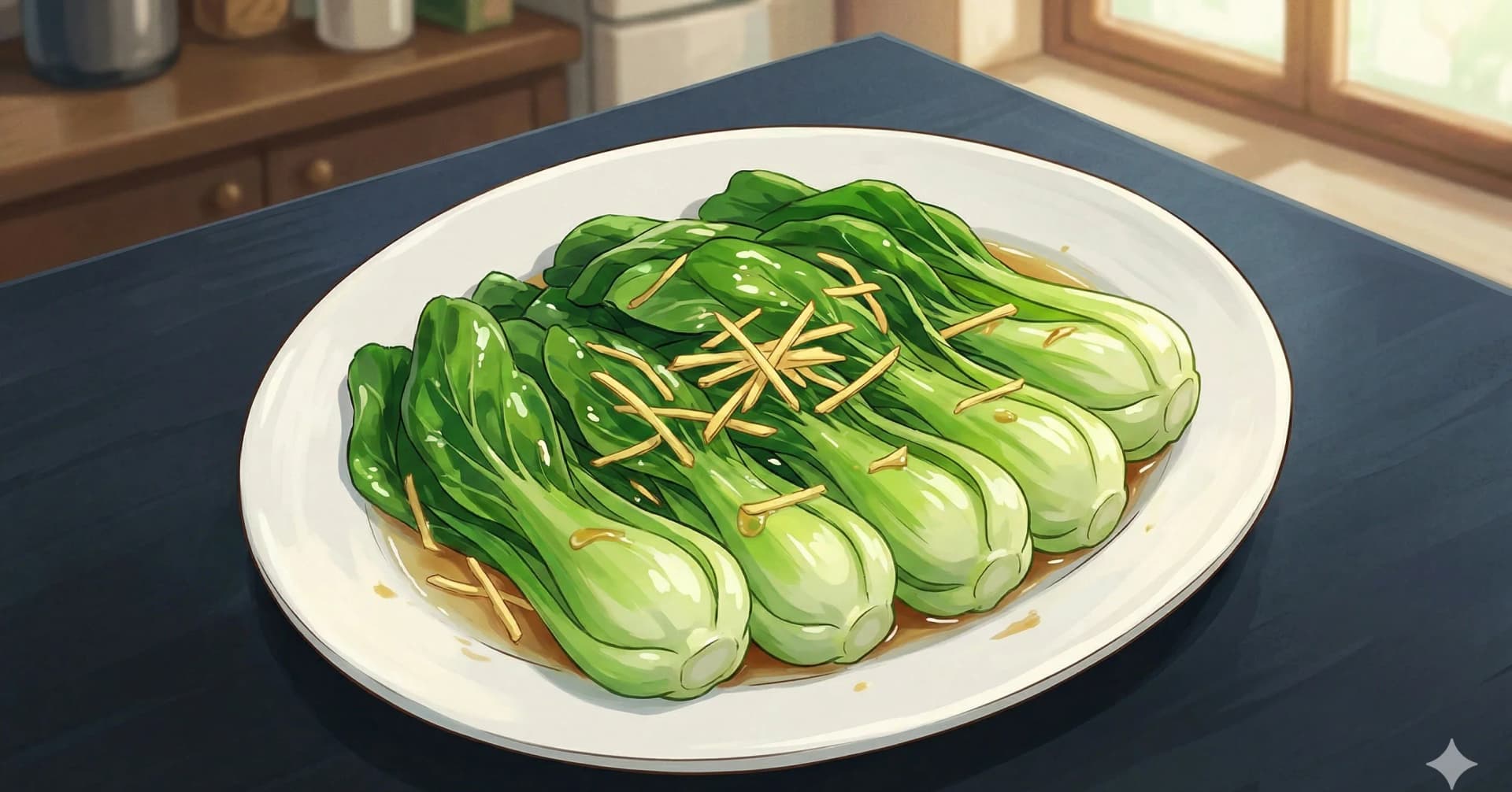
Bok Choy in Ginger Sauce (姜汁白菜)
6 minutes
 Easy
EasyCross-Cultural · China
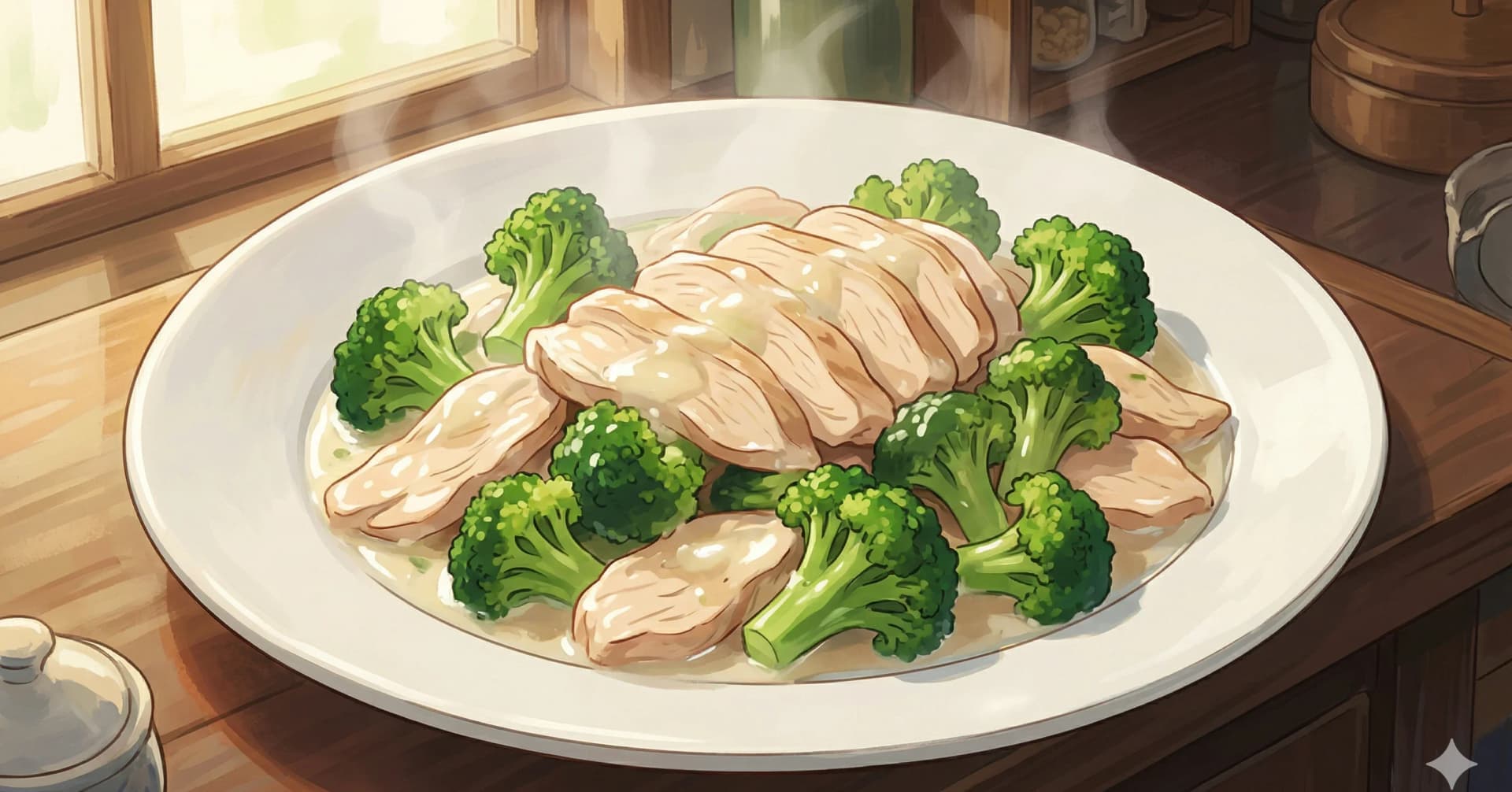
Chicken and Broccoli in White Sauce (白汁鸡花椰)
45 minutes
 Medium
Chinese Cuisine
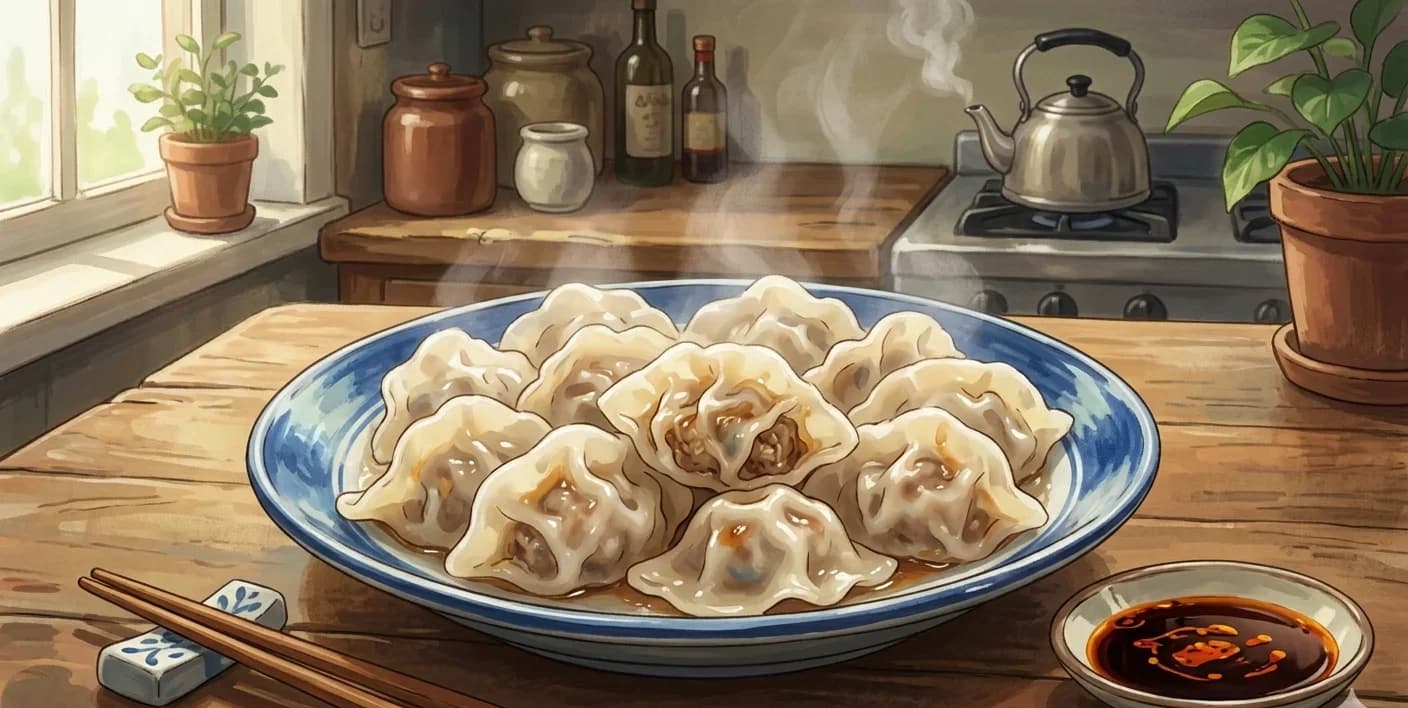
Niu Rou Yang Cong Jiaozi (Beef and Onion Dumplings)
60 minutes
 Medium
Chinese Cuisine
Bai Qie Ji (White Cut Chicken)
4 hours 30 minutes
Ratings & Comments
Ratings & Comments
Ratings
Share your thoughts on this recipe.
Sign in to rate and comment