Malaysian Cuisine
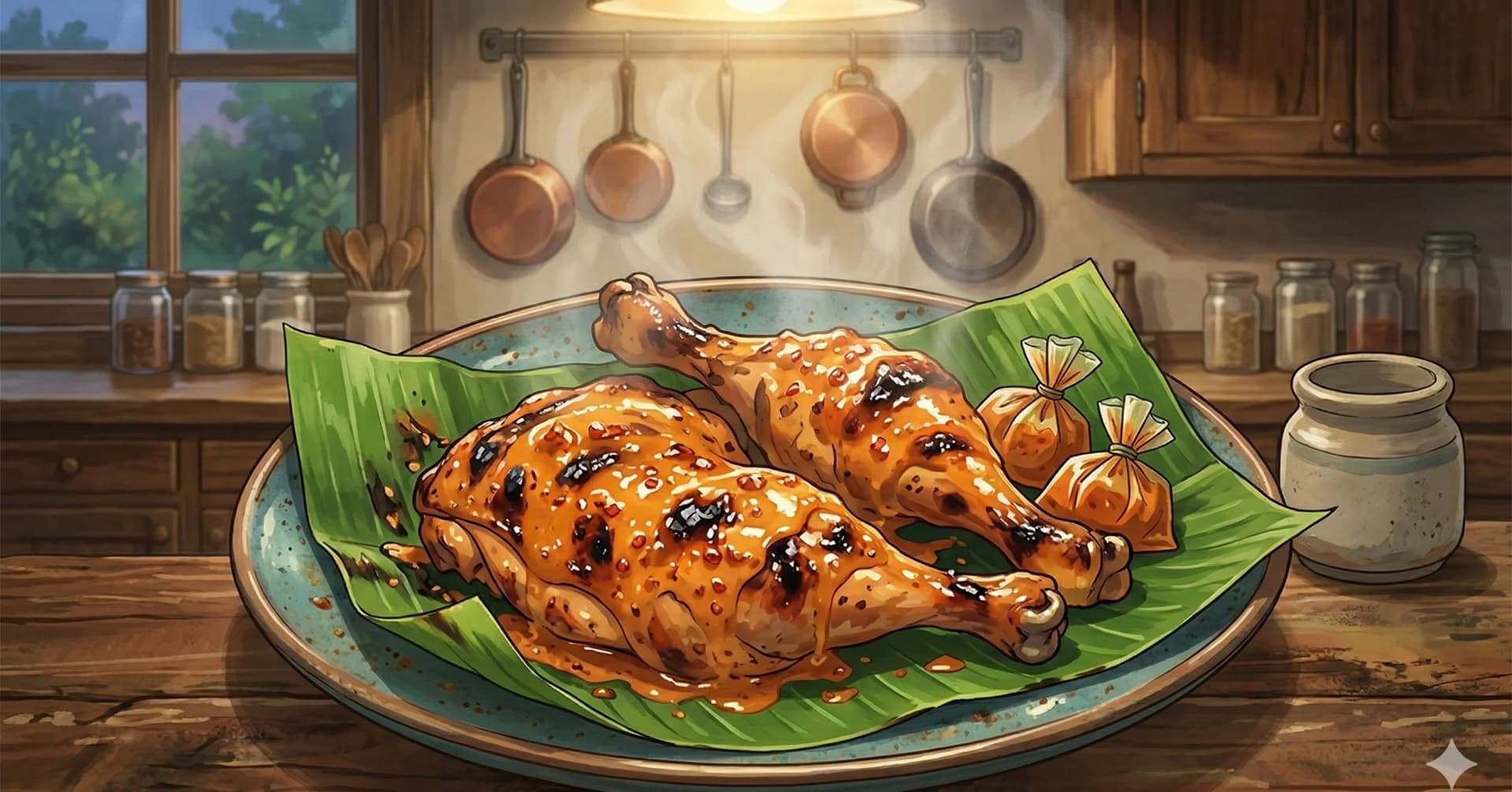
Ayam Percik (Malaysian Flame-Grilled Coconut Chicken)
Spice-marinated chicken grilled under a rich coconut cream and chili sauce
Ayam percik belongs to the east coast of Peninsular Malaysia, to the states of Kelantan and Terengganu, where rows of butterflied chickens lean toward open charcoal fires at night markets and roadside stalls. The word "percik" means to splash or sprinkle, and it describes exactly what happens at the grill: the cook ladles a thick, rust-colored coconut sauce over the chicken again and again, each coat caramelizing in the heat while the next layer goes on wet. The result is a lacquered, deeply fragrant surface that tastes of toasted coconut, warm spice, and gentle chili heat all at once.
The dish operates on two separate spice pastes. The first is a dry-leaning marinade of shallots, garlic, ginger, turmeric, coriander, and fennel that seasons the chicken from the inside. The second is the percik sauce itself, a richer blend built on lemongrass, candlenuts, and dried chili paste, loosened with coconut cream and balanced with tamarind and palm sugar. This two-layer approach means the flavor runs all the way through the meat rather than sitting only on the surface.
Ayam percik sits in a family of Southeast Asian grilled chickens that share the logic of marinade plus baste, each shaped by local ingredients and climate. Gai yang uses white pepper and coriander seed with a fish sauce base. Ga nuong xa leans on lemongrass and shallot in a Vietnamese accent. Ayam percik takes a different path, one defined by coconut cream and the candlenut-thickened sauces common to Malay cooking. Serve it the traditional way, alongside nasi lemak or steamed white rice, with a sambal and sliced cucumber on the side, and you have one of the most satisfying meals in the Malaysian repertoire.
At a Glance
Yield
4 servings
Prep
40 minutes (plus 1 hour marinating)
Cook
50 minutes
Total
2 hours 30 minutes
Difficulty
Medium
Ingredients
Chicken Ingredients
- 2¾ lbbone-in (about 8 pieces), skin-on chicken thighs and drumsticks
Marinade Ingredients
Sauce Ingredients
- 3½ ozshallots (about 5), peeled and roughly chopped
- 3¼ tbspgarlic (4–5 cloves), peeled
- 3¼ tbspfresh ginger (about 2½ cm piece), peeled and sliced
- 3 stalkslemongrass, outer layers removed, bottom 8 cm thinly sliced
- 6candlenuts, or 6 raw macadamia nuts or cashew nuts
- ⅞ cupcoconut cream
- 2 tbspdried chili paste (or sambal oelek), adjust to taste
- 1 tsptamarind paste, or 1 tbsp tamarind pulp soaked in 2 tbsp warm water and strained
- 1 tbsppalm sugar or soft brown sugar
- 1 tspfine sea salt, or to taste
- 2 tbspneutral oil (coconut oil or vegetable oil)
Method
- 1
Score the chicken pieces on the thickest parts of the flesh, making two or three shallow diagonal cuts about 5 mm deep. This helps the marinade penetrate evenly and shortens the cooking time for thicker drumsticks.
- 2
Blend the marinade ingredients (shallots, garlic, ginger, salt, sugar, turmeric, coriander seeds, and fennel seeds) in a blender or small food processor until a rough paste forms. A few tablespoons of water may help the blades catch. The paste should be textured but without large chunks.
- 3
Rub the marinade thoroughly over every surface of the chicken, pressing it into the score marks and under the skin where possible. Place the chicken in a dish, cover, and refrigerate for at least 1 hour. Overnight marinating produces the best flavor.
- 4
Blend the percik sauce base paste (shallots, garlic, ginger, lemongrass, and candlenuts) until smooth. The candlenuts may leave the paste slightly grainy, which is fine. They will dissolve during cooking.
- 5
Heat the neutral oil in a saucepan or wok over medium heat. Add the percik base paste and cook, stirring frequently, until the raw smell fades and the paste darkens slightly, about 5 to 7 minutes. The oil will begin to separate from the edges of the paste when it is ready. The kitchen should smell of toasted lemongrass and warm nuts.
- 6
Add the dried chili paste and stir constantly over low heat for another 3 to 4 minutes. The paste will deepen to a brick-red color and the surface will look glossy as the chili oil releases.
- 7
Pour in the coconut cream, tamarind paste, palm sugar, and salt. Stir until everything is well combined and the sauce begins to bubble gently. Simmer for 2 to 3 minutes, then taste and adjust the salt and sugar. The sauce should be rich, slightly sweet, gently sour, and warm with chili heat. It will thicken as it cools. Remove from the heat and set aside. You will use about half for basting during cooking and the rest for serving.
- 8
Remove the chicken from the refrigerator 30 minutes before cooking to take the chill off. Preheat a grill to medium heat (about 160 to 180C / 325 to 350F), setting up for indirect cooking if using charcoal. Alternatively, preheat the oven to 180C (350F) with a rack in the upper third.
- 9
For grilling: place the chicken pieces skin-side up on the cooler side of the grill. Close the lid and cook for 15 minutes, then flip. After another 10 minutes, begin basting generously with the percik sauce every 5 minutes, flipping each time. The sauce will caramelize in layers, building a glossy, deeply colored crust. Total grilling time is 35 to 45 minutes depending on piece size. For oven roasting: arrange the chicken on a wire rack set over a foil-lined roasting pan. Roast for 30 minutes, then remove and coat the pieces thoroughly with the percik sauce. Return to the oven and switch to the broil setting. Broil for 10 to 15 minutes, turning once and basting again midway, until the surface is charred in patches and the sauce has caramelized.
- 10
Check doneness by inserting an instant-read thermometer into the thickest part of a thigh without touching bone. The chicken is ready at 75C (165F). The juices should run clear when pierced and the skin should pull back slightly from the bone ends.
- 11
Rest the chicken on a board for 5 minutes. The residual heat will carry the internal temperature up a few degrees while the juices settle. Warm the remaining percik sauce gently and serve it alongside as a spooning sauce.
Key Ingredient Benefits
Coconut cream: The high-fat fraction of coconut milk, obtained from the first pressing of grated coconut flesh. It is rich in lauric acid, a medium-chain fatty acid that the body processes differently from long-chain fats. While coconut fat is predominantly saturated, its metabolic profile is more nuanced than that of animal-derived saturated fats, though current dietary guidance still recommends moderate consumption.
Candlenuts (buah keras): A staple thickener in Malay, Indonesian, and Hawaiian cooking. They are mildly toxic when raw, so they must always be cooked. Once heated, they contribute a subtle, creamy richness and help emulsify sauces. If unavailable, raw macadamia nuts are the closest substitute in both fat content and texture.
Lemongrass: The lower stalk is where the essential oils concentrate. The primary compound, citral, gives lemongrass its distinctive bright, citrusy aroma. In Southeast Asian traditional medicine, lemongrass tea is considered a digestive aid and a mild calming agent, though culinary doses are far below any therapeutic threshold.
Turmeric: The curcumin in turmeric is one of the most studied plant compounds for anti-inflammatory potential. Its bioavailability is poor on its own but is significantly enhanced by dietary fat (here provided by the coconut cream) and by piperine from black pepper. The golden color it imparts to the marinade also contributes to the final appearance of the chicken.
Dried chili paste: Concentrated from rehydrated dried chilies, this paste provides capsaicin alongside deep, fruity chili flavor that fresh chilies cannot replicate. Capsaicin has been studied for its thermogenic properties and potential metabolic effects, though the amounts used in cooking are modest.
Why This Works
The two-paste system does more than add complexity for its own sake. The marinade paste, applied directly to scored flesh, carries salt, sugar, and fat-soluble spice compounds (from turmeric and toasted coriander) into the meat during the resting period. The percik sauce, applied at the grill, works the surface. Candlenuts emulsify the coconut cream and chili paste into a sauce thick enough to cling to vertical chicken pieces rather than sliding off, which is essential for the traditional open-fire method.
Dried chili paste, cooked in oil before the coconut cream is added, undergoes a brief frying step that transforms its flavor from raw and harsh to round and toasty. This technique, common across Malay and Indonesian cooking, is sometimes called "tumis" and is similar to blooming spices in oil in Indian cooking. The fat extracts capsaicin and carotenoid pigments, intensifying both color and flavor.
Coconut cream rather than coconut milk is important here. The higher fat content (typically 20 to 24 percent) creates a sauce that caramelizes on the grill rather than simply evaporating. The sugars in the coconut cream and palm sugar participate in Maillard and caramelization reactions at the surface, producing the characteristic lacquered appearance and complex toasty sweetness.
Tamarind provides tartaric acid, which brightens what would otherwise be a heavy, one-note richness. The small amount is not enough to make the dish sour, but without it the sauce can taste flat.
Substitutions & Variations
Chicken cut: Bone-in, skin-on thighs alone work well and cook more evenly than mixed pieces. For boneless thighs, reduce the total cooking time by about 10 minutes and watch the sauce carefully under the broiler, as it can burn without the insulation of the bone. A whole butterflied chicken is the most traditional option for open-fire grilling.
Candlenuts: Raw macadamia nuts are the best substitute, followed by raw cashews. Blanched almonds will work in a pinch but produce a slightly grainier sauce. Use the same quantity by weight.
Dried chili paste: If you cannot find prepared dried chili paste, soak 6 to 8 dried red chilies in hot water for 20 minutes, then blend to a smooth paste. Sambal oelek is a reasonable shortcut, though it has a slightly different flavor profile with more vinegar tang.
Coconut cream: Full-fat coconut milk can be used, but the sauce will be thinner and will not caramelize as deeply. Compensate by reducing the sauce a few extra minutes before basting. Do not use light coconut milk.
Tamarind: A squeeze of lime juice (about 1 tablespoon) can replace the tamarind in a pinch, added at the end of cooking the sauce. The sourness will be brighter and less complex.
Palm sugar: Dark brown sugar or coconut sugar are interchangeable here. White sugar will sweeten without adding the caramel depth.
Oven-only method: If you do not have a grill, the oven method in step 9 produces excellent results. For more char, finish the last 3 to 5 minutes under a hot broiler, watching closely.
Spice adjustments: For a milder version, reduce the dried chili paste to 1 tablespoon. For more heat, add 1 to 2 fresh bird's eye chilies, sliced, to the percik sauce along with the coconut cream.
Serving Suggestions
The traditional pairing for ayam percik is steamed white rice or nasi lemak, the coconut-scented rice that is itself a cornerstone of Malaysian cooking. The richness of the percik sauce and the fragrant coconut rice reinforce each other without competing. Add sliced cucumber, a wedge of hard-boiled egg, and a spoonful of sambal on the side.
For a more substantial spread, serve alongside satay with its peanut sauce and chicken rendang, the dry coconut curry that represents the other great tradition of Malay coconut cooking. The contrast between the wet, saucy percik and the dry, intensely concentrated rendang makes for a compelling table.
Ayam percik also works well as part of a Southeast Asian grill night alongside gai yang and ga nuong xa, letting guests compare three distinct regional approaches to marinated grilled chicken. Set out ayam bakar, the Indonesian sweet soy grilled chicken, for a fourth point of reference.
A simple accompaniment of blanched water spinach or long beans dressed with a squeeze of lime and a pinch of salt provides a clean, green counterpoint to the richness of the chicken and sauce.
Storage & Reheating
Refrigerator: Store cooked chicken and percik sauce in separate sealed containers for up to 3 days. The sauce thickens considerably when cold but loosens again with gentle reheating.
Freezer: Wrap individual chicken pieces tightly in plastic wrap, then place in a freezer bag with as much air removed as possible. The percik sauce freezes well in a separate container. Both keep for up to 1 month. Thaw overnight in the refrigerator.
Reheating: For the best texture, reheat on a grill or in a hot skillet, skin-side down, for 3 to 4 minutes until the skin crisps, then flip and warm through. Alternatively, place on a rack over a sheet pan in a 190C (375F) oven for 8 to 10 minutes. Spoon a little fresh percik sauce over the chicken before serving. Microwaving warms the meat but softens the caramelized surface.
Percik sauce: The sauce can be made up to 3 days ahead and refrigerated. It also makes a versatile base for other grilled proteins. Try it brushed over grilled prawns, lamb chops, or firm tofu.
Cultural Notes
Ayam percik is east coast cooking. Kelantan and Terengganu, the two Malaysian states that border the South China Sea, share a Malay food culture built on coconut, palm sugar, and layered sambal pastes. The dish takes its name from the Malay verb percik, "to sprinkle" or "to splash," and the name describes the basting technique exactly: thick coconut-chili sauce ladled over the grilling chicken again and again until the surface lacquers into a deep mahogany glaze.
East coast cooking is not the cooking of west coast Malaysia. The food cultures of Kuala Lumpur and Penang carry strong Chinese and Indian influence; the food of Kelantan and Terengganu sits closer in spirit to southern Thailand and to Sumatran cooking, with more coconut and a slightly sweeter overall profile. The palm-sugar, coconut, and chili combination that defines ayam percik runs through the broader east coast sauce repertoire and turns up in many other regional dishes.
To eat ayam percik in its native habitat, go to the night markets, the pasar malam, of Kota Bharu in Kelantan. Vendors butterfly whole chickens and grill them over charcoal in long open rows. The smell of palm sugar caramelizing on the coconut basting sauce is one of the things you remember about the region long after leaving. The traditional accompaniment is nasi kerabu, the blue herb rice that is the other great Kelantanese specialty. Golden chicken, blue rice, fresh herbs, and the budu fish sauce that locals splash over the whole assembly. That combination is east coast Malay food at its sharpest.
Nutrition Facts
Calories: 426kcal (21%)|Total Carbohydrates: 37.4g (14%)|Protein: 6.9g (14%)|Total Fat: 30.8g (39%)|Saturated Fat: 17.3g (87%)|Cholesterol: 0mg (0%)|Sodium: 1619mg (70%)|Dietary Fiber: 4.6g (16%)|Total Sugars: 13.1g
You Might Also Like
 Easy
EasyVietnamese Cuisine
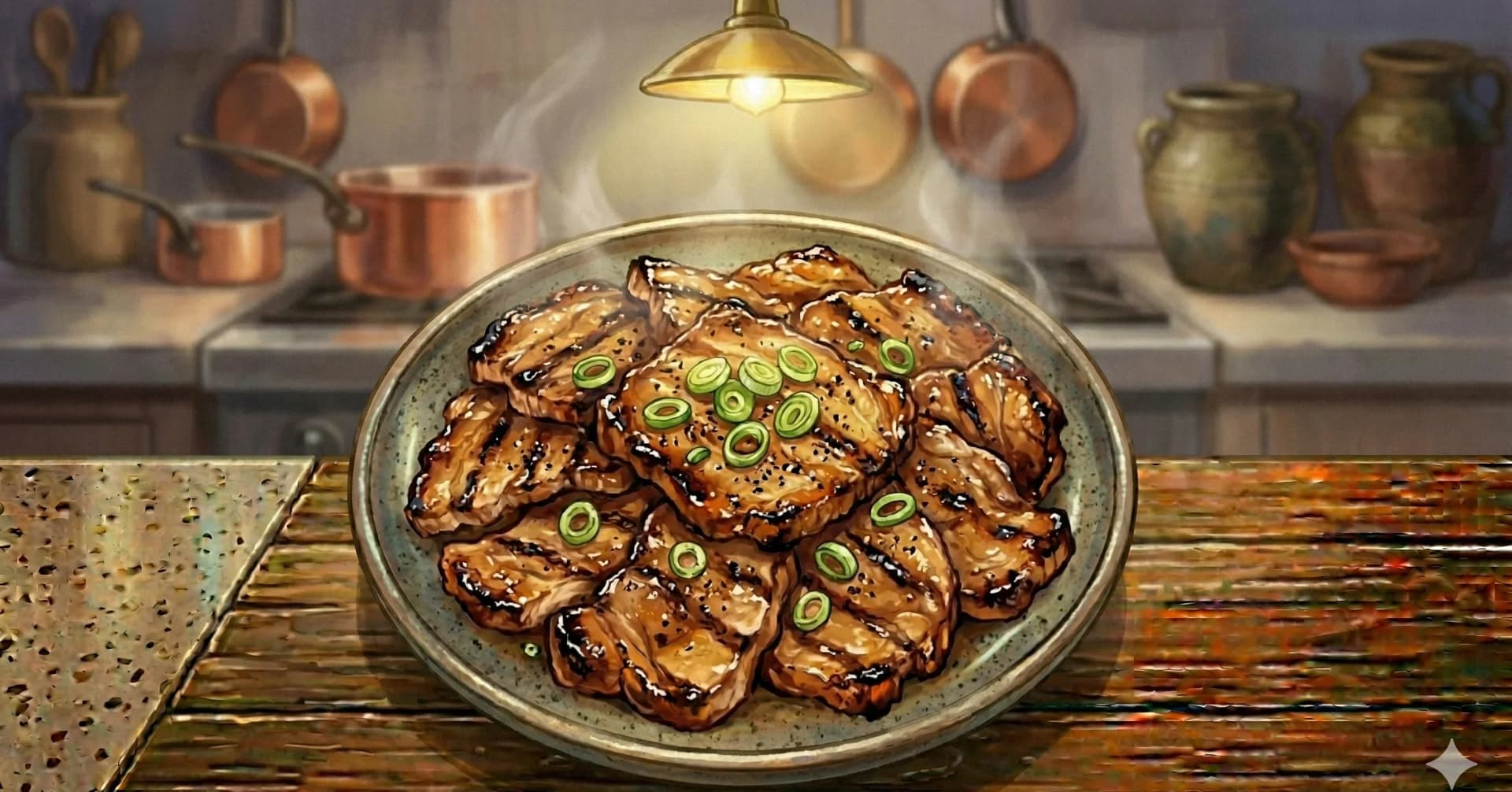
Grilled Lemongrass Pork (Thịt Nướng)
2 hours 30 minutes
 Easy
EasyIndonesian Cuisine
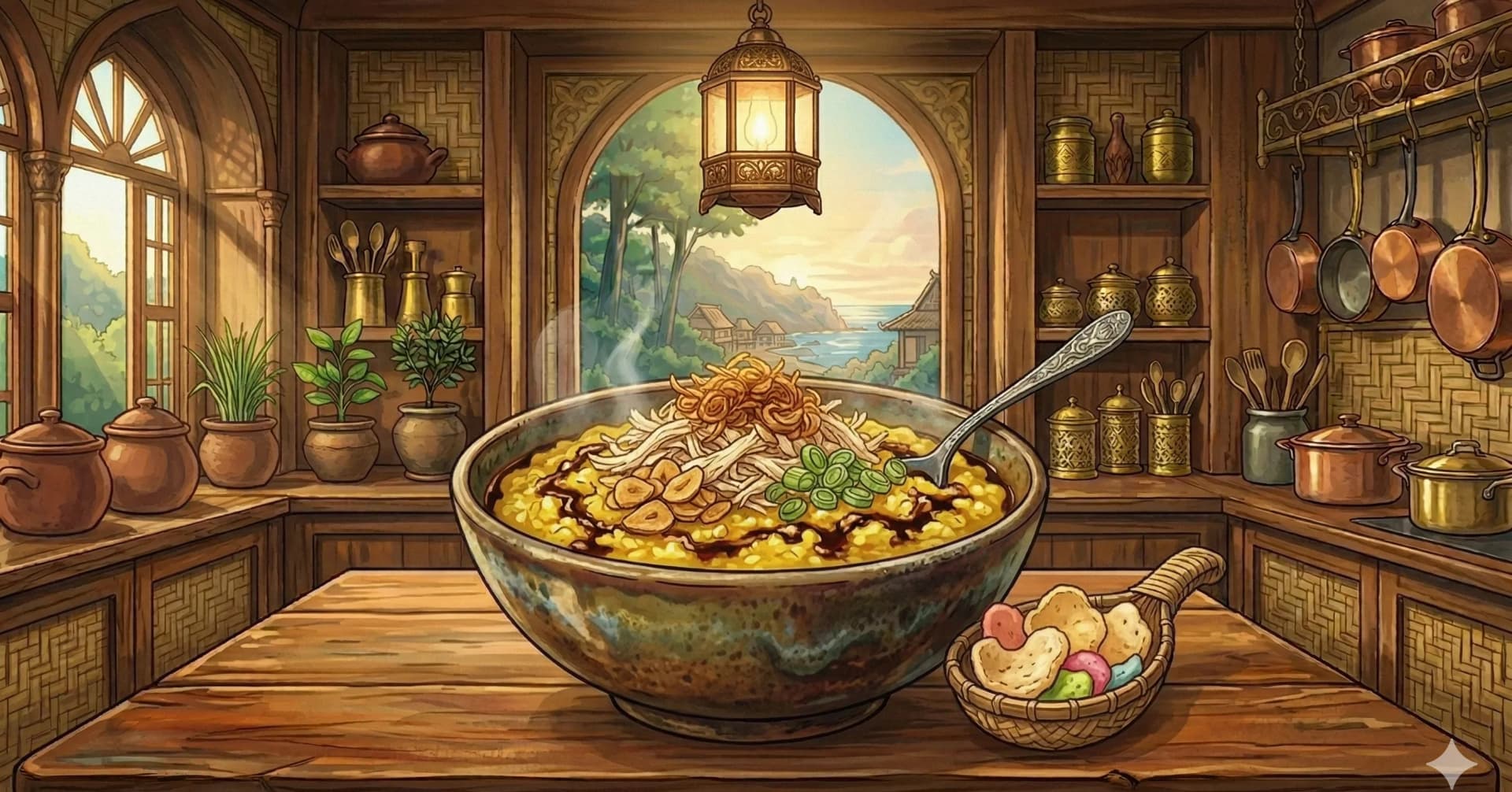
Bubur Ayam (Indonesian Chicken Rice Porridge)
1 hour 10 minutes
 Easy
EasyVietnamese Cuisine
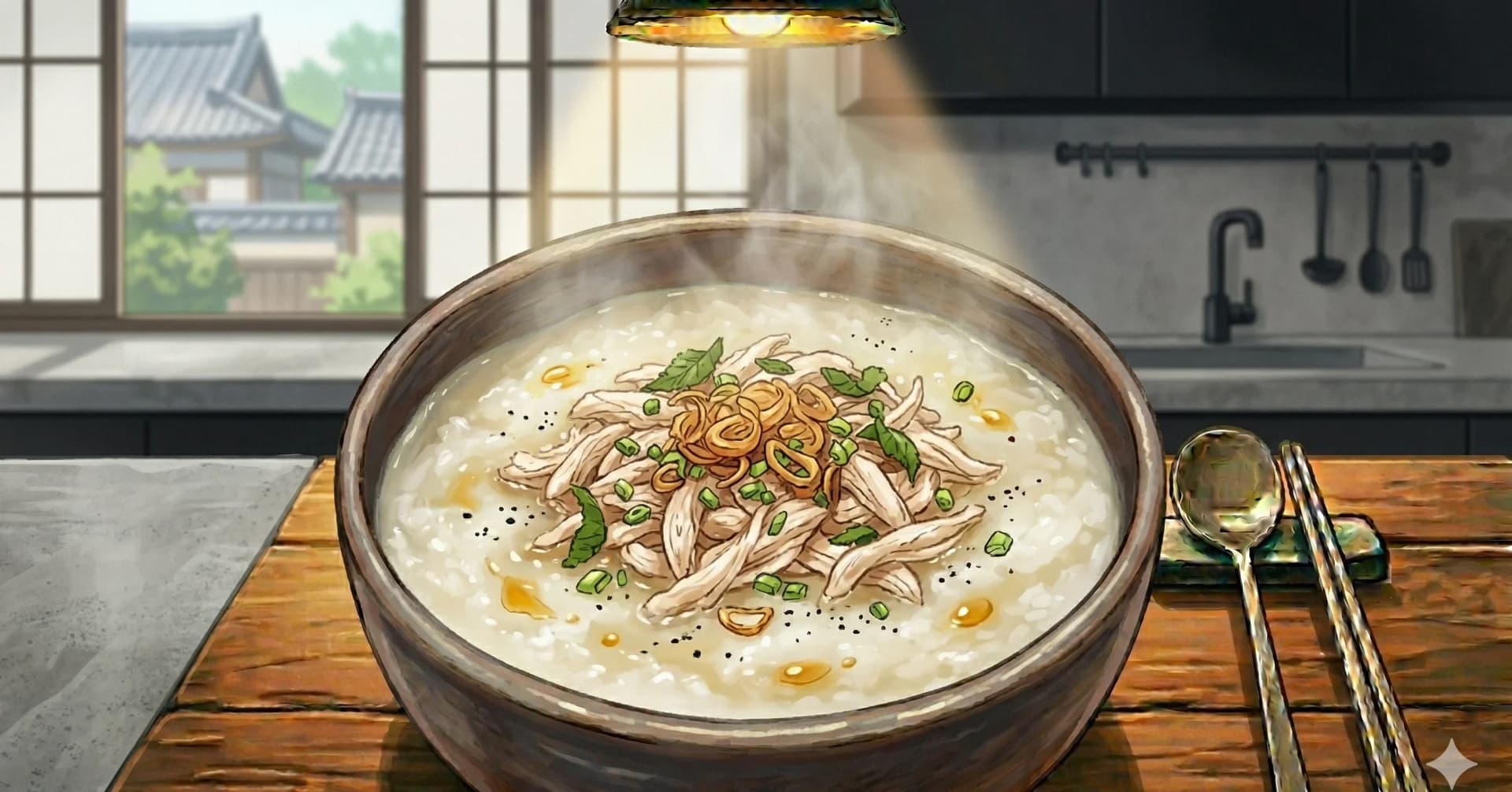
Cháo Gà (Vietnamese Chicken Rice Porridge)
1 hour 30 minutes
 Medium
Indonesian Cuisine
Ayam Goreng Lengkuas (Galangal Fried Chicken)
1 hour 45 minutes
Ratings & Comments
Ratings & Comments
Ratings
Share your thoughts on this recipe.
Sign in to rate and comment