
Vietnamese Cuisine
Salted Lime Drink (Chanh Muối)
A bracing Vietnamese salted lemon drink, brewed from preserved lemons muddled with sugar and ice water
The first sip of chanh muoi is startling in the best way. It hits every taste receptor at once: salt, sour, sweet, and a bitter depth from the preserved lemon rind, all carried in a cool, slightly cloudy liquid that tastes simultaneously refreshing and medicinal. It is not a smooth drink. It has edges, a sharpness that clears the sinuses, wakes up the palate, and leaves a clean, briny finish that lingers. In Vietnam, this is the drink people reach for on the hottest days, when the humidity presses down and nothing but salt and acid seems capable of cutting through it.
Chanh muoi is made from whole lemons or limes preserved in salt for weeks until the rinds soften, the juices concentrate, and the fruit undergoes a transformation from sharp and fresh to deeply complex and almost savory. The preservation technique is ancient and simple: lemons layered with coarse salt in a jar, sealed, and left to ferment and cure until the rinds become translucent and the liquid turns syrupy. This is the same principle behind Moroccan preserved lemons, though the Vietnamese version is used primarily for drinks rather than cooking.
The drink itself takes less than a minute to prepare. A preserved lemon is muddled in a glass with sugar and a splash of warm water to dissolve the sweetness, then topped with cold water and ice. The result is a drink that functions as both refreshment and folk remedy. Vietnamese grandmothers swear by it for sore throats, upset stomachs, and heat exhaustion, and the combination of salt, acid, and sugar does make it an effective electrolyte replacement, centuries before sports drinks existed.
At a Glance
Yield
1 serving (easily scaled)
Prep
5 minutes (plus 3 weeks for preserving lemons)
Cook
0 minutes
Total
5 minutes (plus preservation time)
Difficulty
Easy
Ingredients
Pickle Ingredients
- 6to 8 lemons or key limes (about 500 g)
- ⅓ cupcoarse salt (sea salt or kosher salt)
- —Warm water, enough to cover the lemons
Drink Ingredients
- 1 wholepreserved salted lemon
- 15to 20 g sugar, or to taste
- 2 tbspwarm water (to dissolve the sugar)
- ⅞ cupcold water
- —Ice cubes
Method
- 1
Wash the lemons thoroughly and dry them. If the lemons are large, score them in an X pattern from the top, cutting about halfway through. If using small key limes, leave them whole or halve them.
- 2
Pack the lemons into a clean glass jar, layering them with coarse salt. Press them down firmly so they release some juice. The salt should be distributed evenly among the layers.
- 3
Pour enough warm water into the jar to cover the lemons completely. The lemons must stay submerged. If they float, weigh them down with a small plate or a sealed bag filled with water.
- 4
Seal the jar tightly. Place it in a cool, dark spot for at least 3 weeks. The lemons are ready when the rinds have softened, the liquid has turned syrupy, and the fruit has taken on a translucent, slightly amber appearance. They continue to improve over time and can be kept for up to 1 year.
- 5
Once opened, store the jar in the refrigerator. Use clean utensils when removing lemons to prevent contamination.
- 6
Place one preserved lemon in a tall glass. Add the sugar and warm water. Muddle the lemon firmly with a spoon or muddler, pressing to crush the softened flesh and rind and release the juices. The goal is to break the lemon apart and dissolve the sugar into the released liquid.
- 7
Add the cold water and stir well. Taste and adjust. The drink should be salty, sour, and sweet in roughly equal measure, with the bitter complexity of the preserved rind adding depth. Add more sugar if it is too salty, or more cold water if it is too intense.
- 8
Fill the glass with ice cubes. Stir once more.
- 9
Serve immediately. Sip slowly. The first few sips will be the most intense as the ice has not yet diluted the drink. The flavor mellows as the ice melts, and the final sips will be gentler and more refreshing. Leave the muddled lemon in the glass for continued flavor.
Key Ingredient Benefits
Preserved lemons: The preservation process partially degrades vitamin C but concentrates citric acid, potassium, and bioavailable sodium. The softened rind is edible and contributes flavonoids (including hesperidin and naringenin), compounds that research has associated with anti-inflammatory and cardiovascular benefits.
Salt: The sodium in the drink serves a practical purpose in hot climates, replacing electrolytes lost through perspiration. In Vietnamese folk medicine, the combination of salt and sour is considered cooling and throat-soothing, traditionally recommended for sore throats, coughs, and digestive discomfort.
Sugar: Provides glucose that aids sodium absorption in the intestines, the same principle behind medical oral rehydration solutions. The sugar also balances the intense saltiness and acidity of the preserved lemon.
Why This Works
Salt-preserving lemons accomplishes three things. First, the osmotic pressure of the salt draws moisture out of the fruit, concentrating the citric acid and flavor compounds. Second, the high-salt environment softens the pectin in the rind, turning it from tough and bitter into something edible, soft, and deeply flavored. Third, the extended curing time allows enzymatic and slow fermentation processes to develop new flavor compounds that fresh lemons simply do not possess.
The combination of salt, sugar, and citric acid in the finished drink creates an effective oral rehydration solution, replacing the sodium, potassium, and glucose that the body loses through sweat. This is why chanh muoi has been a traditional remedy for heat exhaustion in Vietnam for generations. The folk wisdom aligns with modern understanding of electrolyte balance.
The bitterness from the preserved rind is important. It prevents the drink from tasting like simple lemonade. The rind's bitter compounds add complexity and a slightly medicinal quality that Vietnamese drinkers associate with health and refreshment.
Substitutions & Variations
Lemons vs. limes: In Vietnam, chanh (lime) is more common than lemon. Key limes or regular limes work well. Standard lemons produce a slightly different flavor but are equally valid.
Store-bought preserved lemons: Available at some Asian grocery stores and Middle Eastern markets. Vietnamese brands (chanh muoi) are often sold in jars ready to use. Check the salt content, as some are saltier than others.
Sparkling water: Replace the cold water with sparkling water for a fizzy version that is refreshing and slightly more modern in presentation.
With soda: In Vietnam, chanh muoi is sometimes mixed with 7-Up or Sprite instead of water, creating a sweeter, carbonated version popular at cafes.
Warm version: For sore throats, muddle the preserved lemon in warm water with honey instead of sugar. Skip the ice. This is the traditional Vietnamese remedy version.
Honey substitute: Replace the sugar with honey for a more rounded sweetness and additional throat-soothing properties traditionally associated with honey.
Serving Suggestions
Chanh muoi is typically drunk on its own as a refreshing beverage, particularly in hot weather. It appears at cafes, street carts, and family homes across Vietnam.
As a beverage pairing, it works well alongside rich, heavy dishes where its salt and acid can cleanse the palate. Try it with thit kho tau or ca kho to, where the bracing acidity cuts through the rich caramel sauces.
For a Vietnamese drink spread, serve chanh muoi alongside ca phe trung (egg coffee) and a pot of tra da (iced Vietnamese tea). The three drinks represent the range of Vietnamese beverage culture: the salty-sour refresher, the rich coffee dessert, and the light, everyday tea.
Storage & Reheating
Preserved lemons: Keep in the sealed jar at room temperature for up to 1 year before opening. After opening, store in the refrigerator for up to 6 months. Always use clean utensils.
Mixed drink: Prepare fresh each time. The drink does not store well once assembled, as the ice melts and the flavor becomes too diluted.
Quick-start option: If you do not want to wait 3 weeks, purchase pre-made Vietnamese preserved lemons from an Asian grocery store.
Cultural Notes
Chanh muối, Vietnamese salted preserved lime drink, belongs to the broader Southeast Asian tradition of fermented citrus preserves used as both seasonings and beverage bases. The technique of preserving citrus in salt for months or years has parallels across the region: Indian nimbu ka achar, Moroccan preserved lemons (which traveled through centuries-old trade routes deep into Asia), and various Chinese preserved citrus products. The Vietnamese version uses Vietnamese limes, which are smaller and more aromatic than Western limes, and the result is a complex fermented flavor that runs from bright citrus on the front end to deep salt in the middle to a faintly bitter rind funk on the finish.
The drink form, preserved lime muddled with sugar in cold water, is one of the most popular non-alcoholic beverages in Vietnam. Demand spikes during the hot southern summer, when temperatures regularly exceed 35°C. Streetside vendors sell it from every corner of every Vietnamese city, often poured straight from large glass jars where the limes have been quietly fermenting for months. It is considered refreshing and electrolyte-replenishing in a way that plain water is not. The salt-and-sour combination is what does it. Cold water alone cannot restore hydration the way chanh muối can after a few hours of heat exhaustion.
The preserved limes themselves have a second life beyond the drink. Vietnamese cooks chop them finely into bún bò Huế broth for extra depth. They slice into dressings for Vietnamese-style salads. They simmer with chicken for ga kho chanh muối, an unusually complex caramelized chicken with preserved lime. They even turn up in certain dessert preparations for sweet-and-salty contrast.
The preservation tradition itself is one of the more visible markers of older Vietnamese household self-sufficiency. Many traditional southern Vietnamese kitchens still keep a jar of fermenting limes on the counter year-round, replenishing it as the contents get used. The jar is part of the kitchen the way a salt cellar is.
Nutrition Facts
Calories: 80kcal (4%)|Total Carbohydrates: 21g (8%)|Protein: 0g (0%)|Total Fat: 0g (0%)|Saturated Fat: 0g (0%)|Cholesterol: 0mg (0%)|Sodium: 600mg (26%)|Dietary Fiber: 0g (0%)|Total Sugars: 18g
You Might Also Like
 Easy
EasyVietnamese Cuisine
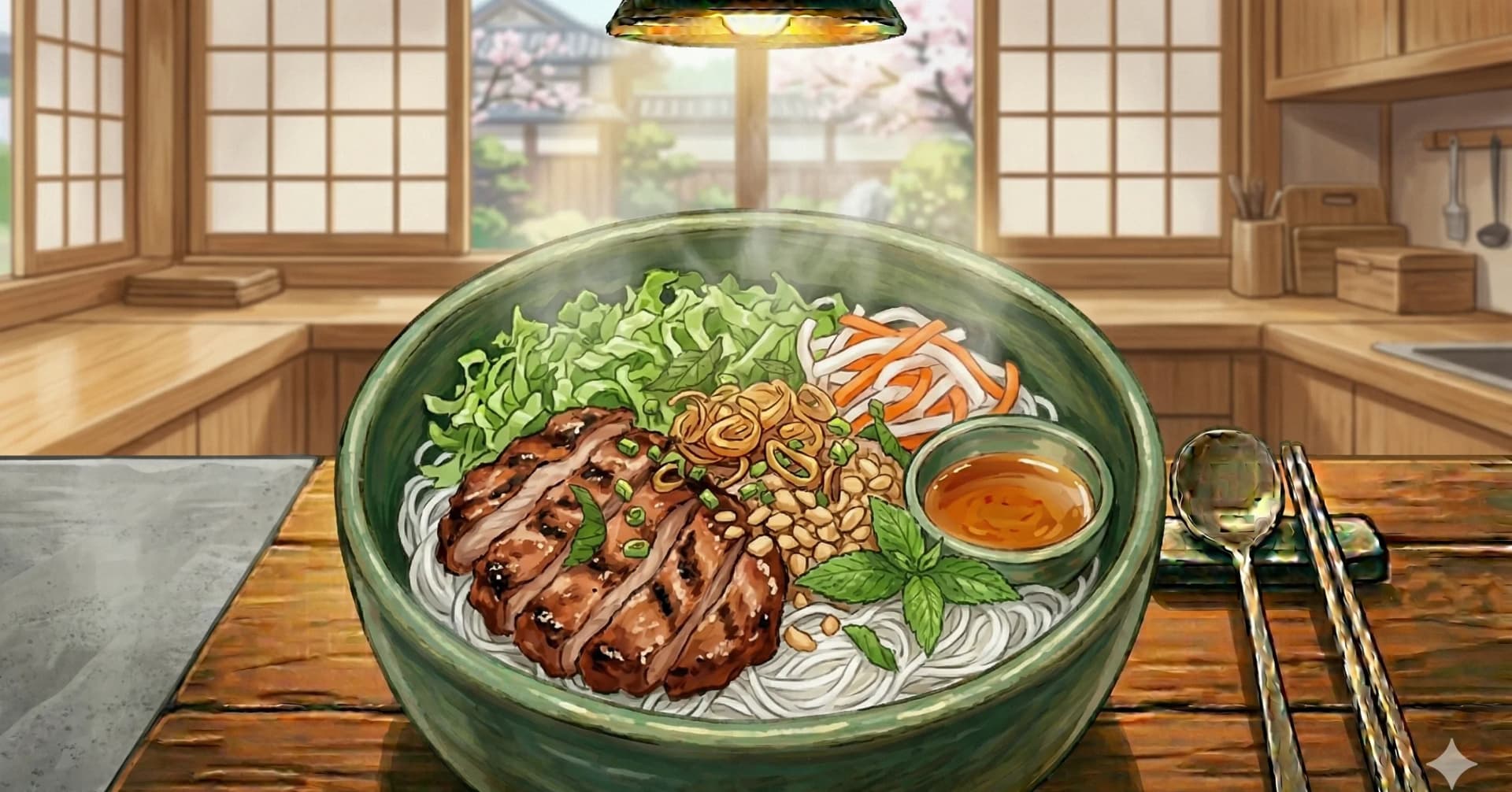
Grilled Pork Noodle Bowl (Bún Thịt Nướng)
2 hours 45 minutes
 Easy
EasyVietnamese Cuisine
Vietnamese Egg Coffee (Cà Phê Trứng)
15 minutes
 Easy
EasyVietnamese Cuisine
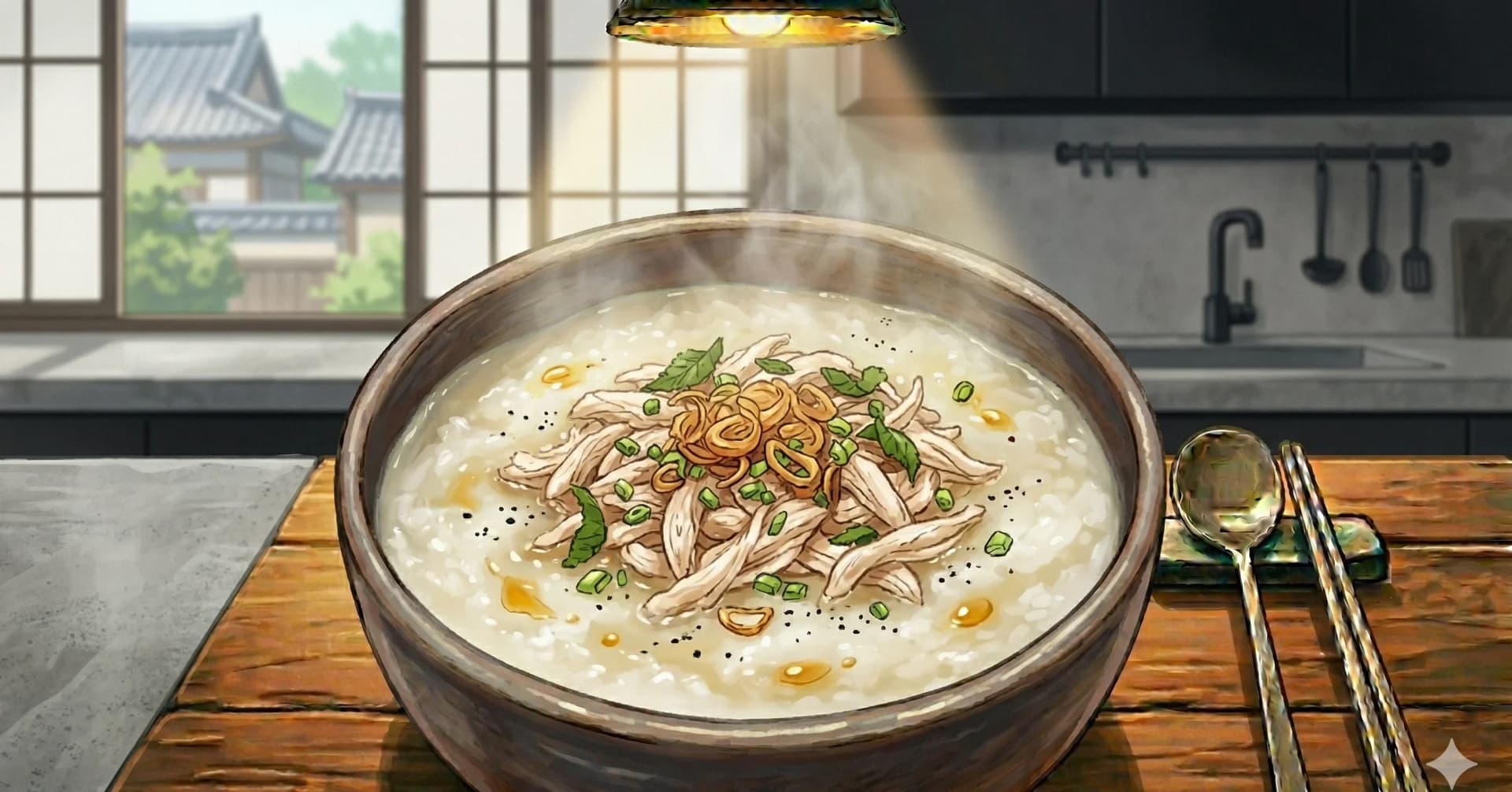
Cháo Gà (Vietnamese Chicken Rice Porridge)
1 hour 30 minutes
 Easy
EasyVietnamese Cuisine
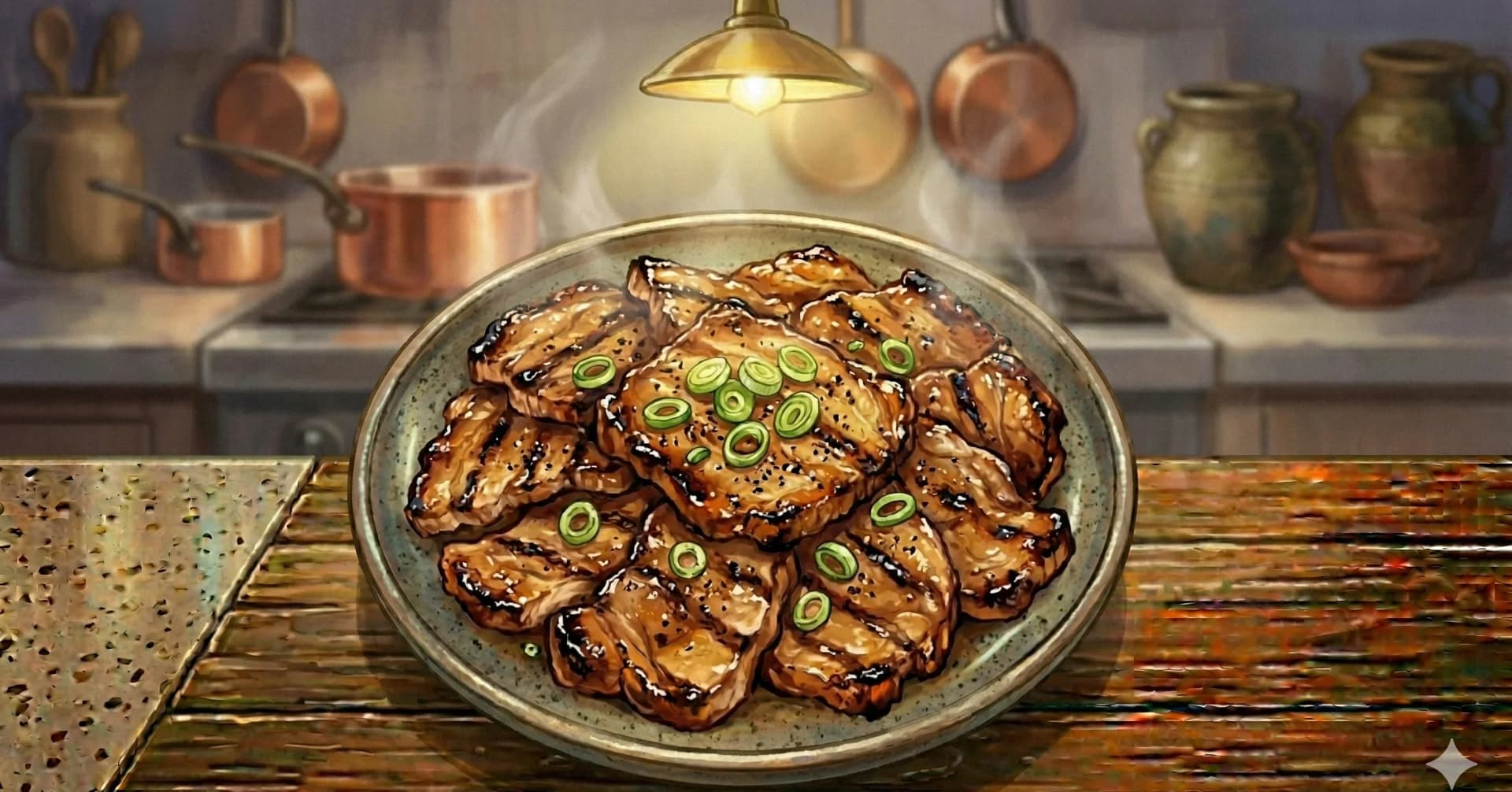
Grilled Lemongrass Pork (Thịt Nướng)
2 hours 30 minutes
Ratings & Comments
Ratings & Comments
Ratings
Share your thoughts on this recipe.
Sign in to rate and comment