Chinese Cuisine
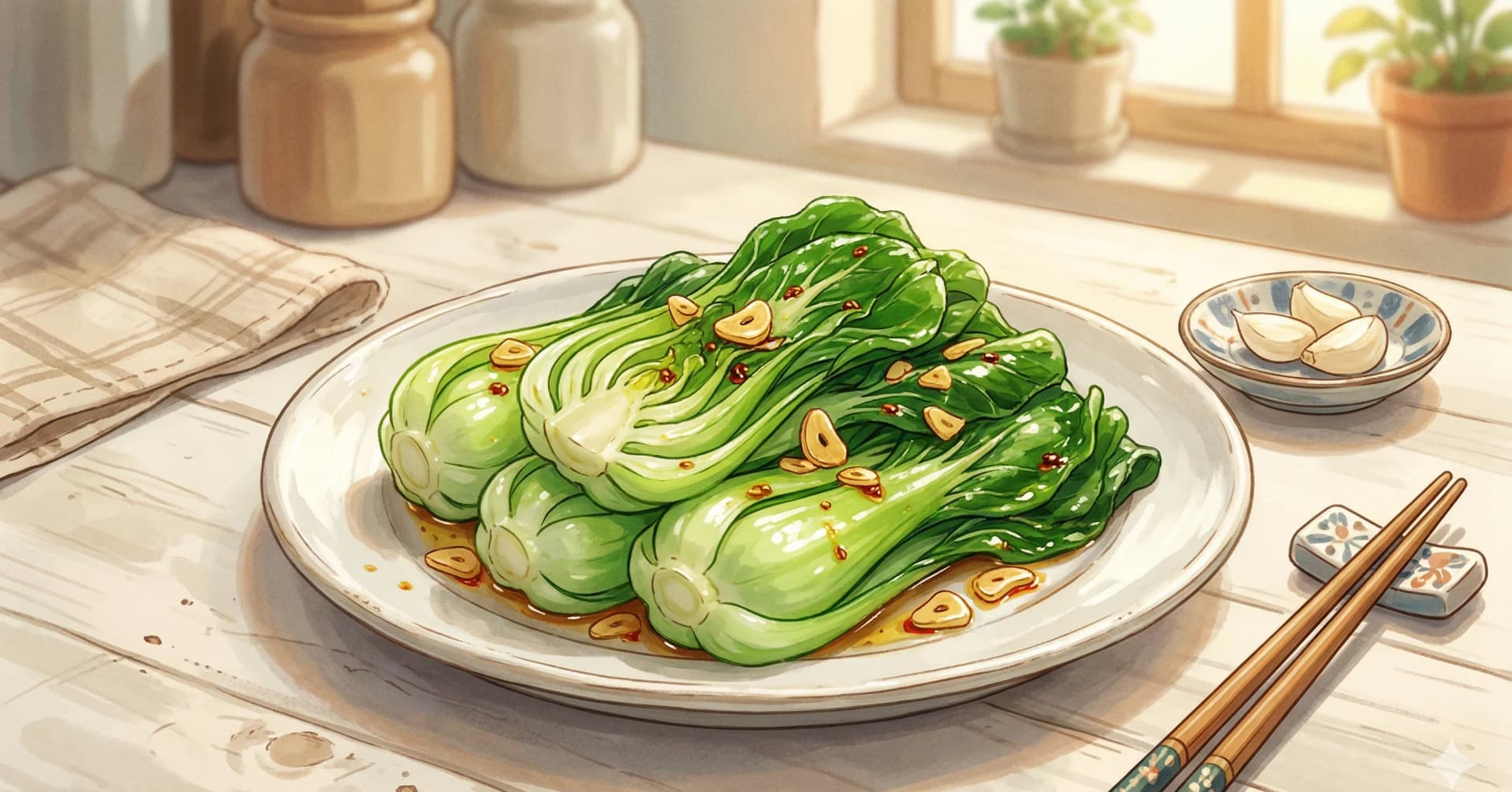
Suan Rong Chao Xiao Bai Cai (Garlic Bok Choy Stir-Fry)
Tender baby bok choy stir-fried with garlic until the stems are translucent and the leaves barely wilted
There is something almost meditative about a well-executed garlic bok choy. The entire dish, from cold wok to finished plate, takes less than five minutes of active cooking. The baby bok choy hits the smoking hot oil and immediately begins to transform: the thick white stems turn from opaque to glassy and translucent, softening into something silky and slightly sweet, while the green leaves wilt just enough to become tender without losing their vibrant color. A few slices of garlic, barely golden, cling to the surface. A light sheen of oil catches the light. That is all. It is the Chinese vegetable side dish distilled to its essence.
This preparation appears nightly on dinner tables across China, from Cantonese families who serve it alongside steamed fish to northern households who pair it with braised meats. It is the default green vegetable at a Chinese meal, the dish that provides balance, freshness, and color to a table of richer, heavier dishes. Its simplicity is deceptive: timing, heat, and the quality of the bok choy matter more here than in almost any other preparation.
The practical key is a screaming hot wok and completely dry bok choy. Water on the vegetable surface drops the wok temperature and creates steam, which turns a stir-fry into a braise. The stems should sear and soften, not stew in their own liquid. If your bok choy is wet, the dish will taste watery and flat. Dry, with a hot wok, it will taste clean, sweet, and faintly smoky.
At a Glance
Yield
4 servings
Prep
5 minutes
Cook
5 minutes
Total
10 minutes
Difficulty
Easy
Ingredients
- 1 lbbaby bok choy (about 8–10 heads)
- 4 clovesgarlic, thinly sliced
- 2 tbspvegetable oil
- ½ tspsalt
- 2 tbspwater
- 1 tspsesame oil
- —Pinch of white pepper (optional)
Method
- 1
Trim the base of each baby bok choy and separate the leaves if they are tightly packed. If the bok choy heads are small, you can halve them lengthwise. If large, quarter them. Wash thoroughly under running water, paying attention to the base where dirt collects.
- 2
Dry the bok choy completely. Use a salad spinner if you have one, or spread the pieces on a clean kitchen towel and pat dry. This step is essential.
- 3
Heat a wok over high heat until wisps of smoke appear. Add the vegetable oil and swirl to coat the surface.
- 4
Add the garlic slices. Stir quickly for 5 to 8 seconds, just until the edges begin to turn golden and the garlic releases its sharp fragrance. Do not let it brown fully, as it will continue to cook with the vegetables.
- 5
Add the bok choy stems first (if you have separated them from the leaves). Toss in the hot oil for about 30 seconds, pressing them against the wok surface for brief contact with the heat. The stems should begin to turn translucent at the edges.
- 6
Add any remaining leafy portions. Toss vigorously for another 30 seconds. The leaves will wilt rapidly, shrinking dramatically.
- 7
Sprinkle the salt over the vegetables and toss to distribute.
- 8
Add the water along the edge of the wok. It will hiss and create a burst of steam that helps finish cooking the stems through. Cover the wok for 30 seconds if you want the stems more tender.
- 9
Remove the lid (if used). The bok choy should be bright green, with stems that are translucent and yielding when pressed but still have a gentle crunch. The leaves should be wilted but not army-green or slimy.
- 10
Taste a stem. It should taste clean and slightly sweet, with a pleasant vegetable flavor and no rawness. Adjust salt if needed.
- 11
Remove from heat. Drizzle with sesame oil and add a pinch of white pepper if desired.
- 12
Transfer to a serving plate using tongs, shaking off excess liquid. Arrange the pieces neatly.
- 13
Serve immediately. This dish does not wait well.
Key Ingredient Benefits
Bok choy is a member of the brassica family, rich in vitamins A, C, and K, as well as calcium and folate. It contains glucosinolates, compounds that research suggests may have protective effects against certain cancers. The brief cooking time preserves more of its heat-sensitive nutrients than prolonged cooking would.
Garlic provides allicin-derived compounds when sliced, which are traditionally associated with immune support and cardiovascular health. Even brief cooking retains some beneficial sulfur compounds.
This dish is remarkably low in calories while being rich in micronutrients, making it one of the most nutritionally efficient preparations in the Chinese vegetable repertoire.
Why This Works
Bok choy is about 95 percent water, which means it wilts and shrinks dramatically during cooking. The high heat of the wok evaporates surface moisture quickly, allowing the natural sugars in the stems to concentrate and caramelize slightly. This is what creates the subtle sweetness that makes well-cooked bok choy so appealing.
The small addition of water at the end serves a specific purpose. By this point, the wok is very hot and the vegetables are at risk of scorching. The water creates a burst of steam that finishes cooking the thicker stems through without requiring more oil or longer direct heat. It evaporates almost immediately, leaving the vegetables cooked but not waterlogged.
Garlic is kept in thin slices rather than minced for this preparation. Slices cook more slowly and retain their texture, providing small bursts of garlic flavor as you eat. Minced garlic would burn quickly in the intense heat and could become bitter.
Substitutions & Variations
- Bok choy type: Shanghai bok choy (xiao bai cai, with spoon-shaped leaves) works equally well. Regular full-sized bok choy needs to be quartered or sliced and requires slightly longer cooking.
- Oyster sauce version: Add 15 ml of oyster sauce with the water for a richer, more umami-driven result. This is the standard Cantonese restaurant preparation.
- Ginger version: Add a few slices of fresh ginger with the garlic for a warmer flavor profile.
- Chili flakes: A pinch of dried chili flakes added with the garlic gives a pleasant gentle heat.
- Other greens: This exact technique works with choy sum, gai lan (Chinese broccoli), water spinach (kong xin cai), or pea shoots. Adjust cooking time based on the thickness of the stems.
Serving Suggestions
This is the universal Chinese vegetable side dish. It belongs on the table alongside virtually any main course: braised pork, steamed fish, stir-fried noodles, or fried rice. It provides the freshness and lightness that balances richer dishes. For a simple vegetarian meal, pair it with braised tofu and steamed rice.
Storage & Reheating
This dish is best eaten immediately. Cooked bok choy continues to release water as it sits, becoming limp and watery within minutes. If you must save leftovers, refrigerate for up to 1 day and use them in soups or fried rice rather than trying to recreate the stir-fry. Not recommended for freezing. The entire dish takes 10 minutes to make fresh, so it is almost always better to cook a new batch.
Cultural Notes
Suan rong bai cai (蒜蓉白菜, "garlic-paste bok choy") is the Cantonese vegetable stir-fry built on a foundational flavor pairing in Chinese cooking: tender Asian leafy greens, hot oil, and a generous amount of finely chopped garlic. The dish is a fixture of every Cantonese meal, served as the obligatory vegetable course alongside a meat dish, a fish dish, and a soup. The technique is fast and the ingredient list is short, but the dish requires the same wok-heat discipline as any Cantonese stir-fry: under-heated wok produces stewed soggy greens, while properly heated wok produces greens that are bright green, lightly charred at the edges, and still snappy in texture.
The choice of bok choy matters. Cantonese cooks distinguish carefully between several varieties: bai cai (white-stemmed Chinese cabbage, the small thumb-sized baby bok choy is best for quick stir-frying), yu choy (Chinese flowering cabbage, with long green stems and small yellow flowers), gai lan (Chinese broccoli, with thick stems and dark leaves), and choy sum (similar to yu choy but younger and more tender). For garlic stir-fries, baby bok choy and choy sum are the most common choices. The vegetable is washed, drained, and either left whole (for baby bok choy) or cut into three-inch lengths (for the longer-stemmed varieties).
The technique blanches the vegetable briefly in salted boiling water with a teaspoon of oil first, drains it, then finishes in a screaming-hot wok with a generous spoonful of oil and a tablespoon of finely chopped garlic. The garlic is added to cold oil and heated together until just fragrant but not yet browned, then the blanched vegetable goes in for a quick toss with a splash of stock, a small amount of light soy sauce or salt, and a touch of sugar to bring out the natural sweetness. The dish goes from wok to plate in seconds. A small drizzle of oyster sauce is added at the end at some Hong Kong restaurants, though the strictly traditional version uses only garlic and light soy.
Nutrition Facts
Calories: 65kcal (3%)|Total Carbohydrates: 3.7g (1%)|Protein: 2.1g (4%)|Total Fat: 5.3g (7%)|Saturated Fat: 0.5g (3%)|Cholesterol: 0mg (0%)|Sodium: 382mg (17%)|Dietary Fiber: 1.3g (5%)|Total Sugars: 1.5g
You Might Also Like
 Medium
Chinese Cuisine
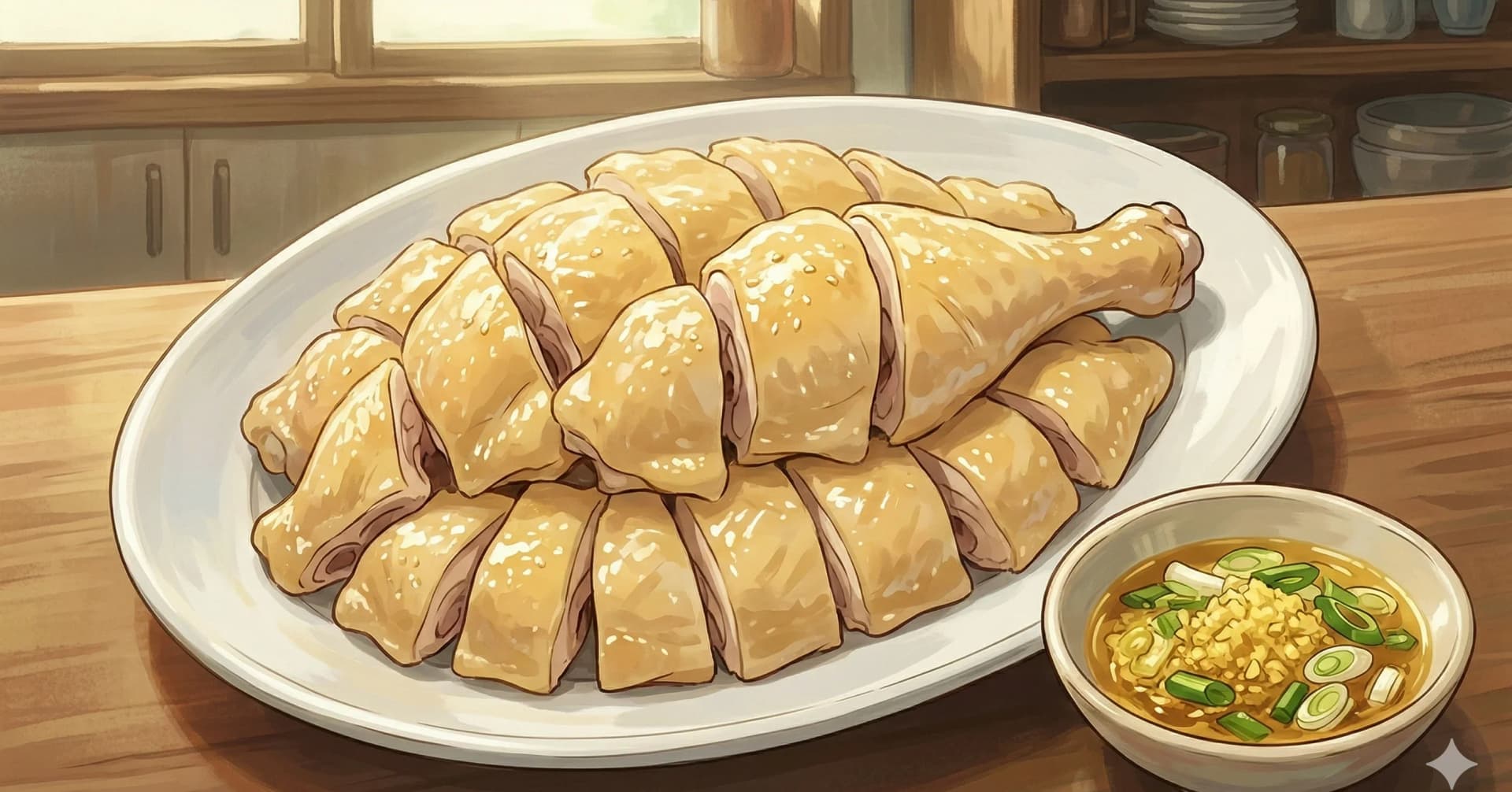
Bai Qie Ji (White Cut Chicken)
4 hours 30 minutes
 Easy
EasyTraditional Chinese Medicine · China
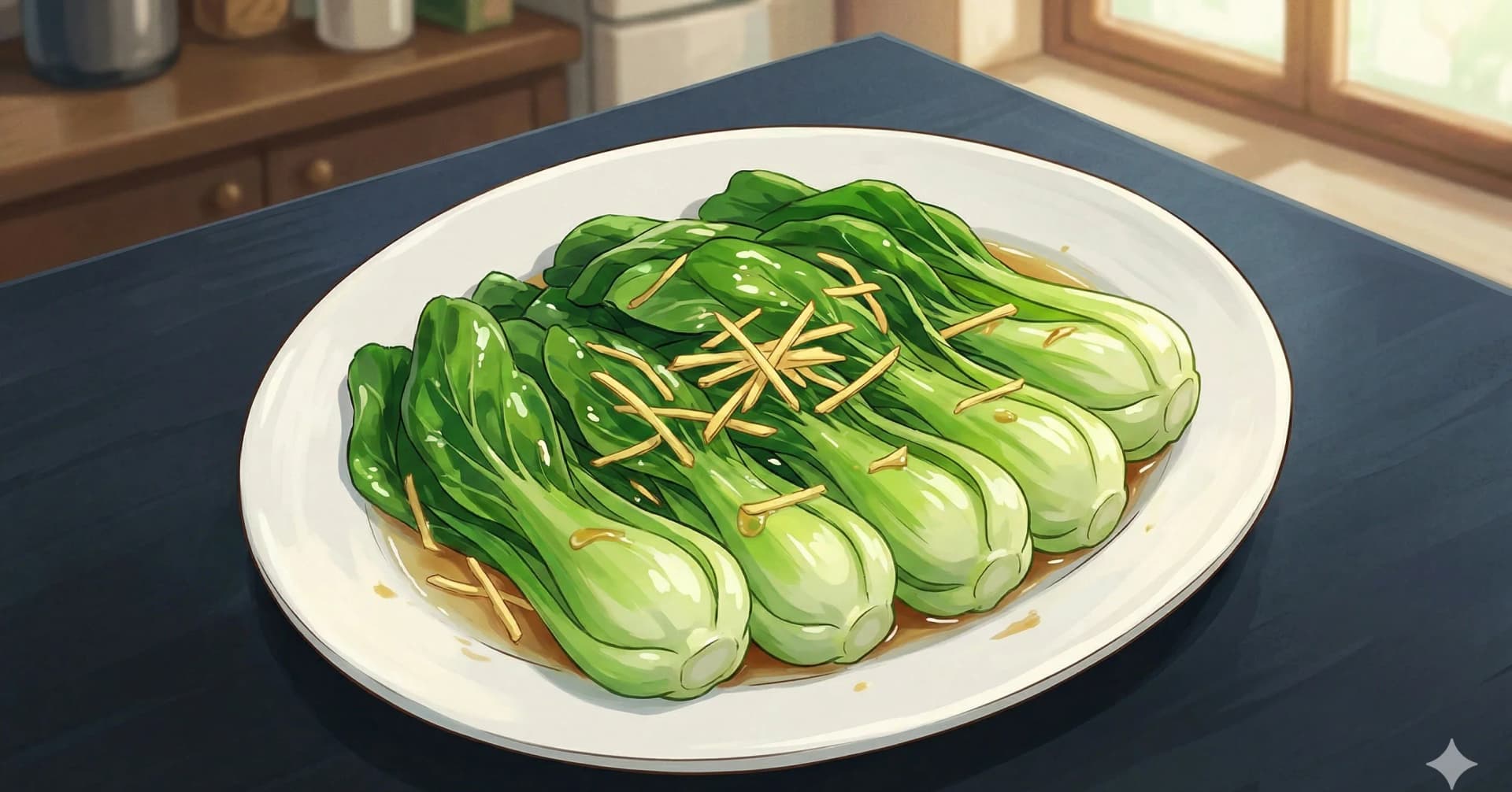
Bok Choy in Ginger Sauce (姜汁白菜)
6 minutes
 Easy
EasyCross-Cultural · China
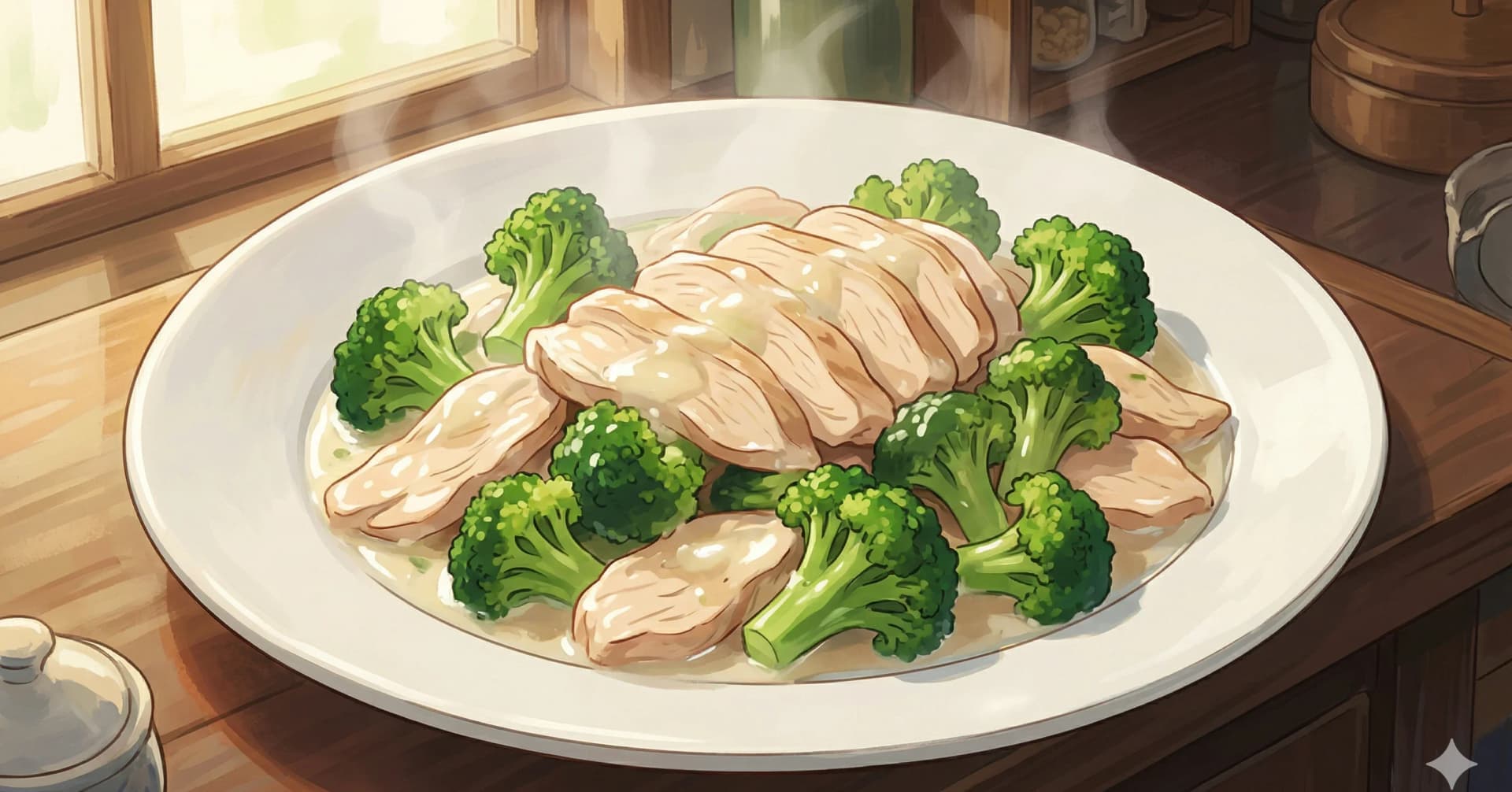
Chicken and Broccoli in White Sauce (白汁鸡花椰)
45 minutes
 Medium
Chinese Cuisine
Char Siu (Chinese BBQ Pork)
9 hours (including marinating)
Ratings & Comments
Ratings & Comments
Ratings
Share your thoughts on this recipe.
Sign in to rate and comment