Chinese Cuisine
Xia Ren Chao Dan (Stir-Fried Shrimp with Eggs)
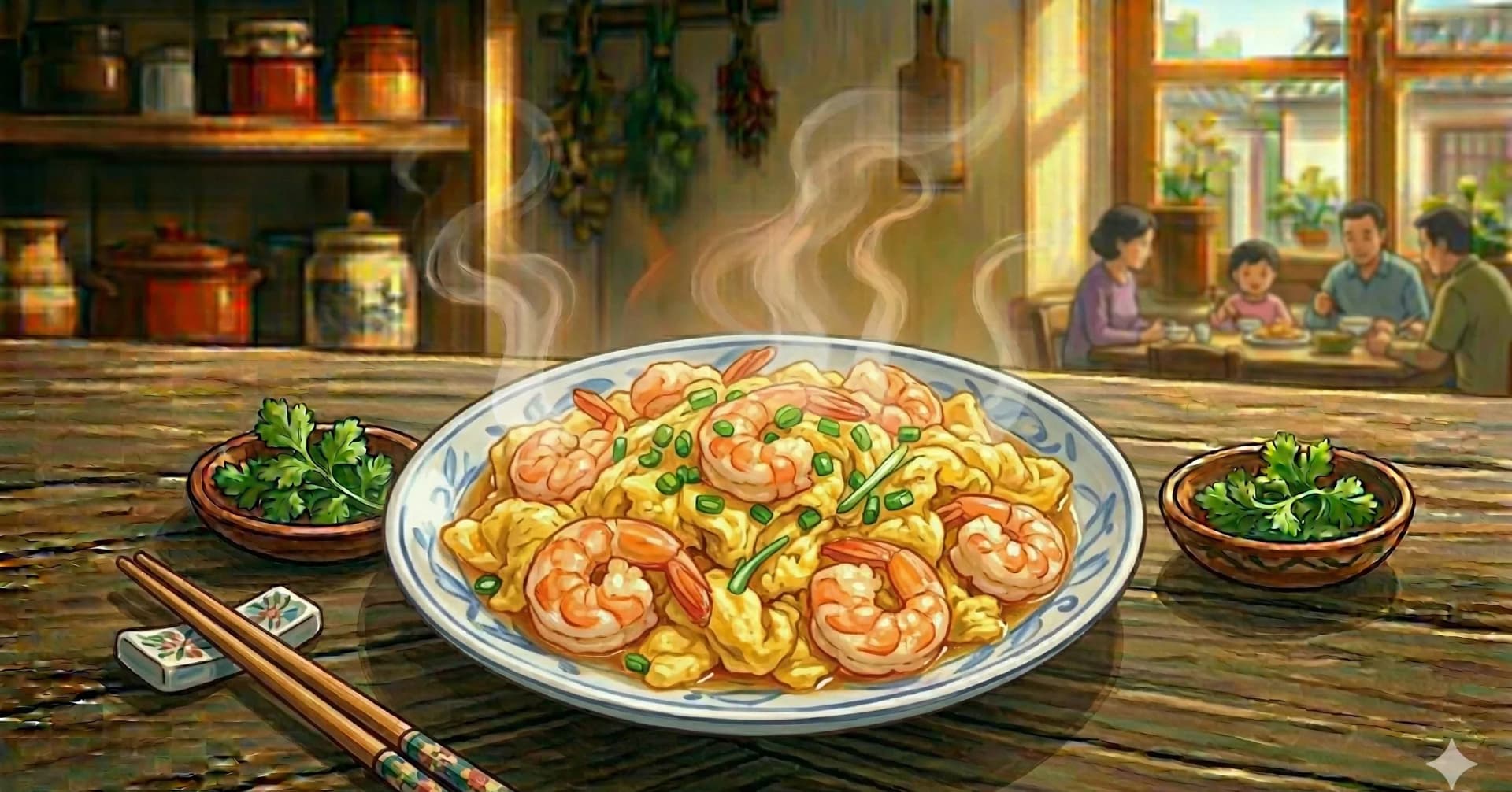
A silky Cantonese-style stir-fry of plump shrimp folded into barely set, custardy eggs
The texture of this dish tells the whole story: plump shrimp with that clean, sweet snap, cradled in folds of egg so soft and barely set that they look almost like custard. It is a dish of restraint, one that relies on precise timing and high heat rather than complex seasoning. The egg should be golden, glossy, and still trembling slightly when it reaches the plate. The shrimp should curl just so, pink and firm but never rubbery.
This preparation is a classic of Cantonese home cooking, where the freshness of ingredients and the skill of the cook matter more than the depth of the spice cabinet. It belongs to a family of simple stir-fries that demonstrate wok technique at its most fundamental. The eggs are not fully scrambled in the Western sense but rather stirred in broad strokes, creating large, soft curds that envelop the shrimp.
The key insight here is velveting the shrimp and cooking them separately from the eggs. A quick marinade in salt, cornstarch, and egg white gives the shrimp a protective coating that keeps them tender and bouncy even in the intense heat of the wok. Cooking them first, then folding them into the eggs at the last moment, ensures that each component is perfectly done. The shrimp stay snappy. The eggs stay soft. Neither compromises for the other, and the finished dish holds together because the timing was right.
At a Glance
Yield
3 servings
Prep
15 minutes
Cook
8 minutes
Total
23 minutes
Difficulty
Easy
Ingredients
Shrimp Ingredients
- ½ lbmedium shrimp, peeled and deveined
- ⅓ tspsalt
- 1⅞ tspcornstarch
- 1egg white
- 1 tspShaoxing wine
Egg Ingredients
- 5large eggs
- ⅓ tspsalt
- ⅓ tspwhite pepper
- 1 tspShaoxing wine
- 1 tbspwater
Stir-Fry Ingredients
- 3 tbspvegetable oil, divided
- 2scallions, white and green parts separated, thinly sliced
- 1 tspsesame oil
Method
- 1
Pat the shrimp dry with paper towels. Place them in a bowl and add the salt, cornstarch, egg white, and Shaoxing wine. Mix gently with your hands until each shrimp is evenly coated. Set aside for 10 minutes. The coating will look slightly glossy and slippery to the touch.
- 2
Crack the eggs into a separate bowl. Add the salt, white pepper, Shaoxing wine, and water. Beat gently with chopsticks until just combined. You want a uniform yellow with no large clumps of white, but avoid creating foam.
- 3
Heat a wok over high heat until a wisp of smoke appears. Add 15 ml of vegetable oil and swirl to coat.
- 4
Add the marinated shrimp in a single layer. Let them sear for about 30 seconds without moving. Then stir and cook for another 30 to 45 seconds. The shrimp should be pink on the outside but not fully cooked through, as they will finish cooking with the eggs. Remove the shrimp to a plate.
- 5
Wipe the wok clean with a paper towel. Return it to high heat and add the remaining 30 ml of vegetable oil. The oil should shimmer and ripple across the surface.
- 6
Add the scallion whites and stir for 5 seconds, just until fragrant.
- 7
Pour the beaten egg mixture into the wok all at once. It should sizzle immediately and the edges will begin to puff and set within seconds.
- 8
Let the eggs cook undisturbed for about 5 seconds, then use a spatula to push the set edges gently toward the center, tilting the wok to let the unset egg flow to the hot surface. Repeat this motion 2 to 3 times. The eggs should form large, soft, barely set curds.
- 9
When the eggs are about 60 percent set, still very wet and glossy on top, scatter the partially cooked shrimp across the surface. Fold the eggs gently over and around the shrimp with 2 to 3 broad strokes.
- 10
Cook for another 10 to 15 seconds, no more. The residual heat will continue setting the eggs. They should look slightly underdone when you turn off the heat, as they will firm up on the plate.
- 11
Remove from heat immediately. Drizzle with sesame oil.
- 12
Slide the egg and shrimp mixture onto a warm serving plate. The eggs should be golden and trembling, the shrimp pink and curled, with a few spots of glossy, barely set egg visible.
- 13
Scatter the sliced scallion greens over the top. Serve at once with steamed rice.
Key Ingredient Benefits
Shrimp are a lean source of protein and one of the better dietary sources of selenium, a mineral that research associates with thyroid function and antioxidant defense. They also contain astaxanthin, the carotenoid pigment responsible for their pink color, which has been studied for its potential anti-inflammatory properties.
Eggs provide complete protein and are one of the few food sources of vitamin D. The combination with shrimp creates a dish that is relatively high in protein and low in carbohydrates.
Shaoxing wine is a Chinese rice wine that has been used in cooking for centuries. Its complex flavor, developed through fermentation, adds depth that cannot be replicated by other ingredients.
Why This Works
Velveting the shrimp, coating them in a mixture of salt, cornstarch, and egg white, creates a thin barrier that insulates the protein from direct heat. This slows moisture loss and prevents the shrimp from becoming tough and chewy. The technique is standard across Cantonese cooking for delicate proteins and is the reason restaurant stir-fries often have that distinctive silky texture.
The eggs benefit from the addition of water, which creates steam as the eggs cook, producing lighter, softer curds. Cooking them over very high heat for a very short time is counterintuitive but essential. The high heat sets the outside quickly while the inside stays creamy. Low heat would produce dense, rubbery eggs.
Folding the shrimp into the eggs at the very end, when they are still mostly unset, means the shrimp finishes cooking gently in the egg's residual heat. This is a technique of trust: you must remove the wok from the heat before the eggs look fully cooked, knowing that the carry-over heat will finish the job.
Substitutions & Variations
- Shrimp: Scallops, cut into thick coins, work beautifully with the same velveting technique. Lump crab meat is another luxurious option, added at the very end without pre-cooking.
- Egg white marinade: If you prefer not to waste an egg white, a mixture of cornstarch and Shaoxing wine alone provides a lighter velveting effect.
- Richer version: Some Cantonese cooks add a tablespoon of rendered lard instead of vegetable oil for the eggs. The difference is subtle but makes the curds even more silky.
- Additions: Diced Chinese chives, a small handful of peas, or a few drops of truffle oil (untraditional but surprisingly harmonious) can be added.
Serving Suggestions
Serve over steamed jasmine rice with a simple vegetable side, such as blanched choy sum dressed with oyster sauce. This dish also works as part of a larger Chinese meal, where its lightness balances heavier braised or fried dishes. For a quick lunch, it needs nothing more than a bowl of rice and perhaps a cup of clear broth.
Storage & Reheating
This dish does not store well, as the eggs will continue to set and the shrimp will toughen. If you must keep leftovers, refrigerate in an airtight container for up to 1 day. Reheat very gently in a skillet over low heat, breaking the eggs apart slightly and adding a teaspoon of water. Accept that the texture will not match the fresh version. Freezing is not recommended.
Cultural Notes
Xia ren chao dan (蝦仁炒蛋, "shrimp stir-fried with egg") is the Cantonese take on the broader Chinese family of egg-and-protein stir-fries, in which peeled shrimp are flash-cooked, then folded into soft scrambled eggs at the last moment so neither the eggs nor the shrimp overcooks. The dish belongs to the Cantonese culinary principle of treating delicate proteins gently, which also defines preparations like steamed egg custard, scrambled egg with shrimp, and the related Hong Kong dish of soft-scrambled eggs over rice (hua dan ji rou fan). The Hong Kong cha chaan teng version of hua dan (soft-scrambled egg) over rice with shrimp or beef is a midday menu staple at virtually every neighborhood eatery in the city.
The technique demands attention to two specific things: the shrimp velveting and the egg curd timing. The shrimp (small to medium peeled fresh shrimp, the smaller ones being preferred for this dish because their tenderness shines through) are marinated briefly in a mixture of salt, white pepper, cornstarch, egg white, and a touch of Shaoxing wine, which keeps the flesh tender and gives the surface a slightly silky coat that holds onto seasoning. The shrimp are then flash-cooked in hot oil for thirty to forty seconds, just until they turn pink and curl, and removed from the pan. The beaten eggs (usually with a small splash of cold water and a pinch of salt) go into the wok over moderate heat and are stirred slowly with chopsticks until they form large soft curds, still slightly wet in the center. The shrimp are folded back in at the last second, and the dish is plated immediately while the eggs are still soft and creamy.
The dish exemplifies the Cantonese approach to home cooking: a few ingredients prepared with precision, with the technique doing the work that more elaborate seasoning would do in other regional cuisines. Variations on the same template are common: scrambled egg with bitter melon, scrambled egg with bitter-melon-with-egg, scrambled egg with Chinese chives, scrambled egg with crab roe (xie fen chao dan, a luxury variant for special occasions). The shrimp version is the most accessible of the lineup since shrimp are widely available and the dish needs no specialty ingredients beyond fresh ones.
Nutrition Facts
Calories: 286kcal (14%)|Total Carbohydrates: 3g (1%)|Protein: 29g (58%)|Total Fat: 17g (22%)|Saturated Fat: 3.9g (20%)|Cholesterol: 444mg (148%)|Sodium: 764mg (33%)|Dietary Fiber: 0.4g (1%)|Total Sugars: 0.7g
You Might Also Like
 Medium
Chinese Cuisine
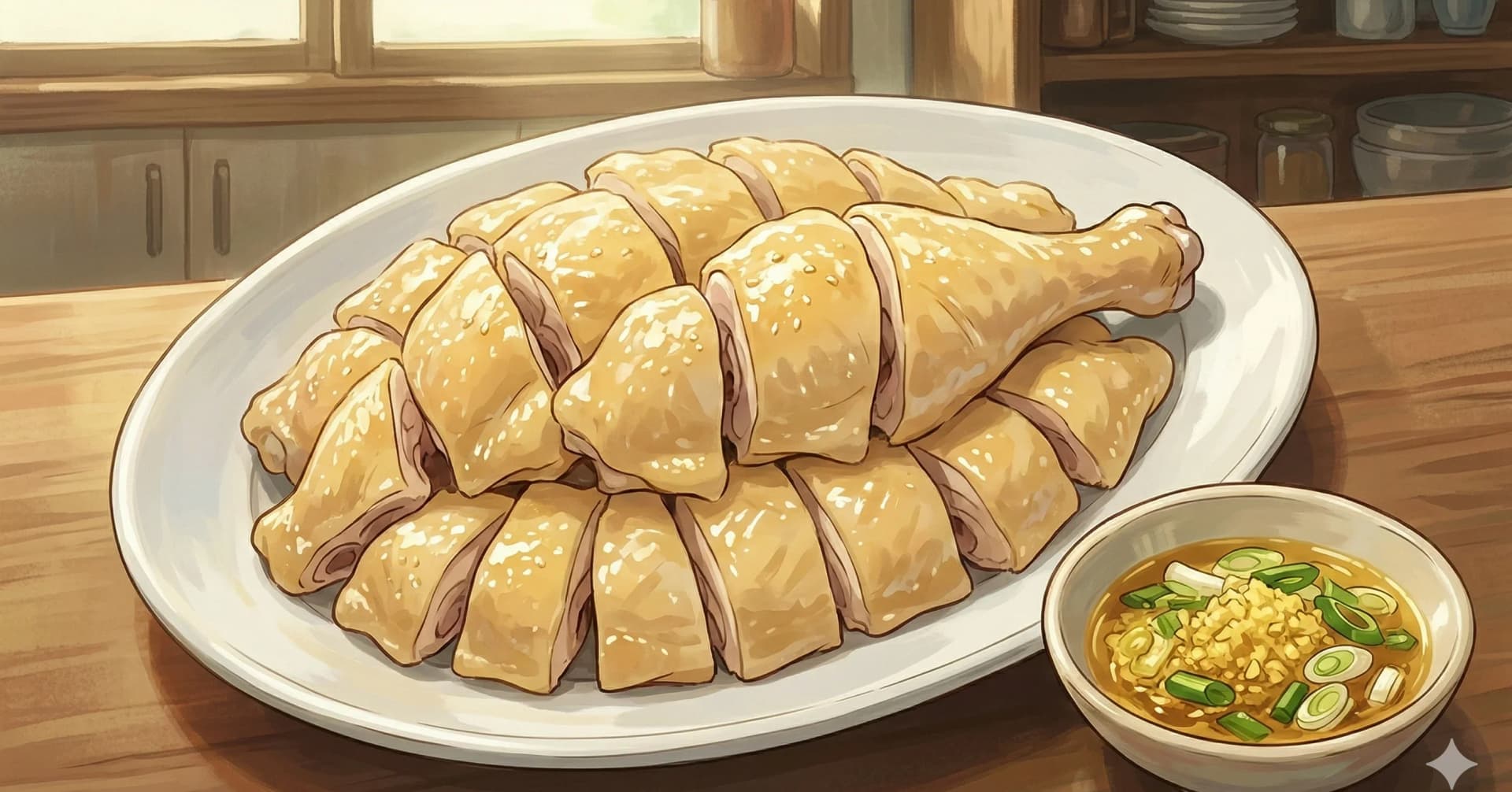
Bai Qie Ji (White Cut Chicken)
4 hours 30 minutes
 Medium
Chinese Cuisine
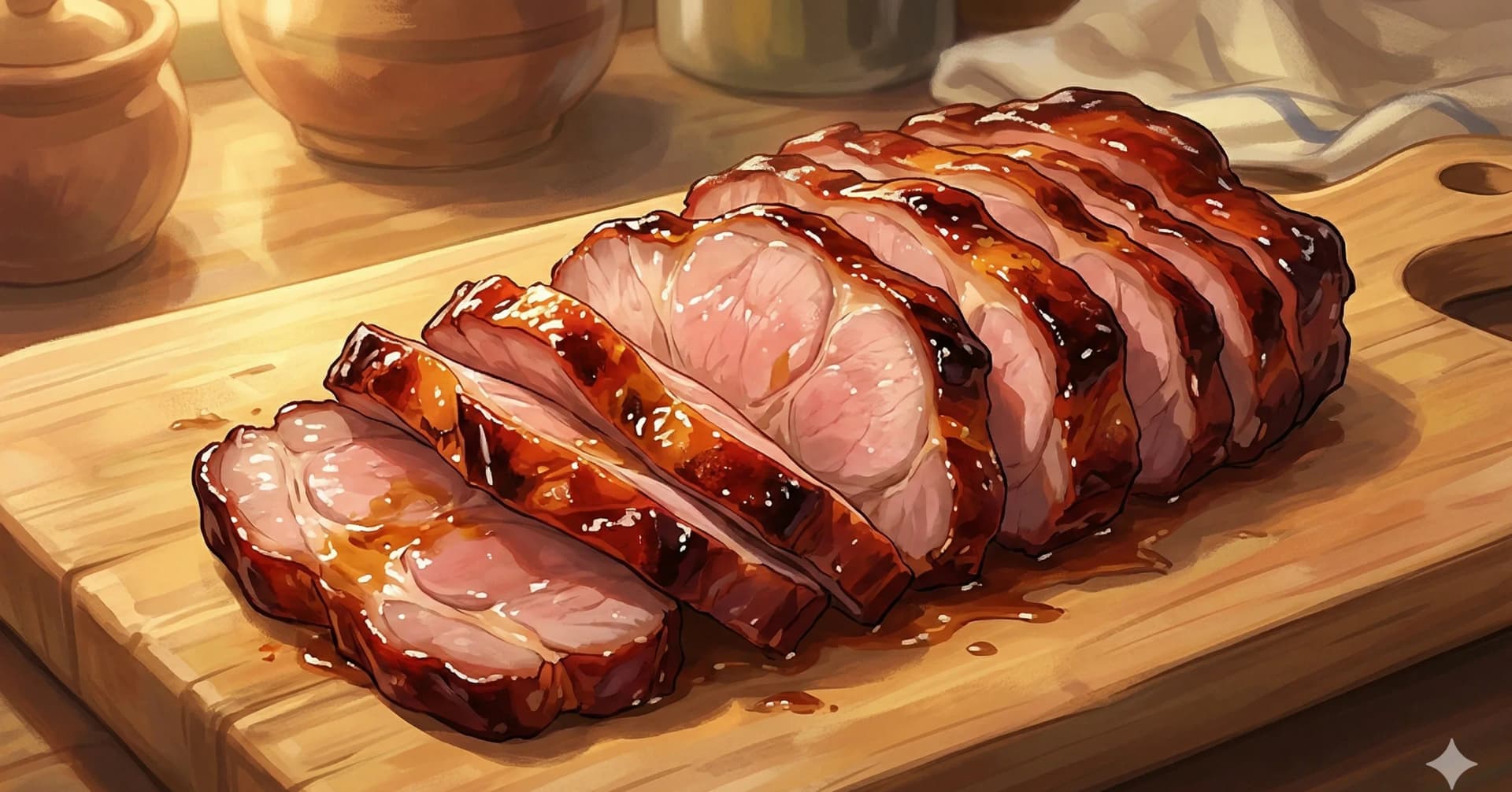
Char Siu (Chinese BBQ Pork)
9 hours (including marinating)
 Medium
Chinese Cuisine
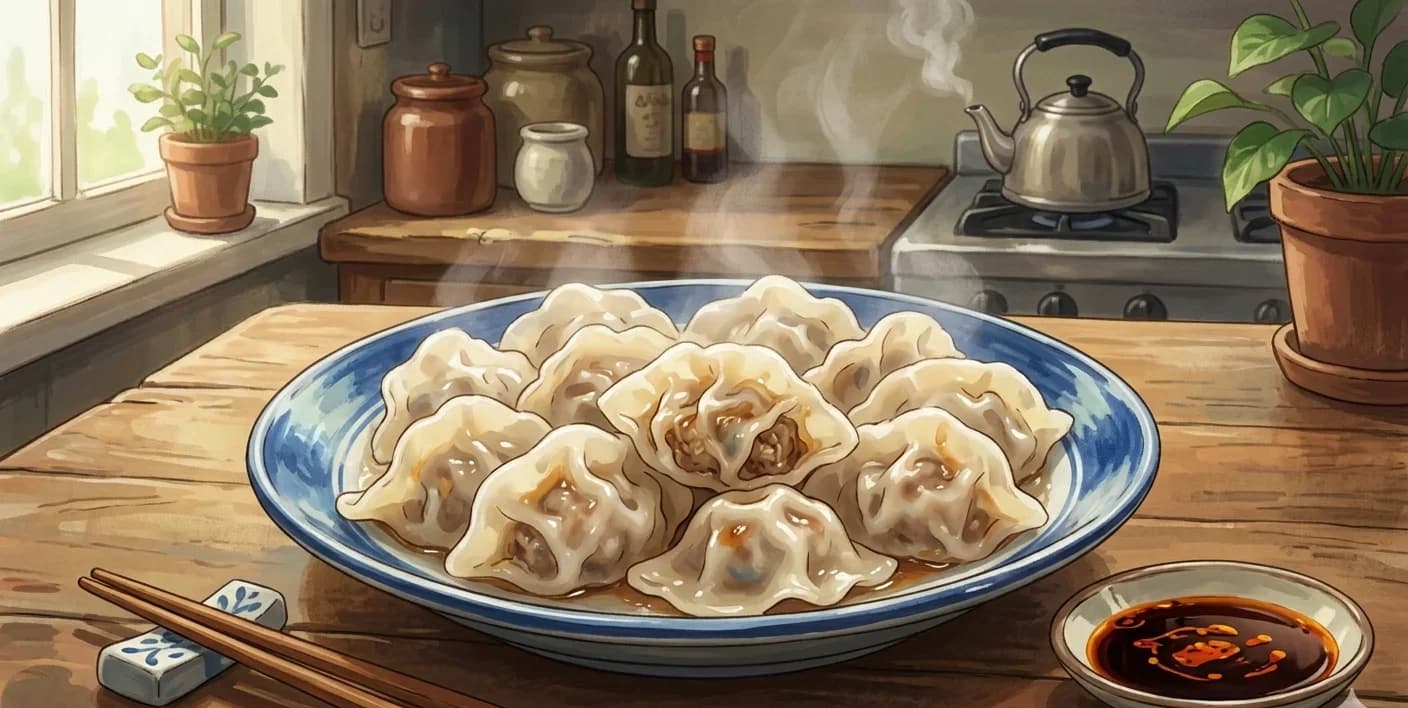
Niu Rou Yang Cong Jiaozi (Beef and Onion Dumplings)
60 minutes
 Easy
EasyTraditional Chinese Medicine · China
Bok Choy in Ginger Sauce (姜汁白菜)
6 minutes
Ratings & Comments
Ratings & Comments
Ratings
Share your thoughts on this recipe.
Sign in to rate and comment