Chinese Cuisine
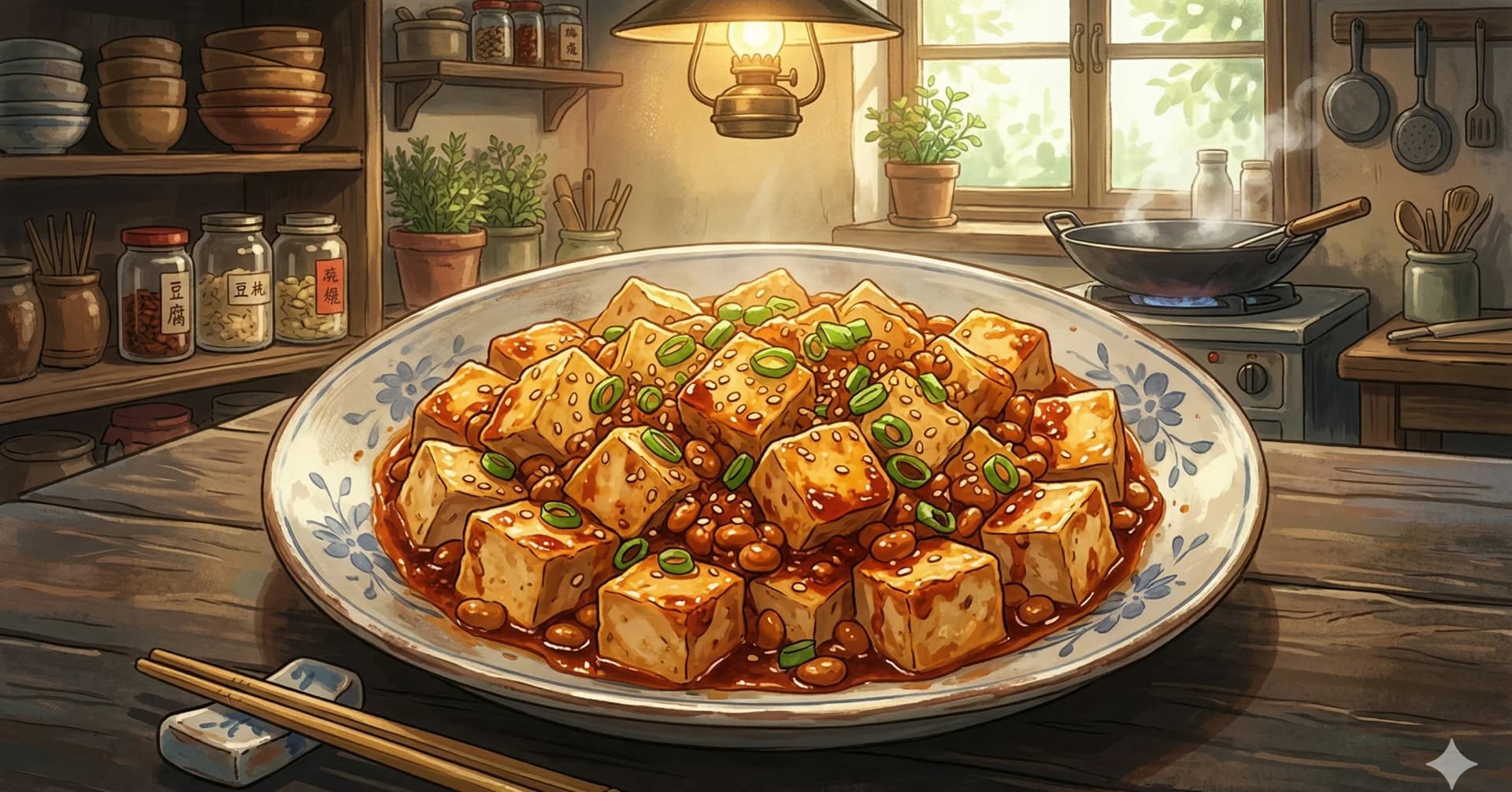
Dou Ban Dou Fu (Stir-Fried Tofu with Chili Bean Paste)
Crispy pan-fried tofu tossed in a bold doubanjiang sauce with garlic, ginger, and scallions
The transformation of tofu in a hot wok is one of cooking's quiet pleasures. Pale, soft cubes go in, and what comes out are golden-edged pieces with a thin crust that snaps slightly before giving way to a creamy, silky interior. When those crispy cubes meet a sauce built on doubanjiang, the fermented chili bean paste that is the soul of Sichuan cooking, the result is a dish that is bold, satisfying, and deeply savory, proof that tofu needs nothing more than good technique and a good sauce to become the star of any table.
This is a straightforward home-style dish, the kind that takes less than 30 minutes and requires no special ingredients beyond the doubanjiang itself. It belongs to the vast category of Sichuan jia chang cai, or "home-style cooking," where everyday ingredients are elevated by the region's masterful use of fermented seasonings and aromatic combinations. Unlike mapo tofu, which simmers in a more complex sauce, this preparation keeps things direct: fry the tofu, build a quick sauce, toss, and serve.
The practical key is pressing the tofu. Firm tofu straight from the package contains enough water to prevent it from browning properly. Pressing out that moisture, even for just 15 minutes, allows the surface to crisp in the hot oil. Without pressing, the tofu will steam, splatter, and remain pale and soft, a far cry from the golden, substantial cubes that make this dish satisfying.
At a Glance
Yield
3 servings
Prep
15 minutes
Cook
15 minutes
Total
30 minutes
Difficulty
Easy
Ingredients
- 1 lbfirm tofu, pressed and cut into 2 cm cubes
- 1 ozdoubanjiang (Pixian preferred)
- 2 tbspvegetable oil
- 4 clovesgarlic, minced
- 1¾ tbspfresh ginger, minced
- 3scallions, white and green parts separated, sliced
- 2 tsplight soy sauce
- 1¼ tspsugar
- ¼ cupwater or vegetable stock
- 1⅞ tspcornstarch, dissolved in 15 ml cold water
- 1 tspsesame oil
- —Toasted sesame seeds for garnish
Method
- 1
Press the tofu by wrapping it in a clean kitchen towel and placing a heavy plate or cutting board on top for at least 15 minutes. The towel should be noticeably damp when you unwrap it.
- 2
Cut the pressed tofu into cubes about 2 cm on each side. Pat the surfaces dry once more with paper towels.
- 3
Heat a wok or large skillet over medium-high heat. Add the vegetable oil and swirl to coat.
- 4
Carefully place the tofu cubes in a single layer in the hot oil. Do not crowd the pan. Work in batches if necessary.
- 5
Let the tofu cook undisturbed for 2 to 3 minutes per side, until a golden crust forms. Resist the urge to move them. They will release naturally from the pan when the crust has developed. Turn carefully and brown at least two sides. The cubes should be golden on the outside and still creamy within.
- 6
Transfer the browned tofu to a plate and set aside.
- 7
In the same wok, reduce the heat to medium. Add the doubanjiang and stir-fry for 30 to 45 seconds, until the oil turns red and the paste is fragrant and no longer raw-smelling.
- 8
Add the garlic, ginger, and scallion whites. Stir for 15 seconds, until the aromatics are fragrant.
- 9
Pour in the water or stock and the light soy sauce. Add the sugar and stir to combine. Bring to a gentle simmer.
- 10
Return the browned tofu to the wok. Gently toss to coat each piece with the sauce. Let it simmer for 2 minutes, allowing the tofu to absorb some of the flavors.
- 11
Give the cornstarch slurry a quick stir and pour it into the wok. Stir gently. The sauce will thicken within 15 seconds, becoming glossy and clinging to each cube.
- 12
Taste the sauce. It should be savory, slightly spicy, and well-balanced. Adjust with a pinch more sugar if too salty, or a drop of soy sauce if it needs more depth.
- 13
Remove from heat. Drizzle with sesame oil. Scatter the scallion greens and toasted sesame seeds over the top.
- 14
Transfer to a serving dish and serve immediately with steamed rice.
Key Ingredient Benefits
Tofu is a complete plant protein containing all essential amino acids. It is also a significant source of calcium (particularly when made with calcium sulfate), iron, and isoflavones. Research suggests that regular soy consumption may be associated with reduced risk of cardiovascular disease and improved bone density.
Doubanjiang contains live cultures from its fermentation process, though the high-heat cooking in this dish likely reduces their viability. It is high in sodium, so additional salt is rarely needed when cooking with it.
Sesame seeds provide calcium, iron, magnesium, and lignans (sesamol and sesamin), which research suggests may have antioxidant and cholesterol-lowering properties.
Why This Works
Pressing the tofu removes interstitial water, which serves two purposes. First, less water means less steam in the wok, which means higher effective cooking temperature and better browning. Second, the resulting drier surface develops a Maillard crust when it contacts the hot oil, creating the golden, slightly crispy exterior that gives the dish its textural appeal.
Doubanjiang, when fried in oil, undergoes a transformation. The fermentation compounds and chili oils bloom in the heat, developing a deeper, rounder flavor and releasing their red pigment into the cooking oil. This step is the foundation of many Sichuan dishes and cannot be skipped or shortened.
The tofu's porous interior, created by the coagulation process during manufacturing, acts as a reservoir for the sauce. During the brief simmer, the sauce penetrates through the crispy outer crust and into the interior, so each bite delivers flavor throughout rather than just on the surface.
Substitutions & Variations
- Tofu type: Extra-firm tofu produces the crispiest results. Medium-firm is more delicate and needs gentler handling. Silken tofu is not recommended for this preparation.
- Doubanjiang: There is no equivalent substitute. Lee Kum Kee chili bean sauce is widely available and works well. Pixian doubanjiang from a Chinese grocery is ideal.
- Mapo tofu direction: Add ground pork, Sichuan peppercorn, and more liquid for a dish that approaches mapo tofu territory.
- With vegetables: Green bell pepper, wood ear mushrooms, or bamboo shoots can be stir-fried and added with the tofu for a more substantial dish.
- Protein addition: Ground pork or minced shrimp, cooked before the doubanjiang, adds a meaty element.
Serving Suggestions
Serve over steamed rice, where the sauce can soak into the grains. This dish pairs well with a lighter, cleaner preparation like stir-fried greens or a simple soup to balance its boldness. For a vegetarian multi-course meal, combine it with braised tofu mushrooms, garlic bok choy, and steamed rice.
Storage & Reheating
Store in an airtight container in the refrigerator for up to 3 days. The tofu will absorb more sauce and soften as it sits. Reheat in a skillet over medium heat with a splash of water. The crispy exterior will not survive storage, but the flavor will be excellent and may even improve. Freezing changes the texture of tofu dramatically, making it chewier and more sponge-like. Some people enjoy this texture, though it is quite different from fresh.
Cultural Notes
Stir-fried tofu with chili bean paste is the broader category of Sichuan and Sichuan-influenced tofu dishes built around doubanjiang, the fermented broad bean and chili paste from Pixian county that is the foundational seasoning of the cuisine. The most famous member of this family is mapo tofu, the soft-tofu dish from Chengdu with ground beef or pork. The wider category includes dishes built around firm tofu cubes, deep-fried tofu puffs, or tofu skins, with the doubanjiang providing the red color, the salty fermented backbone, and a foundation of mild heat that can be intensified with additional chili oil, dried chilies, or Sichuan peppercorn depending on the cook's preference.
The technical pattern is consistent across the variations. Doubanjiang goes into the hot wok with oil first to bloom its red color and release the volatile aromatic compounds (this step is critical: under-blooming gives a raw paste flavor, over-blooming burns the bean paste into bitterness). Aromatics like ginger, garlic, and scallion follow, then optional ground meat (pork is traditional, though beef and lamb versions exist), then stock or water to make a small amount of braising liquid. The tofu, cut into bite-sized cubes or rectangles, is added and simmered briefly so it absorbs flavor without breaking apart. A cornstarch slurry thickens the sauce to a glossy coating, and Sichuan peppercorn powder and chopped scallion greens go on at the end.
The dish carries practical importance in Sichuan home cooking as the protein-and-flavor anchor of meatless or low-meat meals. Tofu is inexpensive, the doubanjiang and aromatics are pantry staples in any Sichuan kitchen, and the dish comes together in fifteen minutes from start to finish. The version most often called "ma po dou fu" specifically is the version with ground meat and silken tofu, while the broader category of doubanjiang-based tofu stir-fries with firm tofu is sometimes called jia chang dou fu (家常豆腐, "home-style tofu") in Chinese cookbooks. Fuchsia Dunlop's The Food of Sichuan documents both the silken and the firm-tofu versions and notes that the jia chang (home-style) preparations are the everyday version that Sichuan families cook two or three times a week.
Nutrition Facts
Calories: 204kcal (10%)|Total Carbohydrates: 9.7g (4%)|Protein: 12.3g (25%)|Total Fat: 14.1g (18%)|Saturated Fat: 1.6g (8%)|Cholesterol: 0mg (0%)|Sodium: 616mg (27%)|Dietary Fiber: 1.1g (4%)|Total Sugars: 3.1g
You Might Also Like
 Medium
Chinese Cuisine
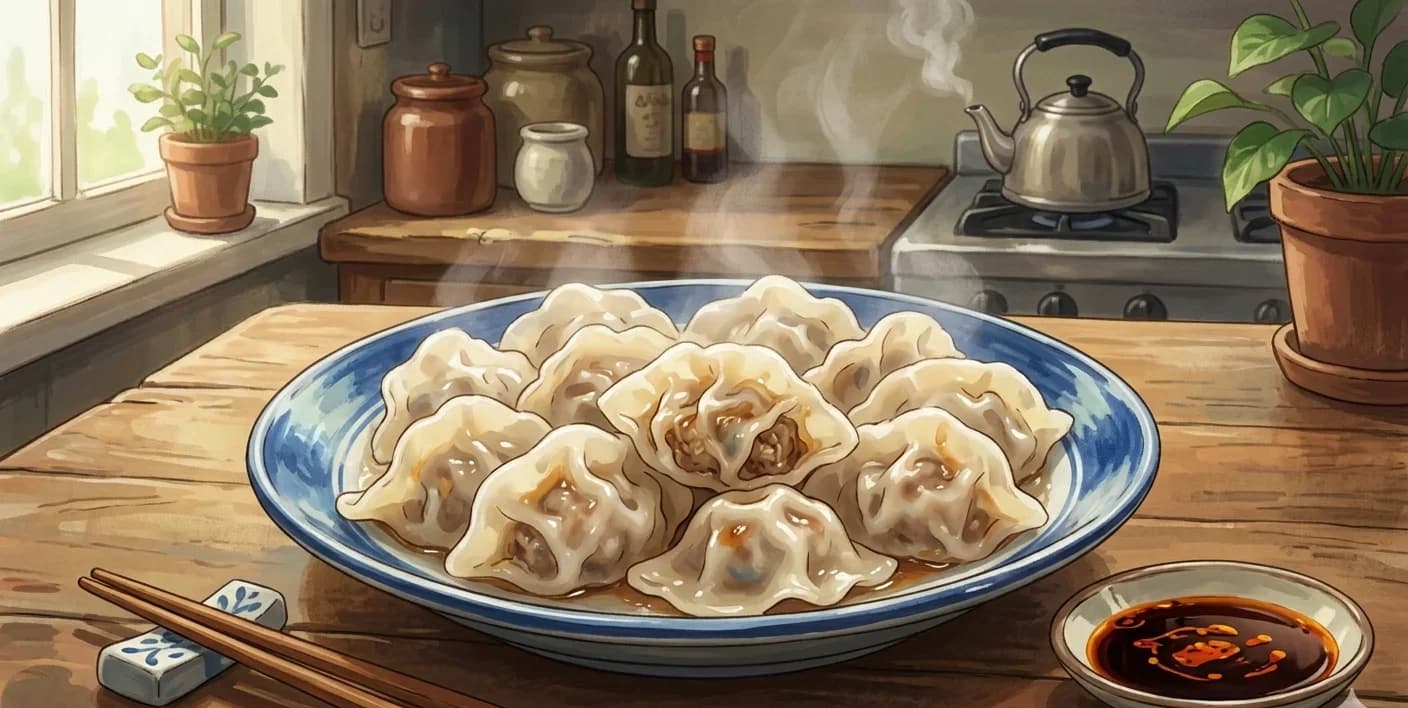
Niu Rou Yang Cong Jiaozi (Beef and Onion Dumplings)
60 minutes
 Medium
Chinese Cuisine
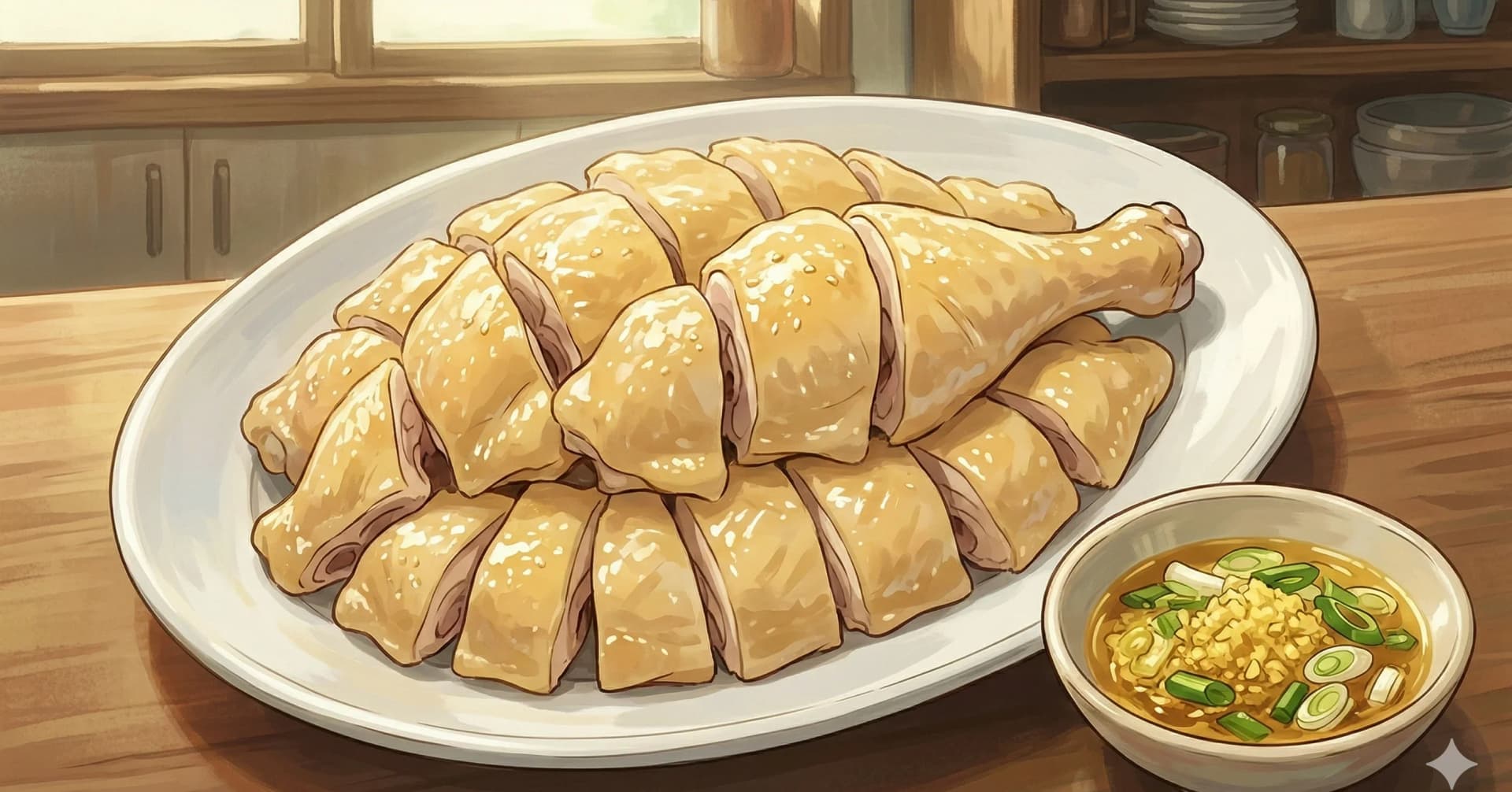
Bai Qie Ji (White Cut Chicken)
4 hours 30 minutes
 Easy
EasyJapanese Cuisine
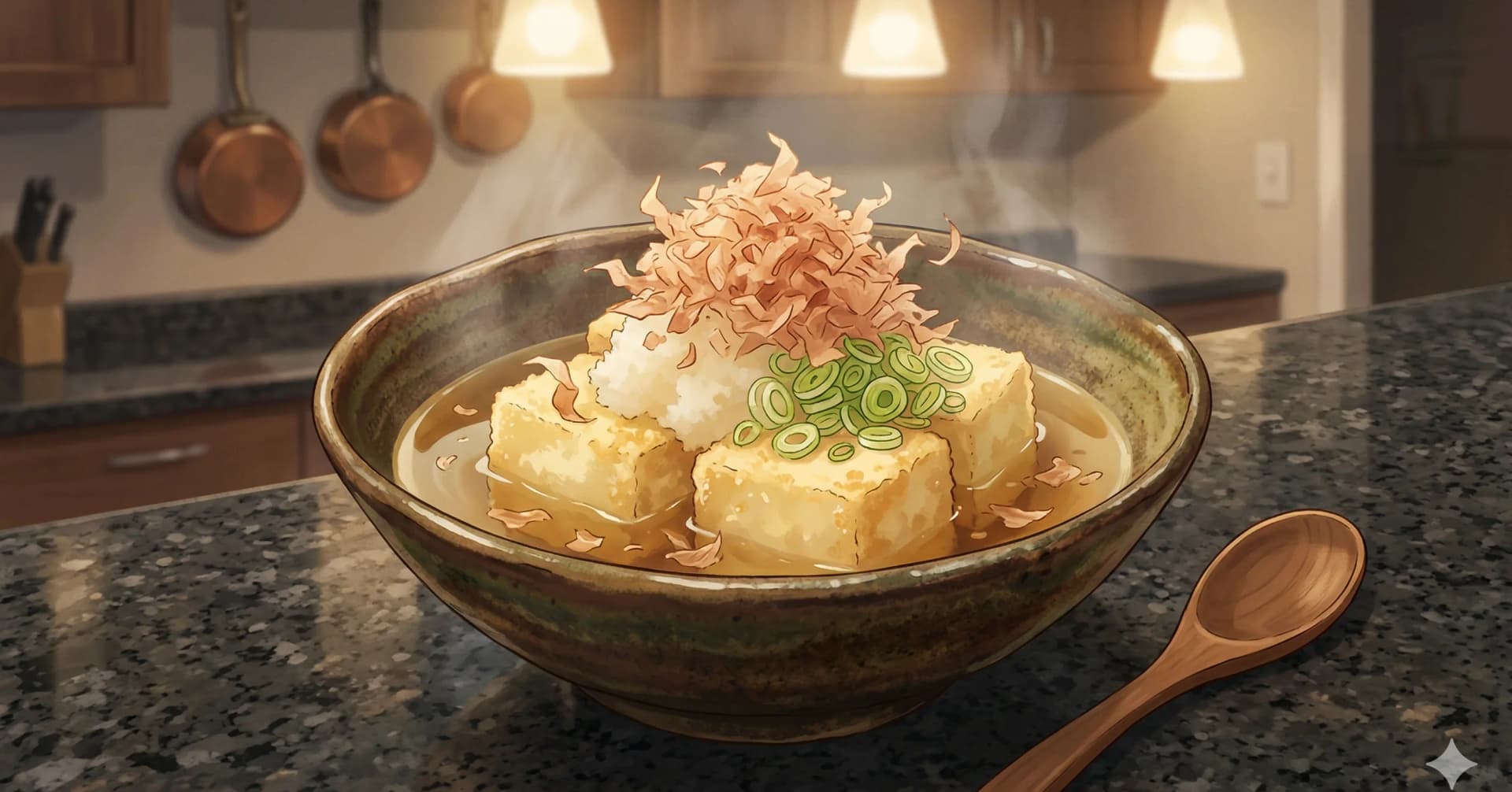
Agedashi Tofu (Fried Tofu in Dashi Broth)
25 minutes
 Easy
EasyCross-Cultural · China
Chicken and Broccoli in White Sauce (白汁鸡花椰)
45 minutes
Ratings & Comments
Ratings & Comments
Ratings
Share your thoughts on this recipe.
Sign in to rate and comment