Rice, Black, Coconut: The Vinegar Shelf
Vinegar is the most underused bottle in a Western cook's approach to Asian food. Salt gets attention, chilli gets attention, and the sour axis gets a squeeze of lemon and no further thought.
In most Asian kitchens sourness is a deliberate structural element with its own dedicated bottles, and the bottles are not interchangeable. Swapping one for another is roughly as sensible as replacing balsamic with malt.
Rice vinegar, the mild default
Rice vinegar is fermented from rice, pale gold to clear, and much gentler than Western vinegars. Where cider or wine vinegar runs to about six percent acidity, rice vinegar is usually four to five, and it tastes rounder and faintly sweet.
That mildness is the point. It seasons without dominating, which is why it goes into sushi rice, quick pickles, dressings and dipping sauces across Japan, China and Korea.
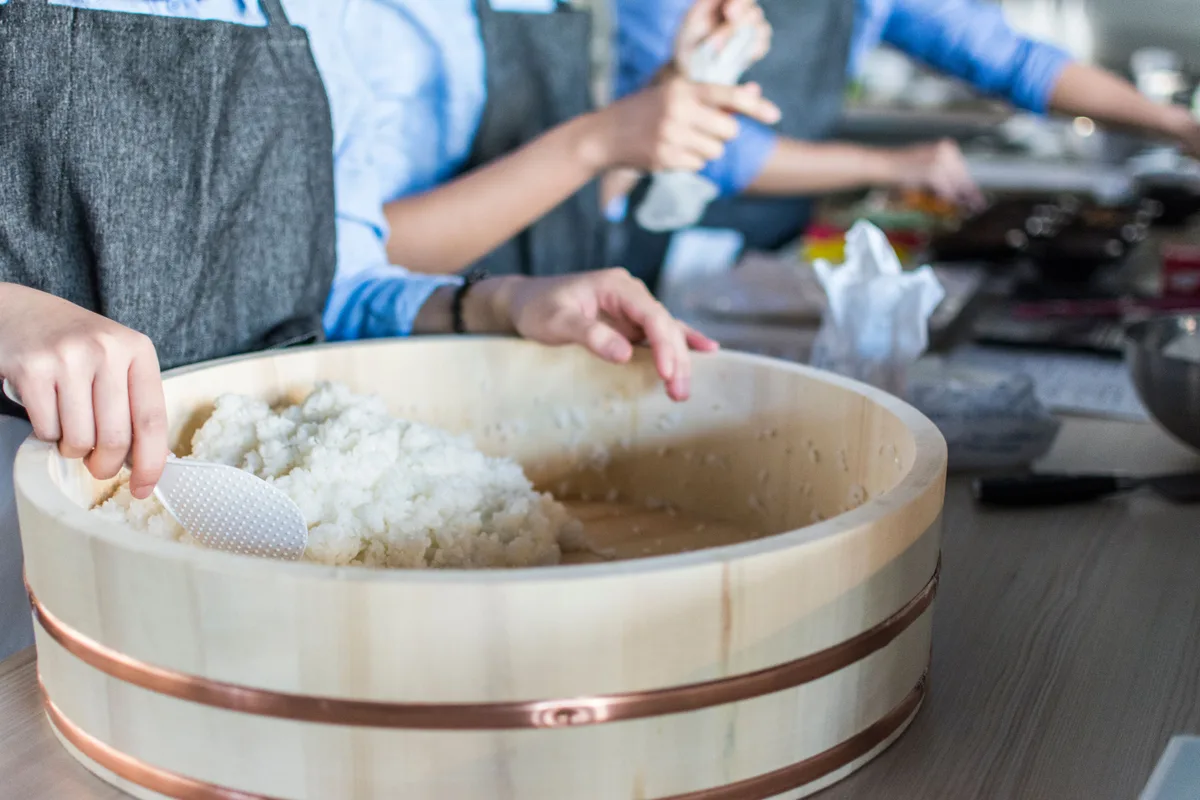
Buy the unseasoned kind. Seasoned rice vinegar has sugar and salt already added for sushi rice, which is convenient for one use and a nuisance in everything else, particularly a dressing where you wanted to control the sweetness yourself.
Japanese rice vinegar is the mildest, Chinese white rice vinegar is sharper and cleaner, and Korean is somewhere in between. Any of the three works in most recipes.
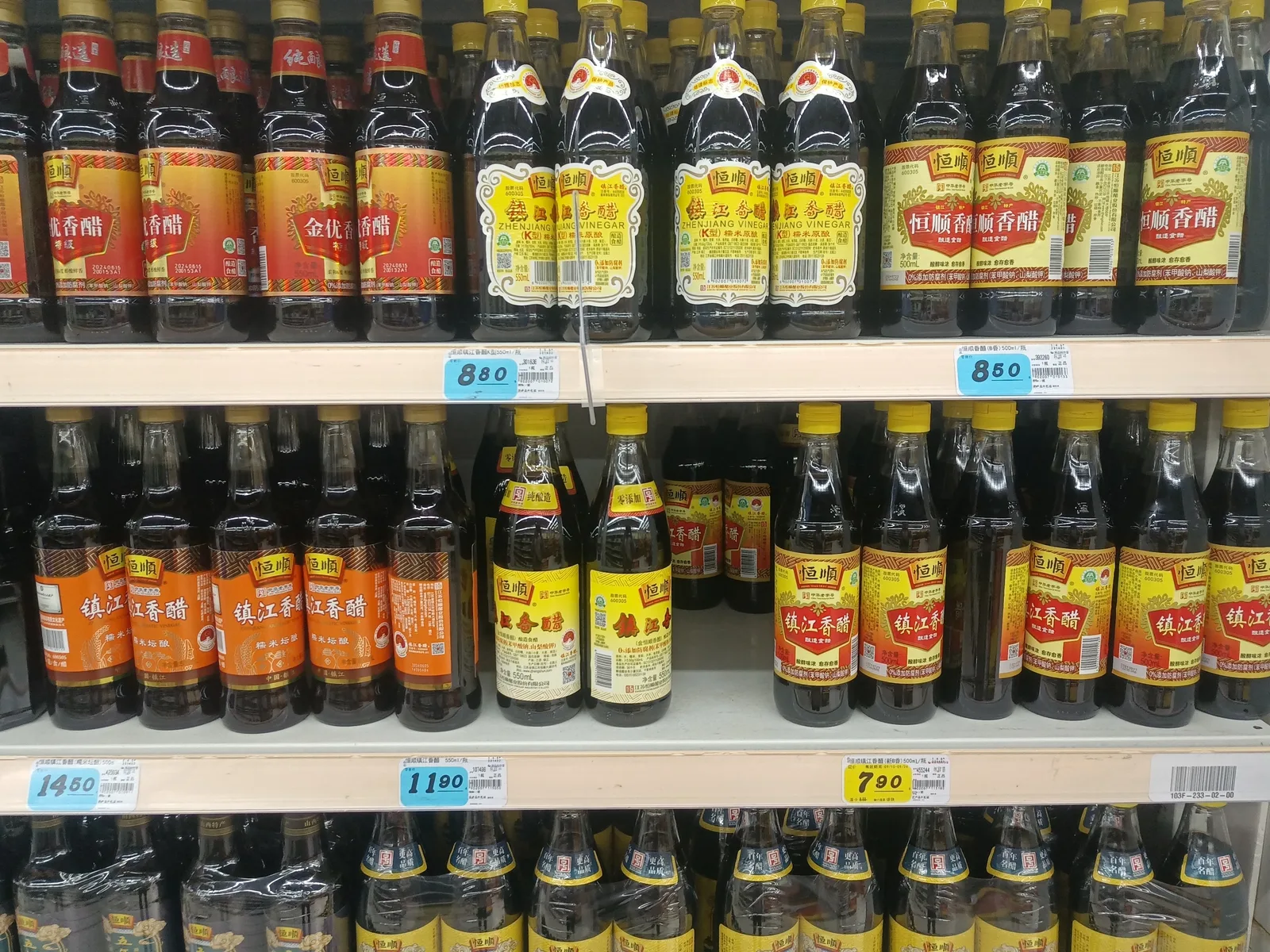
Chinkiang black vinegar, which is not balsamic
Black vinegar from Zhenjiang is made from glutinous rice and sometimes sorghum or wheat bran, aged, and it is dark brown, malty, smoky and only mildly acidic.
People reach for balsamic as a substitute because both are dark and sweetish. It is the wrong direction. Balsamic is grape based, much sweeter and fruitier; Chinkiang is savoury, woody and closer to a soy sauce in its aromatic register.
It is the dipping vinegar for jiaozi, guo tie and xiao long bao, usually with slivers of ginger in it. It goes into hot and sour soup, where it supplies the sour half of the name, and into cold dressed dishes across Sichuan cooking.
Add it at the end. Its aromatics are volatile and long cooking flattens it into generic acidity.
Shanxi aged vinegar, the stronger relative
Made from sorghum and aged for years, darker and considerably more pungent than Chinkiang, with a smoky depth. Shanxi cooking uses it on almost everything, including noodles that arrive at the table already swimming in it.
If you find a bottle it is worth having, but Chinkiang is the more versatile of the two and the one to buy first.
Coconut vinegar and cane vinegar
The Southeast Asian and Filipino end of the shelf. Coconut vinegar is made from fermented coconut sap, cloudy, slightly yeasty and sharp. Cane vinegar is made from sugarcane and is cleaner and simpler.
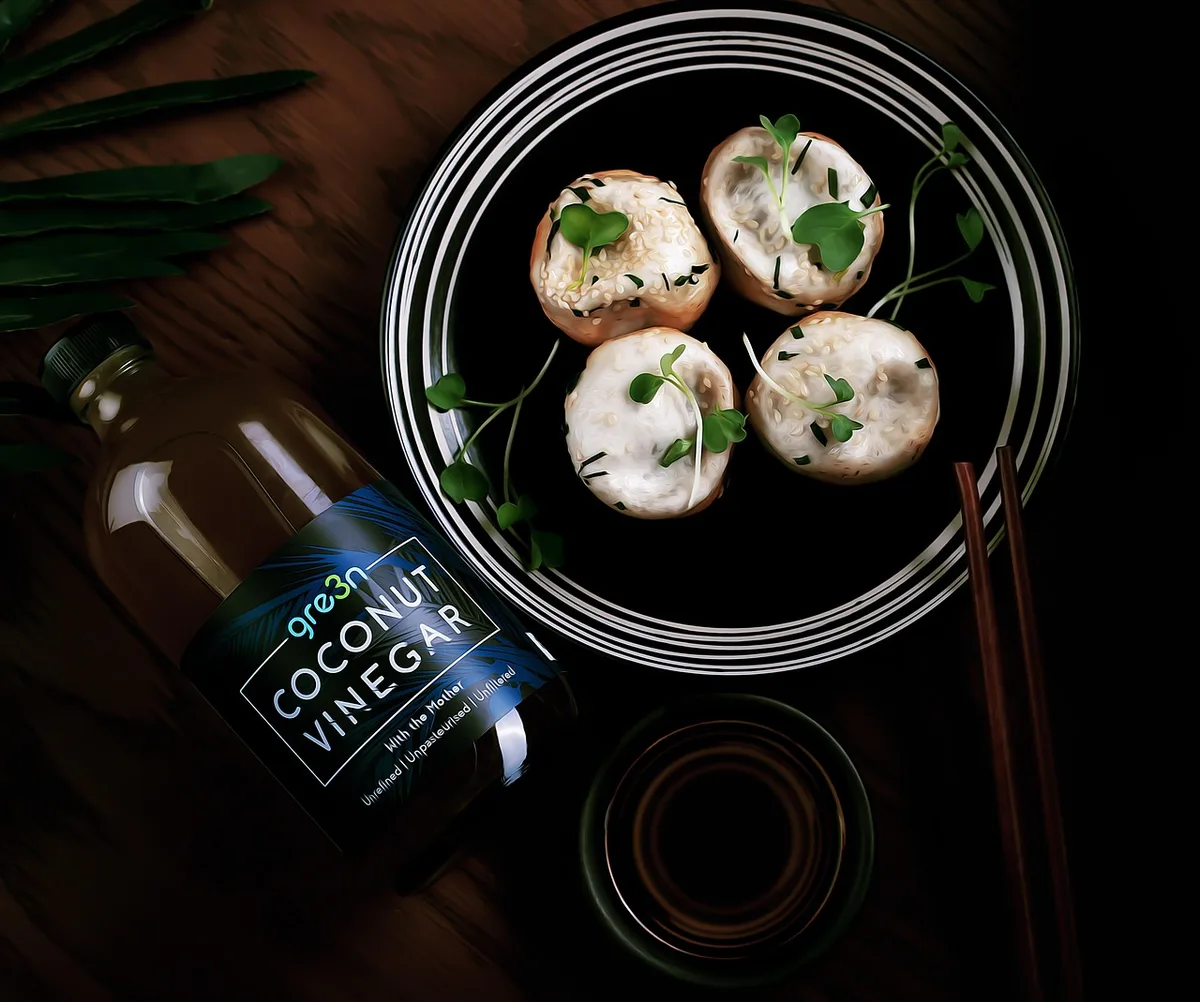
Both are central to Filipino cooking, where adobo is essentially a vinegar braise and the acidity is the preservation logic behind the dish. They also appear in Goan cooking, which inherited a vinegar habit from the Portuguese that the rest of India never took up, and which is why vindaloo is a vinegar dish before it is a chilli one.
Sour that does not come from vinegar
Worth knowing because a recipe asking for sourness may not want a vinegar at all.
Tamarind is the deep fruity sour of Thailand, southern India and much of Southeast Asia. Lime is the bright volatile one that goes in at the end and fades. Kokum, in western India, is a dried fruit rind that gives a distinctive sour with none of vinegar's sharpness. Fermented sourness from kimchi brine or pickle liquid is its own category and is used deliberately in Korean stews.
Vinegar is the one that stays stable under heat, which is why it dominates in braises and dressings and loses ground to lime and tamarind in fresh dishes.
Practical notes
Add mild vinegars off the heat and black vinegars right at the end.
Do not reduce a good black vinegar. You will concentrate the acidity and drive off exactly the aromatics you paid for.
Balance sourness with a little sugar rather than reaching for more salt. This is the standard Asian correction and it works across cuisines.
Store them in a cupboard. None of these need refrigeration and all of them keep for years, though black vinegar slowly loses aroma once opened.
Frequently asked questions
Can I use white wine vinegar instead of rice vinegar?
At a push, diluted slightly, since it is more acidic and sharper. A mix of white wine vinegar with a little water and a pinch of sugar is a reasonable approximation.
Is black vinegar the same as balsamic?
No, and the substitution is the most common mistake on this shelf. Balsamic is sweeter and fruitier. If you have no black vinegar, a mix of rice vinegar with a small amount of soy sauce gets closer than balsamic does.
Why does my dipping sauce taste harsh?
Usually the wrong vinegar, or too much of it. Chinese dumpling vinegar should taste malty and mellow rather than sharp, and a splash of water or a pinch of sugar will soften a sauce that has gone too far.
Is rice vinegar gluten free?
Usually, but some Chinese black vinegars include wheat bran, so check the label if it matters.
What to cook
Make a dipping sauce of black vinegar, ginger and a little sesame oil for jiaozi and you will understand what Chinkiang is for in about ten seconds. Hot and sour soup shows it working inside a hot dish. Do chua, the Vietnamese pickled carrot and daikon, is the clearest lesson in rice vinegar as a pickling medium, and it is what makes a banh mi work.
Comments
Share your thoughts on this post.
Sign in to comment0 Comments