Chinese Cuisine
Xiao Long Bao (Soup Dumplings)
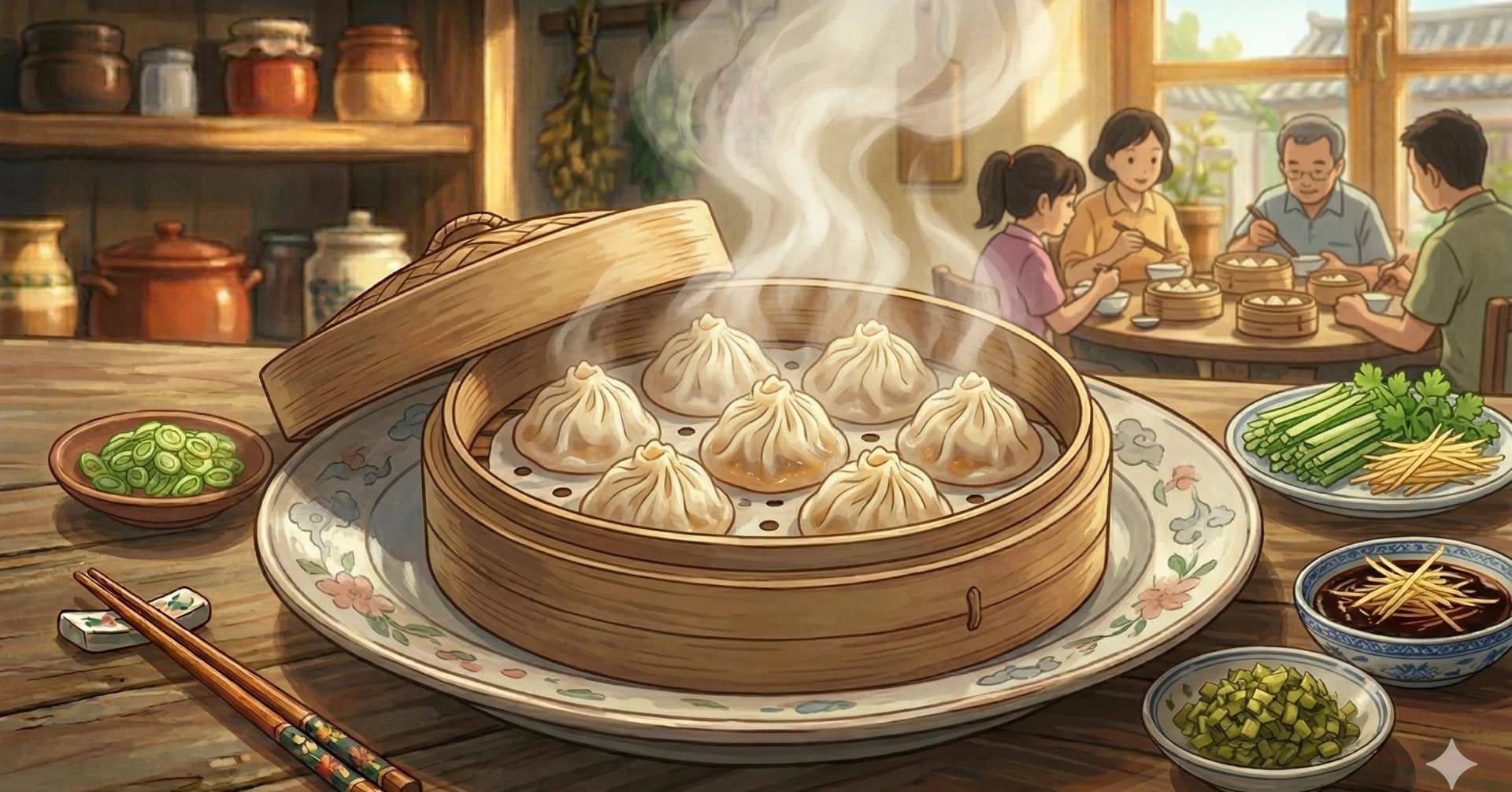
Paper-thin pleated dumplings filled with seasoned pork and a pocket of rich chicken aspic that melts into soup
The first question everyone asks about xiao long bao is the obvious one: how does the soup get inside? The answer is gelatin. You make a concentrated meat broth, chill it until it sets into a firm jelly, chop it into small pieces, and fold it into the filling alongside the ground pork. During steaming, the gelatin melts back into liquid, and suddenly there is a spoonful of hot, fragrant soup trapped inside each thin wrapper.
The traditional approach uses pork skin or chicken feet simmered for hours. This recipe takes a different path, one developed by Wei Guo at Red House Spice: roast a whole chicken in a tightly sealed pot with nothing but ginger and scallions. No water at all. The chicken releases its own juices, which are so concentrated with natural gelatin that they set into a firm aspic after a few hours in the refrigerator. The flavor is remarkably pure and intensely chickeny, and the leftover bird can be used for Congee or shredded into salads.
The wrapper is the true test. It must be thin enough to be nearly translucent, elastic enough to stretch over a tablespoon of filling and 15 to 20 pleats, and strong enough not to tear when you lift the finished dumpling with chopsticks. All-purpose flour with medium protein content (around 10 percent) strikes the right balance. The dough uses a combination of hot and cold water, which partially gelatinizes some of the starch while keeping enough gluten development for elasticity.
These dumplings do not wait. They are best eaten within moments of leaving the steamer, while the soup is still liquid and the wrapper has not yet absorbed it. Serve them in the steamer basket, hand each person a soup spoon, and eat them one careful bite at a time.
At a Glance
Yield
20 dumplings (4 servings)
Prep
1 hour (plus overnight for aspic)
Cook
1 hour 10 minutes
Total
2 hours 10 minutes (plus overnight)
Difficulty
Involved
Ingredients
Stock Ingredients
Dough Ingredients
- 1½ cupall-purpose flour
- ¼ cuphot water
- 2¼ tbspcold water, adjustable
Filling Ingredients
- 1 lbground pork, at least 20% fat
- 3 stalksscallions, finely chopped
- 1¼ tbspfresh ginger, minced
- 1 tbsplight soy sauce
- 1 tbspShaoxing rice wine
- ¼ tspground white pepper
- ¼ tspsalt
- ½ tspsugar
Dipping Sauce Ingredients
- —Chinese black vinegar (Chinkiang) or red rice vinegar
- —Fresh ginger, cut into fine julienne strips
Method
- 1
Roast the chicken for aspic (day before). Preheat the oven to 390 F (200 C). Place the whole chicken in a dutch oven or heavy roasting pan. Tuck the scallions and ginger inside the cavity. Cover tightly with the lid or seal firmly with foil. No water, no oil, no other liquid. Roast for 1 hour. Remove from the oven and let cool with the cover still on.
- 2
Collect and chill the aspic. Lift the chicken out and reserve it for another use. Pour the liquid from the pot through a strainer into a container. You should have roughly 1 cup of rich, golden liquid. Cover and refrigerate for at least 4 hours, or overnight. It will set into a firm, jelly-like aspic.
- 3
Make the dough. Place the flour in a large mixing bowl. Pour in the hot water and stir quickly with chopsticks or a fork until the water is absorbed and the mixture looks shaggy. Add the cold water and continue mixing until a rough dough forms. Turn out onto a clean surface and knead for about 5 minutes until smooth. The dough should feel soft but not sticky. If it is too dry, add cold water 1 teaspoon at a time. Cover tightly with plastic wrap and rest for 30 to 60 minutes until it becomes pliable and soft.
- 4
Prepare the filling. Place the ground pork in a bowl. Add the scallions, ginger, soy sauce, Shaoxing wine, white pepper, salt, and sugar. Mix thoroughly in one direction until well combined. Remove the aspic from the refrigerator and scrape off any layer of solidified chicken fat on top. Use a fork to break the aspic into small pieces and fold them into the pork mixture. Stir until evenly distributed. Return the filling to the refrigerator and keep it cold until the moment you are ready to wrap.
- 5
Divide and roll the wrappers. Roll the dough into a long rope. Cut it into 20 equal pieces, each about 13 g. Press each piece into a small disc with your palm. Cover the pieces you are not working with at all times. Using a small rolling pin, roll each disc into a very thin circle about 4.5 inches (12 cm) in diameter. Use the "roll and turn" technique: roll outward from the center, rotate the disc slightly, and repeat. The center should remain slightly thicker than the edges. Dust lightly with flour or cornstarch to prevent sticking.
- 6
Assemble one dumpling at a time. Place about 35 g (a generous tablespoon) of filling in the center of a wrapper. Lift the edges of the wrapper and begin pleating, pinching small folds around the perimeter while rotating the dumpling. Aim for 15 to 20 pleats. You may leave a small opening at the top or seal it completely. Do not roll out multiple wrappers in advance. These thin wrappers dry out within minutes.
- 7
Prepare the steamer. Line bamboo steamer baskets with small squares of parchment paper or steamer parchment, one piece per dumpling. If using a metal steamer, brush the basket with a thin layer of oil and wrap the lid with a clean kitchen towel to catch condensation and prevent it from dripping onto the dumplings.
- 8
Steam the dumplings. Place dumplings in the steamer with at least 1 inch of space between them. Bring water in the wok or pot to a full boil. Set the steamer over the boiling water, reduce heat to medium-low, and steam for 8 minutes. If cooking more than 10 dumplings at once, increase to 10 minutes.
- 9
Serve immediately. Bring the steamer basket directly to the table. Prepare small dishes of vinegar with julienned ginger. To eat, carefully lift a dumpling by its top knot with chopsticks and place it on a soup spoon. Poke a small hole to let the soup flow out, then slurp. Or bite a small opening and drink the broth directly, but be cautious of burning your tongue.
Key Ingredient Benefits
Chicken aspic: The gelatin in aspic is a hydrolyzed form of collagen, the most abundant protein in animal connective tissue. In traditional Chinese food culture, collagen-rich broths are valued for their supposed benefits to skin, joints, and digestion. Modern research confirms that gelatin is a source of the amino acids glycine and proline, though evidence for specific health benefits from dietary collagen is still evolving. These associations reflect traditional use.
Shaoxing wine: A fermented rice wine used extensively in Chinese cooking to suppress gamey flavors in meat and to add depth. It is not interchangeable with rice vinegar. Dry sherry is the closest Western substitute.
Ground pork fat content: The filling needs at least 20 percent fat to remain tender and juicy after steaming. Lean pork produces a tight, dry filling. The fat also helps carry flavor and creates a richer mouthfeel that balances the delicate wrapper.
Why This Works
The oven-roasting method for aspic is brilliant in its simplicity. By sealing the chicken in a covered vessel with no added water, the only liquid that collects in the bottom comes entirely from the bird itself. This natural jus is so concentrated with collagen from the skin, bones, and connective tissue that it gels firmly without any commercial gelatin. The flavor is far more intense than a conventional stock made by simmering in water, because there is no dilution.
The hot-and-cold-water dough technique partially cooks some of the flour starch, giving the wrapper its characteristic softness and slight translucency. The remaining flour, hydrated with cold water, retains enough gluten strength for elasticity. This balance is what allows the wrapper to be rolled paper-thin without tearing, and to hold a pocket of liquid filling during steaming.
Keeping the filling ice-cold right until wrapping is critical. The aspic must remain solid so you can fold it into the dumplings without it leaking. If the aspic melts before the dumpling is sealed, the filling becomes a wet mess that is nearly impossible to wrap.
Substitutions & Variations
Aspic shortcut: If you cannot roast a whole chicken, use bone-in chicken thighs, drumsticks, or wings in a covered pot. The yield of gelatin will be lower, so you may need to supplement with a small amount of unflavored gelatin dissolved in warm chicken broth.
Flour: All-purpose flour with about 10 percent protein works best. Italian type 00 flour with medium gluten can produce a smoother, more refined wrapper. Bread flour has too much gluten and will make the wrappers chewy.
Filling variations: A small amount of Chinese five-spice powder or ground Sichuan peppercorn can replace the white pepper for a different aromatic profile. Some cooks add a teaspoon of sesame oil to the filling for richness.
Dipping sauce: The classic pairing is black or red rice vinegar with julienned ginger. Chili oil makes a fine addition. See Dan Dan Noodles for a chili oil that would work well here.
For a different dumpling experience, compare the flour-wrapper technique here with the wheat-starch wrapper of Har Gow or the boiled dough approach of Jiaozi.
Serving Suggestions
Xiao long bao are traditionally served as a snack or appetizer alongside other steamed dim sum dishes. Build a full dim sum spread with Har Gow, Lo Mai Gai, and Lo Bak Go. The leftover roast chicken from the aspic step can be shredded and served over Congee or tossed in a sesame-soy dressing.
For a focused meal, a full steamer of xiao long bao with dipping sauce, a pot of hot tea, and perhaps a light cucumber salad is all you need.
Storage & Reheating
Do not freeze. Unlike Jiaozi, xiao long bao do not survive freezing well. The delicate wrappers tend to crack and the aspic leaks during reheating, leaving you with soupless, torn dumplings.
Refrigerating (cooked): Leftover dumplings can be refrigerated for up to 2 days. Re-steam for 3 minutes to reheat. The soup will largely have been absorbed by the wrapper, so the texture changes significantly.
Make-ahead strategy: Prepare the aspic and filling up to 1 day ahead. Make the dough on the day you plan to eat. Wrap and steam the dumplings as close to serving time as possible. The wrapped, uncooked dumplings can sit covered in the refrigerator for up to 1 hour, but no longer.
Cultural Notes
Xiao long bao (小笼包, "small steamer bun") is the Shanghai-area soup dumpling that has become one of the most internationally famous Chinese regional foods. The dish originated in the 1870s in the town of Nanxiang, on the western outskirts of Shanghai, at a shop founded around 1871 by a man named Huang Mingxian. That original shop, Nanxiang Mantou Dian, still operates near the Yu Garden in Shanghai today and remains a pilgrimage site for diners visiting the city. The dish then spread across the Jiangnan region (the Shanghai-Suzhou-Nanjing area) and was carried to Taiwan during the post-1949 migration, where the chain Din Tai Fung refined and globalized the form starting in the 1970s.
The technical signature of xiao long bao is the soup inside the dumpling. The filling is built from ground pork (sometimes with crab roe or crab meat for the luxury version called xie fen xiao long bao) mixed with a chilled pork-skin aspic that has been gelled and diced. When the dumpling steams, the aspic melts back into liquid, producing a small reservoir of clear pork broth inside the dumpling alongside the meat. The wrapper has to be thin enough to be translucent against the broth but strong enough not to tear during folding, steaming, or transfer to the plate. A traditional Nanxiang-style xiao long bao has between 14 and 18 pleats gathered at the top into a small twisted knot.
The eating ritual is fixed and has its own etiquette. The dumpling is lifted gently from the steamer by the topknot using chopsticks, transferred to a Chinese soup spoon (the broth is too hot to drink straight from the dumpling), and the wrapper is pricked or bitten so the broth pools in the spoon. The diner then drinks the broth first, optionally with a few strands of ginger steeped in black vinegar, and eats the dumpling itself second. The Din Tai Fung chain, which now operates in dozens of cities worldwide, is widely credited with elevating xiao long bao from regional specialty to global benchmark dish, with their Taipei flagship location holding a Michelin star for several years.
Nutrition Facts
Calories: 718kcal (36%)|Total Carbohydrates: 38g (14%)|Protein: 57g (114%)|Total Fat: 35g (45%)|Saturated Fat: 15.7g (78%)|Cholesterol: 419mg (140%)|Sodium: 735mg (32%)|Dietary Fiber: 2g (7%)|Total Sugars: 1.3g
You Might Also Like
 Medium
Chinese Cuisine
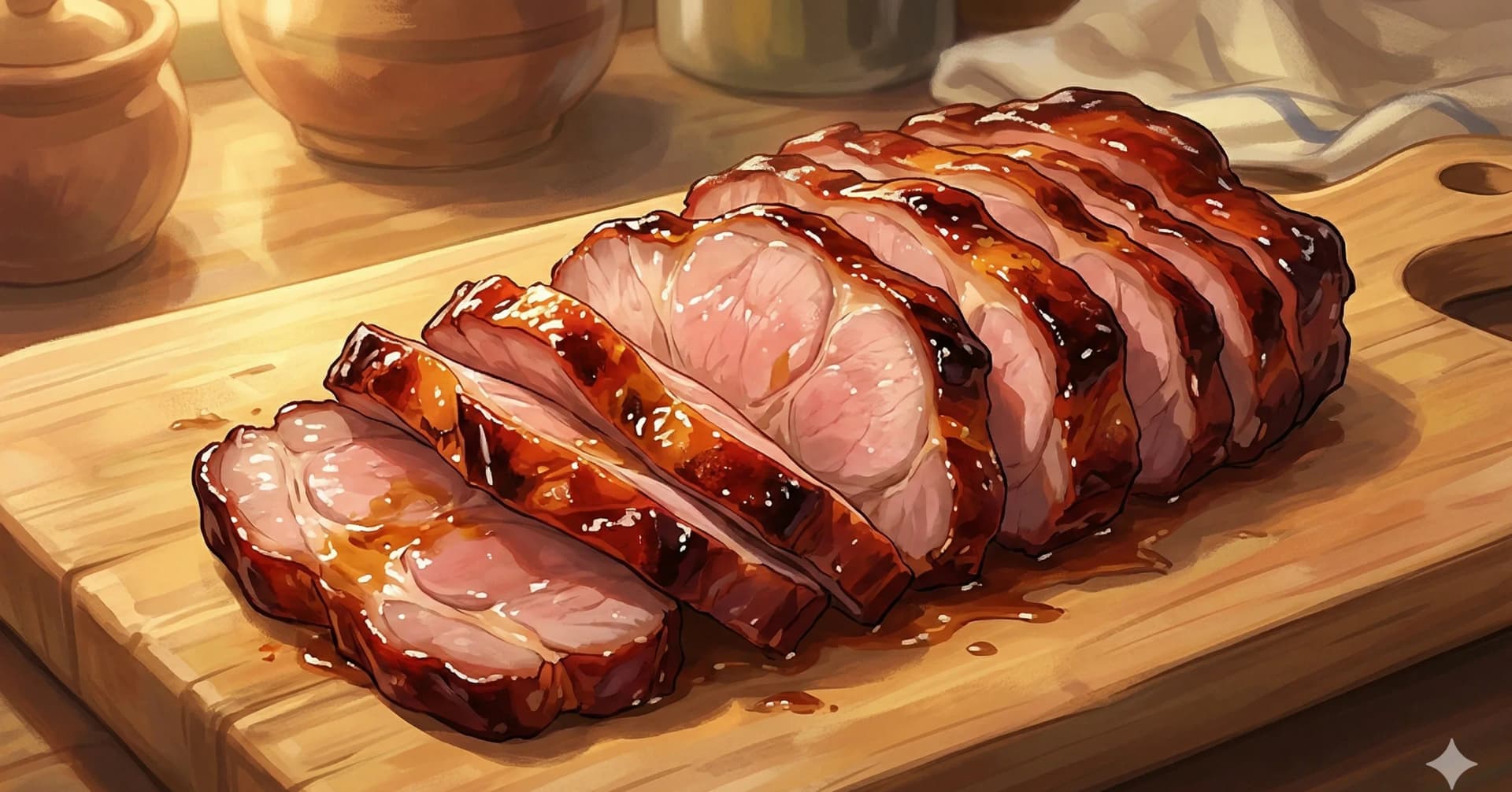
Char Siu (Chinese BBQ Pork)
9 hours (including marinating)
 Medium
Chinese Cuisine
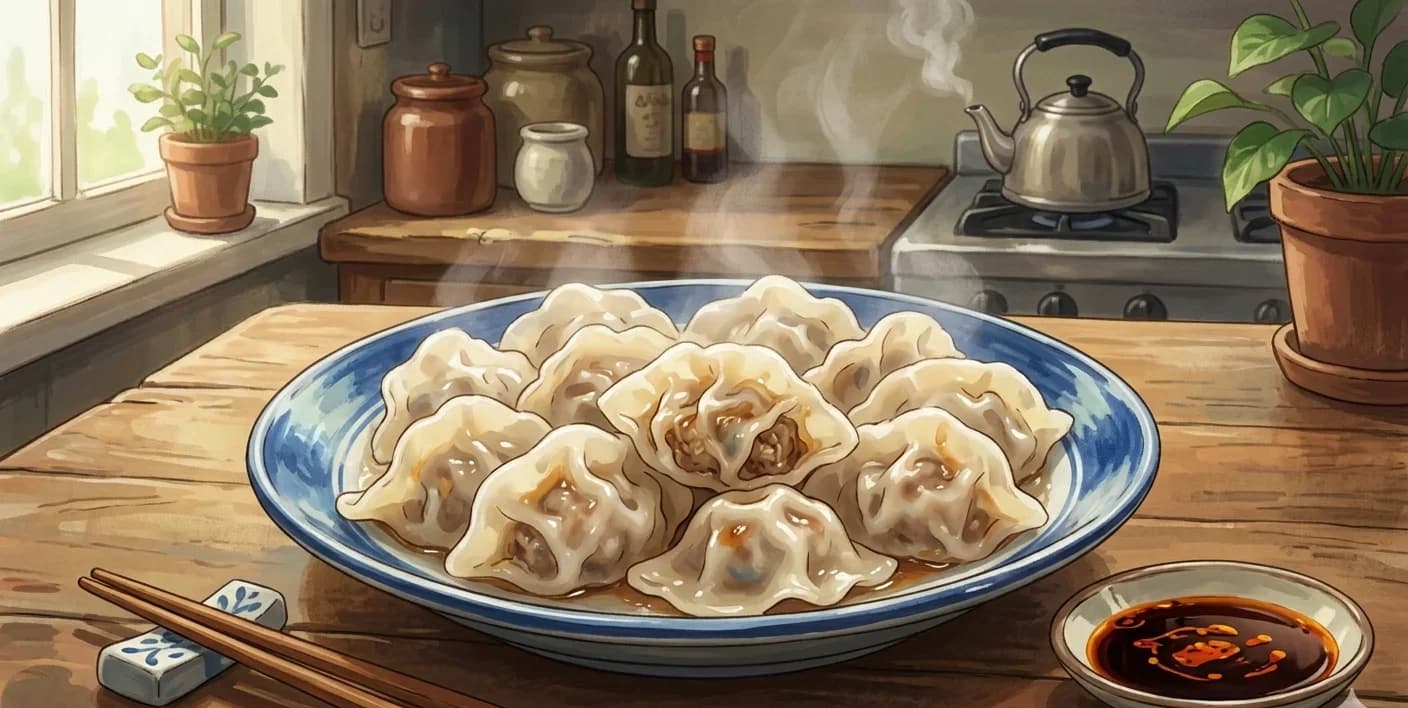
Niu Rou Yang Cong Jiaozi (Beef and Onion Dumplings)
60 minutes
 Medium
Chinese Cuisine
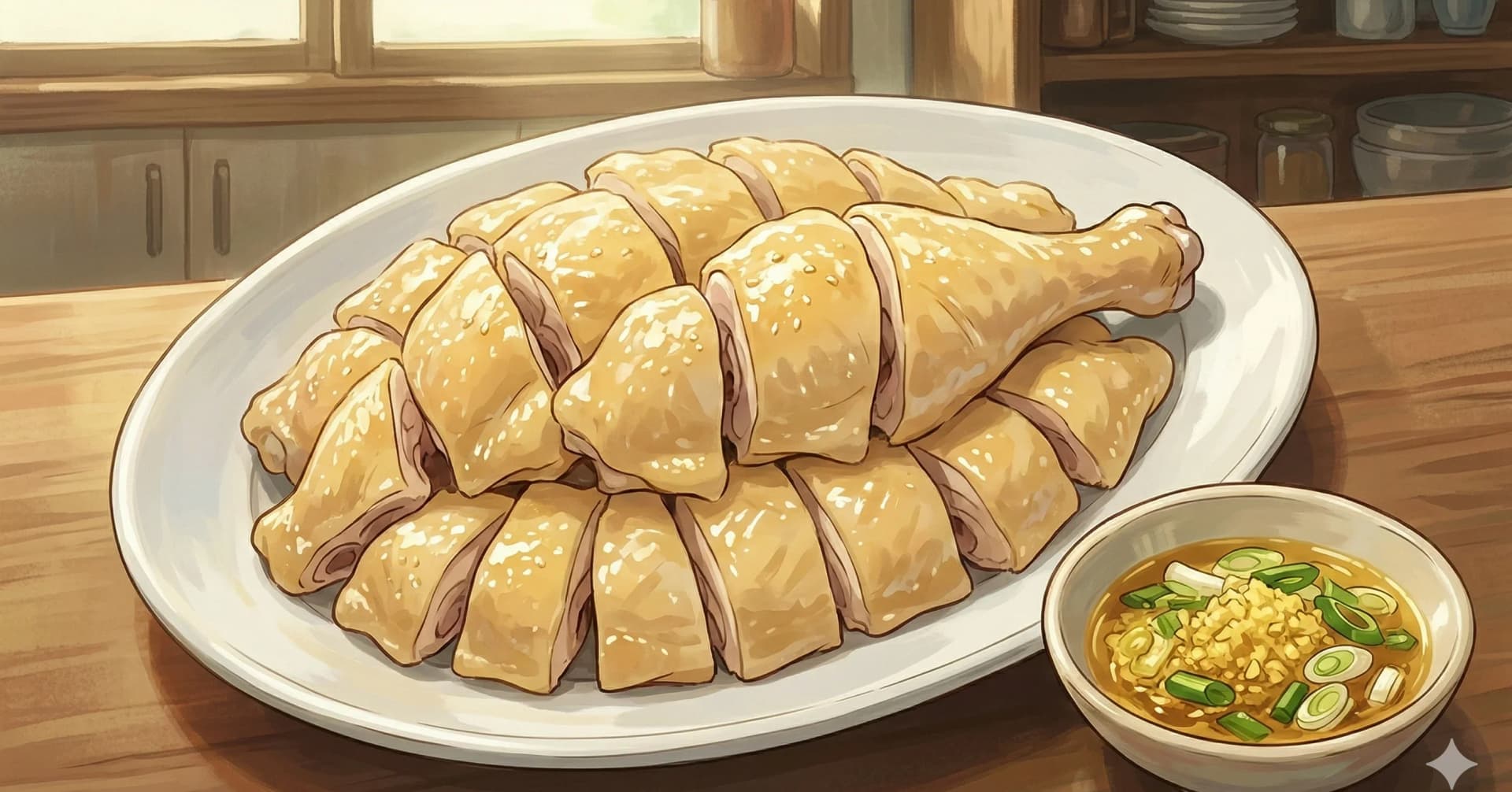
Bai Qie Ji (White Cut Chicken)
4 hours 30 minutes
 Involved
Vietnamese Cuisine
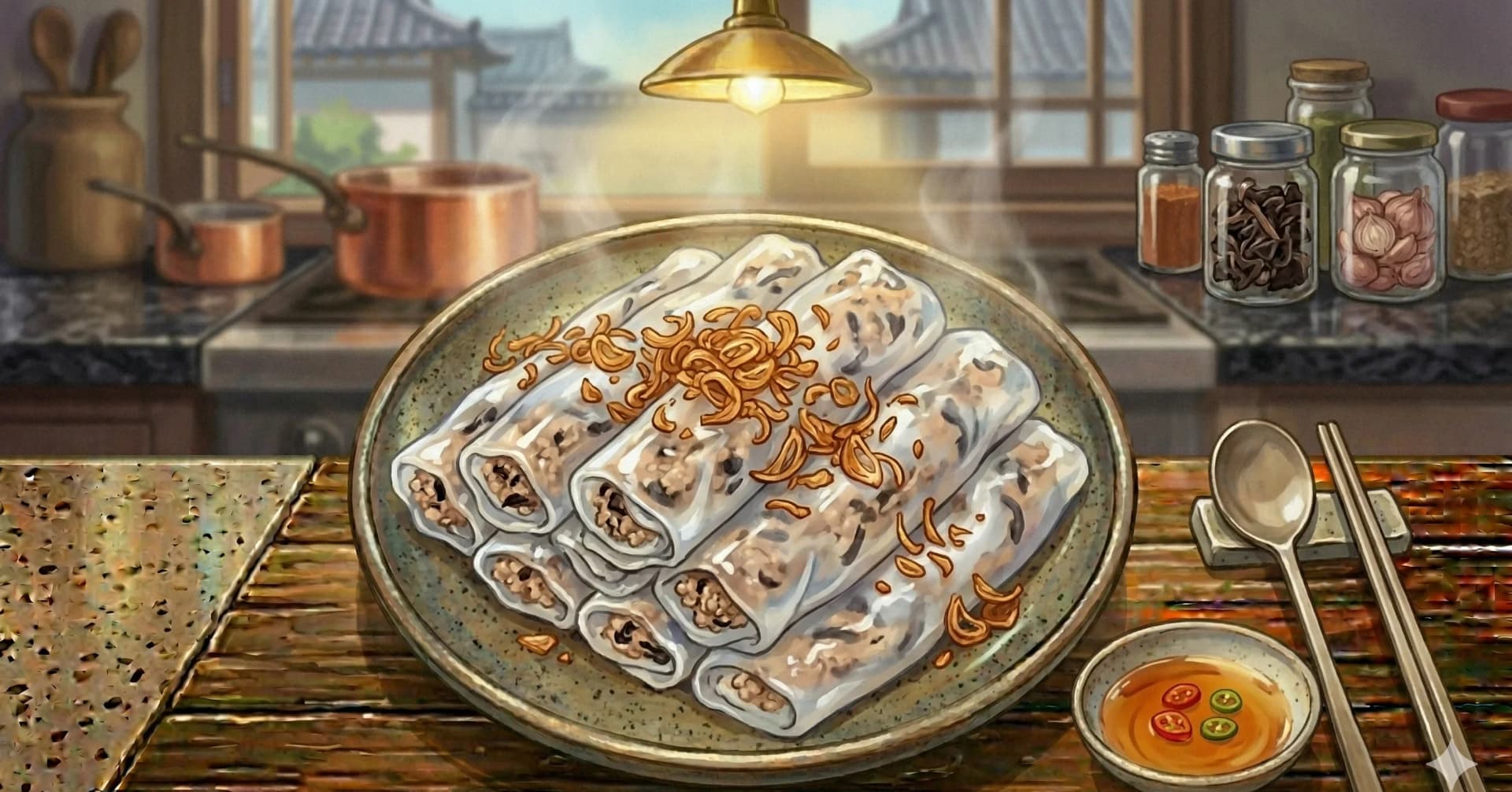
Steamed Rice Rolls (Bánh Cuốn)
3 hours 10 minutes
Ratings & Comments
Ratings & Comments
Ratings
Share your thoughts on this recipe.
Sign in to rate and comment