Breastfeeding Foods That Boost Milk Supply: Methi, Shatavari, Oats, and the Science
Breastfeeding Foods That Boost Milk Supply: Methi, Shatavari, Oats, and the Science
The cultural conversation around breastfeeding foods is dominated by lactation cookies (mostly oats, brewer's yeast, and flax) and a thin layer of advice about staying hydrated. This understates what is actually known about food and milk supply, both from the modern lactation literature and from the traditional medicine systems that have been managing breastfeeding for thousands of years.
The accurate picture has several layers. The most important determinants of milk supply are latch, frequency of nursing, and overall maternal calories and hydration. Food cannot make up for inadequate nursing frequency or significant calorie restriction. But within the foundation of adequate nursing and calories, specific foods (galactagogues) do meaningfully support and increase milk production, and several have credible clinical evidence behind them.
This post lays out the food layer for breastfeeding, drawing on the Ayurvedic tradition of stanyajanana (milk-promoting) foods, the Chinese medicine emphasis on warming blood-tonifying foods, and the contemporary clinical evidence for specific galactagogues. It pairs with the postpartum foods Ayurveda post, which covers the broader recovery picture.
The Foundation, Briefly
Before any specific food discussion, the lactation foundation:
Frequency of nursing or pumping is the single most important determinant of supply. Milk production responds to demand; reducing demand reduces supply. Eight to twelve nursing sessions per day in the early weeks is the typical baseline; reductions below this often produce supply problems.
Adequate calories. Most nursing mothers need roughly 450 to 500 extra calories per day above their non-pregnant baseline. Significant calorie restriction (below 1800 to 2000 daily) reliably reduces milk supply.
Adequate hydration. 2.5 to 3 liters of fluid per day for most nursing mothers, more in hot weather or with exercise.
Latch quality. Inadequate latch reduces milk transfer regardless of supply. Lactation consultant support is meaningfully different from medical or nutritional support, and is the first line for supply concerns.
The food strategy below operates within this foundation. It supplements but does not replace the foundation.
What Actually Works: The Evidence-Backed Galactagogues
Fenugreek (methi). The most-studied galactagogue, covered in detail in the postpartum foods post. The 2011 trial by Turkyilmaz and colleagues in the Journal of Alternative and Complementary Medicine showed significantly increased milk production at 2-3 capsules three times daily. A 2018 systematic review by Khan and colleagues in Phytotherapy Research pooled five trials and confirmed the effect. The traditional Indian preparation (methi laddu, methi water, fenugreek tea) delivers the active compounds in a culturally well-established way. The proposed mechanism involves both prolactin support and milk-fat-globule-membrane effects.
The actionable dose: 3 to 6 grams of fenugreek seed daily, either as supplementation, tea (a teaspoon of seeds boiled in water for 10 minutes), or methi laddu. Side effects are mild and include the maple-syrup body odor that occasionally produces a similar smell in the breastfeeding baby. Women with diabetes that has not resolved postpartum should discuss methi with a clinician due to its mild blood-sugar-lowering effect.
Shatavari (Asparagus racemosus). The Ayurvedic women's-health herb most associated with lactation support. The 2017 review by Anderson in Breastfeeding Medicine summarized the herbal galactagogue evidence base. Several small trials have shown shatavari supplementation increased prolactin levels and milk production over 4 to 8 weeks. The mechanism is thought to involve direct prolactin support and steroidal saponin effects on mammary tissue.
The traditional Ayurvedic preparation is shatavari ghee, shatavari kalpa (a sweet preparation), or shatavari powder in warm milk. The actionable dose is 500 to 1000 mg of standardized extract daily, or one to two teaspoons of powder daily in milk.
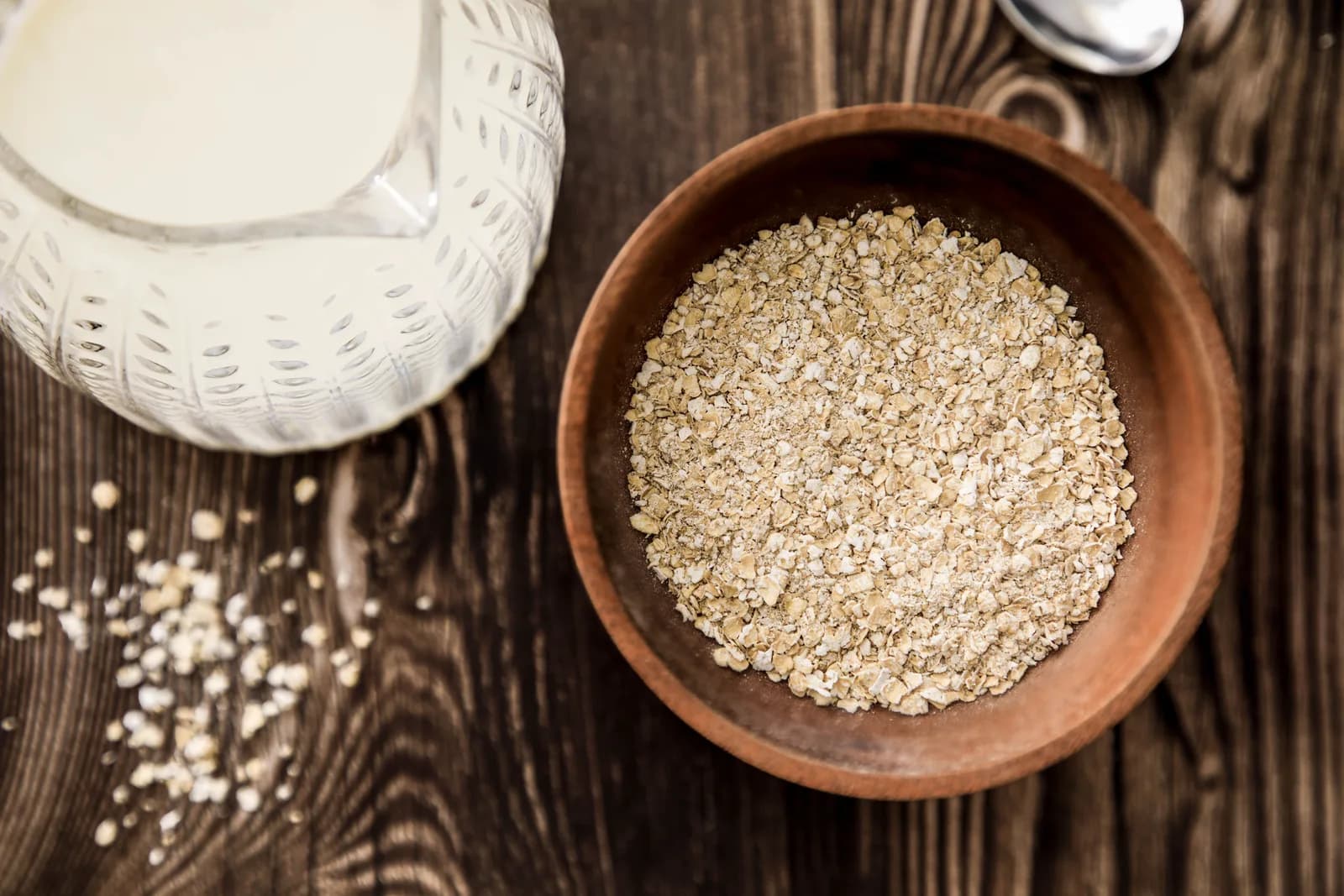
Oats. A meaningful galactagogue in the popular lactation cookie tradition, with modest evidence behind the cultural use. The mechanism is partially through iron content (postpartum iron deficiency reduces milk supply), partially through beta-glucan fiber's effect on gut hormones, and partially through the general calorie support. A daily serving of oats (porridge, overnight oats, lactation cookies with oats as the main ingredient) is a low-effort galactagogue that fits into modern Western eating patterns.
Fennel seeds. Used across many traditional medical systems as a galactagogue. The active compound anethole has weak estrogen-like activity. A 2014 trial by Ghasemi and colleagues in the Shiraz E-Medical Journal gave Iranian nursing mothers a herbal tea containing fennel seed and reported modest improvements in breast milk sufficiency signs and infant growth compared to a black-tea control. The traditional preparation is fennel seed tea (a teaspoon of seeds in a cup of boiled water for 10 minutes), drunk two to three times daily.
Milk thistle. A 2008 randomized trial by Di Pierro and colleagues in Acta Biomedica gave 50 nursing mothers either micronized silymarin (milk thistle extract, 420 mg daily) or placebo for 63 days and reported a significantly larger increase in daily milk production in the silymarin group. The mechanism is thought to involve prolactin support and liver function (the liver clears prolactin-inhibiting compounds).
Brewer's yeast. Mostly tradition rather than trial-supported, but the B-vitamin and chromium content does support general energy and stable blood sugar in the demanding lactation window. A tablespoon a day in lactation cookies or smoothies is a low-cost addition.
The Ayurvedic Frame
The classical Ayurvedic category of stanyajanana (milk-promoting) foods overlaps significantly with the modern list:
- Almonds and other nuts
- Sesame seeds, sesame ladoo
- Fennel, cumin, and ajwain seeds
- Fenugreek (methi)
- Shatavari
- Garlic (in moderate amounts; some babies are gas-sensitive)
- Bottle gourd and ridge gourd
- Whole grains (rice, wheat, barley)
- Cow's milk with cardamom and saffron
- Ghee
- Jaggery
The principle is warm, oily, easy-to-digest, calorie-dense food. The same principle that underlies the broader postpartum recovery diet supports lactation specifically.
The Chinese Medicine Frame
The TCM view is that lactation is supported by blood (xue) and qi sufficiency, with kidney and spleen support as the foundation. The dietary support includes:
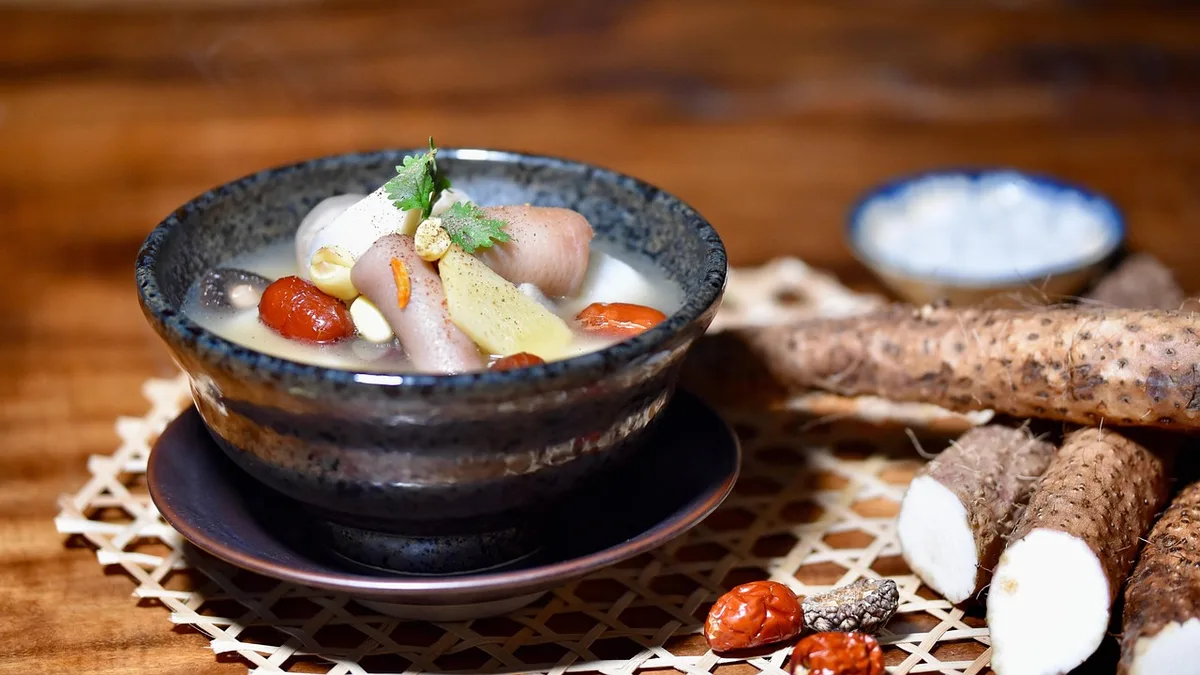
- Bone broth and clear soups
- Eggs, fish, lean meats
- Chinese yam, dates, longan
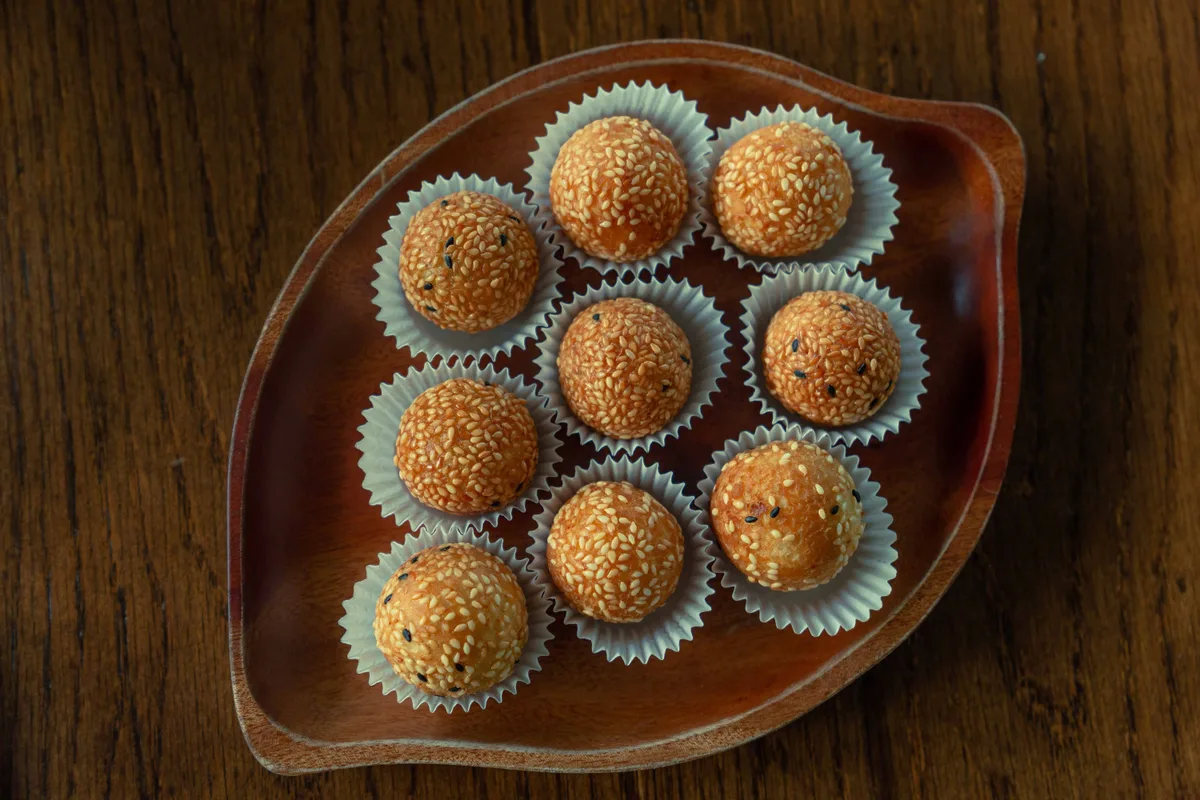
- Black sesame
- Walnuts, almonds, peanuts
- Brown rice, congee, millet
- Ginger and warming spices in moderate amounts
Cold drinks and raw foods are specifically discouraged during the postpartum and lactation window, on the same grounds as covered in the postpartum post: the postpartum digestive fire is weak and benefits from warm, gentle food.
What Can Actually Reduce Supply
Several foods and behaviors are documented to reduce milk supply and should be minimized or avoided during the lactation window:
Peppermint and sage. Both contain compounds that reduce milk supply at higher intakes. Occasional culinary use is fine; daily peppermint tea or sage in significant amounts is not appropriate during active breastfeeding.
Alcohol. Reduces oxytocin release and milk transfer, even at modest doses. The traditional "drink beer to make milk" advice was wrong; the apparent effect was placebo and short-term hydration. Alcohol passes into breast milk in concentrations roughly equal to blood concentration. Modest occasional consumption is generally compatible with breastfeeding (timed away from nursing sessions), but daily significant consumption is not.
Excessive caffeine. Above 300 to 400 mg daily, caffeine may reduce milk supply in some women and produces irritability in some babies. Most women tolerate 1 to 2 cups of coffee daily without issue.
Severe calorie restriction. Diets below 1800 calories daily reliably reduce supply. The postpartum window is not the time for aggressive weight loss; gradual return to pre-pregnancy weight over 6 to 12 months is the safer pattern.
Hormonal birth control with estrogen. Out of scope but worth mentioning: combined hormonal contraception can reduce milk supply, particularly in the first 3 to 6 months postpartum. Progesterone-only options are typically lactation-compatible.
A Practical Daily Pattern
What does a lactation-supportive day actually look like?
Mornings: Oatmeal with ghee, dates, almonds, and ground flaxseed. Fenugreek tea or warm milk with cardamom. A large glass of water.
Mid-morning snack: A handful of nuts or a methi laddu. Water or warm fennel tea.
Lunches: Dal with rice, vegetables, and a generous amount of ghee. Or a bowl with lentils, grains, and roasted vegetables. Or fish with rice and warm vegetables.
Afternoon snack: Fruit, yogurt, or a piece of sesame ladoo. Water.
Dinners: Khichdi with vegetables and ghee. Or a soup-based meal. Or chicken or fish with rice and warm vegetables. Spiced bone broth as a side or starter.
Evening: Warm milk with shatavari and saffron, or a herbal tea. Honey if desired.
Throughout the day: 2.5 to 3 liters of water, mostly room-temperature or warm. Fenugreek tea, fennel tea, or warm aromatic decoctions distributed across the day.
Frequently Asked Questions
How quickly do galactagogues work?
Fenugreek and shatavari typically show effect within 24 to 72 hours of starting. The effect is most pronounced if supply is mildly low rather than significantly compromised. If supply does not respond within 2 weeks of consistent use plus optimization of nursing frequency and hydration, the underlying issue is likely not nutritional and warrants clinical evaluation.
Should I take a supplement or use food?
For low-to-moderate supply concerns, the food approach (methi laddu, fenugreek tea, daily oats, shatavari in warm milk) is usually sufficient and avoids the higher doses of supplements that occasionally cause side effects. For significant supply problems, standardized supplementation alongside lactation consultant support may be appropriate.
Are these foods safe for the baby?
The traditional galactagogue foods (oats, fenugreek, shatavari, fennel, sesame, ghee, almonds) are safe and even beneficial for the breastfed baby through the maternal milk. Some babies are sensitive to certain foods (cruciferous vegetables, garlic, dairy in some cases) and produce gas. The actionable approach is to note connections between specific maternal foods and infant fussiness, and adjust accordingly. Blanket elimination diets are rarely necessary.
When should I worry about supply?
Inadequate weight gain in the baby, fewer than 5 to 6 wet diapers per day in the first 6 weeks, persistent breast emptiness even with frequent nursing, or no breast fullness sensation between feeds in the first weeks all warrant lactation consultant evaluation. The food approach helps within a foundation of adequate nursing; it cannot solve mechanical or anatomical issues.
The Foundation Matters Most
The food layer for breastfeeding works alongside the foundation of adequate nursing frequency, hydration, and calories. The galactagogues that have evidence (fenugreek, shatavari, oats, fennel, milk thistle) provide meaningful support within that foundation. The traditional cuisines that developed around supporting breastfeeding mothers (Indian, Chinese, much of traditional Mediterranean) made these foods culturally central, ensuring that nursing mothers ate them daily without having to make special decisions.
For the broader postpartum context, see postpartum foods Ayurveda has used for 3,000 years. For the broader women's-health framework that begins before pregnancy, see foods for fertility and cycle-syncing the Ayurveda way. Lactation is one phase of a longer arc. The food layer supports it, the foundation of nursing and recovery enables it, and the cultural traditions that surrounded it for thousands of years made it manageable for the women living through it.
Comments
Share your thoughts on this post.
Sign in to comment0 Comments