Foods for Fertility: Ancient Traditions and Modern Science
Foods for Fertility: Ancient Traditions and Modern Science
Conception is a process most couples spend significant time and emotional energy on without ever being told the basics of how food affects it. The conventional reproductive medicine pathway starts at "we've been trying for a year, time to investigate" and rarely engages the dietary layer until later in the workup. The traditional medicine systems took the opposite approach: food and lifestyle were the first interventions, considered for both partners, and started months before any attempt at conception.
The modern data has caught up to what these systems described. Diet quality in the 90 days before conception meaningfully affects egg quality, sperm parameters, hormonal milieu, and uterine receptivity. The 90-day window is not arbitrary; it is the time required for follicle development and the spermatogenesis cycle. What is eaten in this window matters far more than what is eaten on the day of conception.
This is the food layer for couples actively trying or planning to try. The angle is preconception nutrition for both partners, drawing on the Ayurvedic concept of shukra dhatu (reproductive tissue) and ojas (vitality), the Chinese-medicine concept of jing (essence) and kidney-essence health, and the modern nutritional evidence.
The Mediterranean Pattern, Confirmed
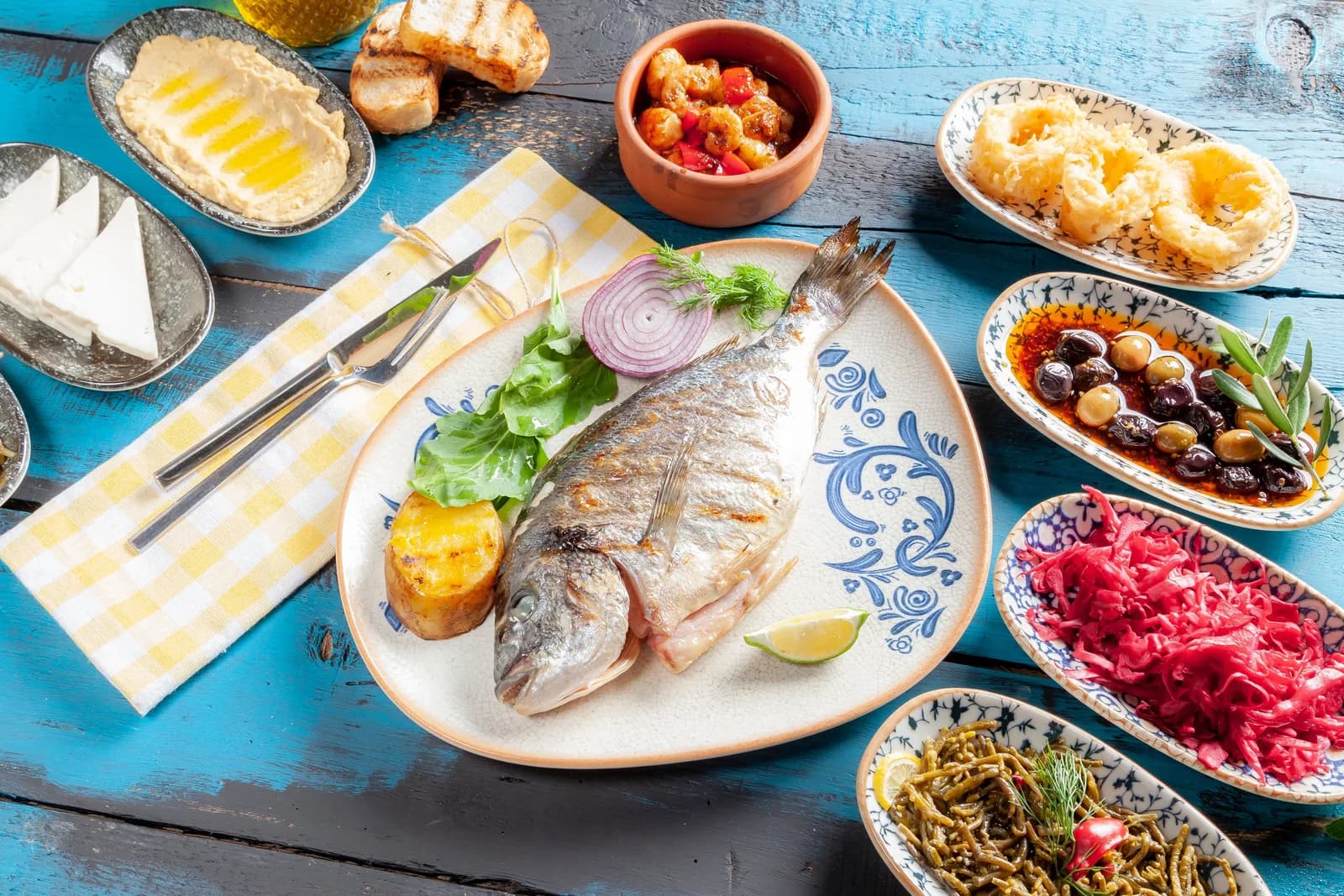
The single dietary intervention with the strongest fertility evidence is the Mediterranean dietary pattern. A 2018 prospective cohort study by Karayiannis and colleagues in Human Reproduction followed 244 couples undergoing IVF and measured the partners' adherence to a Mediterranean dietary pattern. The couples in the highest tertile of Mediterranean adherence had a 65 to 68% probability of clinical pregnancy and live birth, compared to 40 to 49% in the lowest tertile. The effect was independent of BMI and age.
The active components of the Mediterranean pattern, as best the research can isolate them, are: high vegetable and legume intake, olive oil as the primary fat, fatty fish two to three times per week, moderate whole grains, modest dairy (especially fermented), limited red meat, minimal refined carbohydrate, and modest wine consumption (or none, particularly during active conception attempts).
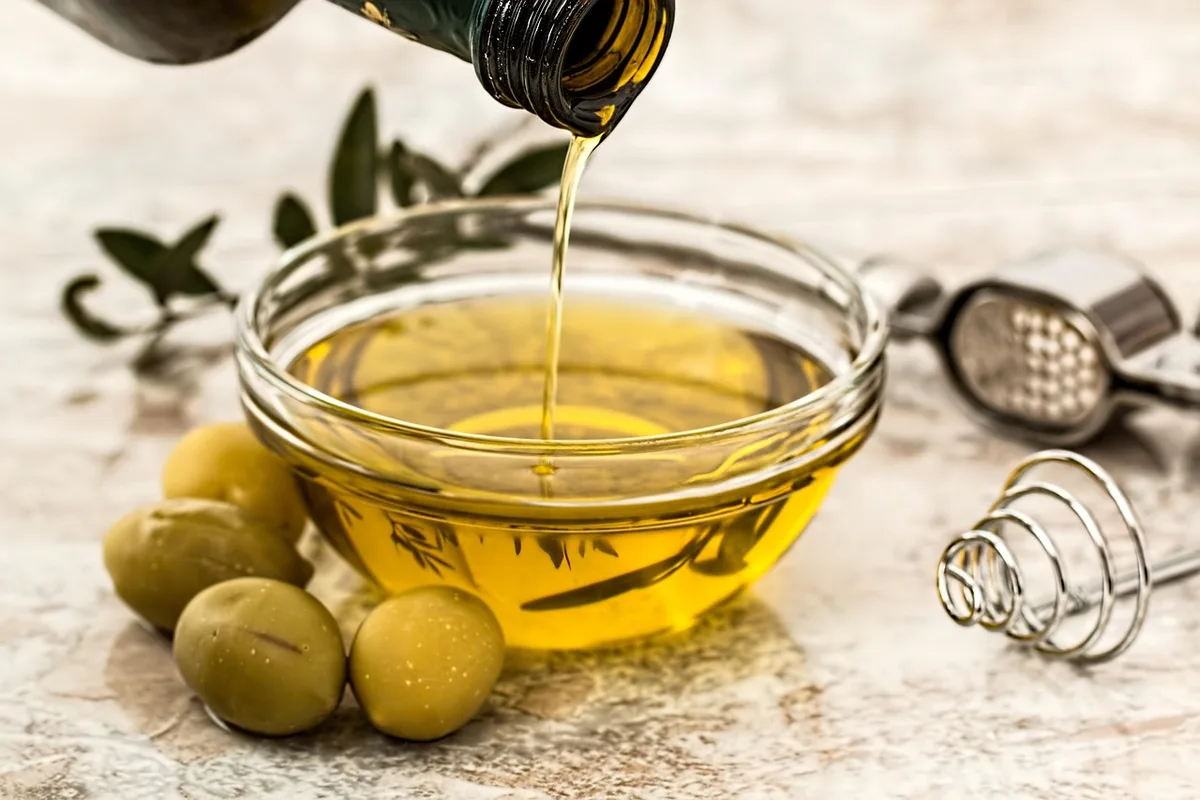
This dietary pattern is the food backbone for both partners. The nutrient-specific recommendations below sit within this pattern, not as substitutes for it.
The Female Nutritional Picture
The 90-day follicular development window is when food has its strongest effect on egg quality. The most-supported nutrients:
Folate. Required for DNA synthesis and methylation. The pre-pregnancy recommendation of 400 to 600 mcg daily is well-established. Food sources: leafy greens, legumes, asparagus, citrus, fortified grains. For women with the MTHFR genetic variation (about 30 to 40% of the population), methylfolate is more efficiently used than synthetic folic acid.
Choline. Less famous but equally important; choline supports neural tube development and is the precursor to phosphatidylcholine, which is essential for early embryonic development. Egg yolks are the densest source (one egg provides about 30% of daily needs). The American Medical Association's 2017 recommendation explicitly added choline to the preconception list. Supplementation up to 450 mg daily is reasonable for women not eating eggs.
Omega-3 fats. Particularly DHA. Required for early embryonic and brain development. Fatty fish twice a week or supplemented (1 g daily). A 2011 study by Hammiche and colleagues in Fertility and Sterility found that higher preconception omega-3 intake, especially alpha-linolenic acid and DHA, was associated with better embryo morphology in women going through IVF.
CoQ10. Mitochondrial cofactor; supports egg quality as the mitochondrial-energy-dependent cellular machinery is responsible for fertilization. A 2015 study by Ben-Meir and colleagues in Aging Cell demonstrated that CoQ10 supplementation improved oocyte mitochondrial function in older animal models, with the strongest effect in older women whose endogenous CoQ10 has declined. Food sources are limited (organ meats, oily fish); supplementation 100 to 200 mg daily is reasonable for women over 35.
Vitamin D. Strong association with fertility outcomes, though causation is mixed. Sunlight, fatty fish, eggs, fortified dairy. A serum 25(OH)D level of 40 to 60 ng/mL is the target most fertility clinicians recommend, often requiring supplementation in northern latitudes and during winter.
Iron. Required for ovulation and implantation. The picture is covered in iron-rich foods for women. For women trying to conceive, iron levels at the upper end of normal (ferritin above 50) are associated with better outcomes than levels at the lower end of normal.
Antioxidants. Vitamin E, vitamin C, selenium, zinc. Required to manage the oxidative stress of follicle development and corpus luteum activity. Food sources: berries, citrus, nuts, seeds, leafy greens, brazil nuts (for selenium).
The Male Nutritional Picture
Sperm parameters respond to dietary changes within 60 to 90 days, the duration of the spermatogenesis cycle. The most-supported male fertility nutrients:
Zinc. Required for testosterone production and sperm motility. Oysters (the densest source), pumpkin seeds, beef, sesame seeds, chickpeas.
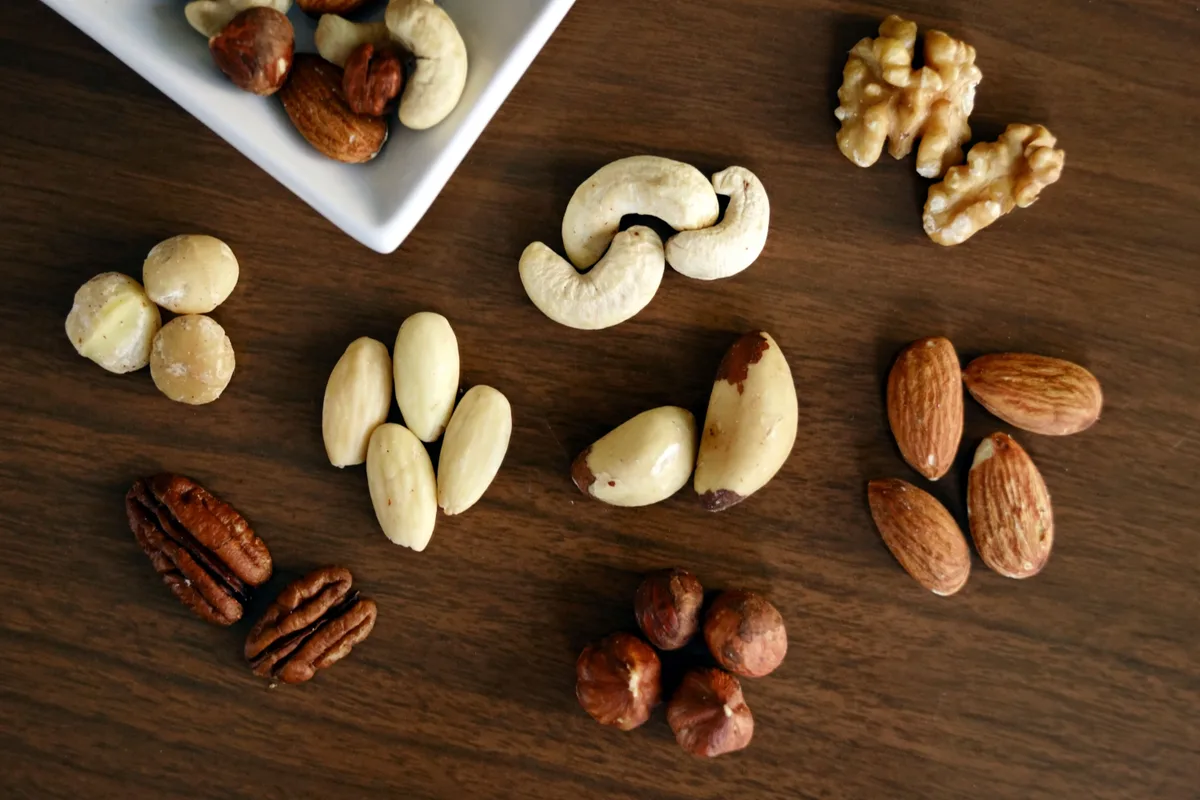
Selenium. Required for sperm morphology and motility. Brazil nuts (2 to 3 per day provides the full daily requirement), seafood, eggs.
Omega-3 fats. Same recommendation as for women. A 2011 trial by Safarinejad and colleagues in Andrologia found that omega-3 supplementation in men with idiopathic infertility improved sperm concentration and motility over 32 weeks.
Folate (yes, men too). Required for sperm DNA integrity. Same food sources as for women.
CoQ10. Improves sperm motility and morphology. Trials show benefit at 200 to 400 mg daily over several months.
Antioxidants. Particularly vitamin E and vitamin C. A 2019 Cochrane review found that antioxidant supplementation in men with subfertility was associated with significantly improved live birth rates in their partners.
What to minimize for sperm: alcohol (more than 5 drinks per week measurably reduces sperm parameters), tobacco, marijuana, anabolic steroids, and excessive heat to the testicles (saunas, hot tubs, laptop on lap). Diet quality matters less than these specific exposure factors.
The Ayurvedic Frame
The classical Ayurvedic approach to fertility centers on shukra dhatu, the reproductive tissue, which is considered the final and most refined of the seven body tissues (dhatus). Shukra is produced from majja dhatu (bone marrow and nervous tissue) and requires a full chain of well-functioning prior tissues to be present. The classical fertility-preparation protocols therefore work on the whole tissue chain, not just the reproductive layer.
The dietary supports include:
Ojas-building foods. Almonds, dates, milk, ghee, saffron, ashwagandha, shatavari, gokshura. Many of these appear in the ashwagandha moon milk preparation, taken nightly during preconception.
Sesame and jaggery. Together as ladoo or separately, considered the most direct shukra-tonifying combination in classical Ayurveda.
Dates and milk. Soaked dates in warm milk with cardamom, a traditional fertility tonic taken in the morning.
Avoid during preconception (Ayurveda). Cold drinks, raw food in excess, alcohol, ultra-processed food, leftover food (more than 6 hours old), fasting in excess.
Both partners participate in the dietary support; the traditional system is explicit that shukra dhatu matters for both. The shatavari prescription is for women; ashwagandha and gokshura are more commonly given to men.
The TCM Frame
The Chinese medicine view is that fertility depends on jing (essence), which is stored in the kidneys and which determines reproductive potential. Jing has a constitutional component (inherited at birth) and an acquired component (built and depleted by lifestyle, food, stress, and overwork). The fertility protocols aim to support both kidney yin (the substance and moisture aspect) and kidney yang (the energy and warmth aspect).
The dietary supports include:
Kidney-essence foods. Walnuts, black sesame, black beans, oysters, lamb (warming), eggs, bone marrow, fatty fish.
Blood-building foods. Same list as in the iron-rich foods post: red dates, longan, beets, leafy greens, organ meats.
Warming aromatic spices. Ginger, cinnamon, cardamom, fennel. These support both kidney-yang and the digestive transformation of nutrients into essence.
Avoid in TCM preconception. Cold drinks, raw food in excess, excessive sweet, alcohol, and overwork. The structural recommendation is to live a quieter life in the 90-day window, not an intense one.
Practical Pre-Conception Eating for Both Partners
A typical week:
Mornings: Eggs (choline and protein); or oats with nuts, seeds, and berries (folate, omega-3, antioxidants); or yogurt with walnuts and dates.
Lunches: Lentils or beans with vegetables and grains. Fatty fish (salmon, sardines) two to three times a week. Olive oil generously.
Dinners: Vegetable-heavy with moderate protein. Smaller and earlier. Soup or stew preparations. Bone broth twice a week.
Snacks: Soaked almonds and dates. Pumpkin seeds. A square of dark chocolate. Brazil nuts (2 to 3 daily for selenium).
Daily supplements during preconception: Prenatal vitamin (for the woman) with at least 400 mcg folate. Omega-3 fish oil (1 g daily for both). Vitamin D if levels are low or sun exposure is limited. CoQ10 (100 to 200 mg) for women over 35 or for men with sperm-quality concerns. Iron only if levels are documented as low.
Beverages: Water throughout. Tea (especially red raspberry leaf for women, traditionally believed to support uterine tone) and warm aromatic spiced drinks. Coffee in moderation (limit to 200 mg caffeine daily during active conception, as higher amounts are associated with modestly reduced conception rates). Alcohol minimized or eliminated.
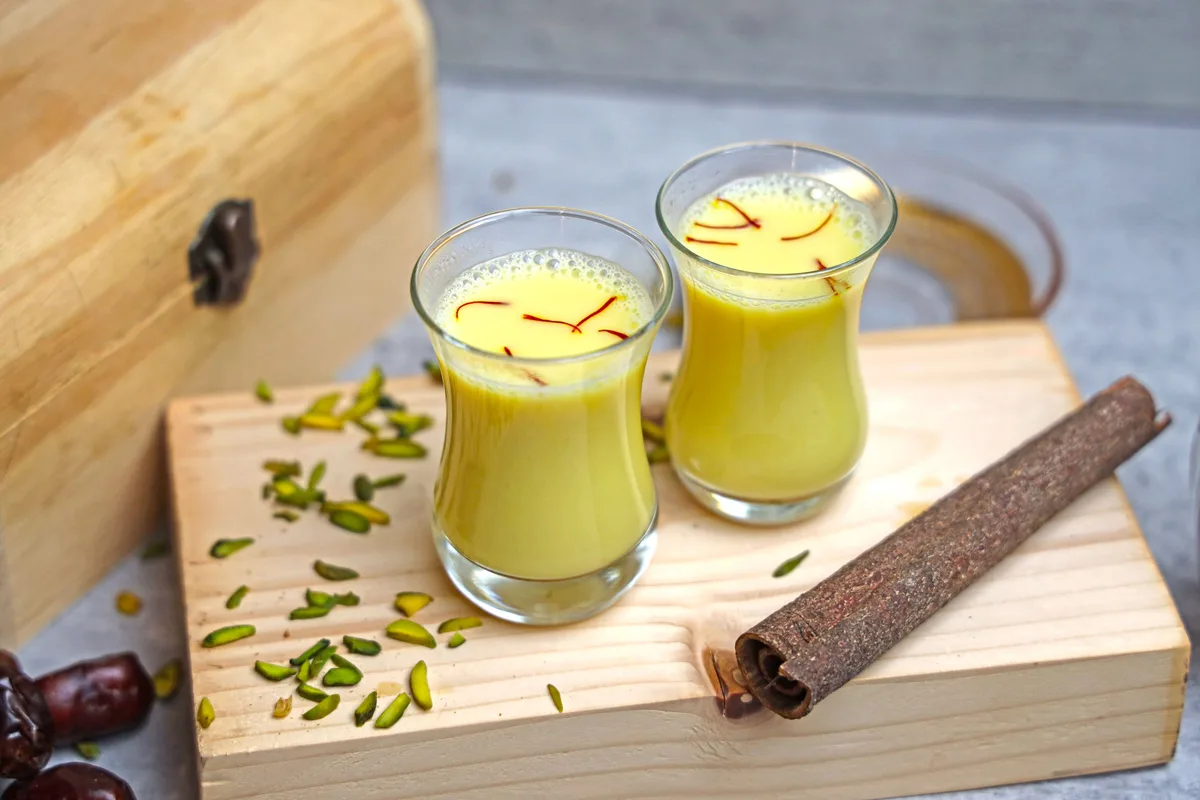
The traditional ashwagandha moon milk preparation taken nightly provides ashwagandha (cortisol modulation and reproductive support in both sexes), saffron (mood and circulation), ghee (fat-soluble nutrient absorption), and the warm-milk vagal relaxation that supports sleep and stress recovery.
Frequently Asked Questions
How long before trying should we start this?
90 days is the minimum; 3 to 6 months is better. The follicular development window for the egg released in any given cycle is roughly 90 days. The spermatogenesis cycle is similar. Changes made today affect the eggs and sperm of three months from now.
Does this matter for IVF?
Yes. The Karayiannis study and subsequent work documented that Mediterranean dietary adherence improves IVF outcomes meaningfully. The 90-day preconception window applies just as much to IVF, since the eggs being retrieved have been developing for that window.
What about caffeine?
The evidence suggests up to 200 mg daily (about one strong coffee or two weaker cups) is associated with neutral fertility outcomes. Higher intakes show modest reductions in conception probability and small increases in early miscarriage risk. The actionable recommendation is to stay under 200 mg daily during active conception.
What if we have specific fertility concerns?
Polycystic ovary syndrome has its own dietary frame; see the PCOS foods post. Endometriosis has its own (an upcoming post in this series). For male-factor infertility, the antioxidant and zinc-selenium emphasis is particularly important. For unexplained infertility, the general Mediterranean approach plus supplementation as above is reasonable while clinical workup proceeds.
A 90-Day Project
Pre-conception nutrition is one of the few interventions where the work happens months before the outcome and yet the link is well-supported. The traditional systems knew this and structured fertility preparation as a months-long protocol involving both partners, food, lifestyle, stress reduction, and timing.
The modern picture validates the structure. The Mediterranean pattern plus targeted micronutrient support, over a 90-day window, meaningfully improves outcomes. The Ayurvedic ojas-building protocols and the TCM jing-supporting protocols overlap with the modern evidence in their specifics and provide a practical kitchen-level instantiation of the same principles.
For broader context on postpartum nutrition that often follows successful conception, see postpartum foods Ayurveda has used for 3,000 years. For cycle awareness during the conception attempts, see cycle-syncing the Ayurveda way. The 90 days before conception are an invitation to eat the way you want to eat for the next decade anyway.
Comments
Share your thoughts on this post.
Sign in to comment0 Comments