Ghee for the Brain: Ayurveda's Medhya Rasayana Tradition Meets the Saturated-Fat Debate
Ghee for the Brain: Ayurveda's Medhya Rasayana Tradition Meets the Saturated-Fat Debate
In the Charaka Samhita, the foundational Ayurvedic medical text compiled roughly two thousand years ago, ghee is described in detail across multiple chapters. It is classified as sattvic (promoting clarity), medhya (nourishing to the mind), and rasayana (rejuvenating to tissues). The text describes specific medicated ghee preparations, medhya ghrita, in which brain-supporting herbs are infused into ghee through hours of slow simmering. These preparations have been continuously made and prescribed in the Ayurvedic system for two millennia, specifically for cognition, memory, emotional balance, and the rebuilding of nervous-tissue function after illness.
The modern Western framing of ghee is more conflicted. For most of the late twentieth century, ghee was treated with suspicion as a saturated-fat-heavy traditional fat that the nutrition consensus said to avoid. That consensus is now under serious revision, and the reasons matter. The 2010 meta-analysis by Siri-Tarino and colleagues in the American Journal of Clinical Nutrition pooled prospective epidemiological data from 21 studies covering nearly 350,000 person-years and found no significant association between saturated fat intake and cardiovascular disease. Subsequent work has clarified the picture in ways the original guidance missed: dairy fat, in particular, has cardiometabolic effects that differ from the bulk-saturated-fat category.
This is the brain-and-ghee story. The Ayurvedic classification of ghee as a cognition-supporting food turns out to be more pharmacologically defensible than the late-twentieth-century picture of saturated fat allowed. What's in the ghee, and what it does, is worth knowing.
What Ghee Actually Is
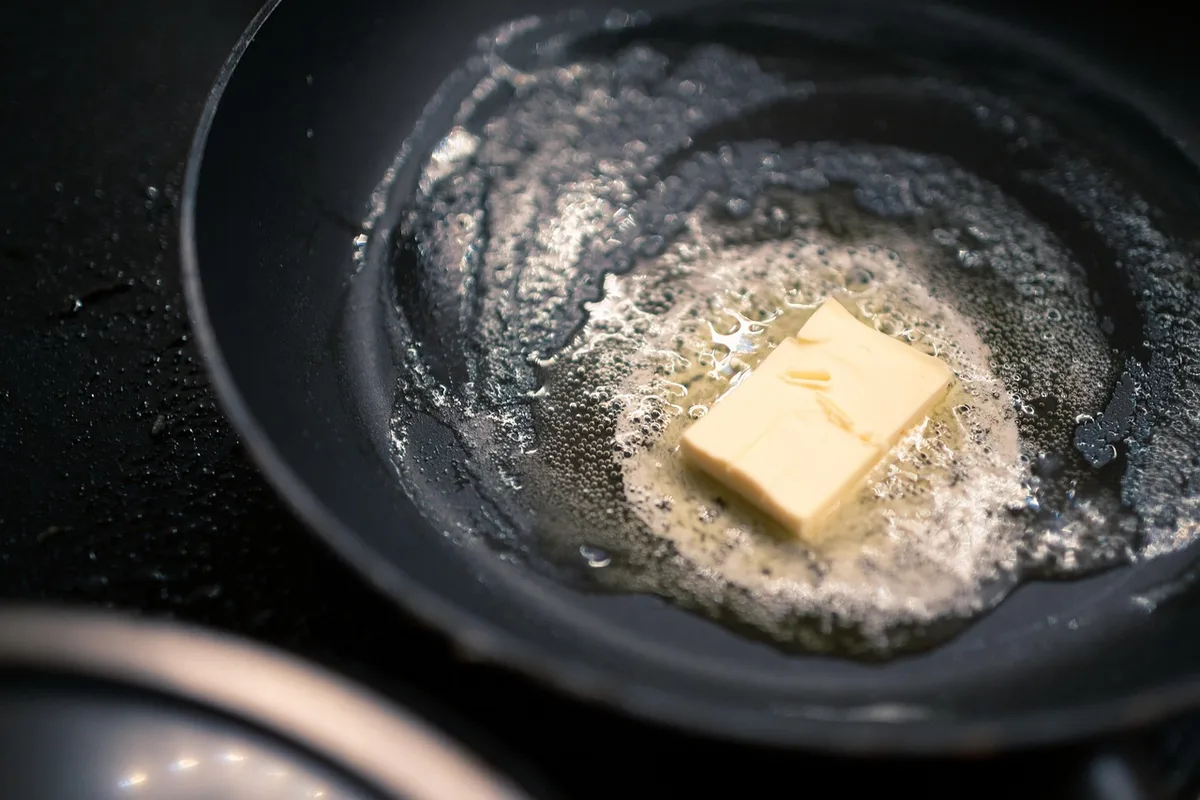
Ghee is butter that has been simmered until the water evaporates and the milk solids brown and are strained out. The remaining fat is shelf-stable, lactose-free, casein-free, and concentrated. Compared to butter, ghee has a higher smoke point (about 250°C versus 175°C), longer shelf life, and a more concentrated nutrient profile.
The fat composition: roughly 60% saturated fat, 30% monounsaturated, and 4% polyunsaturated. Within the saturated portion, ghee is unusual in containing significant short-chain and medium-chain fatty acids alongside the long-chain. The most notable short-chain fatty acid is butyric acid (butyrate), which is the energy source for colonocytes and has documented effects on gut-brain axis function.
Ghee also contains:
- Vitamin K2 (especially from grass-fed sources), which is involved in calcium metabolism and bone-and-vascular health
- Vitamin A and small amounts of vitamins D and E
- Conjugated linoleic acid (CLA), particularly in ghee from grass-fed cows
- Trace amounts of omega-3 fats, more in grass-fed ghee
The combination is distinct from olive oil, coconut oil, or industrial seed oils. It is also distinct from butter, primarily because the lactose and casein have been removed during the clarification.
The Brain-Relevant Components
For cognitive function specifically, three components in ghee are worth understanding.
Butyric acid. Butyrate is the favored fuel of colon cells and a regulator of gut barrier integrity. The gut-brain axis literature documents that butyrate also affects brain function through several mechanisms: vagal stimulation, anti-inflammatory effects, and modulation of brain-derived neurotrophic factor (BDNF). A 2020 review by Silva and colleagues in Frontiers in Endocrinology covers butyrate and the other short-chain fatty acids and their effects on cognition and mood in detail. The dietary butyrate in ghee complements (but does not replace) the butyrate produced by the gut microbiome from soluble fiber.
Medium-chain fatty acids. A small percentage of ghee's fat is medium-chain (caprylic and capric acids). These are metabolized differently from long-chain fats: they bypass the standard digestive route and go directly to the liver, where they are partially converted to ketones. The brain can use ketones as an alternative fuel to glucose. The 2016 paper by Cunnane and colleagues in Frontiers in Molecular Neuroscience discussed how even small ketone availability supports cognitive function in adults whose brain glucose uptake is impaired (a common change with aging and metabolic dysfunction).
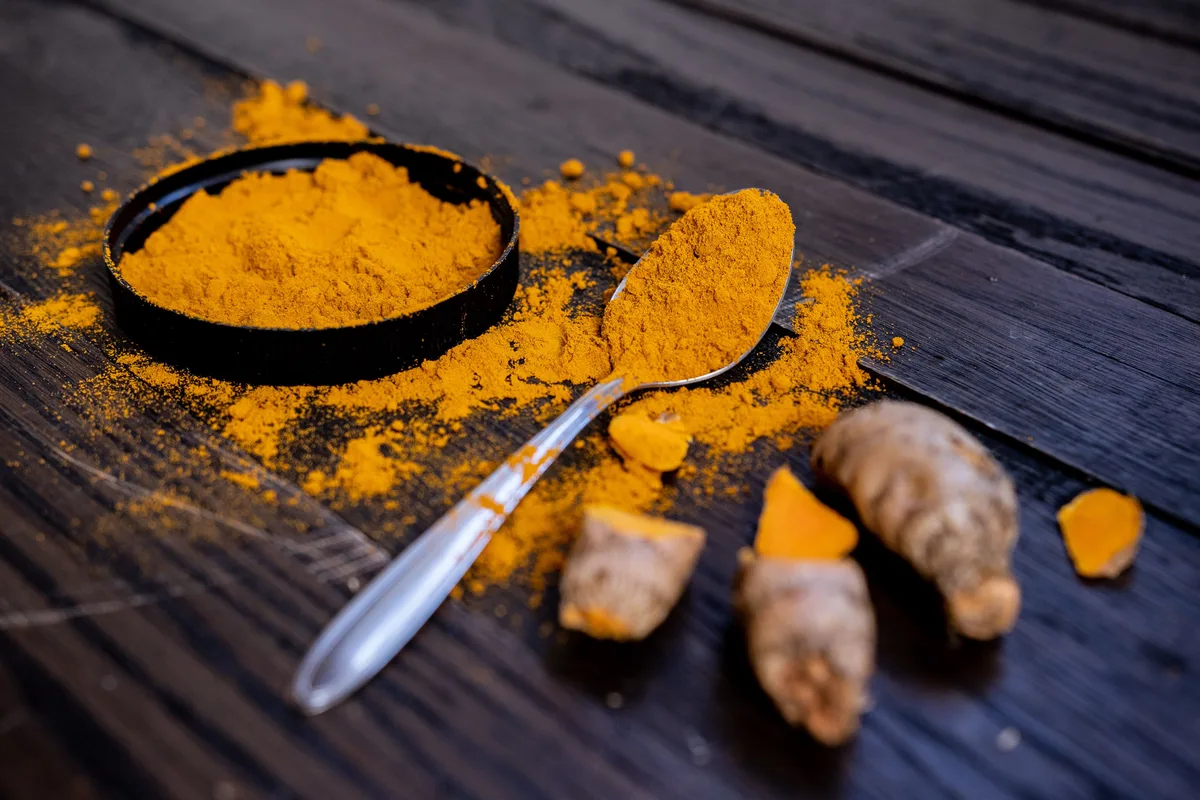
Fat-soluble nutrient carrier. The most underrated property of ghee for cognitive support is what it makes more bioavailable. Curcumin, the active compound in turmeric, is poorly absorbed without fat; the absorption increases roughly twentyfold when curcumin is combined with black pepper and fat. The same fat-solubility logic applies to the bacosides in brahmi, the withanolides in ashwagandha, the crocin in saffron, and most of the carotenoids and fat-soluble vitamins. The traditional preparation of these herbs in ghee is not arbitrary; it is the pharmacological optimization step.
What the Modern Saturated-Fat Reassessment Shows
The original epidemiology that led to the saturated-fat-is-bad guidance was based on a flawed methodology that compared populations on dietary fat percentages without controlling for what replaced the fat. Population-level studies that controlled for replacement (replacing saturated fat with polyunsaturated fat, refined carbohydrate, or whole grains, each separately) showed very different results.
A 2017 paper by Dehghan and colleagues in The Lancet reported on the PURE study, which followed over 135,000 people across 18 countries. The findings: total fat and individual fat types (including saturated fat) were not associated with cardiovascular disease or mortality; high carbohydrate intake was associated with higher mortality. A 2014 systematic review in the Annals of Internal Medicine by Chowdhury and colleagues, covering 76 studies and nearly 600,000 participants, found no significant association between saturated fat consumption and coronary disease risk.
The actionable implication is not that everyone should eat more saturated fat. It is that ghee and other traditional dairy fats are not the cardiovascular threat they were once thought to be, and the longstanding traditional food prescriptions that used them deserve a re-examination rather than dismissal.
Ghee in Traditional Cognitive Preparations
The Ayurvedic system uses ghee specifically as the carrier for brain-supporting herbs. Several preparations are worth understanding:
Brahmi ghrita. Brahmi infused into ghee through hours of slow simmering. The result is a shelf-stable preparation high in bacosides (the active compounds in brahmi) and bioavailable through the fat carrier. A half-teaspoon on warm rice, on toast, or stirred into warm milk is the classical dose.
Saraswatarishta context. Saraswatarishta is a classical Ayurvedic fermented preparation containing brahmi, vacha (sweet flag), shankhpushpi, and other medhya herbs. It is taken in small doses with warm water and is one of the most-prescribed cognitive support formulations in Ayurveda. While saraswatarishta itself is not ghee-based, the medhya-rasayana category it belongs to typically pairs the herbs with ghee for bioavailability.
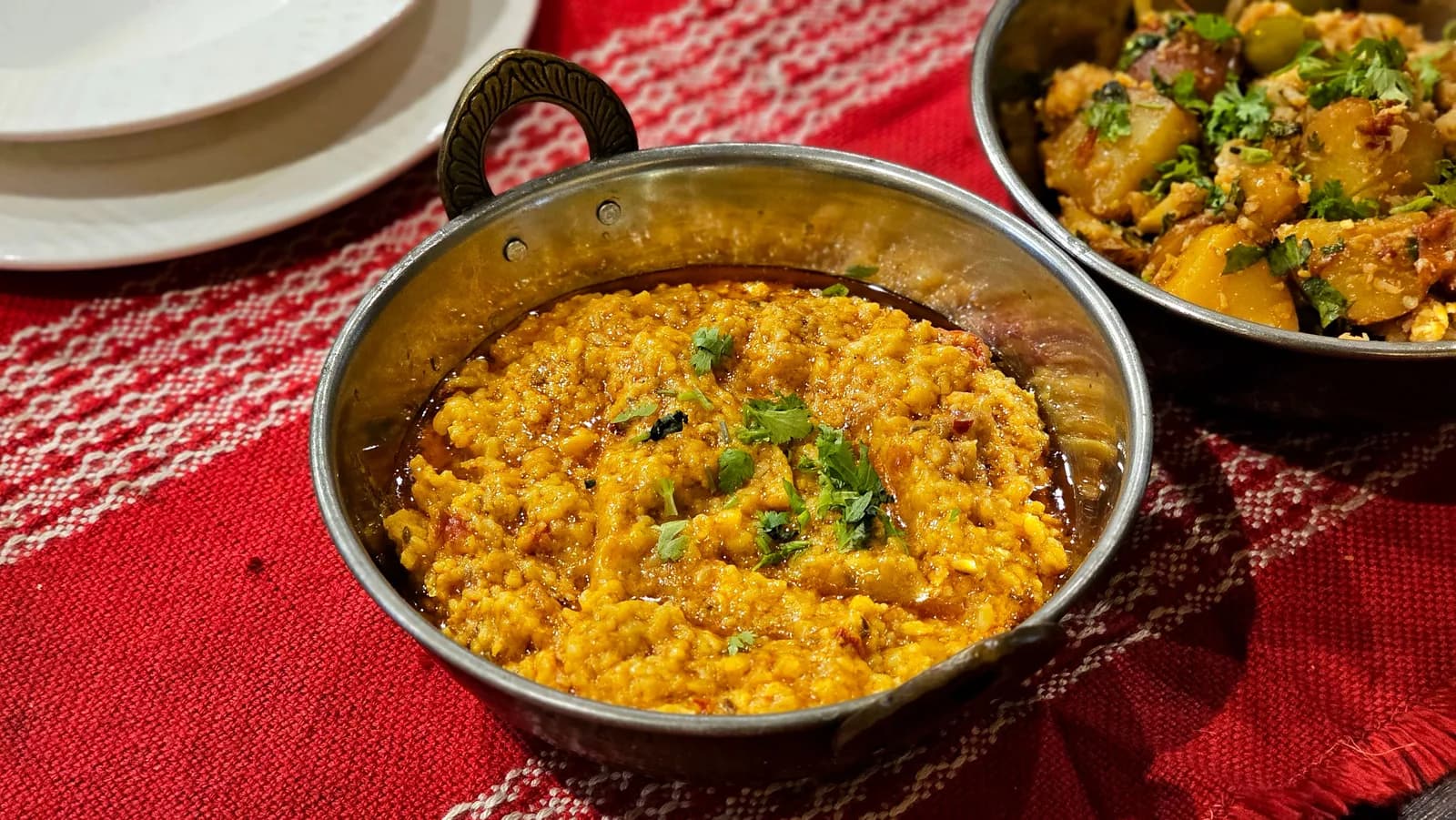
Simple ghee in food. Outside the medicated preparations, classical Ayurveda prescribes ghee as a normal daily food in modest amounts: 1 to 3 teaspoons per day for adults, used as the cooking fat for vegetables, drizzled on rice or khichdi, or stirred into warm milk as part of the evening routine. This baseline ghee consumption is the foundation on which the medicated preparations add their specific effects.
How Much, Practically
For most healthy adults, 1 to 2 tablespoons of ghee per day is a reasonable baseline. This is the amount that fits comfortably within a balanced diet, provides meaningful butyrate and fat-soluble vitamin support, and serves as the cooking fat for curries, dal, vegetable preparations, and warm milk.
The cognitive-support amounts in classical preparations are in the same range: a half-teaspoon to a teaspoon of medicated ghee (brahmi ghrita, saraswata ghrita) once or twice a day, in addition to or partially replacing the baseline cooking ghee.
Quality considerations:
Grass-fed versus conventional. Grass-fed ghee has measurably higher vitamin K2, CLA, and omega-3 content than conventional. The difference is real but modest. If the price difference is significant, prioritize grass-fed for the meaningful daily consumption (cooking fat, drizzling); conventional ghee is still nutritionally useful.
A1 versus A2 milk. A2 milk (from certain cow breeds, including most Indian-origin cattle) produces ghee that some people digest more easily than ghee from standard Western A1-milk cows. The clinical data on A1/A2 differences in adults is mixed; for individuals with mild dairy sensitivity, A2 ghee is worth trying.
Homemade versus store-bought. Homemade ghee, made by simmering unsalted butter until the milk solids brown and the liquid clarifies, is straightforward and produces a noticeably better result than most commercial ghees. The traditional method takes 20 to 30 minutes of attentive stovetop time.
Who Should Be Cautious
Ghee is not for everyone. People with significant hyperlipidemia, particularly those whose LDL responds strongly to dietary saturated fat (a minority phenotype known as hyperresponders), should keep ghee consumption modest and work with a clinician. People with gallbladder disease may not tolerate the fat load. People with severe casein or whey sensitivity should note that ghee, while clarified, may contain trace dairy proteins; clarified ghee made at home with extra straining is generally tolerated even by sensitive individuals, but commercial varieties vary.
For most healthy adults, including those with stable cardiovascular risk profiles, moderate ghee consumption is well-supported by both the modern evidence reassessment and the longstanding traditional record.
Frequently Asked Questions
Is ghee better than butter?
For cooking at high temperatures, yes; ghee has a higher smoke point and doesn't burn. For lactose-intolerant or casein-sensitive individuals, yes; the proteins and sugars are removed during clarification. For most other purposes, ghee and high-quality grass-fed butter are nutritionally similar.
Can I cook with ghee daily?
Yes. The Indian dietary tradition uses ghee daily as the cooking fat for most household meals. For most adults, daily moderate use (1 to 2 tablespoons total) is well-tolerated.
Does ghee help with weight loss?
Direct claims that ghee promotes weight loss are oversold. What ghee does provide is satiety, fat-soluble nutrient absorption, and a stable cooking fat that doesn't break down into oxidation products at normal cooking temperatures. As part of a balanced diet, it does not promote weight gain in the way the older saturated-fat guidance suggested; as a "weight loss tool," it has no special properties.
What about MCT oil instead?
MCT oil provides higher concentrations of medium-chain triglycerides than ghee but lacks the broader nutrient profile (vitamin K2, butyrate, CLA, fat-soluble vitamins). For purely ketogenic purposes, MCT oil has its uses; for general cognitive and gut-brain support, ghee provides a more complete picture.
Two Thousand Years of Slow Validation
The classification of ghee as medhya in the Charaka Samhita was based on careful clinical observation over generations of practice. The modern picture, after the saturated-fat reassessment and the gut-brain axis research, increasingly supports what the classical texts described. Ghee carries fat-soluble nutrients, provides butyrate to the gut-brain axis, and serves as the optimal pharmacological vehicle for the herbs that the Ayurvedic system pairs with it.
For the specific cognitive applications, see the brahmi post for the ghee-brahmi combination and the post on brain fog after illness for ghee's role in convalescence. Ghee is not a superfood. It is a long-validated traditional fat with a meaningful nutrient profile, used most effectively as the cooking-and-carrier substrate of a diet built around vegetables, legumes, grains, and good spice work.
Comments
Share your thoughts on this post.
Sign in to comment0 Comments