The Gut-Brain Axis: What to Eat for Clearer Thinking
The Gut-Brain Axis: What to Eat for Clearer Thinking
In the last fifteen years, the field of neuroscience has reorganized itself around an embarrassingly large piece of biology it had previously ignored: the gut. The trillions of microbes living in the colon are not passive passengers. They synthesize neurotransmitter precursors, produce short-chain fatty acids that affect brain function, communicate with the central nervous system through the vagus nerve, and modulate the inflammatory state of brain tissue. The cognitive consequences are large enough that medical researchers now use the phrase the second brain without irony.
Most of this picture was unknown to clinical neuroscience as recently as the early 2000s. It was, however, exactly what Ayurveda and Chinese medicine had been describing for two thousand years: digestion is the foundation of cognition, agni (digestive fire) and jing (essence) determine mental clarity, and the food choices made at the gut layer affect everything downstream. The vocabulary differed; the architecture is now recognizable as the same picture.
This post lays out the gut-brain axis in plain terms, the specific dietary levers that affect cognition through the gut, and the practical food protocol for clearer thinking. It pairs with the vagus nerve post, which covers the nervous-system side of the same conversation.
How the Gut Talks to the Brain
Four communication channels matter. Together they form the gut-brain axis.
The vagus nerve. The tenth cranial nerve runs from the brain stem to the abdomen, and 80% of its fibers are afferent (carrying information from gut to brain). Gut signals about food, temperature, stretch, and bacterial activity travel up the vagus and influence brain function in real time. The vagal pathway is the fastest channel of gut-brain communication.
The endocrine pathway. Gut bacteria produce or modulate the production of serotonin (95% of the body's serotonin is in the gut), GABA, dopamine precursors, and short-chain fatty acids that enter circulation. The 2015 paper by Yano and colleagues in Cell documented that gut bacteria directly regulate serotonin synthesis in the colon, with downstream effects on mood and cognition.
The immune pathway. Roughly 70% of the body's immune cells live in or near the gut. The state of the gut microbiome affects the inflammatory tone of the entire body, including the brain. Chronic low-grade inflammation from a dysregulated gut microbiome contributes to cognitive symptoms in ways that are now well-documented in both animal and human studies.
The metabolic pathway. Short-chain fatty acids (SCFAs), particularly butyrate, propionate, and acetate, are produced when colon bacteria ferment dietary fiber. Butyrate is the favored fuel of colon cells, the regulator of gut-barrier integrity, and a known modulator of brain-derived neurotrophic factor (BDNF), the protein that supports neuron growth and synaptic plasticity. A 2020 review by Silva and colleagues in Frontiers in Endocrinology covers butyrate and the other short-chain fatty acids and their effects on cognition and mood in detail.
What This Means for Cognition
The actionable cognitive consequences of the gut-brain axis are several:
A disrupted microbiome produces brain fog. Antibiotics, severe illness, chronic stress, ultra-processed-food-dominant diets all reduce microbial diversity. The cognitive consequence is the brain fog covered in detail in the post on brain fog after illness.
Microbial diversity correlates with cognitive resilience. Several cross-sectional studies have found that adults with higher microbial diversity perform better on cognitive measures than adults with lower diversity, even controlling for age and education. The 2020 review by Mörkl and colleagues in Neuropsychobiology summarizes the evidence linking gut microbiome composition, dietary patterns, and mental and cognitive function.
Specific microbial populations affect specific cognitive functions. Bifidobacterium and Lactobacillus species are particularly associated with anxiety reduction and mood regulation. Akkermansia muciniphila is associated with metabolic health and reduced cognitive symptoms in older adults. The mechanism is partially through butyrate production, partially through direct neurotransmitter modulation, partially through gut-barrier maintenance.
Polyphenols feed beneficial bacteria. The colored compounds in vegetables, fruits, herbs, spices, tea, and dark chocolate are mostly not absorbed in the small intestine. They reach the colon, where beneficial bacteria metabolize them into bioactive compounds with cognitive and anti-inflammatory effects. The cognitive benefit of polyphenol-rich diets appears to flow largely through this microbial intermediary.
The Food Protocol
The food approach to gut-brain support has four pillars, each addressed below.
1. Diverse Plant Intake
The single largest predictor of microbial diversity is the diversity of plants eaten. The American Gut Project found that people eating more than 30 different plant species per week had significantly higher microbial diversity than those eating fewer than 10. The "30 plants per week" target has become a useful benchmark.
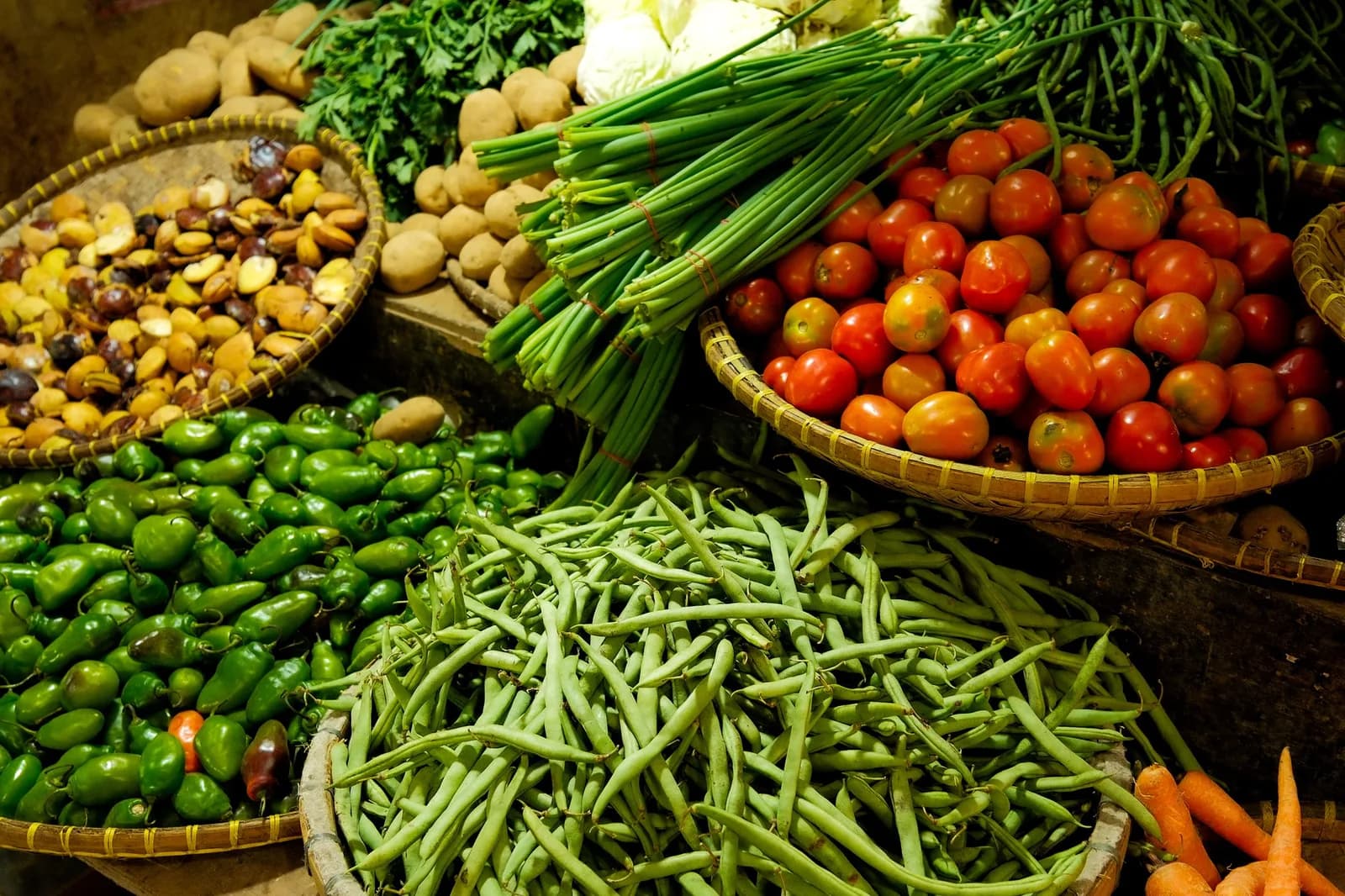
This is not as hard as it sounds. Each spice counts. Each herb counts. Each variety of grain, legume, vegetable, fruit, nut, and seed counts. A masala chai with cinnamon, cardamom, ginger, and clove already contributes 4 to the weekly count. A salad with 6 vegetables is 6. A diet pattern that uses generous spice work, multiple grains across the week (oats, brown rice, quinoa, barley), and varied vegetables can reach 30 plants without strain.
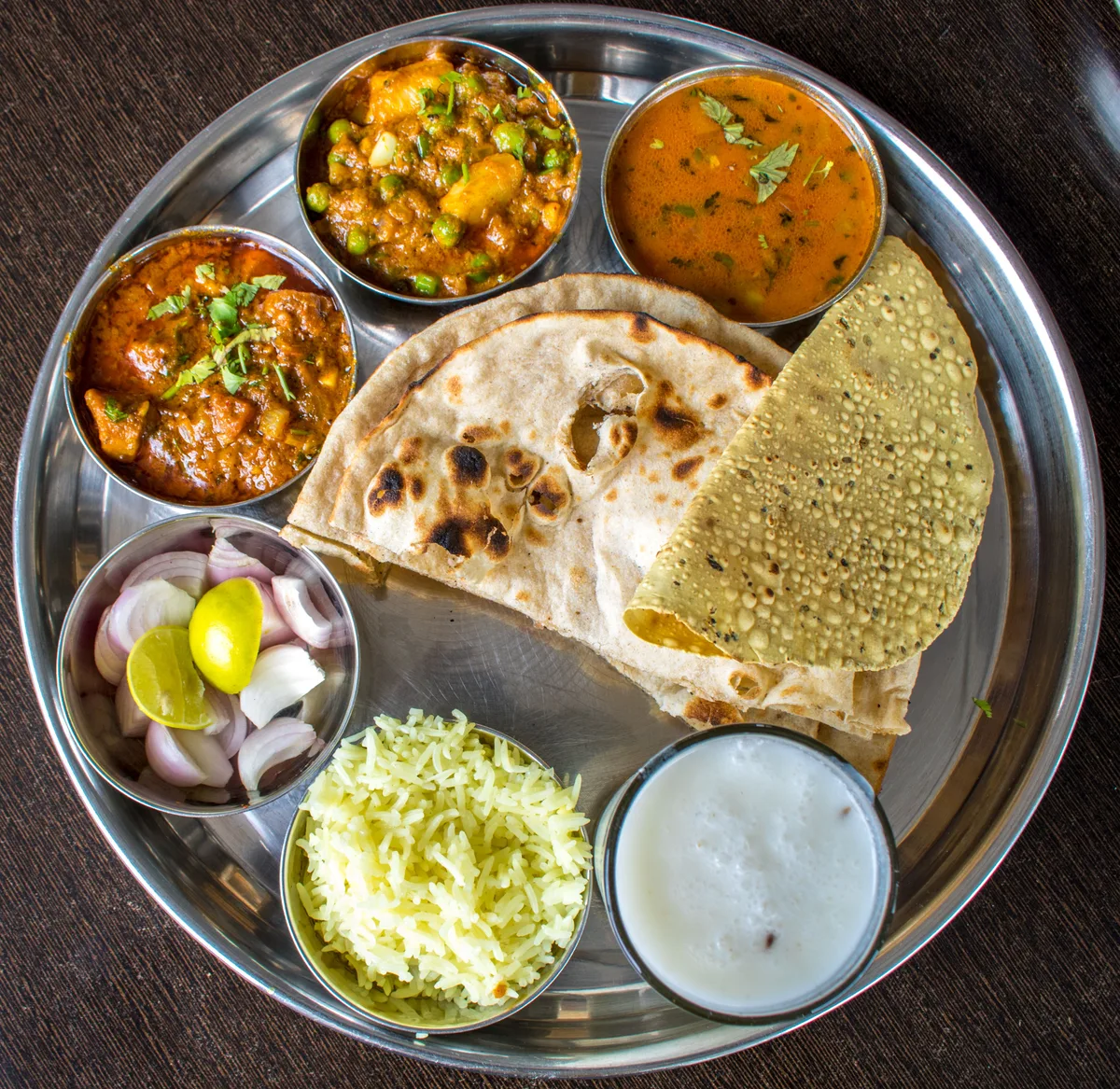
The traditional Indian thali, which presents 6 to 10 different vegetable, legume, and grain preparations on a single plate, is essentially a microbial-diversity engineering project from before the science existed.
2. Fermented Foods Daily
The 2021 study by Wastyk and colleagues in Cell, run at Stanford, randomized 36 adults to either a high-fiber diet or a fermented-food-rich diet for ten weeks. The fermented-food group showed significantly increased microbial diversity and decreased inflammatory markers compared to baseline; the high-fiber group did not. This was an unexpected result that prioritizes fermented foods over fiber alone, and it has reshaped much of the practical gut-health conversation.
Practical fermented foods to include daily:
- Yogurt or kefir (one cup daily)
- Miso (a tablespoon dissolved in warm water or soup, not boiling)
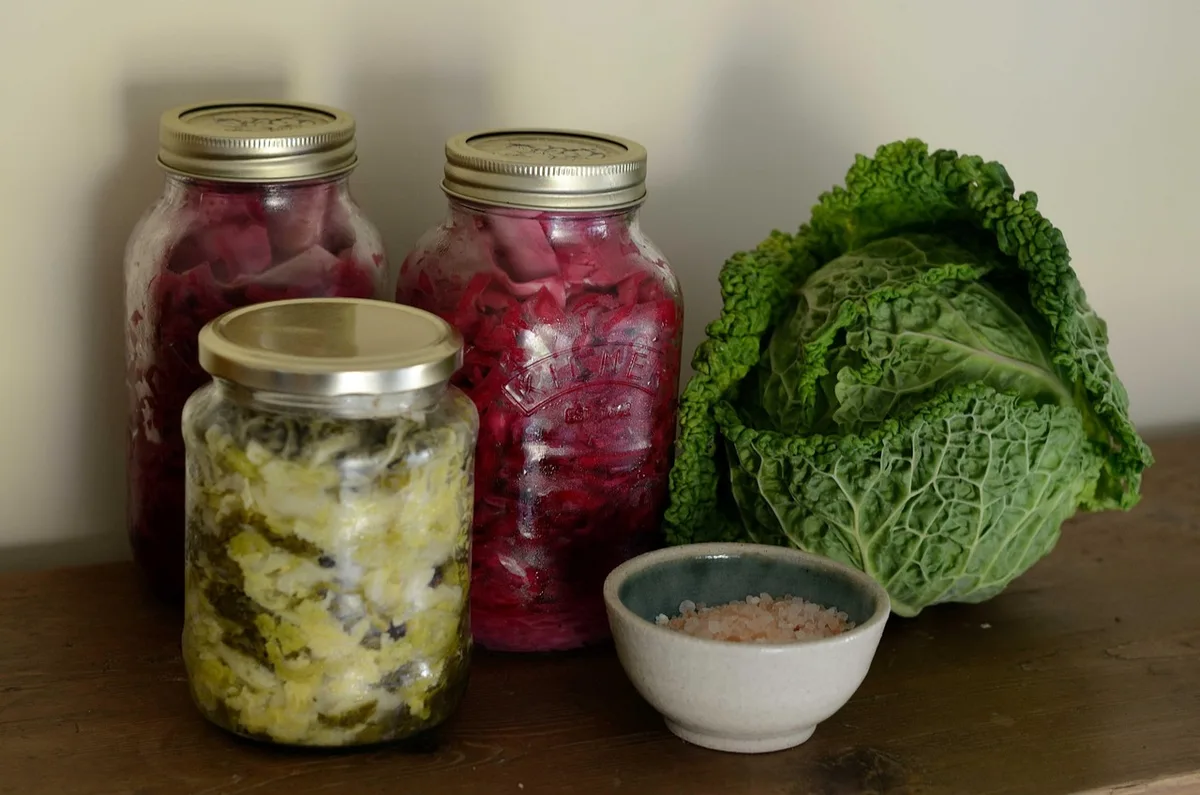
- Sauerkraut, kimchi, or pickled vegetables (2 to 3 tablespoons daily)
- Tempeh (a few times per week)
- Aged cheeses (modest portions)
- Kombucha (small amounts; high sugar content in some commercial versions)
The traditional Indian kanji, the Korean kimchi tradition, the Japanese miso and natto tradition, the European yogurt and aged-dairy tradition, the Ethiopian injera tradition all represent different versions of the same architectural insight: daily fermented food keeps the microbiome diverse.
3. Sufficient Fiber
Soluble fiber feeds the bacteria that produce butyrate. The richest sources are oats, barley, legumes, chia, flax, psyllium, apples (with skin), and root vegetables. The minimum daily target is 25 to 30 g of fiber for most adults; the upper-end target where additional cognitive benefit appears is 40 to 50 g.
For someone moving from a 10 g/day fiber baseline (typical Western diet) to a 30 g/day target, the transition should be gradual over 4 to 6 weeks. A sudden fiber load causes bloating and discomfort that discourages continued change. Add a few grams at a time, and adequate water intake matters more as fiber increases.
The traditional preparations like dal, khichdi, and congee deliver significant fiber along with the gentle preparation that aids digestion.

4. Polyphenol-Rich Foods
Polyphenols are the colored compounds in plants. The cognitive-relevant categories:
Flavonoids. In berries, dark chocolate, green tea, citrus, onions, and red wine. The 2019 trial by Bensalem and colleagues in The Journals of Gerontology: Series A gave a grape and blueberry polyphenol extract to healthy older adults and saw measurable improvements in episodic memory, particularly in those who started with weaker recall.
Curcumin. From turmeric. The bioavailability optimization (turmeric plus black pepper plus fat) covered in the how to cook with turmeric every day post is necessary for meaningful effect.
Resveratrol. In red grapes, blueberries, peanuts, and red wine. The cognitive evidence is mixed; the safer bet is the broader berries-and-grapes category rather than supplementation.
Catechins. In green tea, matcha, dark chocolate. The foods for focus post covers the catechin-and-L-theanine combination for focus.
A Practical Weekly Pattern
What does gut-brain-supportive eating look like across a normal week?
Each day:
- One serving of yogurt, kefir, or another fermented dairy
- One tablespoon of fermented vegetables (sauerkraut, kimchi, pickled vegetables)
- A cup of warm broth or miso soup
- A dark chocolate square (70%+ cacao)
- A cup of green tea or matcha
- Generous spice work in cooking
- A meal centered on legumes (dal, lentil soup, bean preparation)
Across the week:
- 30+ different plant species (track for a month if you've never tried)
- 2 to 3 servings of fatty fish
- Varied grains (oats, brown rice, quinoa, barley)
- Berries 3 or 4 times
- Nuts and seeds daily
- At least one fermented preparation that requires active making (homemade yogurt, sourdough, kimchi)
Skip or minimize:
- Ultra-processed foods, refined seed oils, sugar-sweetened beverages
- Long courses of antibiotics where avoidable (clinical guidance applies)
- Artificial sweeteners (the picture is complex but emerging evidence suggests some negatively affect microbiome composition)
- Chronic alcohol consumption
Frequently Asked Questions
How long until I notice anything?
The microbiome shifts visibly in stool composition within days. The cognitive effects of microbiome change build over weeks to months. The Wastyk fermented-food study showed measurable changes at ten weeks. Plan for 8 to 12 weeks of consistent change before judging the cognitive effect.
Should I take probiotic supplements?
The case for probiotic supplementation in healthy adults is weaker than the marketing suggests. The case for fermented foods is stronger. For specific conditions (post-antibiotic recovery, certain GI conditions), targeted probiotic strains have evidence; the broad daily probiotic supplement in a healthy person rarely outperforms a daily fermented-food habit.
What about gluten and dairy?
Coeliac disease and significant gluten sensitivity warrant gluten avoidance. Lactose intolerance and casein sensitivity warrant adjusting dairy. Without these specific issues, the evidence that gluten or dairy in moderation harms the microbiome in adults is thin. Fermented dairy (yogurt, kefir, aged cheese) is microbiome-supportive even for many people with mild lactose intolerance.
What's the role of cooked vs raw?
Cooked food is generally more bioavailable for the small intestine; some cooked foods, particularly when cooled and reheated (rice, potatoes), develop resistant starch that reaches the colon for microbial fermentation. The traditional emphasis on cooked food in Ayurveda and TCM is not anti-microbiome; it actually supports the colon-fermentation step through different mechanisms than raw food does.
The Architectural Picture
The gut-brain axis is the most important emerging story in cognition science of the last twenty years. The food protocol that supports it is recognizable as what the traditional medicine systems prescribed long before the mechanism was understood. Diverse plants, daily fermented foods, sufficient fiber, polyphenol-rich vegetables and herbs and spices, warm cooked food prepared in ways that the gut tolerates.
The traditional cuisines that produced these patterns by default, Indian, Korean, Japanese, traditional Mediterranean, are now being studied as case examples of gut-brain-supportive eating. The pattern is not exotic. It is what most of humanity ate for most of recorded history, before the late-20th-century shift toward ultra-processed convenience food.
For the nervous-system side of the same picture, see the vagus nerve, ancient practices, and modern science. For the gut-specific deep dive, see anti-inflammatory foods for gut health. The brain you think with is downstream of the gut you feed. Both traditional systems knew it; modern science is catching up.
Comments
Share your thoughts on this post.
Sign in to comment0 Comments