What to Eat Before a Big Meeting or Exam: A Kitchen-First Guide to Mental Performance
What to Eat Before a Big Meeting or Exam: A Kitchen-First Guide to Mental Performance
The hours before a high-stakes performance moment ‒ a presentation, an interview, a board meeting, a final exam ‒ are when most people eat worst. Some skip food entirely because of nerves. Some load up on coffee and sugar for a quick lift. Some eat a normal lunch that crashes them at 2pm during the 3pm meeting. All three patterns reliably degrade cognitive performance below what good pre-event eating would deliver.
What follows is the food-physiology playbook for mental performance on a known clock. The same principles apply to any cognitively-demanding window: presentations, exams, performance reviews, important conversations. The biology is the same; the timing is what varies.
The three windows that matter are the day before, the four-to-six hours before, and the thirty minutes before. Each window has different physiological priorities and different optimal food choices.
The Day Before
The biggest determinant of cognitive performance on day X is sleep the night before. The biggest determinant of sleep the night before is what was eaten on the day before. The chain matters.
Avoid the carb-and-alcohol crash. The classic "I'll have a glass of wine and pasta to relax the night before" plan reliably degrades sleep architecture and slows next-morning cognition. Alcohol fragments REM sleep. A high-carb dinner without adequate protein leaves blood sugar crashing at 3am, the timing covered in the how to stop waking up at 3am post.
Eat earlier than usual. The dinner-to-bed window matters. A dinner finished by 6 or 7pm, two to three hours before sleep, allows complete digestion before melatonin onset and produces measurably better deep sleep. A 9pm dinner the night before a 9am exam is a quiet liability.
Protein at dinner. The amino acid tryptophan needed for overnight serotonin and melatonin production comes from dietary protein. A protein-adequate dinner (40 to 50 g of protein from fish, chicken, eggs, lentils, or tofu) supports both better sleep onset and stable blood sugar through the night.
Hydration. Most people are slightly dehydrated by evening. The simple fix is a glass of water with dinner and another before bed. Adequate hydration on the day before pays out in next-morning clarity.
Caffeine cutoff. No coffee after 2pm the day before. The 5 to 6 hour caffeine half-life means the afternoon cup is still affecting sleep architecture at midnight, even if you fall asleep on time.
The Morning Of (4 to 6 Hours Before)
The breakfast eaten 4 to 6 hours before a performance window is the single most important meal of the protocol. This is the meal that determines whether you arrive at the event with stable blood sugar, available neurotransmitter precursors, and adequate hydration, or arrive in a glucose trough with reactive cortisol.
The structure of a high-performance breakfast:
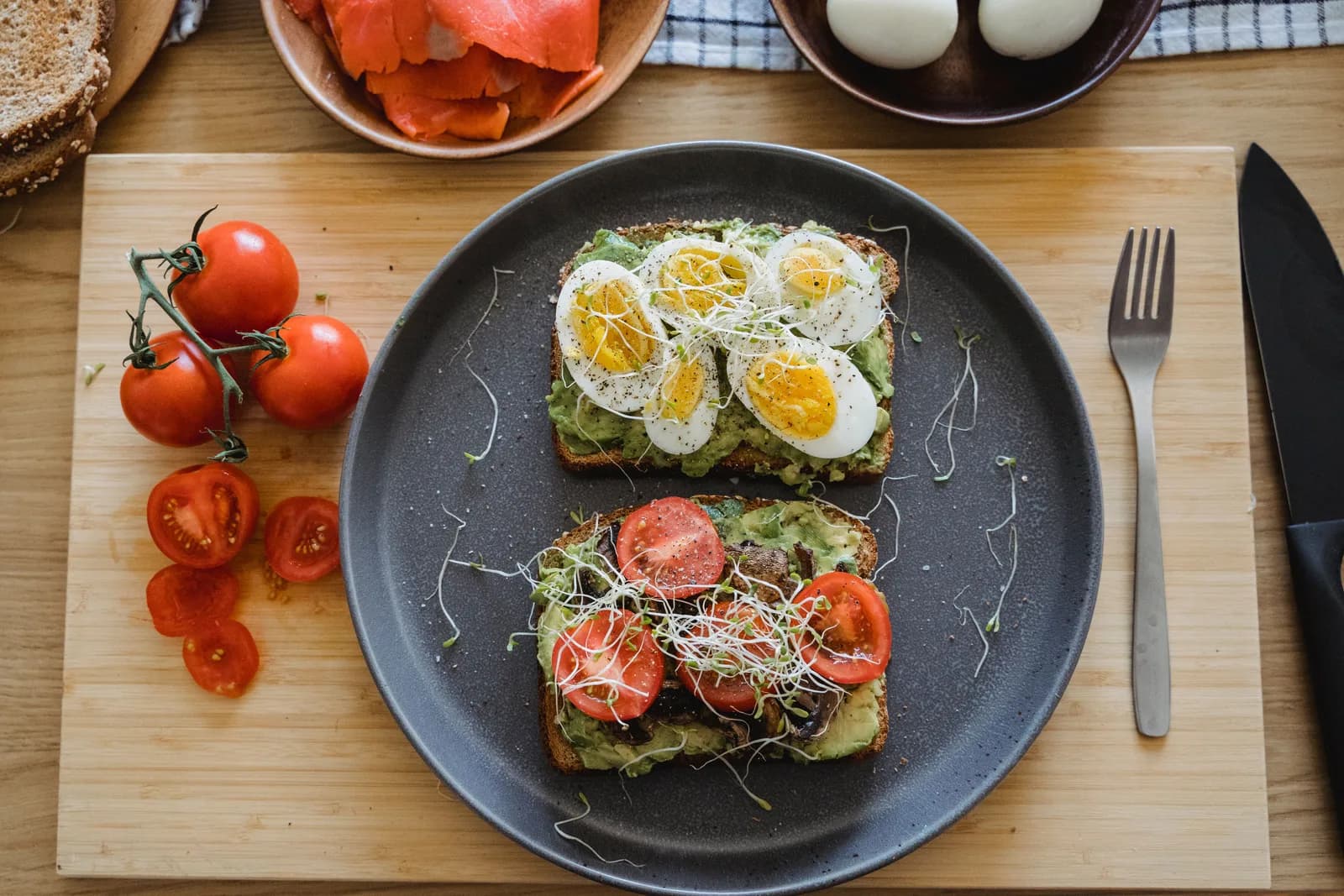
Protein 20 to 30 grams. The protein provides amino acids for neurotransmitter synthesis and slows the glycemic response of any carbohydrate eaten with it. Eggs, Greek yogurt, smoked salmon, leftover legumes, tofu, or fish are all effective sources.
Fat 15 to 20 grams. The fat further smooths the glycemic curve and supports the absorption of fat-soluble nutrients. Avocado, olive oil, ghee, nuts, or seeds work.
Complex carbohydrate, moderate amount. Oats, sweet potato, sourdough toast, or brown rice. Enough to fuel several hours of cognitive work without producing a spike. Roughly 30 to 50g of carbohydrate per meal for most adults.
Vegetables and color. Berries, sautéed greens, tomatoes. The polyphenols provide cognitive support and the fiber smooths the glycemic response further.
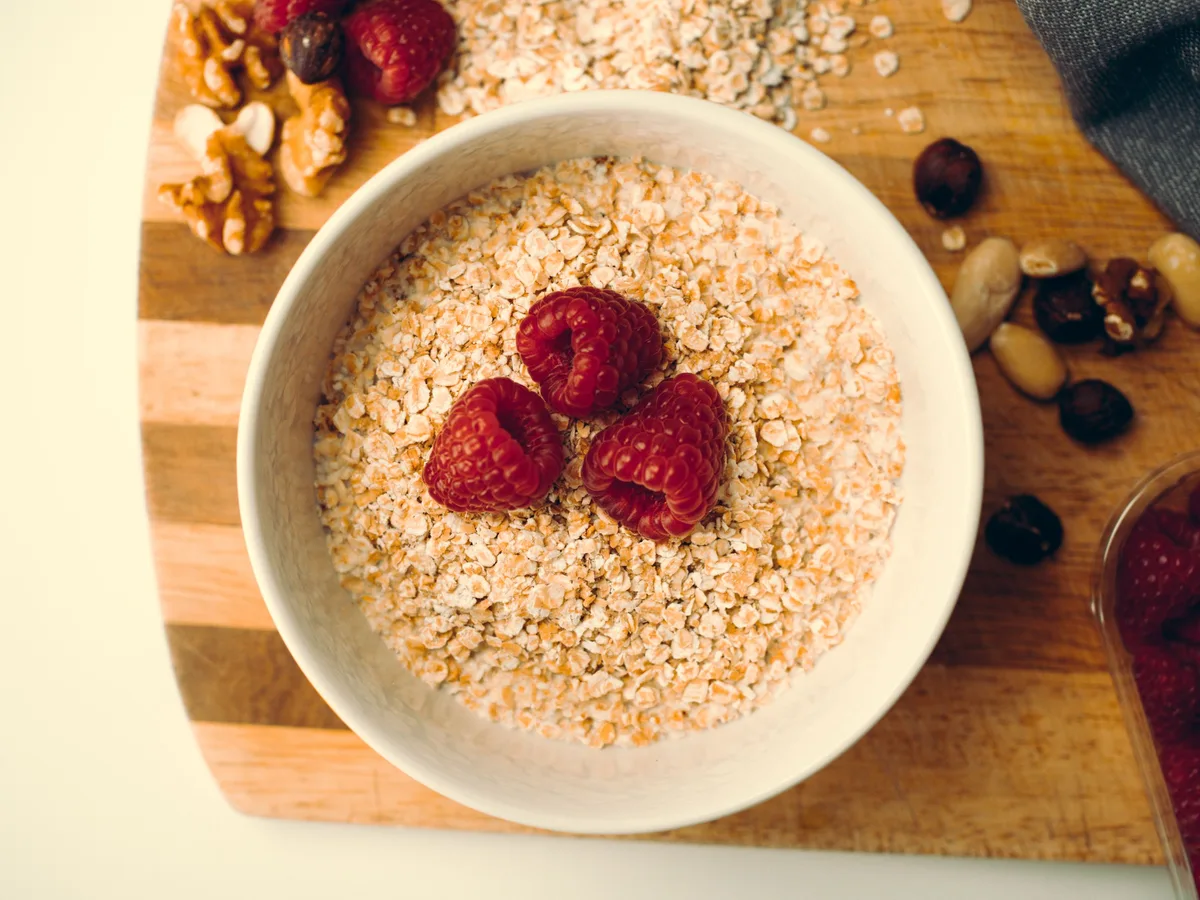
The traditional Ayurvedic morning preparation that delivers all of this in one form is cinnamon-cardamom oats with nuts, seeds, and a small protein addition. The Mediterranean equivalent is Greek yogurt with berries, walnuts, and a drizzle of honey. The Indian breakfast equivalent is two-egg uthappam or moong dal chilla with chutney. All three deliver the same physiological profile.
Caffeine timing. Coffee or masala chai with breakfast is fine. The peak blood caffeine level is reached at 30 to 45 minutes, plateaus through 90 minutes, and starts dropping after 2 hours. For a 10am meeting, drink coffee at 8am, not at 9:55am. The shaky-jittery pre-event caffeine spike is a common preventable mistake.
Hydration. A glass of water on waking, another with breakfast. Mild dehydration is one of the most preventable cognitive impairments.
The Thirty Minutes Before
The pre-event window is when most people eat badly. Either they skip food entirely (nerves), or they reach for sugar (low energy combined with anxiety), or they eat a heavy snack that triggers a glucose spike followed by a crash that arrives during the event.
What actually helps:
A small protein-and-fat snack 60 to 90 minutes before. Not a meal. A handful of nuts. A boiled egg. A piece of cheese with a few crackers. The target is 8 to 15 grams of protein plus fat, enough to keep blood sugar stable through the event without triggering a glucose response that will crash mid-presentation.
Water. A glass of water 30 to 45 minutes before. Not a full bottle right before. Enough to maintain hydration without requiring a bathroom break.
A small caffeine top-up if helpful. For people who depend on caffeine for focus, a small (4 to 6 oz) coffee or matcha 60 to 90 minutes before, well-timed to peak during the first half of the event. Not a second large cup right before; this produces jitter rather than focus.
Avoid: sugary drinks, energy bars with significant sugar content, very heavy meals, anything new or untested. The day of a high-stakes event is not the day to try a new food.
The traditional advice from athletic-performance science (which translates well to cognitive performance): nothing on event day that you haven't practiced. The breakfast you eat that morning should be the breakfast you've eaten dozens of times before.
What to Avoid Specifically
Sugar-only breakfast. A pastry, a sugary cereal, a juice. All produce a spike at 30 minutes, a crash at 90 minutes, and impaired performance from there on. The 2018 study cited in the foods for focus post documents this clearly.
Skipping breakfast entirely. For most people on a normal eating schedule, skipping breakfast before a performance event produces cortisol spikes from low blood sugar and reduced glycogen availability for sustained cognitive work. If you are normally a faster (well-adapted to eating later), this rule is different for you; otherwise, eat.
Excessive caffeine. Three coffees in the morning is too many for most people. The cognitive cost of caffeine-induced anxiety often exceeds the benefit of additional caffeine.
Heavy or unfamiliar food. Steak and potatoes for breakfast is a poor performance meal. So is anything you haven't eaten before; the gastrointestinal response is unpredictable.
Alcohol the night before. Even one drink degrades sleep quality measurably. Two or more drinks reliably impair next-morning cognition by 10 to 30%.
A Worked Example: 10am Important Presentation
9pm the night before: Light dinner (fish, vegetables, small portion of grain). One glass of water before bed. Phone off, dim lighting from 9pm.
6:30am day of: Wake, glass of water.
7am: Coffee or masala chai. Breakfast: two eggs with sautéed greens, half an avocado, a slice of sourdough or a small bowl of oats with nuts.
8:30am: Brief walk, more water. Light review of presentation.
9am: Small water sip. Bathroom break.
9:30am: A handful of nuts or a few squares of dark chocolate if needed. Final water sip.
9:55am: Arrive at the room. No additional food or caffeine.
10am: Present.
The arc is: stable blood sugar maintained throughout, caffeine peak timed to the event, hydration adequate but not over-loaded, no glucose spike or crash. The performance reflects the physiology.
Frequently Asked Questions
What if I'm too nervous to eat?
Pre-event nerves are a real obstacle to eating. The solutions: choose foods you reliably eat under stress (yogurt, banana, smoothie, soft preparations). Eat earlier rather than later (the closer to the event, the harder to eat). If solid food is impossible, a protein smoothie with nut butter and berries provides the needed nutrients in a liquid form that nervous stomachs usually accept.
Should I avoid caffeine entirely if I'm anxious?
Not necessarily. The right amount of caffeine for an anxious person before a performance event is sometimes zero, sometimes a small dose to avoid withdrawal symptoms in regular drinkers. The actionable test is a few weeks before: try both versions on similar low-stakes events and see which produces better performance.
What about supplements?
L-theanine in green tea or matcha (covered in the foods for focus post) is the most evidence-supported acute cognitive supplement, and it can be helpful for pre-event focus without anxiety. For long-term cognitive preparation, see the posts on brahmi and cognitive herbs. For acute "stack it before the meeting" supplementation, the evidence is thin.
What if the event is at 2pm or 5pm?
Same principles, shifted later. Breakfast becomes lunch; the protein-fat-fiber-color structure holds. Avoid a heavy lunch right before the event. The 30-minutes-before snack still applies.
The Underlying Principle
Mental performance on a known clock is mostly a function of the upstream setup: sleep the night before, the breakfast structure, hydration, and well-timed caffeine. None of this is glamorous, and none of it produces results that look like a single magical food. What it produces is consistency: showing up to the event with the cognitive resources to perform at your actual ceiling, rather than your fatigued or jittery floor.
The traditional medicine systems built this into routine. The Ayurvedic morning routine, dinacharya, includes timing of waking, water, breakfast composition, and gentle movement, all aimed at producing a steady-state by mid-morning. The TCM emphasis on consistent meal timing and warm breakfast produces the same steady-state through different vocabulary. The pre-event protocols of both traditions assume that this baseline is already in place; the day-of adjustments are a small variation on the standing rhythm, not a rescue operation for a chaotic eating pattern.
For the broader picture of food and focus, see foods for focus without the coffee crash. The single best preparation for any high-performance event is to be the kind of person who has already been eating this way for months. The day-of protocol is just a small intensification of the standing routine.
Comments
Share your thoughts on this post.
Sign in to comment0 Comments