Vietnamese Cuisine
Canh Chua Cá (Vietnamese Sweet and Sour Fish Soup)
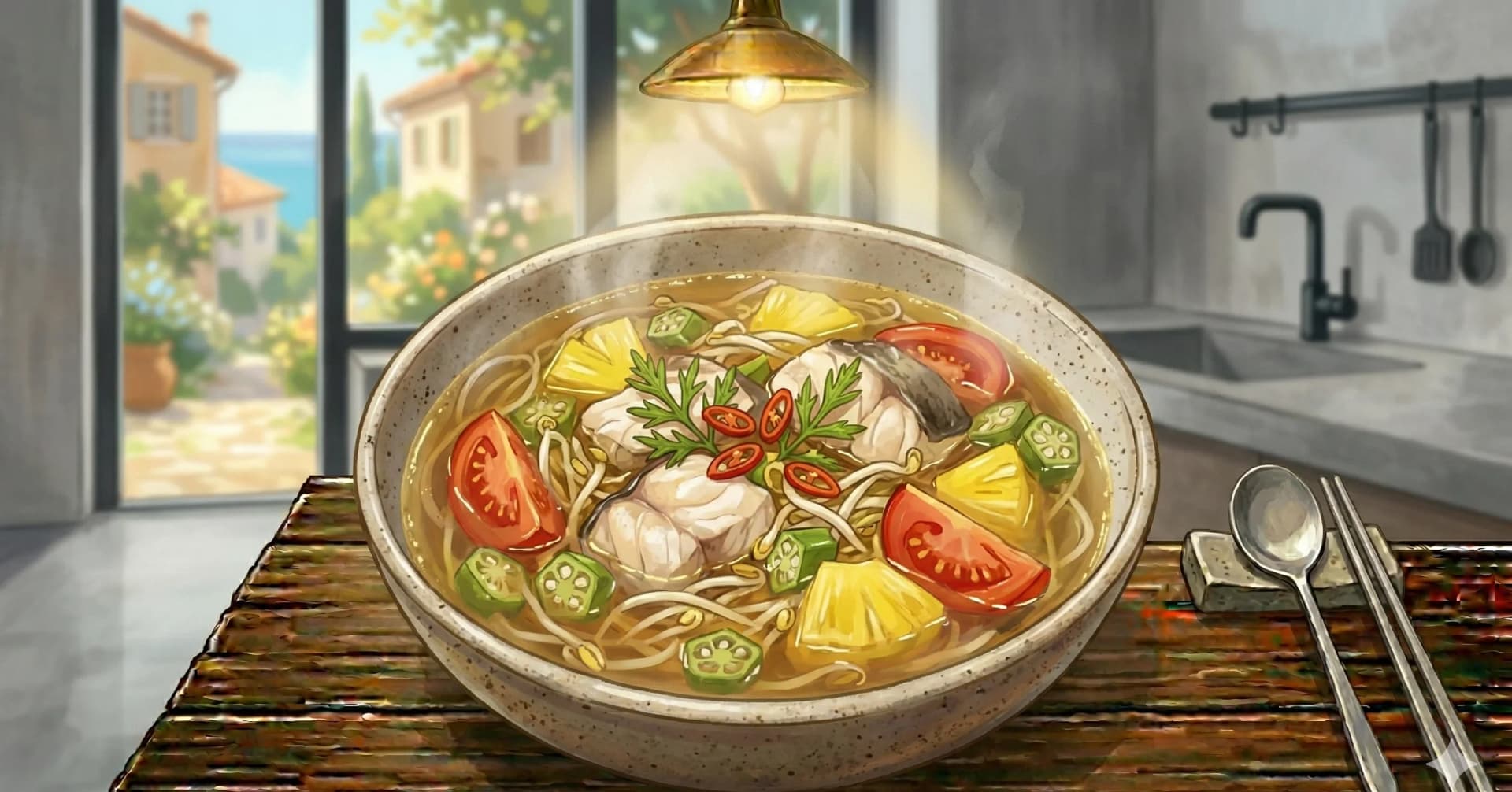
A tangy tamarind broth loaded with catfish, pineapple, tomatoes, okra, and bean sprouts, finished with fried garlic and handfuls of fresh herbs
If Vietnamese home cooking has a single dish that every family cooks differently yet recognizes immediately, it is probably canh chua ca. The name translates simply as "sour fish soup," though that barely hints at the range of flavors at work. Tamarind provides the defining tartness, pineapple adds a fruity sweetness, tomatoes bring gentle acidity, and fish sauce ties everything together with its quiet depth. It is a soup that tastes far more complex than its short ingredient list and quick cooking time would suggest.
Canh chua belongs to the Mekong Delta, where the rivers are full of catfish and the markets overflow with tropical produce. Southern Vietnamese cooks built the dish around whatever was fresh that morning, which is why the vegetable list varies so much from family to family. Some insist on elephant ear taro stems for their spongy texture. Others prefer okra or celery or a handful of mushrooms. Pineapple and tomatoes are close to universal. The one constant is tamarind, whose sour-sweet fruitiness gives the broth a warmth and roundness that lime or vinegar cannot replicate.
What makes canh chua ca genuinely satisfying, though, is the ritual that surrounds it. It is rarely eaten alone. A pot of steamed rice, a plate of braised caramelized fish, and perhaps a small dish of stir-fried greens will share the table. Everyone ladles their own portion over rice and adjusts the seasoning at the table with fish sauce and sliced chilies. The soup anchors the meal, balancing richer dishes the way gaeng som does in a Thai spread or tom yum goong does in a central Thai one. If you enjoy bun rieu for its layered, tangy broth, or pho bo for the meditative process of building flavor from simple ingredients, you will find canh chua ca belongs in the same family of Vietnamese soups worth learning well and cooking often.
At a Glance
Yield
4 to 6 servings
Prep
15 minutes
Cook
20 minutes
Total
35 minutes
Difficulty
Easy
Ingredients
- 1 lbcatfish steaks or fillets, cut into 2.5 cm pieces (substitute salmon, cod, tilapia, or halibut)
- 1/2 tspfine sea salt (for seasoning the fish)
- 1 qtwater
- ¾ oztamarind pulp (or 1 tbsp tamarind soup base powder, or 2 tbsp tamarind concentrate)
- 2 tspfish sauce, plus more to taste
- 2 1/2 tbspgranulated sugar
- 1 tbspchicken bouillon powder or mushroom seasoning powder (optional; replace with a pinch of salt if omitting)
- 1/2 tspfine sea salt
- 3 tbspneutral oil (vegetable, canola, or similar)
- 5large garlic cloves, peeled and finely minced
- 1small yellow onion, thinly sliced (optional, for added depth)
- 4 ozfresh pineapple (about ½–1 apple), cut into bite-sized wedges (about 1/2 cup)
- 2large tomatoes (about 225 g), cut into thick wedges
- 5½ ozokra, sliced on the diagonal into 2 cm pieces (or peeled elephant ear taro stems, sliced on the diagonal)
- 3½ ozmung bean sprouts
- ⅞ cupfresh herbs, finely chopped (rice paddy herb, Thai basil, culantro, or cilantro as a substitute)
- 1to 2 red Thai chili peppers, sliced thinly on the diagonal (optional)
- —Reserved fried garlic (from step 1)
- —Fish sauce with sliced chilies, for dipping (optional)
Method
- 1
Fry the garlic and build the aromatic base. Heat the oil in a medium stockpot over medium heat. Add the minced garlic and stir frequently until it turns a light golden brown, about 1 to 2 minutes. Watch closely, as garlic moves from golden to burnt quickly. Remove half of the fried garlic with a slotted spoon and set it aside on a small plate for garnishing later.
- 2
Pan-fry the fish and pineapple (optional but recommended). Season the fish pieces with the salt. If you have a separate skillet, you can do this step there using the reserved garlic oil; otherwise, work in the same pot. Place the fish in the hot garlic oil and sear for about 1 minute per side until lightly colored on the outside. The fish does not need to cook through. Remove and set aside. Add the pineapple wedges and sear on high heat for 30 to 45 seconds to concentrate their sweetness. Set aside with the fish.
- 3
Prepare the tamarind. If using tamarind pulp, place it in a small bowl, cover with about 60 ml of hot water, and let it soften for 5 minutes. Press the softened pulp through a fine-mesh sieve into a clean bowl, scraping the underside of the sieve to collect the smooth paste. Discard the seeds and fibers. If using tamarind powder or concentrate, simply measure it and set it aside.
- 4
Simmer the broth. Add the water to the pot (carefully, as the oil may splatter). Bring to a boil over high heat, then reduce to a steady medium-low simmer. Add the fish, pineapple, and the prepared tamarind. Let everything cook together for 10 minutes, allowing the tamarind to permeate the broth and the fish to cook through. Skim any foam or scum that rises to the surface.
- 5
Season the soup. Add the fish sauce, sugar, bouillon powder if using, and salt. Stir gently to dissolve. Taste the broth and adjust. It should have a clear sour note balanced by sweetness, with the fish sauce providing a savory backbone. If it tastes flat, add a splash more fish sauce. If the tartness is too sharp, stir in a pinch more sugar.
- 6
Add the vegetables in stages. Start with the okra or taro stems and tomato wedges. Cook for 2 to 3 minutes, until the okra is tender but still has a slight snap when you bite into it and the tomatoes have begun to soften at their edges without collapsing. Turn off the heat.
- 7
Finish with bean sprouts and herbs. Stir the bean sprouts into the hot soup. The residual heat will wilt them in about 30 seconds, leaving them with a pleasant crunch. Do not cook them further or they will turn limp and watery.
- 8
Serve. Ladle the soup into a large serving bowl or individual bowls. Scatter the reserved fried garlic over the top, followed by the chopped fresh herbs and sliced chilies if using. Place a small dish of fish sauce with chilies on the table for dipping the fish pieces. Serve immediately with steamed jasmine rice.
Key Ingredient Benefits
Tamarind (me): The fruit of Tamarindus indica, a tropical tree native to Africa and widely cultivated across Southeast Asia. The pulp is rich in tartaric acid (the primary souring compound), as well as malic and citric acids. Tamarind has a long history in traditional medicine across Vietnam, India, and Thailand as a digestive tonic and mild laxative. Some research suggests the fruit has antioxidant properties due to its polyphenol content. In Vietnamese cooking, tamarind pulp is preferred over concentrate or powder because it contains no added ingredients and delivers a cleaner, more nuanced sourness. Store unused pulp wrapped tightly in the refrigerator for up to 2 months, or freeze for longer storage.
Catfish (ca tre): The traditional fish for canh chua, prized for its mild, slightly sweet flavor, fatty flesh, and ability to hold together during simmering without falling apart. Catfish is a good source of lean protein, vitamin B12, and phosphorus. In the Mekong Delta, whole catfish are used, including the head and bones, which contribute gelatin and body to the broth. If using fillets, the soup will be slightly lighter in body but still delicious.
Okra (dau bap): When sliced and briefly cooked, okra releases a mild mucilaginous liquid that gives the broth a subtle silkiness. This quality, sometimes off-putting when okra is overcooked, is an asset here because the cooking time is so short. Okra is a source of folate, vitamin C, and soluble fiber. In traditional Vietnamese cooking, it is classified as a cooling vegetable suitable for hot-weather soups.
Elephant ear taro stems (bac ha): These pale, spongy stems come from a variety of taro plant and are a classic canh chua ingredient. They have virtually no flavor of their own but absorb the tamarind broth like a sponge, delivering bursts of sour-sweet liquid with each bite. Their crunchy-spongy texture is unique and hard to replicate. Look for them at Vietnamese or Southeast Asian grocery stores, sold in long pale green stalks. Peel them by pulling away the tough outer fibers before slicing.
Rice paddy herb (ngo om): The signature herb for canh chua, with a citrusy, cumin-like aroma that no other herb quite duplicates. It grows in waterlogged paddies across Vietnam and is difficult to find outside of Vietnamese grocery stores. If unavailable, Thai basil is the closest widely available substitute, followed by culantro (sawtooth herb) or cilantro.
Fish sauce (nuoc mam): The essential seasoning across Vietnamese cooking. In canh chua, it provides both saltiness and a deep umami foundation. Vicky Pham recommends Viet Huong Three Crabs or Phu Quoc Flying Lion brands for their clean flavor. Use fish sauce gradually and taste often; a tablespoon typically contains around 1,400 mg of sodium.
Why This Works
The structure of this soup is a careful sequence of layered additions, each timed so that every ingredient keeps its own texture and character. Pan-frying the garlic first creates an aromatic oil that flavors everything that follows. Searing the fish and pineapple in that same oil builds a second layer of flavor through browning, concentrating the sweetness of the pineapple and giving the fish a firmer exterior that holds together better during simmering.
Tamarind pulp delivers a sour-sweet tartness that is rounder and more fruity than citrus juice or vinegar. Its tartaric acid provides the sourness, while the natural sugars in the fruit create depth that a squeeze of lime cannot match. This is the same souring principle that makes gaeng som so distinctive in Thai cooking, though the flavor profile here leans more tropical than herbaceous.
The vegetables enter the pot in descending order of density. Okra and tomatoes need a few minutes to soften, but bean sprouts need only residual heat. Overcooking the sprouts is the most common mistake in canh chua. They should retain some crunch, providing textural contrast against the soft fish and yielding tomatoes. The herbs go on at the very end, never into the hot pot, because heat darkens them and destroys the volatile aromatics that make rice paddy herb and Thai basil so essential to the finished dish.
The sugar-to-tamarind ratio is the balancing act at the center of the recipe. Too little sugar and the soup tastes aggressively sour. Too much and it becomes cloying. The target is a broth that hits the tongue with tartness first, followed immediately by a gentle sweetness that rounds the edges, with fish sauce providing the savory finish. Getting this right is what Vietnamese cooks mean when they talk about the four-way balance of sweet, sour, salty, and savory.
Substitutions & Variations
Fish: Salmon is the most popular substitute for catfish. It is similarly fatty, holds together well in the broth, and has a mild flavor that takes on the tamarind without competing with it. Cod, tilapia, and halibut also work. Avoid very delicate white fish that flakes apart at a glance. Shrimp is another traditional option; add peeled raw shrimp during the last 3 to 4 minutes of cooking.
Tamarind: If tamarind in any form is unavailable, squeeze in the juice of 1 to 2 limes and adjust the sugar to taste. The flavor will be sharper and less fruity but still pleasant. Some cooks use a splash of rice vinegar with a tablespoon of pineapple juice to approximate the sweet-sour balance.
Vegetables: Canh chua is one of the most flexible Vietnamese soups. Use whatever combination appeals to you. Common additions and substitutions include celery, mushrooms (straw or oyster), daikon, or water spinach. Pineapple and tomatoes are the two vegetables closest to essential. If you cannot find taro stems or okra, increase the pineapple or add a few slices of zucchini.
Vegetarian version: Replace the fish with firm tofu, cut into cubes and gently pan-fried until golden before adding to the broth. Use mushroom seasoning powder instead of chicken bouillon and vegetarian fish sauce or soy sauce in place of fish sauce. The broth will be lighter but the tamarind and pineapple still carry plenty of flavor.
Richer broth: For a deeper-flavored soup, use fish stock or light chicken stock in place of water. Some home cooks simmer the fish head and bones in the water for 15 minutes, strain, and use that as the broth base. Andrea Nguyen's approach of softening onion in the oil before building the broth also adds another layer of savory depth.
Spice level: The soup is traditionally mild, with chilies added as a garnish at the table. For more heat throughout, add 1 to 2 whole Thai chilies to the broth during simmering and remove before serving, or leave sliced chilies in the broth during the last few minutes of cooking.
Serving Suggestions
Canh chua ca is designed to be part of a multi-dish Vietnamese family meal (com nha). A pot of steamed jasmine rice is essential. The classic pairing is braised caramelized clay pot fish (ca kho to), which provides a rich, salty-sweet counterpoint to the sour soup. Together with rice, these two dishes form one of the most traditional and complete home meals in southern Vietnam.
For a broader Vietnamese table, serve alongside canh kho qua (stuffed bitter melon soup) to contrast the sour-sweet broth of the canh chua against the clean bitterness of the melon. Add a plate of stir-fried greens with garlic and a small dish of caramelized pork or shrimp for a generous spread.
If you are serving canh chua as a standalone soup course, increase the fish to 600 g and serve in deep bowls over a scoop of steamed rice. This one-bowl approach is common among fishermen in the Mekong Delta, who ladle the broth over rice and eat it as a complete meal on its own.
The sour-sweet profile of canh chua sits in natural conversation with other Southeast Asian souring soups. Pair it alongside tom yum goong for a Thai-Vietnamese soup comparison, or explore the broader family of tamarind-soured dishes with gaeng som. For a noodle soup pairing, bun rieu shares the same love of tangy, tomato-touched broths and rounds out a Vietnamese soup table beautifully.
Storage & Reheating
Refrigerator: Store the soup in an airtight container for up to 3 days. Keep the herbs separate and add fresh ones when reheating, as cooked herbs lose their aroma and darken in stored soup.
Reheating: Warm gently on the stovetop over medium-low heat until the broth is steaming. The fish will be more delicate after refrigeration, so stir carefully. If the broth has reduced or intensified, add a splash of water to restore the balance. Taste and adjust the seasoning, as sourness and sweetness can shift after a day in the refrigerator.
Freezing: The broth and fish freeze adequately for up to 1 month. The vegetables do not freeze well; bean sprouts and okra will turn mushy upon thawing. If you plan to freeze portions, cook and freeze the broth with fish only, then add fresh vegetables when reheating.
Make-ahead approach: Prepare the broth and cook the fish up to a day ahead. Refrigerate. When ready to serve, bring the broth back to a simmer and add the vegetables fresh. This approach keeps everything at its best texture and is how many Vietnamese home cooks handle the dish when entertaining.
Cultural Notes
Canh chua cá, Vietnamese sweet and sour fish soup, is the signature soup of the Mekong Delta in southern Vietnam. The combination of freshwater fish, tropical fruit, and the abundance of fresh herbs that grow year-round in the Delta produces a soup that does not exist outside southern Vietnamese cooking. It is also one of the most reliable everyday dishes in the regional repertoire. Southern Vietnamese families typically make it once or twice a week as the soup course at lunch or dinner, alongside steamed rice and another protein dish. The most common pairing is cá kho tộ, the caramelized clay-pot fish, which often uses the same fish as the soup, giving the meal two completely different preparations of one ingredient.
The defining sourness comes from tamarind paste (me), with secondary acidity from tomato and, in some regional variations, pineapple. The herbs added at the end are what separate canh chua from related sour-fish soups in Thai and Cambodian cooking. Ngò ôm (rice paddy herb). Ngò gai (sawtooth coriander). Vietnamese basil. And in the Mekong Delta tradition, kèo nèo or bông súng, the tender stems of water lily. The herbs go in at the last moment, with the heat off, so their volatile oils stay intact. The bean sprouts and okra added a beat earlier add crunch and a little vegetal contrast against the fish.
Regional variation within southern Vietnam is significant. Canh chua An Giang, from An Giang province in the Delta, is the most traditional version. It uses the fullest range of regional herbs and runs a more balanced sweet-sour profile. Canh chua Sài Gòn, the urbanized restaurant version that dominates in the city, leans sweeter and almost always adds pineapple. Canh chua tôm swaps river prawns for fish and shows up most often in coastal regions.
The dish travels to Vietnamese-American restaurants in simplified form. The full original Mekong Delta version, with all its specific herbs, basically requires either a Vietnamese herb garden or a serious Asian specialty market to recreate properly outside Vietnam.
Nutrition Facts
Calories: 220kcal (11%)|Total Carbohydrates: 11g (4%)|Protein: 14g (28%)|Total Fat: 10g (13%)|Saturated Fat: 1g (5%)|Cholesterol: 50mg (17%)|Sodium: 520mg (23%)|Dietary Fiber: 1g (4%)|Total Sugars: 6g
You Might Also Like
 Medium
Vietnamese Cuisine
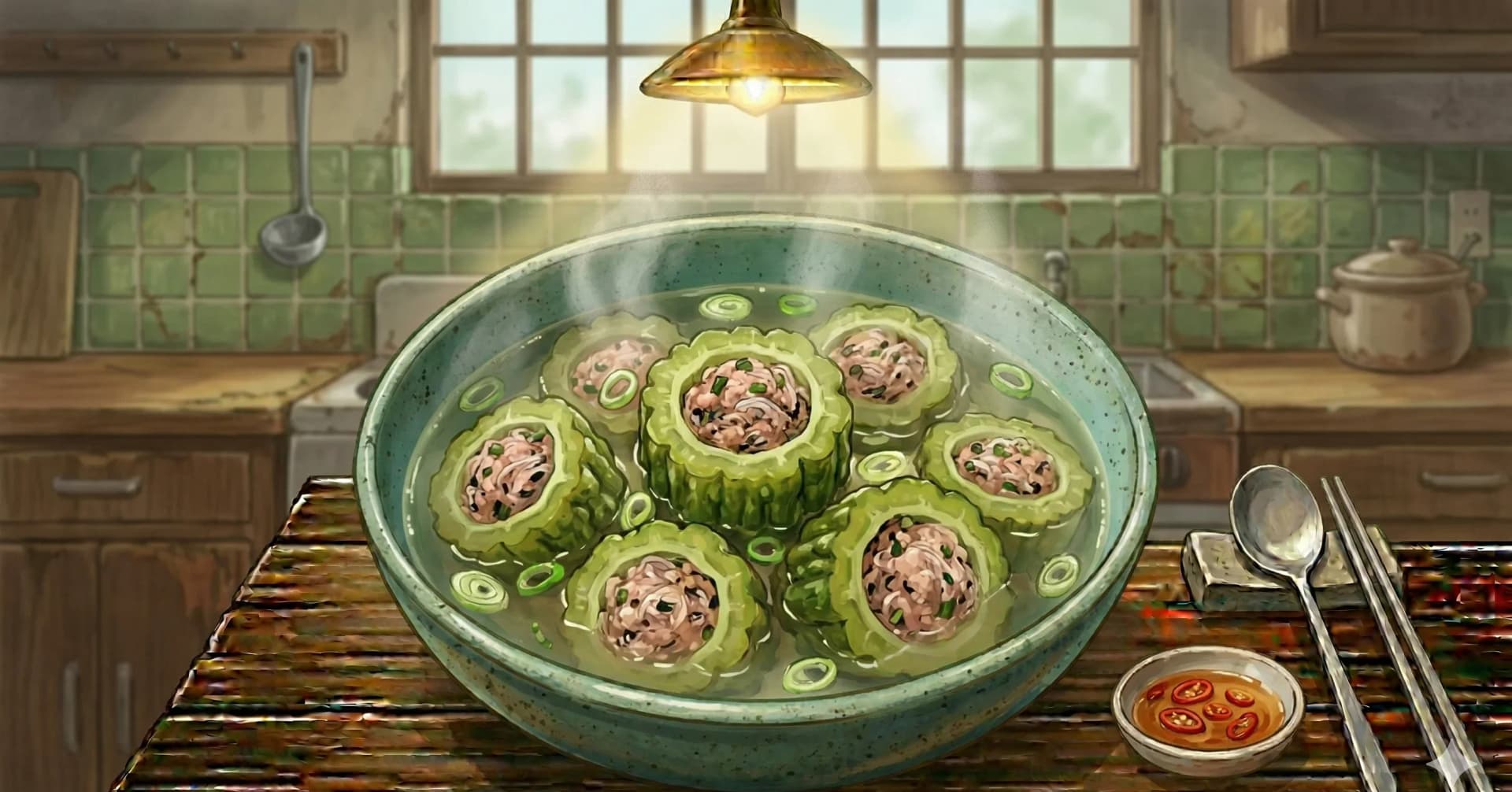
Canh Khổ Qua (Vietnamese Stuffed Bitter Melon Soup)
55 minutes
 Easy
EasyVietnamese Cuisine
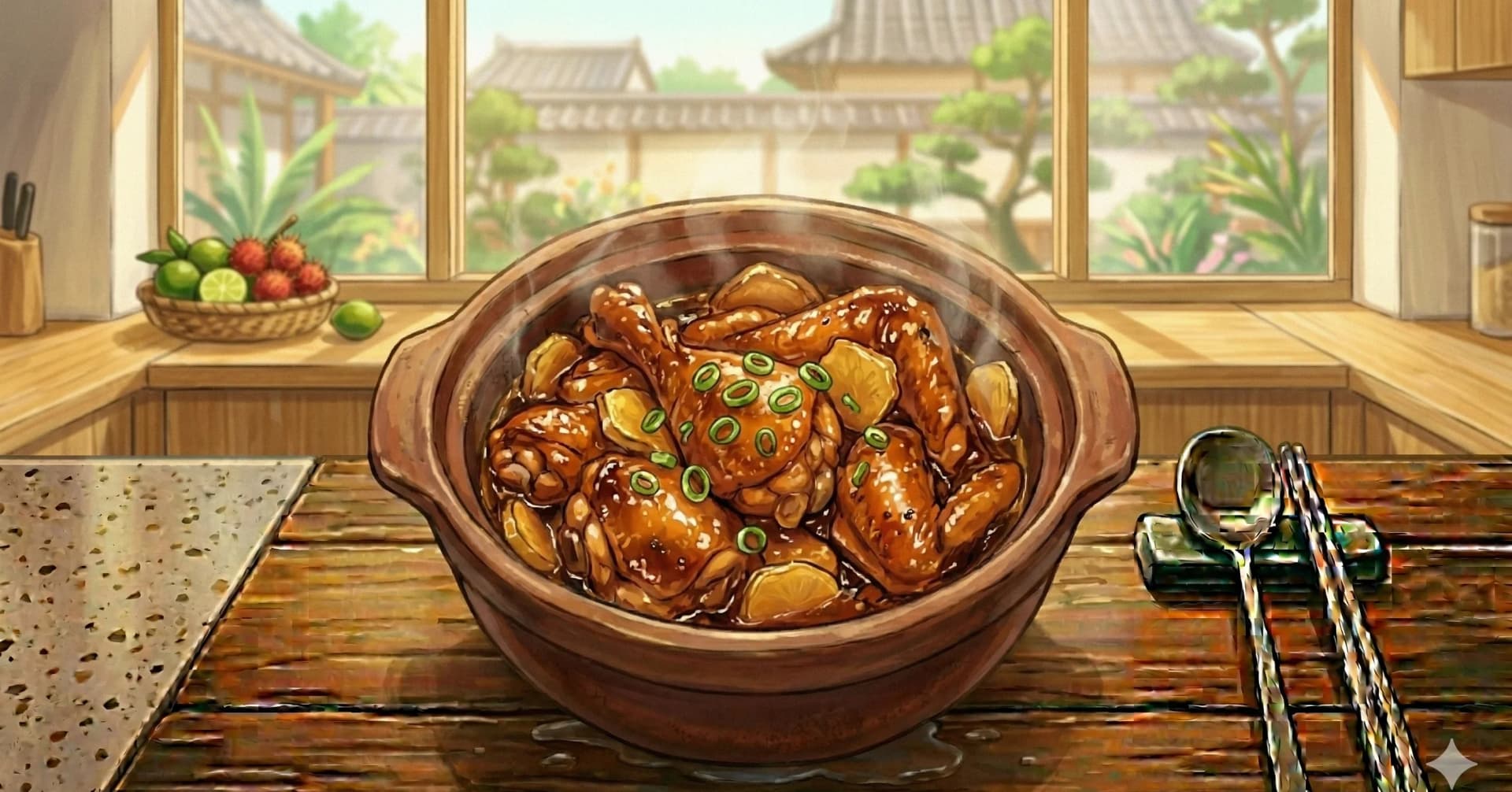
Ga Kho Gung (Vietnamese Caramelized Ginger Chicken)
1 hour
 Easy
EasyVietnamese Cuisine
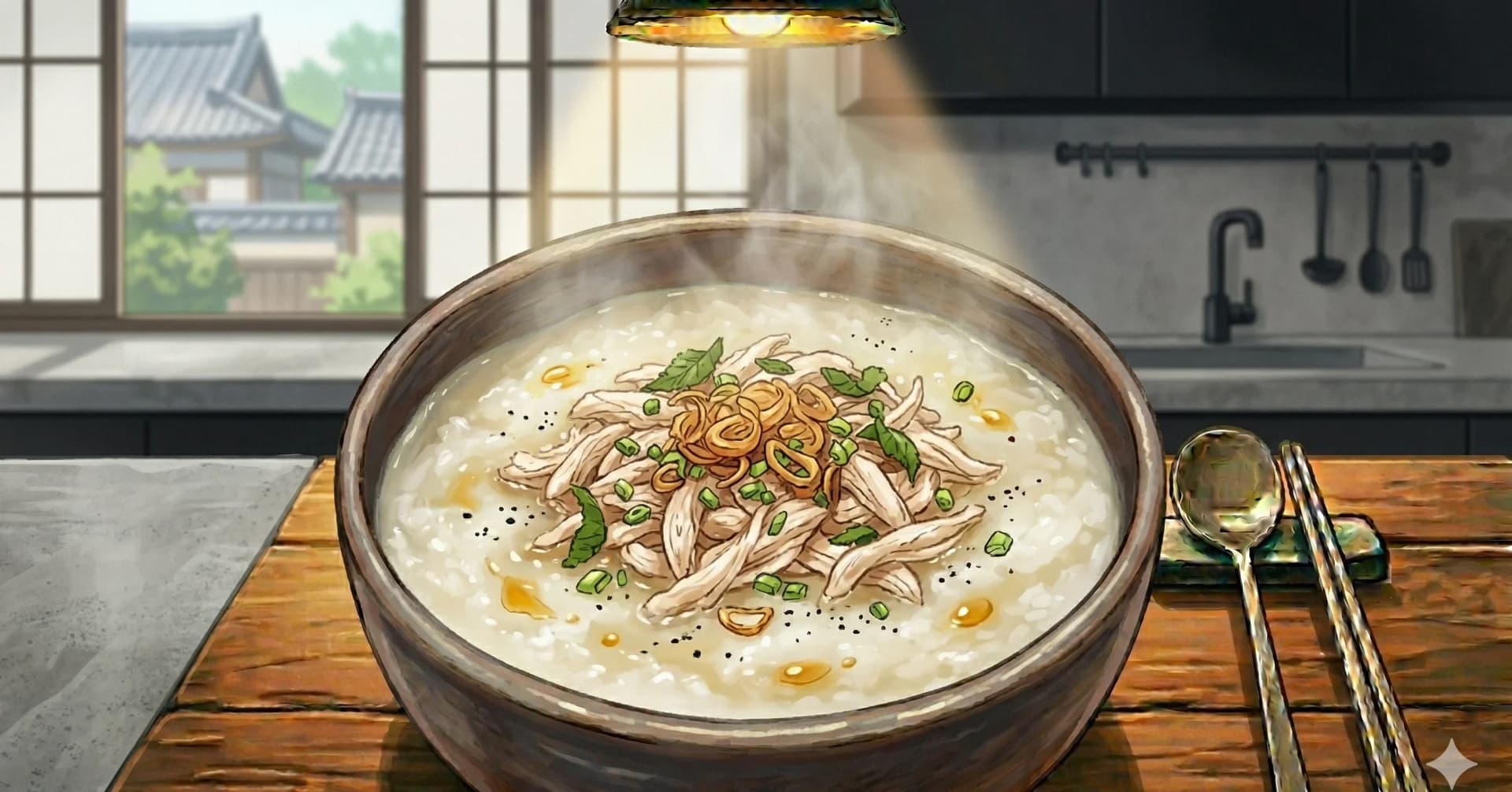
Cháo Gà (Vietnamese Chicken Rice Porridge)
1 hour 30 minutes
 Easy
EasyVietnamese Cuisine
Grilled Lemongrass Pork (Thịt Nướng)
2 hours 30 minutes
Ratings & Comments
Ratings & Comments
Ratings
Share your thoughts on this recipe.
Sign in to rate and comment