Cross-Cultural · Japan
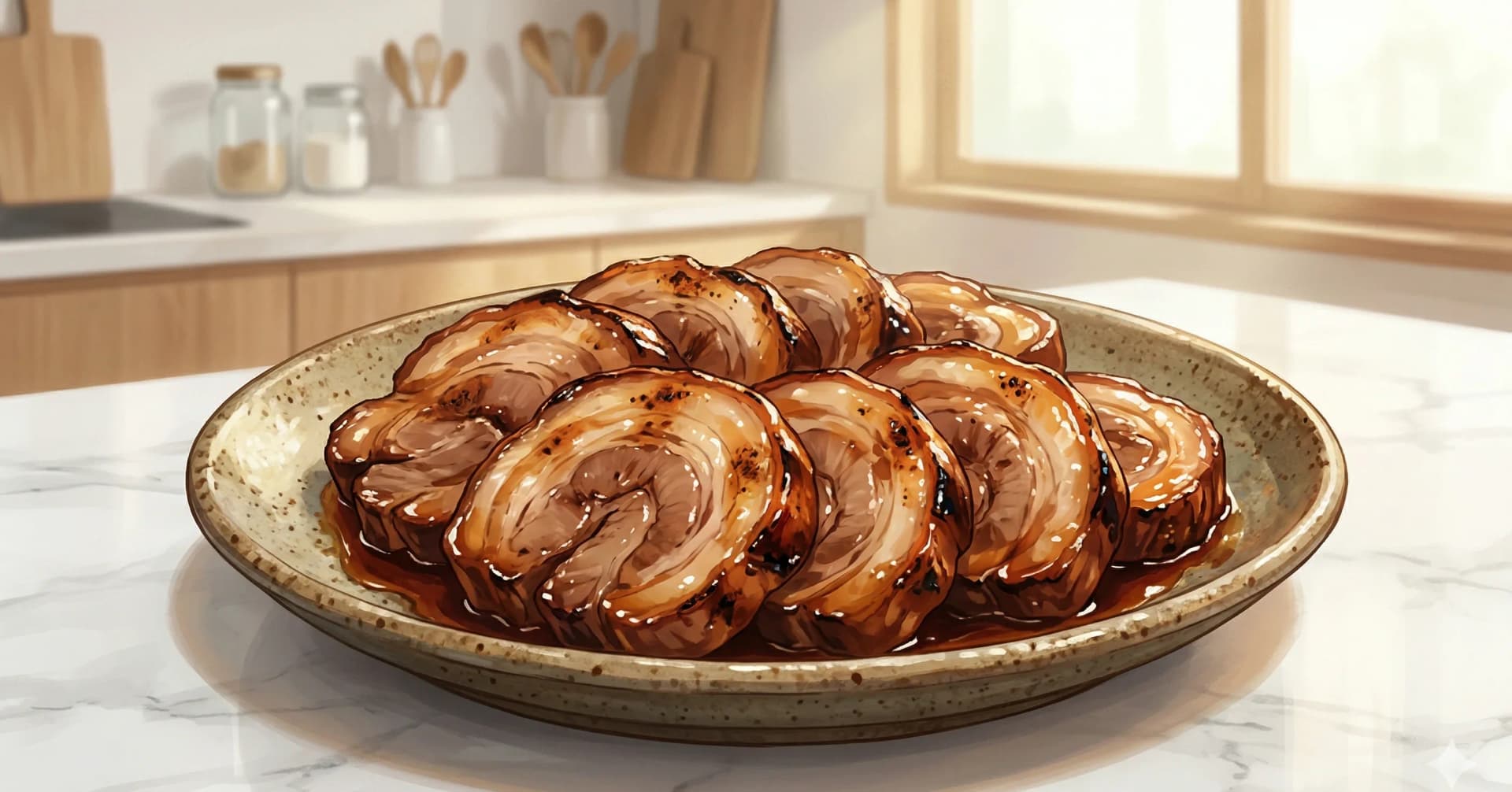
Chashu Pork (チャーシュー)
Pork belly simmered low and slow in soy sauce, sake, ginger, and garlic until meltingly tender, the essential ramen topping
Chashu is the Japanese adaptation of Chinese char siu, but where char siu is roasted or grilled with a sweet glaze, Japanese chashu is braised. The pork belly sits in a bath of soy sauce, sake, ginger, and garlic at a low simmer for about an hour, and during that time the connective tissue breaks down into gelatin, the fat renders until it is translucent and silky, and the meat absorbs the soy-sake liquid until it is deeply savory all the way through. When you slice it thin and lay it on top of a bowl of ramen, the heat of the broth finishes the work, softening each slice until it practically dissolves on your tongue.
The recipe is almost absurdly simple for how good the result is. Five ingredients plus water. No marinating, no searing, no oven. You put everything in a pot, bring it to a boil, skim the foam, drop to a simmer, and walk away for an hour. The hardest part is not eating it all before it makes it onto the ramen.
The braising liquid that remains after cooking is liquid gold. It is essentially a concentrated shoyu tare, the seasoning base for soy sauce ramen. Save every drop. Use it to marinate ramen eggs, to season the broth in a bowl of shoyu ramen, or to simmer bamboo shoots into menma. A batch of chashu is really three recipes in one: the meat, the eggs, and the broth.
At a Glance
Yield
6 to 8 servings
Prep
10 minutes
Cook
1 hour
Total
1 hour 10 minutes
Difficulty
Easy
Ingredients
Method
- 1
Prepare the pork. Cut the belly across the grain into 2-3 blocks about 6 inches long. Optionally tie each block into a tight cylinder with kitchen twine for neater slices.
- 2
Combine everything. Place pork in a large pot in a single layer. Add garlic, ginger, salt, sugar, sake, mirin, and soy sauce. Add enough water to just cover the pork.
- 3
Braise. Bring to a boil, skim foam. Reduce to medium-low, cover with a drop lid or parchment paper on the surface, and simmer gently for 1 hour until a chopstick slides into the meat with no resistance.
- 4
Rest in liquid. Turn off heat and let the pork rest in its braising liquid for 15 minutes.
- 5
Remove, slice thin against the grain. Save the braising liquid for ramen eggs, ramen broth, or menma.
Key Ingredient Benefits
Pork Belly: The collagen converts to gelatin during braising, giving the meat its melting texture. Gelatin has been studied for potential joint and gut health benefits.
Sake: Tenderizes meat and adds subtle sweetness. Alcohol evaporates during the simmer.
Ginger: Gingerols add warmth and help neutralize pork odor, a standard technique in Japanese and Chinese meat cookery.
Why This Works
Pork belly is equal parts meat, fat, and connective tissue. Collagen breaks down into gelatin at a gentle simmer over 40-60 minutes. Soy sauce and sake penetrate the meat during the long braise. The drop lid keeps pork submerged for even cooking. Resting in liquid allows relaxing fibers to reabsorb moisture.
Substitutions & Variations
Pork shoulder works but is firmer; increase cooking to 1.5 hours. Torch or sear cooked slices for a charred finish. Add 2 tbsp white miso to the braising liquid for miso chashu.
Serving Suggestions
On top of ramen alongside ramen eggs, nori, and scallions. Sliced over rice as chashu-don. In bao buns. The braising liquid can be used as shoyu ramen tare.
Storage & Reheating
Store in braising liquid for up to 1 week. Warm in liquid over low heat, or sear in a hot dry pan. Freezes well for 3 months.
Cultural Notes
Chashu is the Japanese adaptation of Chinese char siu. Where char siu is roasted with a sweet glaze, Japanese chashu is braised in soy and sake. The braising liquid is essentially a concentrated shoyu tare, the seasoning base for soy sauce ramen.
Nutrition Facts
Calories: 527kcal (26%)|Total Carbohydrates: 2g (1%)|Protein: 11g (22%)|Total Fat: 52g (67%)|Saturated Fat: 19g (95%)|Cholesterol: 80mg (27%)|Sodium: 820mg (36%)|Dietary Fiber: 0g (0%)|Total Sugars: 0g
You Might Also Like
 Easy
EasyCross-Cultural · China
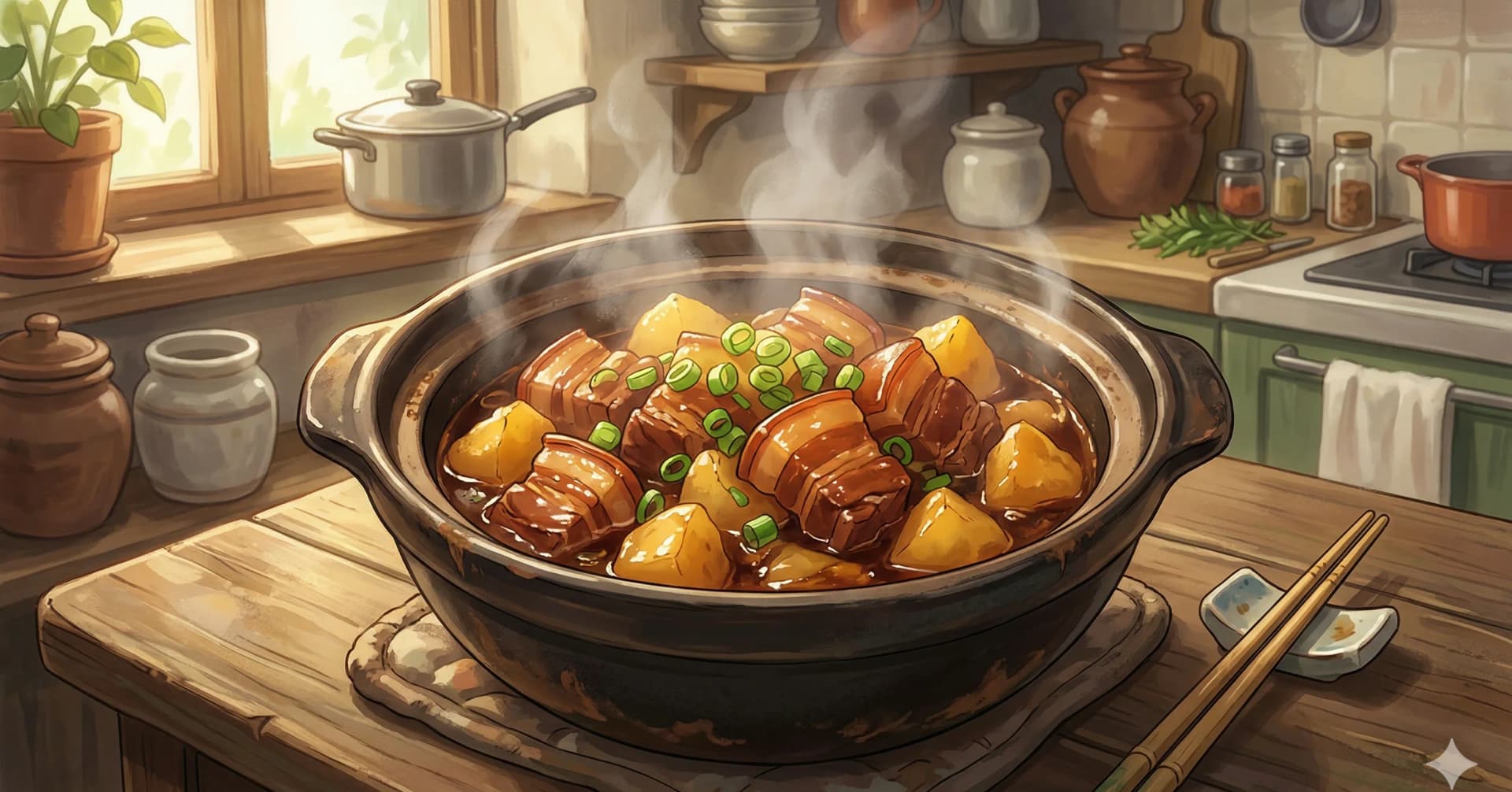
Braised Pork with Potatoes (薯仔炆豬肉)
40 minutes
 Medium
Cross-Cultural · Korea
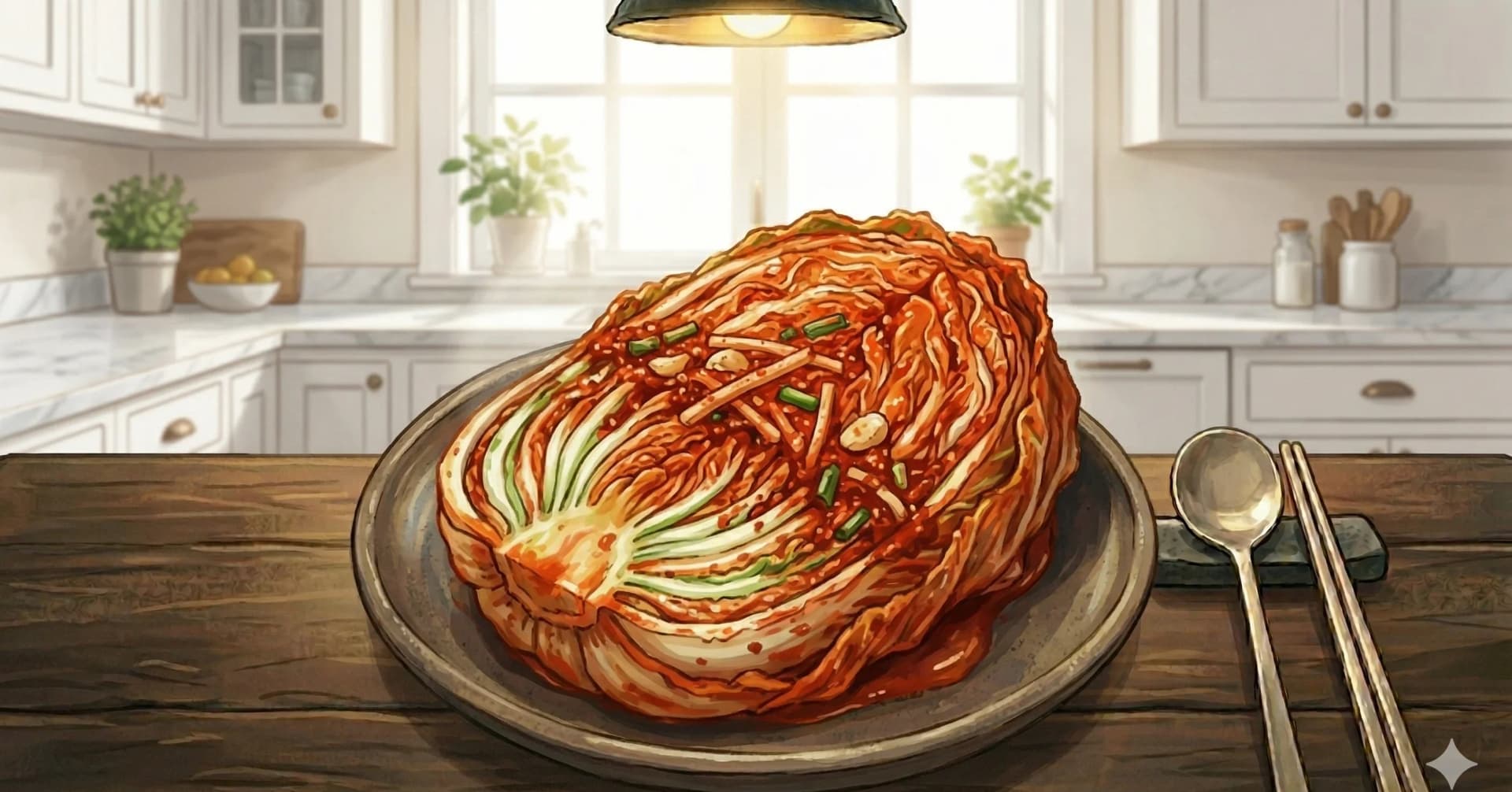
Napa Cabbage Kimchi (통배추김치)
8 hours plus 1-2 days fermentation
 Medium
Cross-Cultural · Korea
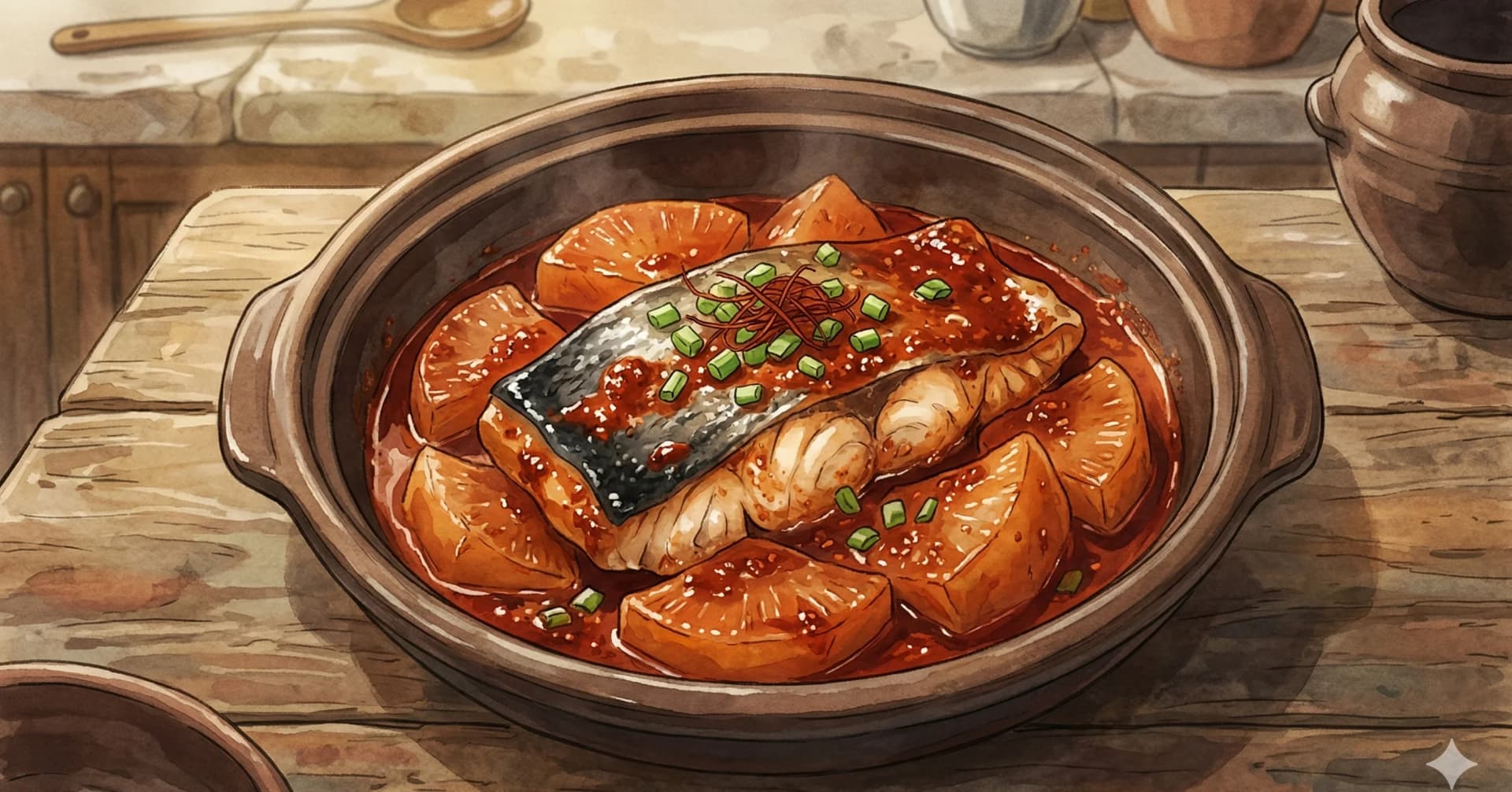
Braised Black Cod (Eundaegu-jorim / 은대구조림)
45 minutes
 Medium
Thai Cuisine
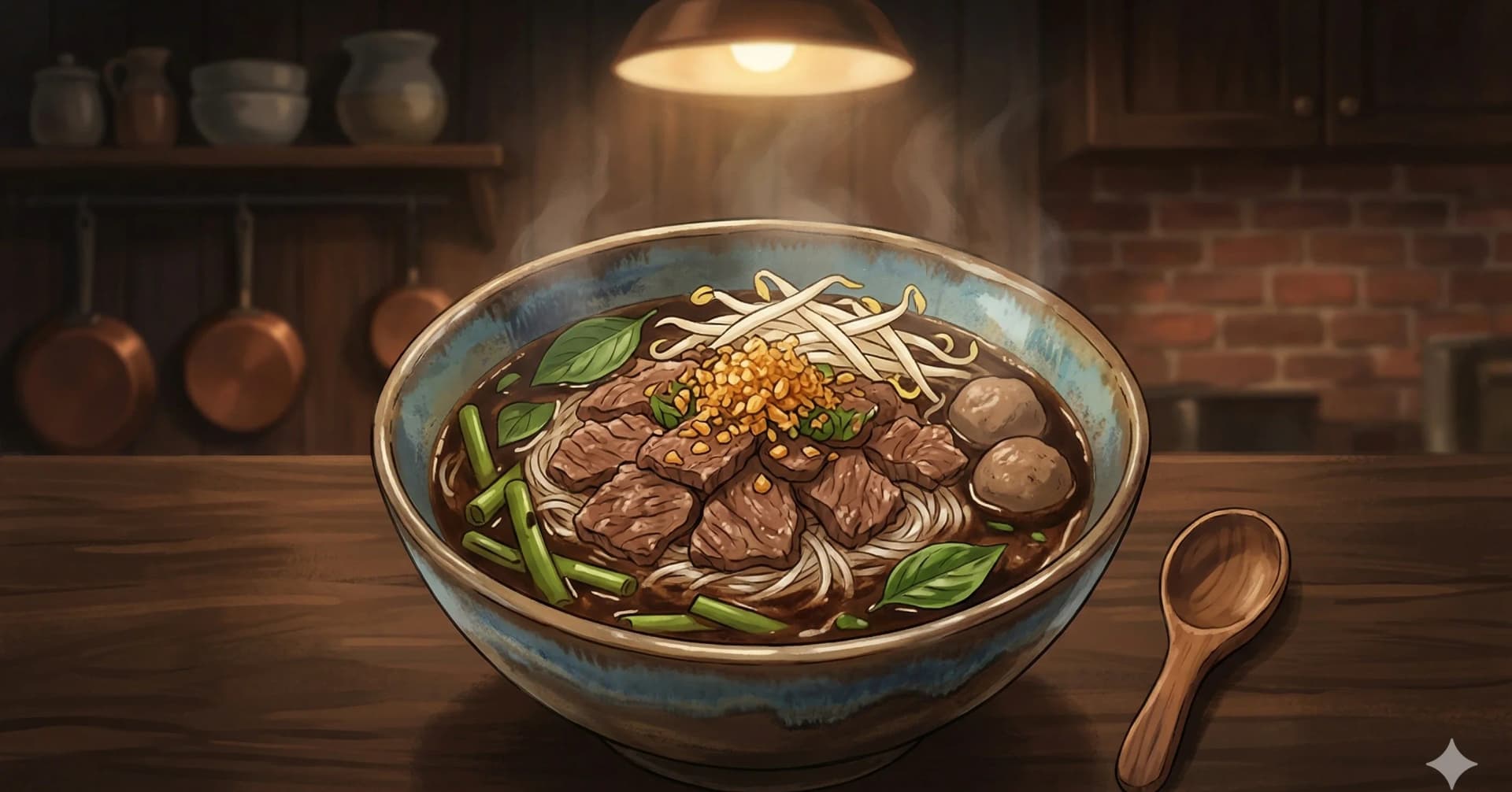
Boat Noodles (ก๋วยเตี๋ยวเรือ)
3 hours 15 minutes
Ratings & Comments
Ratings & Comments
Ratings
Share your thoughts on this recipe.
Sign in to rate and comment