Japanese Cuisine
Karaage (Japanese Fried Chicken)
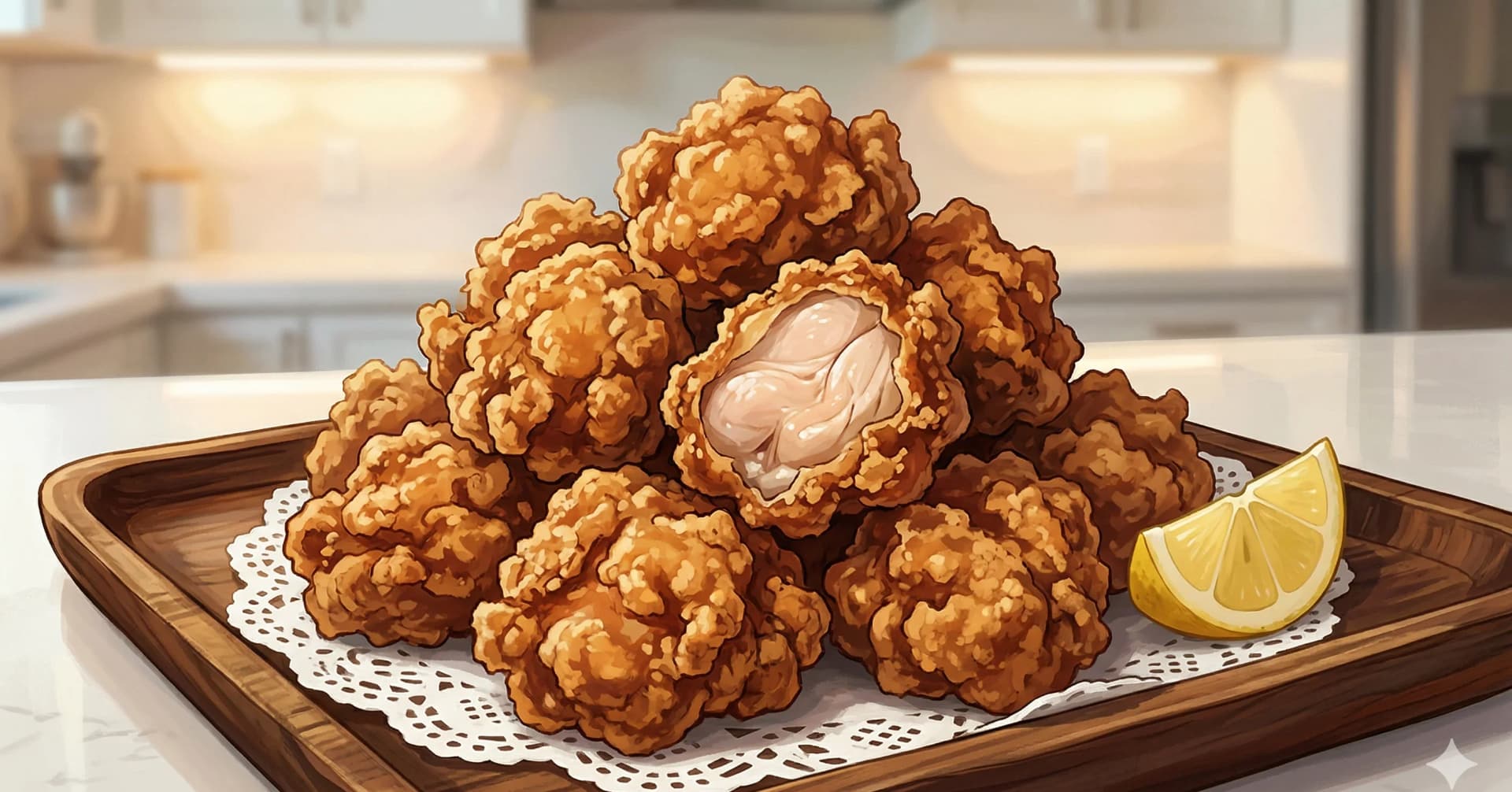
Ginger-soy marinated chicken thighs, coated in potato starch and fried to a shattering, amber crust
The first bite is all sound. The crust on well-made karaage shatters audibly, a thin, jagged shell that gives way to chicken so juicy it borders on indecent. The flavor that follows is unmistakably Japanese: ginger forward, soy-dark, with the faint sweetness of sake and a garlic warmth that sits underneath everything. This is not the heavily battered, thick-crusted fried chicken of the American South. Karaage is leaner, more direct, the coating barely there, just enough to create that contrast between crisp exterior and yielding, deeply seasoned meat.
The technique is straightforward. Bite-sized pieces of chicken thigh marinate in a mixture of soy sauce, sake, ginger, and garlic, then get a light dusting of potato starch before hitting hot oil. Potato starch, rather than wheat flour or cornstarch, is what produces karaage's distinctive crust: craggy, irregular, and crunchier than anything flour alone can achieve. It fries up pale at first, then deepens to amber during a second, hotter fry that sets the crust and drives out residual moisture.
This double-frying method is worth the extra few minutes. The first fry cooks the chicken through gently. A brief rest allows the residual moisture in the coating to migrate to the surface. The second, hotter fry then blasts that surface moisture away, producing a crust that stays crisp for 15 to 20 minutes even at room temperature, which is why karaage is one of the most popular bento box items in Japan. The chicken is just as good cold as it is hot, a quality that very few fried foods can claim.
At a Glance
Yield
4 servings
Prep
15 minutes (plus 30 minutes marinating)
Cook
15 minutes
Total
1 hour
Difficulty
Easy
Ingredients
Marinade Ingredients
- 3 tbspsoy sauce
- 2 tbspsake
- 1¾ tbspfresh ginger, finely grated
- 2 clovesgarlic, finely grated
- 1 tspsesame oil
- ⅞ tspfreshly ground black pepper (about half a teaspoon)
- 1¾ lbboneless, skinless chicken thighs, cut into roughly 4 cm pieces
Coating Ingredients
- 3½ ozpotato starch (katakuriko) (about ½–1 potato)
For Frying
- —Neutral oil such as vegetable, canola, or rice bran, enough to fill the pot to a depth of about 8 cm
To Serve
- 1lemon, cut into wedges
- —Shredded cabbage
- —Kewpie mayonnaise, optional
Method
- 1
Combine the soy sauce, sake, grated ginger, grated garlic, sesame oil, and black pepper in a large bowl. Stir to mix evenly.
- 2
Add the chicken pieces to the marinade and toss until every piece is well coated. Cover the bowl and refrigerate for at least 30 minutes and up to 2 hours. Anything longer than 2 hours risks making the chicken overly salty as the soy sauce penetrates deeper.
- 3
While the chicken marinates, set up your frying station. Place a wire rack over a baking sheet for draining. Have the potato starch ready in a shallow bowl or on a plate. Line your workspace so the flow moves from marinated chicken to starch to oil to rack.
- 4
Pour oil into a heavy-bottomed pot to a depth of about 8 cm. Attach a deep-fry thermometer and heat the oil to 160 degrees Celsius over medium heat. This lower temperature is for the first fry.
- 5
Remove the chicken pieces from the marinade, letting excess liquid drip off briefly but not patting them dry. The residual moisture helps the starch adhere. Toss each piece in potato starch, pressing gently so the starch coats all surfaces. Shake off the excess. The coating should be thin and uneven, not a thick, uniform layer.
- 6
Carefully lower 6 to 8 pieces of coated chicken into the 160 degree oil. Do not crowd the pot; the pieces should have space to float freely. The temperature will drop when you add the chicken; adjust the heat to maintain roughly 160 degrees.
- 7
Fry for 3 to 4 minutes, turning the pieces occasionally with a spider skimmer or slotted spoon. The chicken will be pale gold and cooked through but not deeply colored. The crust will feel slightly soft, which is expected at this stage. Remove to the wire rack.
- 8
Continue frying the remaining chicken in batches at 160 degrees, allowing the oil to return to temperature between batches. Once all the chicken has been through the first fry, let the pieces rest on the rack for 3 to 4 minutes. This rest period is essential. Residual heat continues cooking the interior while moisture migrates to the surface of the crust.
- 9
Raise the oil temperature to 190 degrees Celsius for the second fry. This higher temperature will set the crust and drive out the surface moisture.
- 10
Return all the chicken pieces to the oil in two batches. Fry for 60 to 90 seconds per batch, just until the crust turns a deep amber-gold and the surface sounds crisp when you tap it with the skimmer. The color change happens quickly at this temperature, so watch carefully.
- 11
Transfer the twice-fried chicken to the wire rack and let it rest for 1 to 2 minutes. The crust will continue to firm up as the steam escapes. Sprinkle lightly with salt if desired, though the marinade usually provides sufficient seasoning.
- 12
Arrange the karaage on plates with a mound of shredded cabbage and lemon wedges on the side. Serve with Kewpie mayonnaise for dipping if you like. Squeeze lemon over the chicken just before eating for a burst of acid that cuts through the richness.
Key Ingredient Benefits
Ginger contains gingerol and shogaol, compounds traditionally used in Japanese folk medicine for digestive support and for their warming properties. Research suggests these compounds may also have anti-inflammatory effects. Garlic provides allicin when crushed, a compound associated with potential cardiovascular benefits in preliminary studies. Chicken thigh meat is richer in iron and zinc than breast meat, and the higher fat content helps keep the meat moist during frying. Potato starch is naturally gluten-free, making karaage a good option for those with gluten sensitivities when prepared with tamari instead of standard soy sauce.
Why This Works
Potato starch creates a superior frying crust because of how it gelatinizes. When the starch granules hit hot oil, they swell and then rapidly dehydrate, forming a rigid, glassy shell that is more brittle and crunchier than what wheat flour produces. The irregular coating, applied to chicken that is still slightly damp from the marinade, creates the craggy, uneven surface that defines great karaage. Smooth, thick coatings trap steam and go soggy; thin, rough coatings release steam and stay crisp.
The double-fry technique addresses a fundamental problem in deep-frying: if you cook chicken at a high enough temperature to get the crust you want, the outside burns before the inside is done. By frying first at 160 degrees, the chicken cooks through gently and evenly. The rest period allows the internal temperature to equalize while surface moisture seeps through the crust. The brief second fry at 190 degrees then crisps the exterior without overcooking the meat.
Marinating in soy sauce and sake serves multiple purposes beyond flavor. The salt in soy sauce seasons the meat throughout and helps retain moisture during cooking. Sake tenderizes the proteins slightly and adds a subtle sweetness that caramelizes during frying. Ginger and garlic contribute aromatic compounds that permeate the meat and scent the entire coating.
Substitutions & Variations
- Potato starch: Cornstarch works as a substitute but produces a slightly less craggy crust. A 50/50 mix of cornstarch and rice flour is another option.
- Chicken breast: Can be used but tends to be drier. Cut into slightly smaller pieces and reduce the first fry time by 30 seconds.
- Sake: Substitute dry sherry or mirin. If using mirin, reduce by half as it is sweeter.
- Tatsuta-age: A close relative that uses only potato starch with no additional seasoning in the coating, relying entirely on the marinade for flavor.
- Spicy karaage: Add 5 ml togarashi or 3 g cayenne pepper to the marinade. Dust with shichimi togarashi after frying.
- Nanban-style: After frying, briefly dip the hot karaage in a vinegar-soy-sugar sauce (nanban sauce) and serve with tartar sauce.
Serving Suggestions
Karaage is the definitive izakaya bar snack, ideal alongside cold beer or a whisky highball. Serve it as part of a Japanese home dinner with steamed rice, miso shiru, and pickles. It is equally at home in a bento box, packed at room temperature with rice, a small salad, and pickled vegetables. For a more substantial meal, serve atop shredded cabbage with a drizzle of ponzu and grated daikon (oroshi ponzu style). It also makes an excellent filling for onigirazu (rice sandwiches) or tucked into a soft milk bread roll with shredded lettuce and mayo.
Storage & Reheating
Cooked karaage keeps in the refrigerator for up to 3 days in an airtight container. It is one of the rare fried foods that is genuinely good cold, which is why it appears so often in Japanese bento boxes. To restore the crust, reheat in a 190 degree Celsius oven for 6 to 8 minutes, or re-fry briefly at 190 degrees for 30 to 45 seconds. The microwave will heat it through but will soften the crust. Uncooked marinated chicken can be frozen in its marinade for up to 1 month; thaw in the refrigerator overnight and proceed with coating and frying.
Cultural Notes
Karaage (唐揚げ) is Japanese fried chicken in the same way pizza is just bread with cheese. The name literally means "Tang-style fry," and the etymology is honest: the technique came from China, by way of Tang-dynasty influence, before Japan made it its own. The contemporary form is small. Bite-sized chicken pieces marinated in soy, sake, ginger, and garlic, dredged in potato starch, dropped into hot oil. That recipe took shape in the 1920s and 1930s, fusing Chinese frying with Japanese seasoning.
Karaage has a regional capital, and it is Ōita Prefecture on the southwestern island of Kyushu. Specifically the towns of Nakatsu and Usa, where dedicated karaage takeaway shops sit on what feels like every other corner. Ōita calls itself the karaage capital of Japan, and the annual Karaage Grand Prix attracts entrants from across the country. The Ōita style runs larger than Tokyo's: bigger chunks of thigh meat, longer in the marinade, more aggressive on the ginger. If you have only eaten karaage from a chain or an izakaya in Tokyo, the Kyushu version is its own argument.
The dish moves across boundaries that most other Japanese dishes do not. At the izakaya it is the most reliable beer-pairing on the menu, drunk with cold nama biiru (生ビール). In bento (弁当) culture it is a top-three protein choice, equally at home in a convenience-store box, a station ekiben, or a packed school lunch. At family dinners it is a guaranteed crowd-pleaser.
Now it travels. Japanese karaage shops have opened in London, New York, Melbourne, and across Southeast Asia, usually branded as "Japanese fried chicken" to keep clear of Korean and American comparisons. The potato-starch coat is the thing that makes the difference. It crackles in a way wheat flour does not.
Nutrition Facts
Calories: 712kcal (36%)|Total Carbohydrates: 23g (8%)|Protein: 41g (82%)|Total Fat: 47g (60%)|Saturated Fat: 11g (55%)|Cholesterol: 190mg (63%)|Sodium: 780mg (34%)|Dietary Fiber: 0g (0%)|Total Sugars: 1g
You Might Also Like
 Easy
EasyJapanese Cuisine
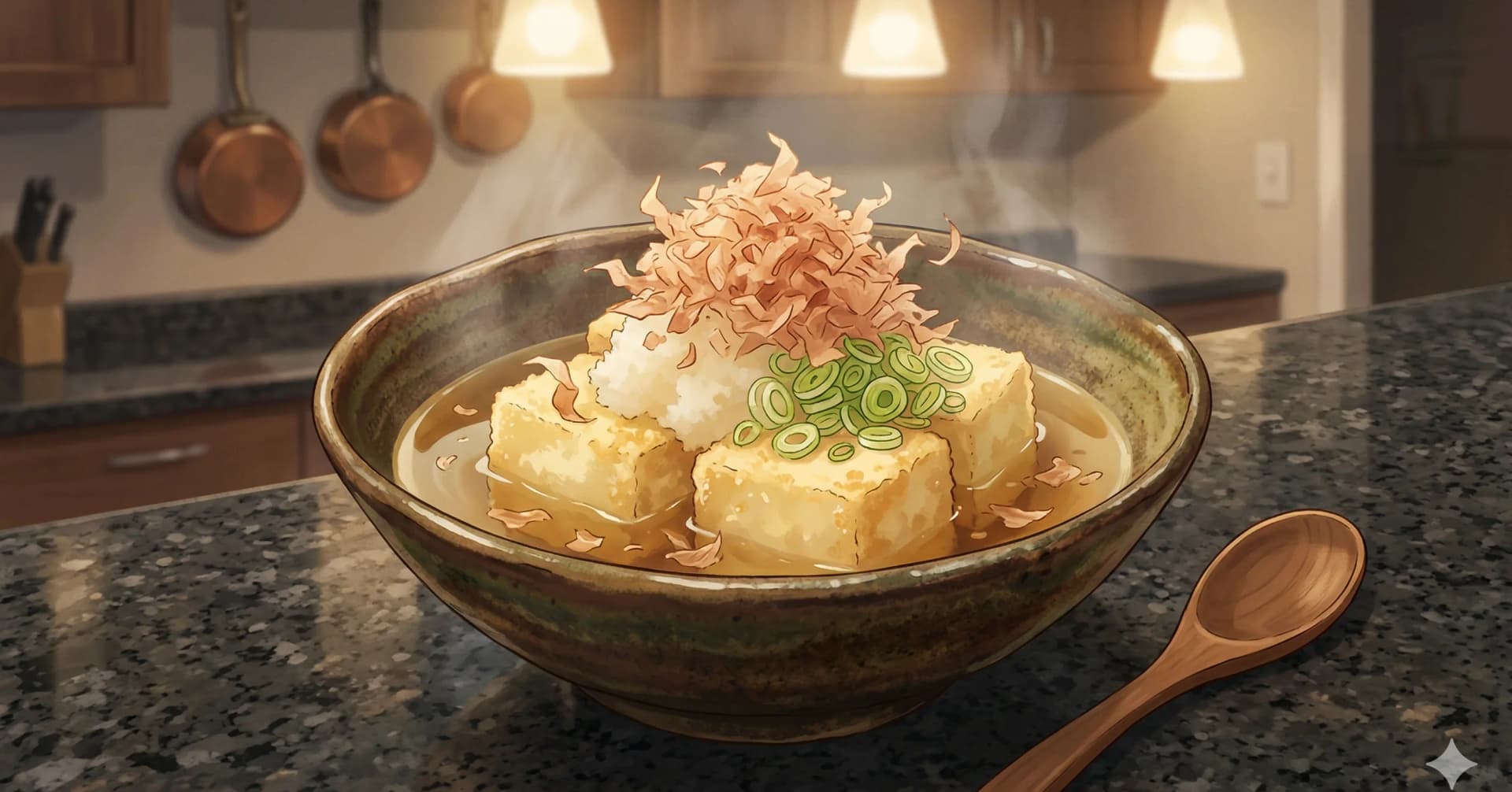
Agedashi Tofu (Fried Tofu in Dashi Broth)
25 minutes
 Easy
EasyJapanese Cuisine
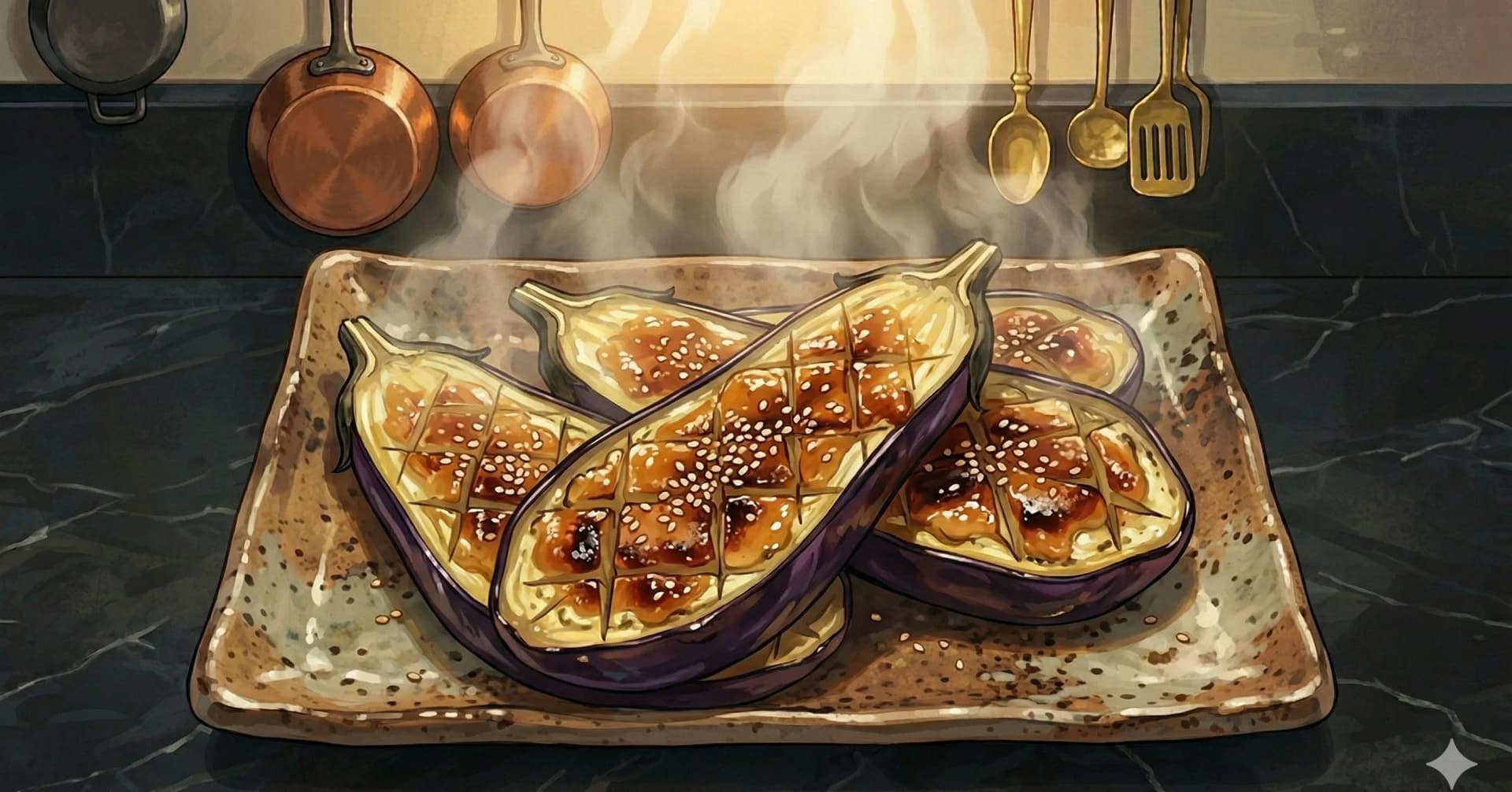
Nasu Dengaku (Miso-Glazed Eggplant)
35 minutes
 Easy
EasyVietnamese Cuisine
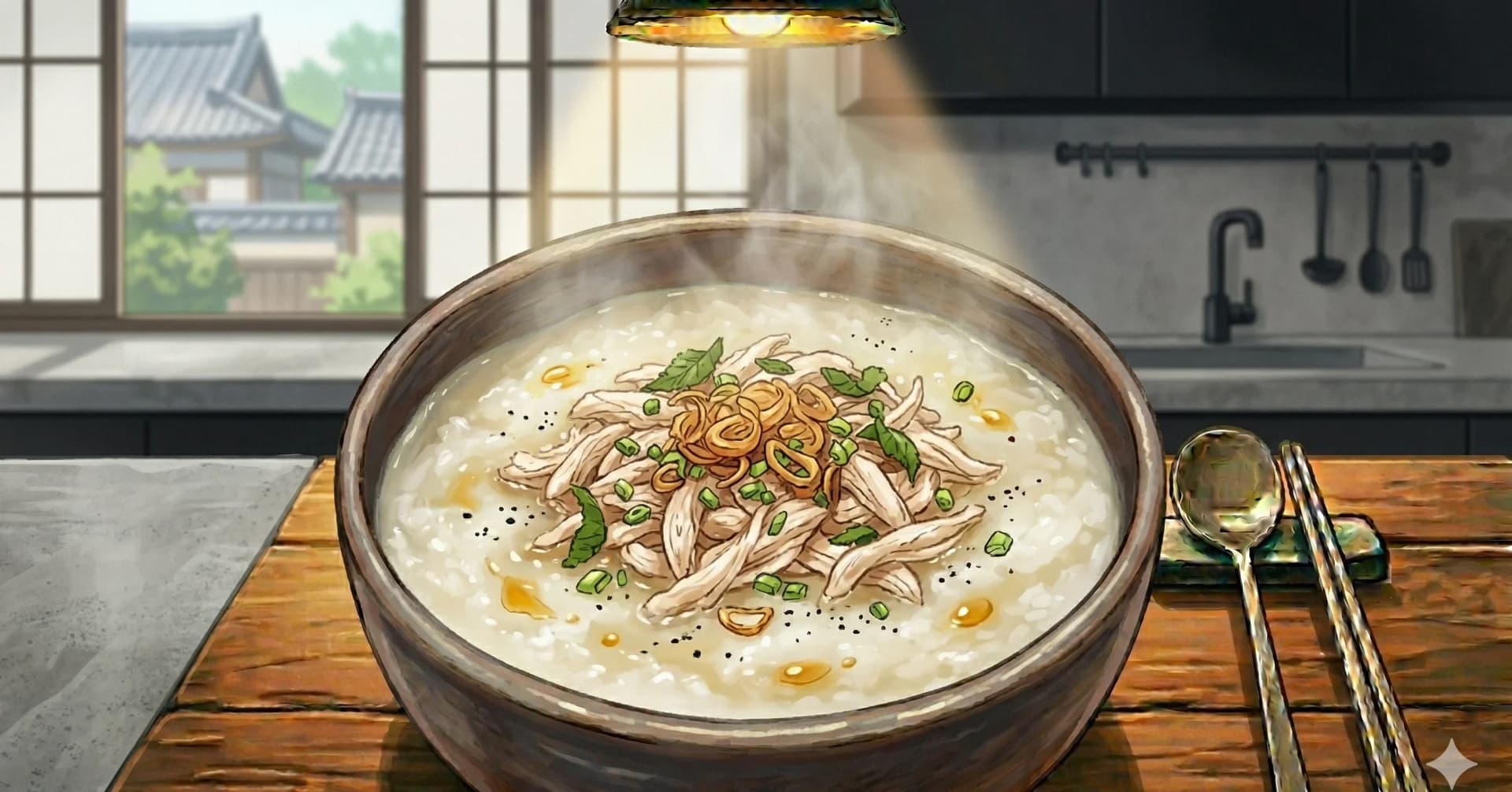
Cháo Gà (Vietnamese Chicken Rice Porridge)
1 hour 30 minutes
 Medium
Indonesian Cuisine
Ayam Goreng Lengkuas (Galangal Fried Chicken)
1 hour 45 minutes
Ratings & Comments
Ratings & Comments
Ratings
Share your thoughts on this recipe.
Sign in to rate and comment