Vietnamese Cuisine
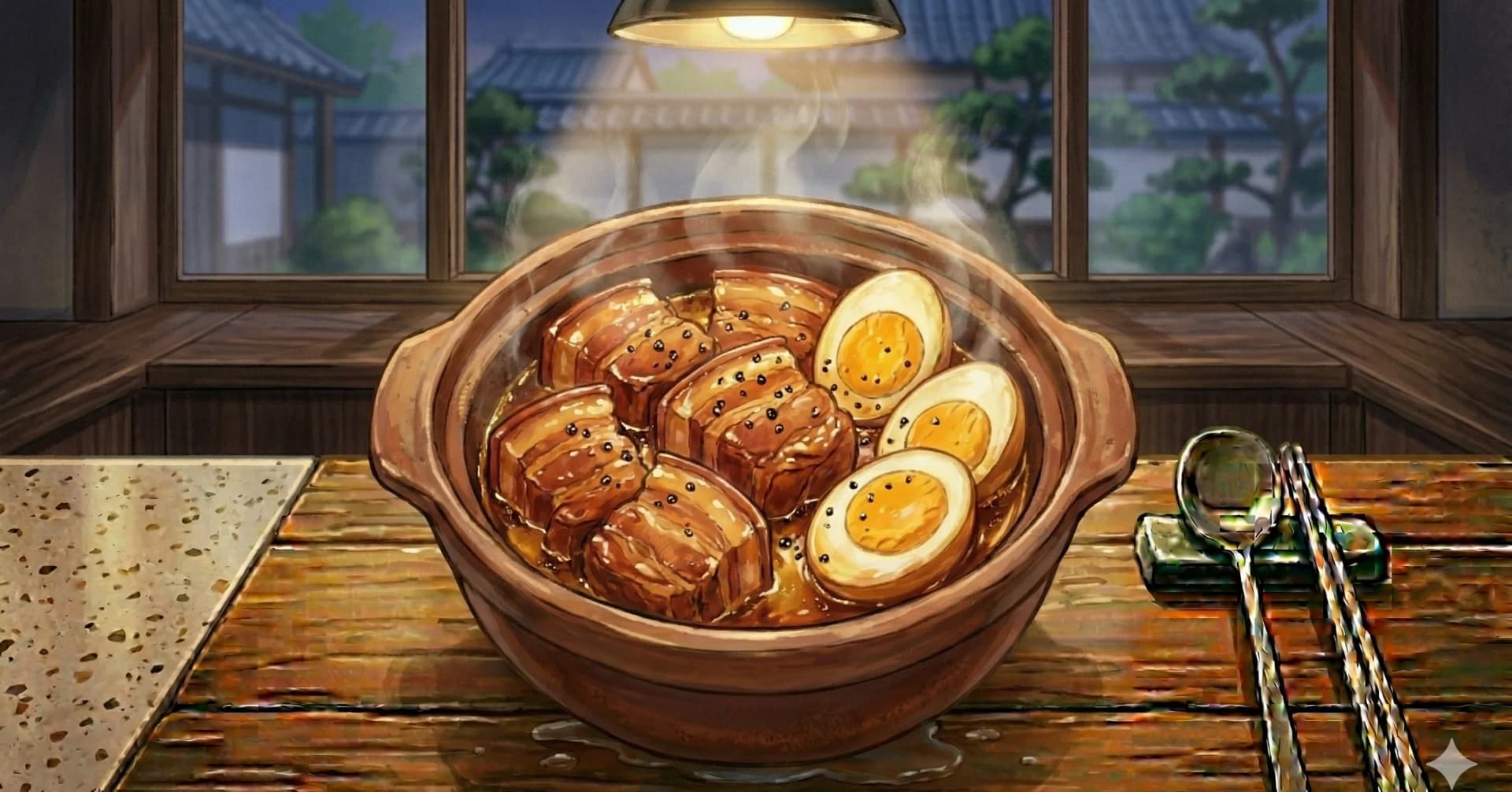
Caramelized Pork & Eggs (Thịt Kho Tàu)
Pork belly and eggs braised in a coconut water caramel until deeply colored and meltingly tender
If there is one dish that represents the Southern Vietnamese family table, it is thit kho tau. It appears every Tet (Lunar New Year) without exception, made in large pots that last the family through several days of celebration. But it is not only a holiday dish. It shows up at weeknight dinners, packed in lunchboxes, and served over rice at roadside eateries across the Mekong Delta. It is, in every sense, Vietnamese comfort food in its purest form.
The dish is simple in construction but deeply flavored. Pork belly is cut into large cubes, browned lightly, then braised for over an hour in a sauce made from caramelized sugar, coconut water, and fish sauce. The "tau" in the name refers either to the Chinese origin of the caramel braising technique or to the coconut water (nuoc dua) that gives the dish its distinctive sweetness, depending on who you ask. What is not debated is the result: pork that has turned a deep mahogany brown, so tender that it nearly falls apart, swimming in a thick, amber sauce that tastes of bittersweet caramel, salty fish sauce, and the gentle sweetness of coconut.
Hard-boiled eggs go into the pot partway through, absorbing the braising liquid until they take on the same dark color and concentrated flavor. Eaten with rice, the egg, soaked in caramel sauce, becomes one of the most satisfying bites on the plate. The whole dish improves dramatically the day after it is made, as the pork continues to absorb the sauce overnight. This is food meant to be made in quantity and eaten over time, each reheating deepening the flavors further.
At a Glance
Yield
6 servings
Prep
20 minutes
Cook
1 hour 30 minutes
Total
1 hour 50 minutes
Difficulty
Easy
Ingredients
- 4 tbspsugar
- 1 tbspwater
- 2¼ lbpork belly, skin on, cut into 4 cm cubes
- 6eggs, hard-boiled and peeled
- 2⅛ cupcoconut water (fresh or packaged, unsweetened)
- 3 tbspfish sauce
- 4shallots, halved
- 4 clovesgarlic, smashed
- 1 tspblack pepper, freshly cracked
- 1 tbspneutral oil
- —Steamed jasmine rice
- —Pickled mustard greens or a simple soup
Method
- 1
Make the caramel. Place the sugar and water in a small, heavy saucepan over medium heat. Swirl gently but do not stir. Let the sugar melt and bubble, watching the color progress from clear to gold to a deep, dark amber. This takes about 5 minutes. The caramel should look like strong tea and smell bittersweet. Remove from heat the moment it reaches dark amber. It will continue to darken from residual heat.
- 2
Very carefully pour the coconut water into the hot caramel. It will sputter and bubble violently. Stir until the caramel dissolves fully into the coconut water. Add the fish sauce and stir to combine. Set this braising liquid aside.
- 3
Heat the oil in a heavy pot or clay pot over medium-high heat. Sear the pork belly cubes in batches, turning to brown all sides, about 2 minutes per batch. You do not need deep browning, just enough to develop a light crust and begin rendering the surface fat. Remove and set aside.
- 4
In the same pot, add the shallots and garlic. Cook for 1 minute until fragrant and lightly golden.
- 5
Return the pork to the pot. Pour the caramel braising liquid over the pork. The liquid should cover the pork by about 1 cm. If it does not, add a splash of water. Add the cracked black pepper.
- 6
Bring to a boil, then reduce heat to the lowest possible simmer. Cover partially and braise for 1 hour, checking every 20 minutes. Skim any foam that rises to the surface during the first 15 minutes. Turn the pork pieces occasionally so each side spends time submerged.
- 7
After 1 hour, add the peeled hard-boiled eggs. Nestle them among the pork pieces so they are mostly submerged. Continue braising for another 30 minutes. The eggs will absorb the dark sauce and turn a deep brown.
- 8
Check the pork by pressing a piece with a spoon. It should yield easily, and the fat should be translucent and soft. The sauce should have reduced to a thick, glossy consistency that coats the pork and eggs. If the sauce is still thin, remove the lid and simmer uncovered for 10 minutes to reduce further.
- 9
Taste the sauce. It should be a balance of bittersweet caramel, salty fish sauce, and coconut sweetness, with the warmth of black pepper running through it. Adjust with a splash of fish sauce for more salt or a pinch of sugar if the bitterness is too pronounced.
- 10
Serve the thit kho tau in its braising pot at the table. Spoon the pork, eggs (halved), and thick sauce over bowls of steamed jasmine rice. The rice absorbs the sauce and becomes the best part of the meal.
Key Ingredient Benefits
Pork belly: Provides protein, B vitamins (particularly B1), and significant amounts of both saturated and monounsaturated fat. The skin is rich in collagen, which converts to gelatin during braising. In Vietnamese and Chinese traditional medicine, slow-braised pork belly is considered warming and nourishing.
Coconut water: The clear liquid inside young coconuts, distinct from coconut milk (which is pressed from the flesh). It provides potassium, magnesium, and natural electrolytes. In Vietnamese cooking, coconut water is a common braising liquid in southern dishes, where coconut palms grow abundantly.
Caramel (nuoc mau): The Vietnamese caramel used in kho dishes is cooked to a much darker stage than French caramel, producing melanoidins and other complex compounds with studied antioxidant properties. The resulting bittersweet flavor is a defining characteristic of Southern Vietnamese braised dishes.
Why This Works
The caramel in thit kho tau is cooked to a much darker stage than Western caramel, approaching the point where the sugar molecules begin to break down into bitter compounds. This darkness is intentional. The bitterness balances the salt of the fish sauce and the sweetness of the coconut water, creating a complex three-way interplay that no single seasoning could achieve.
Coconut water provides a more nuanced sweetness than plain water. It contains natural sugars (primarily sucrose) along with amino acids and minerals that contribute subtle flavor notes during the long braise. Traditional versions use fresh young coconut water, which has a lighter, cleaner sweetness than packaged varieties.
Braising at a very low simmer for 90 minutes allows the collagen in the pork belly's connective tissue and skin to convert completely to gelatin. This gelatin dissolves into the sauce, thickening it naturally and giving it the characteristic lip-coating texture. The fat renders slowly into the sauce, enriching it without making it greasy, because the long, gentle cooking allows the fat to emulsify with the other liquids.
Substitutions & Variations
Pork cut: Pork shoulder (bone-in or boneless) can substitute. It is leaner but still has enough connective tissue for a satisfying braise. The result will be less rich without the belly fat and skin.
Coconut water: Plain water works but produces a flatter-tasting dish. A mixture of water and a teaspoon of sugar approximates the sweetness, but not the nuance.
With tofu: Add fried tofu puffs (cut in half) during the last 30 minutes of braising. They absorb the sauce beautifully and provide a vegetarian component alongside the pork.
Pressure cooker: Cook at high pressure for 30 minutes, then natural release. Finish uncovered on the stove to reduce the sauce.
Fish version: The same caramel braising technique produces ca kho to, using catfish steaks instead of pork.
Serving Suggestions
Thit kho tau is the center of a Vietnamese family meal, served with a generous mound of steamed jasmine rice and one or two lighter dishes for contrast.
The classic pairing is canh chua (sweet and sour soup), where the bright, tangy, herb-filled soup provides a sharp contrast to the rich, dark braise. This combination of kho (braised) and canh (soup) is the foundation of Southern Vietnamese home cooking.
For Tet, thit kho tau appears alongside banh tet (sticky rice cakes), pickled vegetables, and a table full of other dishes. It is one of the few dishes made in advance and eaten over several days, as the flavors continue to deepen.
Storage & Reheating
Refrigerator: This dish is better on the second and third day. Store in a sealed container for up to 5 days. A layer of fat will solidify on the surface when cold. Leave it as a natural seal or skim it off before reheating.
Freezer: Freezes beautifully for up to 3 months. Freeze the pork and eggs in the sauce in portioned containers.
Reheating: Warm gently over low heat. The solidified fat and gelatin will melt back into a glossy sauce. Add a splash of water if the sauce has thickened excessively.
Cultural Notes
Thịt kho tàu (also called thịt kho trứng and thịt kho hột vịt) is the single most important Tết dish in the southern Vietnamese culinary tradition. The dish gets prepared in massive pots in the days leading up to the Lunar New Year, and it serves as the central protein course throughout the multi-day celebration. The slow caramelization, the fish-sauce preservation, and gentle refrigeration together let the pot keep for the entire week of Tết festivities without losing quality. You braise it once at the beginning of the holiday, then eat from the same pot for seven days.
The symbolism is layered. The pork belly represents abundance and prosperity. The hard-boiled duck or chicken eggs, often arranged carefully in the pot during cooking, represent family unity, completeness, and the cyclical nature of life (the round shape and the seed-of-life egg symbolism shows up across many Asian celebration foods). The coconut water in the braising liquid represents sweetness and the landscape of southern Vietnam. The fish sauce represents the maritime culture of the Mekong Delta. The deep mahogany color from the caramelized sugar represents the warm earth-tones that southern Vietnamese homes traditionally decorate with during Tết.
The dish has two name traditions that reflect regional and translation history. Thịt kho tàu, literally "Chinese-style braised pork," references the Chinese-influenced cooking technique and ancestry. Thịt kho hột vịt, literally "braised pork with duck eggs," references the most traditional southern Vietnamese version, where duck eggs are preferred over chicken eggs because they retain a richer flavor through the long braise. Both names refer to the same dish.
The Mekong Delta is the most prestigious regional center for thịt kho tàu cooking. Southern Vietnamese families typically prepare enormous Tết pots, sometimes containing two or three kilograms of pork belly and twenty or more eggs, to feed extended family throughout the holiday week. Outside Tết, the dish also works as one of the most reliably comforting weekday meals year-round. It carries its festival weight, but it also carries the everyday.
Nutrition Facts
Calories: 490kcal (25%)|Total Carbohydrates: 8g (3%)|Protein: 22g (44%)|Total Fat: 38g (49%)|Saturated Fat: 14g (70%)|Cholesterol: 260mg (87%)|Sodium: 590mg (26%)|Dietary Fiber: 0g (0%)|Total Sugars: 7g
You Might Also Like
 Easy
EasyVietnamese Cuisine
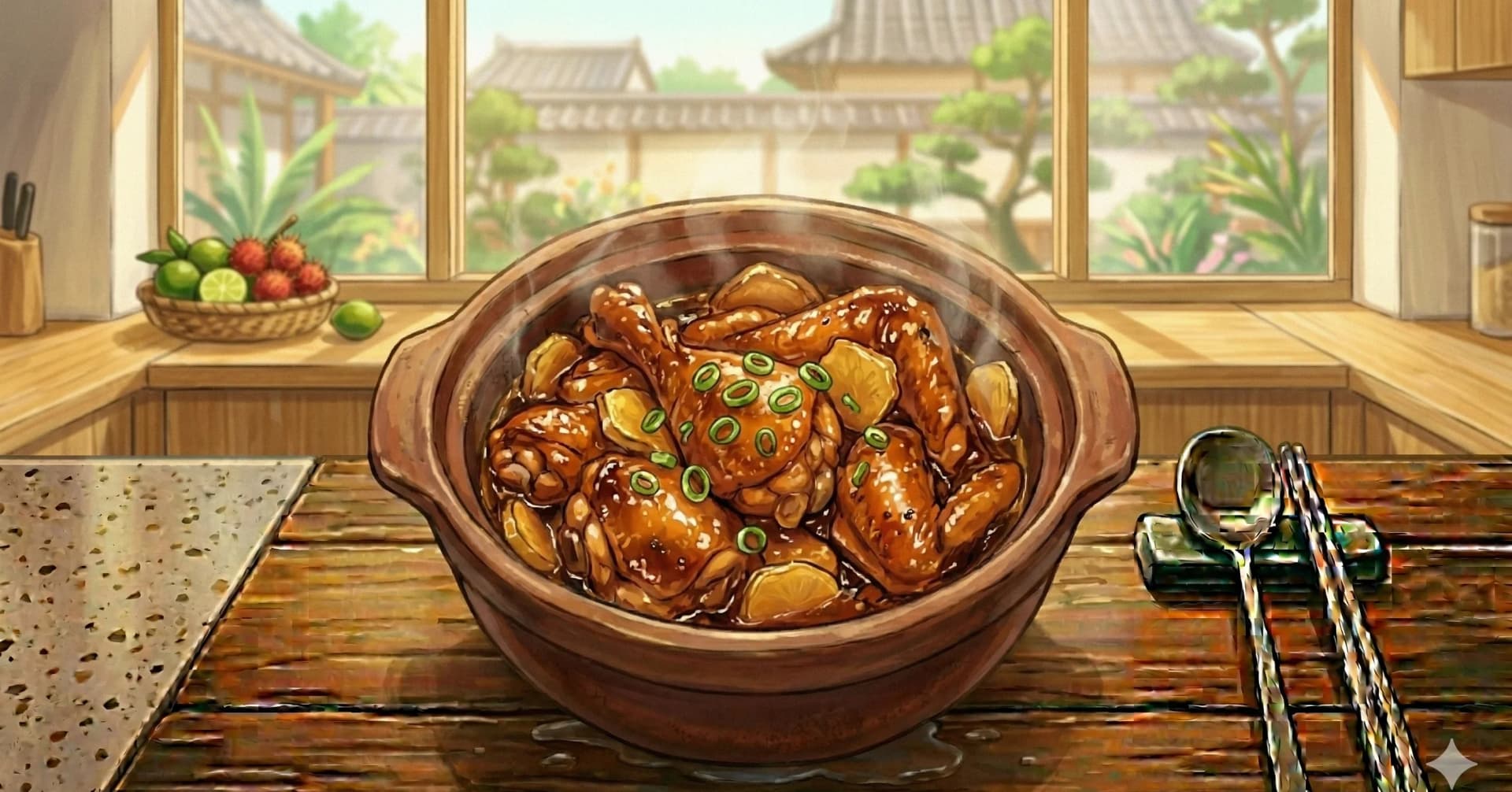
Ga Kho Gung (Vietnamese Caramelized Ginger Chicken)
1 hour
 Easy
EasyVietnamese Cuisine
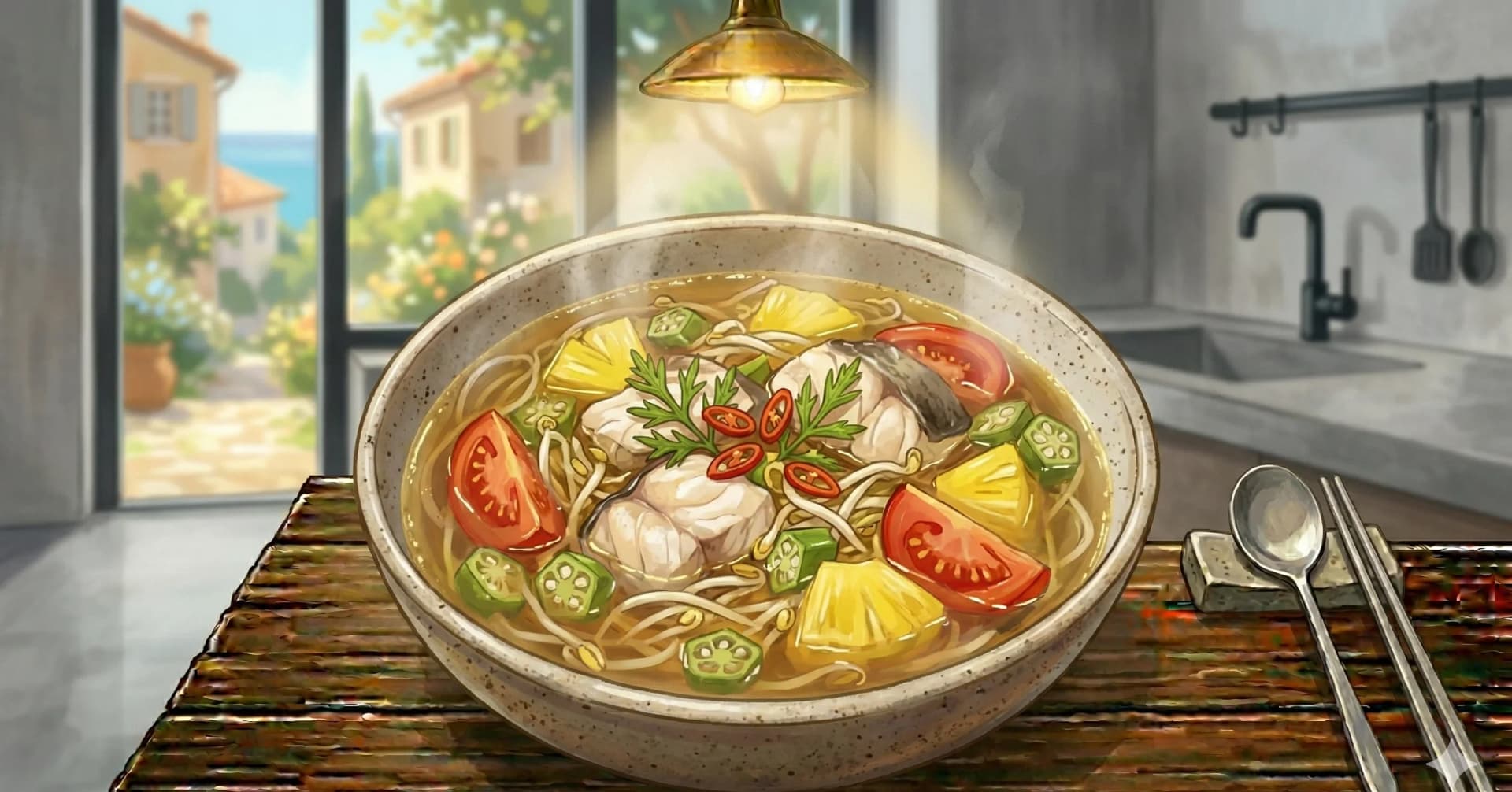
Canh Chua Cá (Vietnamese Sweet and Sour Fish Soup)
35 minutes
 Medium
Vietnamese Cuisine
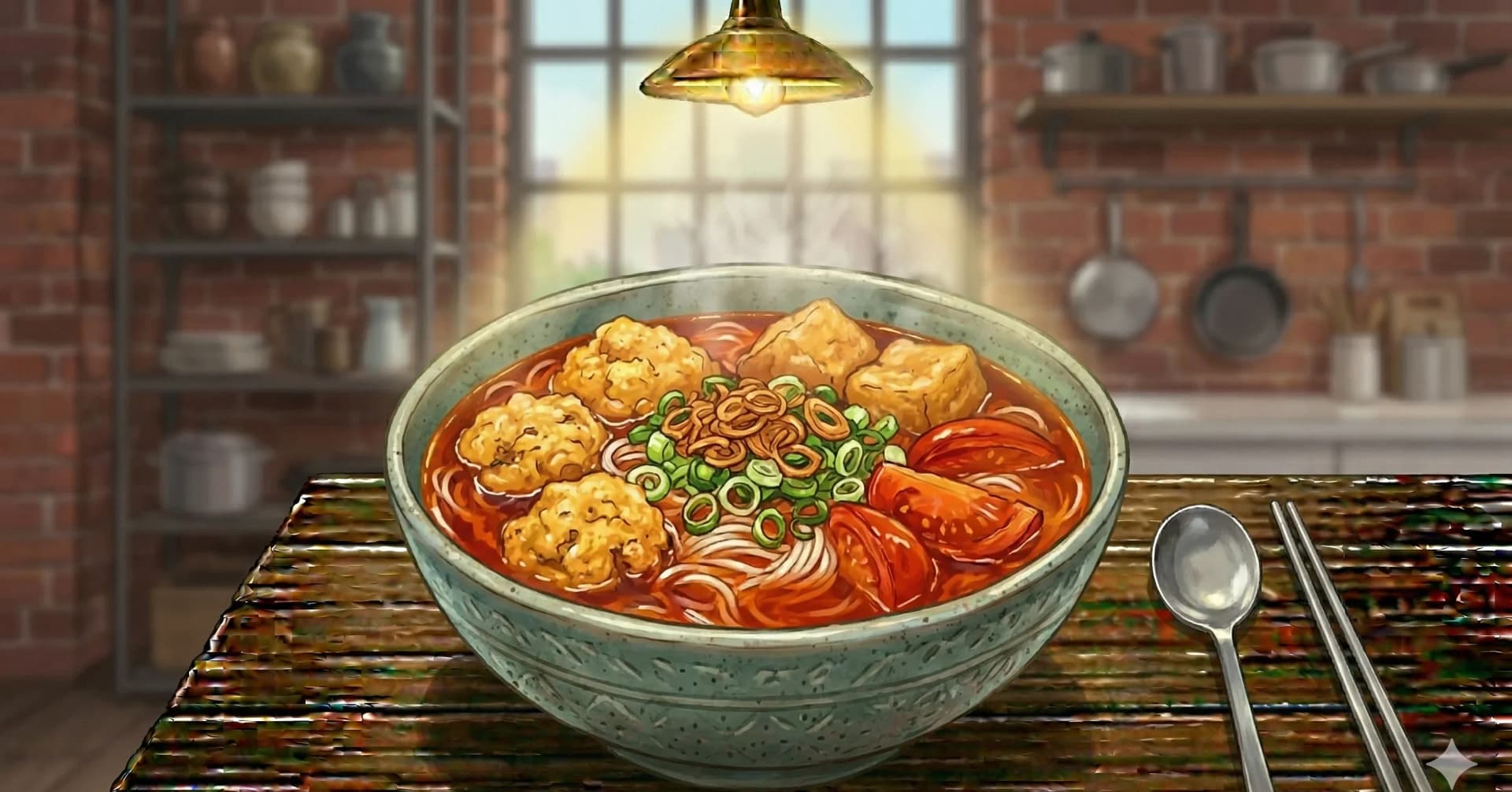
Bun Rieu (Vietnamese Crab and Tomato Noodle Soup)
2 hours
 Medium
Vietnamese Cuisine
Spicy Beef Noodle Soup (Bún Bò Huế)
3 hours 45 minutes
Ratings & Comments
Ratings & Comments
Ratings
Share your thoughts on this recipe.
Sign in to rate and comment