Thai Cuisine
Slow-Braised Pork Belly (Moo Hong / หมูฮ้อง)
Phuket-style slow-braised pork belly in a fragrant dark soy, garlic, and white pepper broth
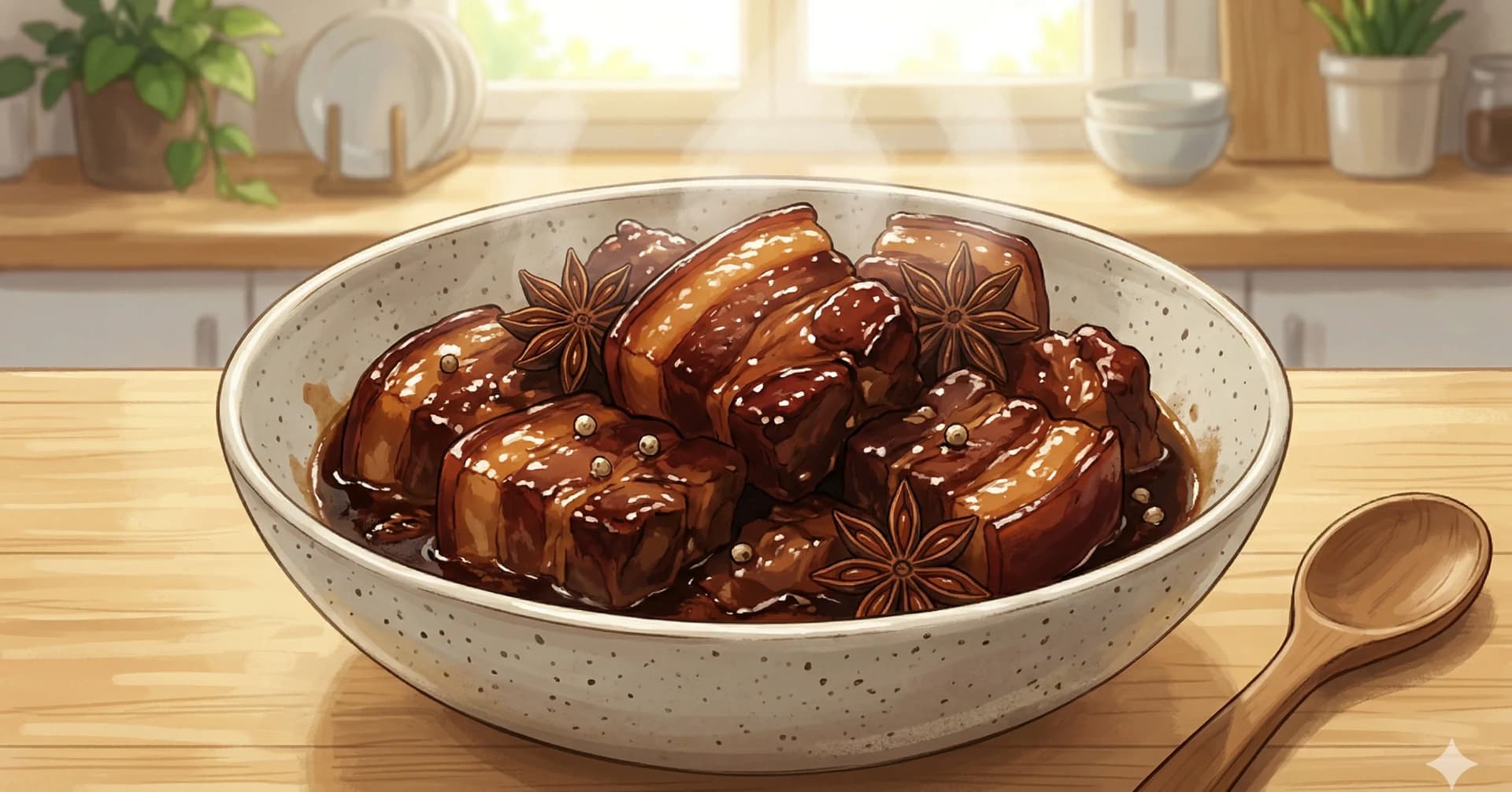
Moo hong smells like a grandmother's kitchen in the best possible sense. It is the warm, slow fragrance of pork belly rendering in dark soy sauce, punctuated by the sharp, almost floral heat of white pepper and the deep, earthy aroma of pounded coriander root and garlic. The dish is the color of polished mahogany, each piece of pork glistening with a sauce that has reduced over two hours into something thick, sticky, and intensely savory. Beneath the dark exterior, the meat has become impossibly soft, the kind of tender that dissolves against the roof of your mouth without requiring a single chew.
Moo hong is a signature dish of Phuket and the southern Thai provinces, where the Hokkien and Baba-Peranakan Chinese communities that settled centuries ago left a deep imprint on the local food. The dish is essentially a Hokkien-style braised pork adapted with Thai aromatics, particularly the combination of coriander root, garlic, and white pepper that Thai cooks call the "three best friends" of the mortar and pestle. This trilogy appears across Thai cooking, but in moo hong it is used with a heavy hand, the garlic especially, often a full head per pot.
What moo hong delivers is pure comfort. It is not a complex dish in terms of technique. You brown the pork, build a paste, add soy sauce and water, and let time do the rest. But the simplicity is deceptive. The long, gentle braise converts the pork belly's collagen into gelatin, the fat renders into the sauce, and the garlic and pepper mellow from sharp and aggressive into something warm and round. The result is a dish that tastes like it has been cooking for far longer than it has, with a depth that improves with each reheating.
At a Glance
Yield
4 servings
Prep
15 minutes
Cook
2 hours
Total
2 hours 15 minutes
Difficulty
Easy
Ingredients
Spice Paste Ingredients
- 1head garlic (about 50 g cloves), peeled
- 2 tspwhite peppercorns
- 4coriander roots (or 30 g cilantro stems), roughly chopped
Pork Ingredients
- 1¾ lbpork belly, skin on, cut into 4 cm cubes
- 3 tbspdark soy sauce
- 2 tbsplight soy sauce
- 1 tbspoyster sauce
- 1½ tbsppalm sugar or brown sugar
- 1¾ cupwater
- 1 tbspneutral oil
To Serve
- —Fresh cilantro leaves, for garnish
- —Steamed jasmine rice
Method
- 1
Pound the garlic cloves, white peppercorns, and coriander roots in a mortar and pestle to a coarse paste. The peppercorns should be cracked and fragrant, the garlic crushed but not smooth. You want a rough, uneven paste with visible texture, not a liquid. The aroma that rises from the mortar should be sharp, peppery, and intensely garlicky.
- 2
Heat the oil in a heavy pot or Dutch oven over medium-high heat. Place the pork belly pieces skin-side down and sear without moving for 3 to 4 minutes until the skin turns golden and the fat begins to render. Turn the pieces and sear the other sides briefly. Remove the pork and set aside.
- 3
In the same pot, reduce heat to medium. Add the garlic and pepper paste and stir-fry for 1 to 2 minutes until very fragrant. The paste will sizzle and the garlic will soften. Be careful not to burn it. The kitchen should fill with a warm, peppery, garlicky aroma.
- 4
Return the pork to the pot. Add the dark soy sauce, light soy sauce, oyster sauce, and palm sugar. Stir to coat the pork in the dark mixture. The soy sauce will caramelize slightly on contact with the hot pot.
- 5
Pour in the water. It should come about halfway up the pork pieces. Bring to a boil, then immediately reduce heat to the lowest possible simmer. Cover with the lid slightly ajar.
- 6
Braise for 1.5 to 2 hours, checking every 30 minutes and turning the pork pieces. The sauce will reduce gradually, thickening as the gelatin from the pork dissolves into the liquid. If the liquid reduces too quickly, add a splash of water.
- 7
After 1.5 hours, check a piece of pork by pressing it with a spoon. It should yield completely, almost collapsing under gentle pressure. The skin should be soft and gelatinous, the fat translucent, and the meat tender enough to fall apart.
- 8
In the final 15 minutes, remove the lid and increase heat slightly. Let the sauce reduce until it becomes thick and glossy, coating the back of a spoon. Stir gently, being careful not to break the pork pieces apart. The finished sauce should have the consistency of warm honey.
- 9
Taste the sauce. It should be deeply savory, with pronounced white pepper warmth, a sweet undercurrent from the palm sugar, and the concentrated richness of rendered pork. Adjust with a splash of light soy sauce for salt or a pinch more sugar for sweetness.
- 10
Serve the moo hong in its pot or transfer to a bowl. Garnish with fresh cilantro leaves. Spoon the thick sauce generously over jasmine rice. The rice absorbs the dark, savory sauce and becomes the best part of the meal.
Key Ingredient Benefits
Garlic: The generous quantity of garlic in moo hong provides significant amounts of allicin and other organosulfur compounds. Research has associated garlic consumption with cardiovascular benefits, including modest reductions in blood pressure and cholesterol in some studies. In Thai traditional medicine, garlic is considered warming and is valued for its immune-supporting properties.
White pepper: White peppercorns are black peppercorns with the outer layer removed, revealing a flavor that is hotter and more focused, with less of the fruity complexity of black pepper. They contain piperine, which research suggests may enhance the bioavailability of certain nutrients, including curcumin from turmeric.
Coriander root: More commonly used in Thai cooking than in any other cuisine. The root contains a higher concentration of essential oils than the leaves, with a deeper, more earthy flavor. In Thai herbal traditions, coriander root is considered digestive and cooling.
Why This Works
The "three best friends" paste (garlic, white pepper, coriander root) is one of the foundational flavor bases of Thai cooking, but in moo hong it is used at a concentration that would be excessive in most other dishes. This intensity is deliberate. The long braise mellows the raw sharpness of the garlic and the bite of the white pepper into something warm and round. What starts as an aggressive paste becomes, after two hours, a smooth, deeply aromatic background that permeates every fiber of the meat.
Pork belly is the ideal cut for this dish because of its layered structure of meat, fat, and skin. The fat renders slowly during the braise, enriching the sauce with lipids that carry the flavor compounds from the soy sauce and spices. The skin dissolves its collagen into gelatin, which thickens the sauce naturally and gives it the sticky, lip-coating quality that defines a well-made moo hong. Leaner cuts would produce a thinner, less satisfying result.
The dark soy sauce contributes more than just salt. It contains melanoidins, complex Maillard reaction products formed during the sauce's aging process. These compounds give the sauce its dark color and contribute a subtle, malty sweetness that deepens the overall flavor of the braise.
Substitutions & Variations
Pork cut: Pork shoulder (boneless, cubed) can replace pork belly for a leaner version. The sauce will be thinner without the rendered fat and gelatin from the skin, so consider adding a small piece of pork skin to the pot for body.
Pressure cooker: Cook at high pressure for 30 minutes, then natural release. Finish by simmering uncovered on the stove to reduce the sauce.
With eggs: Add peeled hard-boiled eggs to the pot during the last 30 minutes of braising. They absorb the dark sauce beautifully, similar to khao kha moo.
Vegetarian version: Braise extra-firm tofu and daikon radish in the same sauce. The texture will be very different, but the dark soy, garlic, and pepper flavor base is satisfying in any context.
Serving Suggestions
Moo hong is a comfort food dish, best eaten over a generous mound of steamed jasmine rice that soaks up the thick, dark sauce. It is traditionally a family-style dish in Phuket, served alongside several other preparations.
For a Phuket-themed meal, pair moo hong with a sharp, sour soup like gaeng som to cut through the richness, and a plate of stir-fried morning glory or kangkung for a green, vegetable contrast.
The braised pork also works beautifully alongside other Southeast Asian rice plates. Pair it with nasi lemak, where the coconut rice and the dark soy pork create a rich, satisfying combination.
Storage & Reheating
Refrigerator: Moo hong improves dramatically on the second and third day as the flavors continue to meld. Store in a sealed container for up to 5 days. The sauce will set into a firm jelly when cold, which is a sign of good gelatin extraction.
Freezer: Freezes beautifully for up to 3 months. Freeze in portions with sauce for easy weeknight meals.
Reheating: Warm gently over medium-low heat, adding a splash of water if the sauce has thickened too much. The sauce will return to its glossy, liquid state as the gelatin melts.
Cultural Notes
Moo hong (หมูฮ้อง) is the slow-braised pork belly that defines the Hokkien Chinese cooking tradition of Phuket and the broader southern Thai coast. The dish reflects the layered cultural history of Phuket, an island that absorbed significant Hokkien Chinese, Peranakan (Baba-Nyonya), and Malay influence during the 19th-century tin mining boom that brought thousands of Chinese laborers and traders to the region. Phuket's Old Town, with its distinctive Sino-Portuguese shophouse architecture and its preserved Hokkien food traditions, remains the cultural capital of moo hong.
The dish is built around pork belly braised for two to three hours in a dark gravy of soy sauce, palm sugar, garlic, white peppercorns, coriander root, and sometimes a small amount of cinnamon or star anise. The signature visual quality is the deep mahogany color of the pork, which comes from the long contact between the meat and the dark soy as the liquid reduces. The pork belly is cut into large cubes and cooked skin-on, since the gelatinous skin and the layered fat are central to the textural appeal: the cooked dish has the soft, silky mouthfeel that southern Thai diners specifically look for.
Within Phuket, moo hong appears most prominently at family meals during major Chinese-Thai holidays, including Chinese New Year and the annual Phuket Vegetarian Festival in October (during which moo hong is conspicuously absent from menus, since the festival observes strict vegetarianism for nine days). At Phuket's famous Hokkien-Chinese restaurants, including Tu Kab Khao and Raya, moo hong is a fixture of the menu and is often served as part of a multi-course Hokkien meal alongside fish curries, Hokkien noodles, and stir-fried morning glory. The dish has spread to Bangkok in recent decades through Phuket-themed restaurants but remains most authentically prepared on the island itself.
Nutrition Facts
Calories: 1105kcal (55%)|Total Carbohydrates: 11.1g (4%)|Protein: 20.7g (41%)|Total Fat: 108g (138%)|Saturated Fat: 38.3g (191%)|Cholesterol: 144mg (48%)|Sodium: 1146mg (50%)|Dietary Fiber: 1.1g (4%)|Total Sugars: 5.6g
You Might Also Like
 Medium
Thai Cuisine
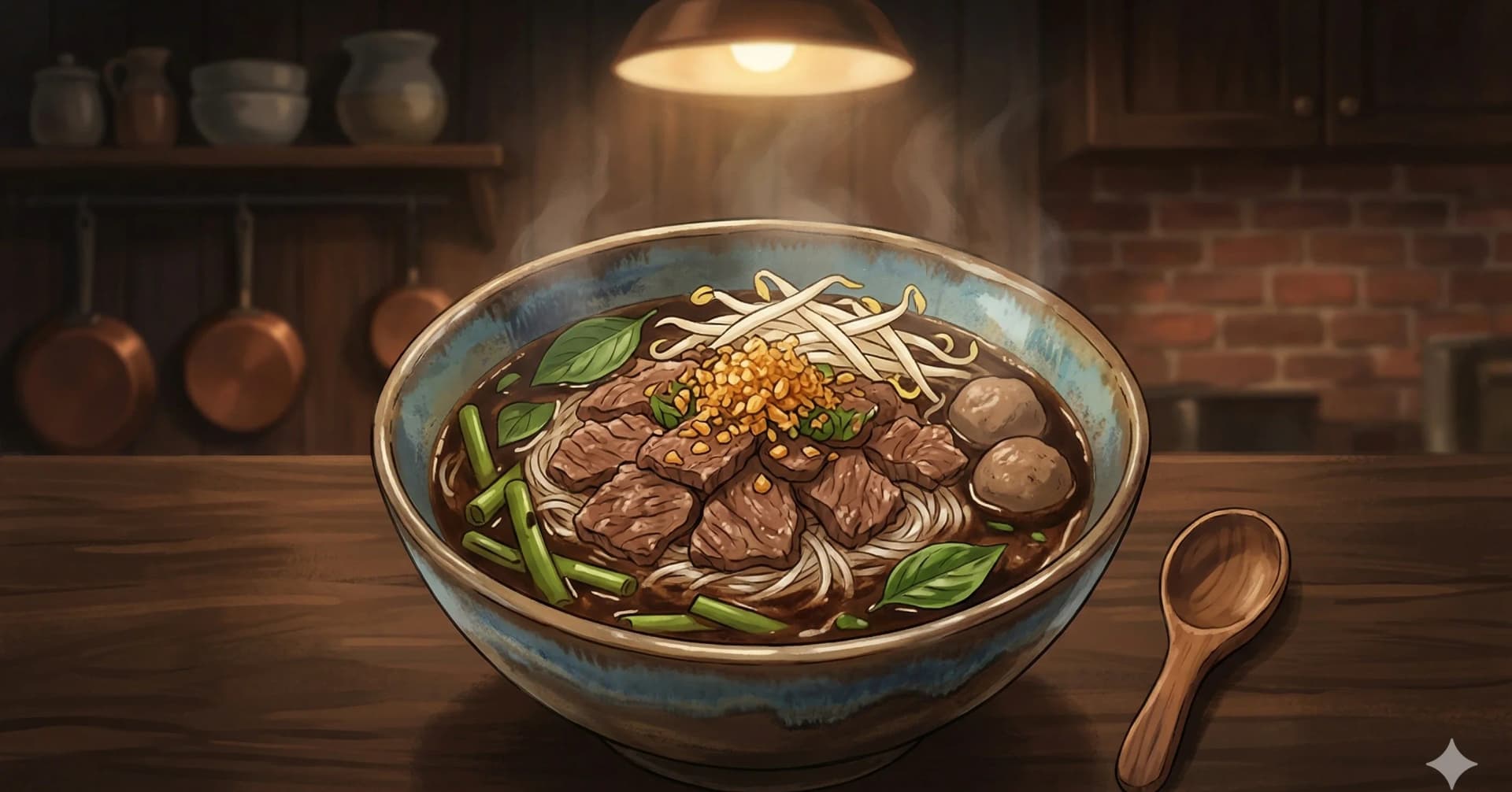
Boat Noodles (ก๋วยเตี๋ยวเรือ)
3 hours 15 minutes
 Easy
EasyVietnamese Cuisine
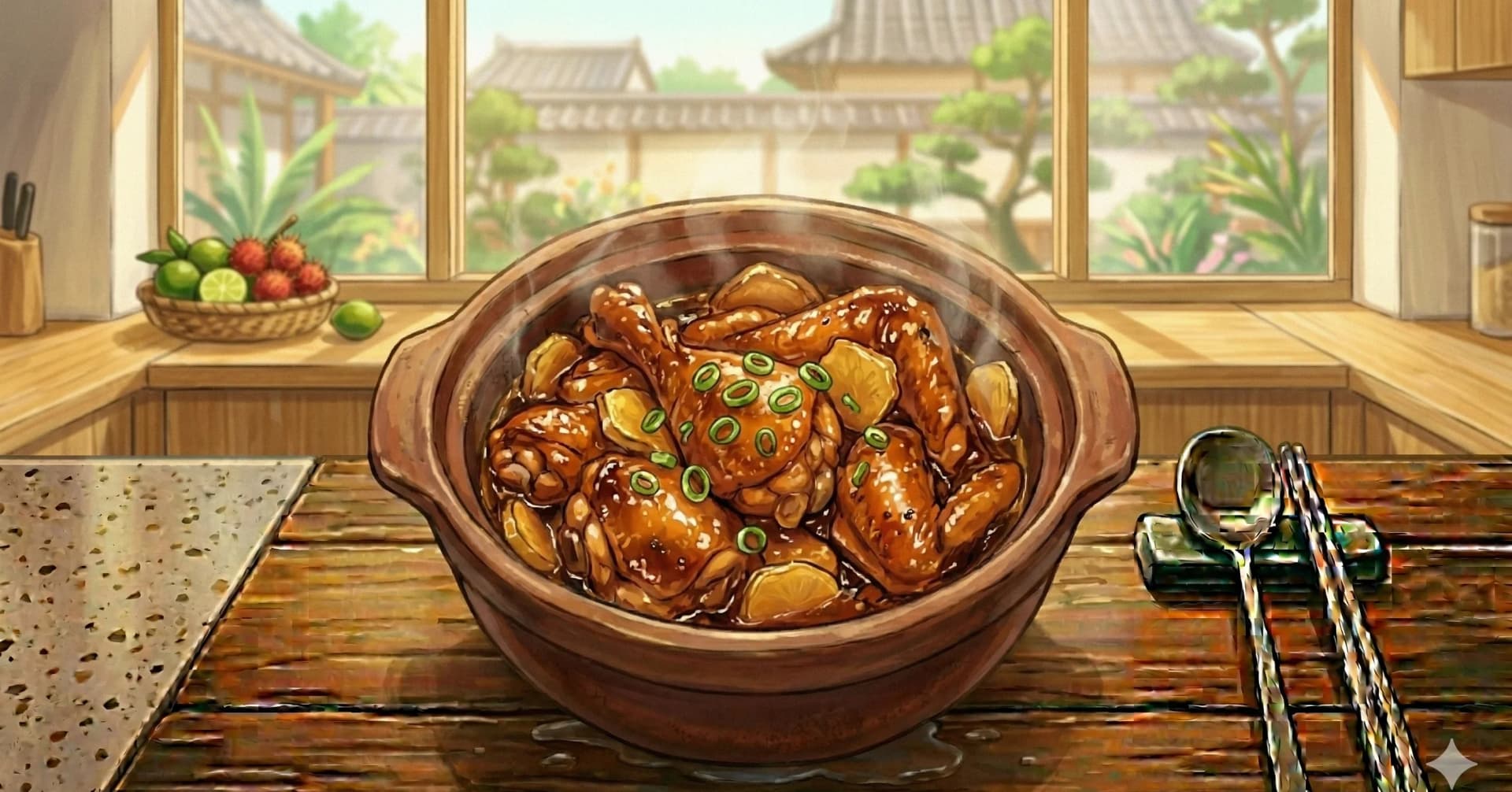
Ga Kho Gung (Vietnamese Caramelized Ginger Chicken)
1 hour
 Medium
Vietnamese Cuisine
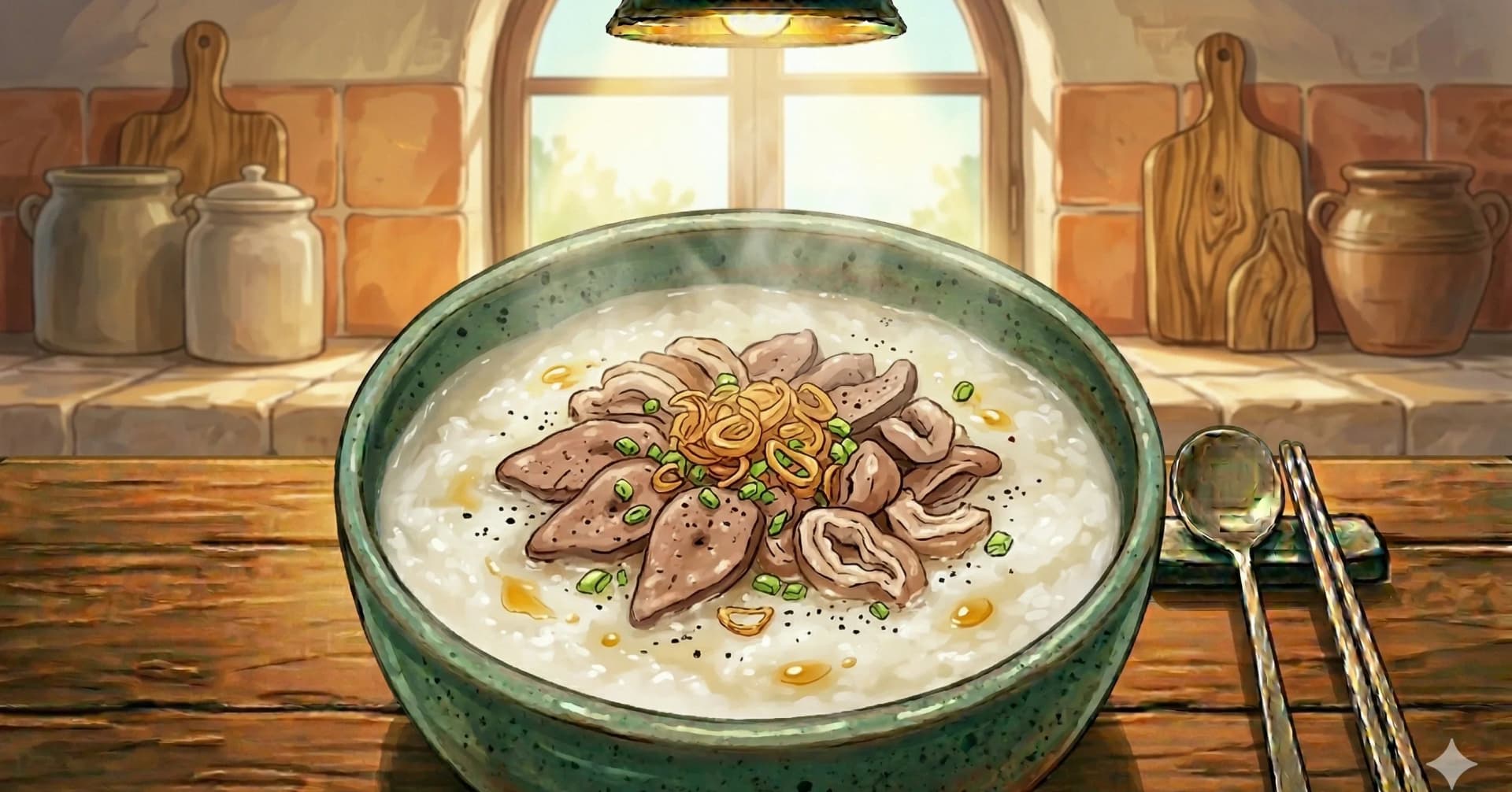
Cháo Lòng (Vietnamese Pork Organ Rice Porridge)
2 hours 15 minutes
 Easy
EasyVietnamese Cuisine
Cháo Gà (Vietnamese Chicken Rice Porridge)
1 hour 30 minutes
Ratings & Comments
Ratings & Comments
Ratings
Share your thoughts on this recipe.
Sign in to rate and comment