Chinese Cuisine
Kou Shui Ji (Sichuan Mouthwatering Chicken)
Poached chicken drenched in a complex Sichuan sauce of chili oil, Sichuan peppercorn, soy, and sesame
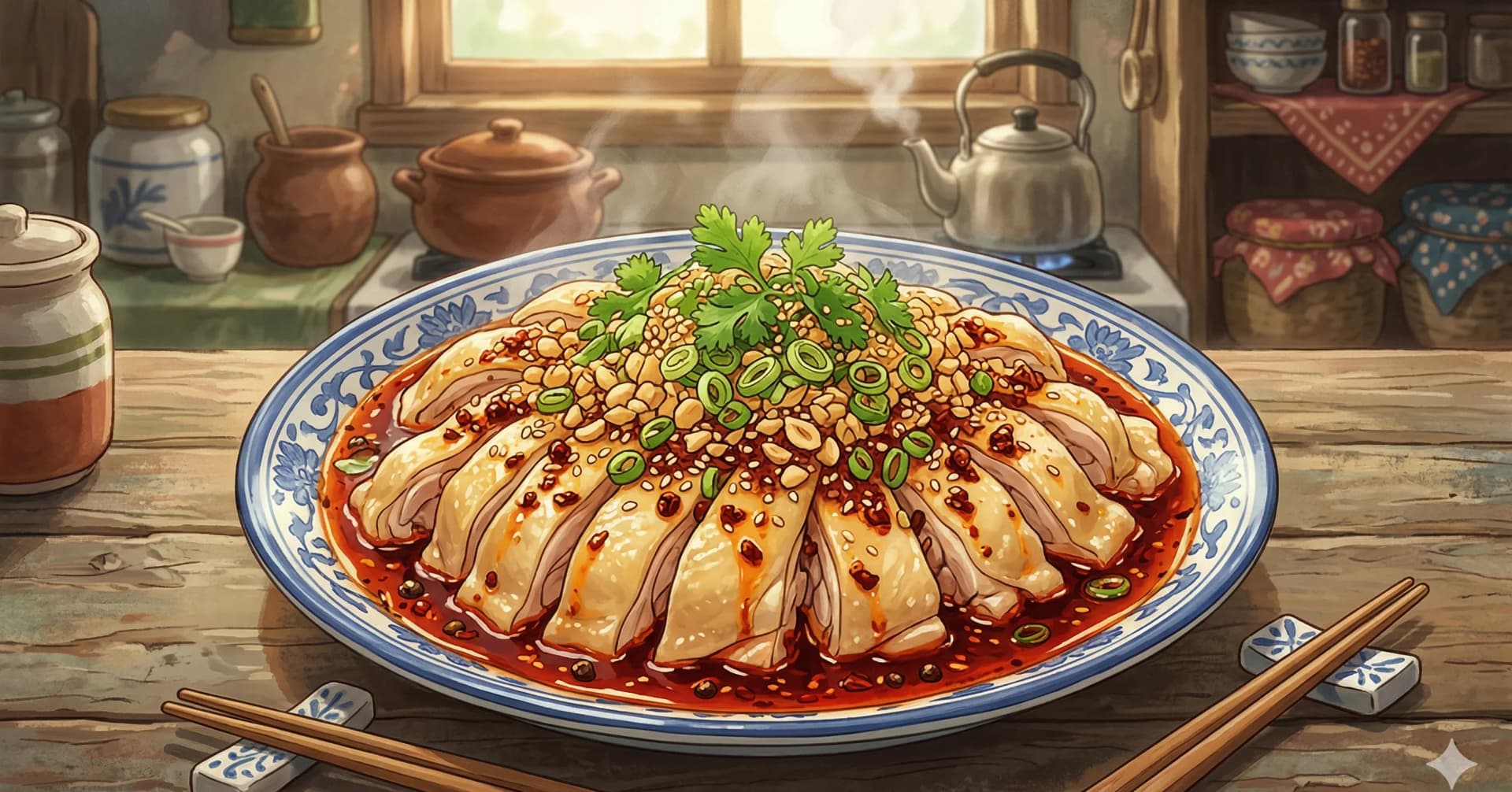
The name kou shui ji translates to "mouth-watering chicken," and it earns that name before you even taste it. The sight of the dish, pale, perfectly poached chicken sliced thin and swimming in a vivid red sauce dotted with sesame seeds, crushed peanuts, and fresh scallion, triggers a Pavlovian response. The sauce is a masterwork of Sichuan flavor engineering: spicy from chili oil, numbing from ground Sichuan peppercorn, sweet from sugar, savory from soy, tangy from vinegar, and nutty from sesame paste. Every flavor note in the Sichuan repertoire lands in a single bowl.
This is one of Sichuan's most famous cold dishes, served at the beginning of a meal as a liang cai (cold appetizer). It is a dish of contrasts: the chicken is cool, mild, and silky, while the sauce is bold, complex, and assertive. The pleasure comes from the interplay between the two, the way the sauce coats each slice of chicken and delivers its layers of flavor one at a time. First the heat, then the numbness, then the sweetness and tang, all carried on a slick of fragrant chili oil.
The practical key is the poaching. The chicken must be cooked gently, then shocked in ice water, a technique that produces meat that is tender, silky, and slightly springy. Boiling the chicken aggressively toughens the proteins and dries out the meat. The ice bath not only stops the cooking but also tightens the skin and creates a clean, smooth surface that the sauce clings to beautifully.
At a Glance
Yield
4 servings
Prep
20 minutes
Cook
25 minutes
Total
45 minutes (plus chilling)
Difficulty
Medium
Ingredients
Chicken Ingredients
- 1¼ lbbone-in (about 4 thighs), skin-on chicken thighs
- 3 slicesfresh ginger
- 2scallions, cut into pieces
- 2 tspShaoxing wine
- ⅞ tspsalt
Sauce Ingredients
- 3 tbspchili oil (with sediment and flakes)
- 1 tbsplight soy sauce
- 2 tspChinkiang black vinegar
- 2⅓ tspsugar
- ¼ ozChinese sesame paste, thinned with 10 ml warm water
- 3 clovesgarlic, minced
- 1⅔ tspground roasted Sichuan peppercorn
- 1 tspsesame oil
To Garnish
- ¾ ozroasted peanuts, roughly crushed
- 2scallions, thinly sliced
- —Toasted white sesame seeds
- —Fresh cilantro leaves (optional)
Method
- 1
Place the chicken thighs in a pot and cover with cold water by about 3 cm. Add the ginger slices, scallion pieces, Shaoxing wine, and salt. Bring to a boil over high heat.
- 2
As soon as the water reaches a full boil, reduce the heat to the lowest setting. The water should be barely simmering, with only the occasional lazy bubble rising to the surface. Skim any foam that forms.
- 3
Poach the chicken at this gentle simmer for 18 to 20 minutes. The chicken is done when the juices run clear and the internal temperature reaches 75°C. Do not rush this with higher heat.
- 4
While the chicken poaches, prepare an ice bath in a large bowl. Fill it with cold water and plenty of ice.
- 5
When the chicken is cooked, transfer it immediately to the ice bath. Let it cool completely, about 15 minutes. The rapid cooling stops the cooking process, firms the skin, and creates the characteristic silky texture of the meat.
- 6
While the chicken chills, make the sauce. In a bowl, combine the chili oil (with its sediment and flakes), light soy sauce, Chinkiang vinegar, sugar, thinned sesame paste, minced garlic, ground Sichuan peppercorn, and sesame oil. Stir well until the sugar dissolves and the sauce is smooth. Taste and adjust: it should be a balance of spicy, numbing, sweet, sour, and savory.
- 7
Remove the cooled chicken from the ice bath. Pat dry with paper towels.
- 8
Using a sharp cleaver or knife, chop the chicken through the bone into bite-sized pieces about 3 cm wide. Alternatively, remove the meat from the bone and slice it against the grain into pieces about 5 mm thick.
- 9
Arrange the chicken pieces on a serving plate, slightly overlapping.
- 10
Pour the sauce evenly over the chicken, making sure every piece is coated. The sauce should pool slightly around the edges of the plate.
- 11
Scatter the crushed peanuts, sliced scallions, sesame seeds, and cilantro (if using) over the top.
- 12
Let the sauced chicken sit for 5 to 10 minutes before serving, allowing the flavors to meld slightly.
- 13
Serve cold or at cool room temperature. Provide a spoon for scooping extra sauce from the plate onto each bite.
Key Ingredient Benefits
Sichuan peppercorn contains hydroxy-alpha sanshool, which activates the same nerve receptors as vibration, creating the characteristic tingling numbness. Research suggests this compound may have mild analgesic and anti-inflammatory properties.
Chili oil contains capsaicin, which research associates with increased metabolism, pain modulation, and cardiovascular benefits. The red color indicates the presence of carotenoid pigments with antioxidant properties.
Chicken thighs are higher in fat and iron than breast meat, which contributes to their richer flavor and more forgiving texture during cooking. They also contain more zinc and B vitamins.
Why This Works
Gentle poaching, followed by an ice bath, produces chicken with a texture that Chinese cooks describe as "hua," meaning slippery and smooth. At low temperatures (around 80°C), the muscle proteins denature slowly and retain more moisture. The ice bath contracts the skin and outer layer of the meat, creating a firm surface that contrasts with the tender interior.
The sauce is designed using the Sichuan principle of fu he wei, or "compound flavor." Rather than letting any single taste dominate, the goal is a balance where heat, numbness, sweetness, sourness, and savoriness are all present simultaneously. The sesame paste adds body and nuttiness, the chili oil provides both heat and a fragrant fat base, the vinegar adds brightness, and the Sichuan peppercorn contributes its distinctive tingling numbness.
Chili oil serves as both a seasoning and a sauce base. Because it is fat-based, it coats the chicken more effectively than a water-based sauce, carrying the dissolved flavor compounds directly to your palate with each bite.
Substitutions & Variations
- Chicken: Bone-in, skin-on breast can substitute but is more likely to dry out during poaching. Reduce the poaching time by 3 to 4 minutes. Some versions use a whole poached chicken, chopped into pieces.
- Chili oil: Homemade is ideal, but store-bought Lao Gan Ma chili crisp is a widely available alternative. It has a different texture (chunkier) but provides good flavor.
- Sesame paste: Tahini thinned with sesame oil is a reasonable substitute. Toast the tahini briefly in a dry pan to deepen its flavor.
- Vegetarian: Silken tofu, chilled and sliced, dressed with the same sauce is a common Sichuan preparation called liang ban dou fu.
- Milder version: Reduce the chili oil and Sichuan peppercorn by half. Increase the sesame paste for a nuttier, less spicy sauce.
Serving Suggestions
Serve as a cold appetizer at the beginning of a Chinese meal, alongside other cold dishes like cucumber salad, wood ear mushroom salad, or smoked fish. It also works as a main dish over steamed rice, where the sauce acts as a richly flavored dressing. Cold beer or a chilled Riesling pairs well, as the sweetness tempers the heat and numbness.
Storage & Reheating
The poached chicken and sauce can be prepared separately up to 1 day in advance and refrigerated. Assemble and sauce the dish just before serving. Once sauced, the dish keeps for 1 day in the refrigerator. It is meant to be served cold, so no reheating is needed. The sauce can be made in larger batches and stored in a sealed jar in the refrigerator for up to 2 weeks.
Cultural Notes
Kou shui ji (口水鸡, "saliva chicken" or "mouth-watering chicken") is the cold poached chicken dish that opens countless Sichuan meals, dressed with a complex chili-oil sauce designed to make the diner salivate before the rest of the meal arrives. The name is meant literally: the dish is so aromatic and visually appealing that even reading the menu entry was said to make Sichuan diners' mouths water, and the writer Guo Moruo (1892-1978), who popularized the dish in his autobiographical writings, is often credited with cementing the name in modern usage. The dish belongs to the cold-dish (liang cai) category that traditionally opens Sichuan banquets, alongside other cold preparations like dressed wood ear mushrooms, smashed cucumber, and cold pork in garlic sauce.
The technique relies on careful poaching of a whole chicken (traditionally a young hen) in water seasoned with ginger, scallion, and Shaoxing wine, off the heat for the final cooking so the meat stays juicy and the skin smooth. The poached chicken is chilled, often in ice water to set the skin, then chopped through the bone into bite-sized pieces and arranged on a platter. The sauce, the soul of the dish, is built from Sichuan chili oil with its sediment, Chinese black vinegar (Chinkiang), light soy sauce, sugar, sesame paste or ground sesame seeds, finely minced garlic, ground Sichuan peppercorn, and a small amount of poaching liquid. The sauce is poured over the chicken just before serving and garnished with chopped scallions, crushed peanuts, and sometimes cilantro.
The flavor profile is the classic Sichuan suan tian la (sour, sweet, hot) combination paired with the numbing má from the Sichuan peppercorn, all of it carried in chili oil rather than a thin broth. The dish appears at virtually every sit-down Sichuan restaurant in Chengdu and Chongqing, often as the first dish to arrive at the table while diners are still settling in. It travels well to Sichuan restaurants in Beijing, Shanghai, and the global Chinese diaspora, though the quality of the dish depends almost entirely on the cook's chili oil: a poor chili oil makes the dish flat and harsh, while a well-made one carries dozens of subtle aromatic notes from the slow infusion of star anise, bay leaf, cassia bark, and other spices in the heating oil.
Nutrition Facts
Calories: 420kcal (21%)|Total Carbohydrates: 6.4g (2%)|Protein: 22.2g (44%)|Total Fat: 33g (42%)|Saturated Fat: 6.1g (31%)|Cholesterol: 118mg (39%)|Sodium: 801mg (35%)|Dietary Fiber: 1g (4%)|Total Sugars: 3.3g
You Might Also Like
 Medium
Chinese Cuisine
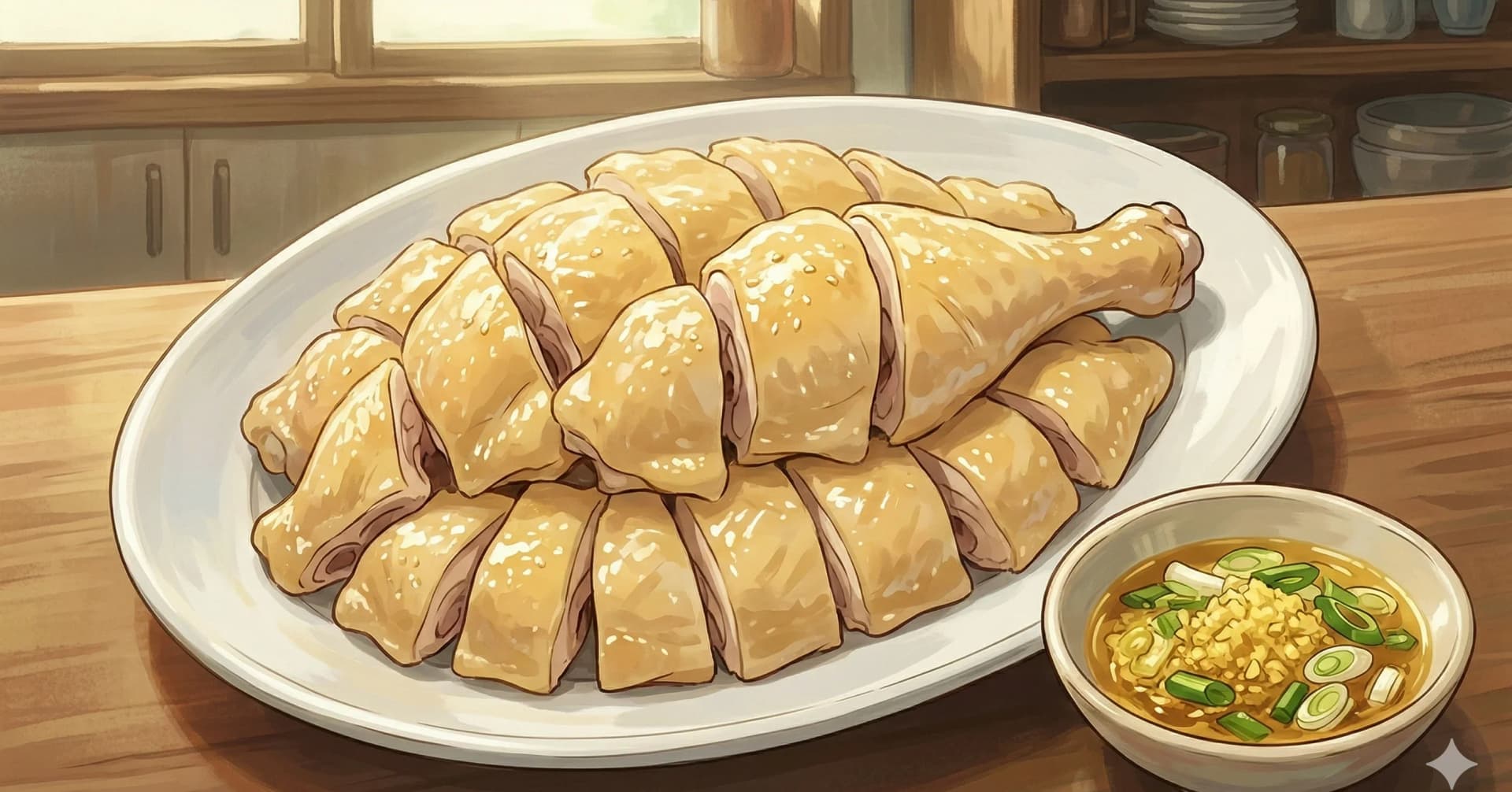
Bai Qie Ji (White Cut Chicken)
4 hours 30 minutes
 Medium
Chinese Cuisine
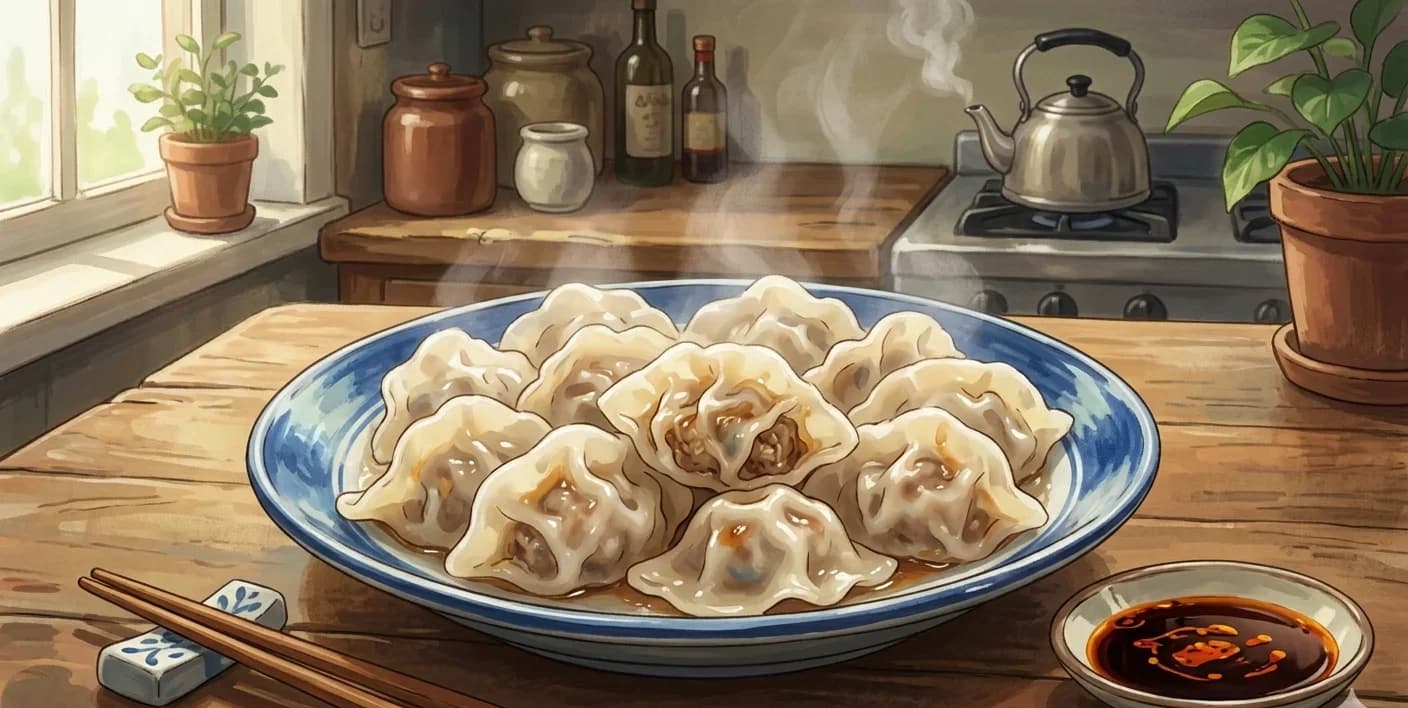
Niu Rou Yang Cong Jiaozi (Beef and Onion Dumplings)
60 minutes
 Easy
EasyCross-Cultural · China
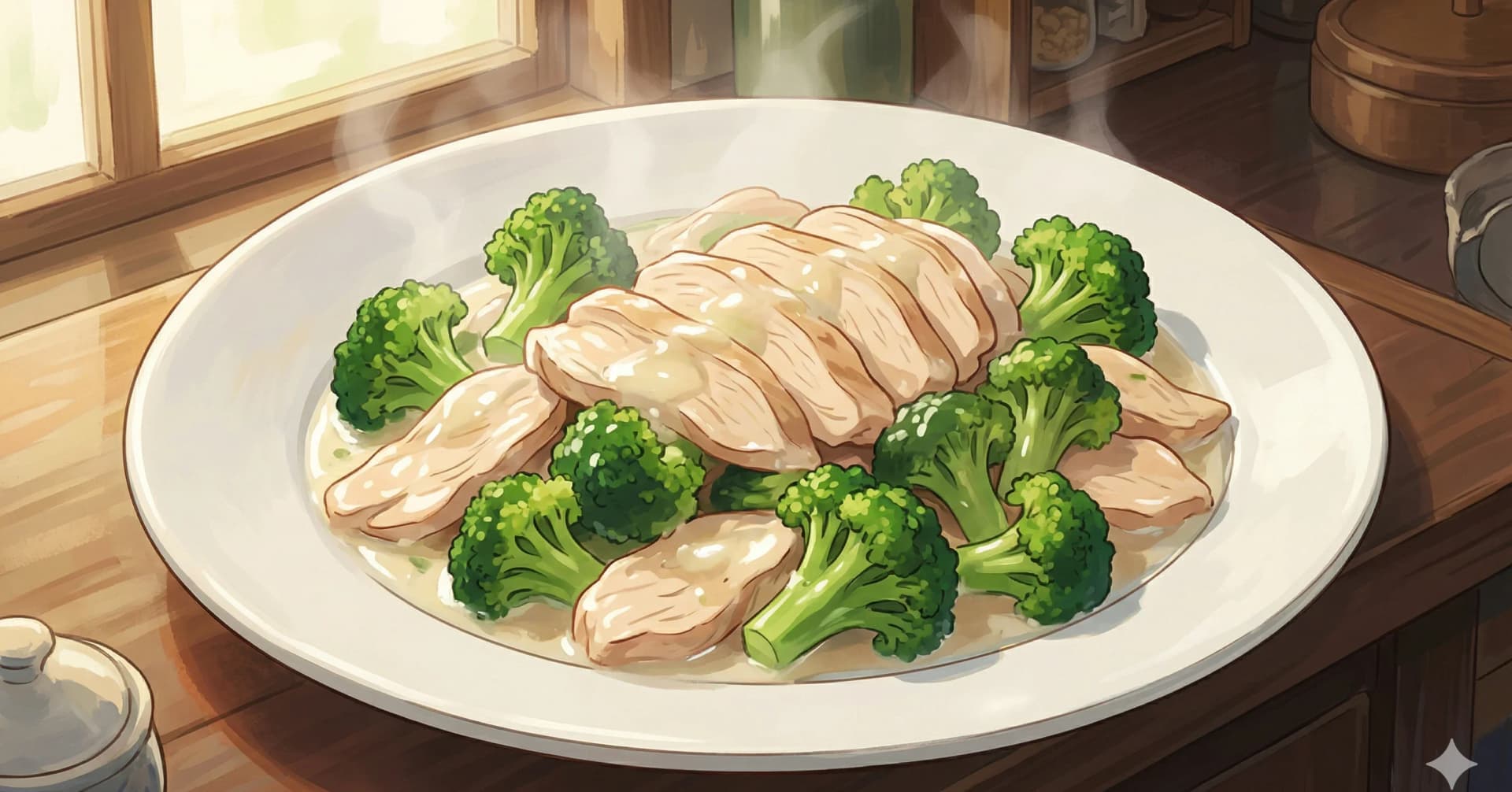
Chicken and Broccoli in White Sauce (白汁鸡花椰)
45 minutes
 Medium
Chinese Cuisine
Char Siu (Chinese BBQ Pork)
9 hours (including marinating)
Ratings & Comments
Ratings & Comments
Ratings
Share your thoughts on this recipe.
Sign in to rate and comment