Endometriosis and Food: An Anti-Inflammatory Kitchen Approach
Endometriosis and Food: An Anti-Inflammatory Kitchen Approach
Endometriosis affects roughly 10% of women of reproductive age, takes an average of 7 to 10 years to diagnose, and remains poorly served by conventional treatment options. The disease, in which tissue similar to the uterine lining grows outside the uterus and produces inflammatory cycles, causes pelvic pain, painful periods, painful intercourse, fertility difficulty, and bowel and bladder symptoms in many women. The conventional treatments are hormonal suppression and surgery; neither addresses the underlying inflammatory and immune dysregulation that drives the disease.
The food approach is genuinely useful here, though the popular "endo diet" content online often overreaches and adds restrictive elements without strong evidence. This post lays out what the actual research supports for dietary management of endometriosis, alongside the broader anti-inflammatory frame from Ayurveda and Chinese medicine. The food picture is not a substitute for medical care; it is a meaningful adjunct.
What's Happening in the Body
Endometriosis is now understood as an estrogen-dependent inflammatory disease with significant immune dysregulation. Endometriotic lesions produce their own estrogen, respond to estrogen produced elsewhere, generate inflammatory prostaglandins and cytokines, and create a chronic inflammatory microenvironment in the pelvis that drives both pain and disease progression.
The food levers that matter most:
Inflammation. General anti-inflammatory dietary patterns reduce the systemic inflammatory load that contributes to symptom severity.
Estrogen metabolism. The liver detoxifies estrogens through methylation pathways and conjugates them for elimination. Diets that support this conjugation (cruciferous vegetables, adequate B-vitamins, sufficient fiber for elimination) reduce circulating active estrogen.
Gut elimination. Estrogens conjugated by the liver are eliminated through the stool. If gut transit is slow or the microbiome is unfavorable (high beta-glucuronidase activity), conjugated estrogens can be de-conjugated and reabsorbed. Fiber and a healthy microbiome support clean elimination.
Prostaglandins and the period pain layer. The mechanisms covered in the period pain foods post apply directly. Endometriosis amplifies the prostaglandin-driven pain pattern; the same omega-3-and-warming-spice protocol helps.
What the Research Supports
The dietary evidence specific to endometriosis is more developed than many women realize, though most of it is observational rather than interventional.
Dietary pattern matters. A 2018 study by Harris and colleagues in Human Reproduction examined fruit and vegetable consumption and endometriosis risk in roughly 70,000 women. A higher intake of fruits and vegetables (particularly citrus and cruciferous vegetables) was associated with reduced endometriosis risk.
Omega-3 fats. A 2010 prospective study by Missmer and colleagues in Human Reproduction found that women in the highest quintile of long-chain omega-3 intake had 22% lower endometriosis risk than women in the lowest quintile. Trans fat intake had the opposite relationship: women in the highest quintile of trans fats had 48% higher risk. The implication is straightforward: more fatty fish and ground flax, less ultra-processed industrial fats.
Vegetables and fiber. A 2004 study by Parazzini and colleagues in Human Reproduction found that high fruit and green vegetable intake was associated with reduced endometriosis risk. The mechanism is plausibly through both anti-inflammatory effects and estrogen-elimination support.
The dietary inflammatory index. Several studies have applied the Dietary Inflammatory Index (a validated score of dietary inflammatory potential) to women with endometriosis and found that lower inflammatory diets were associated with reduced pain severity. The actionable principle: more vegetables, fruits, fish, olive oil, whole grains, nuts; less refined sugar, refined grains, processed meat, and industrial seed oils.
The Practical Daily Diet
The dietary pattern for endometriosis is essentially a Mediterranean-anti-inflammatory base with specific reinforcements.
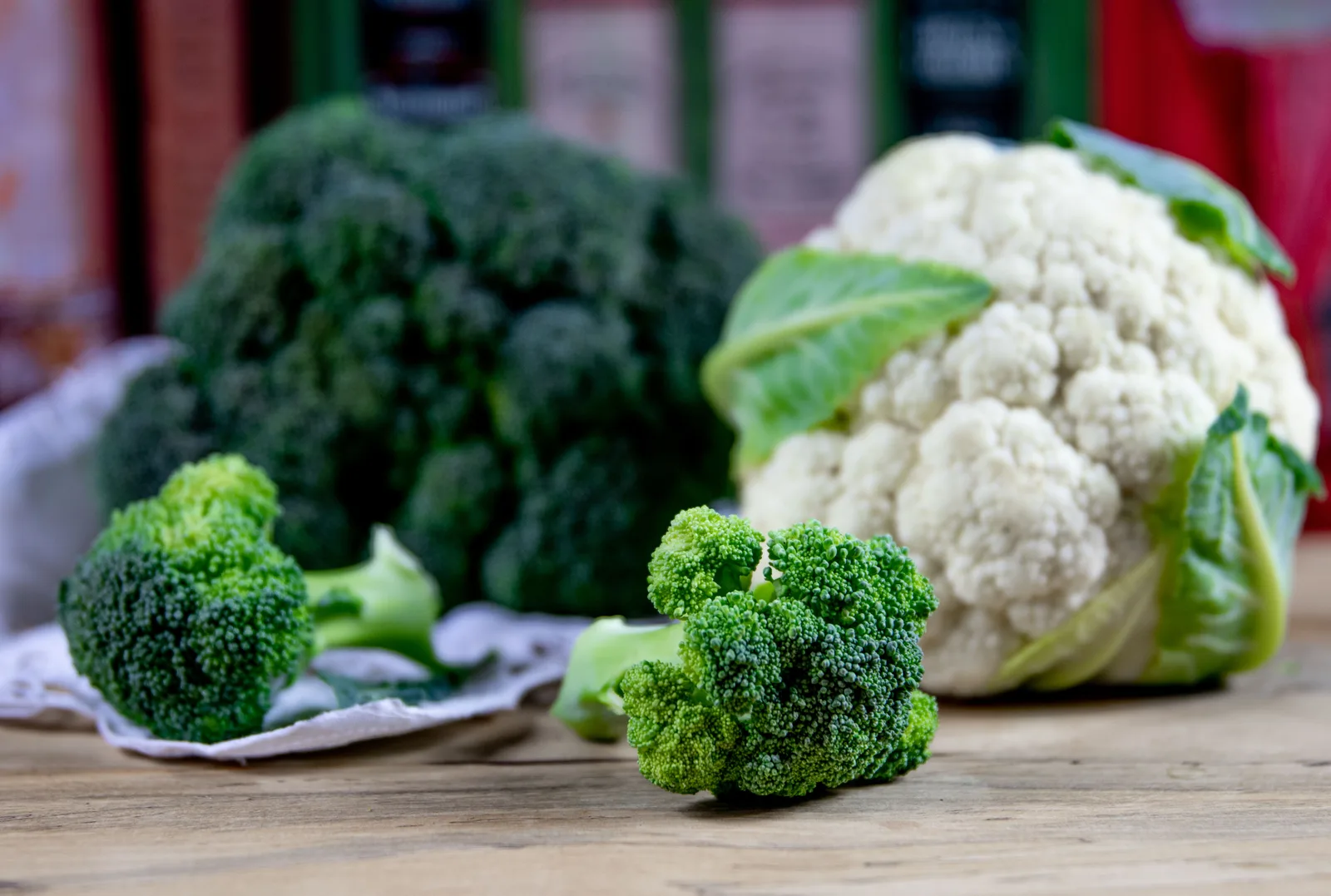
Generous vegetables, especially cruciferous. Broccoli, cauliflower, cabbage, Brussels sprouts, kale, bok choy, daikon. The indole-3-carbinol and sulforaphane in cruciferous vegetables support estrogen metabolism through phase 2 liver detoxification. Aim for 1 to 2 servings of cruciferous vegetables daily.
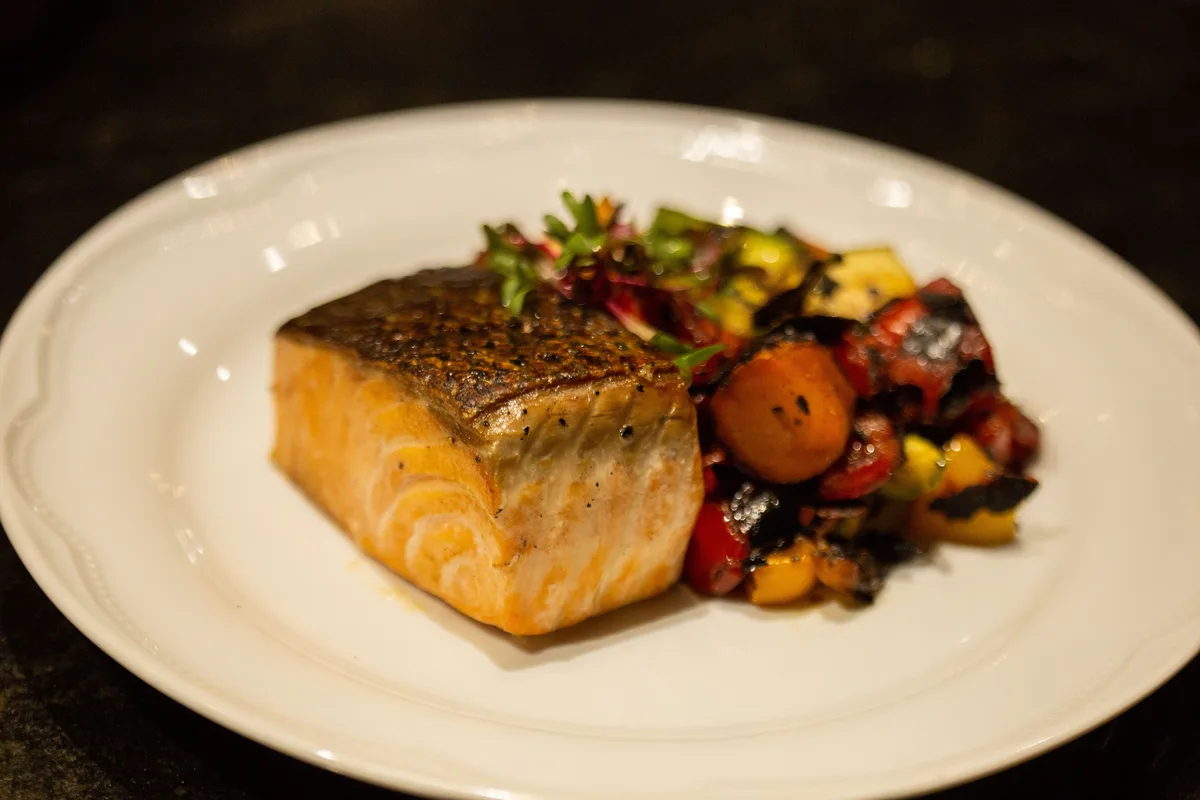
Fatty fish 2 to 3 times weekly. Salmon, sardines, mackerel, anchovies. Plus daily ground flaxseed or chia.
Generous fiber. Lentils, beans, whole grains, vegetables. The estrogen-elimination effect of fiber matters here in a way it doesn't in many other conditions.
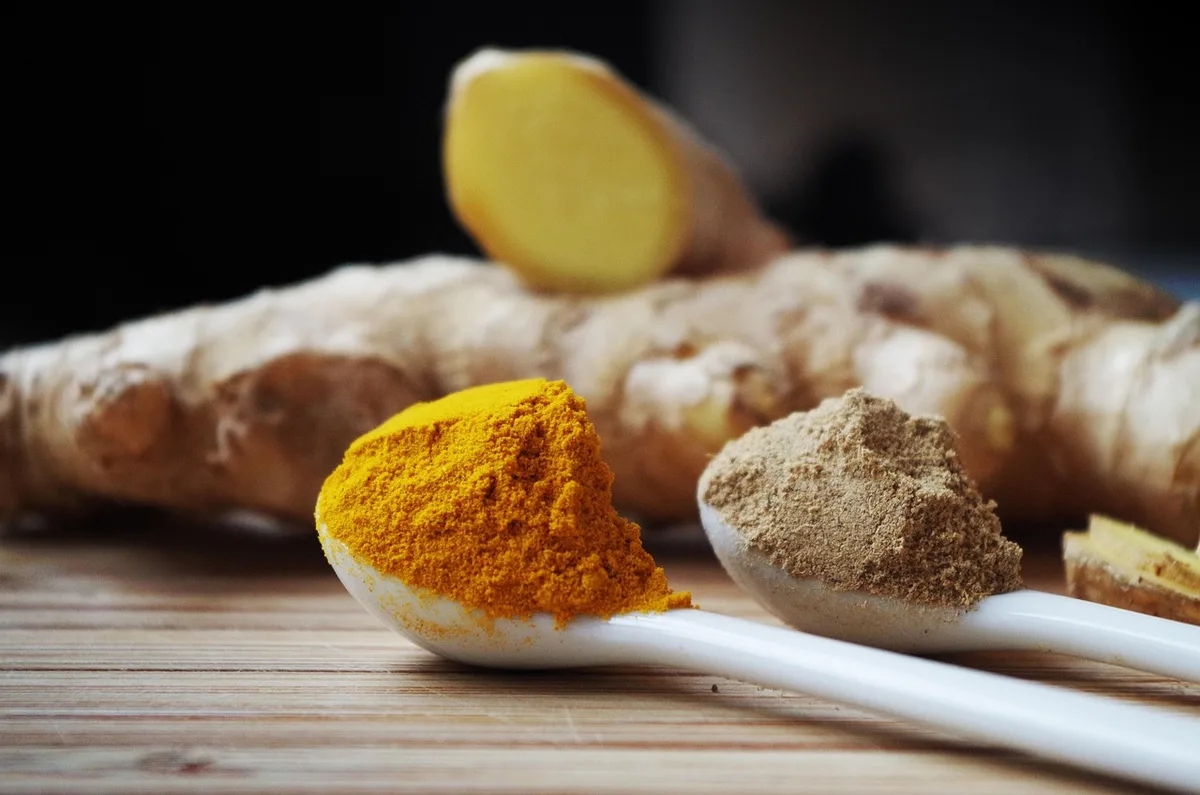
Polyphenol-rich foods. Berries, dark chocolate (70%+), green tea, turmeric (paired with black pepper and fat for bioavailability), pomegranate. The polyphenol layer reduces inflammation and supports the microbiome that handles estrogen elimination.
Ginger. The prostaglandin mechanism covered in the period pain post applies. Daily ginger tea or grated ginger in food is a useful baseline.
Olive oil as the primary cooking fat. Replaces inflammatory industrial seed oils.
Whole grains over refined. Whole grains provide B-vitamins (which support estrogen methylation) and fiber.
What to Minimize
The list of foods worth minimizing is more important than the list of foods to eat. In endometriosis specifically:
Trans fats. The Missmer study showed the strongest dietary association with risk increase. Industrial trans fats are essentially eliminated from American food supply now, but partially-hydrogenated oils still appear in some imported products. Read labels.
Excess red meat. The Yamamoto data and several other studies showed a dose-response relationship between red meat intake and endometriosis. The actionable target is 1 to 2 servings per week rather than daily.
Refined sugar. The pro-inflammatory effect is well-documented.
Excess alcohol. Alcohol both increases estrogen production and impairs liver detoxification of existing estrogens. The case for significant reduction is strong in endometriosis.
Refined grains. White bread, pasta, pastries. The combination of high glycemic load and low micronutrient content worsens the inflammatory background.
Ultra-processed foods. The combination of seed oils, refined sugar, emulsifiers, and preservatives produces a worse inflammatory effect than any single component.
The Gluten and Dairy Question
Two foods get significant attention in endometriosis content: gluten and conventional dairy. The evidence is more nuanced than the popular discussion suggests.
Gluten. A 2012 study by Marziali and colleagues in Minerva Chirurgica gave 207 women with endometriosis a 12-month gluten-free diet and reported 75% had significant pain reduction. The study lacked a control group, which limits the interpretation. The honest version: some women with endometriosis report significant benefit from gluten removal; others report none. The actionable test is a structured 60-day elimination with reintroduction and symptom tracking.
Conventional dairy. A 2013 study by Harris and colleagues in the American Journal of Epidemiology actually found that high-fat dairy intake was associated with reduced endometriosis risk (the opposite of the popular advice). Other studies show neutral or mixed results. The popular "no dairy for endo" guidance does not have the evidence behind it that the marketing suggests. For individual women with significant dairy sensitivity or bloating from dairy, removal makes sense; for the broader population, the evidence does not support a blanket recommendation.
The Ayurveda and TCM Frame
Both traditional systems characterize endometriosis-like presentations as stagnation conditions amplified by cold and inflammation.
Ayurveda considers it primarily a vata-pitta disturbance with artava dushti (reproductive tissue disorder). The dietary support is warm, oily, easy-to-digest food (vata-pacifying), with cooling herbs (pitta-reducing) like coriander, fennel, and rose. Sharp, spicy, and acidic foods in excess can worsen the pitta layer; cold drinks and dry foods worsen vata.
Chinese medicine characterizes it as blood stagnation, often combined with cold accumulation in the lower jiao (lower abdomen). The dietary support is warming, blood-moving foods: ginger, cinnamon, turmeric, scallion, fennel. Cold drinks and raw foods are specifically discouraged.
Both traditions agree on the warming and gentle aspects and converge with the modern anti-inflammatory recommendation in most particulars.
Frequently Asked Questions
How quickly will I notice changes?
Pain reduction can occur within a few cycles for some women, but the systemic inflammatory effects take longer. Plan for 3 to 6 months of consistent dietary change before judging the response. The food approach works alongside, not instead of, appropriate clinical care.
Should I try the "endo diet"?
The popular endo diet typically removes gluten, dairy, soy, red meat, caffeine, alcohol, and refined sugar. The evidence supports the alcohol, refined sugar, and ultra-processed-food eliminations strongly; supports the trans-fat and excess-red-meat elimination strongly; supports the gluten elimination for individuals but not universally; does not support the dairy elimination universally; does not support the soy elimination (phytoestrogens in soy actually appear protective in epidemiological data). A more evidence-driven approach removes what has strong evidence, tests individual response to gluten and dairy, and keeps the rest.
Does this affect fertility outcomes?
Endometriosis is a major contributor to infertility. The dietary approach overlaps significantly with the fertility food picture; the same Mediterranean-anti-inflammatory pattern supports both.
When should I seek medical evaluation?
Any persistent pelvic pain, painful periods that affect daily life, painful intercourse, fertility difficulty, or significant bowel/bladder symptoms during periods warrant clinical evaluation. The food approach can reduce symptoms but does not replace appropriate diagnostic workup and treatment.
The Adjunct Frame
Endometriosis is a complex disease that responds, partially, to dietary management. The combination of a Mediterranean-anti-inflammatory pattern, specific attention to omega-3s and cruciferous vegetables, generous fiber, and the warming-spice protocol around the period produces meaningful symptom reduction for most women over months of consistent practice. It does not eliminate the disease, and it does not replace the importance of appropriate clinical care.
For the related anti-inflammatory food pictures, see anti-inflammatory foods for joint pain and anti-inflammatory foods for gut health. The same architecture (Mediterranean base, omega-3 emphasis, polyphenol-rich, fermented daily) supports endometriosis management through partially overlapping but distinct mechanisms.
For the period-specific protocol, see period pain foods. For the fertility context that often runs alongside endometriosis, see foods for fertility. The disease is complex; the food contribution is steady and meaningful.
Comments
Share your thoughts on this post.
Sign in to comment0 Comments