Period Pain Foods: Warming Spices, Ghee, and What to Skip
Period Pain Foods: Warming Spices, Ghee, and What to Skip
Primary dysmenorrhea, the painful periods that affect roughly 50 to 90% of menstruating women, is one of the most undertreated forms of recurrent pain in medicine. The conventional response is ibuprofen and waiting, which works for many women but leaves a substantial group still dealing with cramping severe enough to disrupt work and life. The food-and-lifestyle layer is underserved by the conventional conversation, even though the mechanisms involved (prostaglandin synthesis, smooth-muscle contraction, inflammation) are precisely the mechanisms food intervention can affect.
The strategy has two parts. The first is the daily diet across the cycle, which determines the baseline inflammatory load and the prostaglandin reservoir the body draws from. The second is the targeted food protocol in the week before and during the period, which can reduce pain measurably. The traditional medicine systems described both layers with surprising specificity. Ayurveda treated period pain as primarily a vata disturbance with warming, oily, easy-to-digest food as the response. Chinese medicine treated it as a stagnation pattern with warming, blood-moving food as the response. Both align well with what modern prostaglandin and anti-inflammatory food research now describes.
This is the food approach for women with painful periods, with the understanding that severe pain or pain that worsens deserves a clinical evaluation for underlying conditions like endometriosis or fibroids.
The Mechanism, Briefly
The cramping of primary dysmenorrhea is driven by prostaglandins, specifically PGE2 and PGF2-alpha. The endometrial lining produces these compounds in increasing amounts as the cycle progresses, and they peak around menstruation. Prostaglandins cause uterine smooth-muscle contraction (the actual cramp), reduce blood flow to the uterine muscle (causing ischemic pain), and sensitize pain nerves to the contraction.
The conventional treatment with NSAIDs (ibuprofen, naproxen) works by inhibiting the COX enzymes that produce prostaglandins. Several food compounds work through partially overlapping mechanisms, providing pre-emptive prostaglandin reduction rather than acute blockade.
The specific food levers:
Omega-3 fats. The omega-3 series of fatty acids (EPA, DHA from fish; ALA from plants) is the precursor to a different class of prostaglandins (the 3-series) that are less inflammatory than the omega-6-derived 2-series. Higher omega-3 intake shifts the prostaglandin balance toward the less inflammatory profile. A 2022 systematic review and meta-analysis by Mohammadi and colleagues in the European Journal of Clinical Pharmacology found that omega-3 supplementation reduced primary dysmenorrhea pain meaningfully across multiple randomized trials.
Ginger. Gingerols and shogaols inhibit COX-2 and reduce prostaglandin synthesis. A 2015 meta-analysis by Daily and colleagues in Pain Medicine pooled seven randomized trials and found that ginger powder at 500 to 2000 mg daily during menstruation reduced pain significantly compared to placebo, with effect sizes comparable to NSAIDs.
Turmeric. Curcumin inhibits NF-kB and reduces inflammatory cytokine production. The trial evidence for turmeric specifically for dysmenorrhea is thinner than for ginger, but the broader anti-inflammatory frame supports its inclusion. The bioavailability optimization (turmeric plus black pepper plus fat) covered in the turmeric post applies.
Magnesium. Required for smooth-muscle relaxation. Magnesium deficiency is associated with worse menstrual cramping; supplementation reduces pain in trials. Food sources: pumpkin seeds, dark chocolate, almonds, leafy greens, black beans.
Vitamin B1 (thiamine). A 1996 randomized trial by Gokhale in the Indian Journal of Medical Research gave young women with dysmenorrhea 100 mg of thiamine daily for 90 days; the thiamine group showed significantly less pain than placebo. Food sources are whole grains, legumes, pork, nuts, and seeds.
The Warming Frame
Both Ayurveda and TCM describe period pain in temperature language: cold and stagnation worsen it, warmth and movement relieve it. The modern translation is mechanistic but the recommendations align almost completely.
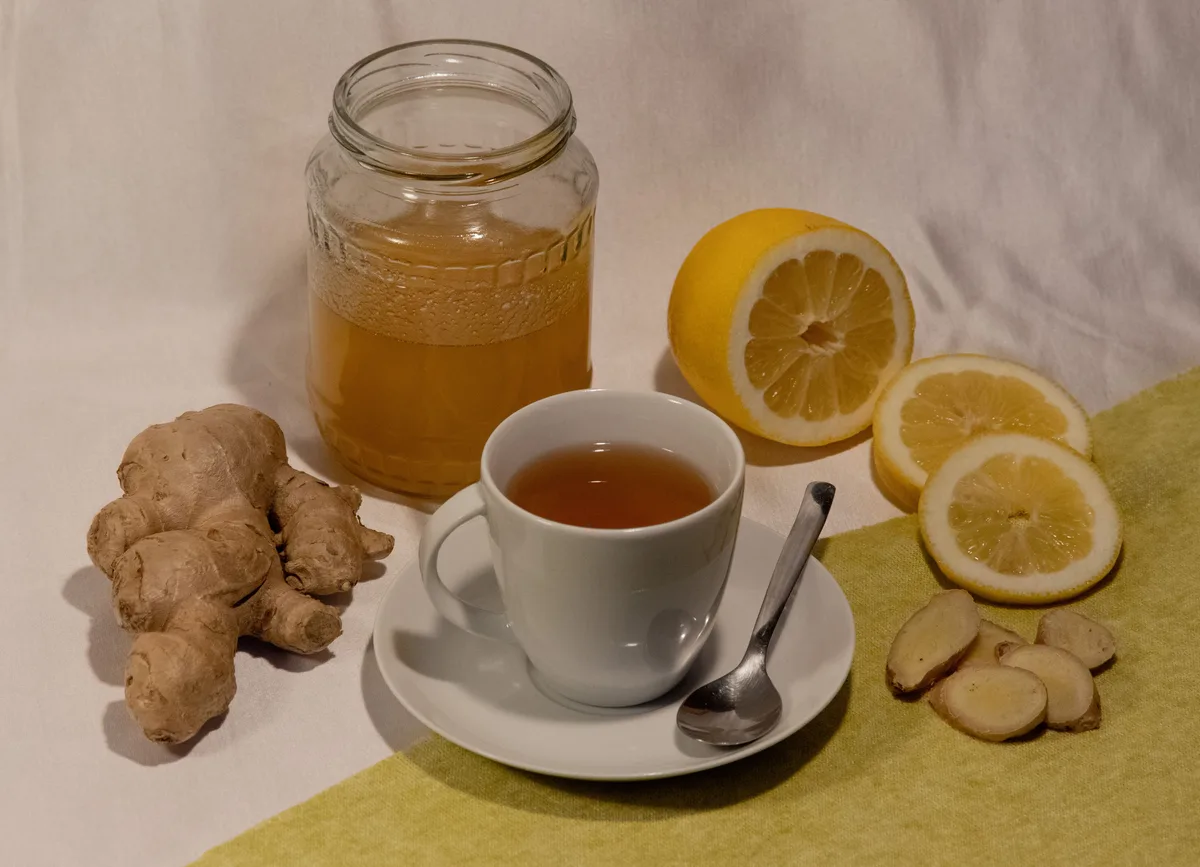
Ginger and cinnamon are the workhorse warming spices. A daily cup of ginger tea, or masala chai with both, in the week before the period is the traditional preparation. The acute use during cramping is the same: a strong cup of ginger tea, or a tablespoon of grated fresh ginger in warm water with honey, provides both the prostaglandin effect and the subjective warming.
Warm cooked food. During the period, cold and raw foods specifically worsen the TCM stagnation picture and reduce blood flow to the digestive tract, redirecting it to perceived warming work. Warm khichdi, warm soup, warm grain bowls. The warming spices post covers the broader category.
Avoid cold drinks. Both traditions are explicit about this, and it aligns with the modern observation that very cold drinks transiently reduce splanchnic blood flow and can worsen perceived cramping in the moment.
Castor oil packs or warm compresses externally. Out of food scope but worth mentioning: external warmth on the abdomen activates the same parasympathetic relaxation that supports pain reduction internally.
The Anti-Inflammatory Daily Diet
The food picture across the cycle determines the inflammatory load that arrives at menstruation. Women on a habitually high-omega-6, low-omega-3, high-refined-carbohydrate, low-vegetable diet have more painful periods on average than women on the opposite pattern. The 2018 study by Najafi and colleagues in BMC Women's Health found that a healthier dietary pattern, low in refined and high-glycemic foods, was associated with lower menstrual pain severity.
The daily pattern:
Omega-3 sources twice or more weekly. Fatty fish (salmon, sardines, mackerel), plus daily ground flaxseed, chia, walnuts. The omega-3 buildup over weeks is what produces the prostaglandin shift, not a single fish meal the week before.
Generous vegetables. Especially leafy greens and cruciferous vegetables (broccoli, cauliflower, cabbage). Provide magnesium, B-vitamins, and the indole-3-carbinol that supports estrogen metabolism.
Whole grains over refined. Whole grains provide B-vitamins (including thiamine), magnesium, and fiber. Refined carbohydrates worsen the inflammatory background.
Minimize industrial seed oils. Excess linoleic acid from refined corn, soy, sunflower, and safflower oils shifts the prostaglandin balance toward the inflammatory 2-series. Use olive oil, ghee, butter, coconut oil, or sesame oil for most cooking.
Limit alcohol. Alcohol worsens both PMS and dysmenorrhea. Reducing or eliminating during the second half of the cycle produces a noticeable difference within a few cycles.
The Targeted Pre-Period and During Period Protocol
The week before and during the period is when the targeted protocol can produce additional benefit.
Two weeks before through the period: ginger daily. A teaspoon of grated fresh ginger in warm water with lemon and honey, or a strong ginger tea, or ginger powder in food. The cumulative anti-prostaglandin effect builds over days.
A few days before: warm cooked food only. Reduce salads, raw vegetables, cold smoothies, and ice in drinks. The TCM-aligned warming protocol begins a few days before flow.
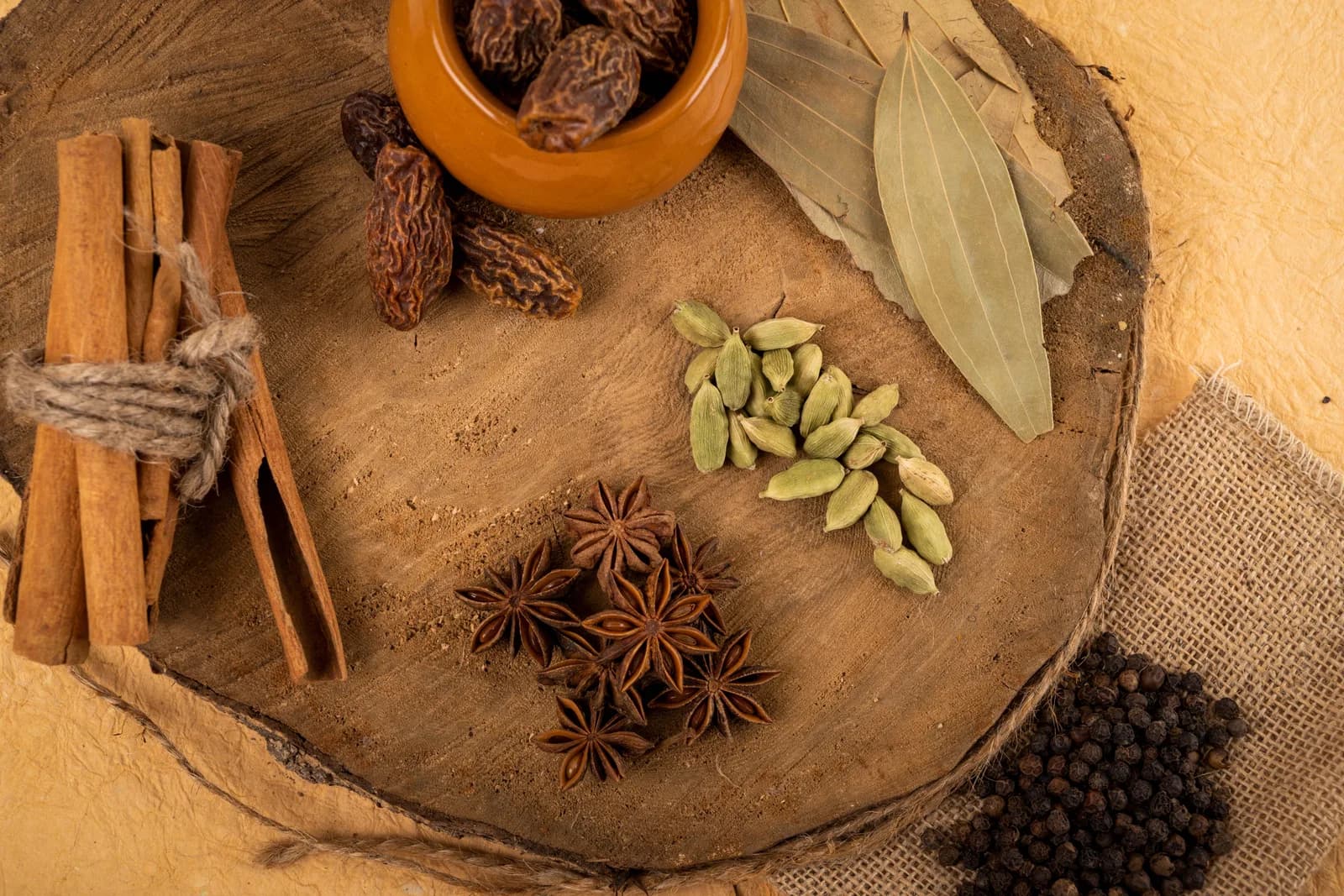
The first three days of flow: warming spices liberally. Ginger, cinnamon, cardamom, black pepper, fennel, cumin. In tea, in food, in warm milk. The spiced bone broth preparation is ideal for this window.
Magnesium support throughout. A handful of pumpkin seeds and a square of dark chocolate daily, or magnesium glycinate supplementation 200 to 400 mg daily, is a reasonable practice for women with significant cramping.
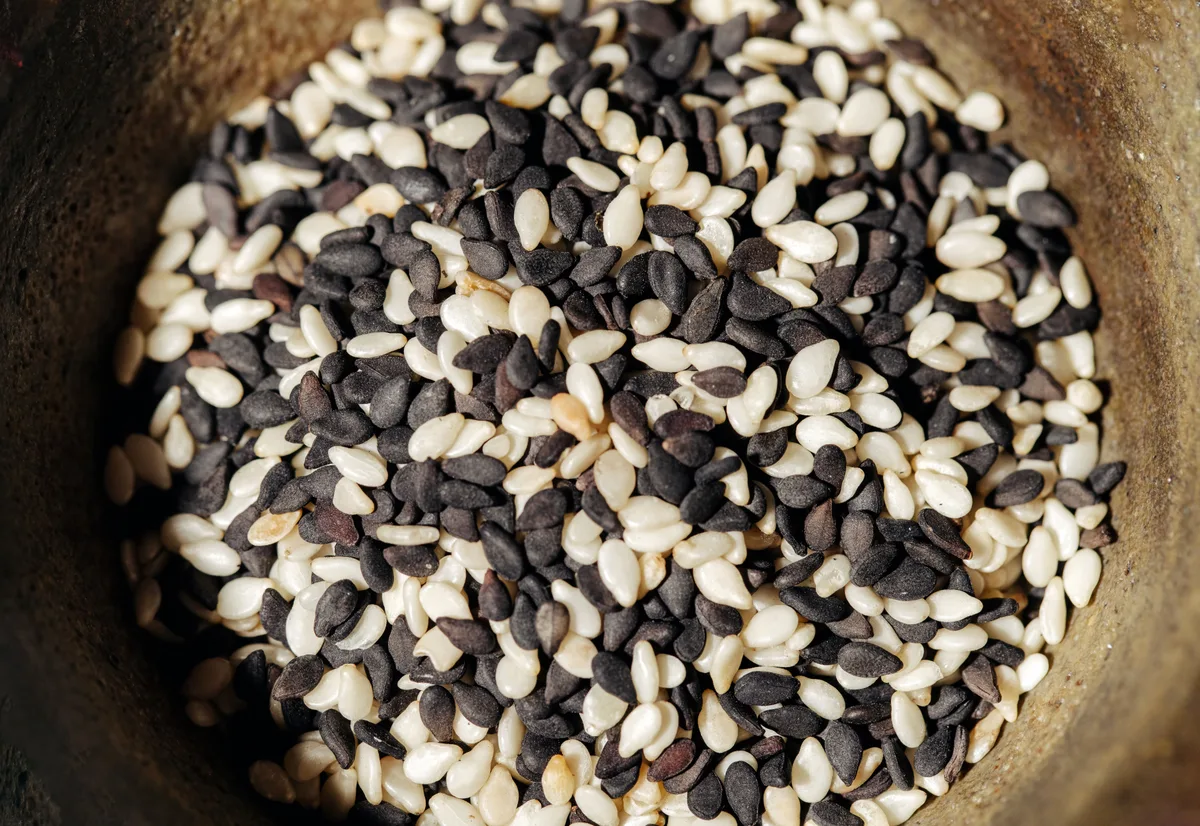
Sesame seeds, especially black. A tablespoon of sesame seeds, or sesame ladoo, or tahini daily during the cycle. Provides iron (the blood loss layer) and magnesium (the cramping layer) in a culturally well-established form.
Frequently Asked Questions
How quickly does this work?
Acute use of ginger or warm food can reduce cramping within an hour. The dietary changes that shift the prostaglandin profile take 2 to 3 cycles to show meaningful effect, because the omega-3-to-omega-6 ratio in cell membranes shifts gradually. Plan for 3 months of consistent eating before judging the response.
Can I still use ibuprofen?
Yes, and many women combine both approaches. The food approach reduces the baseline prostaglandin reservoir; ibuprofen blocks the acute synthesis at the moment of pain. The combination often allows lower NSAID doses than either alone.
When should I worry?
Pain that is worsening over cycles, pain that does not respond to combined food and NSAID approach, pain accompanied by heavy bleeding (changing protection every hour), pain accompanied by gastrointestinal symptoms during periods, or pain that radiates significantly all deserve clinical evaluation. Endometriosis (covered in the upcoming endometriosis post) and fibroids are common underlying causes.
What about coffee?
Mixed picture. Some women find caffeine worsens cramping; others tolerate it fine. The TCM frame is that excess caffeine contributes to liver-qi stagnation, which then worsens menstrual pain; the actionable test is to reduce caffeine in the week before and during the period and observe.
The Steady-State Lesson
Painful periods are a problem the food approach addresses meaningfully. The baseline diet matters most: a Mediterranean-style anti-inflammatory pattern shifts the prostaglandin ratio toward less inflammation over months. The targeted ginger-and-warming-spice protocol in the week before and during the period adds incremental benefit. The combination, used consistently across multiple cycles, produces measurable pain reduction in most women.
For the broader cycle picture, see cycle-syncing the Ayurveda way and the iron-rich foods post for the blood-rebuilding side. Period pain is not a moral burden; it is a physiological signal that responds, slowly, to consistent food choices.
Comments
Share your thoughts on this post.
Sign in to comment0 Comments