Why "Not Too Sweet" Is the Highest Praise a Dessert Can Get
Hand a Chinese aunt a slice of cake and listen to the verdict. If it is good, the phrase you will hear is bu tai tian, not too sweet. It is not faint praise or a hedge. It is the highest compliment available in the category, and the same phrase exists in Korean, Japanese, Cantonese and Vietnamese, doing exactly the same job.
Western dessert culture has no equivalent, which is why the compliment lands strangely in translation. It sounds like someone saying a dish failed to be what it was supposed to be. What it actually means is that the cook had control.
Sweetness as a fault, not a target
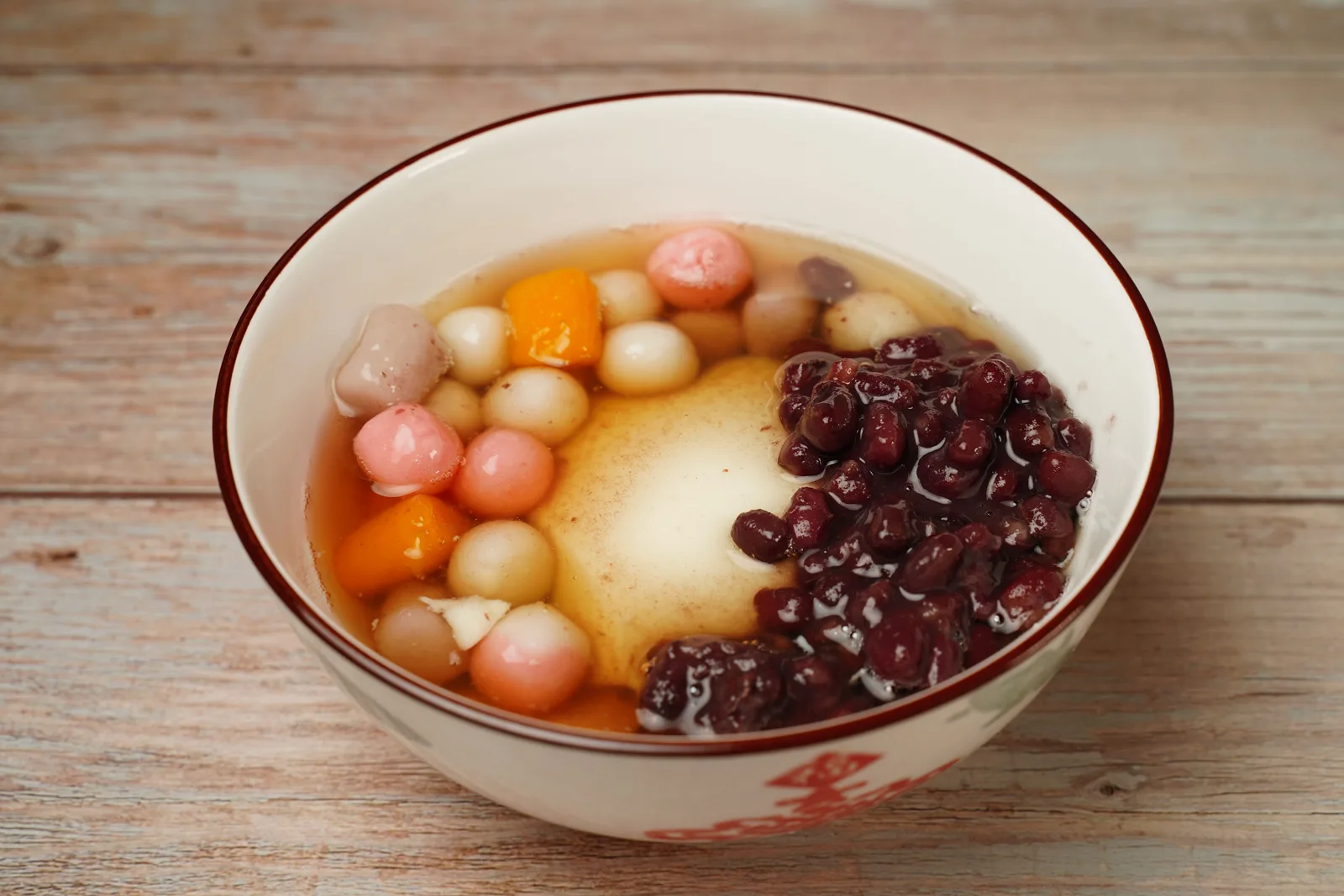
In most Asian dessert traditions sugar is a seasoning rather than a destination. The point of a red bean soup is the bean, and the sugar exists to make the bean taste more like itself. Cross a line and the sugar is all you taste, the ingredient disappears behind it, and the cook has failed at the actual job.
This inverts the Western assumption, where sweetness is what a dessert is for and more of it is usually better. Under that assumption, saying not too sweet reads as damning. Under the other one, it means the flavour underneath survived.
Once you hear it that way, a lot of Asian desserts stop seeming underpowered. A snow fungus dessert soup is barely sweet because it is about texture and a faint floral note, and burying that in sugar would destroy the reason for making it.
What the sweetness comes from instead
The other half of the story is that Asian desserts get their sweetness from ingredients that bring something with them, rather than from refined white sugar alone.
Palm sugar and jaggery carry caramel, smoke and mineral notes because they are unrefined. Red dates, longan and dried persimmon sweeten Chinese soups while adding their own flavour, as in red date sticky rice. Coconut does the same across Southeast Asia. Rice syrup and malt sweeten Korean and Japanese sweets with a maltiness that sugar lacks entirely.
A sweetener that tastes of something can be used in smaller quantity and still register. That is not a health argument, it is a flavour one.
Texture is doing the work sugar does elsewhere
Western dessert leans on fat and sugar for pleasure. A great deal of Asian dessert leans on texture instead, and the vocabulary for it is far more developed.
Chewiness, bounce, slipperiness, the specific resistance of a tapioca pearl or a rice cake. Mochi style glutinous textures, the slip of grass jelly, the collapse of a well made kheer against the grain of rice still holding shape. Korean and Chinese dessert menus often organise themselves by texture as much as by flavour.
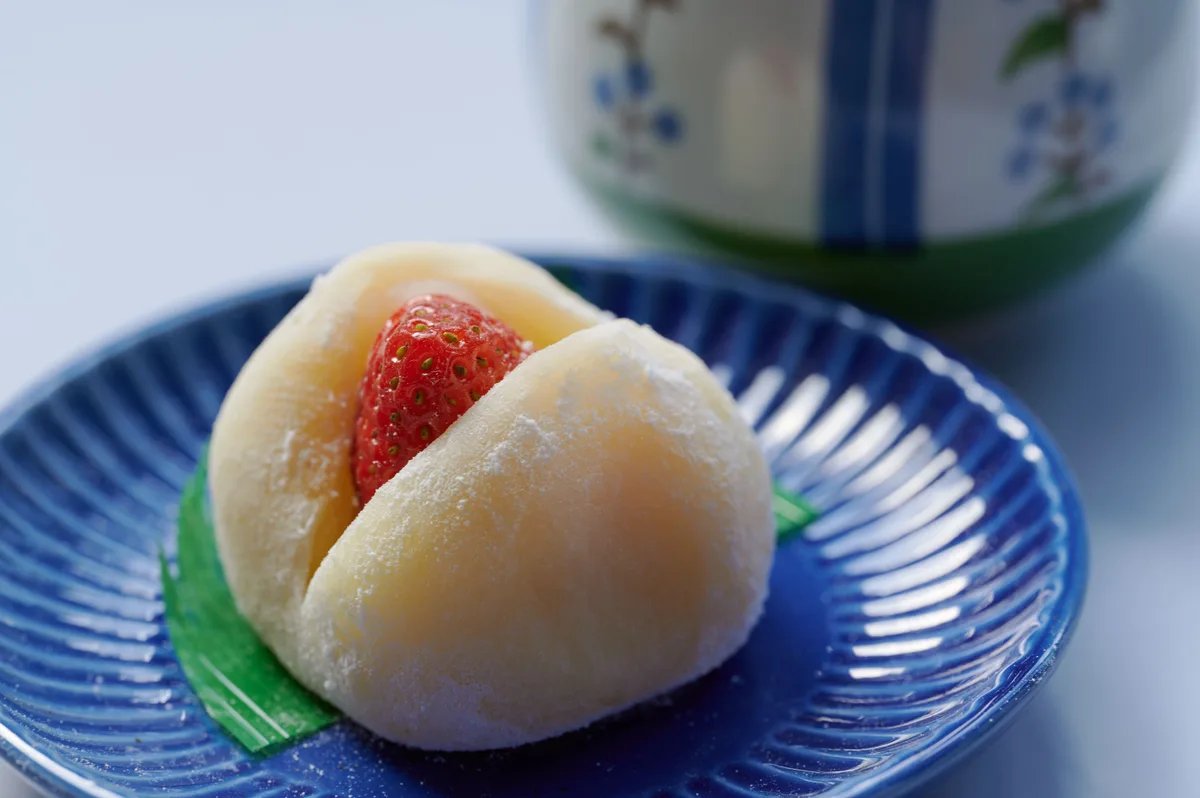
If texture is the pleasure, sugar is free to stay low. If sugar is the pleasure, it cannot.
The exceptions, and they are enormous
It would be wrong to leave this as Asian desserts are restrained, because a great many of them are not.
Indian sweets are the loudest counterexample on earth. Gulab jamun is fried dough held in sugar syrup. Jalebi is a syrup delivery mechanism. Motichoor ladoo and mysore pak are ghee and sugar in nearly equal measure, and nobody in India would praise any of them for being restrained.
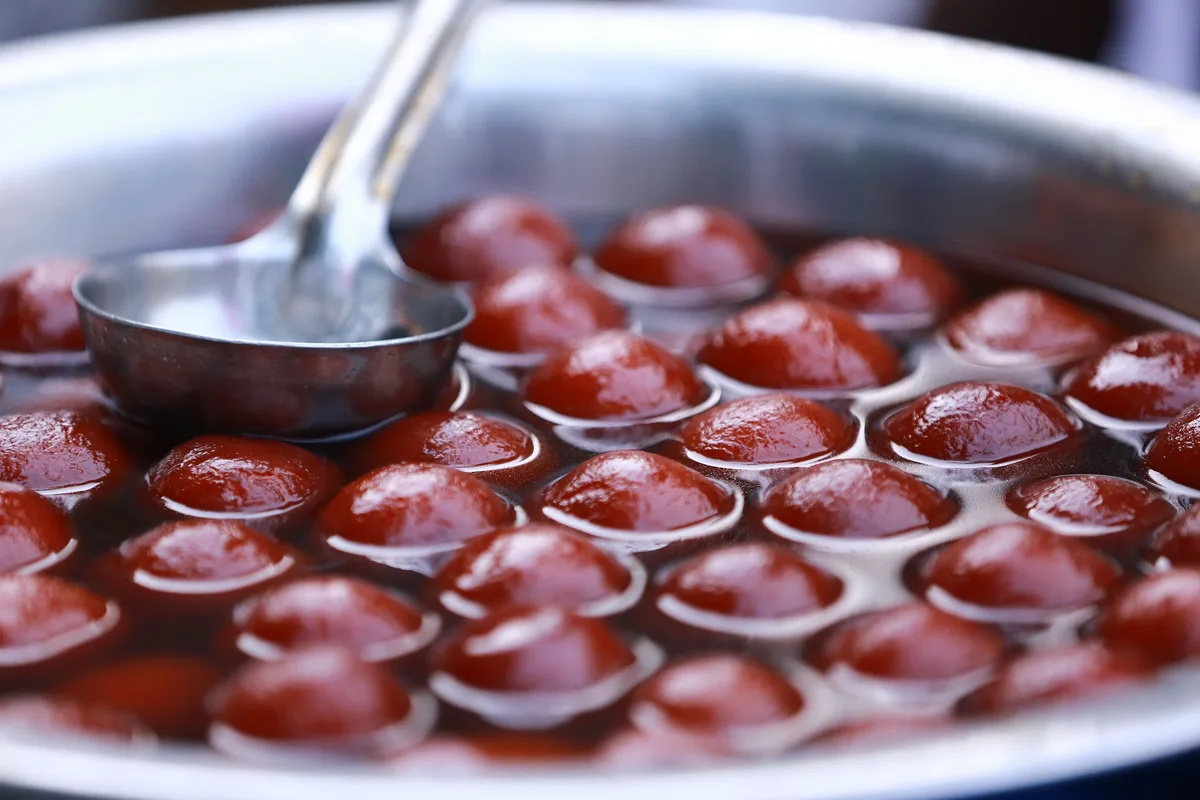
The Indian tradition has its own logic. Sweets are festival and offering food, made for occasions rather than for the end of every meal, and the sweetness is part of the point on those occasions. The daily version of Indian dessert is much lighter, closer to shrikhand or a bowl of payasam.
Similarly, plenty of Chinese and Filipino sweets are extremely sugary, and Korean dessert cafes now sell cakes as sweet as anything in Paris.
The modern version of the compliment
Not too sweet has developed a second life as a marketing phrase. It appears on bubble tea menus with adjustable sugar levels, on bakery signage in Taipei and Seoul, and in the pitch for basically every Asian bakery that has opened in a Western city in the last decade.
The sugar-level slider on a tea menu is the clearest expression of the idea: sweetness is a variable the customer controls, not a fixed property of the drink. Most regular customers order well below the default.
Frequently asked questions
Is not too sweet actually a compliment?
Yes, unambiguously. It means the sweetness was controlled well enough that the main ingredient still comes through. Saying a dessert is very sweet, in the same conversation, is usually a criticism.
Are Asian desserts healthier?
Not necessarily, and that is not what the phrase is about. Plenty contain a great deal of sugar, fat or both. The idea is about flavour balance rather than nutrition.
Why do Western desserts taste so sweet to some people?
Sugar tolerance is largely learned. Someone raised on desserts where sugar is a seasoning finds a frosted cake overwhelming, in the same way someone raised on mild food finds a hot curry painful. Both adjust with exposure.
What to cook
For the restrained end, snow fungus dessert soup is the clearest demonstration of a dessert built on texture with sugar in a supporting role. Kheer sits in the middle, sweet but carried by reduced milk and cardamom. And if you want to see the opposite argument made properly, gulab jamun is unapologetic and very good at being what it is.
Comments
Share your thoughts on this post.
Sign in to comment0 Comments