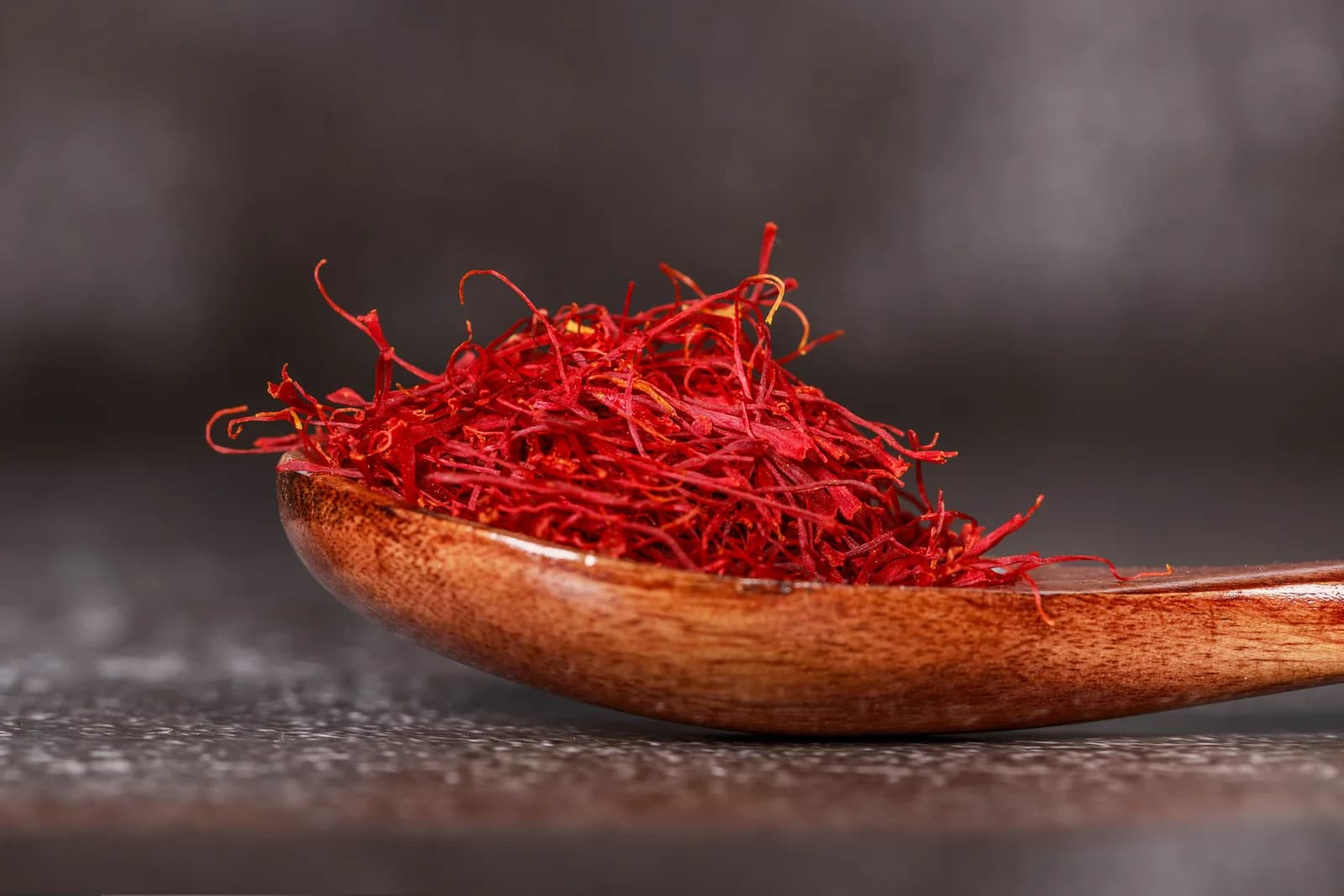
Saffron for Mood and Memory: What the Cognitive Trials Actually Show
Saffron for Mood and Memory: What the Cognitive Trials Actually Show
The mood and cognitive evidence for saffron is among the strongest in the functional-food category, and it sits in an unusual position: a culinary spice with comparable effect sizes to standard antidepressants in head-to-head trials, and with measurable cognitive benefits in mild cognitive impairment populations. This is not the language of usual supplement marketing; it is the language of the actual clinical literature on Crocus sativus.
This post is the cognitive companion to the women's-health saffron post. The botanical details, the cooking techniques, the quality verification, and the practical preparations are covered there. This post focuses on what saffron does to mood and cognition specifically, with attention to who benefits, how much, and how the effects build over time.
The headline result: saffron at 30 mg per day appears to produce antidepressant effects comparable to fluoxetine, anti-anxiety effects comparable to imipramine, and cognitive benefits in mild cognitive impairment comparable to donepezil. The mechanism appears to involve serotonin modulation, BBB-crossing carotenoid antioxidants, and reduction of amyloid pathology in models of Alzheimer's disease. None of these claims would seem credible without the trials backing them up. The trials are there.
The Depression Evidence
Six randomized trials between 2004 and 2015 compared saffron at 30 mg per day to either standard SSRI antidepressants or placebo for major depression. The 2014 meta-analysis by Lopresti and Drummond in Human Psychopharmacology pooled these and concluded that saffron was significantly more effective than placebo and not statistically different from imipramine or fluoxetine at standard doses. The effect sizes were clinically meaningful: most trial participants in the saffron groups showed clinical improvement (>50% reduction in depression scores) within 6 to 8 weeks.
For mild-to-moderate depression specifically, the case for saffron as a first-line option (alongside or instead of an SSRI) is genuinely supported by the trials, particularly for people who want to avoid the side-effect profile of SSRI medications or who have not tolerated them well.
This does not extend to severe depression, where the trials have not been conducted and where pharmaceutical or other clinical interventions are required. For severe depression, suicidality, or treatment-resistant depression, saffron is not appropriate as a stand-alone intervention; it may be a useful adjunct alongside primary care.
The Anxiety Evidence
Several smaller trials have shown saffron's anxiolytic effects, with effect sizes comparable to standard medications at doses of 30 mg daily. The 2017 trial by Ghajar and colleagues in Pharmacopsychiatry gave 66 adults with major depression and anxious distress either 30 mg of saffron extract daily or 40 mg of citalopram daily for 6 weeks. Both groups improved significantly, with no statistical difference between the two on anxiety or depression scores.
The mechanism appears to be a combination of serotonin modulation and the GABA-receptor effects of safranal. The effect builds gradually over 4 to 6 weeks of consistent use.
The Cognitive Trials
The cognitive evidence for saffron is most developed in mild cognitive impairment and early Alzheimer's disease. Two trials are particularly notable.
The 2010 trial by Akhondzadeh and colleagues in Psychopharmacology compared saffron 30 mg daily to placebo in 46 adults with mild-to-moderate Alzheimer's disease over 16 weeks. The saffron group showed significantly less cognitive decline than the placebo group as measured by standard cognitive assessment tools. The effect size was clinically meaningful and the safety profile was excellent.
A 2014 follow-up trial by Farokhnia and colleagues in Human Psychopharmacology compared saffron 30 mg daily to donepezil (the standard Alzheimer's medication) in 68 adults with mild-to-moderate Alzheimer's over 22 weeks. There was no statistical difference between the saffron group and the donepezil group on cognitive measures. Saffron had significantly fewer side effects.
For healthy adults concerned about cognitive maintenance, the evidence is thinner but suggestive. The mechanisms documented in MCI populations (carotenoid antioxidant effects in brain tissue, neuroinflammation reduction, possible direct effects on amyloid pathology) plausibly operate as protective factors in healthy adults as well, though this has not been directly tested.
The Mechanism
Why does a culinary spice produce effects comparable to specifically engineered pharmaceuticals? Several mechanisms have been identified.
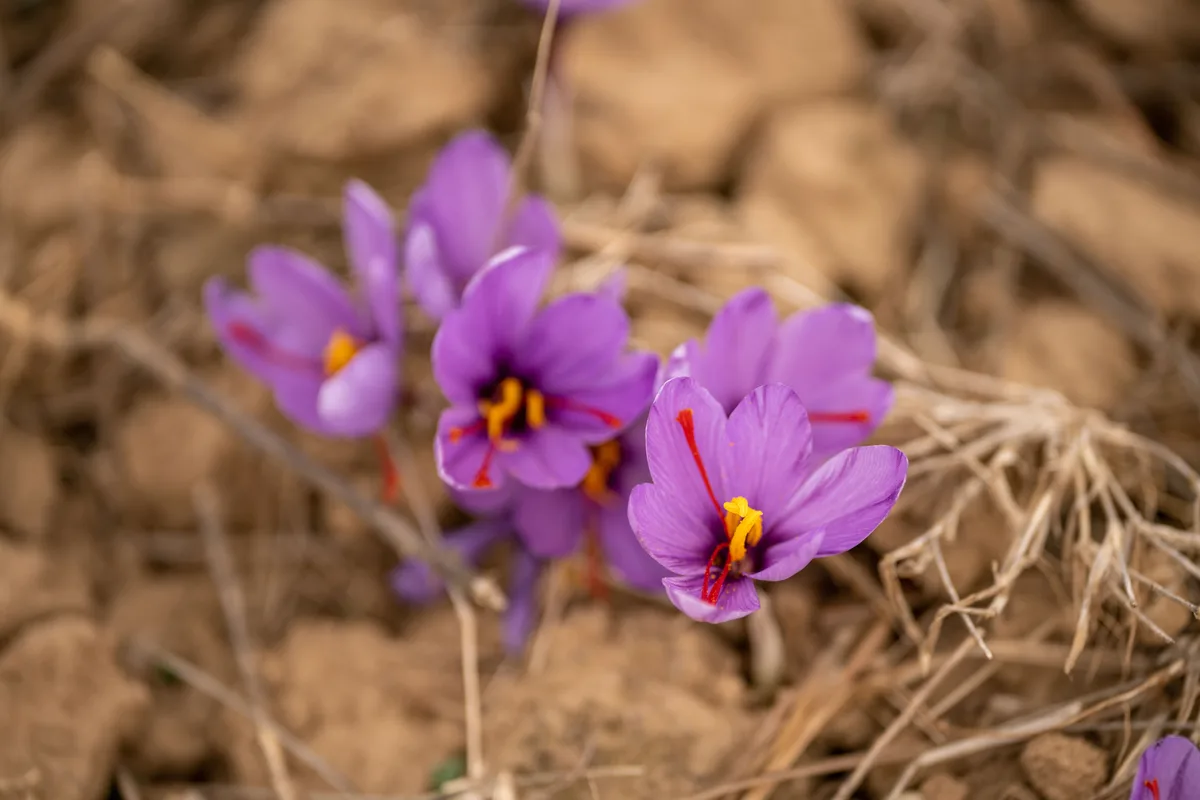
Serotonin reuptake modulation. Crocin and safranal both inhibit serotonin reuptake in vitro, producing an SSRI-like effect at lower potency. This is the mechanism most associated with the mood and PMS effects.
BBB-crossing antioxidants. Crocetin (the smaller saffron carotenoid) crosses the blood-brain barrier directly and acts as an antioxidant in neural tissue. The cognitive protective effects appear to operate primarily through this pathway.
Neuroinflammation reduction. Saffron compounds inhibit several inflammatory pathways relevant to brain function, including some that are implicated in depression and Alzheimer's.
Anti-amyloid effects. Several animal studies and in vitro work have shown that saffron compounds reduce amyloid plaque formation and tau hyperphosphorylation, two pathological hallmarks of Alzheimer's disease. The clinical relevance in humans is plausible but not directly demonstrated.
BDNF upregulation. Several studies have shown that saffron compounds increase brain-derived neurotrophic factor, the same growth factor that brahmi and exercise both modulate.
The combination of these mechanisms explains why the effects appear consistently across trials and across multiple indications. Saffron is not a single-mechanism intervention; it is a multi-mechanism support that addresses several aspects of mood and cognition simultaneously.
Practical Use for Cognitive Support
The dose used in most positive trials is 30 mg of saffron daily. For someone using saffron primarily through cooking, this is achievable but requires consistent attention. For someone using saffron as a targeted cognitive intervention, supplementation is more reliable.
A practical daily integration:
Saffron tea or warm water in the morning. 5 to 6 strands steeped in warm water for 10 minutes, drunk before breakfast. Delivers roughly 10 mg of saffron.
Saffron in food, midday or evening. A pinch of saffron in rice, dal, or warm milk preparation. Another 10 to 15 mg.
Saffron-and-ghee preparation. A few strands warmed in ghee, drizzled on rice or warm milk. The fat-solubility issue covered in the ghee for the brain post applies; saffron carotenoids absorb meaningfully better when carried by fat.
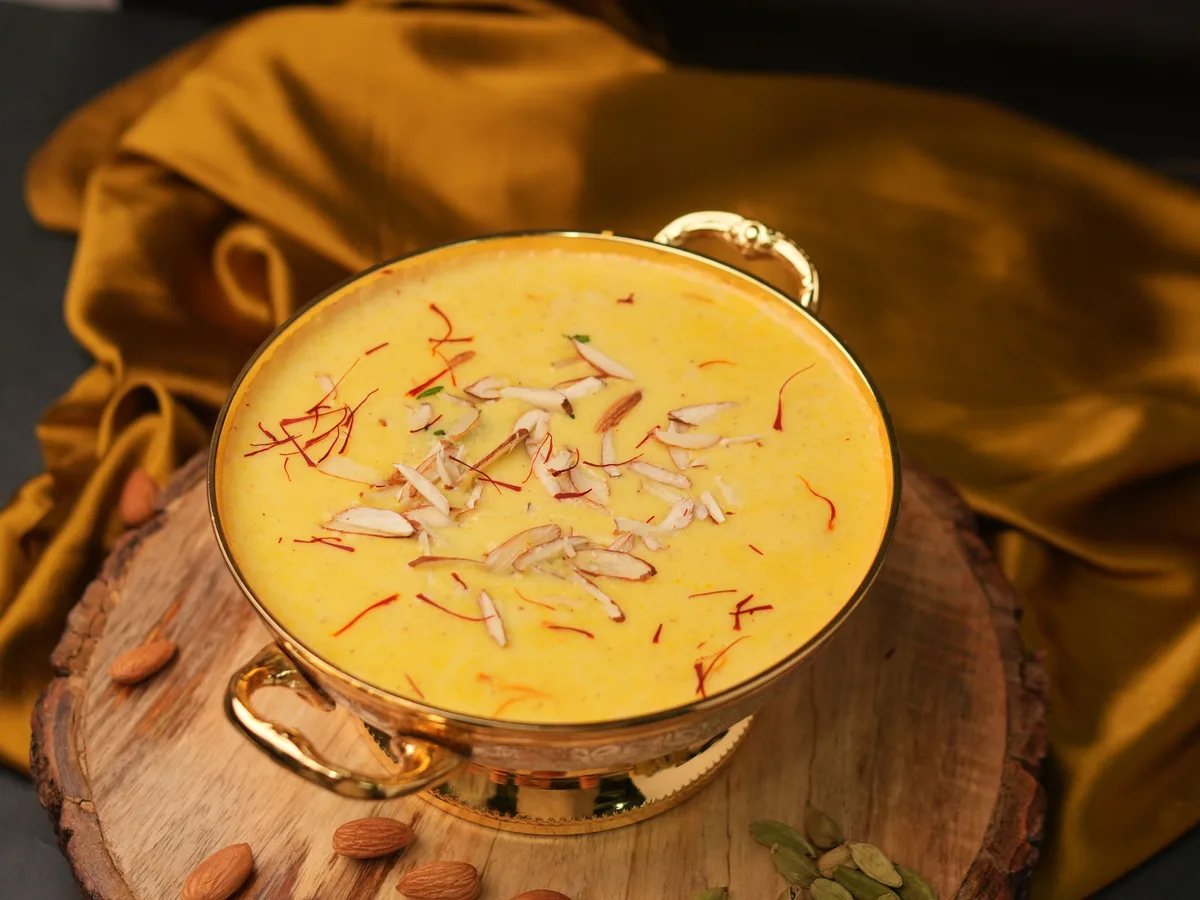
For someone wanting a precise therapeutic dose, a saffron supplement standardized to 30 mg of stigma per capsule, taken with food, matches the trial doses.
Saffron in Context
Saffron is one element of a broader cognitive-food picture. For the trials and clinical decisions, it can stand alone or pair with conventional treatment. For daily practice, it works as part of the same architecture covered in the rest of this cluster.
The combinations that make sense:
Saffron and brahmi. Brahmi addresses memory consolidation; saffron addresses mood, cognition through neuroinflammation reduction, and the depressive cognitive symptoms that sometimes overlap with memory complaints. The mechanisms do not conflict.
Saffron and ashwagandha. Ashwagandha addresses cortisol-driven stress; saffron addresses serotonin-driven mood. The combination, often appearing in the moon milk preparation, addresses two major contributors to cognitive and mood symptoms simultaneously.
Saffron and ghee. The fat-soluble carotenoids absorb better with fat. The traditional Persian and Mughal preparations always incorporated saffron with cooking fats.
Saffron with omega-3 sources. The neuroinflammation-reduction mechanisms of both compound usefully.
What Saffron Will Not Do
Saffron at therapeutic doses (30 mg daily) is well-tolerated and produces meaningful effects. Several caveats apply:
Not appropriate during pregnancy at therapeutic doses. Small culinary amounts are traditional; therapeutic doses are not appropriate.
Not a substitute for clinical care in severe depression or significant cognitive decline. It is a meaningful adjunct.
Drug interactions. Saffron can mildly potentiate the effects of SSRI medications; people on SSRIs should consult a clinician before adding therapeutic-dose saffron.
High doses cause adverse effects. Above 1.5 grams daily, nausea, headache, and more serious effects can occur. The therapeutic range (30 to 100 mg daily) is far below this.
Frequently Asked Questions
How long until I notice anything?
For mood, 4 to 6 weeks at the therapeutic dose. For cognition in MCI populations, 12 to 16 weeks based on the trial timelines. For healthy adults seeking cognitive maintenance, the effects build over months and are difficult to attribute precisely to saffron specifically.
Is saffron better than an SSRI?
For mild-to-moderate depression, the head-to-head trials suggest comparable efficacy with a better side-effect profile. This does not mean saffron should replace SSRIs without clinical guidance, but it does mean saffron is a legitimate option worth considering and discussing with a clinician.
Can I use saffron with antidepressants?
Possibly, but consult a clinician first. The serotonin-modulating effects of saffron could theoretically compound with SSRIs; the clinical evidence for combined use is limited.
What about saffron for ADHD?
There is preliminary trial evidence for saffron in ADHD: a 2019 study by Baziar and colleagues in Journal of Child and Adolescent Psychopharmacology compared saffron to methylphenidate (the standard ADHD medication) in 50 children with ADHD over 6 weeks. The two groups showed similar improvement. The trial was small but suggests saffron is worth considering in pediatric ADHD with clinician involvement.
The Daily Practice
Saffron for cognitive support is best understood as a daily practice that compounds over months, not as a single-dose intervention. The Persian and Indian traditions that integrated saffron into daily cooking effectively created a low-grade daily therapeutic dose that operated as a population-level cognitive and mood support across the cuisine.
For the women's-health applications of the same spice, see saffron for PMS, mood, and skin. For the cognitive cluster, see brahmi, ghee for the brain, and the gut-brain axis for clearer thinking. Saffron is one of several daily practices that build cognitive resilience over time. The cumulative effect is meaningful; the single-dose effect is modest. Daily matters more than dose.
Comments
Share your thoughts on this post.
Sign in to comment0 Comments