Vietnamese Cuisine
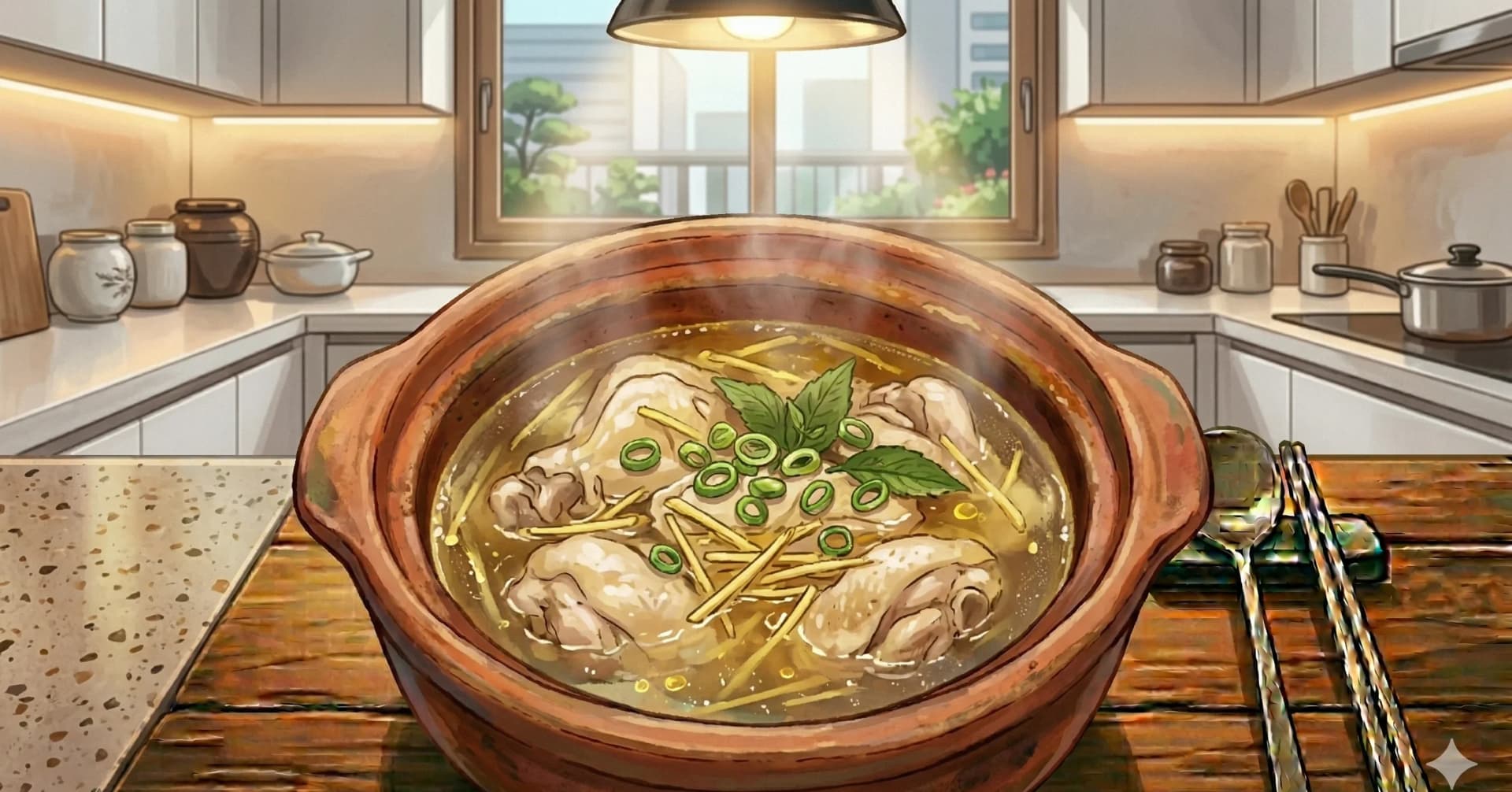
Canh Gà Gừng (Vietnamese Chicken Ginger Soup)
A light, deeply aromatic chicken soup built on a foundation of bruised ginger and fish sauce, served steaming hot with fresh herbs and a squeeze of lime
There is a short list of dishes that every Vietnamese home cook knows by heart, and canh gà gừng sits near the top. It is not a project. It is not a weekend commitment. It is the soup you make on a Tuesday evening when someone in the house is sniffling, when the weather has turned cool, or when you simply want something warm and clean and honest in a bowl. The ingredient list is brief. The technique is forgiving. The result is a clear, golden broth that tastes almost entirely of ginger and chicken, sharpened with fish sauce and brightened at the table with lime and herbs.
The word canh refers to a category of Vietnamese soups served alongside rice as part of a family meal, lighter and more brothy than the noodle soups like phở gà or bún riêu. Where phở demands charred aromatics and a constellation of warm spices, canh gà gừng asks only for ginger, and plenty of it. The ginger is sliced thin and sometimes lightly bruised to release its oils, then simmered with bone-in chicken until the broth carries a warmth that you feel in your throat and chest. Some cooks add napa cabbage or chayote (su su) to round out the pot, turning the soup into a complete one-pot meal.
What makes this soup quietly remarkable is how much flavor it draws from so little. Chicken, ginger, fish sauce, a few shallots, and water. That is the foundation. The rest is restraint: a gentle simmer rather than a rolling boil, seasoning added in stages rather than all at once, and the understanding that the garnishes at the table (scallions, cilantro, black pepper, lime) are not decoration but the final layer of seasoning. If you have made cháo gà or tom kha gai, you already know what ginger and chicken can do together. This is the most direct expression of that pairing.
At a Glance
Yield
4 to 6 servings
Prep
15 minutes
Cook
40 minutes
Total
55 minutes
Difficulty
Easy
Ingredients
- 1½ lbbone-in, skin-on chicken pieces (thighs and drumsticks work best)
- 1½ qtwater
- ⅞ cupfresh ginger (about 10 cm), peeled and sliced into thin coins
- 2medium shallots, peeled and halved
- 2 tbspfish sauce, plus more to taste
- 1 tspgranulated sugar
- 1/2 tspfine sea salt, plus more to taste
- 1/2 tspfreshly ground black pepper
- 7 oznapa cabbage, cut into 5 cm pieces, leaves and stems separated
- 1medium chayote (su su), about 250 g, peeled, seeded, and cut into thin wedges
- 2scallions, thinly sliced on a bias
- 1small bunch fresh cilantro, roughly chopped
- —Freshly ground black pepper
- 1lime, cut into wedges
- 1to 2 fresh red chilies, thinly sliced (optional)
Method
- 1
Prepare the chicken. Rub the chicken pieces with 1 teaspoon of coarse salt, working it into the skin and joints. Rinse thoroughly under cold running water and drain well. This step removes surface impurities and helps produce a cleaner broth. Pat dry with paper towels.
- 2
Bruise the ginger. Lay the ginger coins on a cutting board and press down firmly with the flat side of a knife blade until each coin cracks slightly. You are not trying to crush them into paste, just opening the fibers so they release their aromatic oils more readily into the broth.
- 3
Build the broth. Place the chicken pieces, bruised ginger, and shallot halves in a large stockpot. Add the water. Bring to a boil over high heat. As soon as it boils, reduce the heat to maintain a gentle, steady simmer. Skim any grey foam that rises to the surface during the first 5 minutes. This is the window that matters most for clarity; after the initial skim, very little foam will appear.
- 4
Simmer the soup. Partially cover the pot and cook at a low simmer for 25 minutes. The chicken is done when the meat pulls easily from the bone and the juices at the thigh joint run clear. Do not boil the soup aggressively; a hard boil will make the broth cloudy and cause the chicken to toughen.
- 5
Season the broth. Add the fish sauce, sugar, salt, and black pepper. Stir gently and taste. The broth should be savory and warm with a pronounced ginger character. Adjust the fish sauce for depth or add a small pinch of sugar if the ginger tastes too sharp. The seasoning should be satisfying on its own but leave room for the lime and garnishes to do their work at the table.
- 6
Add the vegetables, if using. If including chayote, add the wedges to the pot and simmer for 5 minutes until they are translucent and just tender. Add the napa cabbage stems first, cook for 2 minutes, then add the leafy parts and cook for 1 to 2 minutes more until wilted but still bright green. The vegetables should retain a slight bite; overcooked cabbage turns sulphurous and muddy.
- 7
Serve. Ladle the soup into deep bowls, dividing the chicken pieces and vegetables evenly. Scatter sliced scallions and cilantro over the top. Finish with a generous crack of black pepper. Set lime wedges and sliced chilies on the table so each person can adjust their bowl. Serve with steamed jasmine rice on the side.
Key Ingredient Benefits
Ginger: The aromatic backbone of this soup. Fresh ginger contains gingerols, which convert to shogaols when dried or cooked. Both compounds have been studied for anti-nausea and anti-inflammatory properties. In Vietnamese traditional medicine, ginger is considered essential for warming the body after illness, during cold weather, and in postpartum recovery. The amount used here (80 g for the pot) is generous by Western standards but typical for a Vietnamese healing soup. See the Ginger ingredient guide.
Fish sauce: Fermented from anchovies and salt over 12 to 24 months, fish sauce is the primary seasoning in Vietnamese cuisine. It contributes sodium, glutamic acid, and a complex savory depth. A tablespoon contains roughly 1,400 mg of sodium, so season gradually and taste as you go. See the Fish Sauce ingredient guide.
Napa cabbage: A mild brassica that wilts quickly into soup without overpowering delicate flavors. It provides vitamins C and K, and its high water content helps keep the broth light. The stems hold a pleasant crunch even after brief cooking, which is why they go into the pot before the leaves.
Chayote (su su): A gourd widely used in Vietnamese soups and stir-fries. It has a mild, slightly sweet flavor and a crisp texture that softens to translucent when simmered. Chayote is low in calories and provides modest amounts of vitamin C and folate. It absorbs the ginger broth beautifully, making each bite taste like a concentrated sip of soup.
Chicken (bone-in, skin-on): Dark meat on the bone produces the richest, most gelatinous broth. The collagen in the joints and connective tissue of thighs and drumsticks converts to gelatin during simmering, adding body without any added thickeners.
Why This Works
The ginger does the heavy lifting in this soup, and the technique of bruising it before simmering is what separates a mildly gingery broth from one that genuinely warms you. When you crack the ginger with the flat of a knife, you rupture the cells that contain gingerols and other aromatic compounds, exposing far more surface area to the hot liquid than slicing alone would achieve. The result is a broth that tastes intensely of ginger without needing to add so much that the texture becomes fibrous.
Using bone-in, skin-on chicken rather than boneless cuts is essential for two reasons. The bones release collagen during the simmer, which dissolves into gelatin and gives the finished broth a silky, lip-coating body that water alone cannot provide. The skin and its underlying fat carry and distribute the volatile aroma compounds from the ginger and shallots, making each spoonful more fragrant.
Fish sauce provides a layer of umami that salt cannot replicate. It is a fermented product rich in glutamic acid, the same compound responsible for the savory depth in aged cheese and soy sauce. A small amount, added during the simmer, integrates completely into the broth. The sugar is not there to sweeten; it softens the sharp edges of the ginger and rounds out the salinity of the fish sauce, creating a more balanced overall flavor.
Keeping the broth at a gentle simmer rather than a boil is a deliberate choice. A rolling boil emulsifies the fat into the liquid, making the broth cloudy and greasy on the palate. A gentle simmer keeps the fat floating on the surface where it can be skimmed or left as a thin, glistening layer, and the broth stays clear and light.
Substitutions & Variations
Chicken cuts: Bone-in, skin-on thighs and drumsticks produce the best broth. If you prefer white meat, use bone-in breast halves but reduce the simmering time by 5 to 8 minutes to avoid drying the meat. A whole small chicken (about 1.2 kg) works well for a larger batch.
Ginger intensity: For a milder soup, reduce the ginger to 50 g. For a more assertive, medicinal-strength version (common during cold and flu season), increase to 120 g and add a few coins of galangal alongside for a layered heat.
Vegetables: Chayote is the most traditional addition, but daikon radish (cut into half-moons), winter melon, or bok choy are all common substitutes. Green papaya, cut into thin strips, is used in some southern Vietnamese versions.
Braised variation (gà kho gừng): For a richer, more concentrated dish, cut bone-in chicken into smaller pieces, sear them in a hot pan with oil until golden, then add caramelized sugar (nước màu), sliced ginger, fish sauce, and just enough water to barely cover. Simmer covered until the chicken is tender and the sauce is thick and glossy. Serve over steamed rice. This approach, popularized by Hungry Huy, transforms the same core ingredients into something closer to a braise than a soup.
Instant Pot or pressure cooker: Place all soup ingredients (chicken, ginger, shallots, water, fish sauce, sugar, salt) in the pot. Cook on high pressure for 15 minutes, then quick-release. Add vegetables after releasing pressure and simmer on the saute setting for 3 to 5 minutes.
Without fish sauce: Substitute with 1 tablespoon of soy sauce and 1/2 teaspoon of salt. The flavor profile will shift, but the ginger and chicken will still carry the soup.
Serving Suggestions
Canh gà gừng is most traditionally served as part of a Vietnamese family-style meal (cơm nhà), where several dishes share the table alongside a large pot of steamed jasmine rice. The soup is ladled into individual bowls, and each person spoons broth and rice together. A plate of stir-fried morning glory (rau muống xào tỏi) or a simple cucumber salad makes a natural companion.
For a soup-focused meal, serve larger portions with rice noodles (bún) added directly to the bowl, turning it into something closer to a noodle soup. This is not traditional but is a practical weeknight approach that makes the dish more filling.
The soup pairs naturally with other Vietnamese comfort dishes. Serve alongside cháo gà for a chicken-and-ginger themed table, or offer it as a warming starter before gà kho gừng, the braised ginger chicken that shares the same aromatic foundation. For a Southeast Asian soup spread, pair with tom kha gai and khao tom to explore how different cuisines build warming soups from chicken, ginger, and rice.
Storage & Reheating
Refrigerator: Store the soup with the chicken in an airtight container for up to 4 days. Keep any vegetables separate if possible, as napa cabbage becomes very soft after a day in the broth.
Reheating: Warm gently on the stovetop over medium-low heat until the broth is steaming. Avoid boiling, which will toughen the chicken. If the broth has reduced or thickened from the gelatin setting, add a splash of water to restore its consistency.
Freezing: The broth and chicken freeze well together for up to 2 months. Freeze without the vegetables, as cabbage and chayote do not hold their texture after freezing. Thaw overnight in the refrigerator and reheat on the stovetop. Add freshly cooked vegetables when reheating.
Make-ahead broth: The broth can be made a day ahead and refrigerated. Any fat will solidify on the surface and can be lifted off easily before reheating. This makes the soup even lighter.
Cultural Notes
Canh gà gừng, Vietnamese chicken ginger soup, belongs to the broader canh tradition that runs through Vietnamese cooking. Canh is the category of light, clear, broth-based soups that show up at almost every Vietnamese family meal. It is not really a separate course in the Western sense. Vietnamese families typically spoon it over rice or slurp it straight from the bowl between bites of other dishes, with the soup doing the double work of palate-cleanser and hydration through the meal.
Ginger has a special standing in Vietnamese kitchens. It is a flavor agent and a traditional medicine at the same time, prescribed in Vietnamese folk medicine for the broad family of cold-and-damp conditions: sluggish digestion, the early stages of a cold, postpartum recovery, and any case where the body needs warming. Vietnamese cooking organizes ingredients along an âm-dương (hot-to-cold) spectrum, a parallel to Chinese yin-yang thinking, and ginger sits firmly at the hot end. Pair it with chicken, which is moderately warming on its own, and you get a soup considered specifically restorative.
The dish has a particular role in postpartum recovery. Vietnamese mothers traditionally drink large amounts of canh gà gừng during the cữ, the postpartum confinement period that can last anywhere from 30 to 100 days, during which the diet prescribes warming foods almost exclusively.
The simplicity is part of the appeal. Chicken, ginger, fish sauce, water, time. That short ingredient list makes canh gà gừng one of the most reliable preparations for a novice cook and the most universal across regional Vietnamese cuisines. Unlike the more complex regional soups like bún bò Huế or bún riêu, this one exists in nearly identical form in northern, central, and southern kitchens.
Nutrition Facts
Calories: 185kcal (9%)|Total Carbohydrates: 3g (1%)|Protein: 16g (32%)|Total Fat: 11g (14%)|Saturated Fat: 3g (15%)|Cholesterol: 96mg (32%)|Sodium: 470mg (20%)|Dietary Fiber: 0g (0%)|Total Sugars: 1g
You Might Also Like
 Easy
EasyVietnamese Cuisine
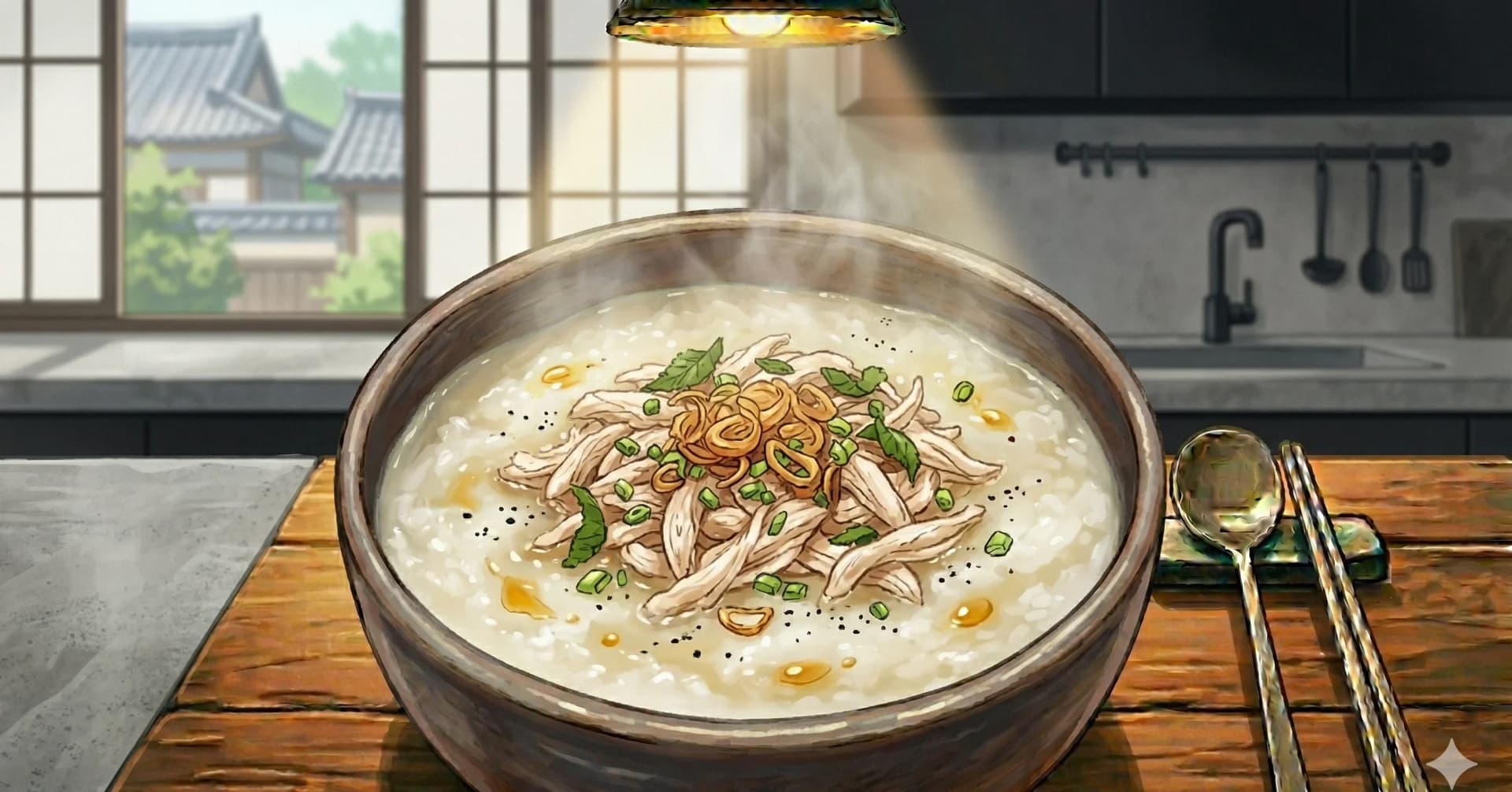
Cháo Gà (Vietnamese Chicken Rice Porridge)
1 hour 30 minutes
 Easy
EasyVietnamese Cuisine
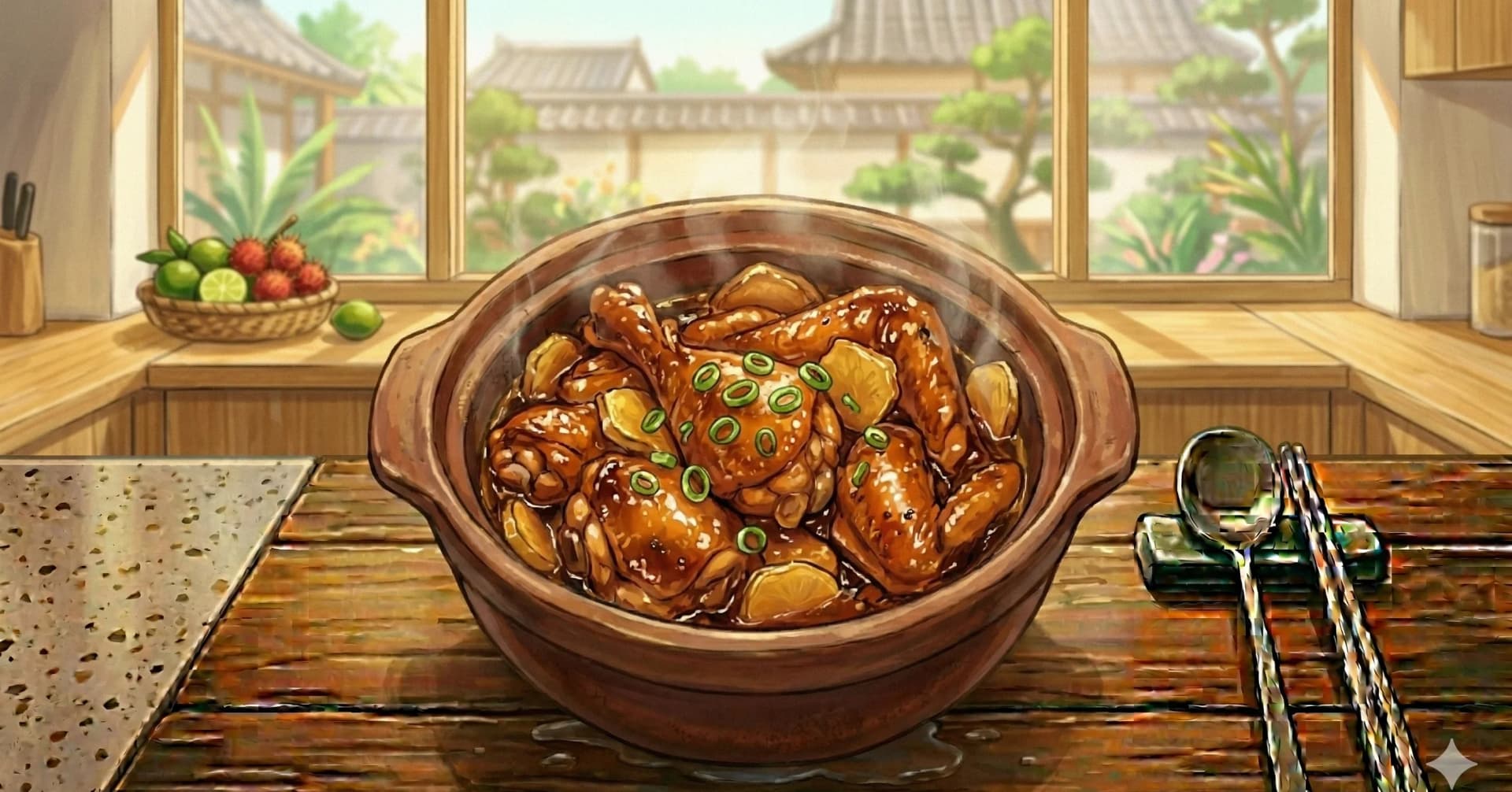
Ga Kho Gung (Vietnamese Caramelized Ginger Chicken)
1 hour
 Medium
Vietnamese Cuisine
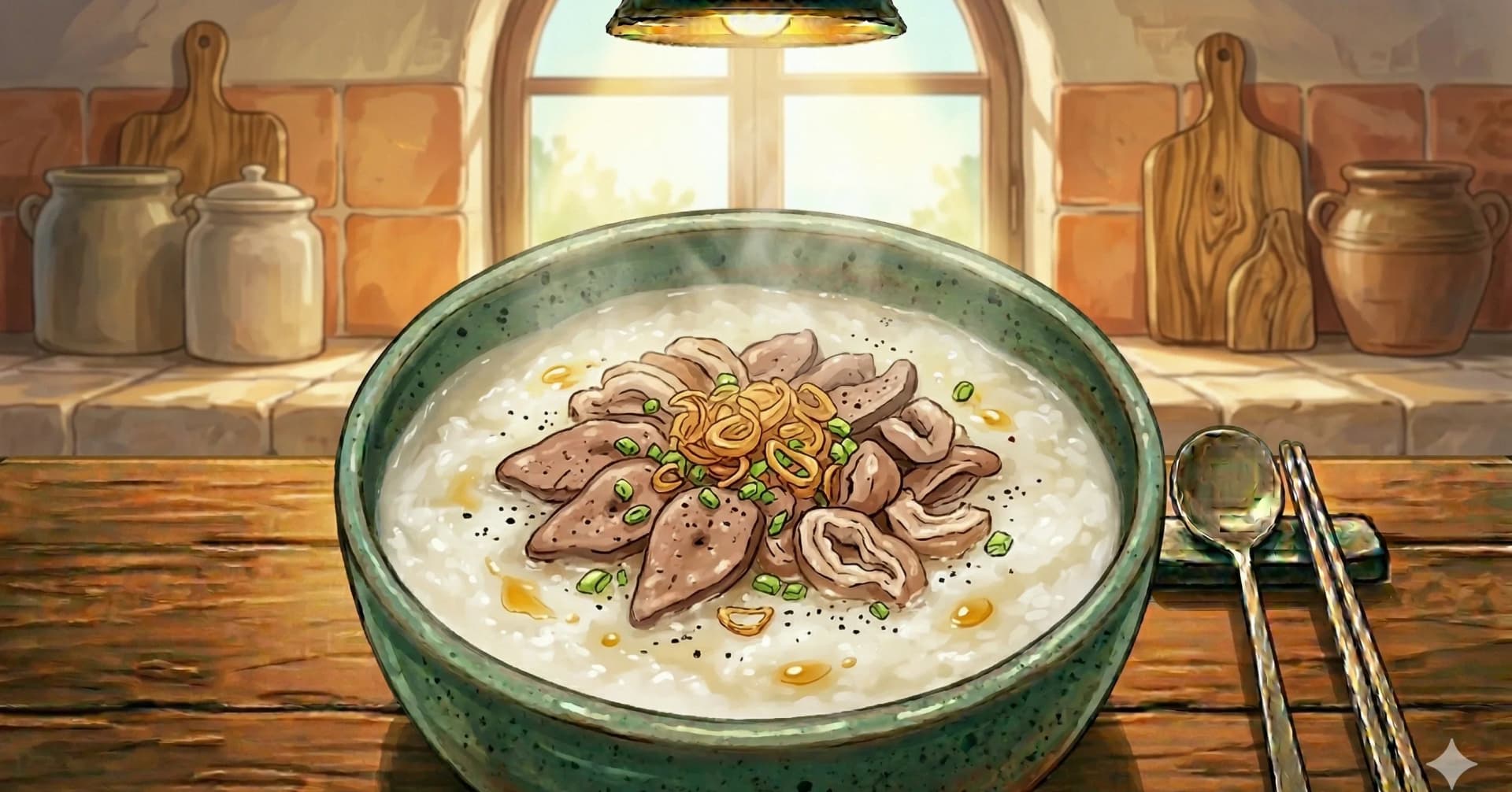
Cháo Lòng (Vietnamese Pork Organ Rice Porridge)
2 hours 15 minutes
 Easy
EasyVietnamese Cuisine
Canh Chua Cá (Vietnamese Sweet and Sour Fish Soup)
35 minutes
Ratings & Comments
Ratings & Comments
Ratings
Share your thoughts on this recipe.
Sign in to rate and comment