Thai Cuisine
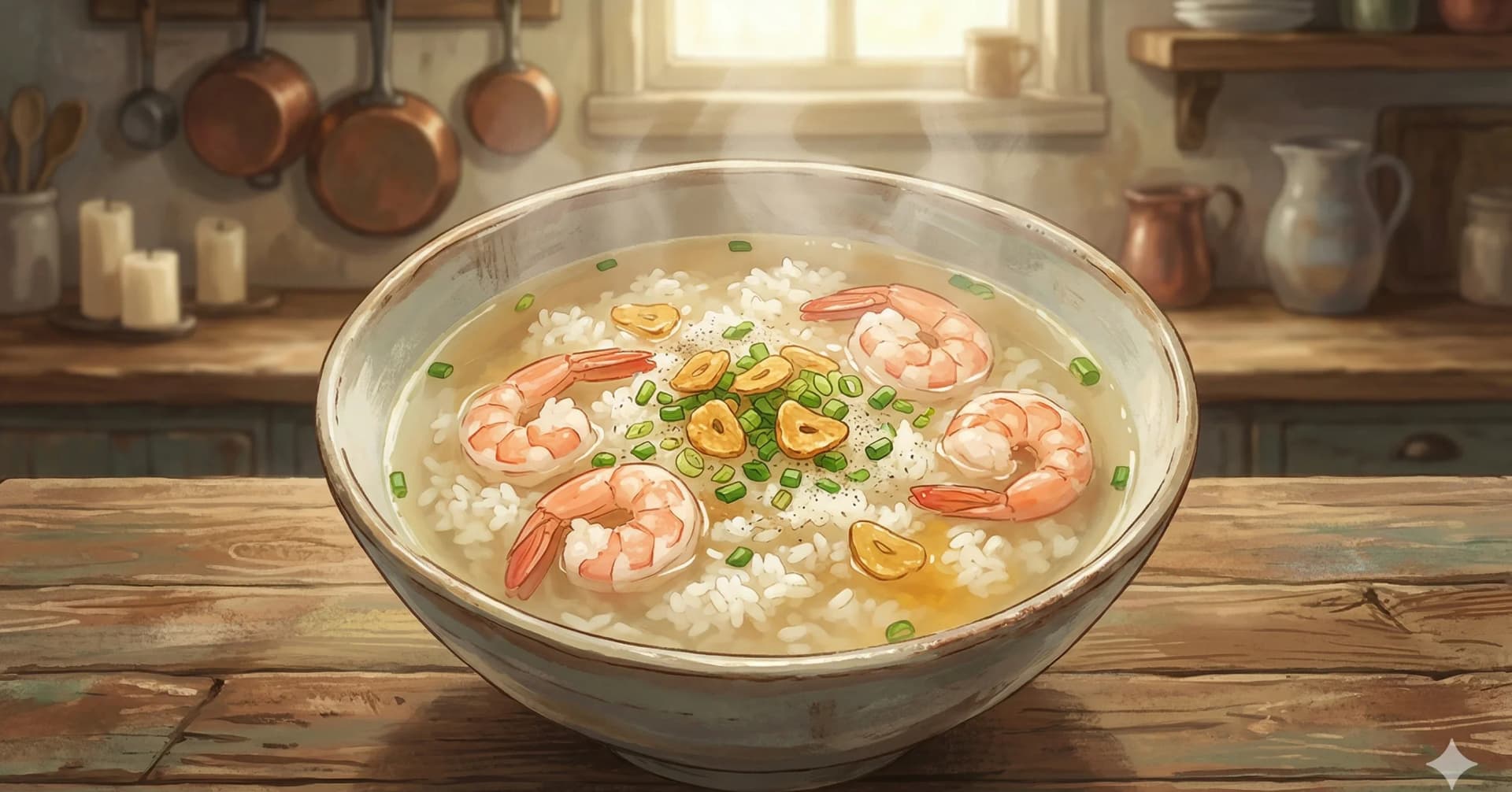
Khao Tom (Thai Rice Soup with Shrimp)
A light, brothy Thai rice soup with garlic-pepper shrimp, built for mornings and late nights alike
In the hierarchy of Thai comfort food, khao tom holds a quiet but unmovable position. It is the dish Thai families turn to when someone is tired, unwell, or simply awake too early and in need of something warm without ceremony. Hotel breakfast buffets across the country keep a pot of it simmering alongside the coffee urns. Street vendors have it ready before dawn. It is not showy food. It is not the kind of thing that trends on social media or appears on restaurant tasting menus. It is the kind of thing that makes you feel a little more like yourself.
The name translates simply: khao means rice, tom means boiled. And that is more or less what you are making. Cooked jasmine rice goes into a seasoned broth and heats through just long enough to absorb some of its flavor while keeping its shape. This is the key difference between khao tom and its more famous sibling, jok. Where jok breaks the rice down into a thick, creamy porridge over the course of an hour or more, khao tom keeps the grains whole and distinct, swimming freely in a clear, golden liquid. The result is lighter, more brothy, and considerably faster to prepare.
The broth carries most of the flavor. A pounded paste of garlic, white peppercorns, and cilantro root goes into good pork or chicken stock and simmers just long enough to release its fragrance. Shrimp, tossed with the same paste and quickly seared, add sweetness and protein. Everything else is condiment: fried garlic with its fragrant oil, a scatter of scallions and cilantro, a pinch of Chinese preserved cabbage for salt and crunch. If you have ever enjoyed the restorative warmth of tom yum goong but wished for something gentler, or if you find the long simmer of chao ga too much effort for a weekday morning, khao tom sits right in that space. It shares the brothy, grain-in-liquid spirit of Vietnamese pho ga while being far simpler to assemble, and it pairs beautifully with the peppery vegetable soups of central Thailand like gaeng liang when you want a fuller spread.
At a Glance
Yield
4 servings
Prep
20 minutes
Cook
25 minutes
Total
45 minutes
Difficulty
Easy
Ingredients
- 3 clovesgarlic, peeled
- 1/4 tspwhite peppercorns
- 6cilantro stems with roots if available (or 2 cilantro roots)
- 5½ ozshrimp, peeled and deveined, cut into small chunks
- 4to 6 whole shrimp, shell on, for garnish (optional)
- 1 tspneutral oil, for searing
- 3 cuppork stock or chicken stock, unsalted (homemade is best)
- 1 tbspfish sauce
- 1⅓ tspsoy sauce (Thai thin soy sauce preferred)
- 1¼ lbcooked jasmine rice (about 3 cups, still warm or at room temperature)
- —Fried garlic and garlic oil (see Substitutions)
- 2scallions, thinly sliced
- —Fresh cilantro leaves, roughly chopped
- ½ ozChinese preserved cabbage (tang chai), optional
- —Ground white pepper, to taste
Method
- 1
Place the white peppercorns in a mortar and pound them to a fine powder. The grains should be fully crushed with no whole pieces remaining. Add the garlic and cilantro stems or roots and pound together until the mixture forms a rough, fragrant paste. You will smell the pepper and garlic sharply when it is ready.
- 2
Scoop out half of the paste and add it to the small shrimp pieces in a bowl. Toss well so every piece is coated. Set the remaining paste aside for the broth.
- 3
Heat the oil in a skillet over medium-high heat. When the surface shimmers, add the seasoned shrimp pieces in a single layer. Cook without stirring for about 1 minute until the undersides turn pink and take on light golden spots, then stir and cook for another 30 seconds until just cooked through. If any bits of paste have stuck to the pan, pour in a small splash of stock and scrape them free. Transfer the shrimp to a plate.
- 4
If using whole garnish shrimp, sear them in the same pan over medium-high heat for about 2 minutes per side until the shells turn orange and the flesh is opaque. Set aside.
- 5
Pour the stock into a medium saucepan and bring it to a boil over high heat. Add the reserved garlic-pepper paste, stir well, and reduce the heat so the broth simmers gently. Let it cook for 1 minute. The broth will turn slightly cloudy and smell strongly of garlic and pepper.
- 6
Season the broth with the fish sauce and soy sauce. Taste it. The broth should be savory and well-seasoned but not overly salty, since condiments will add more salt at the table. Adjust as needed.
- 7
When you are ready to serve, bring the broth back to a strong boil over high heat. Add the cooked rice and the seared shrimp pieces all at once. Stir gently to distribute the rice evenly and let the soup return to a simmer. Turn off the heat immediately once it reaches a simmer. The rice will continue to absorb liquid as it sits, so do not let it cook any longer than necessary.
- 8
Ladle the soup into deep bowls right away. Top each bowl with a drizzle of fried garlic oil and a scattering of fried garlic bits, sliced scallions, cilantro leaves, and a pinch of preserved cabbage if using. Finish with a dusting of ground white pepper. Place the whole seared shrimp on top if you have them. Serve immediately while the rice grains are still distinct and the broth is plentiful.
Key Ingredient Benefits
White peppercorns: Thai cuisine relies on white pepper far more than black. White peppercorns have had their outer husk removed through soaking and fermentation, leaving a sharper, more concentrated heat with less of the fruity complexity of black pepper. In khao tom, the white pepper is both a background seasoning (in the paste) and a finishing condiment (at the table). White pepper contains piperine, which has been studied in preliminary research for its potential role in supporting digestive enzyme activity.
Cilantro root: The root and lower stems of the cilantro plant carry a deeper, earthier, more concentrated flavor than the leaves. Thai cooks prize them for pastes and marinades. Southeast Asian markets often sell cilantro bunches with roots still attached. If you can only find rootless cilantro, the stems provide a milder but workable substitute.
Fish sauce: The primary salt seasoning in khao tom. Good fish sauce should smell pungent but clean, not overly harsh. Thai brands like Tiparos or Megachef are widely available and well-suited to this dish. Fish sauce contributes glutamates that deepen the savory quality of the broth beyond what salt alone can achieve.
Chinese preserved cabbage (tang chai): Small bits of salted, dried cabbage that add a salty crunch when scattered over the soup. It is sold in small crocks or packets at Chinese and Southeast Asian grocery stores. While optional, it provides a textural contrast that many Thai diners consider essential to the full khao tom experience.
Jasmine rice: The fragrant, slightly sticky long-grain rice that is the staple of Thai cooking. Its floral aroma and soft, clingy texture are part of what makes khao tom feel distinctly Thai rather than simply rice-in-broth. Day-old rice works perfectly here and may even hold its shape better than freshly cooked rice.
Why This Works
Khao tom depends on two things: a well-seasoned broth and careful timing. The garlic-pepper-cilantro root paste that flavors both the shrimp and the broth is one of the fundamental aromatics of Thai cooking, appearing in everything from grilled meats to stir-fries. Pounding it in a mortar rather than mincing it ruptures the cell walls of the garlic and cilantro root more thoroughly, releasing volatile oils and creating a paste that disperses evenly through liquid. The white pepper provides its characteristic sharp, slightly musty heat, which is distinctly different from black pepper and essential to the flavor profile of khao tom.
The reason you add the rice at the very end and turn off the heat immediately is starch management. Cooked jasmine rice, when held in hot liquid, continues to absorb water and release surface starch. Left too long, the grains swell and soften, the broth turns thick and starchy, and the soup drifts toward congee territory. By adding the rice only at serving time and eating promptly, you preserve the contrast between the clean, flowing broth and the tender but intact grains. This is the defining textural difference between khao tom and jok.
Searing the shrimp separately with half the paste rather than poaching them directly in the broth serves two purposes. The direct contact with a hot pan develops a light Maillard browning on the shrimp surface, which adds a subtle sweetness and nuttiness that poached shrimp cannot achieve. It also means the shrimp cook quickly and evenly rather than becoming rubbery from prolonged simmering.
Substitutions & Variations
Protein: Chicken is the most common alternative. Use boneless thigh meat cut into thin strips, seasoned with the paste, and seared the same way. Ground pork, formed into small meatballs and poached in the broth, is another traditional option. For a seafood version, swap in squid rings or firm white fish cut into cubes. A simple egg, cracked directly into the simmering broth and gently stirred to create ribbons, is a quick weeknight variation many Thai households use.
Stock: Homemade stock makes a noticeable difference. If using store-bought, choose a low-sodium variety so you can control the seasoning through fish sauce and soy sauce. Vegetable stock works for a pescatarian version (keeping the fish sauce) or a fully vegetarian version (replacing fish sauce with mushroom soy sauce or light soy sauce).
Rice: Day-old refrigerated rice holds its shape better in the hot broth and is the practical choice for most cooks. Freshly cooked rice works but will soften faster. Brown jasmine rice can be used for a whole-grain option, though the flavor profile will shift and the grains will be chewier.
Fried garlic: To make your own, slice 6 to 8 cloves of garlic thinly and evenly. Heat 60 ml of neutral oil in a small saucepan over medium-low heat. Add the garlic slices and stir frequently, watching closely. The slices will turn golden in 3 to 5 minutes. Remove them with a slotted spoon the moment they are light gold (they will darken as they cool) and drain on a paper towel. Save the garlic-infused oil. Both keep in a sealed jar in the refrigerator for up to two weeks.
Preserved cabbage: If tang chai is unavailable, a small amount of finely chopped kimchi (drained of its liquid) or pickled mustard greens can approximate the salty, crunchy element, though the flavor will differ.
Spicier version: Add sliced fresh Thai chilies or dried chili flakes to the broth, or serve them on the side in a small dish of white vinegar for each person to add as they like.
Serving Suggestions
Khao tom is traditionally a standalone meal, especially at breakfast, and needs nothing more than its own condiments to be complete. If you are serving it as part of a larger Thai meal, it pairs naturally with simply prepared sides: a Thai omelette, a plate of Chinese broccoli with oyster sauce, or a few slices of Chinese sausage crisped in a dry pan. For a breakfast spread with range, set out khao tom alongside a pot of jok and let everyone choose their preferred style of Thai rice comfort. The two dishes together illustrate the spectrum of Thai rice soups beautifully. As a light dinner, follow it with something bolder: a plate of pad krapow or a bowl of tom kha gai for contrast.
Storage & Reheating
Advance prep: The broth, seared shrimp, and cooked rice can all be prepared up to 5 days ahead and stored in separate containers in the refrigerator. Fried garlic and its oil keep for up to 2 weeks refrigerated. When ready to eat, bring the broth to a boil, add the rice and shrimp, and serve. This makes khao tom one of the most practical make-ahead breakfasts in Thai cooking.
Assembled soup: If you have leftover assembled soup, store it in the refrigerator for up to 2 days. Be aware that the rice will absorb most of the broth as it sits, producing something closer to a thick risotto than a soup. When reheating, add extra stock or water in 120 ml increments and stir gently over medium heat until the soup returns to a brothy consistency. Taste and adjust seasoning, as the flavors will have mellowed.
Freezing: The broth freezes well on its own for up to 3 months. The seared shrimp can be frozen for up to 1 month, though the texture will soften slightly. Cooked jasmine rice freezes well in portioned bags for up to 2 months. For the best results, freeze each component separately and assemble fresh after thawing. Do not freeze the fully assembled soup, as the rice will become mushy upon reheating.
Cultural Notes
Khao tom (ข้าวต้ม, "boiled rice") is the Thai rice soup that has been the country's breakfast and convalescence food for generations. Unlike jok, the smoother congee made by cooking rice down to a porridge, khao tom keeps the rice grains whole and intact in a clear, fragrant broth flavored with garlic, white pepper, fish sauce, and a small amount of ginger or coriander root. The dish is typically built with leftover cooked rice rather than starting from raw grain, which gives it the speed advantage of a 10-minute weeknight dinner or a quick morning meal.
The dish belongs to the broader category of Southeast Asian rice porridges and soups that includes Chinese congee, Cantonese jook, Vietnamese cháo, and the Indonesian and Filipino versions. The Thai variation is closer to the Vietnamese cháo in that the rice grains stay whole, but Thai versions use the lighter Thai aromatics (white pepper, fish sauce, garlic, sometimes a small amount of coconut milk) rather than the heavy soy and sesame profile of Chinese congee. The broth itself can be chicken, pork bone, shrimp, or fish; the toppings include shrimp, sliced pork, fish balls, century egg, sliced ginger, fried garlic, scallions, and a final crack of white pepper.
In Thai daily life, khao tom occupies two distinct cultural positions. As khao tom kui, it is the simple breakfast version, a clear rice soup eaten plain or with a few light side dishes (salted egg, fried fish, pickled vegetables, fermented soy bean paste). As a late-night meal after drinking, it is treated as restorative, stomach-settling food, and dedicated khao tom shops in Bangkok stay open until 2 or 3 AM specifically to serve post-bar crowds. The dish is also the standard convalescence food given to children with stomach upsets and adults recovering from illness, in much the same way chicken soup functions in Western culture.
Nutrition Facts
Calories: 260kcal (13%)|Total Carbohydrates: 41.5g (15%)|Protein: 17.8g (36%)|Total Fat: 2.4g (3%)|Saturated Fat: 0.6g (3%)|Cholesterol: 94mg (31%)|Sodium: 875mg (38%)|Dietary Fiber: 1.2g (4%)|Total Sugars: 1.1g
You Might Also Like
 Medium
Thai Cuisine
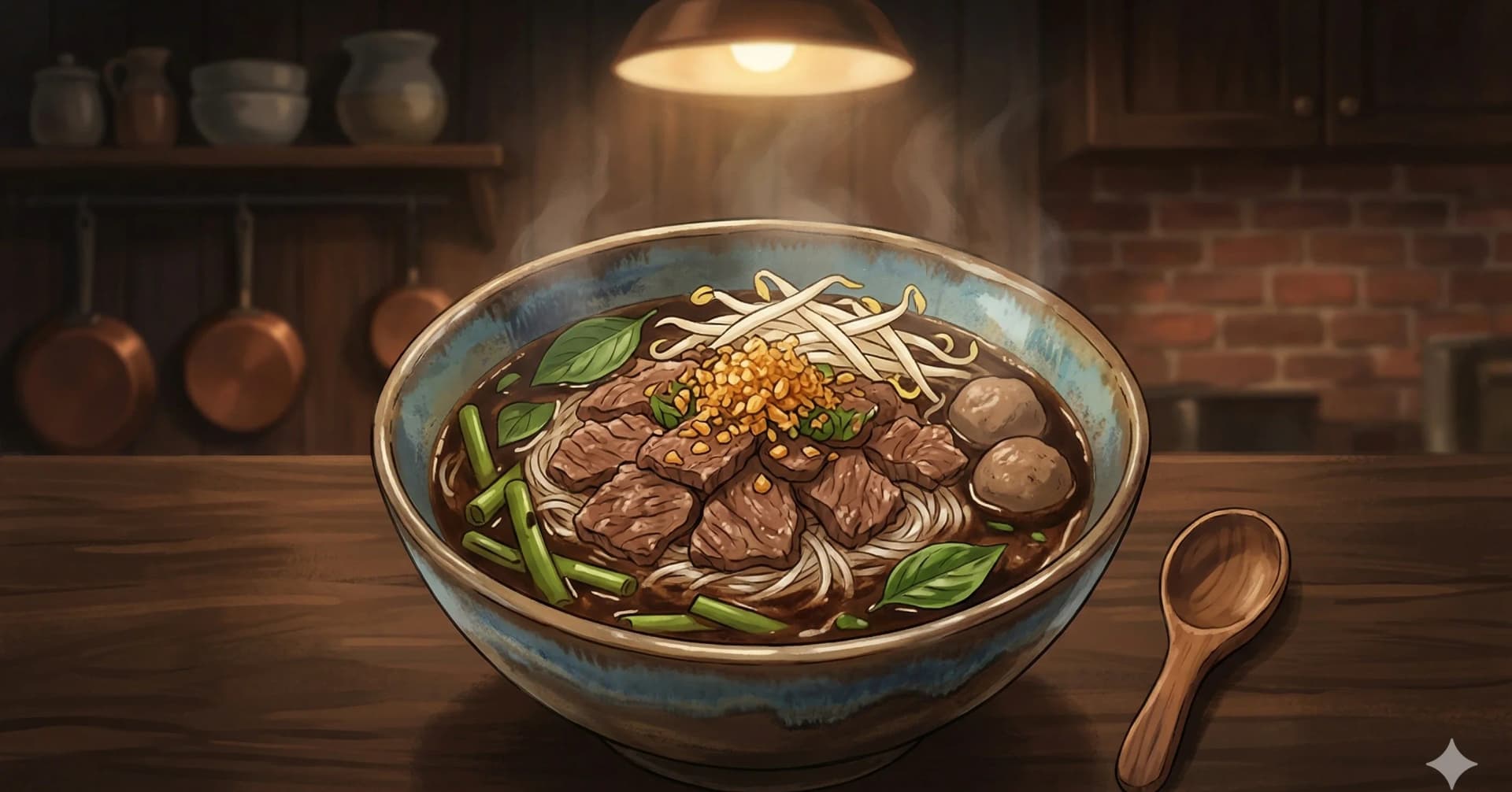
Boat Noodles (ก๋วยเตี๋ยวเรือ)
3 hours 15 minutes
 Easy
EasyVietnamese Cuisine
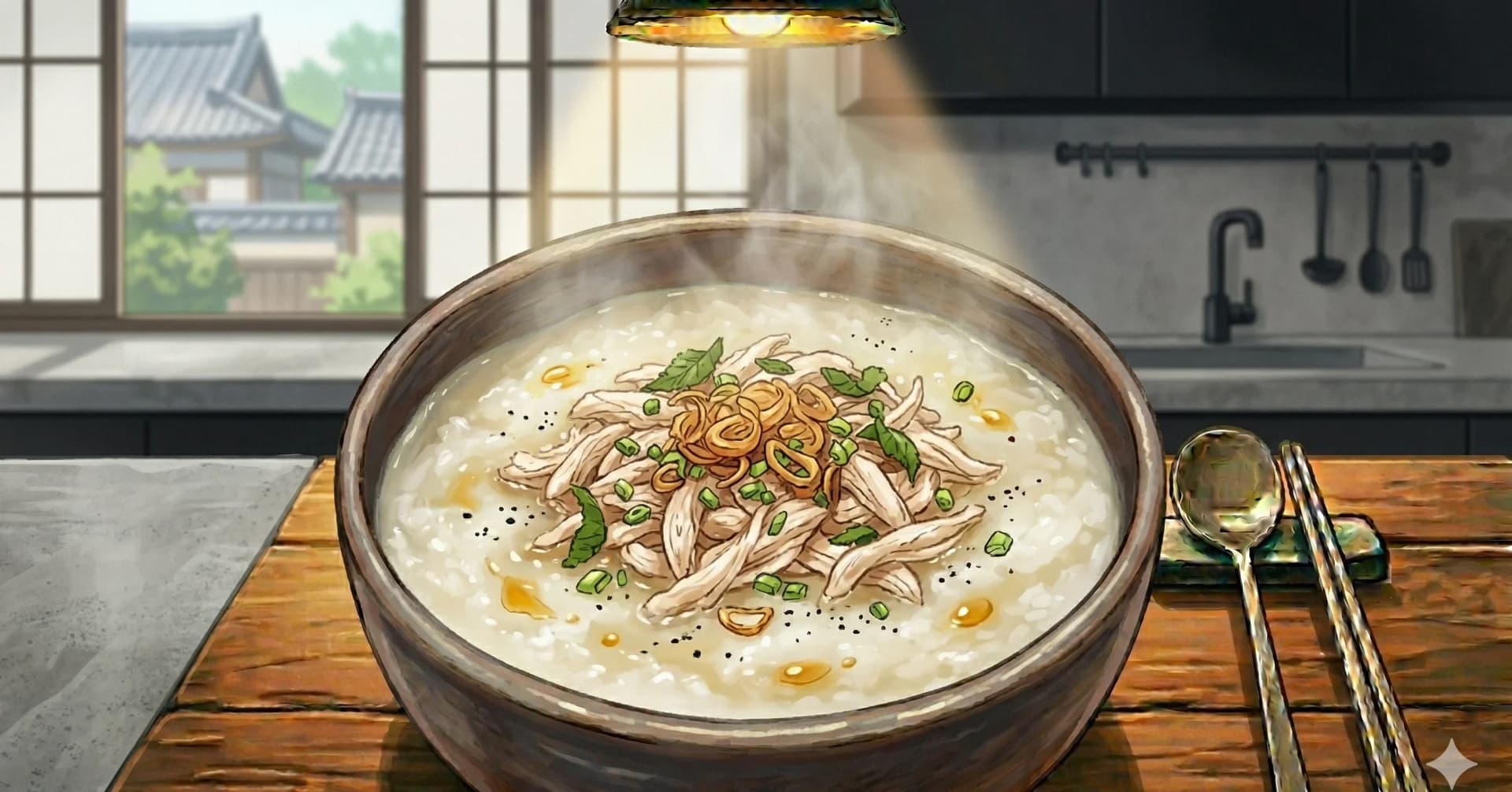
Cháo Gà (Vietnamese Chicken Rice Porridge)
1 hour 30 minutes
 Easy
EasyIndonesian Cuisine
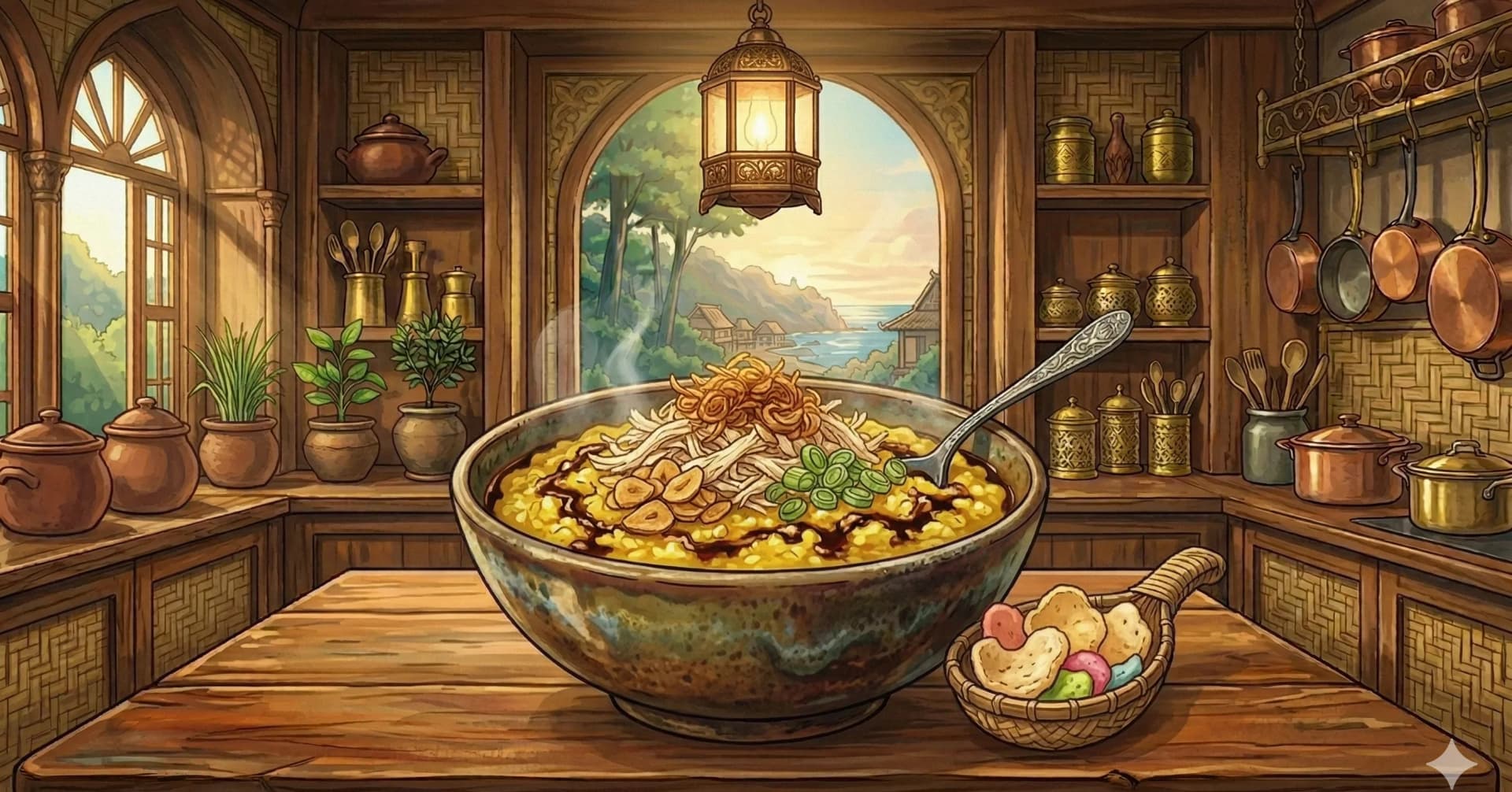
Bubur Ayam (Indonesian Chicken Rice Porridge)
1 hour 10 minutes
 Easy
EasyVietnamese Cuisine
Ga Kho Gung (Vietnamese Caramelized Ginger Chicken)
1 hour
Ratings & Comments
Ratings & Comments
Ratings
Share your thoughts on this recipe.
Sign in to rate and comment