Chinese Cuisine
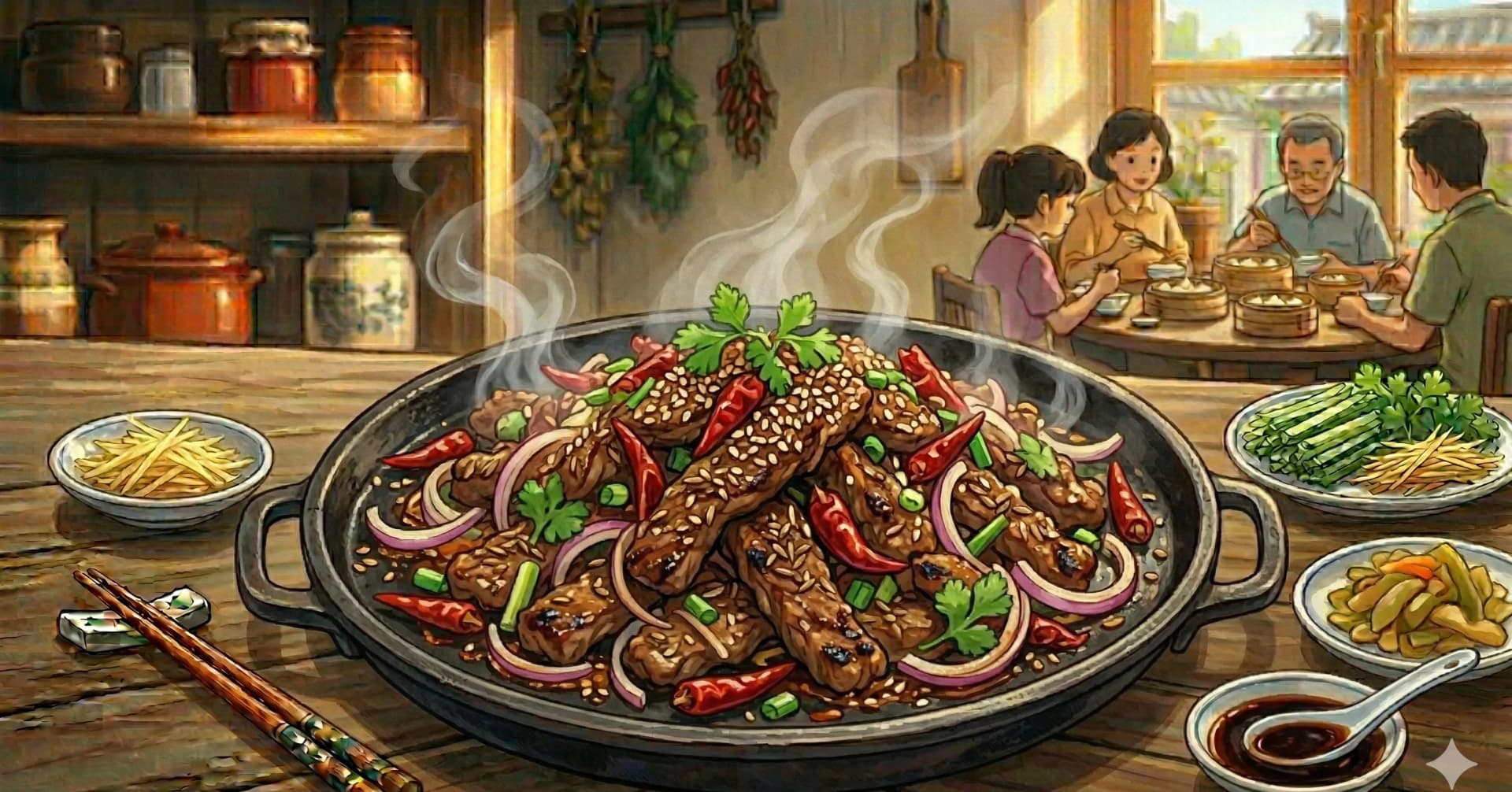
Zi Ran Yang Rou (Cumin Lamb)
Seared lamb tossed with toasted cumin, dried chilis, and fresh cilantro
This is not subtle food. Cumin lamb comes from the Xinjiang-influenced tradition of Chinese cooking, shaped by the flavors of Central Asia, where cumin, lamb, and open-flame cooking have been intertwined for centuries. In Chinese restaurants, it is one of those dishes that announces itself from across the dining room. The cumin hits your nose before the plate reaches the table, smoky and warm and slightly sweet, layered over the rich, slightly gamy scent of well-seared lamb.
The technique is simple and fast. Lamb is sliced thin, marinated briefly, and then seared hard in a smoking-hot wok until the edges crisp. Then the cumin goes in, both whole seeds that have been dry-toasted beforehand and ground cumin powder that coats the meat like a spice rub. Dried chilis and chili flakes add heat. Scallions and a generous handful of cilantro go in at the very last moment, just long enough to wilt. The whole cook takes under 5 minutes once the wok is hot.
The key detail is the sear. The wok must be as hot as your stove will go, and the lamb must be spread in a single layer so it browns rather than steams. If you crowd the wok, the moisture from the meat will pool and you will end up with grey, stewed lamb instead of crispy, caramelized pieces. Work in batches if necessary. The browning is where all the flavor lives.
Lamb shoulder is the best cut here. It has enough fat to stay juicy during the aggressive heat, and the connective tissue between the muscle fibers renders into something tender and rich. Leg works too, but it leans drier and benefits from careful timing.
At a Glance
Yield
4 servings
Prep
35 minutes
Cook
10 minutes
Total
45 minutes
Difficulty
Easy
Ingredients
Marinade Ingredients
- 1 lblamb shoulder, cut into 1 cm by 5 cm strips
- 1 tbsplight soy sauce
- 1 tbspShaoxing wine
- 2⅞ tspcumin powder (for the marinade)
- 1½ tbspcornstarch
- 1 tbspneutral oil (optional, for fattier cuts omit)
Spice Blend Ingredients
- 2⅞ tspcumin powder
- 1 tspSichuan chili flakes (or Korean chili flakes)
- ½ tspsugar
- ⅛ tspground Sichuan peppercorns (optional)
Stir-Fry Ingredients
- ¼ cuppeanut oil (or vegetable oil)
- 2 tbspcumin seeds
- 1¾ tbspdried red chili peppers
- 1small white onion, cut into large dice
- 1thumb-sized piece fresh ginger, minced
- 5 clovesgarlic, sliced
- 2scallions, chopped
- 1large handful fresh cilantro, roughly chopped
- —Salt to taste
- —Toasted sesame seeds for garnish (optional)
Method
- 1
Marinate the lamb. Pat the lamb dry and cut into thin strips. Combine with the soy sauce, Shaoxing wine, 1 tablespoon cumin powder, and cornstarch. Mix well and let sit for at least 20 minutes at room temperature, or overnight in the refrigerator for deeper flavor. If the lamb is lean, add the tablespoon of oil to the marinade.
- 2
Prepare the spice mix. Combine the remaining 1 tablespoon cumin powder, Sichuan chili flakes, sugar, and ground Sichuan peppercorns in a small bowl. Set aside.
- 3
Toast the cumin seeds. Heat a dry wok over medium heat. Add the cumin seeds and toast, shaking the wok frequently, until fragrant and slightly darkened, about 1 to 2 minutes. Transfer to a plate and set aside.
- 4
Sear the lamb. Drain any excess liquid from the marinated lamb. If using the Omnivore's Cookbook technique, toss the lamb with 1/4 cup cornstarch until each piece is evenly coated for extra crispiness. Crank the wok to the highest heat setting and let it smoke. Add 3 tablespoons of the peanut oil. Immediately spread the lamb in a single layer across the wok. Let it sear undisturbed until the bottom is golden and slightly crispy, about 1 minute. Flip and sear the other side for 30 to 40 seconds. The interior should still be slightly pink. Transfer to a plate.
- 5
Fry the aromatics. Add the remaining 1 tablespoon oil to the wok. Add the dried chili peppers, ginger, and garlic. Stir for 15 seconds until fragrant. Add the onion and cook for about 1 minute until it begins to soften at the edges.
- 6
Combine and season. Return the lamb to the wok. Sprinkle the spice mix and the toasted cumin seeds over everything. Toss quickly and vigorously for about 15 seconds to coat every piece. Taste and adjust salt.
- 7
Finish. Add the scallions and cilantro. Toss just until the greens begin to wilt, about 10 seconds. Transfer immediately to a serving plate. Sprinkle with sesame seeds if desired. Serve hot.
Key Ingredient Benefits
Lamb Shoulder. Rich in protein, iron (particularly heme iron, which is well-absorbed), zinc, and B12. The fat content is higher than leg or loin, but this fat is what keeps the meat juicy during high-heat cooking and contributes to the dish's richness. In Traditional Chinese Medicine, lamb is considered a warming food, often eaten in winter.
Cumin. One of the most widely used spices in the world, central to the cuisines of Central Asia, the Middle East, India, and northwestern China. It contains modest amounts of iron and manganese. Cumin has been studied for potential digestive benefits, but evidence remains preliminary.
Sichuan Chili Flakes. Coarsely ground dried chili peppers, brighter red and milder than cayenne. Korean chili flakes (gochugaru) are a good substitute, offering similar heat with a slightly fruitier flavor.
Why This Works
Toasting whole cumin seeds separately, rather than adding them raw to the wok, intensifies their flavor dramatically. Heat releases the essential oils in the seeds, which contain cuminaldehyde, the compound responsible for cumin's distinctive warm, earthy aroma. Raw cumin seeds taste flat by comparison.
The dual cumin approach, using both whole seeds and ground powder, gives the dish two layers of cumin flavor. The seeds provide concentrated bursts of flavor when you bite into them. The powder coats every surface of the meat, creating a uniform background warmth. This double hit is what makes the dish taste like the cumin lamb you get at Xinjiang restaurants.
High heat and a dry wok surface are essential for the Maillard reaction, the chemical process that creates browned, savory flavors on the surface of the meat. Lamb fat renders quickly at high temperatures, crisping the edges and creating a contrast between the caramelized exterior and the juicy, pink interior.
The cornstarch in the marinade serves a dual purpose: it tenderizes the surface of the lamb and creates a thin crust that browns more aggressively than bare meat. The Omnivore's Cookbook technique of adding additional cornstarch just before searing takes this further, producing a drier, crispier surface that holds the cumin and chili coating better.
Substitutions & Variations
Lamb leg. Leaner and slightly tougher than shoulder. Cut thinner and do not overcook. It benefits from the cornstarch coating even more than shoulder does.
Beef version. Flank steak or skirt steak, sliced thin against the grain, works well with the same treatment. The dish will taste different but is still excellent.
Skewered. Thread the marinated lamb onto metal skewers and grill over high heat, then toss with the cumin and chili just before serving. This is closer to the street-stall preparation found in Xinjiang.
Pair with noodles. Serve the cumin lamb over Dan Dan Noodles for a rich, spiced bowl, or alongside Wonton Soup for contrast.
Less spicy. Reduce the dried chilis to a small handful and omit the Sichuan peppercorns. The cumin will still carry the dish.
Serving Suggestions
Cumin lamb pairs naturally with plain steamed rice or hand-pulled noodles. For a Xinjiang-inspired spread, serve alongside flatbread and a cold cucumber salad dressed with garlic and vinegar. At a broader Chinese table, it works beautifully next to Mapo Tofu, Congee for a lighter contrast, or Bitter Melon with Egg to balance the richness.
Beer is the traditional pairing for this dish at Chinese barbecue restaurants, and it works. The carbonation and bitterness cut through the fat and spice.
Storage & Reheating
Leftovers keep in the refrigerator for up to 2 days. Reheat in a hot wok or skillet to restore some of the crispy texture. Microwave reheating works but will soften the sear. Add a small pinch of fresh cumin powder and a few cilantro leaves after reheating to refresh the flavors.
Do not freeze. The thin-sliced lamb loses its texture after thawing.
Cultural Notes
Zi ran yang rou (孜然羊肉, "cumin lamb") is the stir-fried lamb dish that traveled from the Uyghur kitchens of Xinjiang in northwest China to home cooks and restaurants across the country. The dish reflects the cuisine of Xinjiang, a region whose food traditions are shaped by Central Asian, Turkic, and Han Chinese influences and whose Uyghur Muslim majority eats lamb where eastern Han cuisine eats pork. The defining spice is cumin (zi ran), which is grown across Xinjiang and the Silk Road regions and which carries an immediate association with the cuisine: when a Chinese diner smells toasted cumin in a stir-fry, the assumption is Xinjiang or northwestern.
The traditional preparation uses lamb shoulder or leg cut into bite-sized strips against the grain, briefly marinated in Shaoxing wine, soy sauce, and a touch of cornstarch, then flash-fried in a screaming-hot wok with whole cumin seeds, dried chilies, ginger, garlic, scallion, and Sichuan peppercorn. Some versions add sliced onions or red peppers for sweetness and color; others stay close to the Xinjiang street-stall version, which is just lamb, cumin, chili, and salt. The dish is usually finished with a final scatter of ground cumin and a handful of fresh cilantro, both added off the heat so the aromatics stay sharp.
The dish has spread far beyond Xinjiang and now appears across the Sichuan, Beijing, and broader northern Chinese restaurant menus, often in adapted forms. Beijing's Xinjiang restaurant district, centered around the Niu Jie (Ox Street) neighborhood and the Xinjiang Office buildings, serves versions closer to the original than what most Chinese-American restaurants offer. The dish also appears in the Uyghur form of kawap (skewered grilled lamb with cumin and chili), which is served at countless street stalls across northwest China and has spread to night markets in Beijing, Shanghai, and Chengdu as one of the most recognizable street foods of the Chinese north.
Nutrition Facts
Calories: 478kcal (24%)|Total Carbohydrates: 14g (5%)|Protein: 21g (42%)|Total Fat: 38g (49%)|Saturated Fat: 13.2g (66%)|Cholesterol: 82mg (27%)|Sodium: 483mg (21%)|Dietary Fiber: 3g (11%)|Total Sugars: 2.8g
You Might Also Like
 Medium
Chinese Cuisine
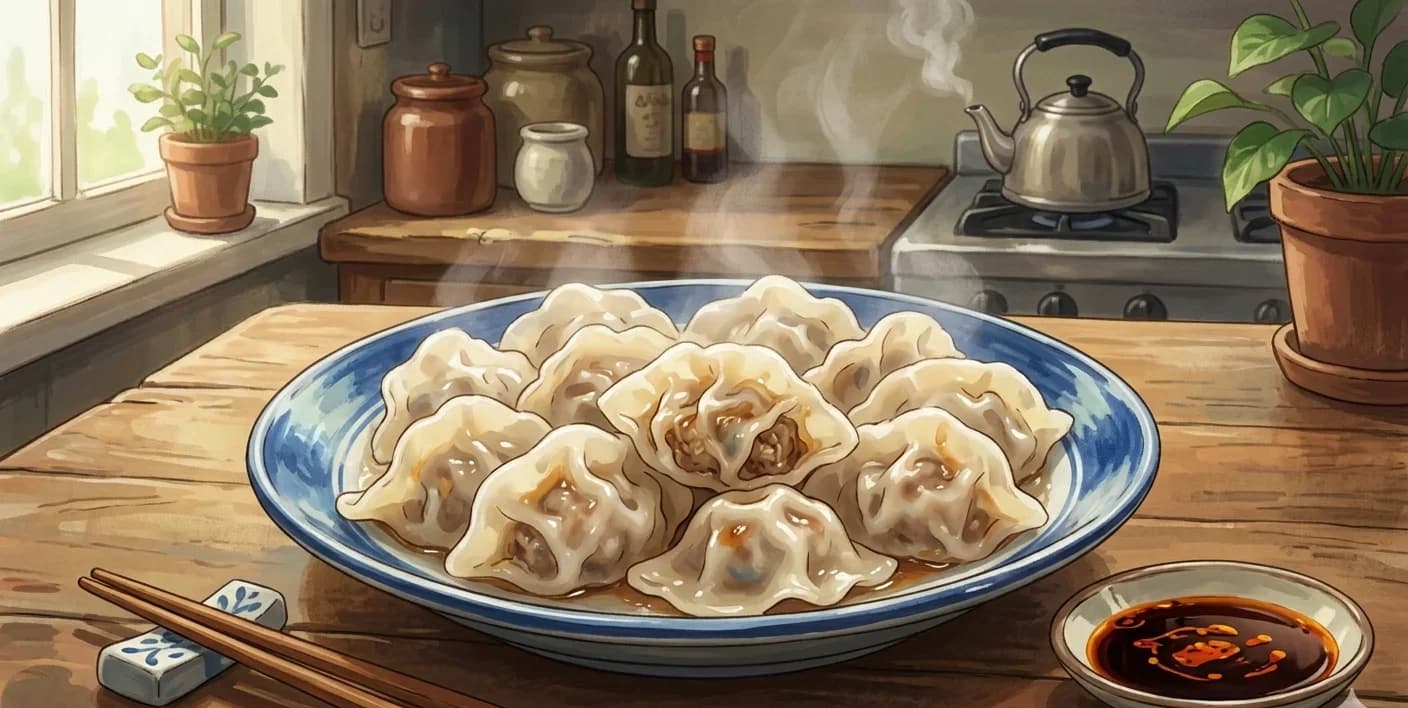
Niu Rou Yang Cong Jiaozi (Beef and Onion Dumplings)
60 minutes
 Medium
Chinese Cuisine
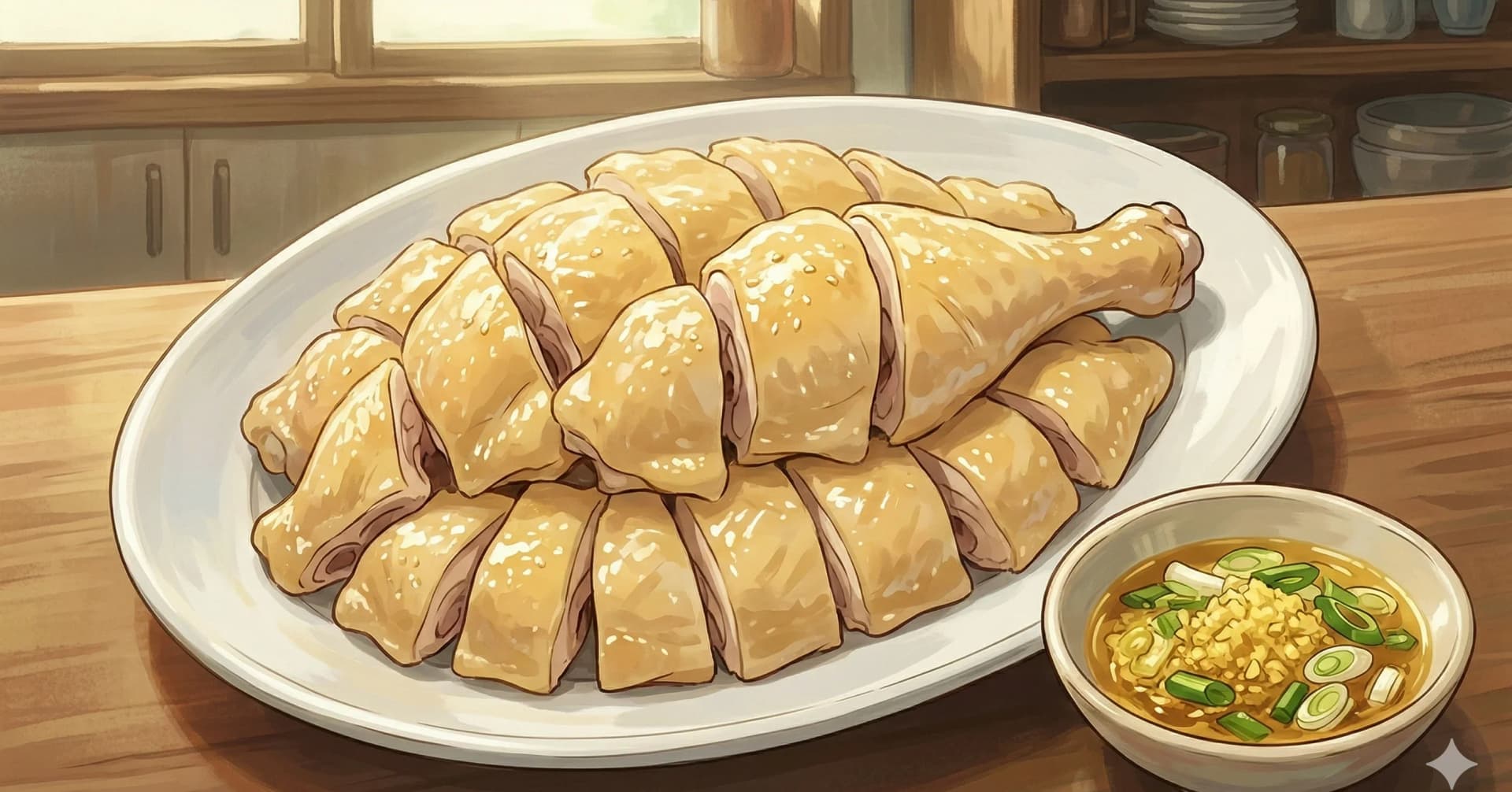
Bai Qie Ji (White Cut Chicken)
4 hours 30 minutes
 Easy
EasyCross-Cultural · China
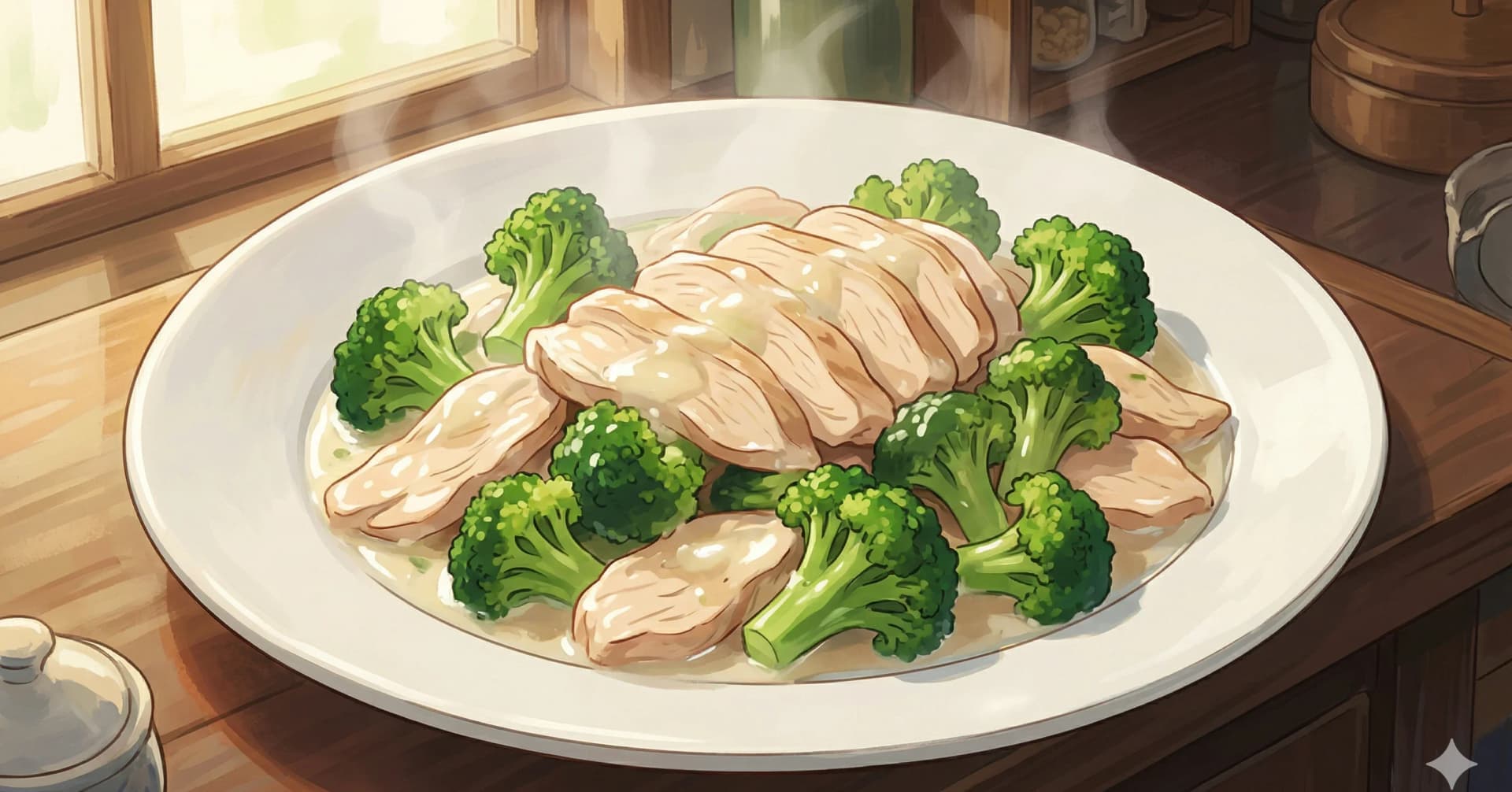
Chicken and Broccoli in White Sauce (白汁鸡花椰)
45 minutes
 Medium
Chinese Cuisine
Char Siu (Chinese BBQ Pork)
9 hours (including marinating)
Ratings & Comments
Ratings & Comments
Ratings
Share your thoughts on this recipe.
Sign in to rate and comment