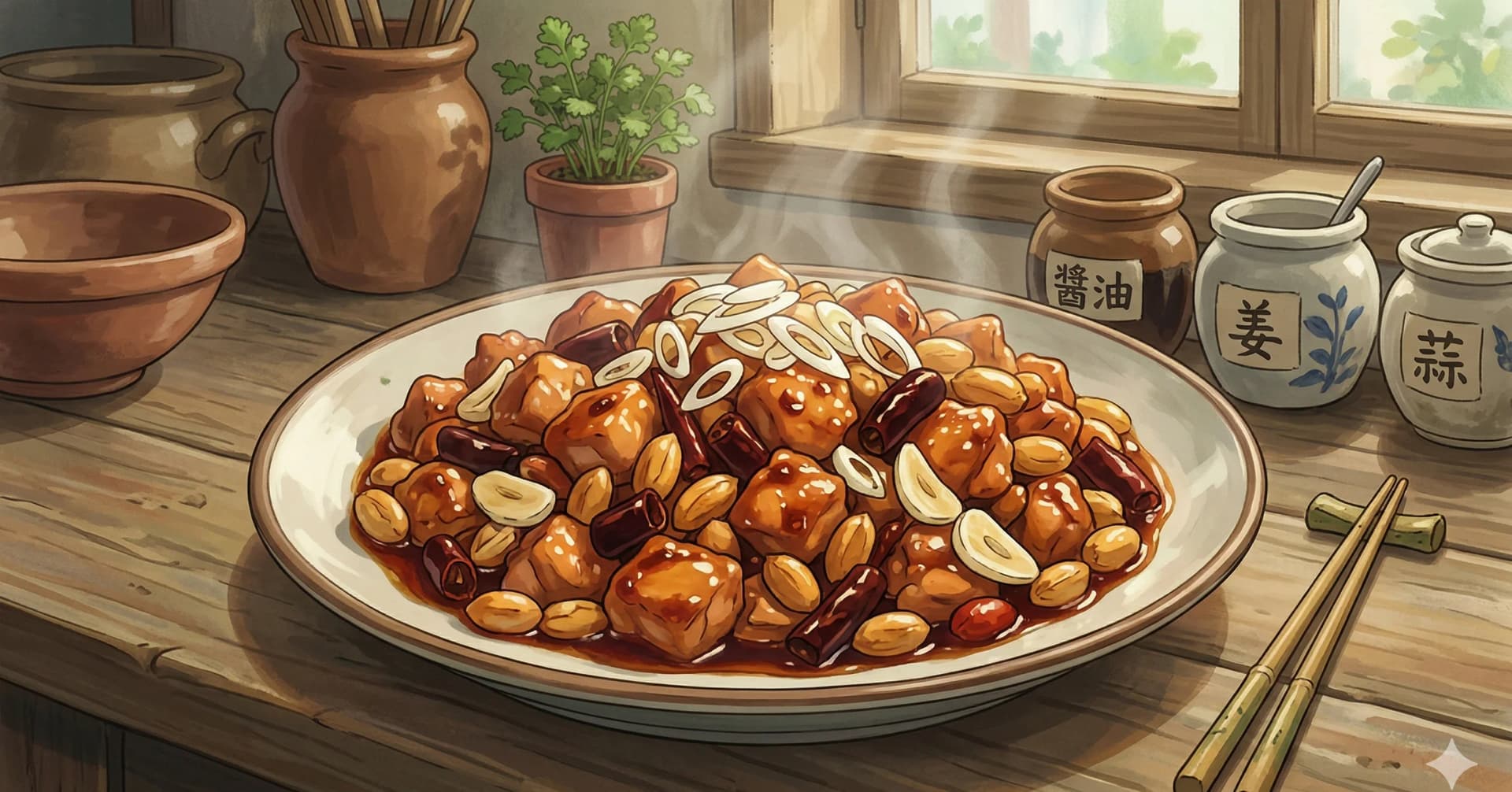
Chinese Cuisine
Gong Bao Ji Ding (Kung Pao Chicken)
Sichuan's beloved stir-fry of tender chicken, roasted peanuts, and dried chilies in a tangy, sweet, and numbing sauce
Few dishes carry the weight of an entire province's cooking reputation the way Gong Bao Ji Ding does. Named after Ding Baozhen, a Qing Dynasty governor of Sichuan, this stir-fry has traveled from local teahouses to family kitchens to restaurant menus on every continent. The version most people know outside China is sweeter and milder than the original, often missing the numbing tingle of Sichuan peppercorn entirely. This recipe corrects that.
The real dish is a study in controlled contrasts. The sauce balances sour rice vinegar against sugar, salty soy against savory stock, and the numbing warmth of Sichuan peppercorn against the sharp bite of dried red chilies. None of these flavors should dominate. When the balance is right, each bite carries all of them at once, and the roasted peanuts arrive at the end to ground everything with their warm, toasty crunch.
The chicken is marinated briefly with cornstarch and Shaoxing wine, a technique that keeps the cubes tender and silky through high-heat cooking. The aromatics go in at low heat so they bloom without burning. The sauce thickens in seconds once it hits the hot wok, so everything needs to be measured and mixed before you turn on the flame. This is a dish that rewards careful preparation and fast, decisive cooking. Hesitate, and the chicken dries out. Rush the aromatics, and they burn. Get the timing right, and you will understand why one out of every three tables in a Beijing restaurant seems to have a plate of this on it.
At a Glance
Yield
4 servings
Prep
30 minutes
Cook
10 minutes
Total
40 minutes
Difficulty
Easy
Ingredients
Marinade Ingredients
- ¾ lbchicken breast, cut into 3/4-inch cubes
- 1 tspvegetable oil
- 3 tspcornstarch
- 1 tspShaoxing wine
- ⅛ tspsalt
- 1 pinchwhite pepper
Sauce Ingredients
- 1 tbsplight soy sauce
- ½ tspdark soy sauce
- 1½ tbspChinkiang (black) vinegar
- 1 tspsugar
- 3 tbspwater or chicken broth
- 3 tspcornstarch
Stir-Fry Ingredients
- 3 tbspvegetable oil, divided
- 3 clovesgarlic, smashed and sliced
- 2thin slices fresh ginger, minced
- 6to 8 dried red chilies, deseeded and cut into 1-inch segments
- ⅓ tspSichuan peppercorn powder
- 6scallions, white portions only, cut into 3/4-inch pieces
- 5 ozroasted peanuts
Method
- 1
Marinate the chicken. Combine the chicken cubes with the oil, cornstarch, Shaoxing wine, salt, and white pepper in a bowl. Mix well and let rest for 20 minutes. The surface will feel slightly slippery when the marinade has done its work.
- 2
Mix the sauce. In a small bowl, whisk together the light soy sauce, dark soy sauce, vinegar, sugar, water, and cornstarch. Set aside. The cornstarch will settle, so you will need to stir it again before using.
- 3
Toast the peanuts (if using raw). If starting with raw peanuts, heat 1 teaspoon oil in a wok over medium heat. Add the peanuts and stir constantly for 3 minutes until they darken slightly and smell nutty. Turn off the heat and stir for another minute using residual heat. Transfer to a plate to cool completely. They will turn fully crunchy as they cool. If using pre-roasted peanuts, skip this step.
- 4
Sear the chicken. Heat 2 tablespoons oil in a wok over high heat until the oil just begins to shimmer. Add the chicken in a single layer and sear without moving for about 30 seconds, then stir-fry until the pieces are golden on the outside but not fully cooked through, about 2 minutes total. Transfer to a clean bowl.
- 5
Bloom the aromatics. Turn the heat to low. Add the remaining 1 tablespoon oil. Add the garlic, ginger, dried chilies, Sichuan peppercorn powder, and scallion whites. Stir gently for 1 to 2 minutes until the kitchen smells fragrant and the chilies have darkened slightly but are not black.
- 6
Finish the stir-fry. Return the chicken to the wok and turn the heat to high. Stir-fry for 1 minute. Give the sauce a thorough stir to reincorporate the cornstarch and pour it into the wok. Toss everything together as the sauce thickens, about 30 to 45 seconds. The sauce should coat the chicken in a thin, glossy layer.
- 7
Add the peanuts. Scatter the roasted peanuts over the top and give the wok two or three final tosses to combine. Serve immediately over steamed white rice.
Key Ingredient Benefits
Sichuan peppercorns: The husks of Zanthoxylum bungeanum, these are not true peppercorns. They contain hydroxy-alpha-sanshool, which activates touch-sensitive nerve endings rather than pain receptors, producing a numbing tingle rather than heat. Quality varies significantly. Fresh, high-quality peppercorns have a bright citrus aroma. Old or low-quality ones will taste bitter and dusty. See the Sichuan Peppercorn ingredient guide for sourcing notes.
Dried red chilies: The traditional choices are Facing Heaven chilies (chao tian jiao) for heat and Lantern chilies (deng long jiao) for aroma with less burn. Any dried red chili will work, but choosing a mix of hot and mild varieties produces a more complex result. These are discussed further in the Dried Chilies ingredient guide.
Peanuts: A complete protein source among plant foods, peanuts provide significant amounts of niacin, folate, and vitamin E. Their monounsaturated fat profile is similar to olive oil. Roasting intensifies their flavor through Maillard browning.
Why This Works
The marinade performs two essential tasks. The cornstarch creates a thin barrier around each chicken cube that slows moisture loss during high-heat searing, producing tender rather than tough meat. The Shaoxing wine contributes a subtle sweetness and helps neutralize any raw poultry flavor.
Black vinegar gives the sauce a mellow acidity that rice vinegar alone cannot match. Red House Spice's version of this dish uses the same ratio principle: the balance between sour, sweet, salty, and spicy must be precise or the dish tilts toward one flavor. The small amount of dark soy sauce adds color and a hint of molasses depth without making the sauce heavy.
Peanuts go in last for a reason. Even 30 seconds in the hot sauce will begin to soften them. Adding them at the very end preserves their crunch, which provides the textural contrast that makes this dish so satisfying to eat.
The dried chilies are not meant to be bitten into directly. They flavor the oil and the sauce, then sit in the finished dish as visual markers. Deseeding them controls the heat level while keeping the smoky, paprika-like flavor of the chili skin.
Substitutions & Variations
Protein: Boneless skinless chicken thighs are more forgiving than breast meat and produce a richer flavor. Cut to the same size and marinate identically. For a vegetarian version, firm tofu cubes or king oyster mushrooms work well with this sauce.
Nuts: Cashews are the most common substitute and produce a slightly sweeter, creamier result. Toast them the same way.
Heat level: For a milder dish, reduce the dried chilies to 3 or 4 and keep them whole rather than cut. For more heat, include the seeds or add a teaspoon of chili flakes with the aromatics.
Vinegar: Chinkiang black vinegar gives the most authentic flavor. Rice vinegar works but is sharper and lighter. A small splash of balsamic can approximate the depth of black vinegar in a pinch.
Vegetables: Omnivore's Cookbook adds diced red bell pepper and cucumber for color and crunch. These are not traditional in Sichuan but add welcome texture. If using, stir-fry the pepper briefly after the aromatics and before returning the chicken.
Serving Suggestions
Gong Bao Ji Ding is traditionally served over steamed white rice as part of a multi-dish family meal. The sauce is intentionally concentrated, designed to flavor the plain rice beneath it. For a full Sichuan table, pair it with Mapo Tofu for a contrasting texture and Yu Xiang Eggplant for a sweeter, more aromatic counterpoint. A bowl of plain Congee or a simple steamed green vegetable helps balance the richness. Dan Dan Noodles make a satisfying companion if you want to build a full noodle-and-rice spread.
Storage & Reheating
Refrigerator: Store in an airtight container for up to 3 days. Keep the peanuts separate if possible, as they will soften in the sauce.
Reheating: Reheat in a wok or skillet over high heat with a small splash of water to loosen the sauce. The chicken will not be quite as tender as when freshly cooked, but the flavors will have deepened overnight. Add fresh peanuts when serving.
Freezing: This dish does not freeze particularly well. The peanuts become soft and the chicken texture changes. If you must freeze, omit the peanuts and add them fresh when reheating. Freeze for up to 1 month.
Cultural Notes
Gong bao ji ding (宫保鸡丁, "palace guardian's diced chicken"), more often called Kung Pao chicken in English, is the Sichuan stir-fry of diced chicken with peanuts, dried chilies, and Sichuan peppercorns that traveled from a Qing dynasty governor's kitchen into nearly every Chinese restaurant menu in the world. The dish takes its name from Ding Baozhen (1820-1886), a Qing official who served as governor of Sichuan from 1876 to 1886. Ding held the honorary title Gong Bao (palace guardian), and the dish his household cooks prepared for him eventually became known as gong bao ji ding in his honor. Ding was originally from Guizhou province, and the dish reflects a fusion of Guizhou and Sichuan techniques: the use of dried chilies and the slightly sweet-sour sauce profile leans Guizhou, while the Sichuan peppercorns and the rapid stir-fry technique are Sichuan.
The traditional Sichuan version is sharply different from the gloopy red-sauce Americanized version familiar from takeout menus. The authentic preparation uses small dice of chicken thigh velveted with a brief marinade of soy, rice wine, and cornstarch, then flash-fried in very hot oil with whole dried chilies (typically the erjingtiao variety from Sichuan), whole Sichuan peppercorns, ginger, garlic, scallion whites, and roasted peanuts. The sauce is a precisely balanced gu lao rou style mixture of Chinkiang black vinegar, soy sauce, sugar, and a small amount of cornstarch slurry, added at the end so it coats the chicken in a glossy, barely-clingy layer rather than a heavy gravy. The peppercorns and chilies are eaten or set aside according to the diner's preference, but they release their aromatic oils into the dish during cooking regardless.
The dish has been the subject of recurring naming controversy in mainland China. During the Cultural Revolution, the name gong bao was condemned as a feudal-era honorific, and the dish was officially renamed hong shao ji ding (red-cooked diced chicken) or hu la ji ding (paste-spicy diced chicken) for political acceptability. The original name was quietly restored in the 1980s and is now universally used again. Fuchsia Dunlop notes in The Food of Sichuan that the dish remains a reliable test of a Sichuan kitchen's skill, since the balance between sweet, sour, savory, and the controlled use of má numbness has to be precise for the dish to land correctly.
Nutrition Facts
Calories: 392kcal (20%)|Total Carbohydrates: 13.5g (5%)|Protein: 29.2g (58%)|Total Fat: 25.8g (33%)|Saturated Fat: 3.4g (17%)|Cholesterol: 54mg (18%)|Sodium: 433mg (19%)|Dietary Fiber: 3.7g (13%)|Total Sugars: 3.4g
You Might Also Like
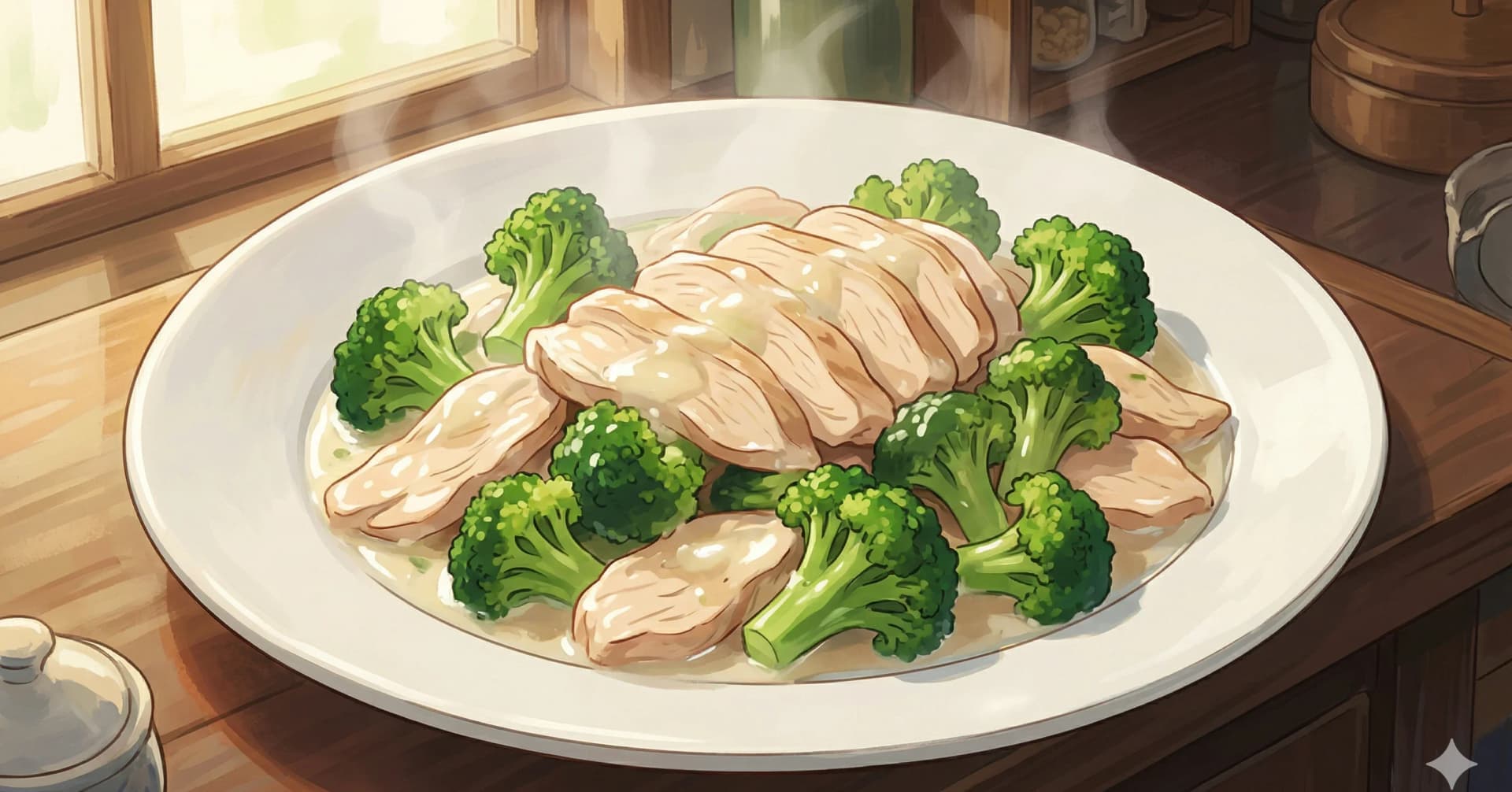 Easy
EasyCross-Cultural · China
Chicken and Broccoli in White Sauce (白汁鸡花椰)
45 minutes
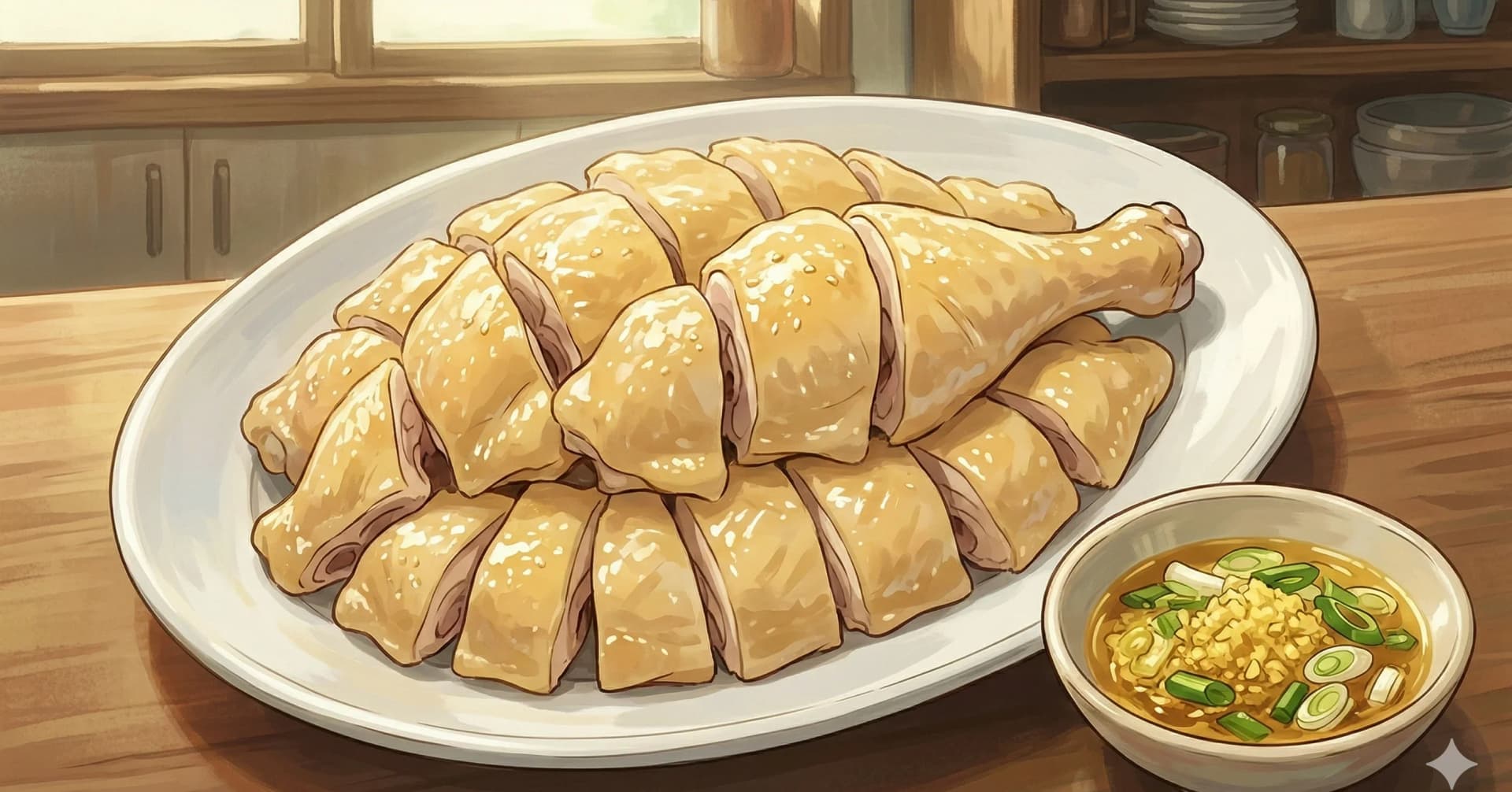 Medium
Chinese Cuisine
Bai Qie Ji (White Cut Chicken)
4 hours 30 minutes
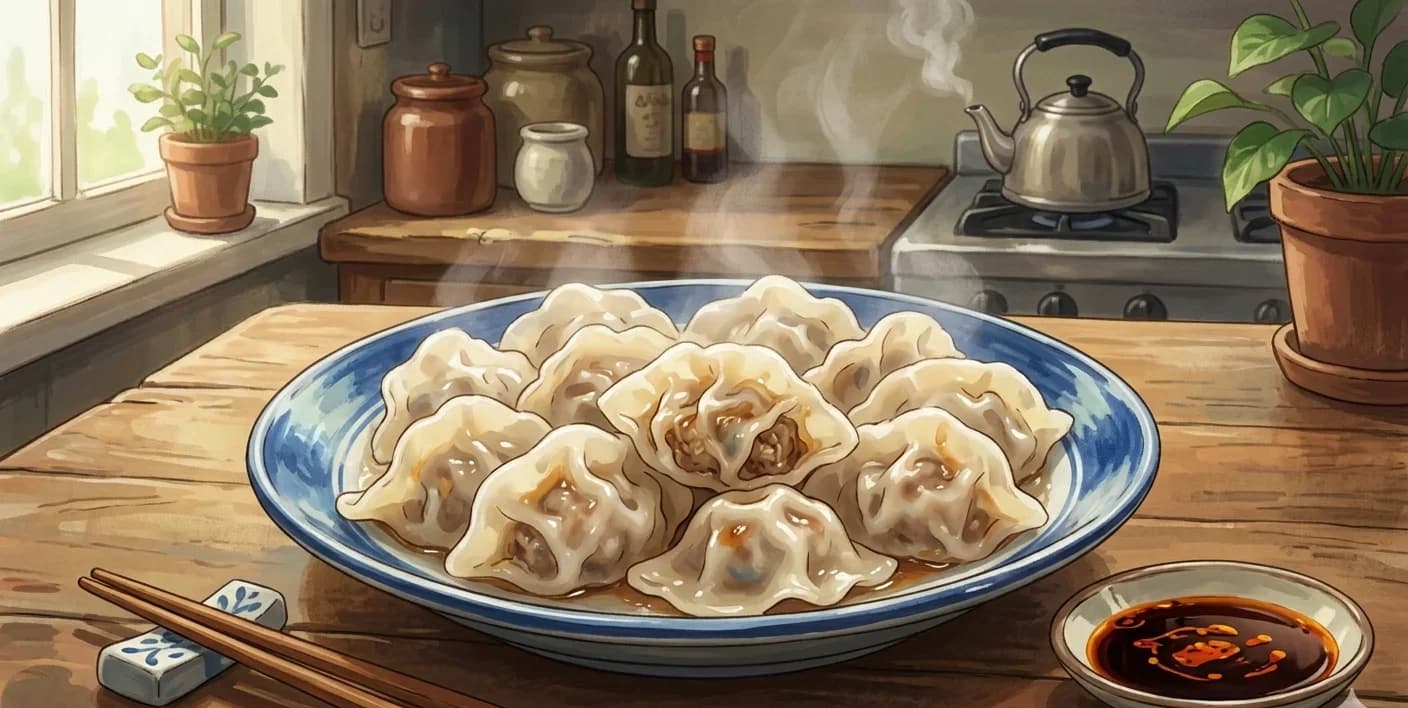 Medium
Chinese Cuisine
Niu Rou Yang Cong Jiaozi (Beef and Onion Dumplings)
60 minutes
 Easy
EasyTraditional Chinese Medicine · China
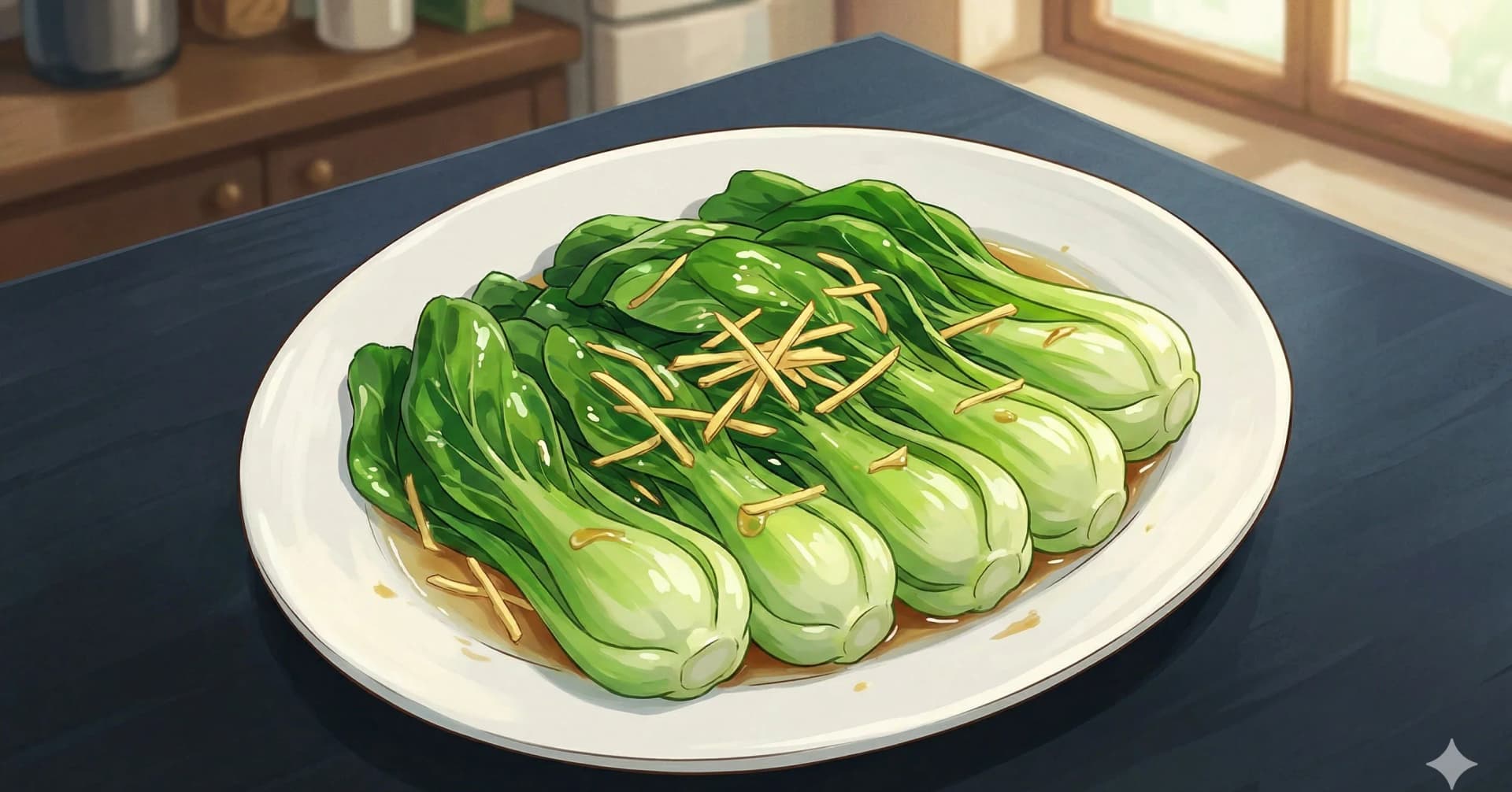
Bok Choy in Ginger Sauce (姜汁白菜)
6 minutes
Ratings & Comments
Ratings & Comments
Ratings
Share your thoughts on this recipe.
Sign in to rate and comment