
Cross-Cultural · Korea
Spicy Pork Rice Bowl (Jeyuk-Deopbap / 제육덮밥)
Spicy gochujang pork and vegetables stir-fried and served over steamed rice, a Korean one-bowl meal
Jeyuk-deopbap is the Korean one-bowl meal that solves the question of what to make for dinner when you want something fast, filling, and intensely flavored. Thinly sliced pork shoulder gets stir-fried with cabbage, carrot, onion, and scallions in a sauce built on gochujang and gochugaru, then piled next to a mound of steamed rice. An optional fried or raw egg goes on top. The whole thing takes about thirty minutes.
The sauce is what makes this addictive. Gochujang provides a sweet, fermented heat that coats the pork in a sticky, glossy glaze. Gochugaru adds a rougher, more textured chili flavor. Soy sauce provides salt, sugar rounds the heat, and potato starch thickens everything into a sauce that clings. Garlic and ginger go in first and cook until they are slightly crispy, which concentrates their flavor before the pork goes in.
The vegetables cook covered for about three minutes, which softens them slightly while keeping some crunch. Then the lid comes off, the sauce goes in, and everything cooks on higher heat until the sauce reduces and coats the pork and vegetables evenly. Sesame oil at the very end adds a nutty richness. The dish is spicy, a little sweet, deeply savory, and the kind of thing that disappears from the plate faster than you expected.
At a Glance
Yield
3 servings
Prep
15 minutes
Cook
15 minutes
Total
30 minutes
Difficulty
Easy
Ingredients
Pork Ingredients
Sauce Ingredients
- 2 tbspsoy sauce
- 1/2 cupwater
- 1 tbspgochugaru
- 1/4 cupgochujang
- 1 tsppotato starch
- 1/4 tspground black pepper
- 1 tbspsugar
To Finish
- 2 tsptoasted sesame oil
- 2 tsptoasted sesame seeds
Method
- 1
Mix sauce: soy sauce, water, gochugaru, gochujang, potato starch, black pepper, sugar.
- 2
Heat oil over medium-high. Add garlic and ginger, stir about 1 minute until slightly crispy.
- 3
Add pork, cook 2-3 minutes until no longer pink.
- 4
Add cabbage, carrot, onion, chili, and scallion. Cover, reduce to medium, cook 3 min.
- 5
Uncover, add sauce, increase to medium-high. Cook 3 min, stirring, until everything is coated and sauce is reduced.
- 6
Stir in sesame oil. Serve over rice, sprinkle sesame seeds, add egg on top if desired.
Key Ingredient Benefits
Pork shoulder: The right cut for this dish, with enough intramuscular fat to stay juicy through high-heat stir-frying. Leaner cuts like loin or tenderloin will dry out before the sugar in the sauce caramelizes. Pork shoulder is also rich in B vitamins, particularly thiamine and B12, which the body needs for energy metabolism and red blood cell production.
Gochujang: A fermented chili paste of red chili powder, glutinous rice, fermented soybean powder (meju), and salt, aged for months to years in traditional clay onggi pots. The fermentation breaks down proteins into free amino acids and produces lactic acid, giving gochujang its characteristic complex flavor: sweet, savory, fermented, and spicy in roughly equal measure. It is the umami backbone of countless Korean dishes.
Gochugaru: Layers additional fresh chili heat on top of the deeper, more developed flavor of gochujang. Together they produce a fuller heat profile than either could alone.
Garlic, ginger, and sesame oil: The classic Korean aromatic trinity. Garlic and ginger contribute pungent organosulfur compounds that mellow into nutty depth when stir-fried. The toasted sesame oil added at the end is a finishing touch that adds nutty fragrance without contributing to the cooking heat.
Why This Works
The pork is sliced thin (best done partially frozen) so it cooks in seconds and absorbs the gochujang sauce immediately. Thicker slices would still be raw on the inside when the sauce starts to caramelize on the outside. Pre-marinating the pork in the gochujang mixture for even 10 minutes lets the salt and sugar begin penetrating the meat, which makes the surface caramelization in the wok deeper and more uniform.
The key to a great jeyuk-deopbap is the balance of moisture in the pan. Too little liquid and the sauce burns onto the bottom of the wok before the vegetables soften. Too much and you end up with a soup rather than a stir-fry. The 1/2 cup of water in the recipe is exactly enough to keep the sauce loose while everything cooks, then evaporates in the final minute to leave a glossy glaze on the pork.
Adding the vegetables in stages matters. Onion and carrot need longer cooking, so they go in first. Cabbage wilts quickly and becomes the bulk of the dish, so it goes in next. Scallions, garlic chives, and sesame oil go in last as finishing aromatics, which is why they smell so vivid in the final bowl.
Gochujang and gochugaru work as a pair. Gochugaru provides bright, fresh chili heat. Gochujang adds depth, sweetness, and the umami of fermentation. Using both gives a fuller flavor than doubling either one alone.
Substitutions & Variations
Pork shoulder: Pork belly works beautifully and adds richness; reduce the cooking oil if using belly. Pork loin will work but the dish will be drier and you should reduce cooking time by about 30 seconds. Chicken thighs or beef sirloin can substitute for a different protein, with the same sauce; the result is no longer technically jeyuk but still excellent.
Gochujang: No real substitute. Some cooks blend miso paste with sriracha and a little sugar to approximate it (about 2 parts miso to 1 part sriracha plus a teaspoon of brown sugar per tablespoon), but the flavor is meaningfully different. If gochujang is unavailable, look at making something else.
Gochugaru: A blend of sweet paprika and cayenne (3 to 1 ratio) is the closest substitute, though the flavor will lack the smoky-fruity depth of true Korean chili.
Cabbage: Napa cabbage is best, but green cabbage works fine. Bok choy will work and adds a slight bitter note. Spinach can be added at the end for a different vegetable balance.
Pork shoulder + chicken combination: A common Korean home variation is to use half pork and half chicken thigh for a milder, more accessible version. The sauce works equally well on both.
Serving Suggestions
Jeyuk-deopbap is a one-bowl meal: pile the spicy pork over a generous mound of steamed short-grain rice and finish with a sprinkle of toasted sesame seeds. A fried egg with a runny yolk on top is the canonical addition, and the yolk acts as a built-in cooling element when broken into the spicy pork.
Round it out with a small dish of kimchi or kkakdugi (cubed radish kimchi) on the side, plus one cooling banchan such as sigeumchi namul (seasoned spinach) or kongnamul muchim (seasoned soybean sprouts). A bowl of clear soup like miyeok guk (seaweed soup) completes the table.
For lettuce-wrap style eating (ssam), serve the pork without rice, alongside red leaf lettuce, perilla leaves, sliced raw garlic, and a small dish of ssamjang for dipping. Wrap a spoonful of pork in a leaf with rice and condiments, eat in one bite.
Storage & Reheating
Refrigerator: Store the cooked pork in an airtight container for up to 3 days. The flavor deepens overnight as the gochujang continues to season the meat.
Reheating: Reheat in a hot pan with a splash of water for about 2 minutes, stirring constantly. Microwave works in a pinch but the sauce can dry out and become pasty. Add a tablespoon of water before microwaving to help.
Make-ahead: The marinade can be mixed and stored in the fridge for up to 3 days. Slicing the pork and tossing it with marinade is a great prep-ahead strategy for weeknight cooking; let it sit overnight for deeper flavor.
Freezing: Marinated raw pork freezes well for up to 2 months. Thaw overnight in the fridge before stir-frying. Cooked pork can be frozen for up to 1 month, though the vegetables will lose some texture.
Cultural Notes
Deopbap (덮밥) literally means "covered rice" — any Korean dish where a topping is served over a bowl of rice. Jeyuk-deopbap is one of the most popular deopbap varieties in Korea, alongside odeng-deopbap (fish cake), ojingeo-deopbap (squid), and yukhoe-deopbap (raw beef). The category is the Korean equivalent of Japanese donburi and reflects the same instinct: a hot, well-seasoned topping over rice is one of the most satisfying meal formats ever invented.
The standalone version of this dish — without rice — is called jeyuk-bokkeum (제육볶음), simply "stir-fried pork." When served deopbap style over rice, it becomes a complete one-bowl meal popular in Korean lunch counters, school cafeterias, and home kitchens. It is one of those rare dishes that is equally at home as humble student food and as a featured banchan-style dish at a sit-down restaurant.
Korean cooking has a long tradition of marinating thinly sliced meats in fermented chili pastes and grilling or stir-frying them quickly over high heat. This category of dish, broadly called bulgogi-style cooking, includes bulgogi (sweet soy beef), dwaeji bulgogi (spicy pork), dak galbi (spicy chicken), and jeyuk-bokkeum. They all share the same underlying technique even when the marinade and protein differ.
Nutrition Facts
Calories: 641kcal (32%)|Total Carbohydrates: 32.2g (12%)|Protein: 31.3g (63%)|Total Fat: 43.5g (56%)|Saturated Fat: 11.6g (58%)|Cholesterol: 110mg (37%)|Sodium: 1298mg (56%)|Dietary Fiber: 6.1g (22%)|Total Sugars: 14.1g
You Might Also Like
 Medium
Cross-Cultural · Korea
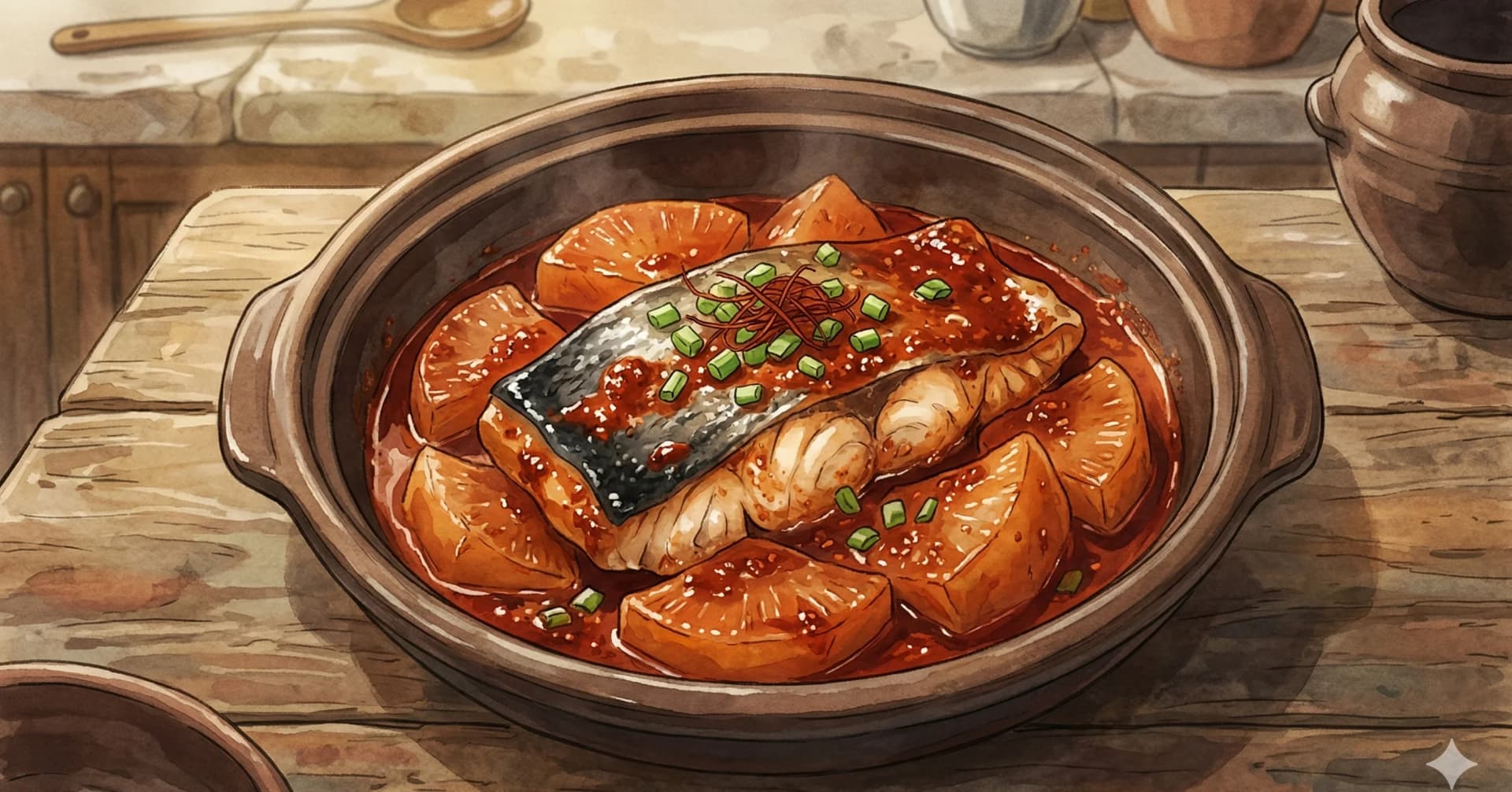
Braised Black Cod (Eundaegu-jorim / 은대구조림)
45 minutes
 Medium
Korean Cuisine
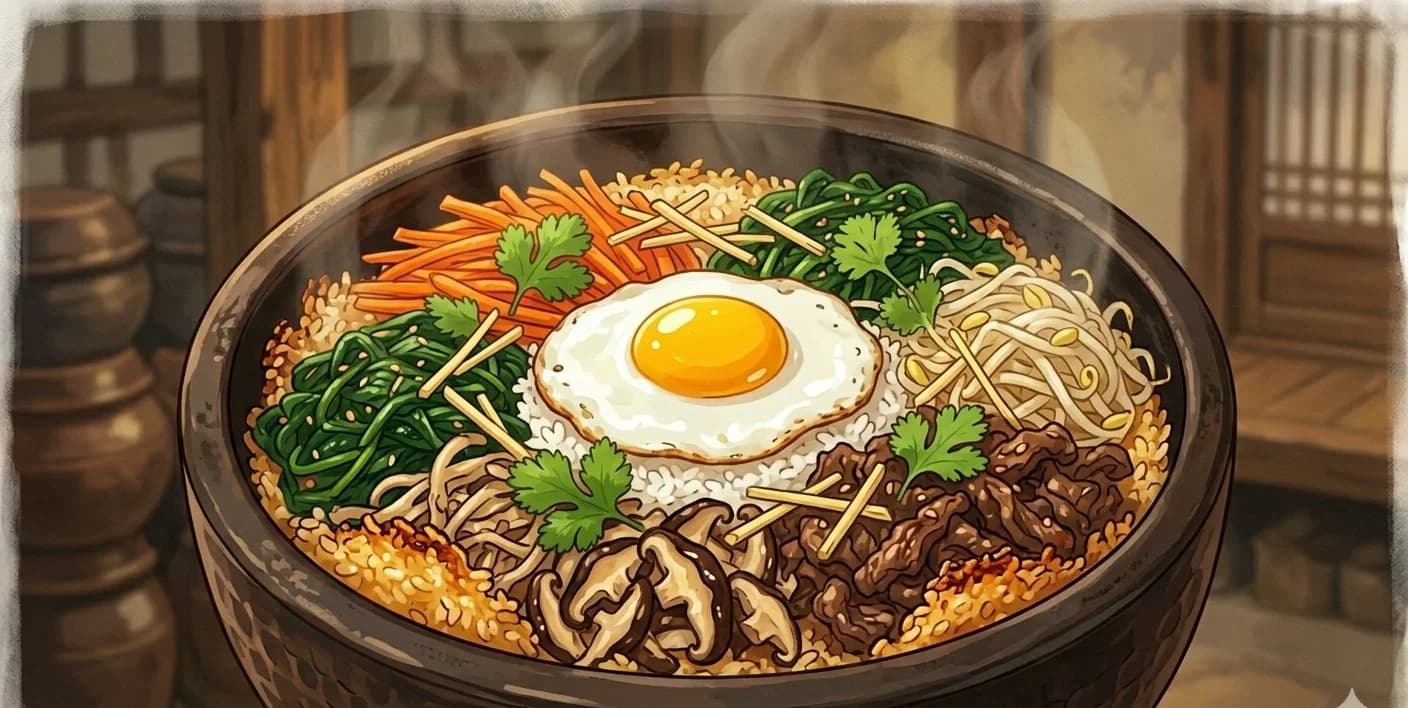
Bibimbap (Mixed Rice Bowl)
1 hour 10 minutes
 Medium
Cross-Cultural · Korea
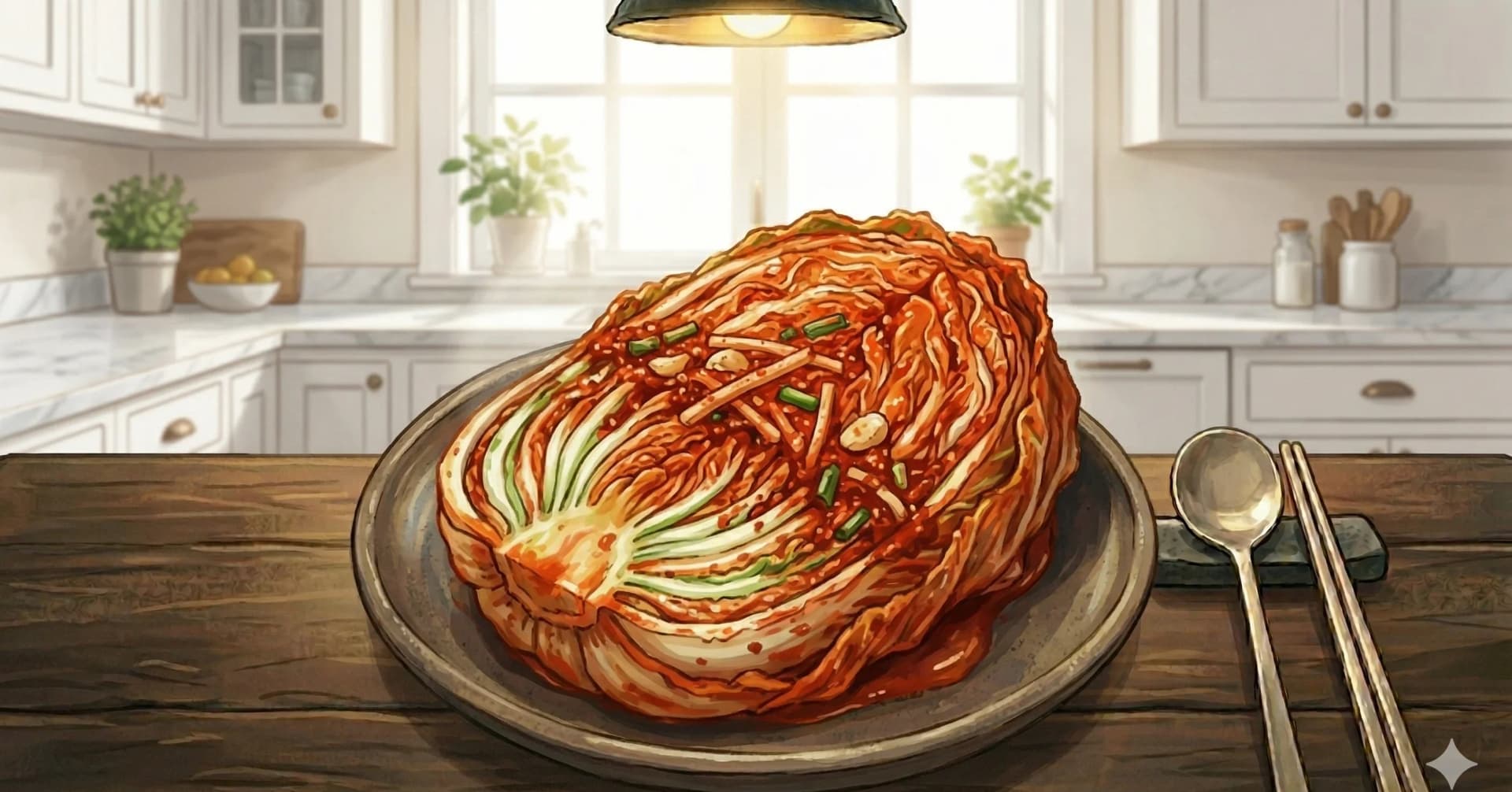
Napa Cabbage Kimchi (통배추김치)
8 hours plus 1-2 days fermentation
 Easy
EasyCross-Cultural · China
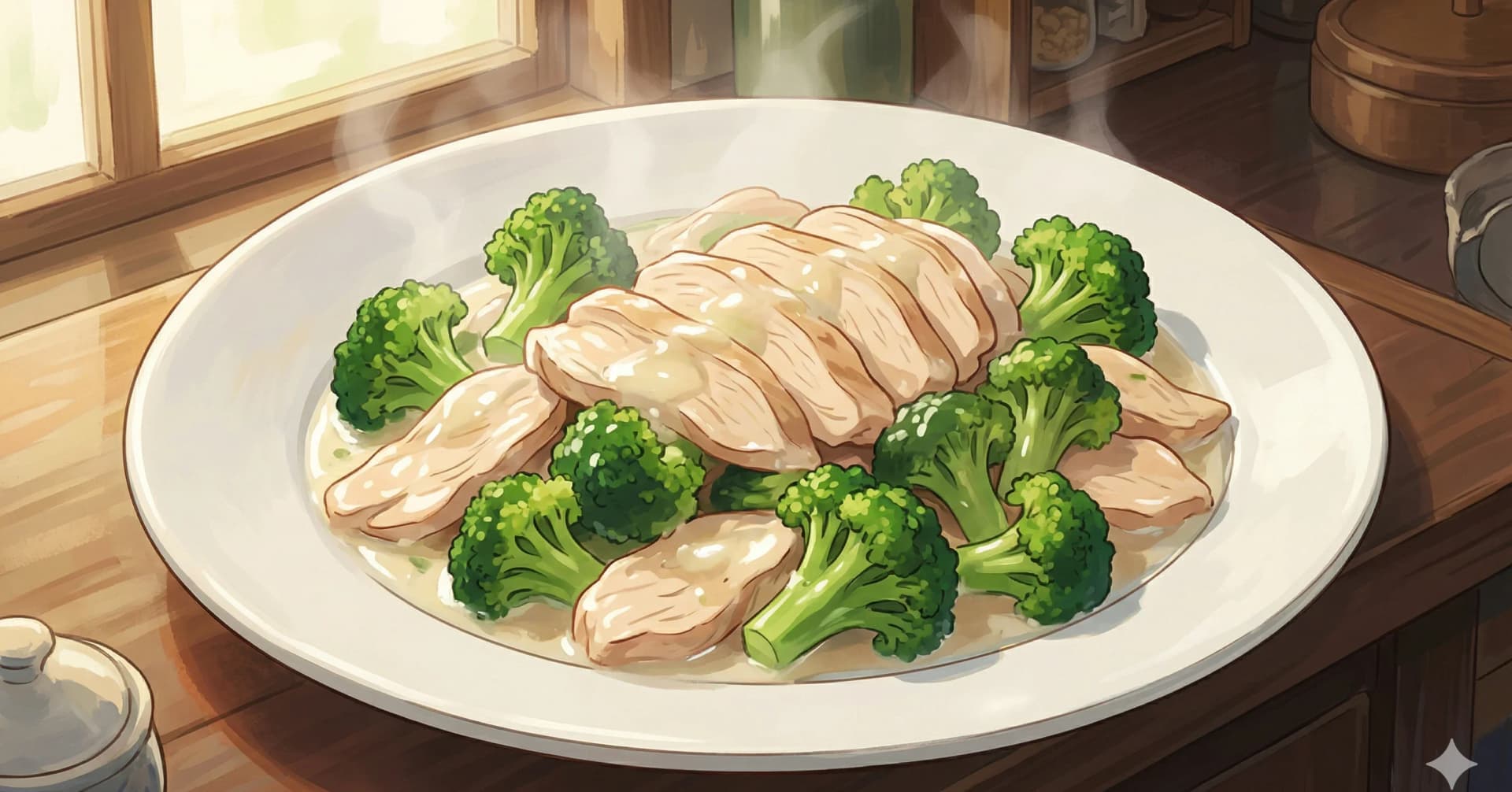
Chicken and Broccoli in White Sauce (白汁鸡花椰)
45 minutes
Ratings & Comments
Ratings & Comments
Ratings
Share your thoughts on this recipe.
Sign in to rate and comment