Maharashtrian · Indian Cuisine
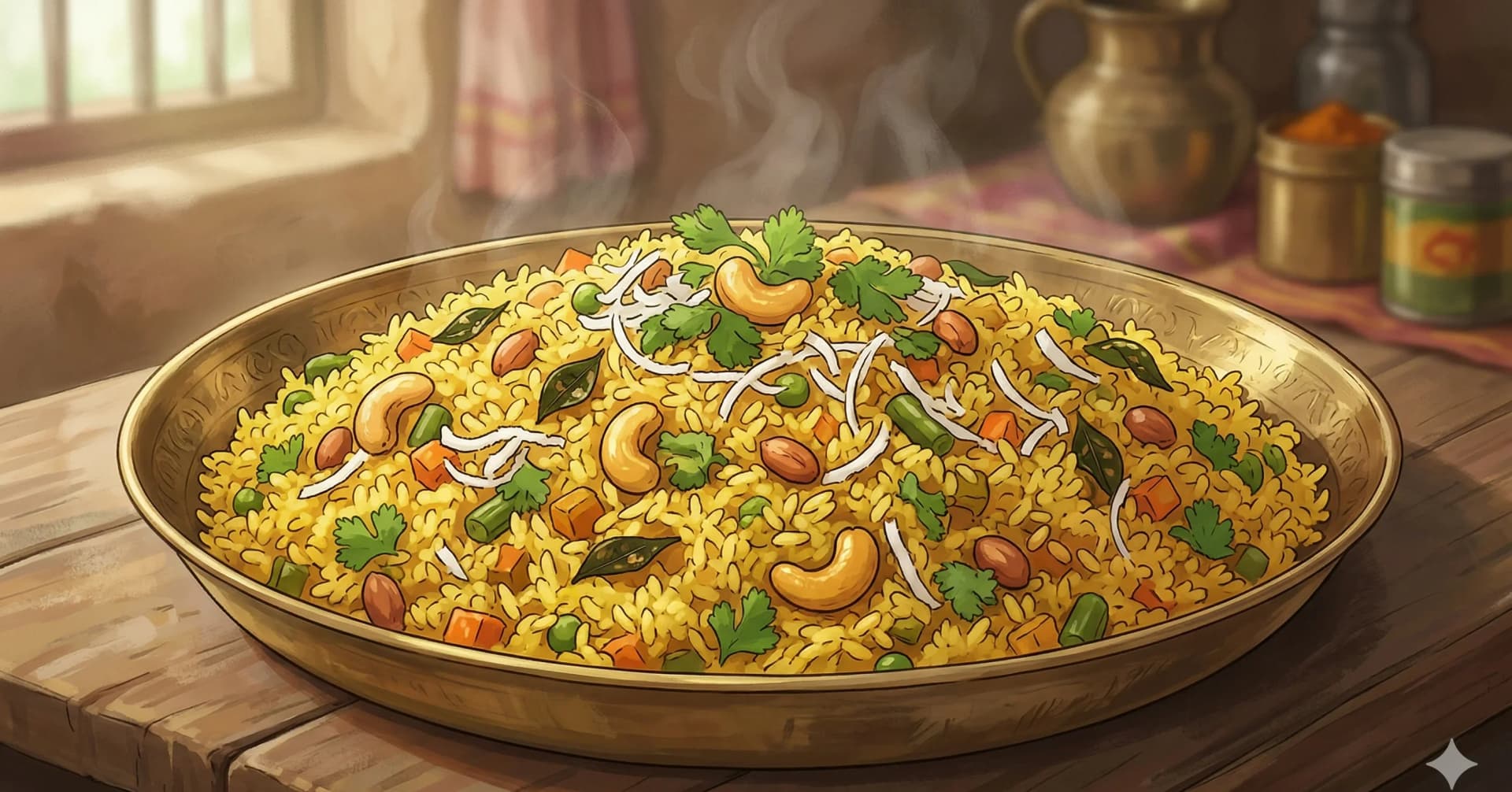
Maharashtrian Spiced Rice (Masale Bhaat)
Maharashtrian Festive Spiced Rice with Goda Masala
The scent of masale bhaat cooking is the scent of celebration in Maharashtra. Before the rice even hits the pot, the kitchen fills with something remarkable: a warm, layered fragrance unlike any other Indian spice blend. This is goda masala announcing itself, the earthy stone flower, the faint sweetness of coconut, the warmth of sesame and cinnamon, something almost floral underneath it all. It is a smell that calls people to the kitchen before they are summoned.
Masale bhaat is the rice dish of Maharashtrian weddings and festivals, most closely associated with the Chitpavan Brahmin community and served at events marking birth, marriage, and the new year. In traditional homes it is made with whatever seasonal vegetables the kitchen holds: brinjal in one season, drumstick in another, potatoes always steadying things. The defining constant is goda masala, a spice blend particular to Maharashtra that bears little resemblance to the garam masala of the north. Where garam masala is piercing, goda masala is complex and round, built on stone flower (dagad phool), dried coconut, and black sesame.
What this dish delivers is satisfying in a way that belies its vegetarian simplicity. The rice absorbs the spiced ghee, the vegetables give substance and variety, and the garnish of fresh coconut and coriander lifts everything at the end with brightness and texture.
One practical insight worth remembering: goda masala varies considerably from brand to brand, and homemade versions are far more fragrant than packaged ones. If you find a good brand or make your own, the dish transforms. Add the masala to the dry rice before the water goes in. That brief toast in the ghee-coated rice unlocks its depth.
At a Glance
Yield
4 servings
Prep
30 minutes (including 20-minute rice soak)
Cook
30 minutes
Total
1 hour
Difficulty
Medium
Ingredients
- ¾ lbbasmati rice, soaked in cold water for 20 minutes, drained
- 7 ozmixed vegetables: brinjal (eggplant) cut into 2cm cubes, potato cut into 2cm cubes, green peas (fresh or frozen) (about 1–1½ potatoes), drumstick cut into 5cm lengths
- 2 tbspghee, plus extra for finishing
- 1 tspmustard seeds
- 10–12fresh curry leaves
- 1dried red chilli
- 2cloves
- 1small cinnamon stick
- 1 ozraw cashews
- 1 ozraw peanuts
- —½ tsp turmeric powder
- ¾ ozgoda masala (see notes)
- 1⅞ cupwater (1.5x the volume of drained rice)
- 1 tspsalt, or to taste
- 1 tbspghee
- 1½ ozfresh coconut, grated
- 3 tbspfresh coriander leaves, roughly chopped
- —Juice of half a lime (optional)
Method
- 1
Prepare the rice. Wash the basmati rice in several changes of cold water until it runs mostly clear. Soak in fresh cold water for 20 minutes. Drain well in a fine sieve and set aside.
- 2
Build the tadka. In a heavy-bottomed pot or Dutch oven, heat the ghee over medium heat. Add the mustard seeds and let them sputter and pop, about 30 seconds. Add the curry leaves (they will crackle), the dried red chilli (1), cloves (2), and cinnamon stick (1). Stir for 20 seconds until fragrant.
- 3
Fry the nuts. Add the cashews and peanuts to the pot. Fry, stirring constantly, for 2–3 minutes until lightly golden. They will continue to colour as the dish cooks, so stop while they are pale gold.
- 4
Sauté the vegetables. Add the brinjal, potato, and drumstick pieces. Sprinkle over the turmeric. Sauté for 4–5 minutes, stirring occasionally, until the vegetables are lightly coated in spiced ghee and just beginning to soften at the edges. Add the peas and stir through.
- 5
Add the rice and goda masala. Add the drained rice to the pot. Add the goda masala. Stir gently but thoroughly for 2 minutes, toasting the spiced rice in the ghee. Every grain should be coated and the masala fragrance should open fully.
- 6
Add water and cook. Pour in 450ml water and add the salt. Stir once to combine. Bring to a boil over medium-high heat, then reduce the heat to the lowest setting. Cover the pot with a tight-fitting lid. Cook undisturbed for 15–18 minutes, until all water is absorbed and the rice is tender and separate.
- 7
Rest and fluff. Remove from heat. Let the pot sit, covered, for 5 minutes. Then drizzle over the remaining tablespoon of ghee and gently fluff the rice with a fork, separating any clumped grains. Take care not to break the vegetables.
- 8
Garnish and serve. Transfer to a serving dish or serve directly from the pot. Top with grated fresh coconut and chopped coriander. Add a squeeze of lime if you like. Serve immediately.
Key Ingredient Benefits
Goda masala is the heart of this dish. The spice blend typically contains stone flower (dagad phool / kalpasi), dried coconut, black sesame, coriander, cumin, cloves, cinnamon, cardamom, bay leaves, and star anise, though the exact formula varies by household and maker. Look for it at Maharashtrian grocery stores or online. Brands vary considerably in intensity. Taste yours before measuring. Traditionally used in Maharashtrian cooking as a warming digestive spice blend, particularly in dal and rice dishes.
Dagad phool (stone flower) is a dried lichen used almost exclusively in Maharashtrian and Hyderabadi cooking. It has an earthy, slightly smoky quality with faint woodsy sweetness. It is what makes goda masala taste distinctly like itself. If making your own goda masala, seek it out. It cannot be substituted.
Drumstick (moringa) is traditionally prized in Indian cooking for its nutritional density. Research suggests moringa leaves and pods are rich in vitamins C and A, iron, and calcium. The pods are edible but fibrous. You chew them for the soft flesh inside rather than eating them whole.
Ghee is clarified butter with the milk solids removed. Research suggests it contains fat-soluble vitamins A, D, E, and K. Traditionally used in Ayurvedic cooking as a carrier for spices and a digestive aid. It has a high smoke point, making it well-suited to the initial tadka at medium-high heat.
Cashews and peanuts add protein and textural contrast. Both are traditionally added to festive rice dishes in Maharashtra for richness and substance.
Why This Works
The 20-minute soak allows the starch to hydrate and the grain to elongate during cooking, producing separate, fluffy rice rather than a starchy mass. It also shortens cooking time, which protects the vegetables from overcooking.
Toasting the goda masala in dry rice before the water is added concentrates the spice oils and distributes them evenly through every grain. Adding masala directly to water dilutes this effect.
The low, covered finish traps steam inside the pot, cooking the rice gently from above and below simultaneously. Lifting the lid during this stage loses that steam and can result in unevenly cooked or gummy rice.
Fresh coconut at the end rather than cooked into the rice preserves its texture and natural sweetness, which contrasts pleasingly with the warm, deep spice of the goda masala.
Substitutions & Variations
Goda masala substitute: If you cannot find goda masala, a combination of 10g regular garam masala + 5g coriander powder + a pinch of ground sesame will give a rough approximation, but the dish will taste different at its core.
Vegetables: This recipe is flexible. Replace or add: raw plantain, yam, snake gourd, tendli (ivy gourd), or any firm seasonal vegetable that holds its shape during cooking. Avoid delicate vegetables like spinach or tomato, which will dissolve.
Fish-free goda masala: Some versions of goda masala contain dried fish. If you are cooking for vegetarians, verify the ingredient list or make your own.
Reducing richness: The ghee quantity can be reduced to 15g without significantly altering the result. Less than that and the tadka loses some of its fragrance.
No pressure cooker needed: This is a simple pot method. No special equipment required.
Serving Suggestions
Masale bhaat is a complete meal on its own, but in Maharashtrian homes it is typically served with:
- Koshimbir: a fresh salad of cucumber, tomato, and grated coconut with a mustard-chilli tadka
- Papad: roasted or fried, for crunch
- Pickle (lonche): raw mango or lime, for sharpness
- Mattha: spiced buttermilk, for cooling contrast
- A spoonful of extra ghee poured over the individual serving is entirely appropriate and encouraged.
Storage & Reheating
Refrigerator: Store cooled masale bhaat in an airtight container for up to 3 days. The rice will firm up and dry slightly.
Freezer: Freezes reasonably well for up to 1 month in an airtight container. Texture is best if reheated from frozen rather than thawed.
Reheating: Sprinkle 1–2 tablespoons of water over the rice before reheating. Cover with a damp paper towel and microwave in 60-second increments, fluffing gently between cycles. Alternatively, reheat in a covered pan over very low heat with a splash of water. Add fresh garnishes after reheating.
Note: Drumstick pieces do not reheat as cleanly as other vegetables; they can become fibrous. This dish is best eaten fresh.
Cultural Notes
Masale bhaat (मसाले भात, "spiced rice") is the Maharashtrian one-pot rice preparation in which rice is cooked together with vegetables, peanuts, and the distinctive Maharashtrian goda masala spice blend. The dish is the everyday Maharashtrian rice variation and one of the most strongly identified preparations of the cuisine of central and western Maharashtra (Pune, Nashik, Kolhapur, Satara). Where the broader North Indian pulao tradition uses Persian-influenced cooking with whole spices, Maharashtrian masale bhaat uses the regional goda masala that gives the dish its unmistakable Maharashtrian flavor identity.
The goda masala blend is the technical heart. The blend combines coriander seeds, sesame seeds, dried coconut, cumin, fennel, black peppercorns, cloves, cinnamon, dried red chilies (the Bedgi or Kashmiri varieties), the stone flower dagad phool, and small amounts of nutmeg, mace, and bay leaf, all dry-roasted and ground together. The distinctive elements compared to other Indian spice blends are the heavy use of coconut and sesame (which contribute to the slightly sweet and toasted character), and the stone flower (which provides an earthy musk-like aromatic note unique to Maharashtrian and Konkani cooking). The blend keeps for several months in airtight containers but is best within four to six weeks of grinding.
The technique cooks everything together in a single pot. Long-grain rice is soaked for thirty minutes. Tempering ghee tempers cumin seeds, mustard seeds, asafoetida, curry leaves, and dried red chilies, then sliced onions are softened. Chopped vegetables (typically a mix of small eggplant, drumstick, potato, peas, and tindora, the small Maharashtrian gourd) are added with turmeric, kashmiri red chili powder, and goda masala. Raw peanuts go in next for crunch and protein. The soaked rice is added, water is poured in at the standard pulao ratio (1.75 parts water to 1 part rice), and the whole pot covers and cooks at low heat for fifteen to eighteen minutes. The dish is finished with grated fresh coconut and chopped cilantro and served with a side of plain yogurt or a taak (spiced buttermilk drink). The dish appears at countless Maharashtrian home meals and at festival gatherings, with particular prominence at the Ganesh Chaturthi festival celebrations in August-September.
Nutrition Facts
Calories: 466kcal (23%)|Total Carbohydrates: 71.4g (26%)|Protein: 9.4g (19%)|Total Fat: 16.4g (21%)|Saturated Fat: 8.1g (41%)|Cholesterol: 17mg (6%)|Sodium: 89mg (4%)|Dietary Fiber: 3g (11%)|Total Sugars: 1.8g
You Might Also Like
 Easy
EasyGoan · Indian Cuisine
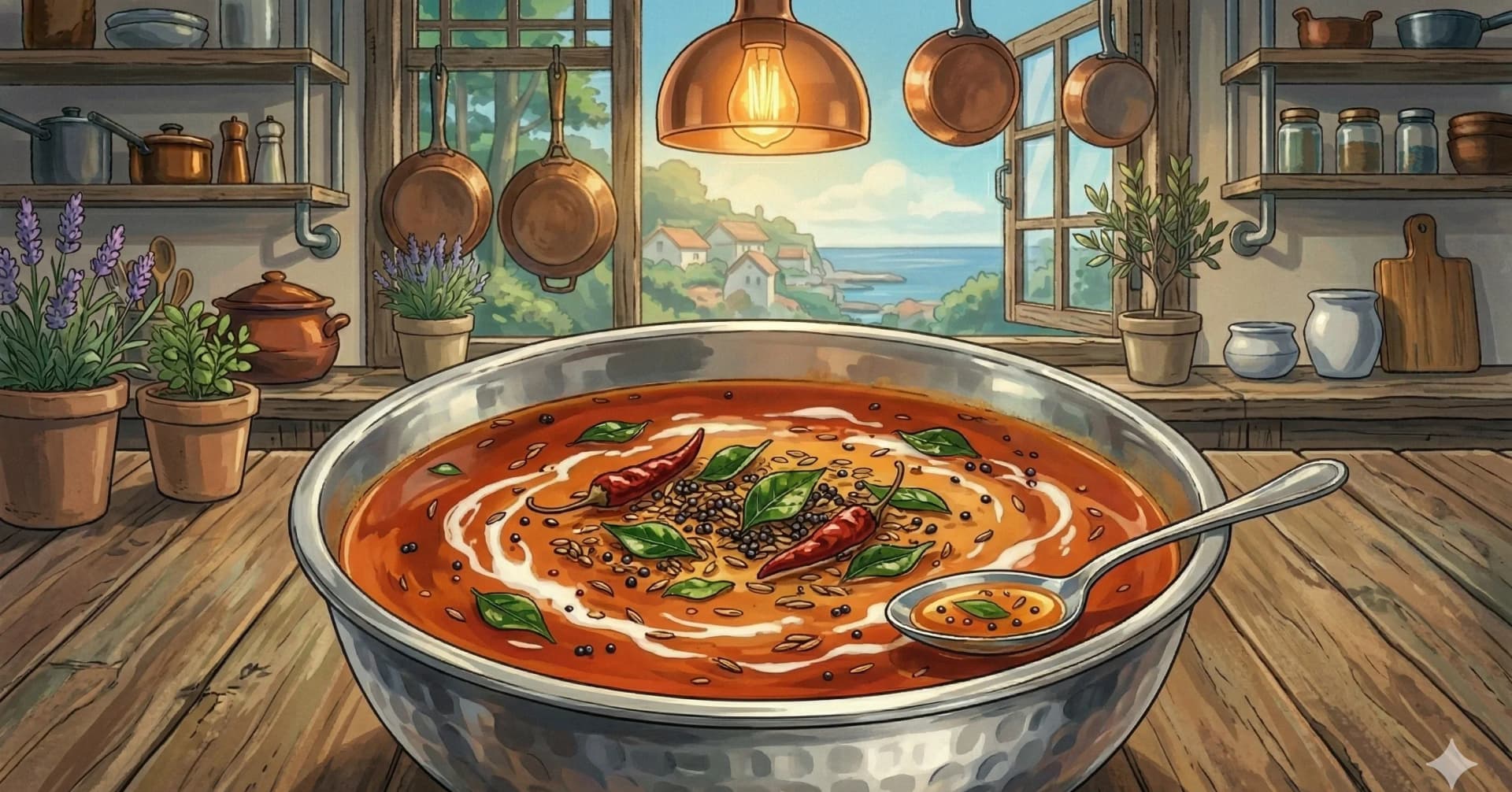
Maharashtrian Tomato Soup (Tomato Saar)
30 minutes
 Involved
Indian Cuisine
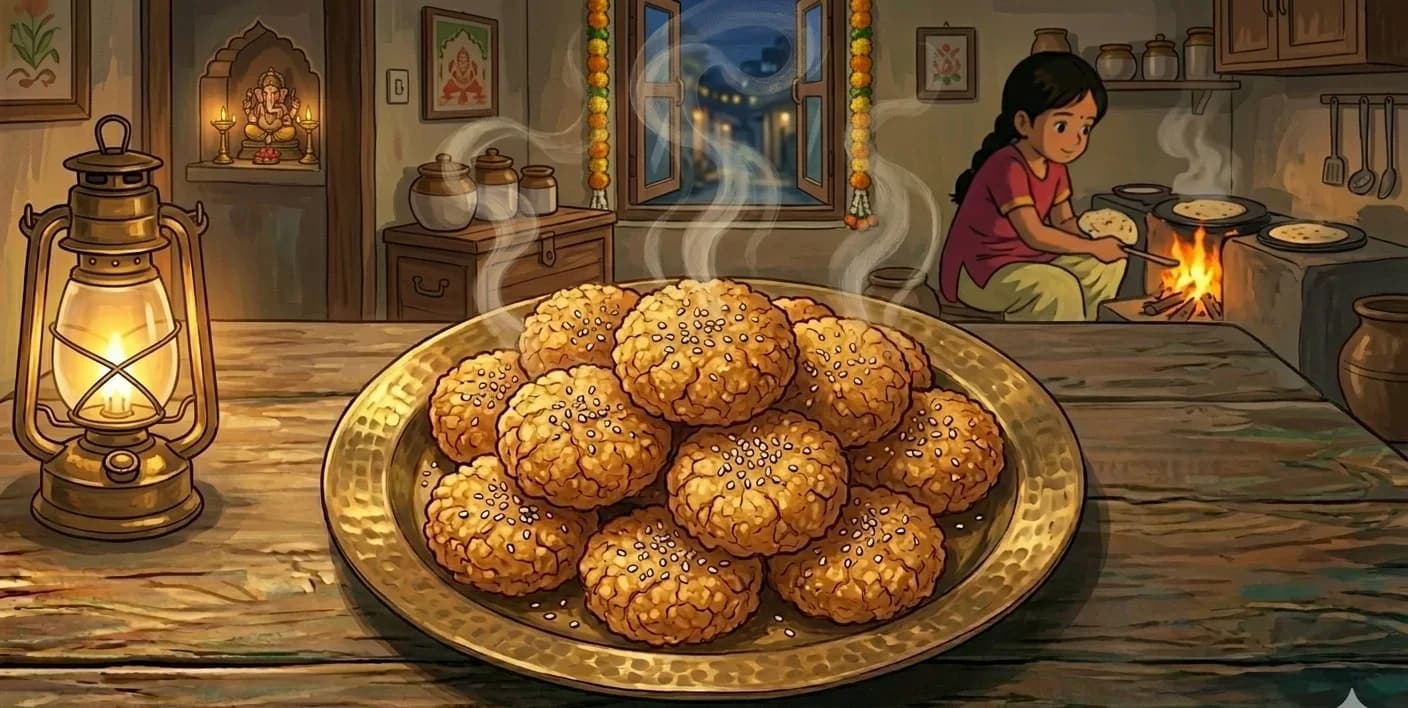
Sesame-Crusted Rice Cookies (Anarsas)
3 days plus 5 hours active and rest
 Medium
Rajasthani · Indian Cuisine
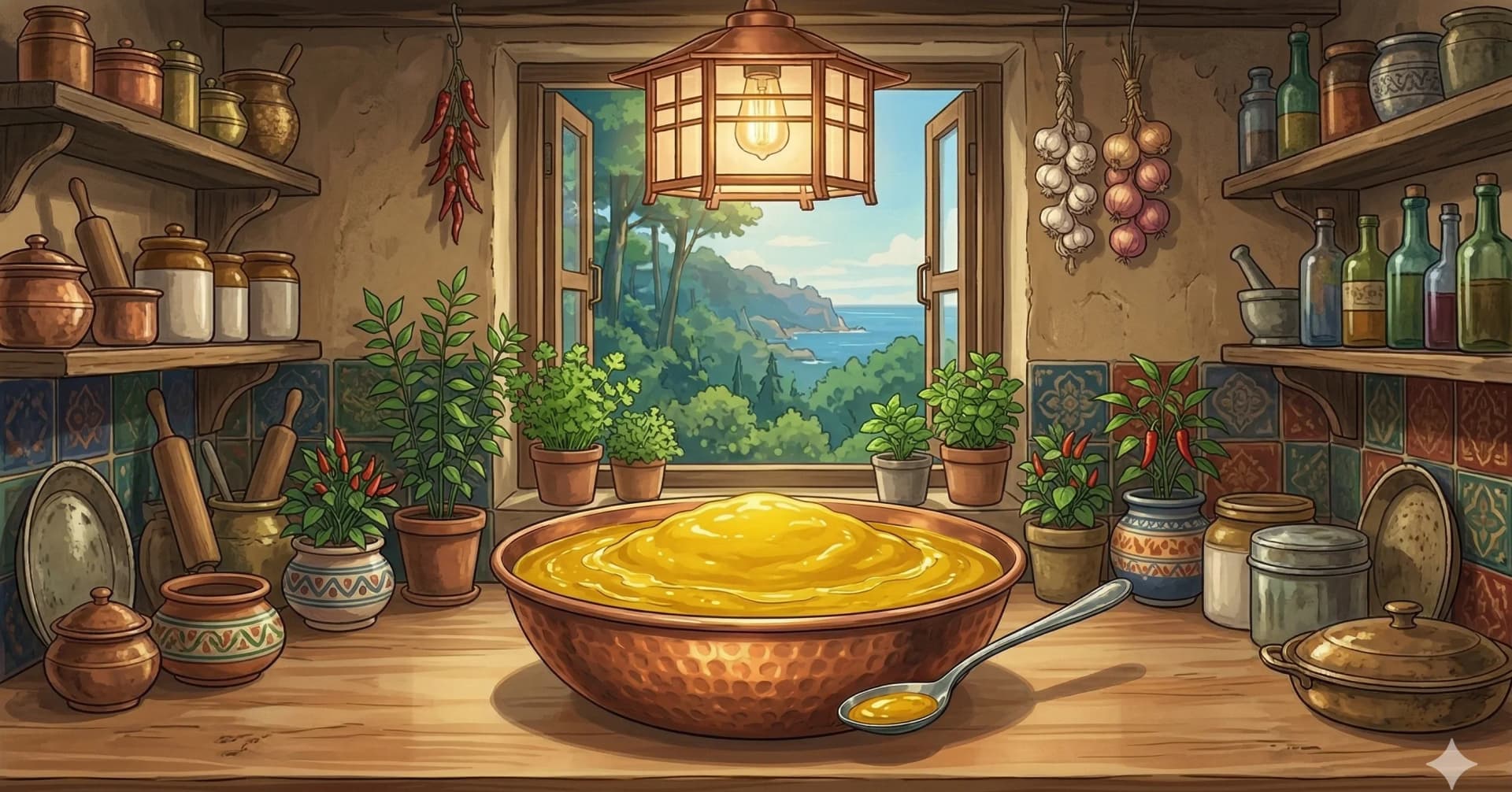
Yellow Gravy
1 hour
 Easy
EasyVietnamese Cuisine
Cháo Gà (Vietnamese Chicken Rice Porridge)
1 hour 30 minutes
Ratings & Comments
Ratings & Comments
Ratings
Share your thoughts on this recipe.
Sign in to rate and comment