Vietnamese Cuisine
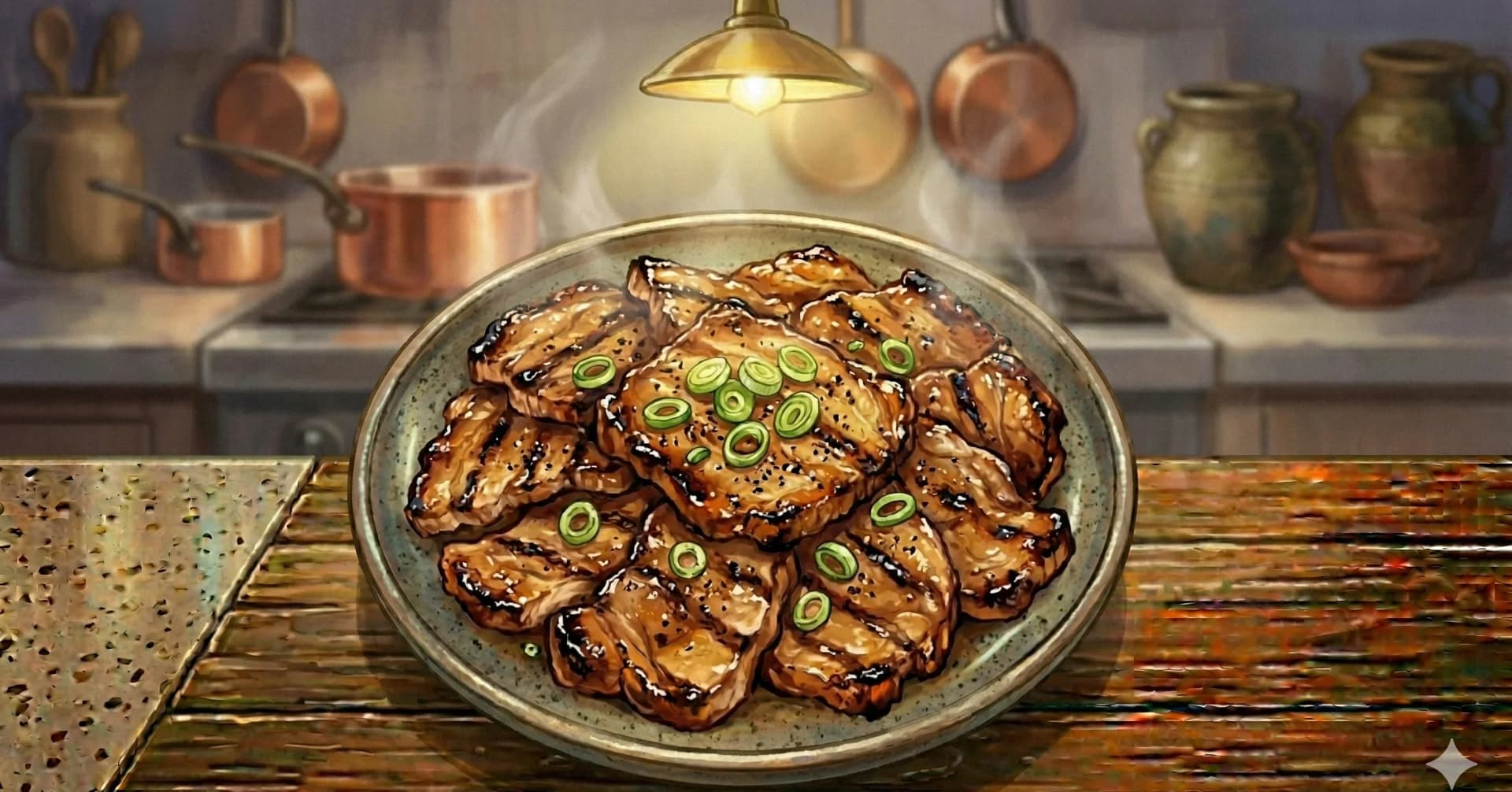
Grilled Lemongrass Pork (Thịt Nướng)
Lemongrass and fish sauce marinated pork grilled over charcoal until sticky and deeply caramelized
The grill smoke carries the smell before the food is visible: sweet caramelized sugar, briny fish sauce, and the bright citrus of lemongrass hitting hot coals. Thit nuong is the grilled pork that anchors some of Vietnam's most beloved dishes. It appears in bun thit nuong over cold noodles, alongside broken rice in com tam, tucked into banh mi sandwiches, and wrapped in rice paper with fresh herbs at the table. It is a building block of Vietnamese cooking, a single preparation that moves fluidly across contexts.
The marinade is where everything begins. Lemongrass, shallots, garlic, fish sauce, sugar, and a touch of honey are pounded or blended into a fragrant paste that coats the pork and penetrates its surface during a long rest. When the meat hits the grill, the sugars caramelize almost immediately, creating a dark, sticky glaze that deepens with each turning. The lemongrass releases its citral in a burst of fragrance, and the fish sauce, concentrated by heat, adds an umami intensity that plain salt could never match.
The best thit nuong is grilled over charcoal, where the fat dripping onto coals creates smoke that flavors the meat in a way no gas grill or oven can replicate. The pork should be sliced thin enough to cook quickly, developing maximum surface char relative to its thickness, but thick enough to stay juicy. The result is meat that is simultaneously sweet, savory, smoky, and faintly bitter from the char. It is one of the most satisfying things you can put on a grill.
At a Glance
Yield
4 servings
Prep
15 minutes (plus 2 hours marinating)
Cook
15 minutes
Total
2 hours 30 minutes
Difficulty
Easy
Ingredients
Pork Ingredients
- 1¼ lbpork shoulder or pork collar, sliced into pieces 5 to 7 mm thick
Marinade Ingredients
- 3 stalkslemongrass, white parts only, finely minced
- 4shallots, finely minced
- 4 clovesgarlic, minced
- 3 tbspfish sauce
- 2½ tbspsugar
- 1 tbsphoney
- 1 tbspneutral oil
- 1 tspblack pepper
Method
- 1
Combine the lemongrass, shallots, garlic, fish sauce, sugar, honey, oil, and pepper in a bowl. Stir until the sugar dissolves.
- 2
Add the pork slices and toss to coat every piece thoroughly. Cover and refrigerate for at least 2 hours. Overnight produces the deepest flavor and the most tender meat.
- 3
Remove the pork from the refrigerator 30 minutes before grilling. Cold meat straight from the fridge does not cook evenly.
- 4
Preheat a charcoal grill, gas grill, or grill pan to high heat. The grate should be hot enough that a drop of water evaporates on contact. Oil the grate lightly.
- 5
Lay the pork pieces on the grill in a single layer. Cook for 3 to 4 minutes on the first side without moving. The sugars in the marinade will caramelize and create dark, sticky char marks. The meat should release easily from the grate when ready to flip. If it sticks, give it another 30 seconds.
- 6
Flip and cook for 2 to 3 minutes on the second side. The pork is done when the surface is deeply caramelized with blackened spots at the edges and the interior is cooked through but still juicy. For thin slices, this happens quickly. Watch carefully, as the honey and sugar can burn if left too long.
- 7
Transfer to a plate and let rest for 2 minutes.
- 8
Serve the thit nuong as the protein component for any number of Vietnamese dishes: over rice, over noodles, in a sandwich, or wrapped in rice paper with herbs. It is versatile by design.
Key Ingredient Benefits
Lemongrass: Contains citral, geraniol, and myrcene, aromatic compounds that contribute the characteristic bright, citrusy fragrance. Citral has been studied for antimicrobial and anti-inflammatory properties in laboratory settings. In Vietnamese traditional medicine, lemongrass is considered warming and is used in preparations to support digestion and relieve muscle tension.
Fish sauce (nuoc mam): Provides naturally occurring glutamate for umami depth, along with sodium and small amounts of protein. The fermented anchovy base contributes a complex savory flavor that amplifies the natural meatiness of the pork.
Why This Works
The marinade is engineered for grilling. The sugar and honey provide fuel for Maillard reactions and caramelization, creating the characteristic dark, sticky glaze within the short grilling time. The fish sauce penetrates the thin pork slices quickly, delivering salt and glutamate deep into the meat. The lemongrass contributes citral and geraniol, terpene compounds that are fat-soluble, meaning they dissolve into the pork fat during marinating and release their aroma when the fat hits the hot grill.
Slicing the pork thin (5 to 7 mm) is critical. It maximizes the surface-to-volume ratio, ensuring that every piece has a high proportion of caramelized crust relative to its interior. This is what gives thit nuong its distinctive character: more surface char and glaze than any thick-cut piece could achieve.
Pork shoulder or collar is chosen for its marbling. The intramuscular fat melts during grilling, basting the meat from within and keeping it juicy despite the high heat and thin cut.
Substitutions & Variations
Protein: Chicken thigh, beef (sirloin or flank), shrimp, or firm tofu all take this marinade well. Adjust grilling time accordingly.
Thit nuong on skewers: Thread the pork strips onto bamboo skewers (soaked in water for 2 hours) for easier handling on the grill. This is the common street food presentation.
Oven method: Broil on a rack set over a sheet pan, 10 cm from the heating element, for 4 to 5 minutes per side. The result lacks smoke flavor but the caramelization is excellent.
Pork chops: Use bone-in pork chops (1.5 cm thick) with the same marinade for com tam. Increase grilling time to 5 minutes per side.
Serving Suggestions
Thit nuong is a building block. Use it in:
- Bun thit nuong over cool rice noodles with herbs and nuoc cham
- Com tam over broken rice with egg cake and pickled vegetables
- Banh mi as the protein filling in a crisp baguette
- Wrapped in rice paper with lettuce, herbs, and nuoc cham for a DIY table spread
For a Vietnamese barbecue night, set out thit nuong alongside goi cuon (fresh spring rolls) and a platter of raw vegetables and herbs. Let guests assemble their own rice paper wraps.
Storage & Reheating
Refrigerator: Store cooked thit nuong for up to 3 days. The caramelized surface softens but the flavor remains excellent.
Freezer: Freeze marinated, uncooked pork for up to 2 months. Thaw overnight and grill as directed.
Reheating: Reheat on a hot grill pan or under the broiler for 1 to 2 minutes per side to restore the charred surface. Avoid the microwave, which steams the meat and removes the crust.
Marinade: The raw marinade (before contact with pork) can be made up to 3 days ahead.
Cultural Notes
Thịt nướng, Vietnamese grilled lemongrass pork, is the foundational grilled-meat preparation of the entire Vietnamese kitchen. It is the technique that several other Vietnamese dishes are built around. The pork itself becomes the central protein in bún thịt nướng, grilled pork over vermicelli. It is one of the standard components inside a bánh mì sandwich. It is the filling for bánh hỏi, the small thin-noodle bundles. It often turns up inside a gỏi cuốn fresh spring roll. The marinade itself (fish sauce, sugar, garlic, shallot, and a heavy hand of lemongrass) is one of the most fundamental flavor templates in Vietnamese cooking.
The lemongrass-and-fish-sauce combination at the heart of thịt nướng is the defining Vietnamese flavor signature. Lemongrass provides the bright citrus aromatic that lifts and refreshes the savory base. Fish sauce provides the deep marine umami that grounds and salts the whole thing. Sugar provides the caramelization that gives the surface its mahogany char when it hits the grill. You need almost nothing else to get an excellent result. Most marinades add garlic, shallot, and sometimes black pepper or chili for a little extra complexity, but the three-ingredient core does most of the work.
The dish belongs most strongly to southern Vietnam, especially Saigon and the Mekong Delta, where charcoal-grilled meats are the foundation of street-food culture. The northern tradition uses similar techniques in bún chả, but with much less sugar and a much quieter lemongrass profile, producing a flavor suited to the more restrained northern palate.
Saigon's thịt nướng tradition runs the full range. Sidewalk grilling carts cook from late afternoon through midnight. Upscale restaurants grill premium pork shoulder, neck, and belly over imported binchotan charcoal. The smell of thịt nướng on a charcoal cart on a Saigon evening is, for many Vietnamese living abroad, the single most evocative scent of the southern street-food landscape.
Nutrition Facts
Calories: 315kcal (16%)|Total Carbohydrates: 4g (1%)|Protein: 26g (52%)|Total Fat: 19g (24%)|Saturated Fat: 6.5g (33%)|Cholesterol: 107mg (36%)|Sodium: 700mg (30%)|Dietary Fiber: 0g (0%)|Total Sugars: 3g
You Might Also Like
 Medium
Vietnamese Cuisine
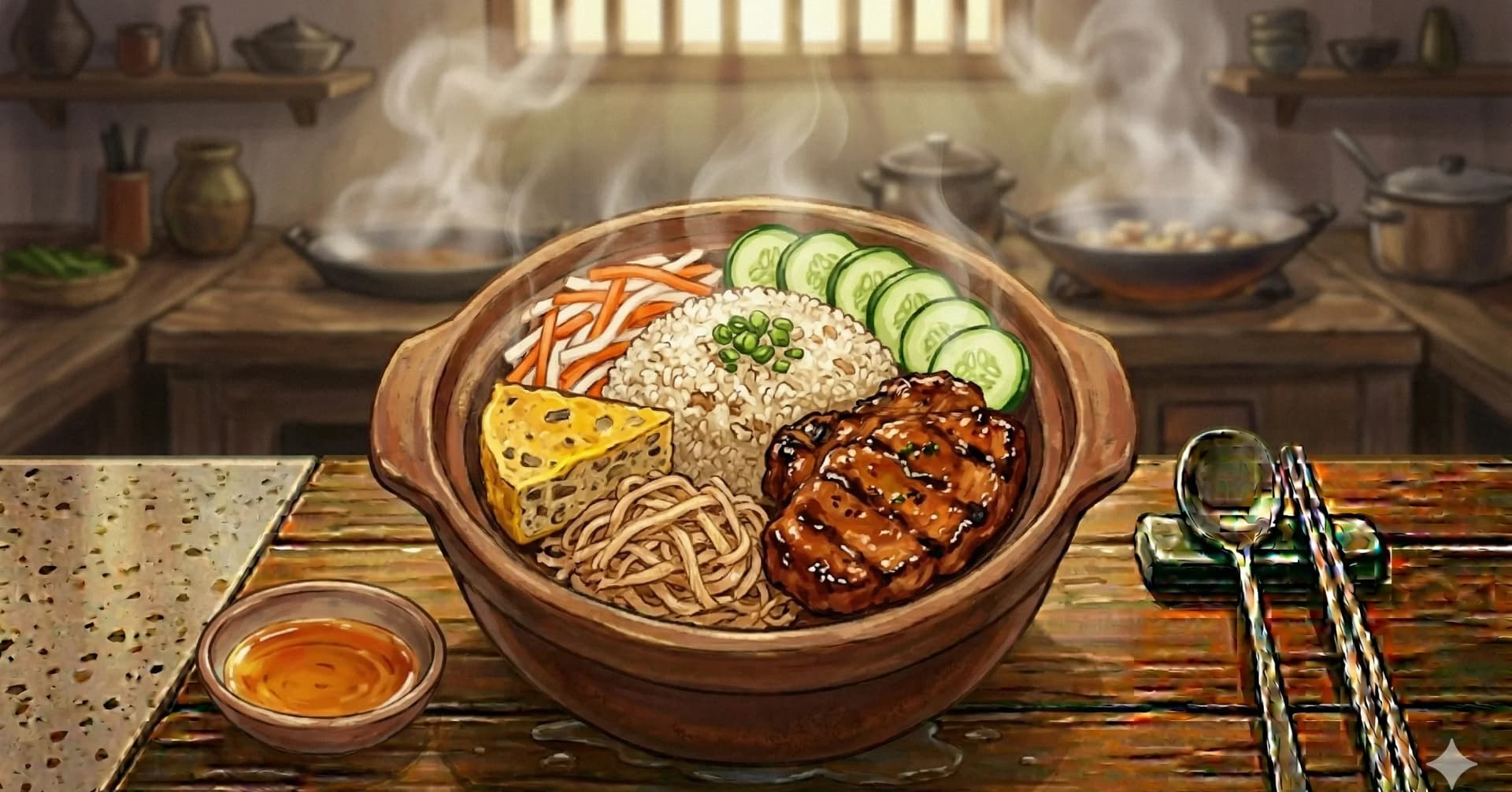
Broken Rice Plate (Cơm Tấm)
3 hours
 Involved
Vietnamese Cuisine
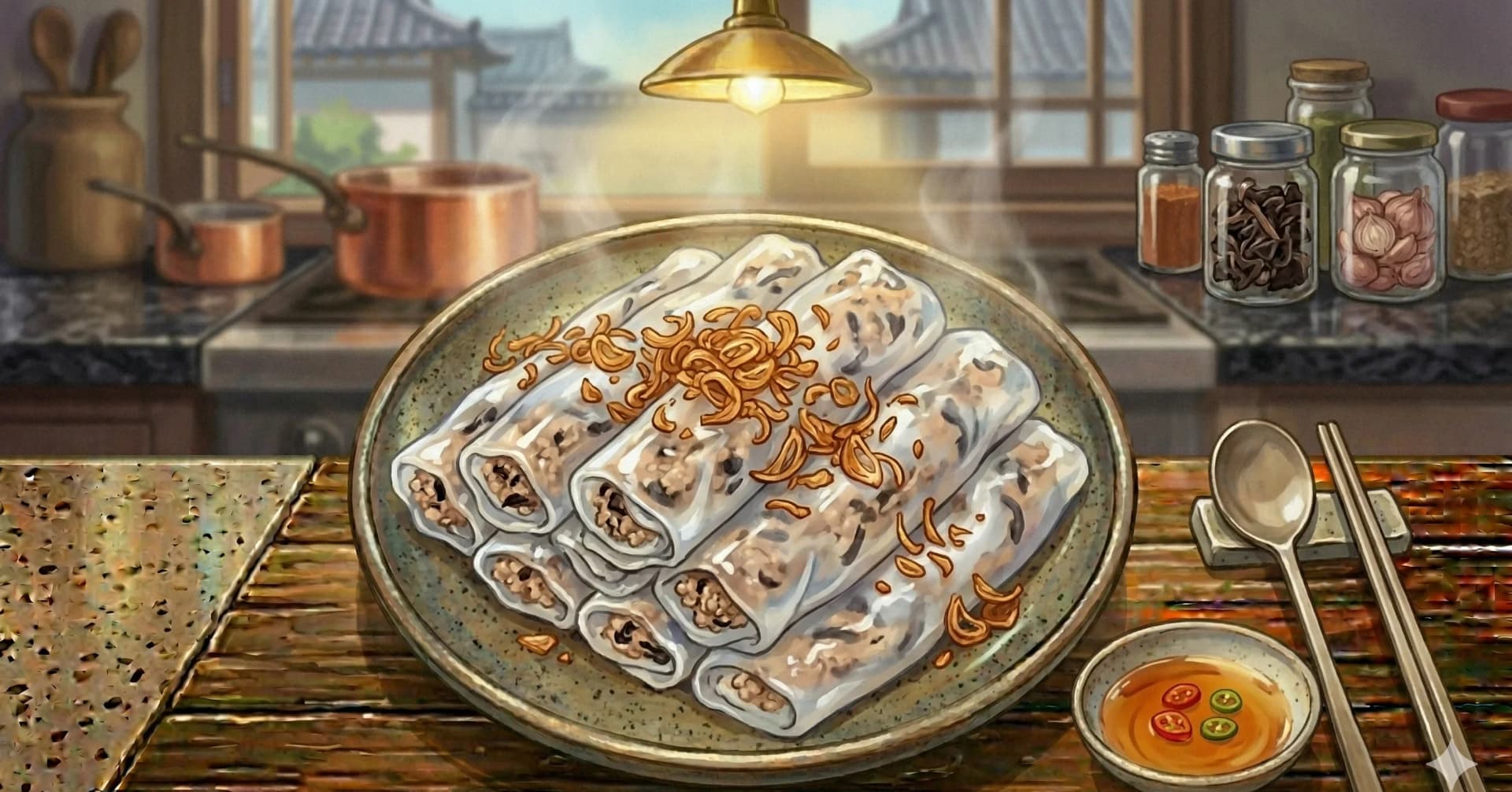
Steamed Rice Rolls (Bánh Cuốn)
3 hours 10 minutes
 Medium
Vietnamese Cuisine
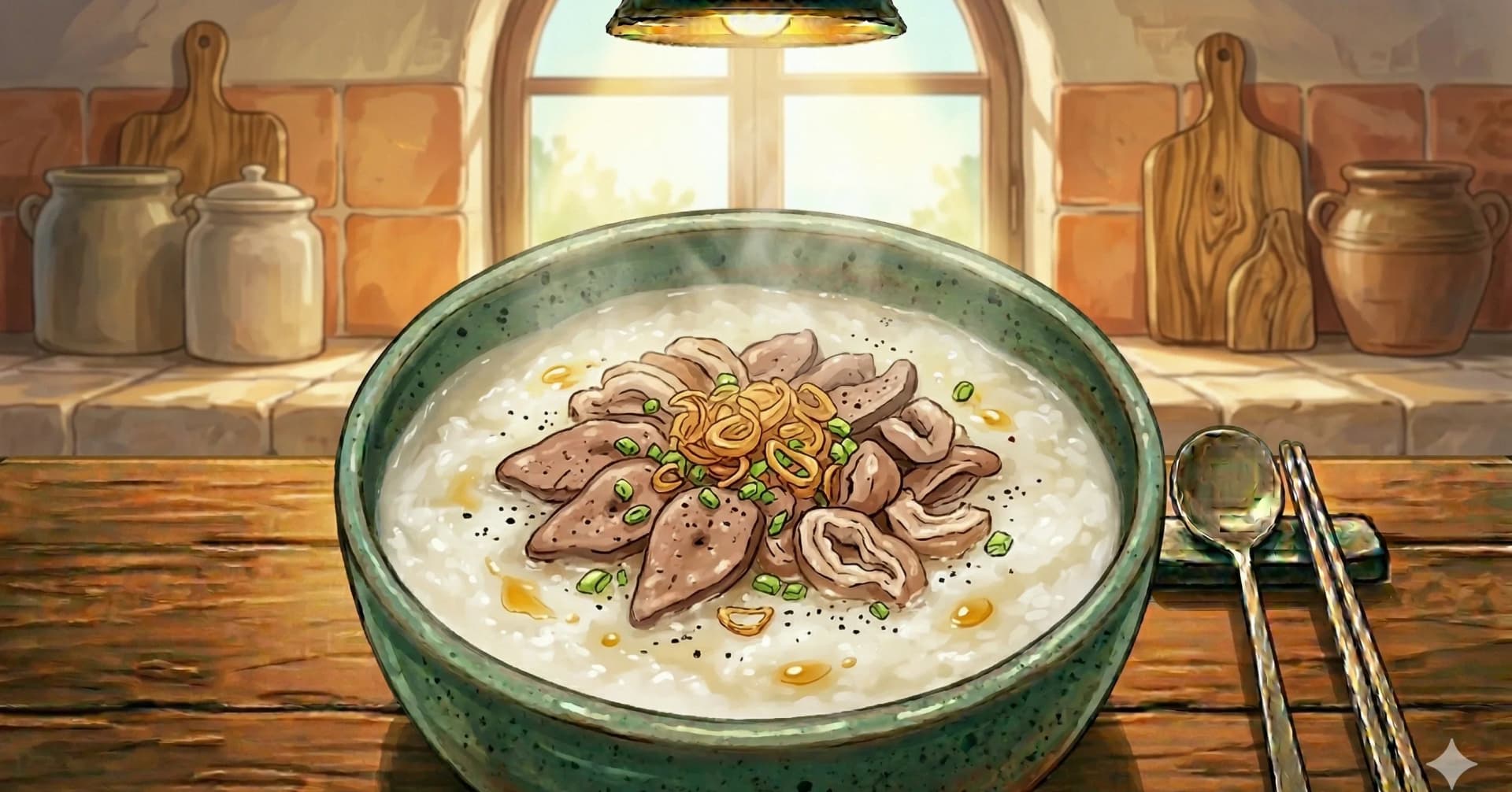
Cháo Lòng (Vietnamese Pork Organ Rice Porridge)
2 hours 15 minutes
 Easy
EasyVietnamese Cuisine
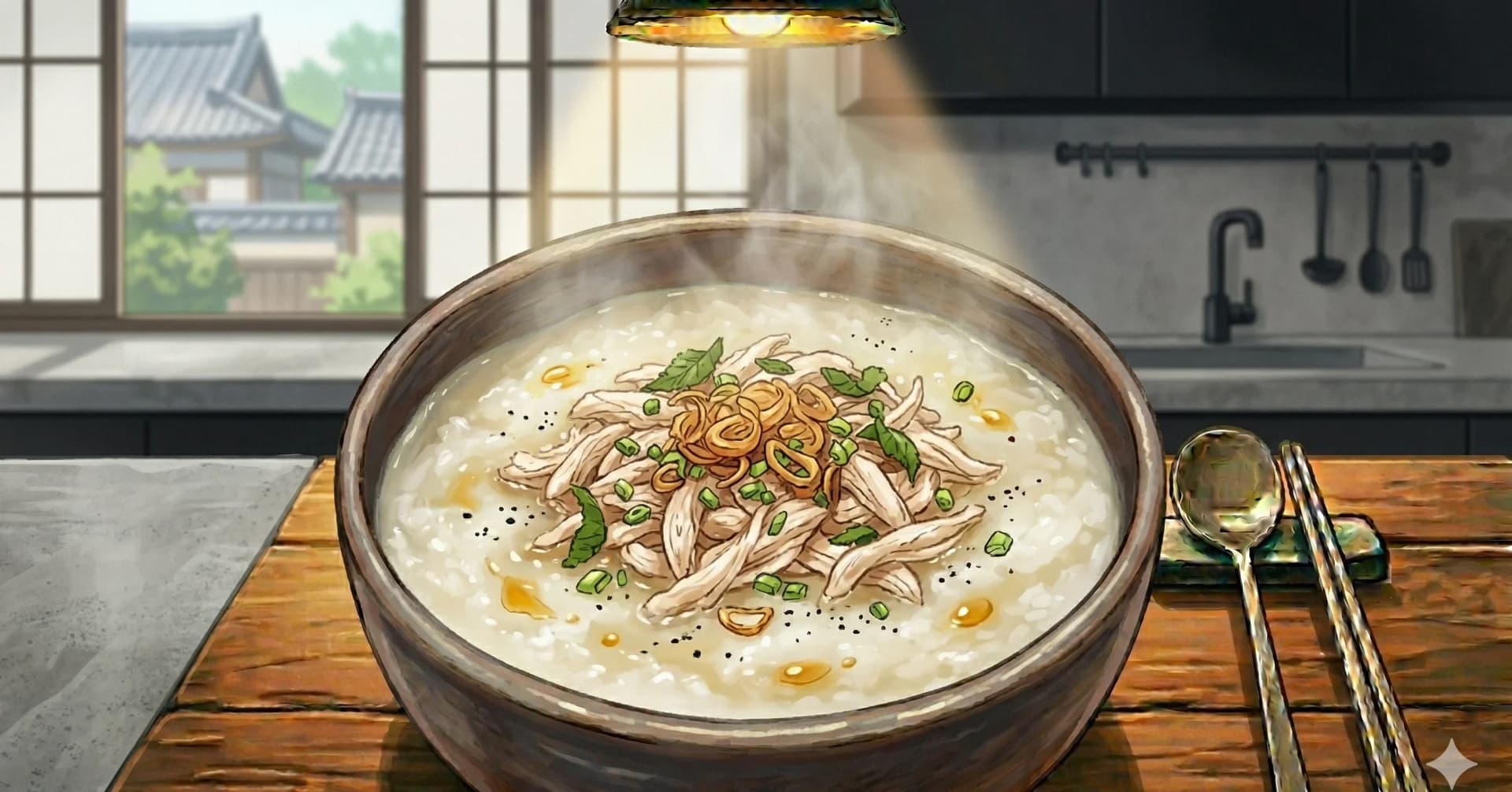
Cháo Gà (Vietnamese Chicken Rice Porridge)
1 hour 30 minutes
Ratings & Comments
Ratings & Comments
Ratings
Share your thoughts on this recipe.
Sign in to rate and comment