Vietnamese Cuisine
Vietnamese Peanut-Hoisin Dipping Sauce (Tương Chấm Gỏi Cuốn)
The warm, garlicky peanut and hoisin sauce for fresh spring rolls, ready in 10 minutes
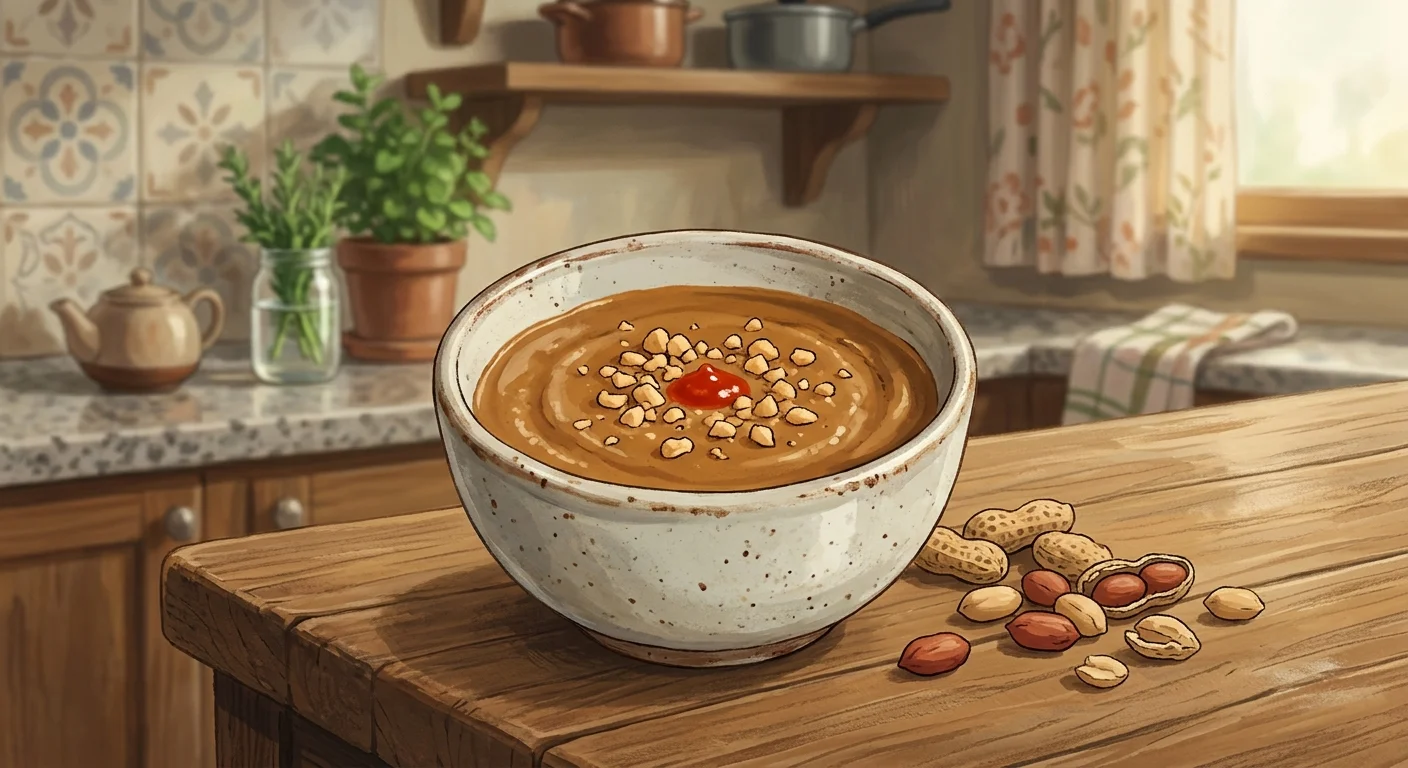
Fresh spring rolls are cool, soft and mild: rice paper, poached shrimp and pork, noodles, lettuce and a lot of herbs. They need a sauce with weight to it, and this is the one you are most likely to be handed with them at a Vietnamese restaurant. It is thick and glossy brown, sweet and salty from hoisin, nutty from peanut butter, and topped with crushed peanuts and a dot of chile.
In Vietnamese, tương chấm just means a dipping sauce made from tương, bean sauce. Hoisin, which in Vietnam is called tương đen (đen means black), is built on fermented soybean paste, and peanut butter turns it into something rich enough to cling to a roll. In Vietnam you will also find gỏi cuốn served with nước chấm or with a sauce stir-fried from fermented bean paste, but hoisin and peanut is the version that has traveled.
It is a quick sauce with one step to watch. The garlic gets fried in oil first, just until fragrant and pale gold, which softens its bite and gives the sauce a toasty background. Take it further and it turns bitter. After that, everything goes in the pan, comes to a boil once and comes off the heat. It looks thin when it's hot. Give it a few minutes and it thickens to the point where it coats a spoon, so judge the texture when it's warm, not in the pan.
This is the same sauce that comes with the gỏi cuốn recipe on this site, written out on its own so you can make a batch for any roll, skewer or bowl of raw vegetables.
Inspired by Hungry Huy and Vicky Pham.
At a Glance
Yield
About 1⅓ cups (ten 2-tablespoon servings), enough for 15 to 20 rolls
Prep
5 minutes
Cook
5 minutes
Total
10 minutes
Difficulty
Easy
Ingredients
Sauce Ingredients
- 2 tbspneutral oil, vegetable or rice bran
- 2 tbspgarlic, minced (about 4 cloves)
- ½ cuphoisin sauce
- 3 tbspsmooth peanut butter
- ½ cupwater
- 1-2 tsprice vinegar or fresh lime juice (optional)
- 1 tspsambal oelek, or chili garlic sauce, to taste
To Serve
- 1 ozroasted unsalted peanuts, crushed (about 3 tablespoons)
- —sriracha or extra sambal oelek, for drizzling (optional)
Method
- 1
Heat the oil in a small saucepan over medium heat. Add the garlic and stir constantly for 30 to 45 seconds, until it smells fragrant and just turns pale gold at the edges. If it starts browning fast, pull the pan off the heat. Dark garlic tastes bitter, and the whole sauce will taste it.
- 2
Add the hoisin sauce, peanut butter and water. Whisk until the peanut butter melts into the hoisin and the sauce is smooth, with no streaks or lumps.
- 3
Turn the heat up to medium-high and bring the sauce to a boil, stirring so it doesn't catch on the bottom. As soon as it bubbles across the surface, turn off the heat. It will look thin at this point. It thickens a lot as it cools.
- 4
Stir in the sambal oelek, and the vinegar or lime juice if you're using it. Taste. You should get sweet, salty hoisin first, roasted peanut behind it, and a little garlic. If it's too sweet, add a bit more vinegar. If it tastes sharp or thin, whisk in another spoonful of peanut butter.
- 5
Let it cool for a few minutes, until warm. It should coat a spoon and drip off slowly. If it gets too thick, whisk in water a teaspoon at a time.
- 6
Divide among small dipping bowls and top each with crushed peanuts and a dot of sriracha or sambal. Serve warm or at room temperature.
Key Ingredient Benefits
Peanuts and peanut butter: They give the sauce its body and roasted flavor, plus a little protein and mostly unsaturated fat. Peanuts are a major food allergen, so this sauce is off the table for anyone with a peanut allergy; Substitutions has a peanut-free version.
Hoisin sauce: A thick, dark sauce made from fermented soybean paste, usually with sugar, garlic, vinegar and spices. Most brands contain soy and wheat, and some contain sesame, so check the label if you cook for allergies. Look for a gluten-free hoisin if you need one. The whole sauce has about 240 mg of sodium per 2-tablespoon serving, most of it from the hoisin.
Garlic: Fried briefly here, so it is mellow rather than sharp. Research on garlic's health effects mostly looks at raw or crushed garlic and supplements, not at garlic cooked into a sauce.
Sambal oelek: A simple paste of ground fresh chiles, salt and vinegar. It adds heat without changing the sauce's flavor much. Chili garlic sauce or sriracha work in the same amount.
Sugar: About 4 grams per serving, most of it from the hoisin.
Why This Works
Frying the garlic before anything else goes in changes its flavor. Raw garlic is sharp because crushing it releases an enzyme, alliinase, that forms allicin. According to the Linus Pauling Institute, allicin breaks down quickly into other sulfur compounds, and heat inactivates the enzyme. A short fry in oil tames the sharpness and adds a toasted note that runs through the whole sauce.
Hoisin does most of the seasoning. It is salty, sweet and a little tangy, so the sauce needs no extra salt or sugar. The ratio here is roughly 2 1/2 parts hoisin to 1 part peanut butter, which keeps it dark, tangy and closer to a bean sauce than to a peanut satay. More peanut butter makes it paler and nuttier; see Substitutions if that's the style you like.
Bringing it to a boil helps the peanut butter melt evenly into the hoisin and water so the sauce comes out smooth. It thickens noticeably as it cools, which is why you take it off the heat while it still looks too thin.
A spoonful of vinegar or lime is optional, but it cuts the sweetness. Hoisin brands vary in how sweet and salty they are, so taste at the end and adjust.
Substitutions & Variations
Peanut-free: Use sunflower seed butter in place of the peanut butter and skip the crushed peanuts; toasted sunflower seeds or sesame seeds make a good topping. Tahini works too but is more bitter, so add an extra teaspoon of vinegar to balance it.
Crunchy peanut butter: Works fine and leaves small bits of peanut in the sauce.
Milk instead of water: Gives a paler, creamier sauce like the one many restaurants serve. Use the same amount.
Stock instead of water: Low-sodium chicken or vegetable stock gives a more savory sauce.
Coconut milk: Replace up to half the water with coconut milk for a richer, slightly sweeter sauce.
A nuttier sauce: Double the peanut butter to 6 tablespoons and add 1/4 cup more water. It turns paler and closer to a peanut sauce than a hoisin sauce.
Gluten-free: Use a gluten-free hoisin sauce and check the label on the chili paste.
No hoisin: There isn't a good swap. Hoisin's fermented-bean flavor is what makes this sauce. If you have none, serve the rolls with nước chấm instead.
Serving Suggestions
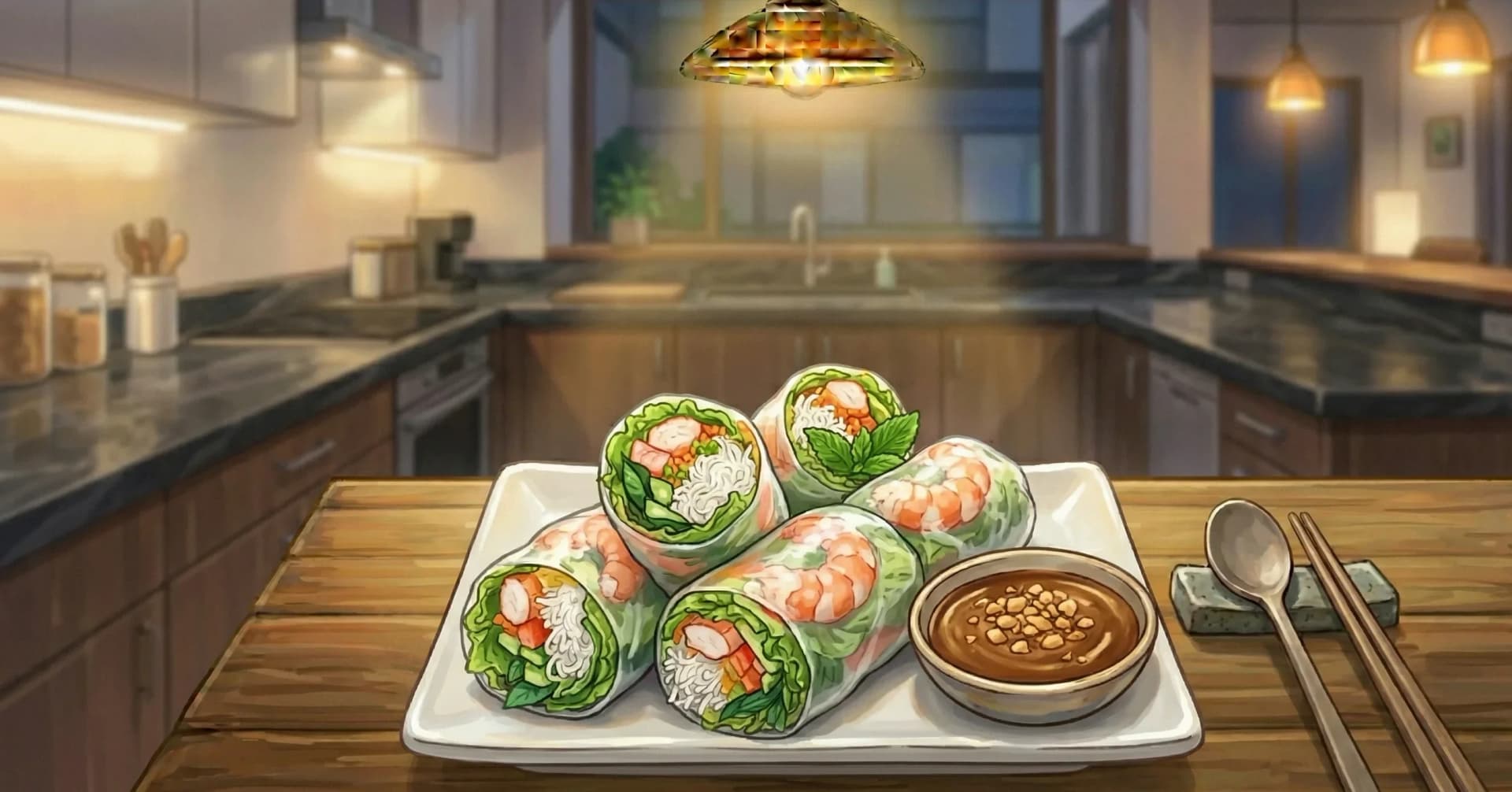
It belongs next to fresh spring rolls (gỏi cuốn). Put out a small bowl per person, or one bowl for every two people if the rolls are passed around. Plenty of tables put out a bowl of nước chấm as well and let everyone choose.
Beyond rolls, use it as a dip for grilled lemongrass pork (thịt nướng), lettuce wraps and raw vegetables like cucumber, jicama and carrot sticks. Thin it with a little water and a squeeze of lime and it becomes a dressing for a cold rice-noodle salad.
Storage & Reheating
Fridge: Keep it in a sealed container for up to 5 days. Scoop out what you need with a clean spoon.
Freezer: It freezes for up to 1 month. Thaw overnight in the fridge.
Reheating: It sets thick when cold. Warm it in a small saucepan over low heat or in the microwave for 15 to 20 seconds, stirring in a splash of water until it loosens. Add the crushed peanuts just before serving so they stay crunchy.
Cultural Notes
Gỏi cuốn, the fresh rice-paper roll of shrimp, pork, noodles and herbs, can come with a few different sauces. Wikipedia's entry on nước chấm names two: a peanut sauce made with hoisin and sometimes chile, and tương xào, a sauce stir-fried from tương, Vietnamese fermented bean paste. The rolls are also often eaten with plain nước chấm.
Hoisin is a Chinese sauce. In Vietnam it is called tương đen, and in the south it goes on the table with phở, usually next to a bottle of sriracha, as well as into this dipping sauce. The name comes from the Cantonese word for "seafood," though, as Wikipedia's entry on hoisin points out, the sauce contains none.
Recipes for this sauce vary a lot from house to house. Some lean on hoisin, some on peanut butter, and some add plum sauce, onion or coconut milk. This version leans on hoisin.
Nutrition Facts
Calories: 98kcal (5%)|Total Carbohydrates: 7.7g (3%)|Protein: 2.2g (4%)|Total Fat: 6.9g (9%)|Saturated Fat: 1g (5%)|Cholesterol: 0mg (0%)|Sodium: 238mg (10%)|Dietary Fiber: 0.8g (3%)|Total Sugars: 4.4g
You Might Also Like
Ratings & Comments
Ratings & Comments
Ratings
Share your thoughts on this recipe.
Sign in to rate and comment