Chinese Cuisine
Gan Chao Niu He (Beef Chow Fun)
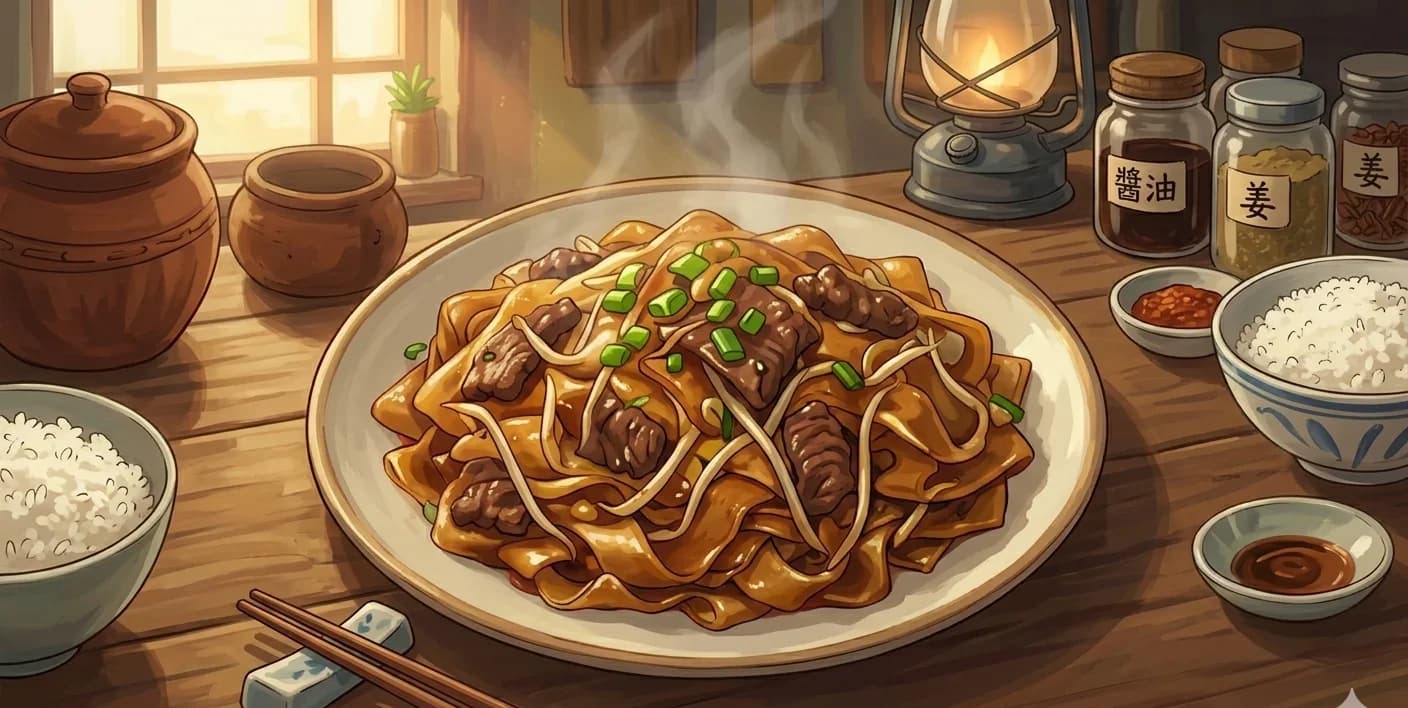
Cantonese stir-fried wide rice noodles with tender beef, bean sprouts, and soy sauce over fierce wok heat
There is a specific char that separates a great plate of beef chow fun from an ordinary one. The Cantonese call it wok hei, the "breath of the wok," and it shows up as barely visible smoke marks on the wide rice noodles, as a faint bitterness that is not bitterness at all but the taste of extreme heat meeting oil and starch for a fraction of a second. It is the most sought-after quality in Cantonese wok cooking, and gan chao niu he, or dry-fried beef with rice noodles, is the dish that tests a cook's ability to achieve it.
The dish itself is deceptively simple in composition: wide, flat rice noodles (ho fun or he fen), thinly sliced beef, bean sprouts, scallions, and a dark soy sauce dressing. There are no complex spice pastes, no slow-cooked sauces. The entire dish comes together in about three minutes of active wok time, which is both its appeal and its challenge. The noodles must be seared without breaking. The beef must be tender and barely cooked. The bean sprouts must retain their crunch. And everything must carry that elusive smokiness.
The practical key is working in small batches over the highest heat your stove can produce. Home burners cannot match the 100,000 BTU output of a restaurant wok burner, so you must compensate by cooking less food at a time and moving quickly. Overcrowding the wok drops the temperature, steams the noodles, and produces a soggy, flabby result that bears no resemblance to the real thing.
At a Glance
Yield
2 servings
Prep
20 minutes
Cook
8 minutes
Total
28 minutes
Difficulty
Involved
Ingredients
Beef Ingredients
- 7 ozbeef flank or sirloin, sliced against the grain into thin strips
- 2 tsplight soy sauce
- 1 tspShaoxing wine
- 1⅞ tspcornstarch
- 1 tspvegetable oil
- —Pinch of white pepper
Noodle Ingredients
- 1 lbfresh wide rice noodles (ho fun)
- 3 tbspvegetable oil, divided
- 2 clovesgarlic, minced
- 2½ tbspfresh ginger, julienned
- 5½ ozbean sprouts
- 3scallions, cut into 5 cm lengths
- 1 tbspdark soy sauce
- 2 tsplight soy sauce
- 1 tspsesame oil
- —Salt to taste
Method
- 1
Combine the sliced beef with the light soy sauce, Shaoxing wine, cornstarch, vegetable oil, and white pepper. Mix well and let it marinate for at least 15 minutes. The cornstarch will create a protective coating that keeps the beef tender in the high heat of the wok.
- 2
If the fresh rice noodles are in a solid sheet, gently separate them into individual strips about 2 cm wide. Handle them carefully, as they tear easily. If the noodles are cold from the refrigerator, microwave them for 30 seconds or leave them at room temperature for 20 minutes to soften slightly.
- 3
Have all your ingredients prepped and within arm's reach of the stove. Once you start cooking, there is no time to pause. This is a dish that happens fast.
- 4
Heat a wok over the highest heat possible until it is smoking. Add 15 ml of vegetable oil and swirl. Add the marinated beef in a single layer. Let it sear without moving for 30 seconds, then stir-fry for another 30 seconds. The beef should be browned on the outside but still slightly pink inside. Transfer immediately to a plate.
- 5
Wipe the wok clean with a paper towel (carefully, it is very hot). Return it to high heat. Add 15 ml of vegetable oil.
- 6
Add the garlic and ginger. Stir for 5 seconds, just until the first wave of fragrance hits.
- 7
Add the rice noodles. Spread them across the surface of the wok. Let them sit undisturbed for 20 to 30 seconds, allowing the bottom layer to sear and develop some char. Then gently flip and toss using a large spatula, being careful not to break the noodles.
- 8
Drizzle the dark soy sauce and light soy sauce along the edge of the wok so they hit the hot metal first, caramelizing slightly before reaching the noodles. Toss gently to distribute the color. The noodles should darken to a rich brown.
- 9
Continue stir-frying the noodles for another 1 to 2 minutes, flipping rather than stirring to avoid breakage. Some charred spots on the noodles are desirable.
- 10
Add the bean sprouts and scallion pieces. Toss gently for 30 seconds. The bean sprouts should wilt slightly but retain most of their crunch.
- 11
Return the seared beef to the wok. Toss everything together for 15 seconds, just to distribute the beef and warm it through.
- 12
Add the remaining 15 ml of vegetable oil along the edge of the wok. This final addition of oil creates a burst of steam and helps achieve a last hit of wok hei. Toss once.
- 13
Remove from heat. Drizzle with sesame oil. Taste and adjust with a pinch of salt if needed.
- 14
Transfer to a plate immediately. Serve while the noodles are still sizzling and the char aroma is at its peak.
Key Ingredient Benefits
Fresh rice noodles (ho fun) are made from rice flour and water, making them naturally gluten-free. They provide easily digestible carbohydrates and have a moderate glycemic index.
Bean sprouts are a good source of vitamin C and folate. They are high in water content and low in calories, providing textural contrast and nutritional balance to the richer components of the dish.
Beef provides complete protein, iron (particularly heme iron, which is more bioavailable than plant-based iron), and B vitamins. Slicing it thinly against the grain shortens the muscle fibers, making it easier to chew and digest.
Why This Works
Wok hei is the product of a specific set of conditions: extreme heat, a thin film of oil, and brief contact between food and metal. When the noodles touch the scorching hot surface of the wok, the starch on their surface undergoes rapid caramelization and partial combustion, producing new flavor compounds that taste smoky and complex. This happens in fractions of a second, which is why the noodles must be flipped frequently but also given moments of undisturbed contact with the wok.
The velveted beef, coated in cornstarch and oil, is insulated from the extreme heat just enough to prevent the muscle fibers from seizing and toughening. The starch creates a slippery barrier that also helps the beef slide easily in the wok and take on a slightly glossy finish.
The soy sauce is added along the edge of the wok, not directly onto the noodles, because the searing hot metal caramelizes the sugars in the soy sauce before it reaches the food. This adds another layer of wok hei flavor and ensures even distribution of color.
Substitutions & Variations
- Rice noodles: Fresh is strongly preferred. Dried wide rice noodles (pad Thai width) can substitute but must be soaked and drained thoroughly. The texture will be different.
- Beef: Flank steak, sirloin, or skirt steak all work. The key is thinly slicing against the grain. Chicken or shrimp can substitute for a different version.
- Vegetarian: Replace the beef with sliced extra-firm tofu, pressed and fried until golden. Increase the soy sauce slightly.
- Char kway teow: The Malaysian cousin of this dish adds lap cheong (Chinese sausage), cockles, and sambal for a sweeter, spicier version.
- Without a powerful stove: Cook in even smaller batches and preheat the wok longer. A cast iron skillet can help retain heat better than a thin-walled wok on a weak burner.
Serving Suggestions
Beef chow fun is a complete one-plate meal, especially popular for lunch in Cantonese restaurants. If serving as part of a multi-dish dinner, pair it with a steamed or stir-fried vegetable dish and a clear soup. It needs no rice alongside it, as the noodles provide the starch component of the meal.
Storage & Reheating
This dish is best eaten immediately. Fresh rice noodles harden and become brittle when refrigerated, and reheating cannot restore the wok hei. If you must store leftovers, refrigerate in an airtight container for up to 1 day and reheat in a very hot wok with a splash of water and a drizzle of oil. Accept that the texture will not match the original. Freezing is not recommended.
Cultural Notes
Gon chau ngau ho (乾炒牛河, "dry-fried beef rice noodle") is the Cantonese wok dish in which wide flat rice noodles (ho fun) are stir-fried over very high heat with marinated beef, bean sprouts, scallion, and Chinese chives, finished with light and dark soy sauce. The dish is one of the technical benchmarks of a Cantonese wok cook, used at restaurants in Hong Kong and Guangzhou as the standard test of a chef's wok hei, the elusive "breath of the wok" flavor that comes from food cooked at a high enough temperature for the oils and proteins to vaporize and recondense onto the noodles in an instant.
The technical demands are real. The noodles, which are sold fresh in long folded sheets and cut into one-inch ribbons, are fragile and stick to the wok at lower temperatures. The wok has to be heated until it just begins to smoke, oiled and re-heated, before the noodles touch the metal. The cook tosses the noodles continuously to coat each strand with oil and to expose every surface to the heat without breaking the ribbons. Beef (sliced thin against the grain and velveted with baking soda, cornstarch, soy sauce, and a touch of oil to keep it tender) is seared briefly first, removed, and added back at the end. Bean sprouts and scallion go in for the last twenty seconds so they stay crisp.
The version made well at a Cantonese restaurant has noodles that are slightly smoky from the wok hei, beef that is tender and just-cooked, vegetables that snap, and a coating of soy that is dark and savory without pooling at the bottom of the plate. The dish was a fixture of the Cantonese diaspora restaurants that spread across North America from the late nineteenth century, and is still served at every Cantonese Chinese restaurant from corner takeout to Michelin-starred dining. Hong Kong's Sun Hing Restaurant (新興食家) in Kennedy Town and Ho Hung Kee (何洪記) in Causeway Bay both serve gon chau ngau ho that locals cite as benchmark versions of the dish.
Nutrition Facts
Calories: 605kcal (30%)|Total Carbohydrates: 61.8g (22%)|Protein: 32.8g (66%)|Total Fat: 24.3g (31%)|Saturated Fat: 4.9g (25%)|Cholesterol: 60mg (20%)|Sodium: 1243mg (54%)|Dietary Fiber: 4g (14%)|Total Sugars: 4.3g
You Might Also Like
 Medium
Chinese Cuisine
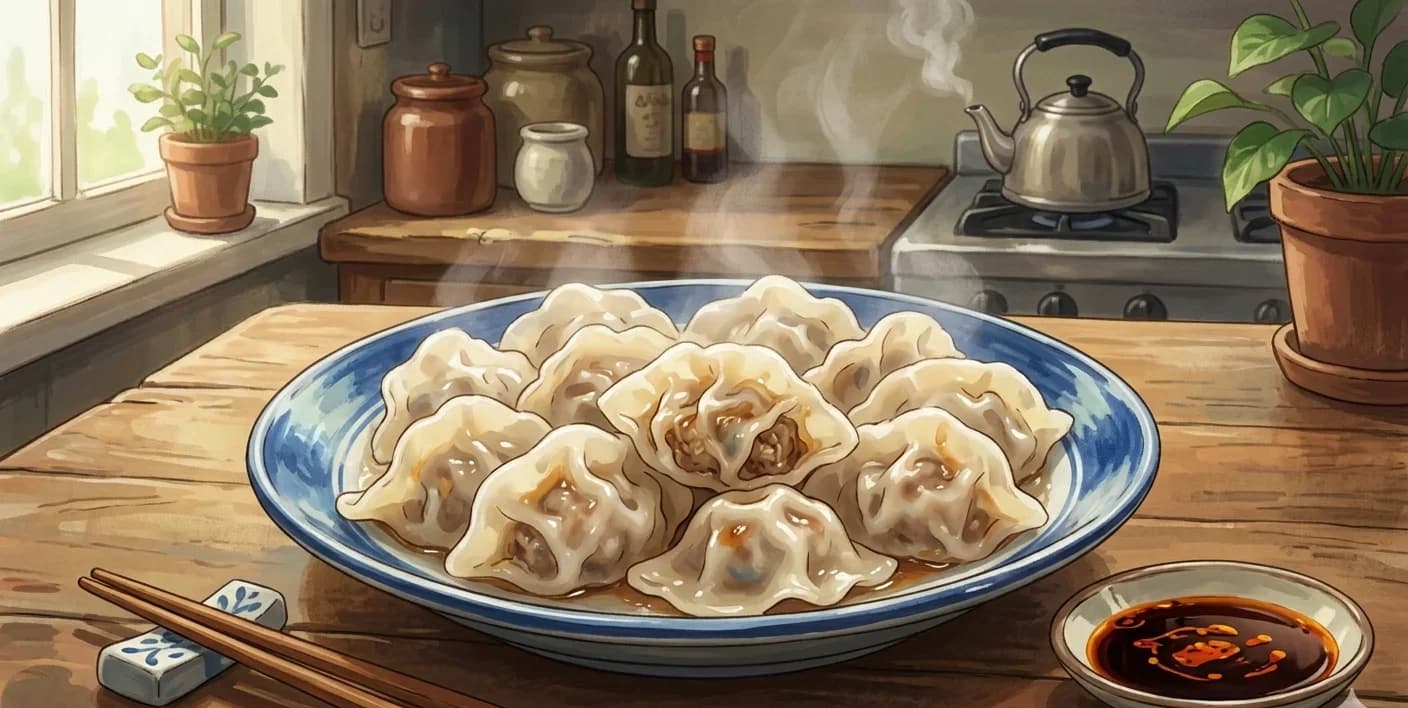
Niu Rou Yang Cong Jiaozi (Beef and Onion Dumplings)
60 minutes
 Medium
Chinese Cuisine
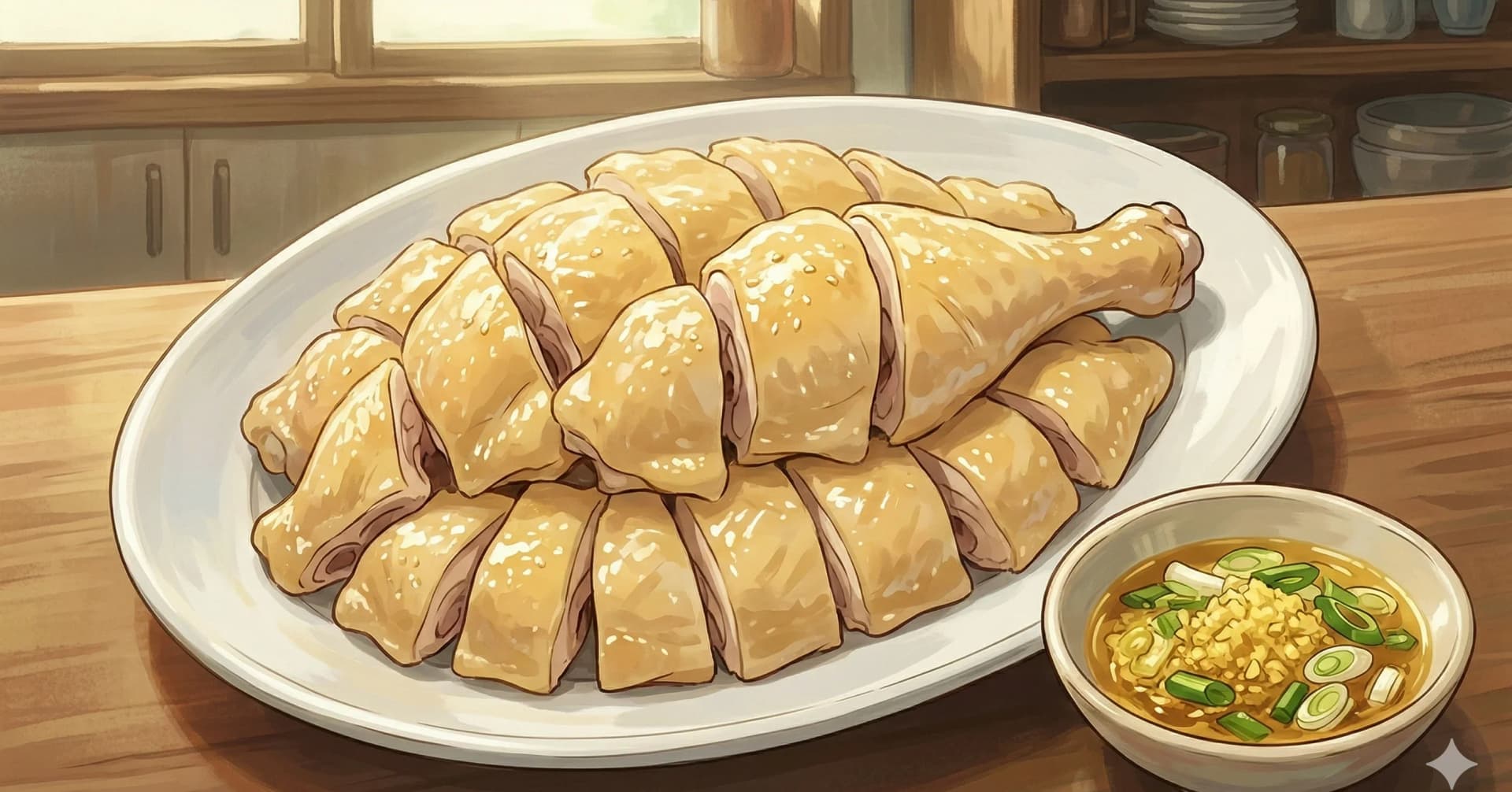
Bai Qie Ji (White Cut Chicken)
4 hours 30 minutes
 Easy
EasyTraditional Chinese Medicine · China
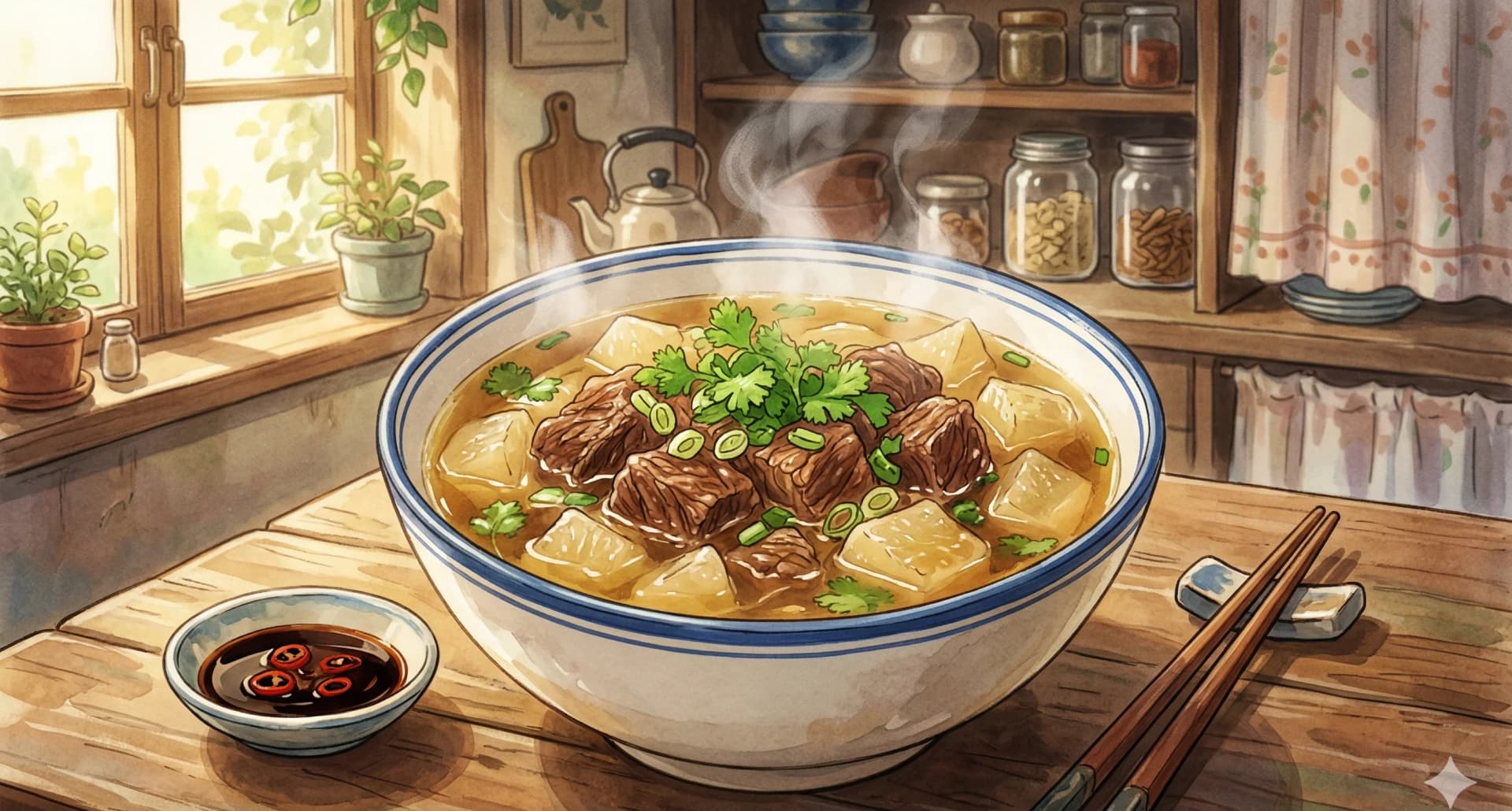
Beef Brisket Soup (清湯牛腩)
145 minutes
 Medium
Chinese Cuisine
Char Siu (Chinese BBQ Pork)
9 hours (including marinating)
Ratings & Comments
Ratings & Comments
Ratings
Share your thoughts on this recipe.
Sign in to rate and comment