Traditional Chinese Medicine · China
Chicken Ginger Rice Wine Soup (薑雞酒湯)
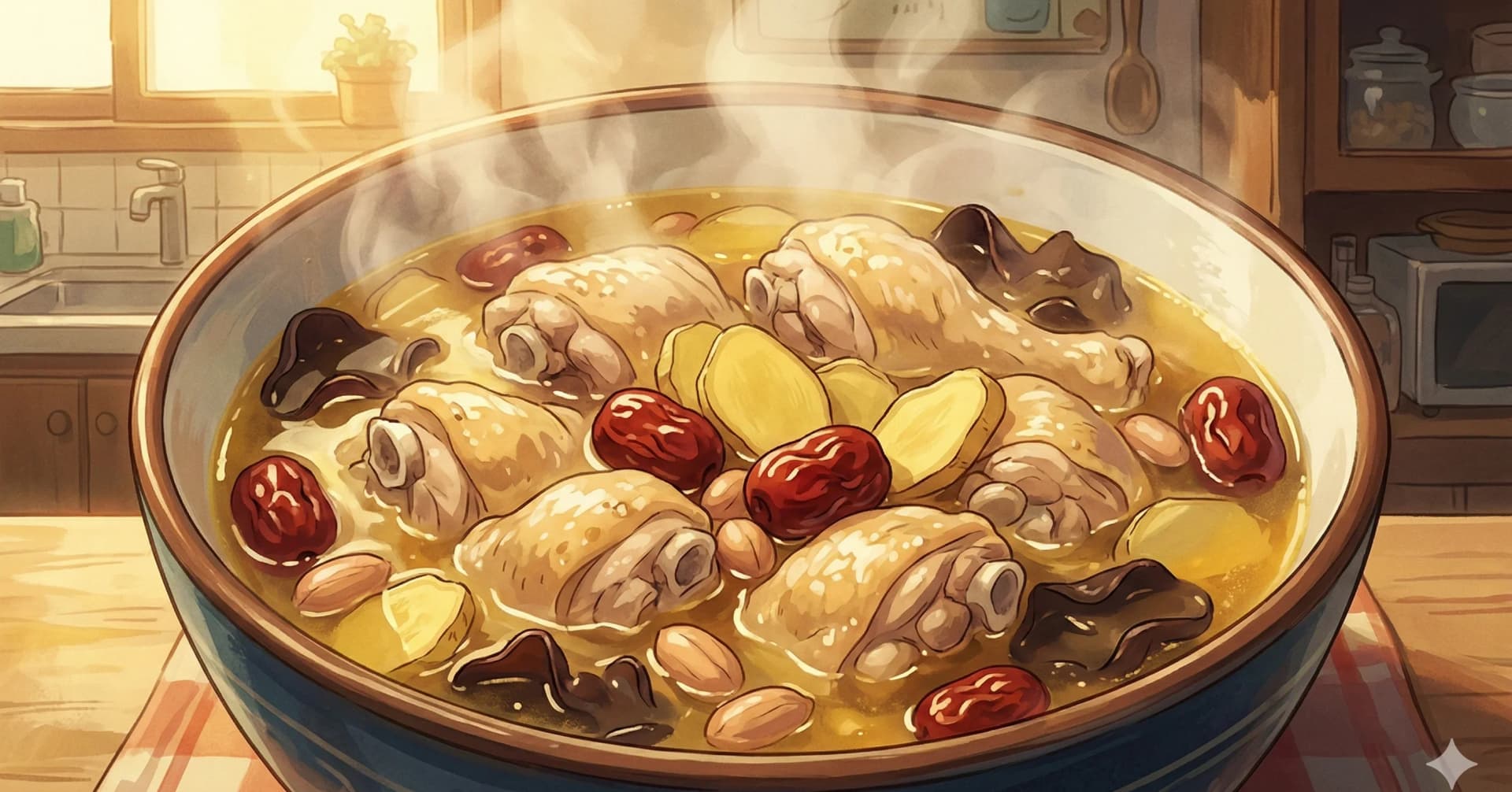
A traditional Chinese postpartum soup with whole chicken, ginger, rice wine, peanuts, wood ear mushroom, jujubes, and dried daylily
This soup exists at the intersection of food and medicine. It is the dish that Chinese families have made for new mothers for generations, part of the postpartum tradition called "sitting the month," a 30-day period of rest, warmth, and specific foods designed to help the body recover after childbirth. Every ingredient in this pot has a purpose that goes beyond flavor.
Ginger, sliced thin and fried until fragrant, is the foundation. In traditional Chinese medicine, a new mother's body is considered to be in a cold, depleted state, and ginger is the most commonly prescribed warming food. Wood ear mushroom is added for its traditional association with promoting circulation. Jujubes, the red dates that appear in so many Chinese soups, are considered blood-nourishing. Dried daylily buds add a faintly sweet, floral note and are traditionally associated with postpartum recovery. Peanuts provide protein and substance.
The rice wine goes in at the very end, after the soup has finished cooking. This is not cooking wine, which is salted and harsh. This is drinking rice wine, specifically Kwangtung Mijiu or a similar quality Chinese rice wine with about 29 percent alcohol. It adds warmth and a round, slightly sweet depth that ties the whole soup together. Whether or not you have recently had a child, this is a deeply nourishing, ginger-forward soup that tastes like someone who loves you made it.
At a Glance
Yield
4 servings
Prep
20 minutes
Cook
50 minutes
Total
70 minutes
Difficulty
Easy
Ingredients
- 1whole chicken, cut into pieces, skin removed
- 2 ozfresh ginger, sliced thin
- 5 ozraw peanuts, rinsed, soaked in hot water
- 1 ozdried wood ear mushroom, soaked 5 min, trimmed
- 10dried jujubes (red dates), rinsed, pits removed
- 1 ozdried daylily, soaked 2-3 min, tough ends trimmed
- 8 cupswater
- 1/2 cupdrinking rice wine, such as Kwangtung Mijiu, NOT cooking wine
- 1/2 tspsalt
- 1 tspcooking oil
Method
- 1
Prep dried ingredients: soak peanuts in warm water, soak wood ear mushroom 5 min, rinse jujubes and remove pits, soak daylilies 2-3 min and trim tough ends. Slice ginger thin.
- 2
Prep chicken: remove skin, cut into pieces through joints. Blanch in boiling water until pale (~2 min). Transfer to cold water 20-30 sec, then to a clean bowl.
- 3
Cook soup base: heat pot on high, add oil and ginger, stir-fry until fragrant (~50 sec). Add peanuts, stir 20 sec. Add water and wood ear mushroom. Cover, bring to boil, reduce to low. Simmer 20-30 min until peanuts are soft.
- 4
Add chicken, jujubes, and daylilies. Cover, bring to boil, reduce to medium-low 15 min.
- 5
Add rice wine, cook ~1 min. Add salt to the side of the pot (not directly into soup), stir, turn off heat and serve.
Key Ingredient Benefits
Whole chicken: Used bone-in and skin-on, the whole chicken releases collagen, gelatin, and concentrated flavor into the broth over the long simmer. The bones are essential — they release the nutrients and protein structures that give the broth its body and warming, restorative quality. The dish is part of Chinese postpartum tradition specifically because of the chicken's combination of easily-absorbed protein and the collagen-rich broth.
Fresh ginger: Used in unusually large quantity — up to 2 ounces, sliced into thick coins. The ginger is fundamental to the dish's warming character and to its postpartum medicinal role. Ginger contains gingerols and shogaols, compounds studied for anti-inflammatory and digestive effects, though traditional Chinese medicine has used ginger for circulation and warmth for centuries before modern research.
Drinking rice wine (mi jiu): Specifically Taiwanese drinking rice wine (sometimes called mi jiu or jiu), which has higher alcohol content than cooking rice wine and a distinctively floral, slightly sweet flavor. The wine is added in significant quantity and is essential to the dish's character. In traditional Chinese postpartum cooking, the wine is believed to help expel cold from the body.
Peanuts: Raw peanuts add subtle creamy texture and bulk to the soup. They are traditionally believed to promote lactation in postpartum mothers, though the evidence for this is anecdotal. The peanuts also contribute monounsaturated fats and protein.
Daylily (golden needles) and wood ear mushrooms: Dried ingredients that rehydrate in the broth. Daylily contributes a subtle sweet-savory note; wood ear adds chewy texture and is traditionally associated with circulation in Chinese medicine.
Dried jujubes: Sweet, dense dried red dates that contribute natural sweetness and are considered nutritionally valuable in traditional Chinese medicine. Jujubes are high in vitamin C and contain compounds that have been studied for various health effects.
Why This Works
Frying the ginger in oil before adding any other ingredients is the technique that maximizes the ginger's warming, aromatic properties. The fat extracts the gingerols from the ginger pieces and creates a flavored cooking oil that becomes the base of the broth. Without this step, the ginger's flavor stays muted and the broth lacks warming intensity.
The long simmer — typically 1 to 2 hours — accomplishes multiple things simultaneously. It breaks down the chicken's collagen into gelatin (producing the slightly viscous, lip-coating quality of good chicken broth), it allows all the dried ingredients to fully rehydrate and contribute their flavors, and it lets the rice wine integrate into the broth rather than sitting on top.
Adding the rice wine in stages — some at the beginning, more near the end — produces layered alcohol flavor. The early addition cooks off and integrates into the broth structure; the late addition preserves some of the wine's aromatic, slightly alcoholic character. The final result has both deep wine integration and a bright top note.
The soup is traditionally served extremely hot. The warmth is part of the dish's medicinal function in postpartum tradition. Cooler temperatures are believed in Chinese medicine to introduce cold into the body, which is exactly what the soup is designed to expel.
Substitutions & Variations
Whole chicken: Bone-in, skin-on chicken thighs and drumsticks (about 2 pounds total) substitute well. Use a whole chicken if possible for the most authentic broth.
Drinking rice wine: Taiwanese mi jiu is ideal. Korean cheongju is a close substitute. Japanese sake (junmai or junmai-ginjo) works in a pinch. Avoid mirin or sweet rice wines; they shift the dish too sweet.
Daylily (golden needles): No close substitute. The dish can be made without daylily but loses a characteristic note. A small handful of dried lily bulb (bai he) is a different but related substitute.
Wood ear mushrooms: Dried shiitake mushrooms or dried oyster mushrooms substitute reasonably, though the texture differs. Wood ear is preferred for its gelatinous bite.
Jujubes: Pitted dates or dried apricots can substitute, though both are sweeter. Reduce quantity slightly if substituting.
Raw peanuts: Roasted unsalted peanuts work in a pinch but lack the creaminess of raw peanuts cooked in the broth. Cashews are an unconventional substitute. Skipping the peanuts is also acceptable.
Serving Suggestions
Chicken ginger rice wine soup is traditionally served as the centerpiece of a meal, often as a one-bowl meal in postpartum tradition (called zuo yue zi, "sitting the month") or as a warming, restorative dish during cold weather. Serve in deep individual bowls with steamed jasmine rice on the side.
For postpartum tradition, the soup is served daily for new mothers during the first month after childbirth, sometimes as the main meal of the day. The high collagen, protein, and warming nature of the dish is considered essential for recovery and lactation in Chinese medical tradition.
For everyday eating, serve as a comforting one-bowl meal with rice and perhaps one simple stir-fried green vegetable like gai lan or bok choy. The soup's depth makes additional dishes feel unnecessary.
Pair with hot Chinese tea (oolong, pu-erh, or ginger tea) for a complete warming meal. Avoid cold drinks, which can dull the dish's intended warming character.
Storage & Reheating
Refrigerator: Store in an airtight container for up to 4 days. The flavor deepens significantly overnight as the ginger and wine continue to infuse the broth.
Reheating: Bring back to a gentle simmer in a covered pot over medium-low heat. The broth will solidify in the refrigerator from the gelatin extracted during the long simmer; this is a sign of good broth and will re-melt with gentle heat.
Make-ahead: This dish is ideal to make ahead. The flavor genuinely improves over 24 hours. Many Chinese families cook a large batch and eat from it over several days, particularly during postpartum tradition.
Freezing: Freezes excellently for up to 3 months. Thaw overnight in the refrigerator and reheat gently. The texture holds up well; the wine flavor may need a fresh splash added after reheating to restore brightness.
Skim the fat: The chicken fat will solidify on top in the fridge. Skim before reheating for a cleaner result, or leave for richness.
Cultural Notes
Chicken ginger rice wine soup (jiang mu ji or jiu niang ji depending on regional variation) is one of the most culturally significant dishes in Chinese cuisine, occupying the intersection of food and medicine. The dish is the canonical centerpiece of the Chinese postpartum tradition called zuo yue zi (坐月子, "sitting the month"), a 30-day period of rest, dietary restriction, and intentional warming foods following childbirth.
The tradition dates back at least 2,000 years and is documented in classical Chinese medical texts including the Yellow Emperor's Classic of Internal Medicine (Huangdi Neijing). Modern scientific evidence for some traditional postpartum practices remains limited, but the dietary emphasis on warming, protein-rich, and easily-digested foods has clear nutritional logic for recovering from childbirth and supporting lactation. Many Chinese families continue to follow some form of zuo yue zi tradition into the present day.
The soup is also widely consumed outside of postpartum tradition, particularly in the cold months and during periods of physical recovery from illness, surgery, or fatigue. In Taiwan and southern China, where the dish is particularly beloved, it is a winter staple eaten by anyone seeking comfort and warmth.
The specific combination of ginger, rice wine, and chicken is rooted in traditional Chinese medicine principles. Each ingredient is considered to have warming, yang (阳) properties that counteract the cold, yin (阴) state that the body enters during illness or after childbirth. The dish's design is not arbitrary — it represents centuries of refined thinking about food as medicine, and is one of the clearest examples of how Chinese culinary and medical traditions are intertwined.
Nutrition Facts
Calories: 529kcal (26%)|Total Carbohydrates: 25.2g (9%)|Protein: 50.3g (101%)|Total Fat: 22.6g (29%)|Saturated Fat: 3.5g (18%)|Cholesterol: 128mg (43%)|Sodium: 383mg (17%)|Dietary Fiber: 9.3g (33%)|Total Sugars: 7.1g
You Might Also Like
 Easy
EasyTraditional Chinese Medicine · China
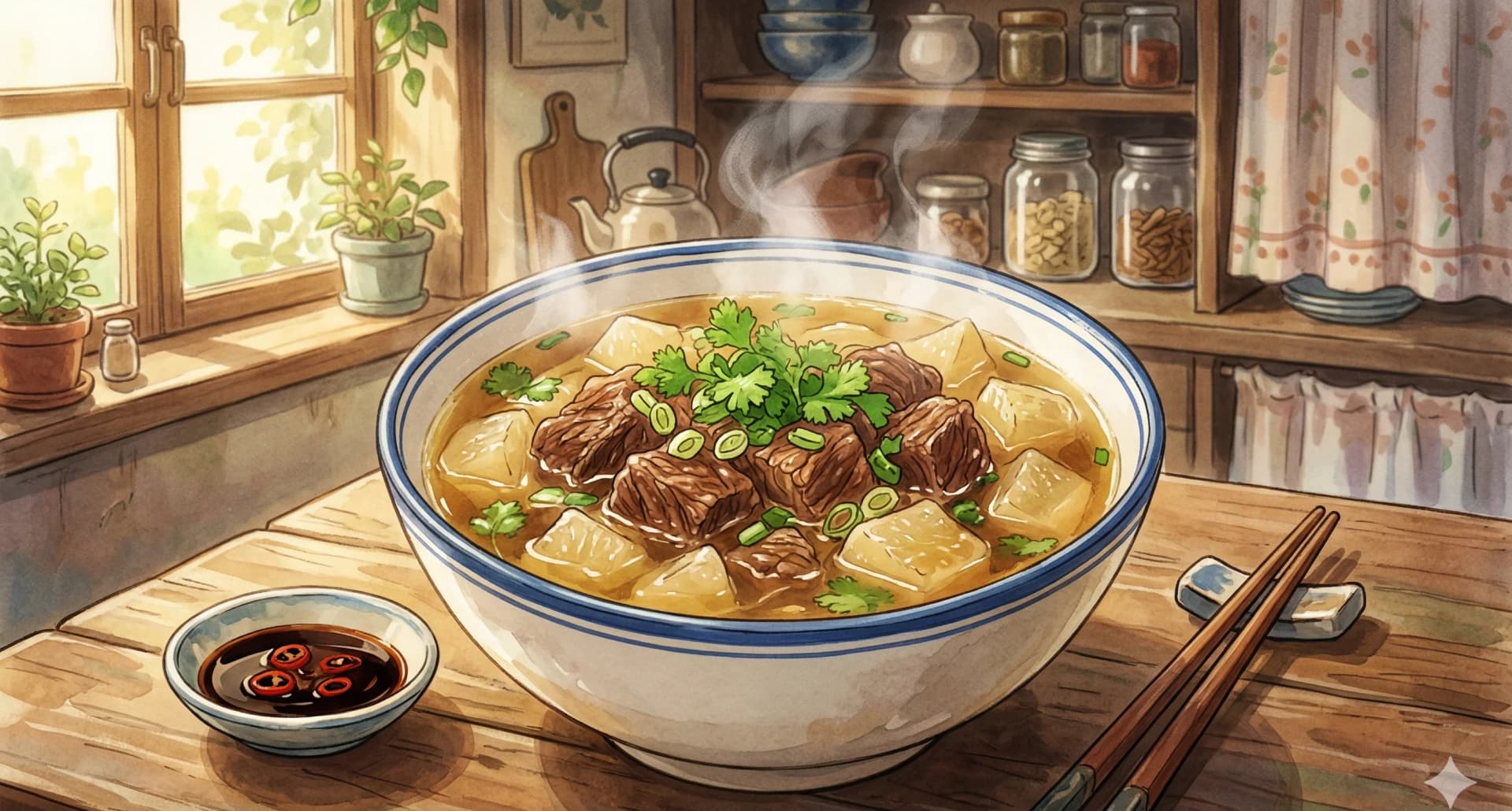
Beef Brisket Soup (清湯牛腩)
145 minutes
 Easy
EasyTraditional Chinese Medicine · China
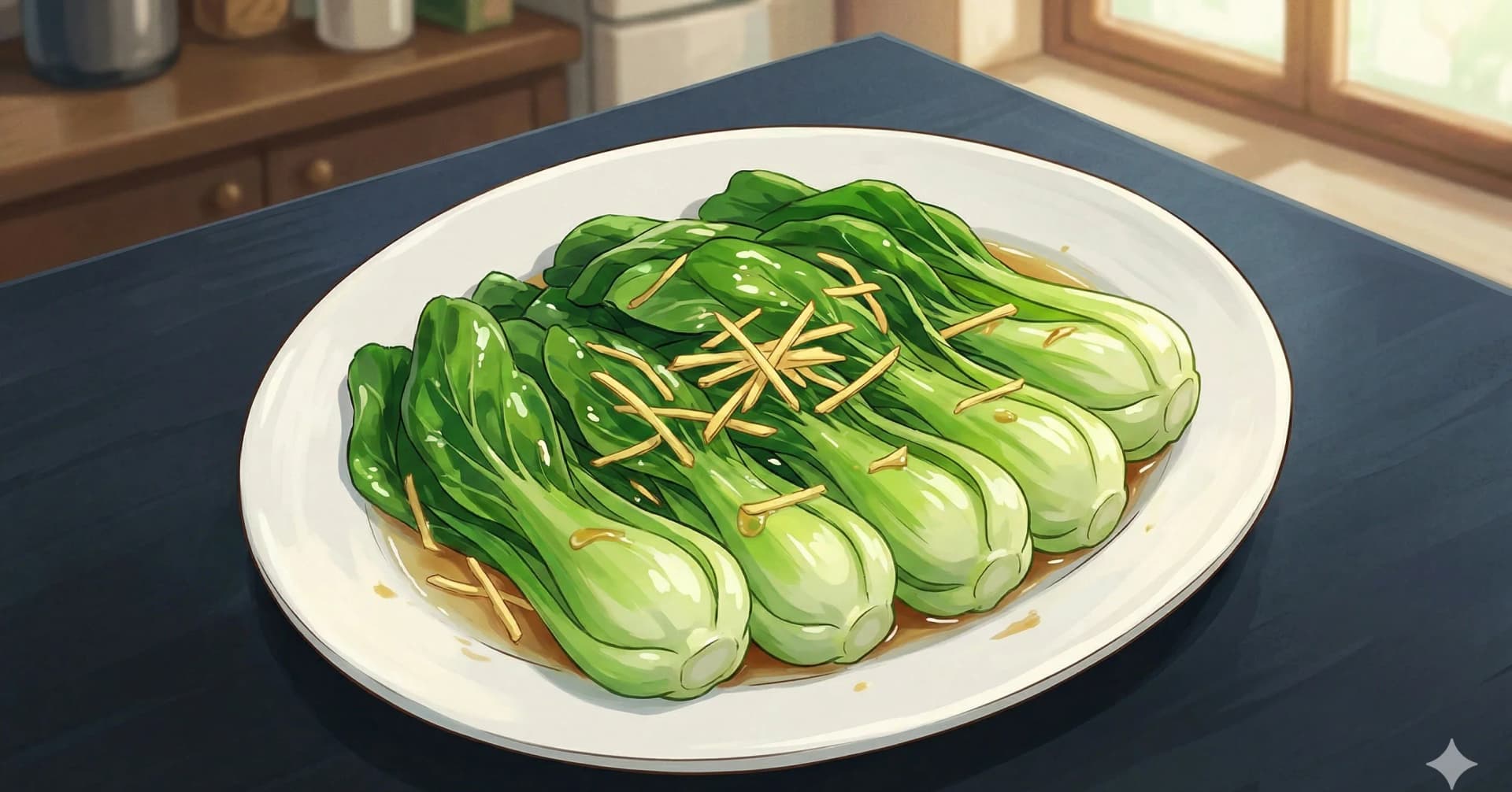
Bok Choy in Ginger Sauce (姜汁白菜)
6 minutes
 Easy
EasyCross-Cultural · China
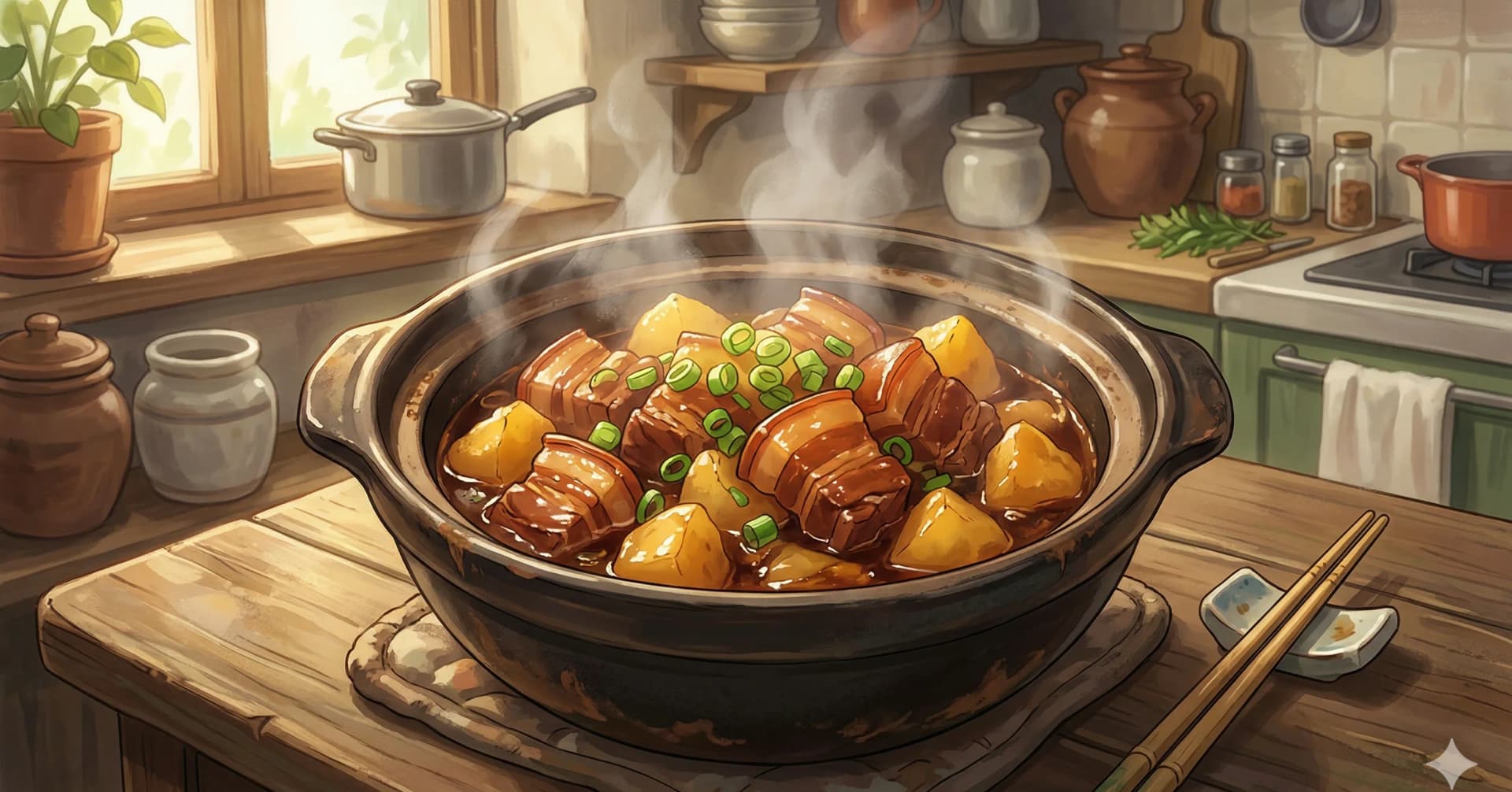
Braised Pork with Potatoes (薯仔炆豬肉)
40 minutes
 Easy
EasyVietnamese Cuisine
Cháo Gà (Vietnamese Chicken Rice Porridge)
1 hour 30 minutes
Ratings & Comments
Ratings & Comments
Ratings
Share your thoughts on this recipe.
Sign in to rate and comment