Cross-Cultural · China
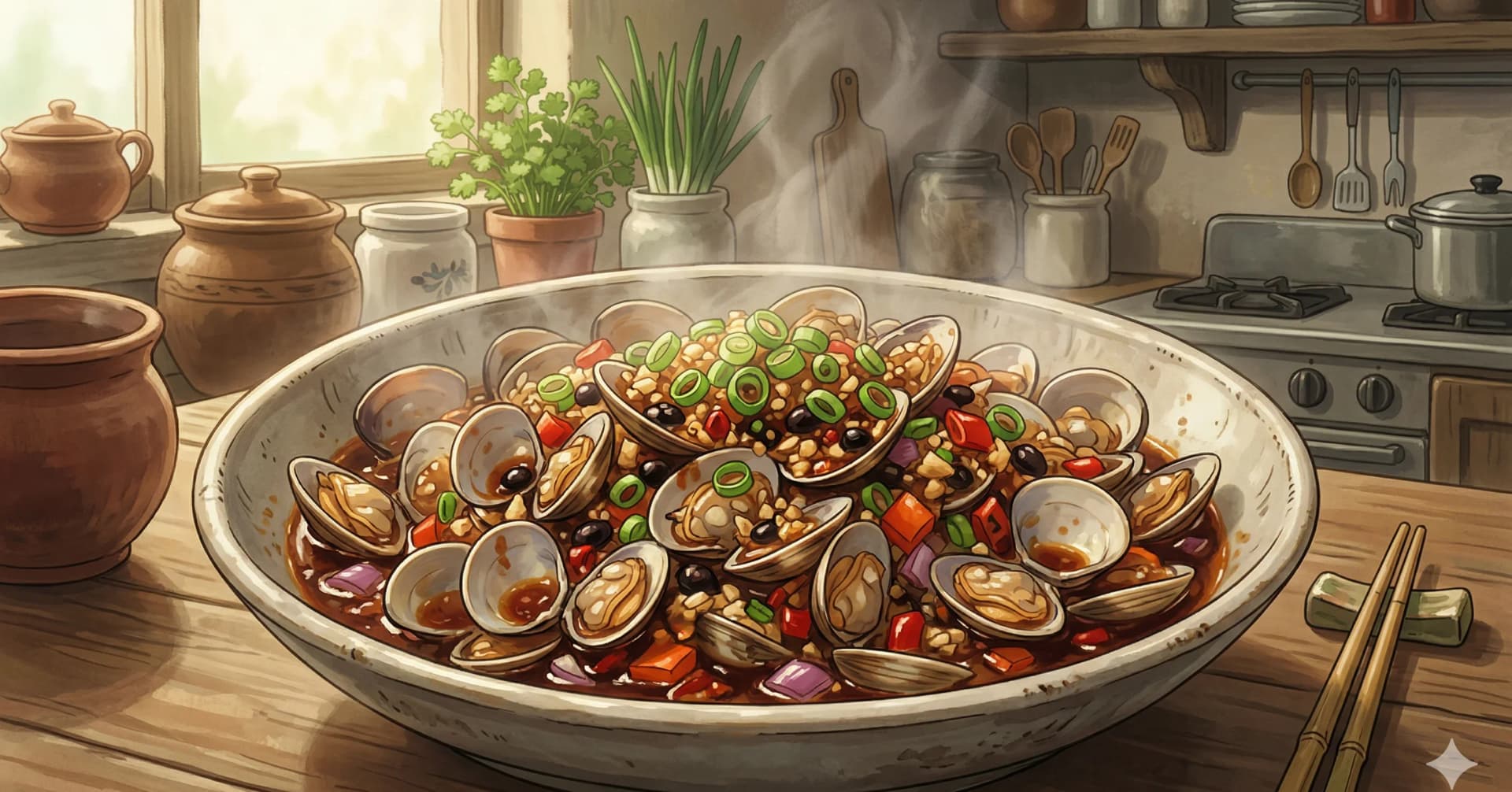
Clams in Black Bean Sauce (豉汁炒蜆)
Parboiled clams stir-fried with fermented black beans, garlic, ginger, and chili in a glossy Cantonese sauce
Seafood and fermented black beans are two pillars of Cantonese cooking, and when they meet in a hot wok the result is one of those dishes that smells so good it draws people into the kitchen before you have even finished cooking.
The technique uses a two-stage cooking method. The clams are parboiled first in plain water just until they pop open, which cooks them to the perfect point of doneness. Then they go into the wok with the sauce for only 30 seconds, just long enough to coat them. If you try to cook clams entirely in the wok, some will overcook while others remain raw, and the liquid they release will thin the sauce.
At a Glance
Yield
4 servings
Prep
30 minutes
Cook
20 minutes
Total
50 minutes
Difficulty
Medium
Ingredients
- 2 lbsclams or cockles (900 g), soaked in cold water 30 min
- 1/4 ozfresh ginger, minced
- 3garlic cloves, minced
- 2whole chili peppers, finely chopped
- 3scallion stalks, whites chopped, greens reserved
- 1 1/4 tbspfermented black bean sauce
- 2 tsplight soy sauce
- 1 tspdark soy sauce
- 1 tbspoyster sauce
- 1/4 cupwater
- 1 tspsugar
- 1/4 tspwhite pepper
- 1 tspsesame oil
- 1 tbspcornstarch, mixed with 3 tbsp water
- 2 tbspcooking oil
Method
- 1
Soak clams 30 min. Mix sauce (soy sauces, oyster sauce, water, sugar, white pepper). Mix cornstarch slurry.
- 2
Parboil clams until they open (~4 min). Remove. Discard any that smell off. Clean wok.
- 3
Stir-fry ginger, garlic, scallion whites, chili on high (15-20 sec). Add black bean sauce on low (5-10 sec). Add onion and bell pepper (30-35 sec).
- 4
Add clams, stir-fry 25-30 sec. Add sauce on high, stir 50 sec. Thicken with slurry. Finish with sesame oil. Serve.
Key Ingredient Benefits
Clams or cockles: Saltwater bivalves with sweet, briny flesh and natural umami. Manila clams, littlenecks, or steamer clams all work — choose the freshest available. Clams release their liquor (the seawater inside) into the wok as they open, which becomes part of the sauce. They are an excellent source of vitamin B12 (one serving exceeds the daily requirement), iron, and selenium.
Fermented black beans: The defining seasoning. Soybeans fermented with salt and Aspergillus mold produce intense, almost cheese-like umami. Black beans and clams are one of the foundational Cantonese seafood pairings — the umami of the beans amplifies the natural sweetness of the shellfish.
Ginger and garlic: Used in significant quantity to balance the brininess of the clams and add aromatic depth. The ginger also contributes traditional warming properties believed in Chinese medicine to balance the cooling nature of seafood.
Shaoxing wine: Splashed in at high heat, the wine creates an aromatic steam that flavors the clams from within their shells as they open. The alcohol also helps deglaze the wok and brings out additional aromatic compounds.
Oyster sauce: Adds a layer of marine umami that complements the clams and rounds out the salty edges of the fermented black beans.
Why This Works
The wok must be extremely hot before the clams go in — what Chinese cooks call wok hei (镬气, "breath of the wok"). The intense heat sears the aromatics and produces a fragrant smoke that coats the clams as they open, creating the distinctive smoky-savory quality of restaurant Cantonese stir-fries. Lower heat produces clams that taste boiled rather than wok-fried.
Adding the Shaoxing wine the moment the clams hit the wok creates an aromatic steam that penetrates the clams as they open. The wine's flavor is absorbed by the clam meat in a way that simply pouring wine into the sauce cannot achieve. The brief alcohol burst is also what produces the wok's signature aromatic burst.
The black bean sauce should not be added until the clams have started to open. Adding sauce too early causes the clams to release excess liquid into the wok, diluting the sauce. The proper timing is sauce in immediately after the clams begin opening, then a quick toss to coat each shell.
A final cornstarch slurry thickens the sauce just enough to cling to the clam shells, creating the glossy coating that distinguishes Cantonese-style clams from generic steamed clams. The sauce should be thick enough to coat the shells but loose enough to puddle slightly in the bottom of the serving dish.
Substitutions & Variations
Clams or cockles: Manila clams, littleneck clams, cockles, or steamer clams all work. Mussels can substitute and produce a closely related dish, though the flavor is slightly different. Razor clams work and produce a more dramatic visual presentation.
Fermented black beans: Jarred black bean garlic sauce substitutes in a pinch but produces a saltier, less nuanced result.
Shaoxing wine: Dry sherry is the closest substitute. Dry sake works. Avoid mirin or sweet wines.
Oyster sauce: Can be skipped without ruining the dish, though the sauce loses some depth.
Whole chili peppers: Fresh red chilies, dried Thai chilies, or Korean gochugaru can substitute for color and heat. Adjust quantity to taste.
Cooking oil: Use a neutral, high-smoke-point oil (vegetable, peanut, or grapeseed). Olive oil is too flavorful and not appropriate for Chinese stir-fry.
Serving Suggestions
Clams with black bean sauce is one of the great Cantonese banquet dishes, served alongside other seafood specialties as part of a multi-course Chinese feast. For a traditional spread, pair with steamed fish with ginger and scallion, salt and pepper squid, and stir-fried vegetables.
For a casual home presentation, serve over steamed jasmine rice with the sauce spooned over both clams and rice. A simple stir-fried green vegetable like gai lan or bok choy rounds out the meal.
The dish is also exceptional as a Hong Kong-style dai pai dong (food stall) experience — paired with cold beer and a stir-fried noodle dish like chow mein for a casual dinner.
Pair with a crisp white wine (Sauvignon Blanc, Picpoul de Pinet, or Riesling) or cold light beer. Hot Chinese tea (jasmine or oolong) also works well.
Storage & Reheating
Refrigerator: Not recommended for long-term storage. Cooked clams should be eaten within 24 hours and ideally served immediately after cooking. The shellfish can develop off-flavors quickly and the texture suffers.
Reheating: If you must reheat, do so quickly in a hot pan with a splash of water, just until warm. Avoid microwaving, which makes the clams rubbery.
Pre-prep: Clams should be purged of sand before cooking — soak in salted cold water for 30 minutes to 1 hour, then rinse. Discard any clams that do not close when tapped (these are dead and should not be eaten). Cleaned clams can be stored in the fridge on ice for up to 4 hours before cooking.
Sauce prep: The black bean sauce mixture can be prepared up to 2 days in advance and refrigerated. Cook fresh clams when ready to serve.
Freezing: Not recommended. Cooked clams suffer significantly on thawing.
Cultural Notes
Clams in black bean sauce (chǐ zhī chǎo xiàn in Mandarin, si jap chau hin in Cantonese) is one of the foundational Cantonese seafood preparations and a staple of dai pai dong (large food stall) and seafood restaurant menus throughout Hong Kong, Guangdong, and the global Cantonese diaspora. The combination of bivalves and fermented black beans is older than written Chinese culinary history and appears in some of the earliest documented Cantonese cookbooks.
The pairing is rooted in classic Cantonese principles. Fermented black beans amplify the natural sweetness of seafood through umami synergy — the beans contain glutamates that, combined with the clams' inosinates, create perceived savoriness more than five times what either ingredient could produce alone. This same principle drives many other Cantonese seafood preparations, including steamed fish with ginger and scallion and various stir-fried shellfish dishes.
The dish is typically eaten with hands rather than chopsticks — diners pick up each shell, slurp out the clam and sauce, and discard the empty shell into a shared bowl on the table. This communal, casual style of eating is one of the hallmarks of Cantonese dining culture and is part of what makes the dish such a beloved restaurant experience.
In Hong Kong, the dish is closely associated with Lei Yue Mun, a fishing village turned seafood destination on the Kowloon side of the harbor, where visitors choose live clams from tanks and have them cooked to order at the restaurants lining the waterfront. The freshness of the seafood and the intense heat of the woks combine to produce versions of this dish that home cooks aspire to but rarely match.
Nutrition Facts
Calories: 132kcal (7%)|Total Carbohydrates: 8.7g (3%)|Protein: 11g (22%)|Total Fat: 5.8g (7%)|Saturated Fat: 0.6g (3%)|Cholesterol: 20mg (7%)|Sodium: 908mg (39%)|Dietary Fiber: 0.6g (2%)|Total Sugars: 1.8g
You Might Also Like
 Easy
EasyCross-Cultural · China
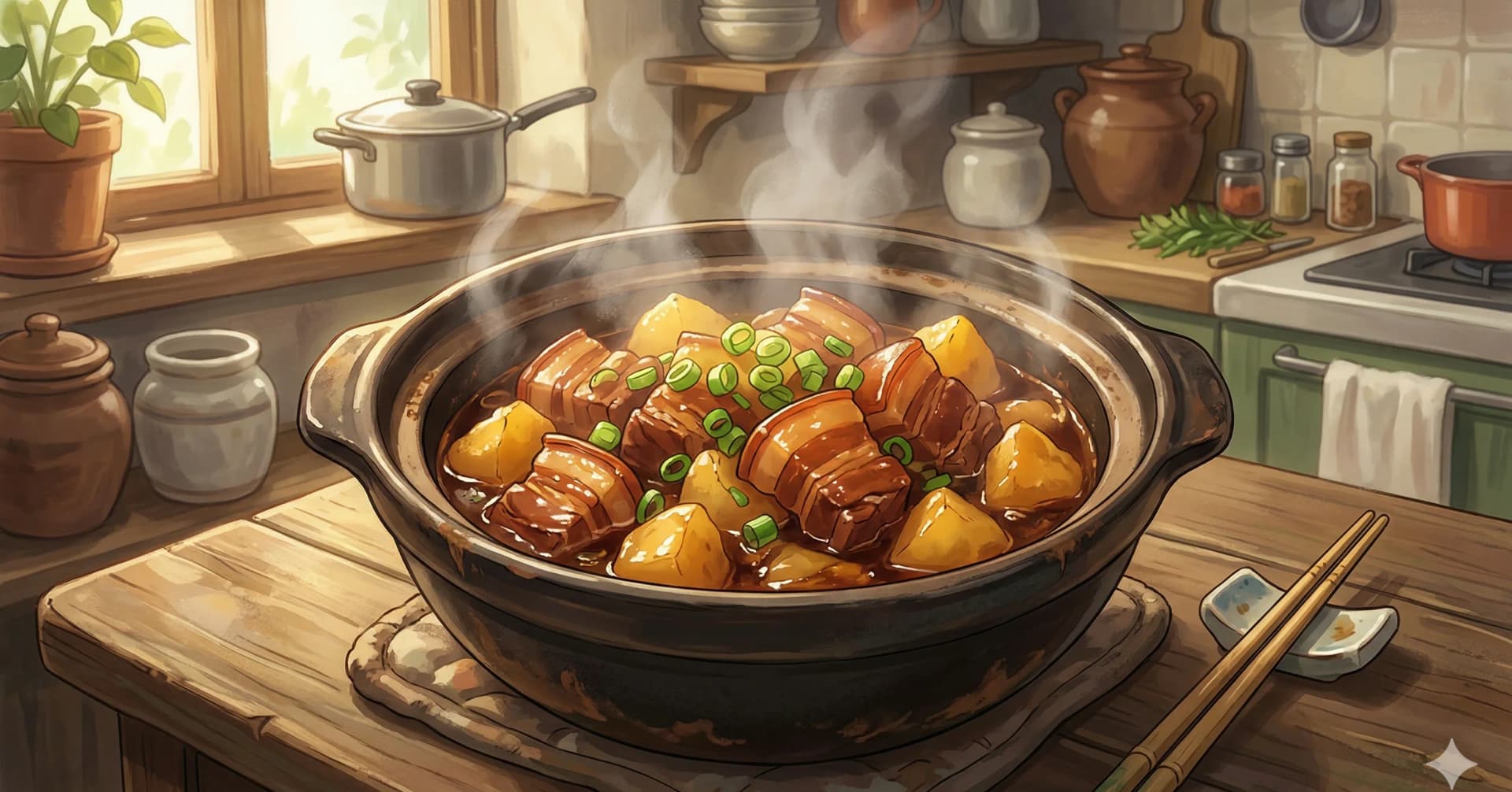
Braised Pork with Potatoes (薯仔炆豬肉)
40 minutes
 Easy
EasyCross-Cultural · China
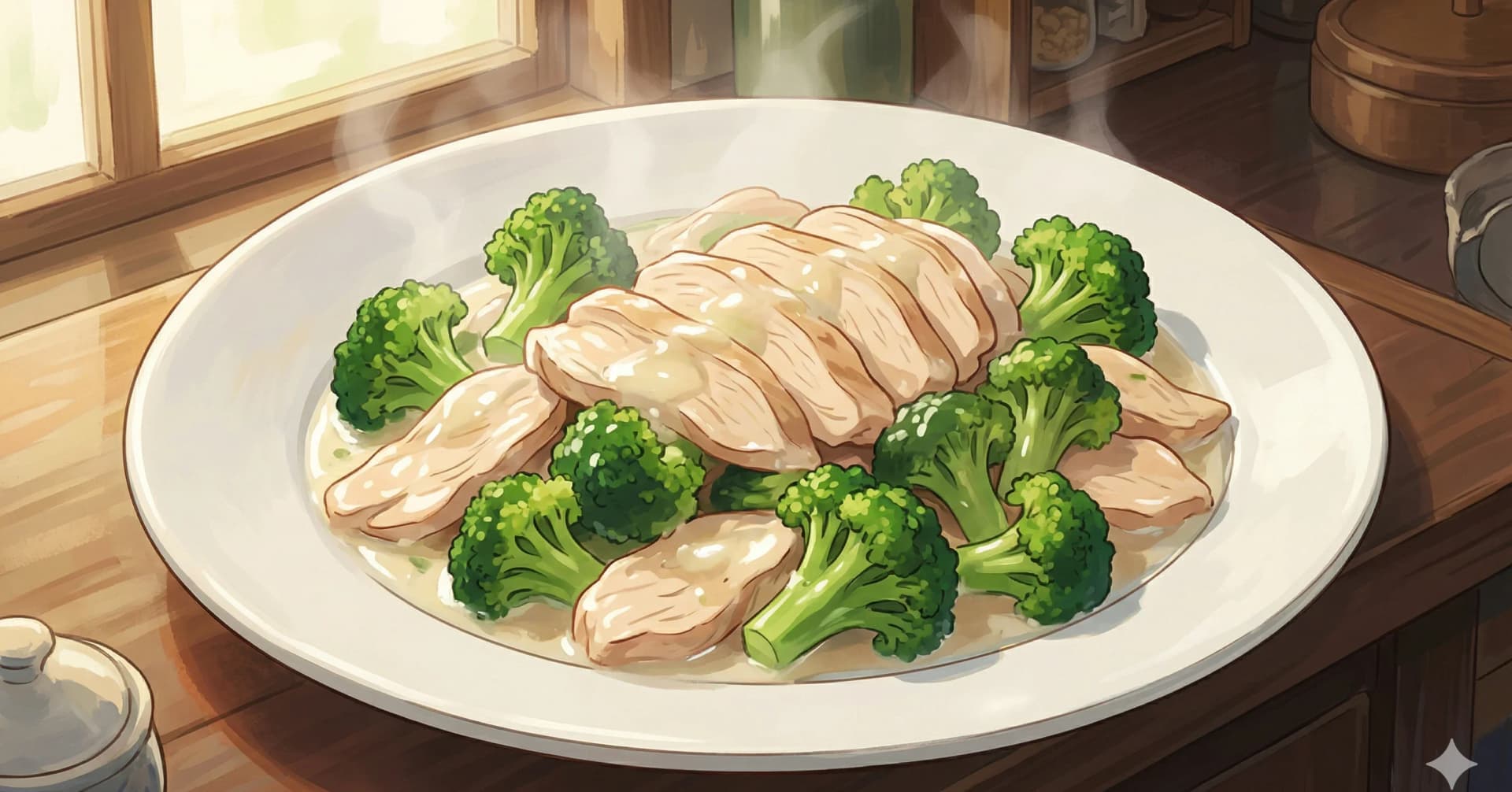
Chicken and Broccoli in White Sauce (白汁鸡花椰)
45 minutes
 Easy
EasyTraditional Chinese Medicine · China
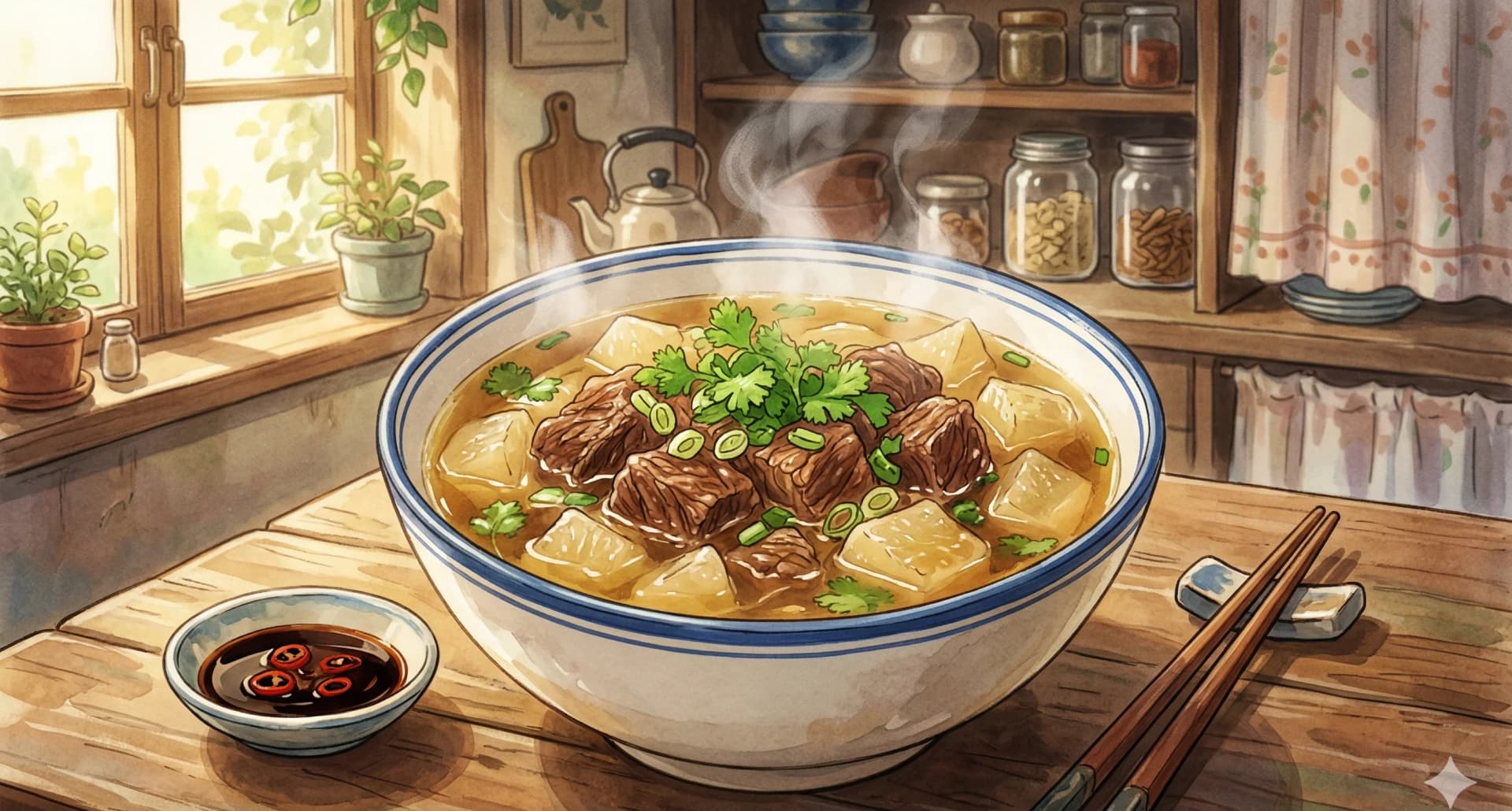
Beef Brisket Soup (清湯牛腩)
145 minutes
 Medium
Cross-Cultural · Korea
Napa Cabbage Kimchi (통배추김치)
8 hours plus 1-2 days fermentation
Ratings & Comments
Ratings & Comments
Ratings
Share your thoughts on this recipe.
Sign in to rate and comment