Cross-Cultural · Thailand
Thai Crab Fried Rice (ข้าวผัดปู)
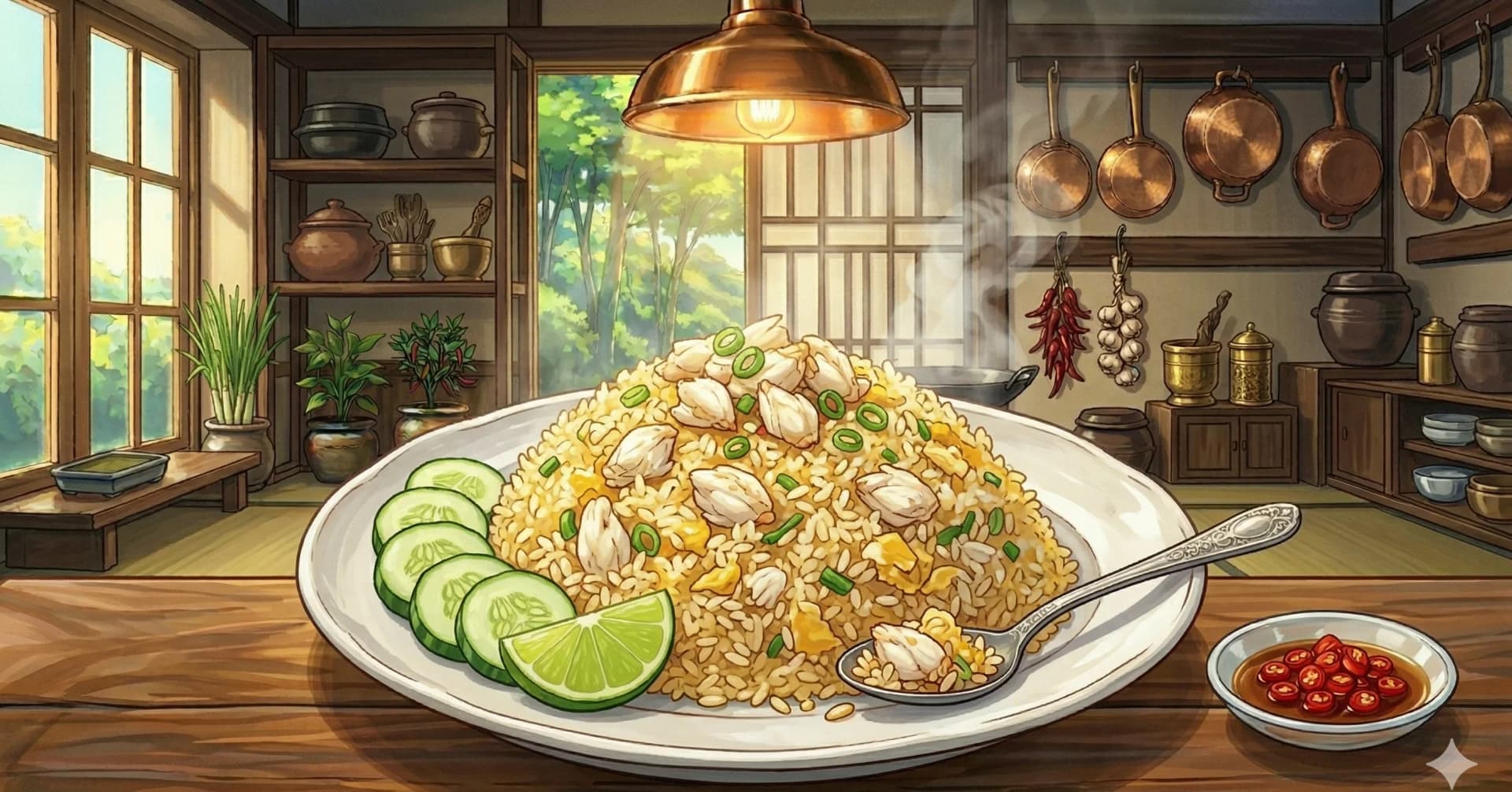
Jasmine rice wok-fried with crab, garlic, Thai chilies, egg, and fish sauce, served with cucumber, lime, and fresh cilantro
Thai fried rice is simpler and lighter than its Chinese counterpart. Where Chinese fried rice builds layers of soy sauce, oyster sauce, and multiple proteins, Thai fried rice relies on fewer ingredients and lets each one speak clearly. This version uses crab, and the whole point is to taste the crab.
The rice must be cooked and cooled. Wet rice steams in the wok. Dry rice fries properly. The rice is cooked in two batches to avoid overcrowding. The egg is scrambled directly in the wok. The crab goes in last. White pepper rather than black is the traditional Thai seasoning. The plate comes with cucumber slices, lime wedges, and extra fish sauce on the side.
At a Glance
Yield
2 to 3 servings
Prep
10 minutes
Cook
10 minutes
Total
20 minutes
Difficulty
Easy
Ingredients
- 2 cupscooked jasmine rice, day-old or cooled
- 1 1/2 tbspvegetable oil, divided
- 1-3Thai bird chilies, finely sliced
- 2garlic cloves, minced
- 1large egg
- 4 ozpicked cooked crabmeat, 115g
- 2scallions, thinly sliced
- 2 tspfish sauce, plus more for serving
- 1/4 cupfresh cilantro leaves, minced
Method
- 1
Fry rice in 2 batches over high heat, 3 min each until pale brown and chewy. Combine.
- 2
Push rice aside, scramble egg in oil, toss with rice.
- 3
Add crab, scallions, fish sauce. Toss 1 min. Season with white pepper, stir in cilantro.
- 4
Serve with cucumber, lime wedges, extra fish sauce, and sliced chilies.
Key Ingredient Benefits
Jasmine rice: The defining grain of Thai cooking. Long-grain rice with a distinctive floral aroma and slightly sticky texture when cooked. For fried rice specifically, the rice should be cooked, cooled, and aged at least 4 hours (preferably overnight) to dry the grains and prevent them from clumping. Day-old rice is one of the most important elements of any fried rice. Jasmine rice provides about 45 g of carbohydrate per cup cooked.
Fresh crab meat: The star of the dish. Lump crab meat from blue crab, Dungeness crab, or king crab all work. Fresh-picked crab provides the sweet, briny character that defines this dish. Crab is high in protein (about 19 g per 100 g), low in fat, and a good source of vitamin B12, selenium, zinc, and omega-3 fatty acids. Premium fresh crab is essential — frozen crab meat works but produces a noticeably less impressive result.
Garlic: Used in significant quantity. Bloomed in hot oil at the start to perfume the cooking fat. The garlic should be finely chopped — bloomed garlic that browns slightly contributes more flavor than gently softened garlic.
Thai bird chilies (optional): Add fresh heat. Used sparingly — Thai crab fried rice is meant to be more delicate than spicier Thai dishes. Often added separately at the table by individual diners.
Fish sauce: The primary seasoning. Thai fish sauce (nam pla) provides salt and the deep umami that distinguishes Thai fried rice from Chinese versions. Use a good Thai fish sauce — the difference between premium and supermarket-grade is significant.
Eggs: Scrambled into the rice. Add protein and bind the rice grains together with a thin egg coating. The egg should be cooked into small bits and distributed throughout, not visible as discrete strips.
Scallions and cilantro: The final fresh garnishes. Scallions are added near the end and barely cooked; cilantro is added off-heat for maximum aromatic impact.
Lime and cucumber (table accompaniments): Lime wedges and cucumber slices on the side are mandatory in Thai presentation. The lime brightens the dish at the moment of eating; the cucumber provides cooling textural contrast.
White pepper: Used over black pepper to provide subtle, slightly floral heat without dark specks in the rice.
Why This Works
Day-old rice is the technique's foundation. Freshly-cooked rice contains too much moisture and gluten-like surface starch — it clumps and steams in the wok instead of frying. Rice that has been cooked, cooled, and aged at least 4 hours (preferably overnight in the refrigerator) has dried out enough to fry properly. Each grain stays separate, develops a slight chewy texture, and gets the lightly toasted character that defines fried rice.
The wok must be smoking hot before any ingredients go in. Thai fried rice depends on wok hei (the breath of the wok) — the smoky, slightly charred quality that high-heat wok cooking produces. Home stoves often can't match restaurant wok burner temperatures, but they can get close enough if the wok is preheated thoroughly (1 to 2 minutes empty over the highest flame) and the cooking happens fast.
Cooking in batches matters more than home cooks expect. Overcrowding the wok produces steamed rice instead of fried rice. For 4 servings, split the rice into 2 cooking sessions of 2 servings each. Restaurant kitchens always cook fried rice to order in single portions for exactly this reason.
The egg is scrambled into the wok separately from the rice. The proper sequence: heat the oil, bloom the garlic, push aside, scramble the eggs, break into small bits, then toss the rice in and combine. Adding the eggs to the rice while it's frying produces lumpy distribution; adding the rice to already-scrambled eggs produces uneven texture.
The crab goes in at the very end, just to warm through. Crab is already cooked when purchased (whether fresh-picked or canned), and any additional cooking toughens it. The crab should be added in the last 30 to 45 seconds of cooking, tossed gently to distribute, and removed from heat before it dries out.
The seasoning is intentionally minimal. Thai fried rice uses much less seasoning than Chinese fried rice — just fish sauce, sometimes a tiny amount of soy sauce, sometimes a pinch of sugar. The dish is meant to let the crab's natural flavor come through. Heavy seasoning would obscure the seafood.
The table condiments — lime wedges, fresh chilies, cucumber slices, fish sauce — are essential, not optional. Each diner adjusts the seasoning at the table. This is the Thai approach to dining: the cook brings the dish to about 90%; the diner finalizes the flavor.
Substitutions & Variations
Crab: Fresh-picked blue crab, Dungeness crab, or king crab work. Pre-picked lump crab meat from a tin or refrigerated container is the everyday option. Imitation crab (surimi) works for a budget version but produces a noticeably different result. Shrimp, chicken, or pork can substitute for a non-crab version — change the dish name accordingly.
Jasmine rice: Cannot really be substituted without losing essential character. Basmati produces a different dish (less floral). Long-grain American rice works in a pinch. Avoid medium-grain or short-grain rice — wrong texture.
Fish sauce: Cannot be omitted without losing essential character. Vietnamese fish sauce works (slightly different but acceptable). Soy sauce alone is not appropriate. For vegetarian, use light soy sauce + a pinch of MSG to approximate the umami.
Eggs: Cannot really be omitted. Vegetarian/vegan versions can use tofu scrambled with turmeric for color.
Garlic: Essential. Cannot be substituted. Use plenty — Thai fried rice uses noticeably more garlic than Chinese versions.
Thai bird chilies: Optional. Serve fresh chilies on the side rather than cooking them into the dish — this is the traditional Thai approach. Serrano or jalapeño substitute. Skip for a non-spicy version.
Cooking oil: Neutral vegetable oil (canola, grapeseed, sunflower) works best. Peanut oil is traditional. Coconut oil is sometimes used but produces a non-traditional flavor. Avoid olive oil and sesame oil (wrong character).
White pepper: Cannot be substituted for the authentic Thai character. Black pepper works but changes the dish.
Cilantro: Cannot really be omitted without losing the Thai character. Thai basil substitutes acceptably. Italian parsley is not appropriate.
Lime: Lime wedges are non-negotiable for proper Thai presentation. Lemon substitutes but is less aromatic. Calamansi works.
Cucumber: Cucumber slices are the traditional accompaniment. Tomato wedges or fresh green papaya can substitute.
Khao pad varieties: Different Thai fried rice variations include khao pad gai (chicken), khao pad moo (pork), khao pad goong (shrimp), khao pad sapparod (pineapple), and khao pad nam liab (with salted black olives). All use the same base technique with different proteins/accents.
Serving Suggestions
Thai crab fried rice is a one-bowl meal that can stand alone, but the table accompaniments transform it into a proper Thai dining experience. Always serve with:
Lime wedges: Essential. Each diner squeezes lime over their portion to brighten the dish.
Cucumber slices: Thin, cold cucumber slices on the side provide refreshing contrast. Traditional presentation has 4 to 6 slices per plate.
Fresh Thai chilies in fish sauce (prik nam pla): A small condiment of sliced Thai bird chilies in fish sauce. Each diner adds to taste for additional heat and seasoning. The classic Thai table condiment.
Fish sauce (extra): A small saucer of plain fish sauce for those who want additional salt-umami at the table.
Sugar (optional, traditional): A small saucer of sugar — some Thais (especially in central Thailand) add a pinch of sugar to their fried rice.
For a complete Thai meal, pair Thai crab fried rice with:
- Tom yum goong (hot and sour shrimp soup) as a starter
- A simple stir-fried green vegetable like pad pak boong (morning glory) on the side
- Mango sticky rice for dessert
For a more casual presentation:
- Thai iced tea or Thai iced coffee
- Cold light beer (Singha, Chang, Tiger)
- A simple Thai salad like som tam (green papaya salad)
Restaurant presentation: Thai restaurants typically serve crab fried rice mounded in the center of a wide plate, with cucumber slices arranged around the edge, lime wedges at the four o'clock and eight o'clock positions, and a sprig of fresh cilantro on top. A small dish of prik nam pla goes alongside.
The dish is traditionally eaten with a spoon and fork — the spoon is the primary utensil, the fork is used to push food onto the spoon. Chopsticks are not traditional in Thai dining for fried rice (they're used primarily for noodle dishes).
Storage & Reheating
Refrigerator: Stores well for up to 2 days in an airtight container. The rice continues to absorb moisture from the crab and seasonings, which can be beneficial for flavor but slightly diminishes texture.
Reheating: A hot wok or large skillet with a teaspoon of oil for 2 to 3 minutes restores most of the texture. Add a tablespoon of water if too dry. Microwave works in a pinch — cover with a damp paper towel to prevent drying out.
Make-ahead components: The rice can (and should) be cooked a day in advance. The crab can be picked and stored refrigerated for up to 24 hours. The garnishes can be prepped a day ahead. The actual cooking is 6 to 8 minutes once mise-en-place is ready.
Restaurant tip: Many Thai restaurants pre-cook large batches of rice (often using the previous day's leftover rice) and have crab pre-picked and ready. Orders are fired in single-portion batches. This is the same approach that works at home — prepare components in advance, finish in single servings.
Freezing: Acceptable for up to 1 month but the crab texture suffers significantly on thawing. The rice is fine but the crab becomes mushy. Better to make fresh and consume within 2 days.
Crab freshness: Fresh-picked crab spoils quickly — use within 24 hours of picking, even refrigerated. Sourcing fresh crab is the most challenging part of this dish for home cooks; many Thai home cooks use frozen pre-picked crab for convenience, accepting the slight quality difference.
Reusing leftover fried rice: Cold leftover Thai fried rice can be eaten as-is (some Thais prefer it cold the next day) or repurposed: form into patties and pan-fry for crispy rice cakes, or stir into a hot Thai soup for a quick lunch.
Cultural Notes
Thai crab fried rice (khao pad pu, ข้าวผัดปู, "rice fried with crab") is one of the most beloved seafood dishes in Thai cuisine and a defining preparation of Thai-Chinese fusion cooking. The dish exists at the intersection of Thai and Chinese culinary traditions — fried rice itself is fundamentally Chinese in origin, but the Thai treatment uses Thai pantry items (fish sauce instead of soy sauce, jasmine rice instead of long-grain Chinese rice, fresh herbs, lime, fresh chilies) to create a distinctly Thai dish.
Thailand has one of the largest ethnic Chinese populations in Southeast Asia, descended from Hokkien, Teochew, Cantonese, and Hakka immigrants who arrived primarily in the 18th and 19th centuries. The Chinese influence on Thai cooking is profound — much of what we think of as "Thai" food (rice noodles, fish sauce, fried rice, many stir-fry techniques) traces back to Chinese culinary contributions. Khao pad (fried rice) is one of the clearest examples of this fusion.
The dish's emphasis on letting the crab taste like crab is a defining characteristic of Thai-Chinese cooking philosophy. Thai cooking generally favors restraint with sauces — letting individual ingredients speak clearly — compared to Cantonese cooking, which often builds layered sauces. Khao pad pu is intentionally lighter and less sauce-heavy than its Cantonese equivalents (like Cantonese seafood fried rice). The Thai approach is "fewer ingredients, more clearly distinguished."
The role of table condiments in Thai dining is also reflected here. Unlike Western cuisine (where the chef determines final seasoning) or Cantonese cuisine (where dishes are typically served fully seasoned), Thai cuisine actively involves the diner in finalizing flavor balance. The lime, cucumber, fresh chilies, and extra fish sauce on the table allow each person to customize each bite. This collaborative approach to seasoning is a defining feature of Thai dining culture.
Regional variations exist throughout Thailand. Bangkok versions tend to be simpler — just crab, garlic, fish sauce, eggs, rice. Southern Thai versions sometimes add curry powder, turmeric, or coconut milk. Northern Thai versions are rarer (crab is less central to inland cuisine) but exist. Hong Kong-style Thai restaurants — which serve both cuisines — produce hybrid versions with more Cantonese sauce-building.
The dish has become one of the most internationally recognized Thai preparations alongside pad thai, tom yum, and pad krapow. Thai restaurants globally serve crab fried rice as one of their signature seafood dishes, and the preparation has been adopted into Thai-American, Thai-British, and Thai-Australian restaurant traditions.
Crab selection is a cultural marker in Thai cooking. High-end Thai restaurants in Bangkok use blue swimming crab from the Andaman Sea or the Gulf of Thailand, picked fresh by hand and delivered same-day. Tourist-oriented restaurants may use pasteurized canned crab. The difference is significant, and Thais take pride in the quality of their crab sources.
The dish's role as a special-occasion home meal in Thailand is worth noting. While crab fried rice can be a casual meal at street stalls and food courts, the homemade version (using freshly-picked crab) is considered a relatively elaborate preparation reserved for guests, holidays, and family celebrations. Many Thai grandmothers are famous within their families for their crab fried rice technique, and recipes are often closely guarded household specialties.
Nutrition Facts
Calories: 310kcal (16%)|Total Carbohydrates: 48.4g (18%)|Protein: 14.1g (28%)|Total Fat: 6.4g (8%)|Saturated Fat: 1.3g (7%)|Cholesterol: 91mg (30%)|Sodium: 446mg (19%)|Dietary Fiber: 1.5g (5%)|Total Sugars: 0.7g
You Might Also Like
 Easy
EasyCross-Cultural · China
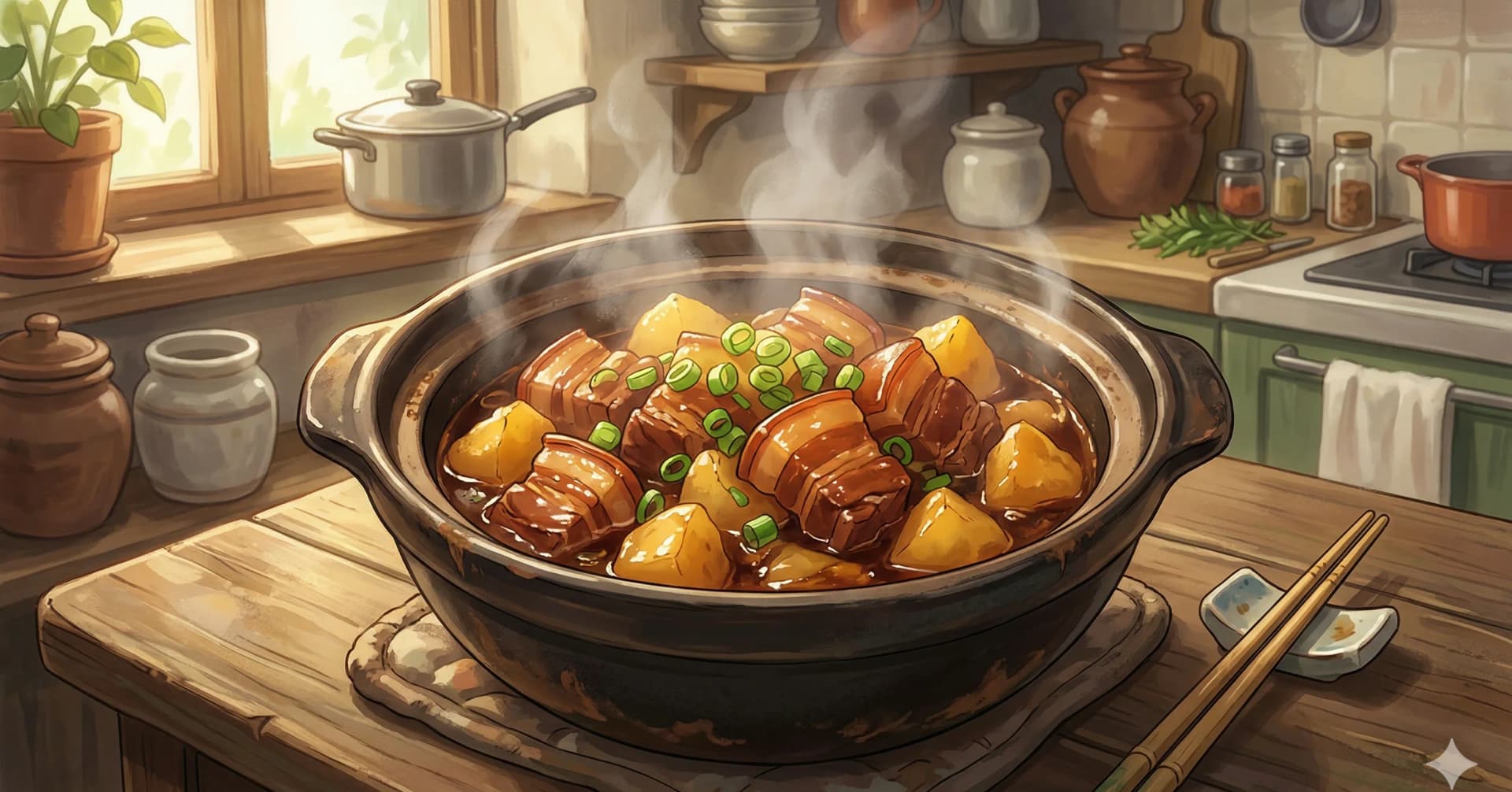
Braised Pork with Potatoes (薯仔炆豬肉)
40 minutes
 Easy
EasyCross-Cultural · China
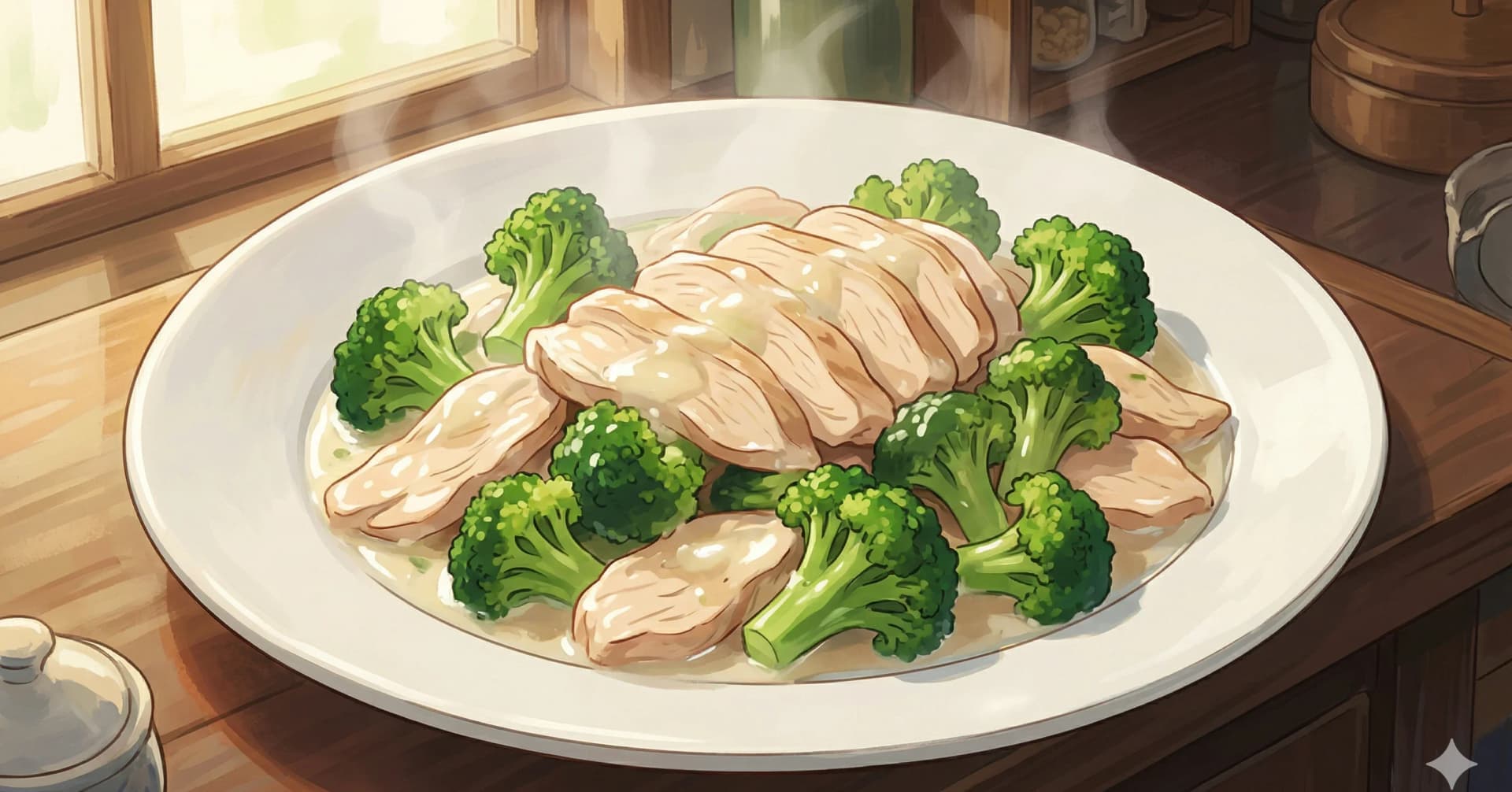
Chicken and Broccoli in White Sauce (白汁鸡花椰)
45 minutes
 Easy
EasyTraditional Chinese Medicine · China
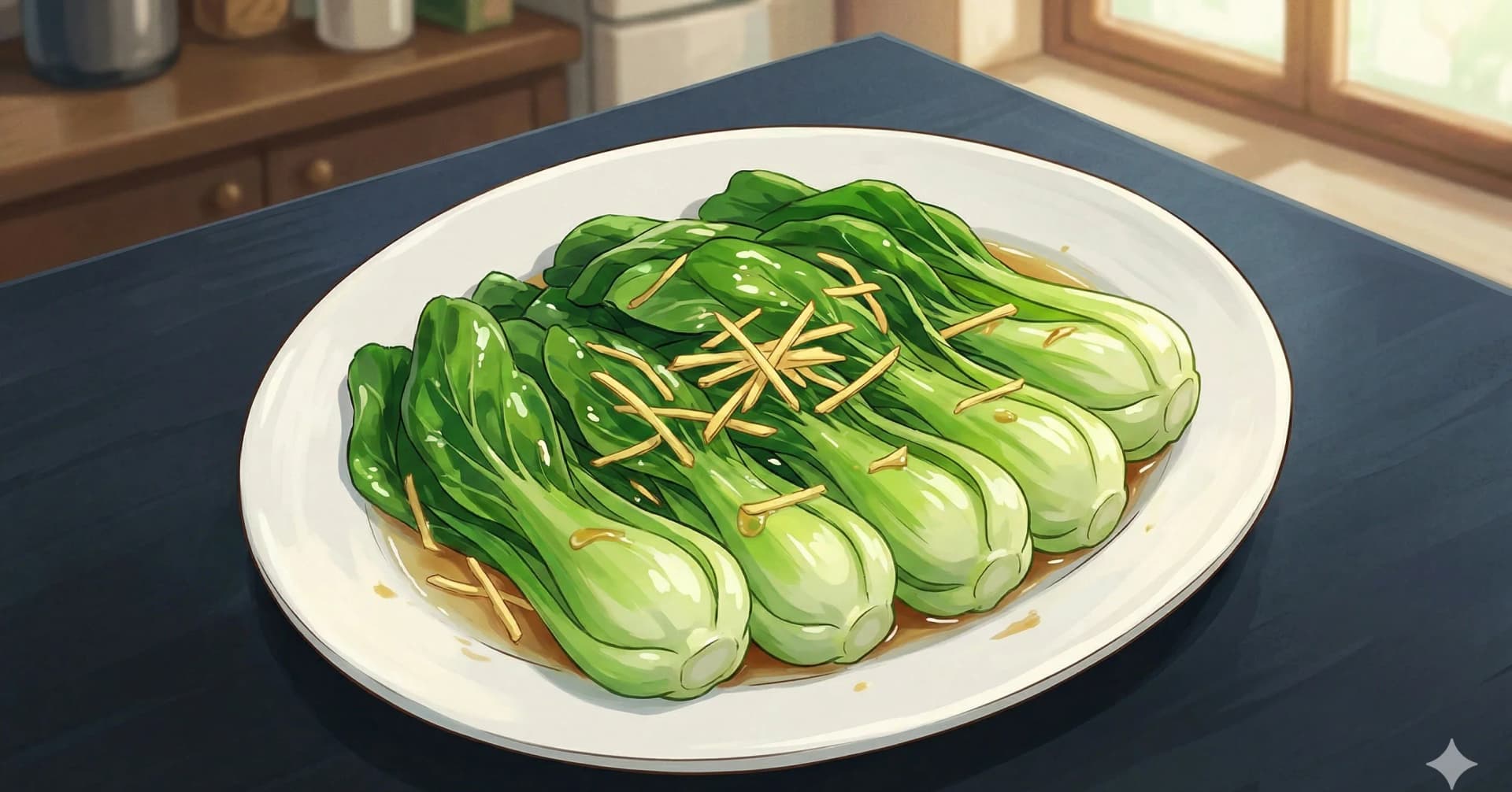
Bok Choy in Ginger Sauce (姜汁白菜)
6 minutes
 Medium
Vietnamese Cuisine
Bun Rieu (Vietnamese Crab and Tomato Noodle Soup)
2 hours
Ratings & Comments
Ratings & Comments
Ratings
Share your thoughts on this recipe.
Sign in to rate and comment