Japanese Cuisine
Shogayaki (Ginger Pork)
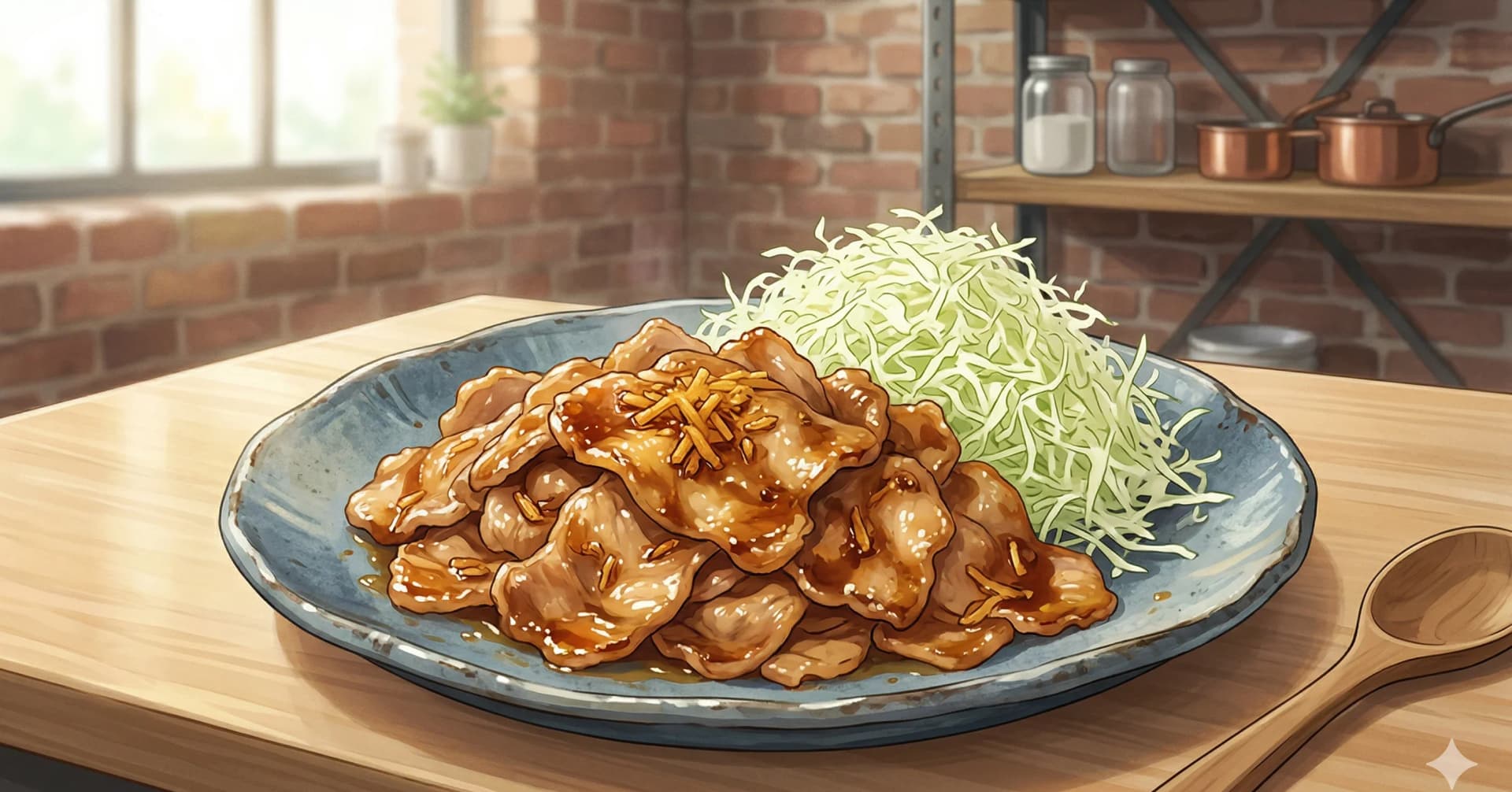
Tender, thinly sliced pork loin seared until golden and glazed in a sweet ginger-soy sauce, one of Japan's most comforting weeknight meals
Shogayaki translates simply to "ginger grilled," and the name captures the dish perfectly. Thin slices of pork loin meet a pan hot enough to sear, then get coated in a sauce that is equal parts soy, mirin, and sake, made fragrant with freshly grated ginger. The whole thing comes together in about twenty minutes, which is exactly why it has been one of the most popular lunch and dinner items in Japanese homes and teishoku restaurants for generations.
What separates a good shogayaki from a great one comes down to a few quiet details. The pork should be sliced thin, about 3 mm, so that it cooks quickly and absorbs the sauce without drying out. A light dusting of flour before cooking gives each slice a delicate coating that seals in juices and helps the sauce cling. The ginger does double duty here. Its juice, rubbed into the raw pork along with a splash of sake, removes any unwanted gaminess and starts tenderizing the meat before the pan gets involved. The rest of the ginger goes into the sauce, where its sharp, warm bite softens into something rounder and sweeter as it cooks down.
Shogayaki sits at the crossroads of several traditions. It shares the pan-glazing technique with teriyaki chicken, uses the same soy-mirin-sake foundation you find in nikujaga, and its focus on ginger connects it to warming dishes across East and Southeast Asia, from Korean bulgogi to Vietnamese ga kho gung. It is the kind of dish that rewards simplicity and good ingredients rather than complicated technique. Serve it the traditional way, over rice with a pile of shredded cabbage on the side and a bowl of miso soup, and you have a meal that feels both nourishing and complete.
At a Glance
Yield
2 servings
Prep
10 minutes
Cook
10 minutes
Total
20 minutes
Difficulty
Easy
Ingredients
Sauce Ingredients
Pork Ingredients
- ¾ lbthinly sliced pork loin, cut about 3 mm thick
- 1knob fresh ginger (about 5 cm / 100 g), for juicing
- 1/2medium onion (about 140 g), sliced into thin half-moons
- 1 tbspsake
- 1¼ tbspall-purpose flour (plain flour)
- 15to 30 ml neutral oil (such as vegetable or grapeseed)
- —Freshly ground black pepper, to taste
To Serve
- —Finely shredded raw cabbage
- —Steamed Japanese short-grain rice
Method
- 1
Mix the sauce. Combine the soy sauce, mirin, sake, and sugar in a small bowl. Stir until the sugar dissolves. Set aside for now.
- 2
Prepare the ginger. Peel a knob of ginger by scraping the skin with the edge of a spoon. Grate it finely using a microplane or the smallest holes on a box grater. Gather the grated ginger in your hand and squeeze firmly over a bowl to extract the juice. You need about 15 ml of juice total. Add half of the juice to the sauce bowl along with the grated onion and its liquid. Stir to combine. If you like a stronger ginger presence, add 5 to 10 g of the grated ginger pulp to the sauce as well.
- 3
Season the pork. Lay the pork slices on a plate or tray. Drizzle the remaining ginger juice and 15 ml of sake evenly over the slices. Let the pork sit for about 5 minutes. The ginger juice will begin to mellow any off-flavors while gently tenderizing the surface of the meat. Just before cooking, lightly dust both sides of each slice with flour. Tap off any excess. The flour coating should be barely visible, not a thick dredge.
- 4
Sear the pork. Heat a large skillet over medium-high heat and add about 15 ml of oil. When the oil shimmers and just begins to smoke at the edges, lay the pork slices in a single layer without overlapping. Cook for about 2 minutes on the first side, until the edges turn golden and the surface facing you is no longer pink. Flip each slice and cook for another 1 to 2 minutes, until no pink remains and the second side is lightly browned. The kitchen should smell of toasting flour and warming ginger at this point. Transfer the pork to a plate. If your skillet is not large enough for all the slices at once, cook in two batches.
- 5
Cook the onion. Add a little more oil to the same skillet and reduce the heat to medium. Add the sliced onion and cook, stirring occasionally, for 6 to 8 minutes. The onion should turn translucent and soft, with a few golden spots on the edges. It will have a sweet, mellow aroma when it is ready.
- 6
Glaze the pork. Return the pork slices to the skillet with the onion. Pour the sauce over everything and increase the heat to medium-high. Let the sauce come to a gentle bubble. Spoon the sauce over the pork repeatedly for about 2 minutes, turning the slices once so both sides are coated. The sauce will reduce and thicken into a glossy glaze that clings to the meat and onion. When it looks syrupy and coats the back of the spoon, the shogayaki is done.
- 7
Finish and serve. Season with a few grinds of black pepper. Transfer to plates alongside a generous mound of shredded cabbage and a bowl of steamed rice.
Key Ingredient Benefits
Pork loin: A relatively lean cut providing about 26 g of protein per 100 g serving, along with notable amounts of thiamine (B1), which plays a role in energy metabolism. In traditional Japanese food culture, pork has been associated with stamina and recovery, particularly in Okinawan cuisine where it is a dietary staple.
Fresh ginger: Contains gingerols, the compound responsible for its pungent heat, which convert to shogaols when heated. Research has examined these compounds for anti-nausea and anti-inflammatory properties. In Japanese and Chinese medicine, ginger is considered a warming ingredient that supports digestion and circulation.
Mirin: A sweet rice wine with about 14% alcohol and 40 to 50% sugar content. During cooking the alcohol evaporates, leaving behind complex sugars that contribute sweetness and a glossy finish. Authentic hon-mirin (true mirin) undergoes saccharification during brewing, producing a depth of sweetness that sugar alone cannot replicate.
Soy sauce: Naturally brewed soy sauce is produced through a months-long fermentation of soybeans, wheat, salt, and koji mold. This process generates free glutamic acid (umami), along with hundreds of aromatic compounds. It is high in sodium, so those monitoring salt intake may wish to reduce the amount or use a reduced-sodium variety.
Why This Works
The light flour coating serves two purposes. It creates a thin barrier that slows moisture loss during searing, keeping the pork juicy even at high heat, and it provides starch for the sauce to cling to. Without the flour, the sauce slides off the meat, pooling on the plate instead of forming a lacquered glaze.
Sake and ginger juice applied to the raw pork before cooking target two common problems with thin-cut pork. Sake contains ethanol, which bonds to and lifts odor molecules (trimethylamine and similar compounds) that can make pork smell gamey. Ginger juice contains protease enzymes that gently break down surface proteins, tenderizing the outer layer of the meat. This is the same enzymatic tenderizing at work in Korean pear marinades used for bulgogi.
The sauce itself is balanced in a roughly 1:1:1 ratio of soy sauce, mirin, and sake. Soy sauce delivers salt and glutamate-driven umami. Mirin adds a gentle sweetness and viscosity from its residual sugars. Sake rounds out the flavor with subtle rice complexity and helps meld the other ingredients during cooking.
Substitutions & Variations
Pork cut: Thinly sliced pork shoulder (collar/boston butt) can replace loin for a fattier, more forgiving result. Pork belly slices work too but will produce a richer dish. For something leaner, boneless loin chops sliced to 3 mm will work well if you are careful not to overcook them.
Ginger juice: If you do not have a grater, slice the ginger thinly and crush it in a mortar, then squeeze through a fine mesh strainer or cheesecloth. Jarred ginger paste can stand in at about 15 ml, but fresh is noticeably brighter.
Gluten-free: Replace soy sauce with tamari (check the label for wheat-free versions) and use rice flour or cornstarch instead of all-purpose flour.
Chicken version: Boneless chicken thigh, sliced thin, responds well to the same treatment. Add a minute or two to the cooking time to ensure the chicken is cooked through.
Spicy variation: Add 5 ml of toban djan (chili bean paste) or a generous pinch of shichimi togarashi to the sauce. This is not traditional but is a common riff in izakaya-style cooking. For a Southeast Asian twist that echoes the ginger-forward approach, see pad krapow, which takes the same quick-sear method in a different aromatic direction.
Serving Suggestions
The classic teishoku presentation is shogayaki plated alongside shredded raw cabbage, a bowl of steamed rice, and a cup of miso soup. The cabbage is not merely decoration. Its cool crunch and faint sweetness contrast the warm, saucy pork beautifully. Dress the cabbage with a light squeeze of lemon or a drizzle of Japanese sesame dressing if you like.
For a more substantial spread, add a small dish of pickled ginger (beni shoga), a portion of nikujaga, or a simple side of blanched spinach dressed with soy sauce and sesame. Cold barley tea (mugicha) is the traditional drink pairing for this kind of everyday Japanese meal.
Leftover shogayaki makes an excellent bento filling. Pack it at room temperature over rice with a divider of cabbage and a few pickled plum (umeboshi) to round things out.
Storage & Reheating
Cooked shogayaki: Refrigerate in an airtight container for up to 3 days. The flavors actually deepen overnight as the ginger and soy continue to meld. Reheat in a skillet over medium-high heat for 1 to 2 minutes, adding a splash of water or sake if the glaze has tightened too much. Microwaving works in a pinch but will not restore the seared texture.
Freezing: Cooked shogayaki can be frozen for up to 1 month. Thaw overnight in the refrigerator and reheat in a hot skillet. For meal prep, you can also freeze the raw pork with the ginger juice and sake seasoning already applied. Thaw, dust with flour, and cook fresh.
Cultural Notes
Shōgayaki (生姜焼き), Japanese ginger pork, is everyday cooking at its most reliable. The dish belongs to two worlds at once: the Japanese home kitchen and the urban teishoku (定食, set meal) lunch restaurant. Both worlds treat it as one of the workhorse meals you can count on without thinking too hard.
The form took shape in the early-to-mid 20th century, when pork started becoming affordable in Japan and the teishoku format took over Tokyo's office districts. Teishoku restaurants are small, casual places that serve a fixed-price lunch built around a main protein plus rice, miso soup, and pickles. They sold shōgayaki by the millions to office workers who wanted lunch that was cheap, filling, and quick. The chains Yayoi-ken and Otoya still build their menus around it, and shōgayaki remains one of the most commonly ordered items in the broader teishoku category.
What makes it work at home is the math. Pork loin slices are cheap and easy to find. The cooking goes from start to finish in under 15 minutes. Almost everyone in the family likes the sweet-savory ginger glaze. Leftovers reheat acceptably the next day. Add it up and shōgayaki becomes one of the easiest weeknight dinners in the Japanese kitchen.
Japanese cookbooks devote a lot of space to shōgayaki variations, with the regional and household differences mostly coming down to three questions. How sweet do you make the glaze. Sake or mirin. And whether you add garlic alongside the ginger. Cooks have opinions about all three.
Nutrition Facts
Calories: 575kcal (29%)|Total Carbohydrates: 18g (7%)|Protein: 35g (70%)|Total Fat: 32g (41%)|Saturated Fat: 9g (45%)|Cholesterol: 120mg (40%)|Sodium: 820mg (36%)|Dietary Fiber: 1g (4%)|Total Sugars: 10g
You Might Also Like
 Easy
EasyTraditional Chinese Medicine · China
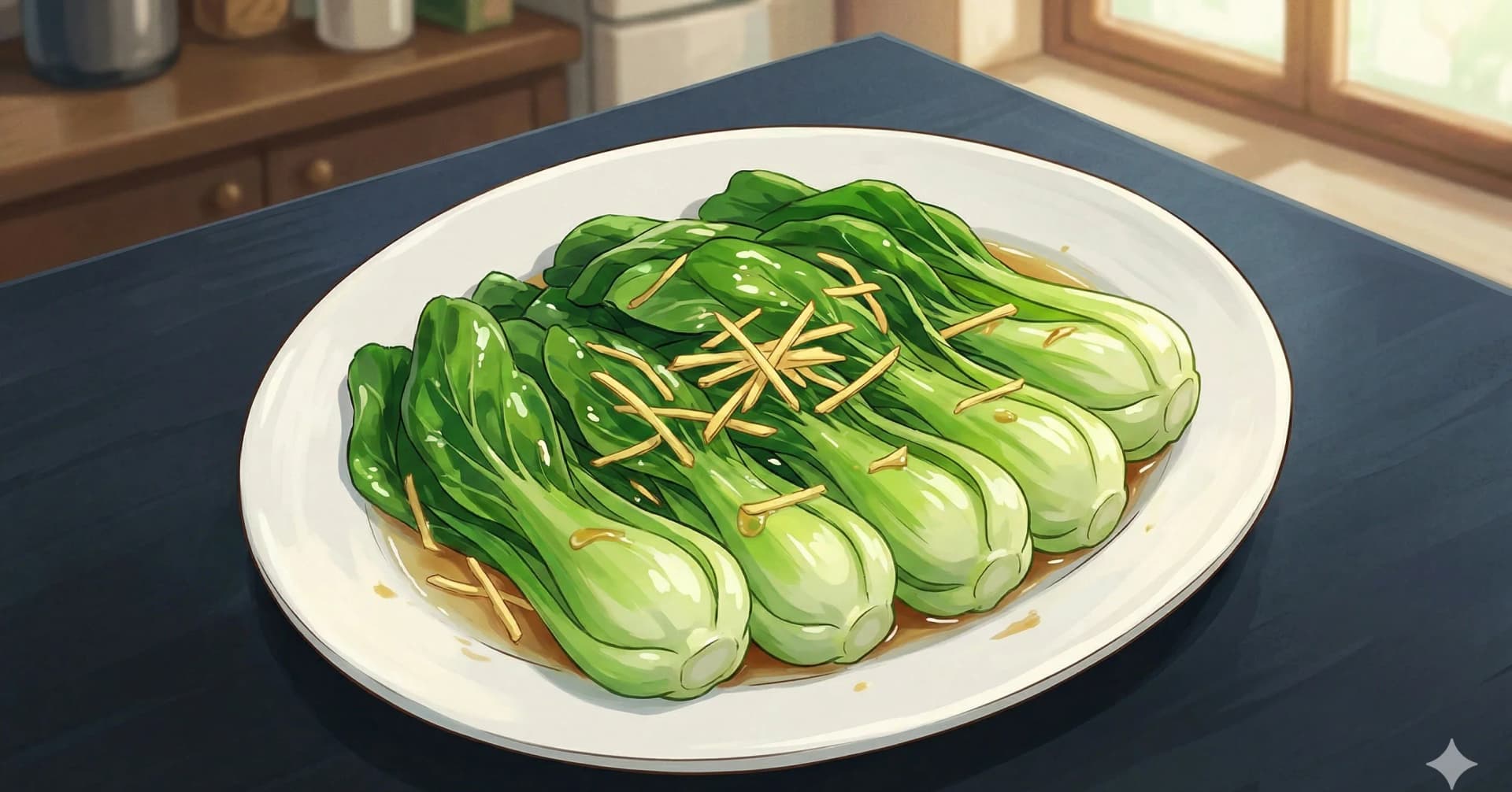
Bok Choy in Ginger Sauce (姜汁白菜)
6 minutes
 Easy
EasyVietnamese Cuisine
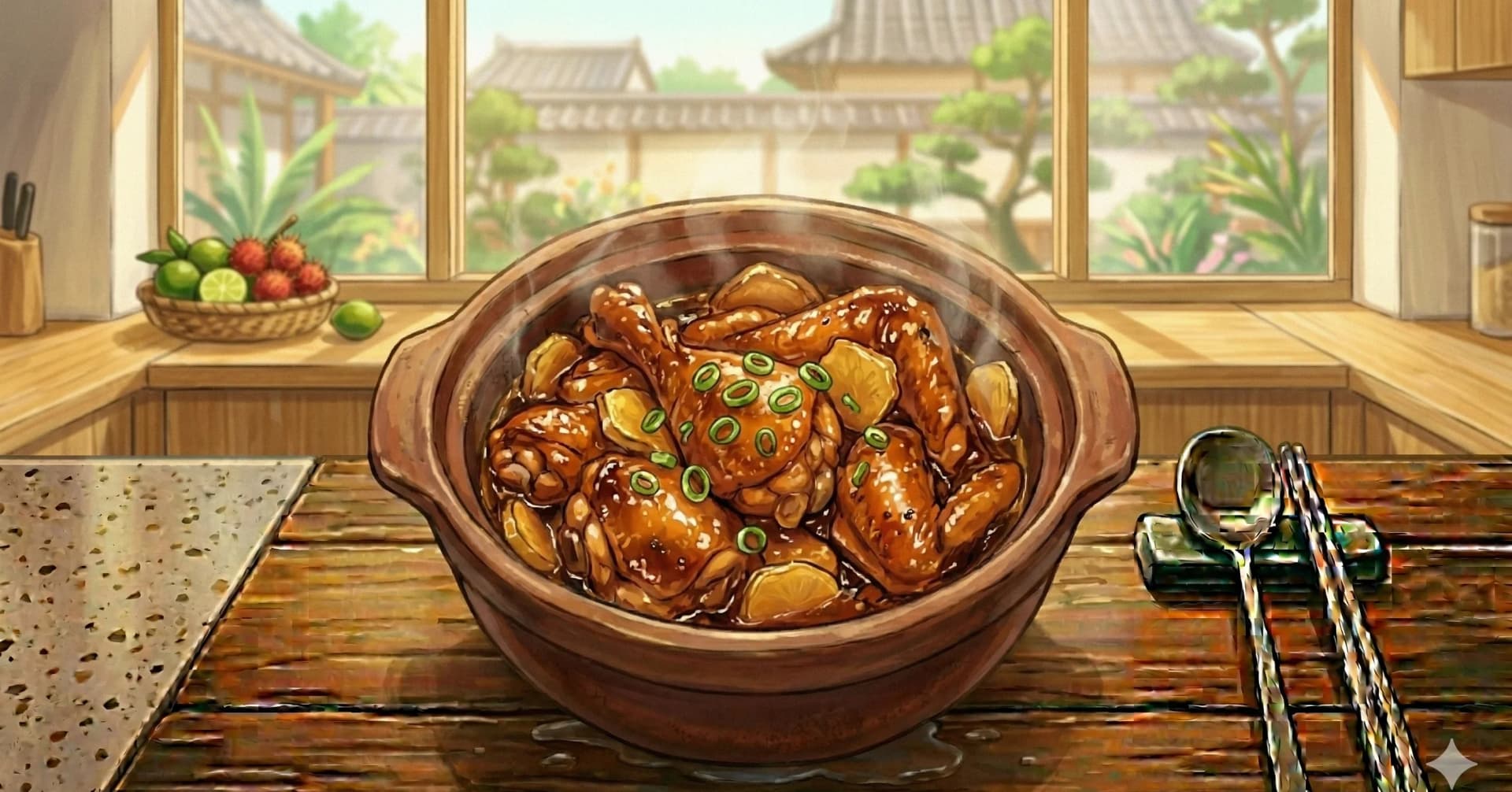
Ga Kho Gung (Vietnamese Caramelized Ginger Chicken)
1 hour
 Medium
Vietnamese Cuisine
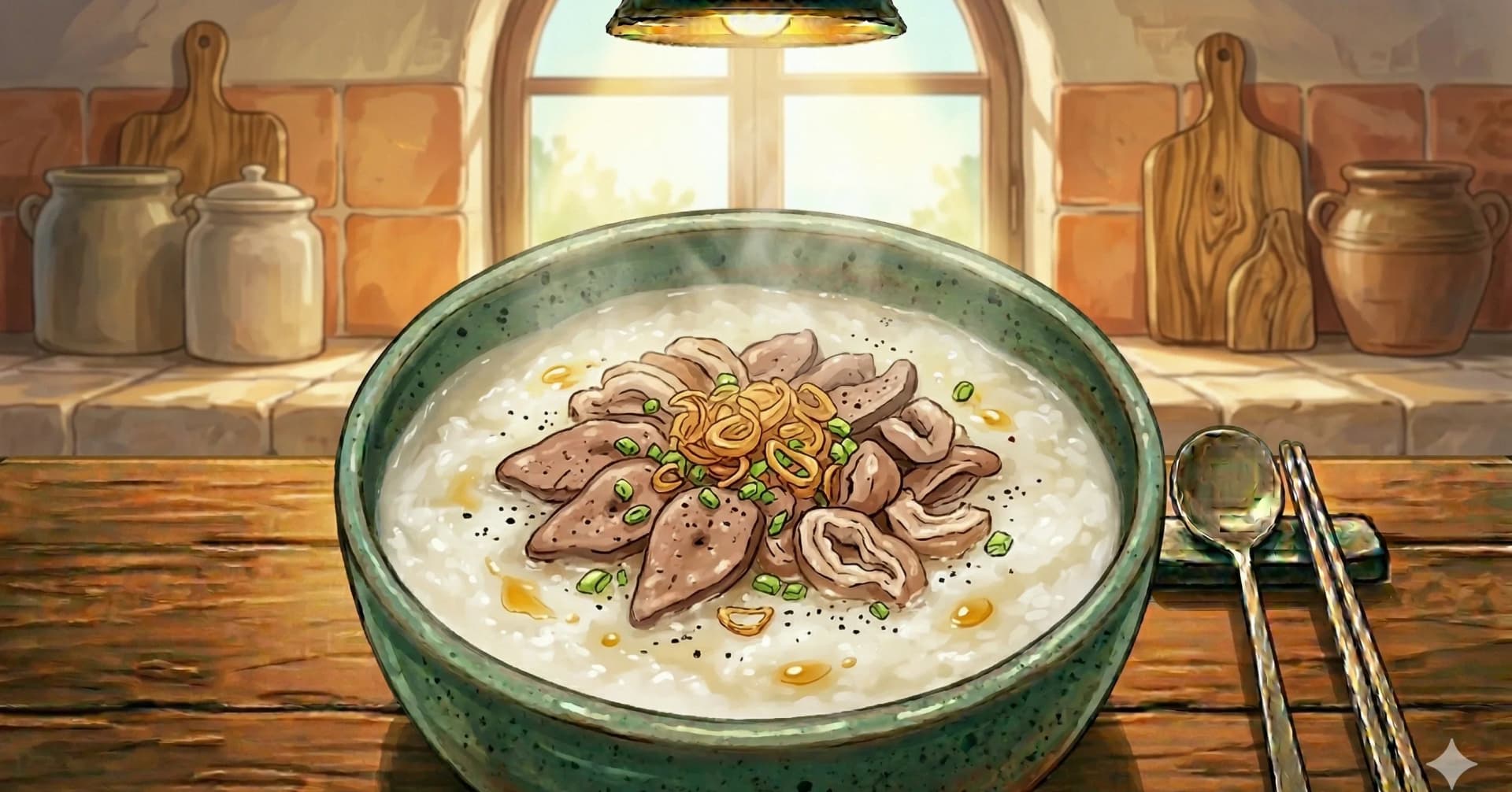
Cháo Lòng (Vietnamese Pork Organ Rice Porridge)
2 hours 15 minutes
 Easy
EasyVietnamese Cuisine
Cháo Gà (Vietnamese Chicken Rice Porridge)
1 hour 30 minutes
Ratings & Comments
Ratings & Comments
Ratings
Share your thoughts on this recipe.
Sign in to rate and comment