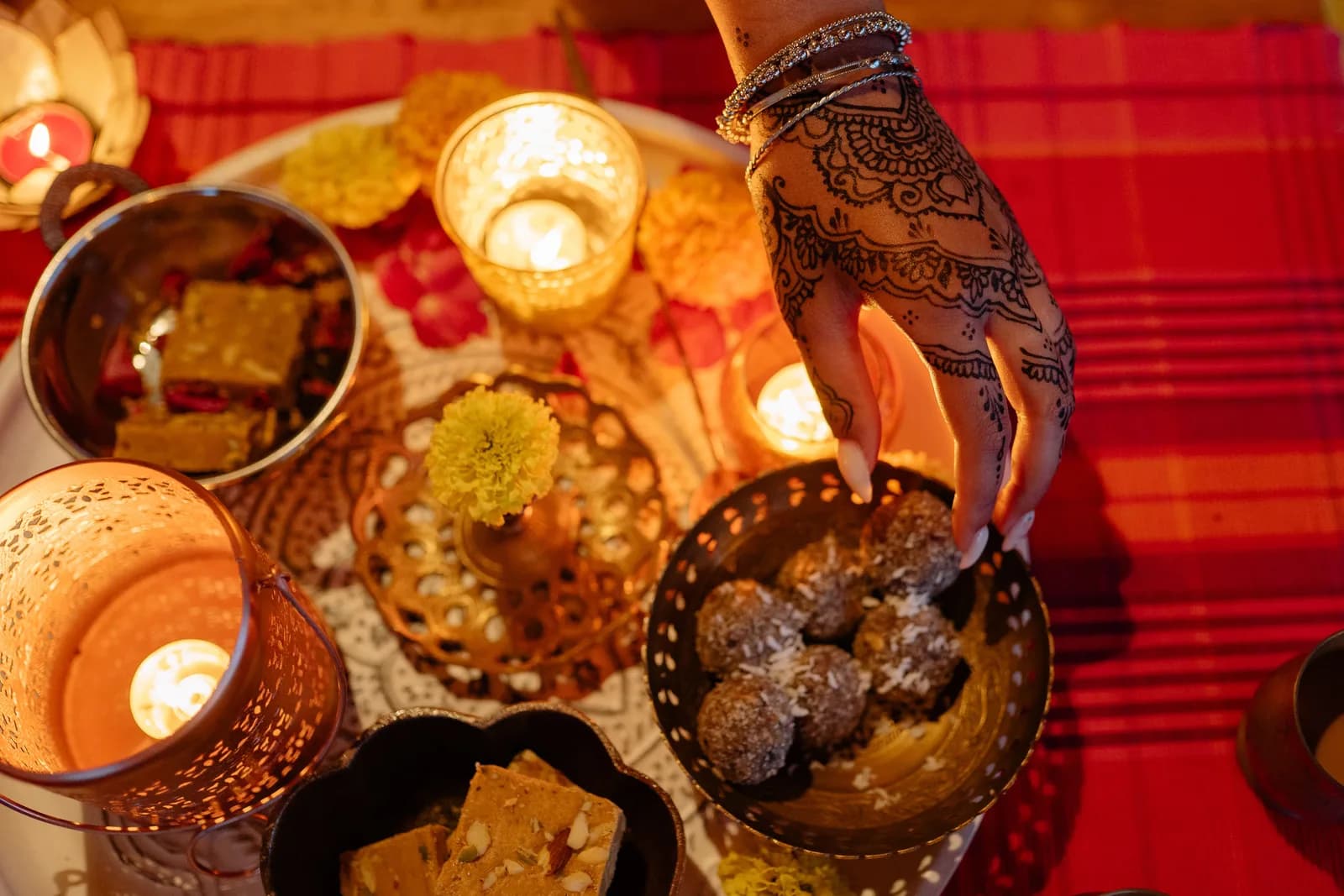
Diwali Sweets You Can Actually Make at Home
Diwali falls on 8 November this year, with Dhanteras two days before it, which means the sweet-making window opens around the start of the month. If you have ever thought about making mithai at home rather than buying a box, this is the fortnight to do it.
The reputation for difficulty is only half earned. Some Indian sweets genuinely require a confectioner's touch and years of practice. Others are twenty minutes and three ingredients, and the gap between the two categories is not obvious from looking at them.
Start here: the ones that are genuinely easy
Kalakand is the best first sweet. Milk solids and sugar cooked to a grainy, fudgy set, pressed into a tray and cut into squares. It needs stirring and attention but no technique, no sugar syrup stage, and no frying. The modern shortcut using paneer and condensed milk works well and is what a great many households actually do.
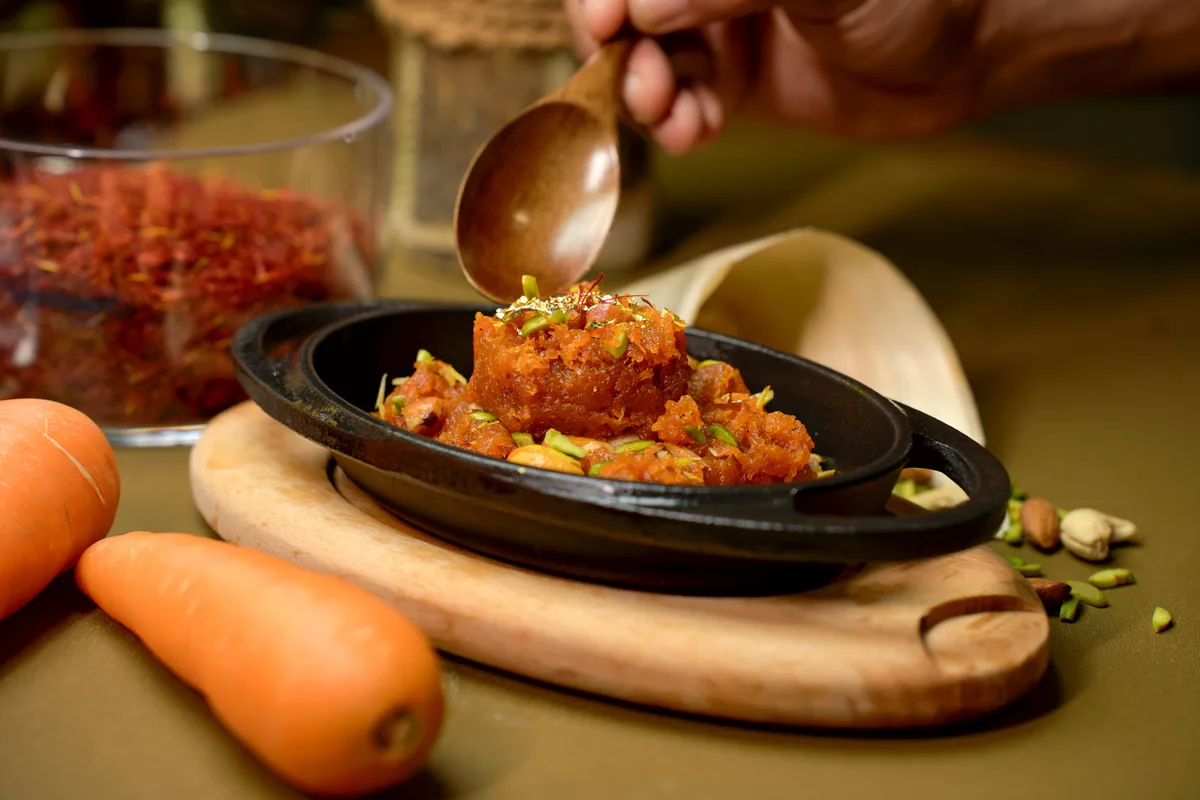
Gajar ka halwa is the other safe bet, and carrot season lines up with Diwali. Grated carrot cooked down in milk with ghee, sugar and cardamom until it goes dark and glossy. It is impossible to get badly wrong, it improves the next day, and it is one of the few Indian sweets that Western palates take to immediately.
Moong dal halwa takes patience rather than skill. Soaked and ground lentils roasted in ghee for a long time, and the whole dish depends on not rushing that roast. Set aside an hour and do not walk away.
The middle tier: worth attempting
Motichoor ladoo requires making tiny gram flour pearls through a perforated ladle, soaking them in syrup and shaping while warm. The shaping is the hard part and the first few will fall apart. It is a good thing to make with someone else.
Karanji, the fried pastry filled with coconut and jaggery, is really a dumpling technique. If you can seal a dumpling you can make these, and they keep better than almost any other sweet on this list.
Pinni, the Punjabi winter ladoo of wholewheat flour, ghee and jaggery, is straightforward if you are willing to stand over a pan roasting flour until it smells nutty. There is no way to hurry that step and no way to fix it if it burns.
The ones to buy rather than make
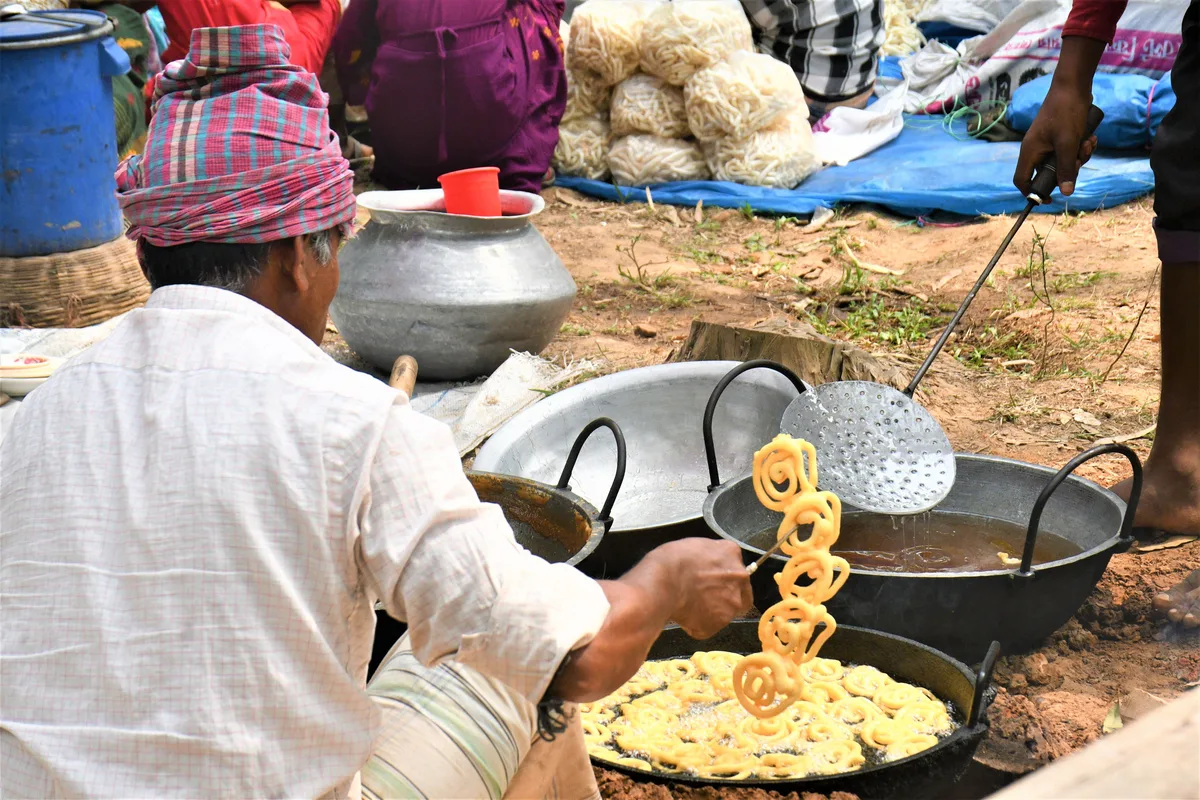
Jalebi needs a fermented batter piped into hot oil in a continuous spiral and then moved straight into syrup at the right temperature. Everything about it is timing. A professional does hundreds at once and that is the only way the economics and the technique work.
Sohan papdi depends on pulling and folding a sugar and gram flour mass into hundreds of layers while it is at exactly the right temperature. This is confectionery work, not cooking.
Mysore pak looks simple and is not. The window between the correct porous texture and a hard sugary brick is a matter of seconds, and it consumes an alarming amount of ghee.
Gulab jamun sits on the line. It is achievable at home and the failure modes are unforgiving: dough too firm and they stay dense, oil too hot and they brown outside while raw inside, syrup too thick and they never absorb. Worth trying once you have made something easier first.
Four things that decide whether it works
Ghee, not butter and not oil. It is not a health compromise, it is a flavour and a texture decision, and the smell of proper ghee is half of what makes a sweet taste like mithai.
Full fat milk, and time. Most Indian sweets are milk reduced until it changes state. Skimmed milk will not do it and there is no shortcut that produces the same result, though condensed milk gets close for the fudgy ones.
Sugar syrup consistency, where recipes talk about one-thread and two-thread stages. If that is unfamiliar, choose a recipe that does not require it. Every sweet in the easy tier above avoids it entirely.
Cardamom ground fresh. Pre-ground cardamom is the single biggest reason a homemade sweet tastes flat, since the volatile oils are gone within weeks of grinding.
Frequently asked questions
How far in advance can I make Diwali sweets?
Ladoos, karanji and barfi-style sweets keep a week or more in an airtight tin. Halwa is best within two or three days and reheats well. Anything syrup-soaked is at its peak on day one or two.
Can I reduce the sugar?
Somewhat, in halwas, where sugar is flavour. In anything set or syrup-soaked, sugar is structural and cutting it changes whether the sweet holds together at all.
What can I use instead of khoya?
Full fat milk powder mixed with a little milk and ghee, or ricotta cooked down, or condensed milk depending on the recipe. None are identical and all are used routinely in home kitchens.
Is there a dairy free option?
Coconut-based sweets and jaggery-and-nut ladoos work without dairy, and karanji filling is coconut and jaggery already. Most of the milk-based canon does not translate.
What to cook
Make kalakand first, then gajar ka halwa, and you will have two trays of sweets for the week with no specialist technique involved. Add karanji if you want something that travels to other people's houses. And if the sweetness of all this surprises you, we wrote about why restraint is the compliment elsewhere in Asia and why Indian sweets are the loud exception.
Comments
Share your thoughts on this post.
Sign in to comment0 Comments