Light, Dark, Tamari, Kecap Manis: The Soy Sauce Shelf
A Chinese recipe says soy sauce and you reach for the bottle you have. The dish comes out browner than the photograph, or paler, or oddly salty, and you assume you did something else wrong.
You probably did not. There are at least eight things sold as soy sauce in an average Asian grocery, they behave differently, and swapping one for another changes colour, salt level and sweetness all at once. The bottles rarely explain themselves.
The two Chinese ones, which are the ones that matter most
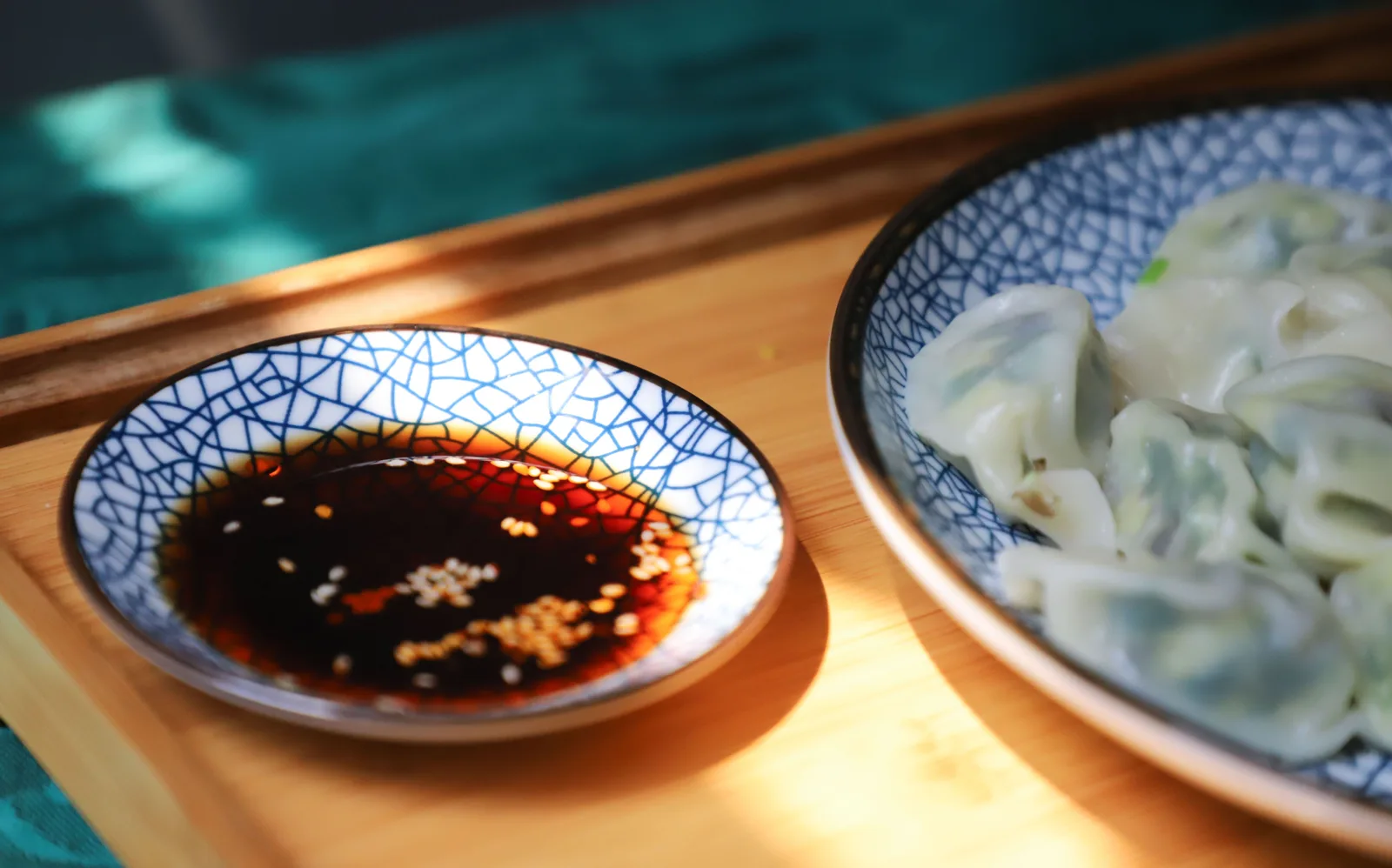
Light soy sauce, sheng chou, is the default. Thin, salty, reddish brown, and it is the seasoning bottle. When a Chinese recipe says soy sauce without qualifying it, this is almost always what it means. It goes into marinades, stir fries, dipping sauces and soups, and it is there to make things taste salty and savoury.
Dark soy sauce, lao chou, is aged longer and usually carries molasses or caramel. It is thicker, much darker, noticeably less salty, and slightly sweet. Its job is colour. A teaspoon turns a braise the deep mahogany that red braised pork belly is supposed to be, and a tablespoon turns it black and bitter.
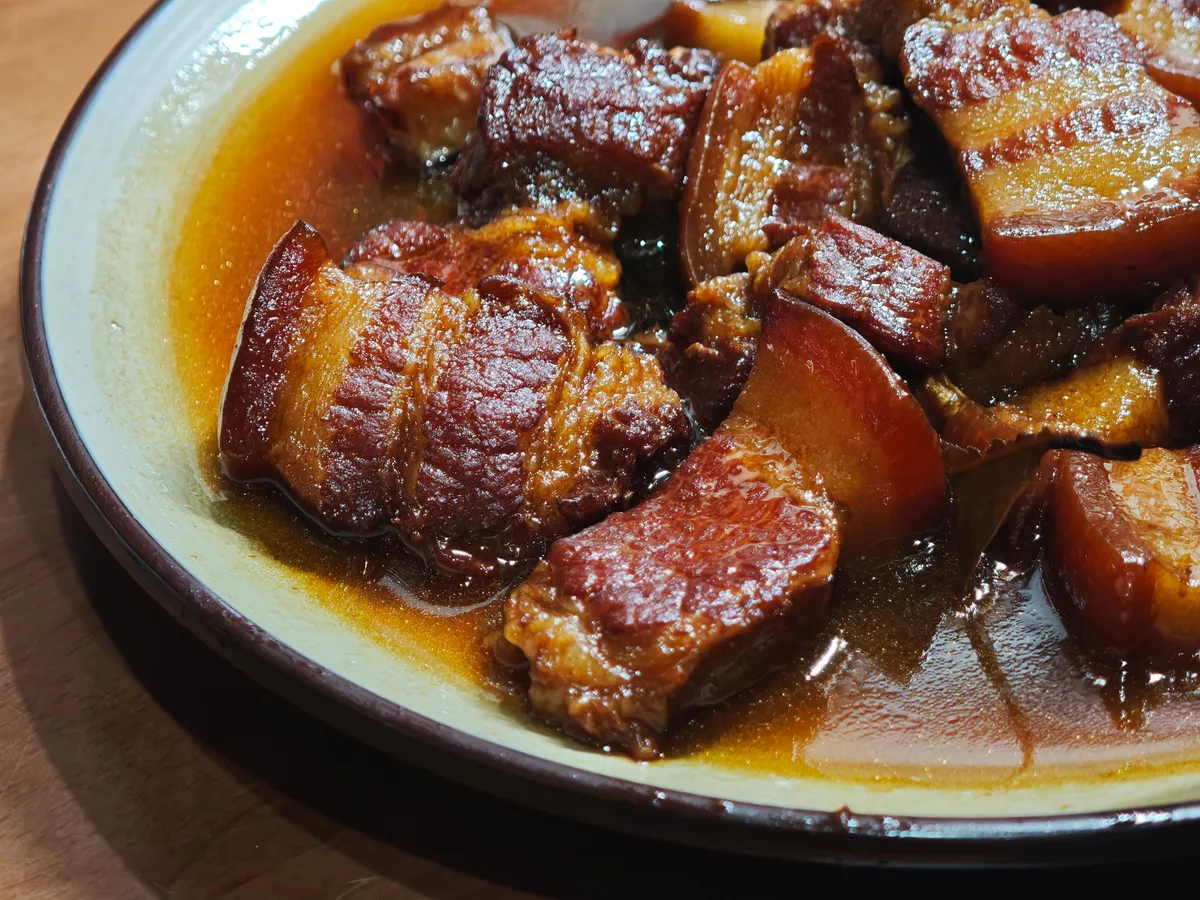
Use light for flavour, dark for colour, and use far less dark than feels right. Most Chinese braises want several spoons of light soy and a half spoon of dark.
The Japanese ones are a different family
Koikuchi is standard Japanese soy sauce, roughly half soybean and half wheat, which makes it sweeter and more aromatic than Chinese light soy and less brutally salty. It is what most supermarket bottles labelled simply Japanese soy sauce contain, and it is the right bottle for teriyaki chicken or a bowl of gyudon.
Usukuchi is the trap. It is lighter in colour and therefore looks milder, but it is saltier than koikuchi, not less. It exists so that Kyoto cooking can season a clear broth without staining it. If a recipe calls for it and you substitute the dark one, you will get the salt roughly right and the colour wrong. Substitute the other way and you will oversalt.
Tamari is the wheat-free or nearly wheat-free one, historically the liquid that drained off miso production. It is darker, thicker and rounder than koikuchi, with a fuller soybean flavour and no wheat sweetness. It is also the bottle most often labelled gluten free, which is why it has quietly taken over Western health food aisles.
Korea keeps two bottles
Korean soy sauce for general use behaves much like Japanese koikuchi, and it is what goes into a bulgogi marinade.
The second one is guk-ganjang, soup soy sauce, sometimes called joseon ganjang. It is the liquid left over from making doenjang, and it is a different animal: pale, thin, and considerably saltier than anything else on this list. It seasons soups and namul without darkening them. Koreans do not use it for marinades and neither should you.
Kecap manis is not really soy sauce at all
Kecap manis is Indonesian, thick as a syrup, and loaded with palm sugar. It pours slowly. It is sweet before it is salty, and it is what gives Indonesian grilled food its dark sticky lacquer, most visibly on satay.
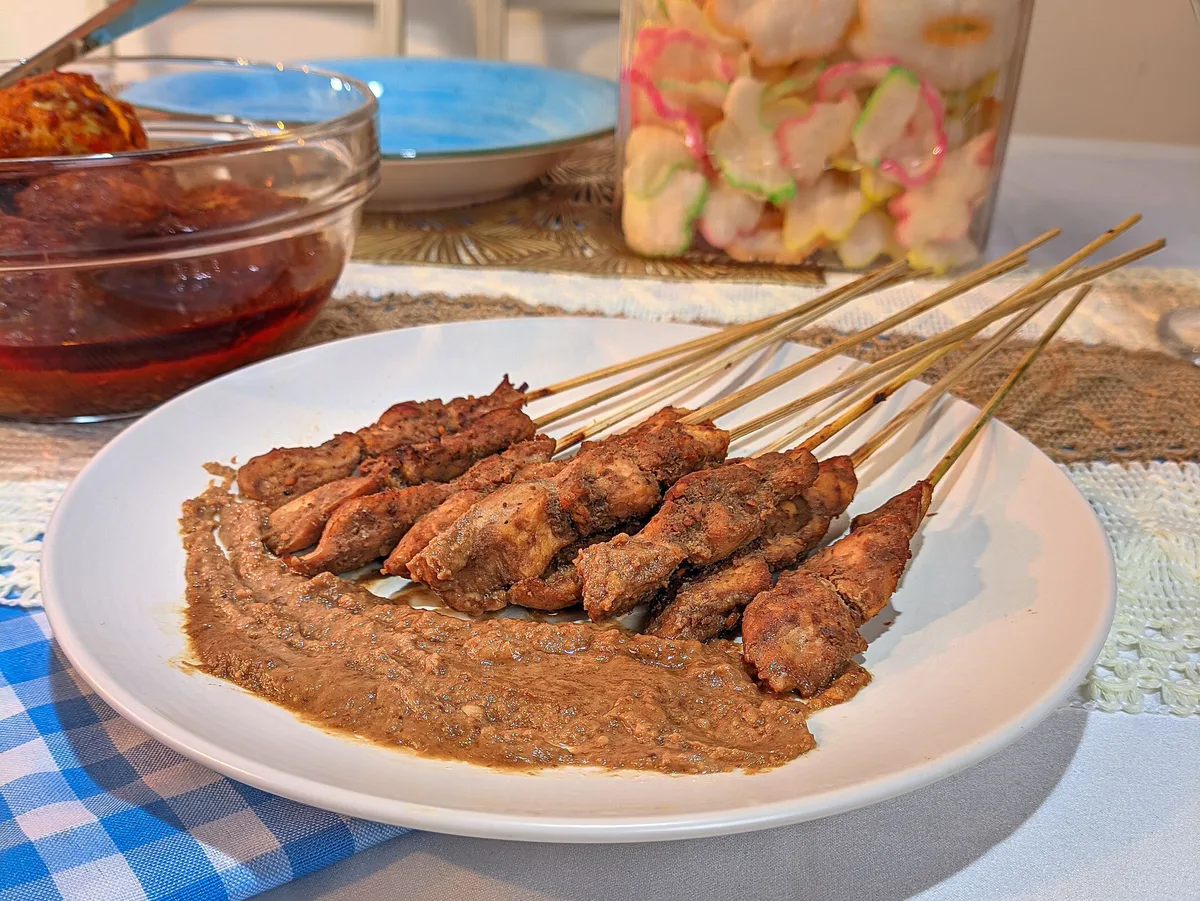
Nothing else substitutes for it. Soy sauce with brown sugar gets you a rough approximation for one dish in an emergency, but the palm sugar and the long cook give the real thing a smokiness that sugar alone does not.
Brewed versus the other kind
Look for the words naturally brewed on the label. Properly made soy sauce ferments for months with mould, yeast and bacteria, and the result is complex in a way you can taste next to the alternative.
The cheap alternative is made by breaking soybean protein down with acid in a matter of days, then colouring and flavouring the result. It tastes flat and aggressively salty, with a chemical edge at the finish. Many supermarket own brands are this, or a blend.
A useful shortcut: read the ingredients. Soybean, wheat, salt, water is what you want. A list with hydrolysed vegetable protein, caramel colour and corn syrup near the top is the other thing.
Frequently asked questions
Can I use Japanese soy sauce in Chinese cooking?
For most stir fries, yes, and nobody will be upset. It is sweeter and less salty than Chinese light soy, so the dish will taste slightly rounder. What it cannot do is replace dark soy sauce, which is a colouring ingredient rather than a seasoning one.
Is soy sauce gluten free?
Usually not. Chinese and Japanese soy sauces almost all contain wheat, and Japanese ones contain a great deal of it. Tamari is the reliable exception, but check the label, because some tamari includes a small amount of wheat.
Does soy sauce need refrigerating?
Not for safety. It is far too salty to spoil. Refrigeration slows the loss of aroma once the bottle is open, so a good bottle you use slowly is better off cold. A cheap bottle you go through in a month is fine in the cupboard.
How many bottles do I actually need?
Two covers most cooking: a Chinese light soy for seasoning and a dark soy for colour. Add a Japanese koikuchi if you cook Japanese food often, and kecap manis only if you are cooking Indonesian or Malaysian.
What to cook
To see dark soy do its one job, cook red braised pork belly and watch the colour arrive in the last twenty minutes. For light soy as pure seasoning, soy sauce chicken is the clearest example there is. For kecap manis, make satay. And for the rest of the shelf that surrounds these bottles, we wrote about the Chinese pantry and the Korean one.
Comments
Share your thoughts on this post.
Sign in to comment0 Comments