Vietnamese Cuisine
Caramelized Fish in Clay Pot (Cá Kho Tộ)
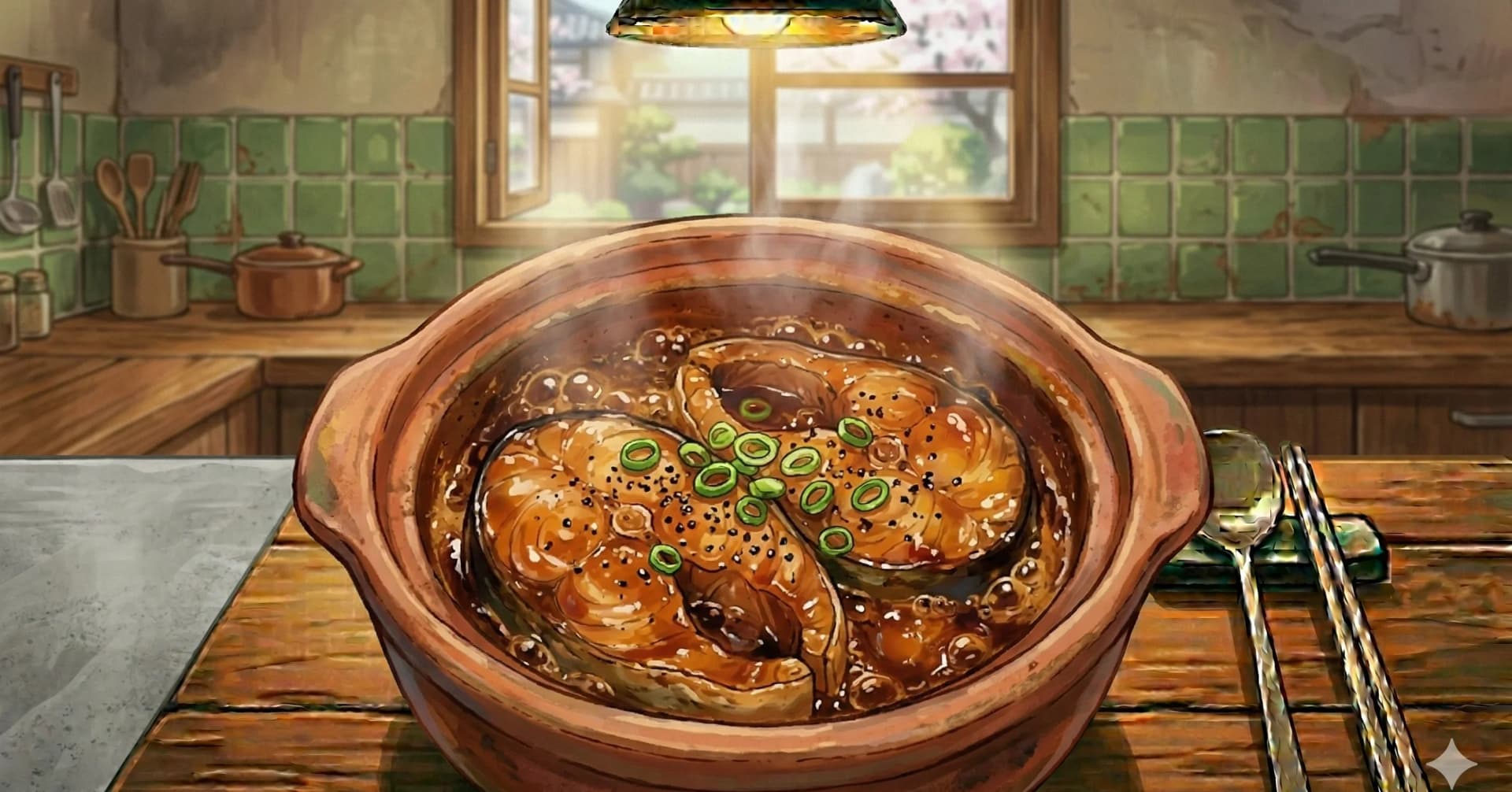
Catfish braised in a caramel sauce with fish sauce, pepper, and shallots in a clay pot
The caramel is where this dish begins and where its character is decided. Sugar melted in a dry pan until it turns from amber to nearly black, smoking faintly with a bittersweet aroma that sits somewhere between toffee and burnt coffee. Then fish sauce hits the hot caramel, and the kitchen fills with a wave of pungent, savory-sweet steam. It is an aggressive start, almost alarming if you have never cooked Vietnamese caramel before, but within minutes the liquid calms into a thick, glossy sauce that stains the catfish steaks a deep, mahogany brown.
Ca kho to is one of the essential home-cooked dishes of Southern Vietnam. "Kho" refers to the Vietnamese braising technique of cooking protein in a reduced caramel sauce, and "to" is the clay pot in which the dish is traditionally prepared. The clay pot is more than a vessel. It retains heat gently and evenly, allowing the fish to braise without temperature spikes that could toughen it, and it concentrates the sauce around the fish in a way that a wide skillet cannot.
The dish delivers a flavor that is uniquely Vietnamese: a combination of caramelized bitterness, the salt and funk of fish sauce, the warmth of cracked black pepper, and the subtle sweetness of coconut water, all reduced to a concentrated glaze that clings to each piece of fish. It is salty enough to serve as a condiment for rice, savory enough to eat as a main course, and complex enough to hold your attention long after the last bite. With a bowl of steaming jasmine rice and a simple vegetable side, ca kho to is comfort food at its most direct.
At a Glance
Yield
4 servings
Prep
15 minutes
Cook
35 minutes
Total
50 minutes
Difficulty
Medium
Ingredients
Caramel Ingredients
- 3½ tbspsugar
- 1 tbspwater
Fish Ingredients
- 1¼ lbcatfish steaks (basa or swai), cut into 4 cm pieces
- 4shallots, thinly sliced
- 3 clovesgarlic, minced
- 3 tbspfish sauce
- ½ cupcoconut water (or plain water)
- 1 tspblack pepper, freshly cracked
- 1to 2 bird's eye chilies, halved lengthwise
- 1 tbspneutral oil
- 2scallions, cut into 5 cm lengths
To Serve
- —Steamed jasmine rice
- —A light soup or steamed vegetables
Method
- 1
Make the caramel. Place the sugar and water in a small, heavy saucepan over medium heat. Swirl the pan gently but do not stir. Watch the sugar as it dissolves, then begins to bubble and change color. It will progress from clear to pale gold to amber over about 5 minutes. Continue until it reaches a deep, dark amber, almost the color of dark tea. The caramel should smell bittersweet and faintly smoky. Remove from heat immediately. The caramel will continue darkening from residual heat.
- 2
Carefully pour the fish sauce into the hot caramel. It will sputter and steam violently. Stir until the caramel dissolves into the fish sauce, creating a dark, fragrant liquid. Add the coconut water and stir to combine. Set this caramel sauce aside.
- 3
Heat the oil in a clay pot or heavy saucepan over medium heat. Add the sliced shallots and cook, stirring, for 2 minutes until softened and fragrant. Add the garlic and stir for 30 seconds.
- 4
Arrange the catfish pieces in the pot in a single layer. Pour the caramel sauce over the fish. Add the black pepper and bird's eye chilies.
- 5
Bring the liquid to a gentle boil, then reduce heat to low. Cover partially and let the fish braise for 20 to 25 minutes. Check every 10 minutes. The sauce will reduce and thicken gradually, and the fish will absorb the dark color. Turn the fish pieces gently once, halfway through, being careful not to break them apart.
- 6
In the final 5 minutes, remove the lid and increase heat slightly. Let the sauce reduce until it becomes thick and syrupy, coating the fish in a dark, glossy glaze. Shake the pot gently to coat the fish evenly. The sauce should not be watery, but it should not be so thick that it burns.
- 7
Scatter the scallion lengths over the top and let them wilt in the residual heat for 30 seconds.
- 8
Taste the sauce. It should be intensely savory, with a pronounced bittersweet caramel depth, a salty fishiness from the fish sauce, warmth from the pepper, and gentle heat from the chilies. It is meant to be eaten with generous amounts of rice, which tempers the intensity.
- 9
Serve the ca kho to directly in the clay pot if possible, set on a heatproof mat at the table. Spoon the fish and thick sauce over bowls of steamed jasmine rice.
Key Ingredient Benefits
Catfish (ca basa): Provides lean protein, vitamin D, vitamin B12, and omega-3 fatty acids, though in lower concentrations than fatty fish like salmon or mackerel. In Vietnamese food culture, braised catfish is considered nourishing and warming, a comfort food for family meals.
Caramel (nuoc mau): The dark caramelization process creates melanoidins, complex Maillard reaction products that research has studied for antioxidant properties. Vietnamese caramel is used across many kho (braised) dishes and provides flavor depth without requiring multiple seasoning ingredients.
Fish sauce (nuoc mam): In ca kho to, the fish sauce is used at a higher concentration than in most dishes, making it the dominant seasoning. High-quality fish sauce (look for brands with only anchovies and salt) produces a significantly better result than blended or chemically processed varieties.
Black pepper: Contains piperine, which research suggests may enhance the bioavailability of certain nutrients and has demonstrated anti-inflammatory activity in laboratory studies. In Vietnamese cooking, cracked black pepper is considered essential in kho dishes.
Why This Works
Vietnamese caramel (nuoc mau) is cooked darker than Western caramel, almost to the point of burning. This extreme caramelization produces a complex bitterness that counterbalances the salt and funk of the fish sauce. Where Western caramel aims for sweetness, Vietnamese caramel aims for depth. The bitter edge prevents the dish from tasting simply salty or sweet and gives it a brooding, almost smoky complexity.
Braising in a clay pot concentrates heat around the fish gently and evenly. The thick walls of the pot absorb and release heat slowly, preventing the temperature spikes that can cause fish to toughen or the sauce to scorch. The narrow opening limits evaporation in the early stages of cooking, ensuring the fish has time to absorb the sauce before it reduces.
Catfish is the traditional choice because its firm, fatty flesh holds up to braising without falling apart. The fat content of the fish also helps carry the caramel and fish sauce flavors, distributing them across the palate more effectively than a leaner fish would.
Substitutions & Variations
Fish: Salmon steaks, mackerel, or any firm-fleshed fish work well. Tilapia is too delicate and will fall apart.
Coconut water: Plain water is fine. The coconut water adds a very subtle sweetness. Fresh young coconut water is traditional, but packaged unsweetened coconut water works.
Pork version (thit kho): The same caramel sauce and braising method works beautifully with pork belly, creating thit kho tau, the braised pork and egg dish that is ca kho to's close cousin.
Less intense: Reduce the fish sauce to 30 ml and add 15 ml of soy sauce for a milder, less pungent version.
Claypot substitution: A small, heavy-bottomed Dutch oven or even a saucepan works. The clay pot contributes to even heat distribution and presentation but is not essential for the flavor.
Serving Suggestions
Ca kho to is always served with a generous amount of steamed jasmine rice, which is essential for balancing the concentrated, salty sauce. A spoonful of the thick caramel sauce over rice is one of the simplest pleasures of Vietnamese home cooking.
Pair it with a light, sour soup like canh chua (sweet and sour tamarind soup) for a classic Southern Vietnamese family meal. The bright, tangy soup provides the perfect counterpoint to the rich, dark braise.
For a Vietnamese home-style dinner, serve with steamed morning glory or water spinach seasoned with garlic, and a dipping sauce of lime juice and salt on the side.
Storage & Reheating
Refrigerator: Ca kho to improves significantly on the second day, as the fish continues to absorb the sauce. Store in the clay pot or a sealed container for up to 3 days.
Reheating: Warm gently over low heat with a splash of water if the sauce has thickened too much. The sauce will loosen as it heats. Do not boil, as the fish will break apart.
Freezer: Not ideal, as the fish texture suffers. The caramel sauce on its own can be made in a large batch and frozen for up to 3 months.
Cultural Notes
Cá kho tộ belongs to the Vietnamese kho family of slow-braised, caramelized dishes, alongside thịt kho tàu, bò kho, and ga kho gung. The technique is the same across the family. You build a sauce on caramelized sugar (nước hàng or nước màu), fish sauce, black pepper, and aromatics, then braise the protein slowly until the liquid reduces and the meat takes on the deep mahogany color the family is known for. The technique descends from older Chinese braising methods, but Vietnamese cooks transformed it by using fish sauce as the primary source of both salt and umami. That single swap is the dividing line between Vietnamese kho and its Chinese cousins.
The clay pot (tộ) that gives the dish its name does real work. Vietnamese kitchens have used unglazed terracotta pots for slow braising for centuries. The porous walls regulate moisture and heat differently than metal cookware. The reduction happens slower and more evenly, and the flavors deepen further. Many southern Vietnamese households keep a dedicated clay pot specifically for kho dishes. A well-seasoned clay pot that has been in regular use for decades is considered a family heirloom. The pot also serves the dish at the table, where its residual heat keeps the cá kho warm throughout the meal.
The dish belongs most to southern Vietnam, especially the Mekong Delta, where freshwater fish (catfish, basa, snakehead) are abundant. In southern Vietnamese home cooking, cá kho tộ is one of the workhorse dinners. It is substantial enough to anchor a family meal. The technique is forgiving enough that even a novice cook can produce a respectable result. The cost is low enough that you can make it on a weeknight without thinking about it.
The standard accompaniment is plain steamed jasmine rice and a side of simply-prepared green vegetables, often canh chua, the sweet-sour fish soup. Canh chua usually uses the same fish, which gives the meal a satisfying symmetry: the same protein in two completely different preparations. Cá kho tộ, canh chua, and rice together form the classic southern Vietnamese family meal.
Nutrition Facts
Calories: 255kcal (13%)|Total Carbohydrates: 13g (5%)|Protein: 23g (46%)|Total Fat: 11g (14%)|Saturated Fat: 2g (10%)|Cholesterol: 83mg (28%)|Sodium: 880mg (38%)|Dietary Fiber: 0g (0%)|Total Sugars: 11g
You Might Also Like
 Easy
EasyVietnamese Cuisine
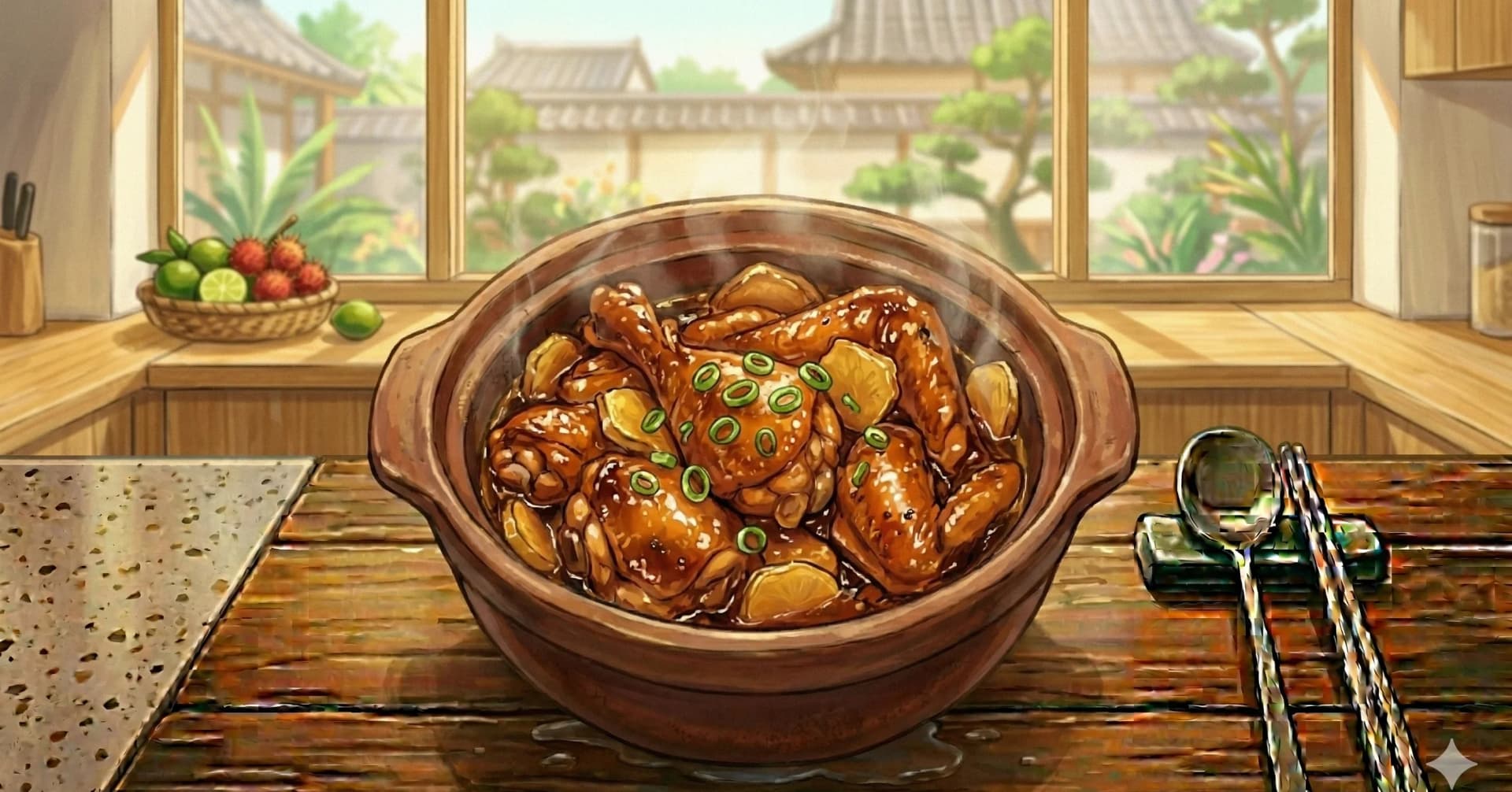
Ga Kho Gung (Vietnamese Caramelized Ginger Chicken)
1 hour
 Easy
EasyVietnamese Cuisine
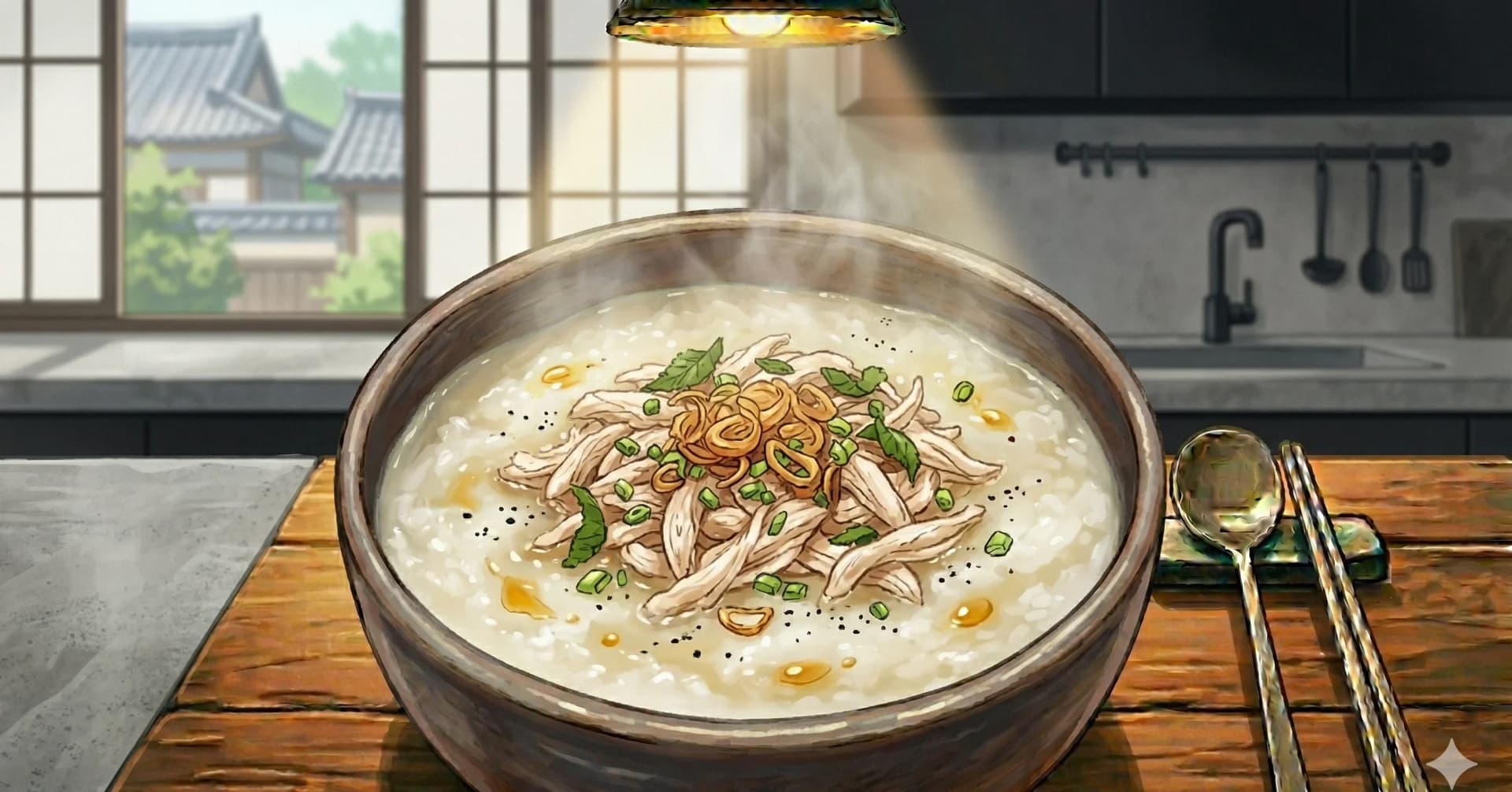
Cháo Gà (Vietnamese Chicken Rice Porridge)
1 hour 30 minutes
 Easy
EasyVietnamese Cuisine
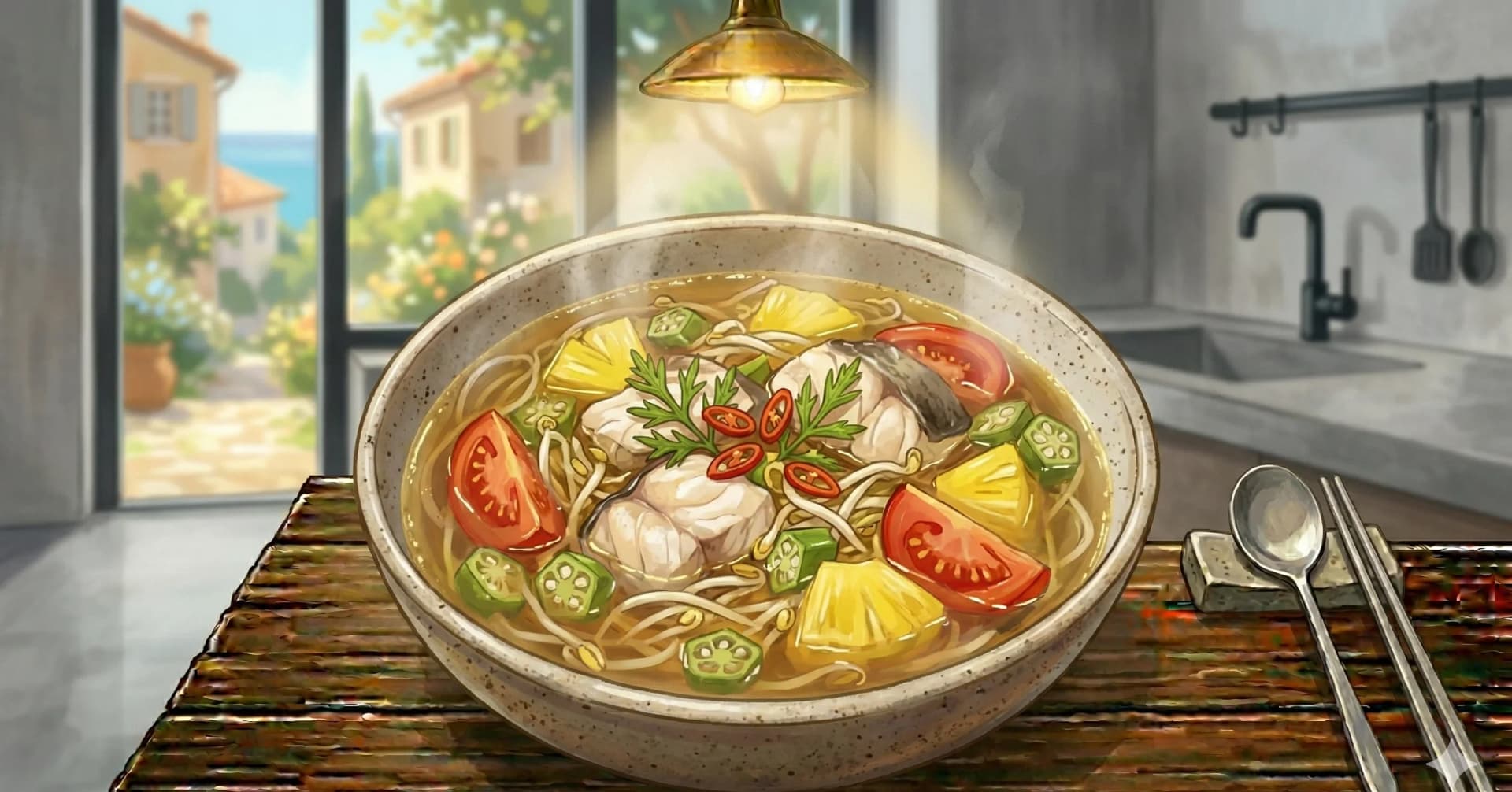
Canh Chua Cá (Vietnamese Sweet and Sour Fish Soup)
35 minutes
 Medium
Vietnamese Cuisine
Cháo Lòng (Vietnamese Pork Organ Rice Porridge)
2 hours 15 minutes
Ratings & Comments
Ratings & Comments
Ratings
Share your thoughts on this recipe.
Sign in to rate and comment