Vietnamese Cuisine
Cháo Gà (Vietnamese Chicken Rice Porridge)
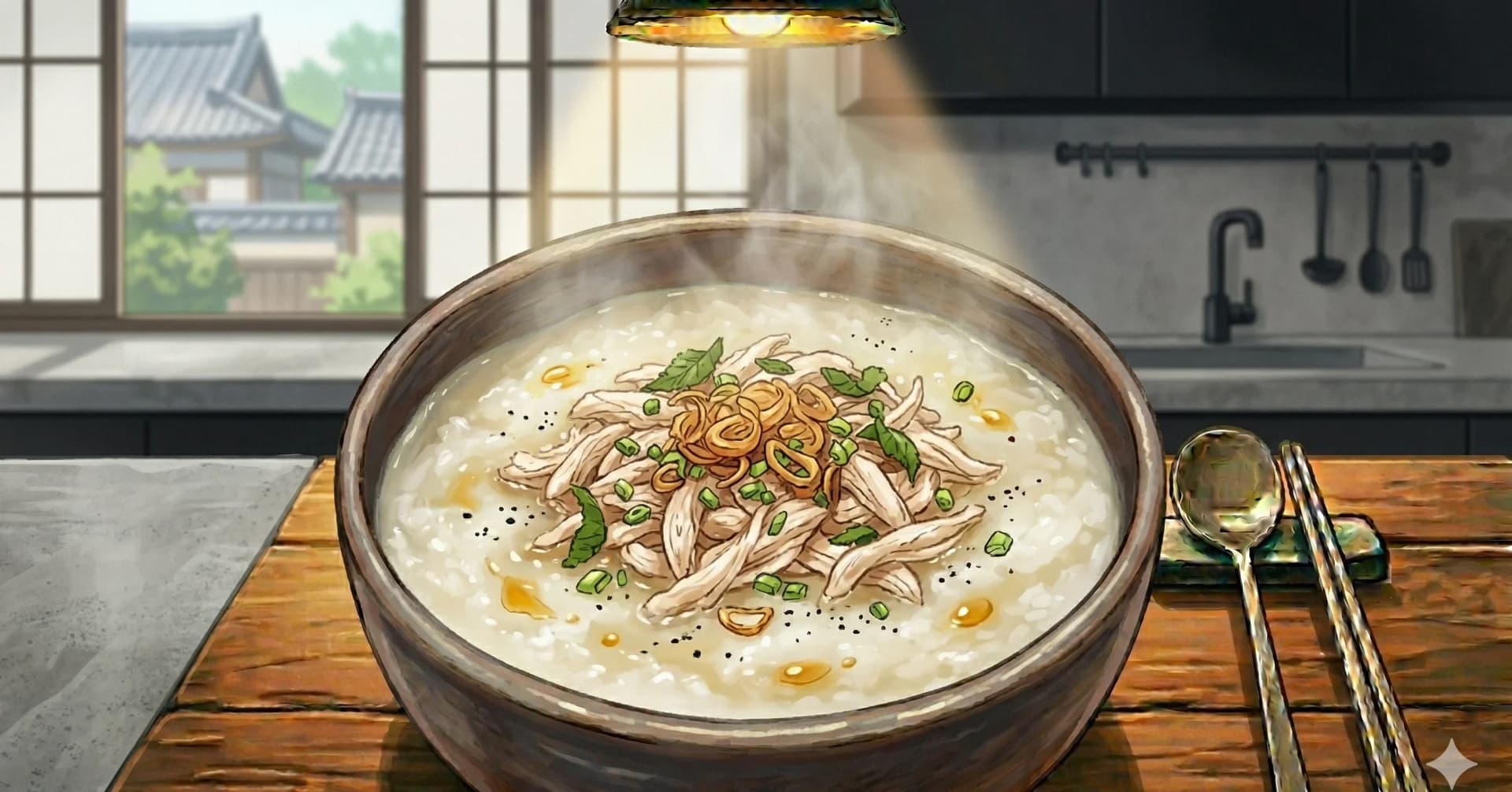
A gentle, ginger-laced chicken porridge topped with hand-shredded meat and fried shallots, simmered low and slow until the rice dissolves into silk
Every rice-eating culture has its own porridge, and every porridge carries the same quiet promise: this will make you feel better. In Vietnam, that porridge is cháo gà. It is what appears at your bedside when you have a cold, what warms your stomach on a rainy morning in Saigon, and what your grandmother makes when she has decided you look too thin.
The dish begins with a whole chicken simmered alongside ginger, shallots, and a bunch of fresh cilantro, roots and all if you can find them. The resulting broth is clean and deeply savory, with a warmth from the ginger that you feel in your chest. Rice goes in next, cooked until the grains surrender their starch and the liquid thickens into something between soup and porridge. The chicken gets hand-shredded (never chopped, because the loose fibers absorb more sauce) and rubbed with a simple turmeric-and-shallot-oil glaze that gives the meat its signature golden color.
What sets cháo gà apart from its relatives across Southeast and East Asia is the finishing. Where Chinese congee relies on soy sauce and sesame oil, and Thai jok leans on white pepper and fried garlic, cháo gà calls for fried shallots, a generous crack of black pepper, and a small bowl of salt-pepper-lime dipping sauce on the side. The dipping sauce is essential. You tear off a piece of chicken, dip it, and eat it alongside a spoonful of the creamy porridge. Vietnamese coriander (rau răm) and bean sprouts round out the table.
If you have made kháo tom or cháo lòng, the process will feel familiar. And if you enjoy a good phở gà or canh gà gừng, you already appreciate the Vietnamese instinct for building deep flavor from chicken, ginger, and fresh herbs.
At a Glance
Yield
6 servings
Prep
20 minutes
Cook
1 hour 10 minutes
Total
1 hour 30 minutes
Difficulty
Easy
Ingredients
Porridge Ingredients
- 1 wholefree-range chicken, about 1.6 kg
- 3 qtwater
- 2large shallots, peeled and cut into wedges
- ⅞ cupfresh ginger, unpeeled, sliced into 5 mm coins
- 1 bunchfresh cilantro, roots intact if possible
- 7 ozjasmine rice
- 1 tbspfine sea salt, plus more to taste
- 1 tbspchicken bouillon powder
- 1 tbspgranulated sugar
- 2 tbspfish sauce, plus more to taste
- —Reserved chicken fat trimmings, or 1 tbsp neutral oil
- 1 tbspshallot oil or neutral vegetable oil
- 1/4 tspground turmeric
Dipping Sauce Ingredients
- 2 tbspfine sea salt
- 1 tspfreshly ground black pepper
- 2 tbspfresh lime juice (about 1 lime)
To Serve
- —Fried shallots
- —Freshly ground black pepper
- 2scallions, thinly sliced
- —Fresh cilantro leaves, roughly chopped
- —Vietnamese coriander (rau răm), optional
- —Bean sprouts, optional
- —Youtiao (dầu cháo quẩy), sliced, optional
Method
- 1
Clean the chicken. Rub the entire chicken inside and out with 1 tablespoon of coarse sea salt, working it into the skin and the cavity. Rinse thoroughly under cold running water and drain. Trim away any large pockets of fat near the cavity opening and set those trimmings aside for toasting the rice. Tuck the legs into the cavity so the bird fits snugly in your pot.
- 2
Build the stock. Place the chicken in a large stockpot. Add the shallot wedges, ginger coins, and the whole cilantro bunch. Pour in the water. Bring to a boil over high heat, then reduce to a gentle simmer. Skim any foam that rises to the surface during the first few minutes. Partially cover and cook for 30 minutes. To check doneness, pierce the thickest part of the thigh at the joint: the juices should run clear with no trace of pink.
- 3
Ice-bath the chicken. Prepare a large bowl of ice water. Carefully lift the chicken from the pot and transfer it directly to the ice bath for 3 minutes. This step firms the skin and keeps the meat juicy for shredding. Remove the chicken and set it on a cutting board. Strain the stock through a fine-mesh sieve, discarding the spent aromatics. Return the clear stock to the pot.
- 4
Glaze and shred the chicken. In a small bowl, stir together the shallot oil and turmeric until smooth. Rub this mixture evenly over the outside of the chicken. The turmeric gives the meat its characteristic golden color and a gentle, earthy aroma. Using two forks or your fingers, shred the chicken into long, thin strips along the grain. Set the shredded meat aside. Return any bones to the stock pot to continue extracting flavor, then remove them before serving.
- 5
Toast the rice. Rinse the jasmine rice in a fine-mesh sieve under cold running water until the water runs clear. Shake off excess water. Place the reserved chicken fat trimmings in a medium skillet over medium heat. Render the fat for 2 to 3 minutes until you have about 1 tablespoon of liquid fat (supplement with neutral oil if needed). Remove the solid fat pieces. Add the rinsed rice and stir to coat every grain. Toast for about 5 minutes, stirring frequently, until the rice smells lightly nutty and the grains turn just faintly translucent at the edges. If skipping this step, simply add the rinsed rice directly to the stock.
- 6
Cook the porridge. Transfer the toasted rice to the stock pot. Bring to a gentle boil, then reduce to a low simmer. Cook for 30 to 40 minutes, stirring the bottom of the pot every 5 to 10 minutes to prevent sticking. The porridge is ready when the grains have broken down and the liquid has thickened to a creamy, flowing consistency. It should pour from a ladle rather than clump. If it thickens too much, stir in hot water a little at a time.
- 7
Season the porridge. Add the salt, chicken bouillon powder, sugar, and fish sauce. Stir well and taste. The porridge should be savory with a clean, rounded flavor. Adjust salt or fish sauce to your preference. The seasoning should be satisfying on its own but not heavy, since the dipping sauce and garnishes add their own layers.
- 8
Make the dipping sauce. Combine the salt, black pepper, and lime juice in a small dipping dish. Stir until the salt dissolves. The sauce should taste bright, salty, and peppery all at once.
- 9
Serve. Ladle the hot porridge into deep bowls. Arrange a generous mound of shredded turmeric chicken on top. Finish with a scattering of fried shallots, a crack of black pepper, sliced scallions, and cilantro leaves. Place the dipping sauce, Vietnamese coriander, and bean sprouts on the table so each person can dress their bowl as they like.
Key Ingredient Benefits
Ginger: The warming heat of ginger comes from gingerols, compounds that have been studied for their potential to ease nausea and support digestion. In Vietnamese traditional medicine, ginger is considered a warming ingredient and is often paired with chicken in dishes intended for recovery. See the Ginger ingredient guide.
Turmeric: The golden glaze on the chicken comes from a small amount of turmeric, which contains curcumin. Curcumin has been widely studied for its anti-inflammatory properties, though its bioavailability is limited without black pepper or fat. Here, the oil in the glaze helps somewhat. See the Turmeric ingredient guide.
Chicken bouillon powder: A pantry staple across Southeast Asia, bouillon powder is essentially concentrated umami. It contains salt, sugar, and flavor compounds that mimic long-simmered stock. It rounds out the seasoning of the porridge without adding a detectable artificial taste. See the Chicken Bouillon Powder ingredient guide.
Fish sauce: A fermented condiment made from anchovies and salt. It is rich in glutamic acid, the same compound responsible for the umami taste in aged cheeses and cured meats. A small amount adds depth that would otherwise require hours more simmering. See the Fish Sauce ingredient guide.
Jasmine rice: Long-grain jasmine rice produces a porridge that is creamy but retains some texture, with a subtle floral fragrance. It contains primarily amylose starch, which means the porridge will be slightly thinner than one made with short-grain or glutinous rice.
Why This Works
The foundation of cháo gà is a simple chicken stock built from a whole bird, ginger, and shallots. Simmering a whole chicken rather than parts gives you a cleaner, more balanced broth because the bones, skin, fat, and meat all contribute differently: the bones release gelatin for body, the skin and fat add richness, and the meat seasons the liquid with protein. The 30-minute simmer is deliberate. Longer cooking would make the meat dry and stringy, while the broth gains most of its flavor in the first half hour.
Toasting the rice in rendered chicken fat before adding it to the stock serves two purposes. First, the fat coats the exterior starch, which slows the rate at which the grains break down, giving you a porridge with a mix of creamy dissolved starch and tender whole grains rather than uniform paste. Second, the Maillard reaction during toasting creates nutty, caramelized flavors that deepen the overall taste of the porridge.
The ice bath for the chicken is a common Vietnamese technique, also used in phở gà. The rapid temperature drop contracts the proteins near the skin surface, firming the texture and creating a pleasant contrast against the silky porridge. It also stops carryover cooking, keeping the breast meat from turning chalky.
Fish sauce adds a layer of glutamic acid (natural umami) that salt alone cannot provide. Combined with the chicken bouillon powder, which itself contains concentrated savory compounds, it rounds out the porridge so that every spoonful feels complete.
Substitutions & Variations
Chicken cuts: If a whole chicken is not practical, use 1.5 kg of bone-in, skin-on thighs and drumsticks. Dark meat produces a richer broth. Bone-in cuts are important; boneless meat will not build the same body in the stock.
Rice type: Substitute glutinous (sweet) rice for a thicker, stickier porridge. Broken rice (cơm tấm) creates a paste-like consistency that some families prefer. A 50/50 blend of long-grain and short-grain rice, as suggested by Hungry Huy, gives a porridge that is thick with softer, less distinct grains.
Instant Pot or pressure cooker: Cook the whole chicken with aromatics and water on high pressure for 20 minutes, then quick-release. Remove the chicken, add rice, and cook on high pressure for another 15 minutes with natural release. The total time drops to about 45 minutes.
Leftover roast chicken or turkey: Strip most of the meat off a leftover carcass, simmer the bones and skin in water with the aromatics for 60 to 90 minutes, strain, and proceed with the rice. This is a traditional day-after approach in many Vietnamese-American households.
Without chicken bouillon: Replace with an equal amount of salt, or add a small piece of dried kombu to the stock for a different source of umami.
Vegetarian version: Replace the chicken with firm tofu slices. Build the stock from vegetable scraps, dried shiitake mushrooms, and a strip of kombu. Use soy sauce in place of fish sauce.
Serving Suggestions
Cháo gà is traditionally served alongside gỏi gà (Vietnamese chicken salad with cabbage, Vietnamese coriander, and pickled onions), making use of the same chicken in two preparations. Wok and Kin's version of this pairing includes julienned carrots, crushed roasted peanuts, and a drizzle of nước mắm dipping sauce over the salad, turning the meal into a study in contrasts: hot and cool, smooth and crunchy.
For a simpler table, serve with sliced youtiao (dầu cháo quẩy) for dipping. The crispy fried dough absorbs the porridge and adds a satisfying chew. A salted duck egg, halved and placed on top, is another classic addition that brings a rich, briny bite to each spoonful.
For a larger spread, pair with canh gà gừng or set the porridge alongside other Vietnamese comfort dishes. A pot of cháo gà and a plate of gỏi gà will comfortably feed a family of six.
Storage & Reheating
Refrigerator: Store the porridge and shredded chicken separately in airtight containers for up to 4 days. The porridge will thicken considerably as it cools. This is normal.
Reheating: Warm the porridge over low heat on the stovetop, stirring frequently and adding hot water or stock until it returns to a pourable consistency. The chicken can be reheated briefly in the microwave or set atop the hot porridge to warm through.
Freezing: The porridge freezes well in individual portions for up to 1 month. Thaw overnight in the refrigerator and reheat on the stovetop with added water. The shredded chicken can be frozen separately for up to 2 months.
Make-ahead tip: If you plan to eat the porridge over several days, stop cooking the rice slightly earlier than your ideal consistency, since it will continue to thicken as it sits and again when reheated.
Cultural Notes
Cháo gà, Vietnamese chicken rice porridge, belongs to the broader Southeast and East Asian congee family that includes Chinese jūk (粥), Korean juk, Cambodian bobor, Filipino lugaw, Thai jok, and Japanese okayu. The Vietnamese version distinguishes itself in a few specific ways. A serious amount of ginger goes into the pot, often a whole knob rather than a few slices. Fish sauce takes the place of soy or salt as the primary seasoning. And the topping arrangement that has become standard at Vietnamese restaurants (shredded chicken, fried shallots, scallions, a heavy dusting of ground white pepper) layers in a particular sequence that makes the bowl taste different from any other congee in the region.
The dish sits at the center of Vietnamese sick-bed cooking. Vietnamese folk medicine considers cháo gà specifically restorative for the early stages of colds and flu, postpartum recovery, the aftermath of any gastrointestinal illness, and any condition where the appetite has dropped. The combination of warming ginger, gentle protein, easily digested rice, and bright herbal notes is treated as ideal nourishment for a compromised digestive system. Vietnamese mothers and grandmothers reach for cháo gà whenever someone in the family shows the first signs of illness, and the smell of it simmering on the stove is, for a lot of Vietnamese adults, the deepest sensory cue for being cared for during sickness.
Outside the sick-bed context, cháo gà appears as breakfast, as late-night street food, and as a casual dinner. The most prestigious address in Vietnam is Cháo gà Long Vũ, a Saigon institution founded in 1965 that serves the dish 24 hours a day. Cháo lươn (eel porridge) and cháo cá (fish porridge) extend the same basic technique to other proteins and are the main regional variants.
Cháo gà has traveled well. It shows up on virtually every Vietnamese restaurant menu in the United States and Australia, where it serves as the gentle, comforting counterweight to the more aggressive flavors of bún bò Huế or phở.
Nutrition Facts
Calories: 408kcal (20%)|Total Carbohydrates: 27g (10%)|Protein: 29g (58%)|Total Fat: 22g (28%)|Saturated Fat: 5g (25%)|Cholesterol: 157mg (52%)|Sodium: 690mg (30%)|Dietary Fiber: 0g (0%)|Total Sugars: 1g
You Might Also Like
 Medium
Vietnamese Cuisine
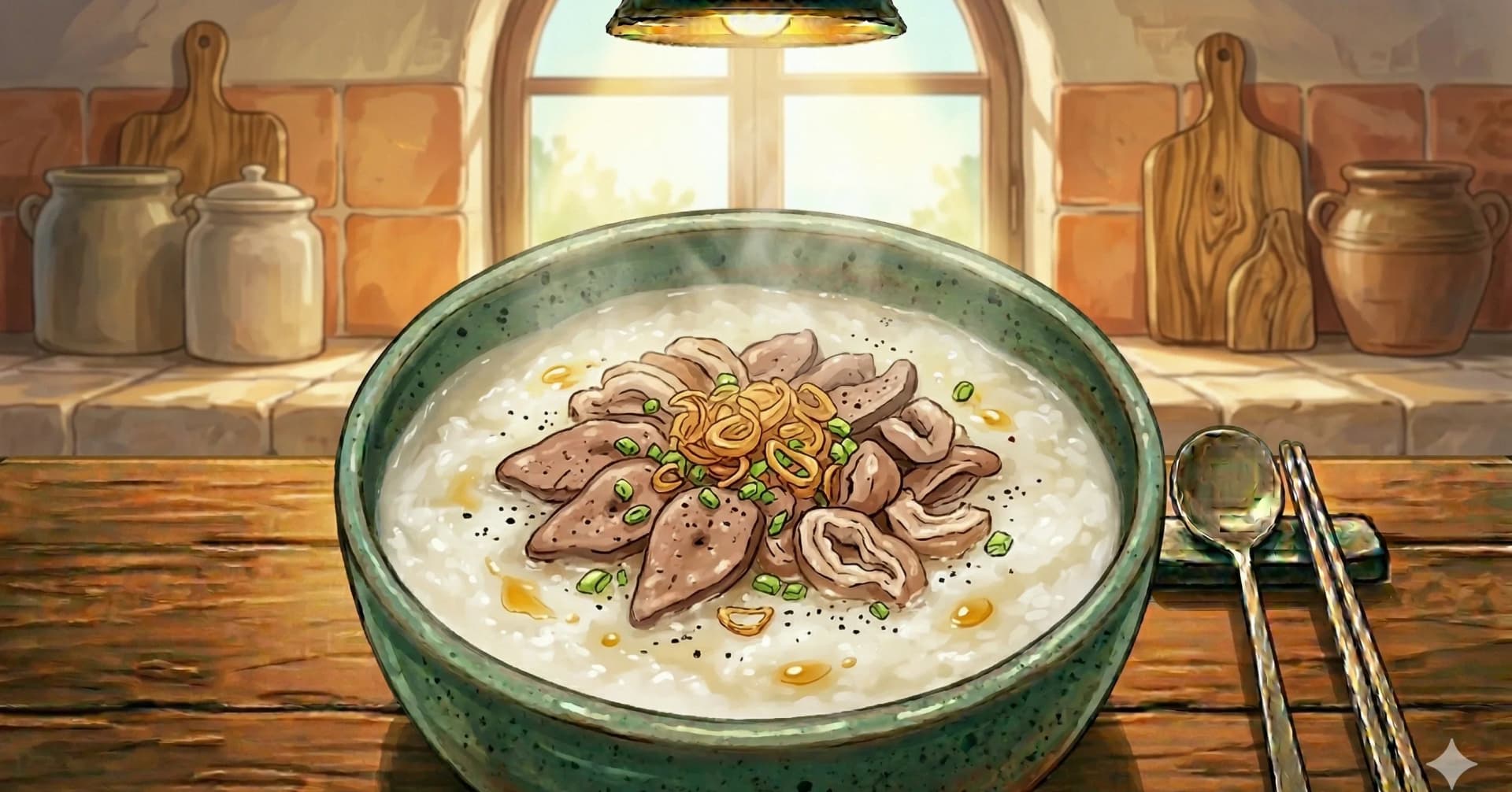
Cháo Lòng (Vietnamese Pork Organ Rice Porridge)
2 hours 15 minutes
 Easy
EasyIndonesian Cuisine
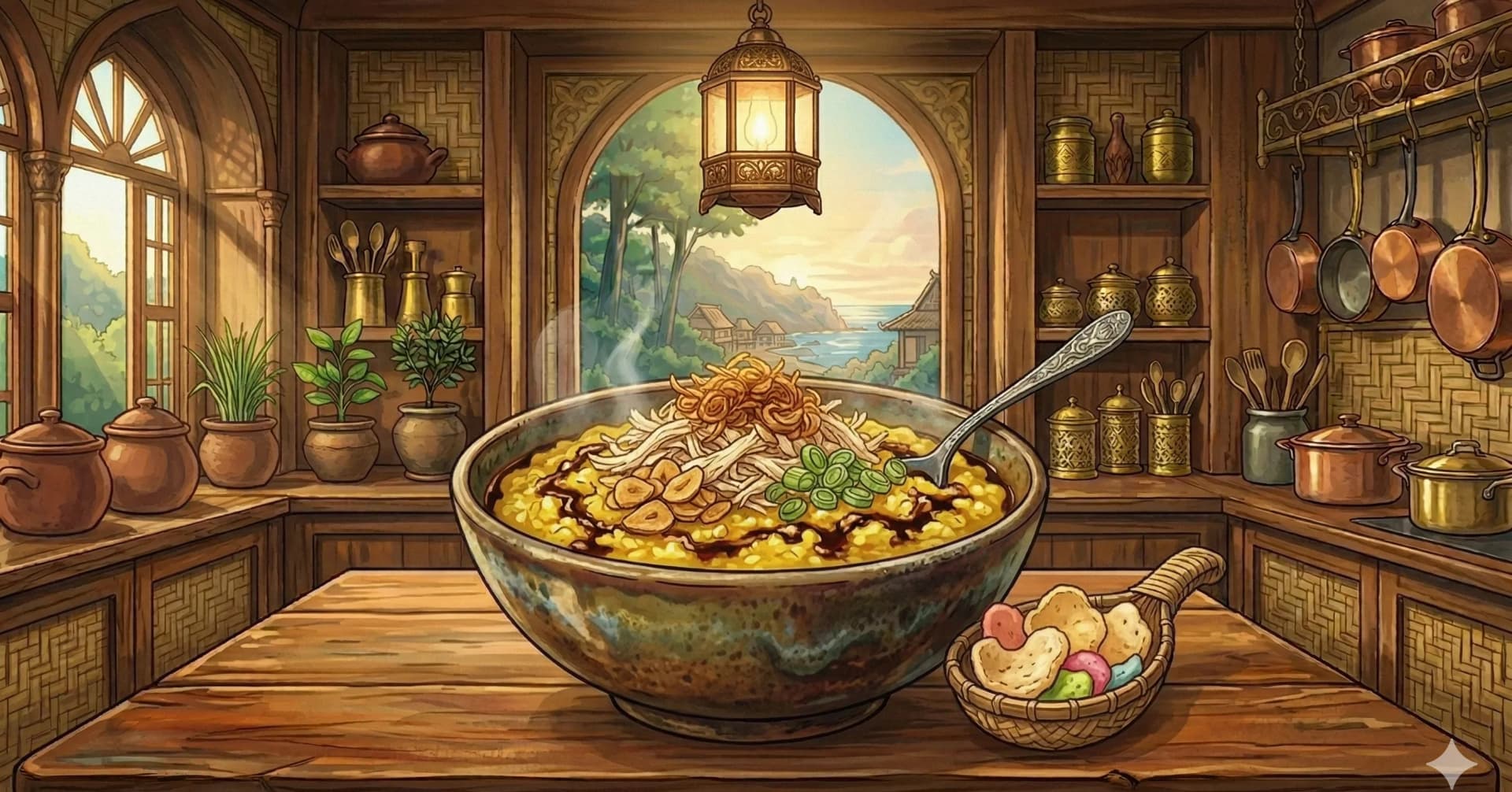
Bubur Ayam (Indonesian Chicken Rice Porridge)
1 hour 10 minutes
 Easy
EasyVietnamese Cuisine
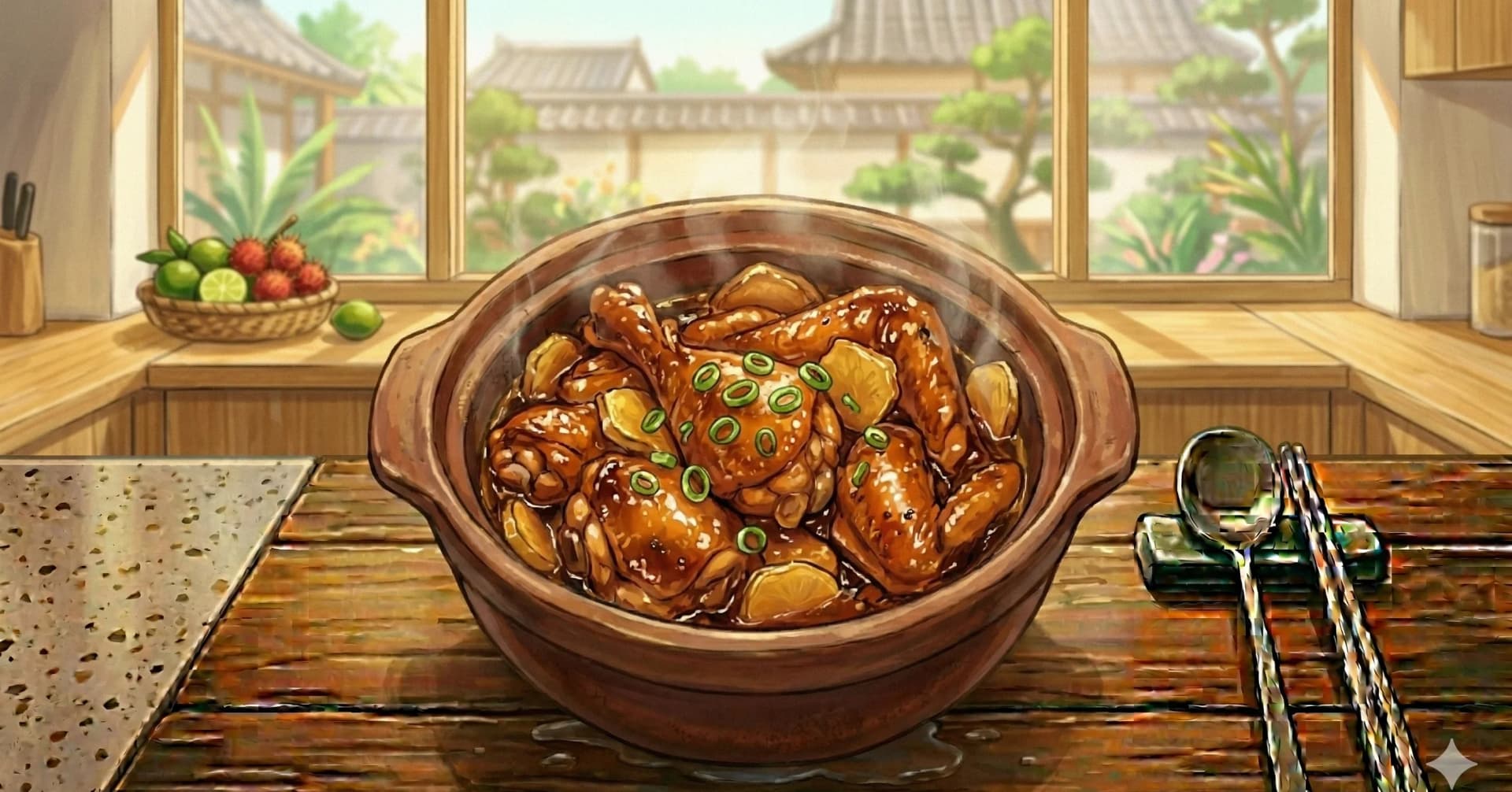
Ga Kho Gung (Vietnamese Caramelized Ginger Chicken)
1 hour
 Easy
EasyVietnamese Cuisine
Grilled Lemongrass Pork (Thịt Nướng)
2 hours 30 minutes
Ratings & Comments
Ratings & Comments
Ratings
Share your thoughts on this recipe.
Sign in to rate and comment