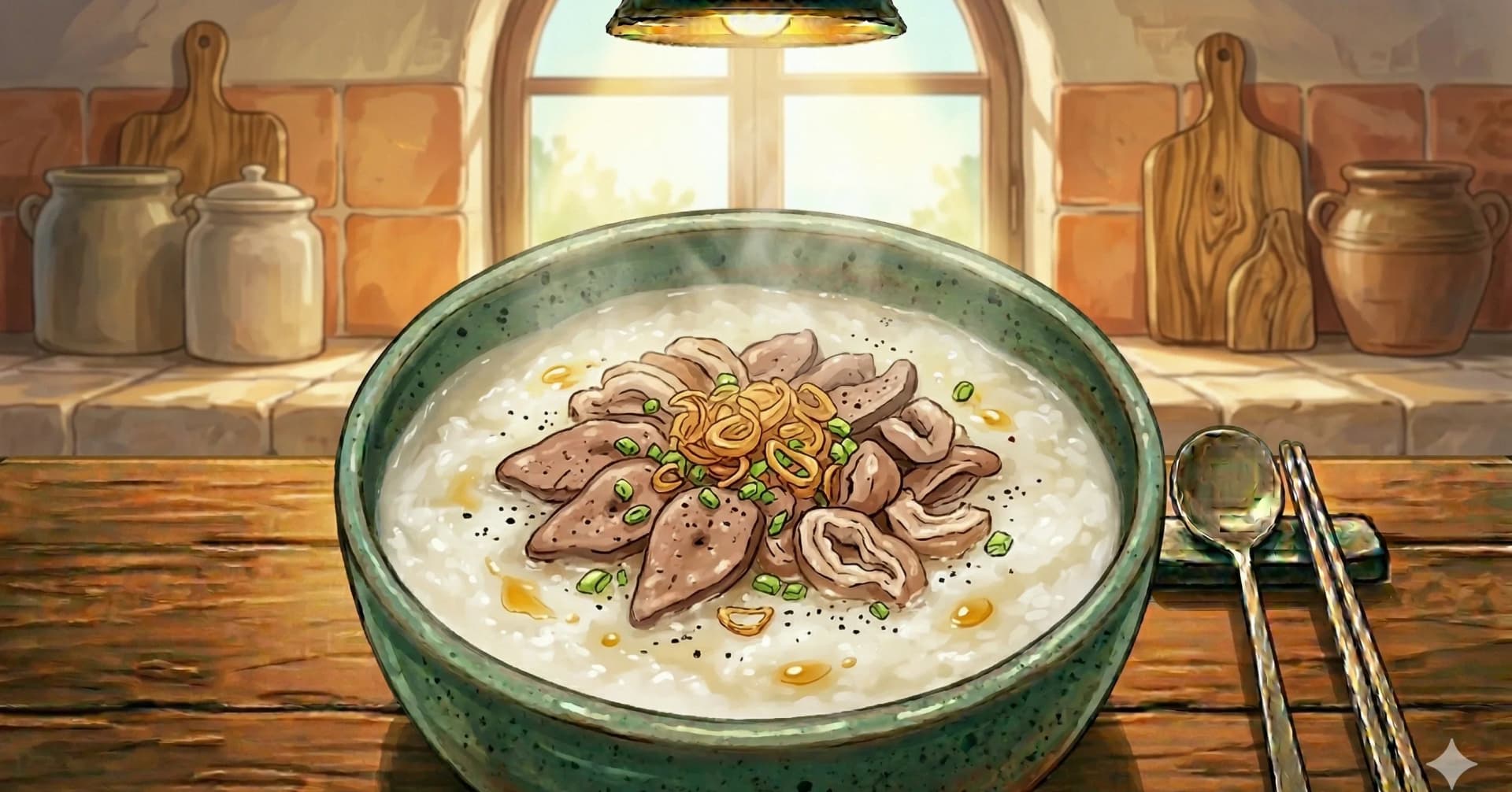
Vietnamese Cuisine
Cháo Lòng (Vietnamese Pork Organ Rice Porridge)
A dark, silky rice porridge crowned with tender sliced offal, blood sausage, and fried shallots, served alongside sweet ginger fish sauce for dipping
There is a particular kind of comfort that belongs to dishes built from the parts most people overlook. Cháo lòng is one of those dishes. It is a Vietnamese rice porridge loaded with pork offal: thinly sliced liver, heart, stomach, tongue, intestines, and the famous Vietnamese blood sausage known as dồi huyết. The porridge itself takes on a dark, earthy hue from a piece of raw pork blood stirred into the pot as the rice cooks, giving the bowl a depth of color and flavor that plain congee cannot match.
In Vietnam, cháo lòng is morning food. Street vendors set up before dawn, simmering enormous pots of porridge beside trays of sliced organs and stacks of blood sausage, ready for workers who want something warm and filling before the day begins. The dish is honest and unfussy, but it rewards attention. The organs need careful cleaning and gentle simmering so they become tender rather than chewy. The rice needs time to dissolve into a creamy base. And the bowl needs contrast: fried shallots for crunch, fresh herbs for brightness, and a small dish of ginger fish sauce for dipping each piece of organ meat.
If you have made cháo gà, you already know the rhythm of Vietnamese rice porridge: sauté aromatics, toast the rice, simmer low and slow. Cháo lòng follows the same logic but replaces the chicken with a more complex cast of ingredients. The result sits somewhere between the spare elegance of Chinese congee and the bold, herbaceous energy of bún bò Huế. It is also a natural companion to jok, Thailand's own pork-based rice porridge, and to khao tom, the lighter Thai rice soup, though the Vietnamese version goes deeper with its variety of organ toppings. For those who love the aromatic broths of phở bò, the ginger and shallot base here will feel like familiar ground.
At a Glance
Yield
4 to 5 servings
Prep
45 minutes
Cook
1 hour 30 minutes
Total
2 hours 15 minutes
Difficulty
Medium
Ingredients
Porridge Ingredients
- 3¼ ozjasmine rice (about 1/2 cup)
- 3¼ ozglutinous (sweet) rice (about 1/2 cup; or substitute additional jasmine rice)
- 3 qtwater
- 2 tbspneutral oil (vegetable or grapeseed)
- 5 ozraw pork blood, in one piece
- 1 tbspfine sea salt, plus more to taste
- 1 tbspchicken bouillon powder
- 1 tbspgranulated sugar
- 2small shallots (about 40 g total)
- 1 piecefresh ginger (50 g), about 5 cm
Pork Ingredients
- 2 lbassorted pork organs (choose from liver, small intestines, heart, stomach, tongue), cut into similar-sized pieces
- 2 tbspall-purpose flour, for cleaning
- 2 tbspwhite vinegar, for cleaning
- 1 tbspcoarse salt, for cleaning
- —Vietnamese pork blood sausage (dồi huyết), store-bought or homemade, as desired
- —Pork blood cake, cut into small pieces (optional)
To Serve
- —Freshly ground black pepper
- —Fried shallots
- 2scallions, thinly sliced
- —Fresh cilantro leaves, roughly chopped
- 1/2yellow onion, thinly sliced into rings
- —Bean sprouts, optional
- —Vietnamese coriander (rau răm), optional
- —Fresh chillies, sliced, optional
- —Youtiao (dầu cháo quẩy), sliced, optional
Dipping Sauce Ingredients
- —Ginger fish sauce (nước mắm gừng)
Method
- 1
Prepare the aromatics. Peel both shallots. Slice one into wedges and set aside for cooking the organ meat. Finely dice the other and reserve for the porridge. Peel the ginger with the edge of a spoon and save the peel. Slice one half into thin coins and finely dice the other half. The peel and coins go with the organs; the diced ginger goes into the porridge.
- 2
Clean the organ meat. Rinse all the organs under cold running water. Place them in a large bowl, add the flour, vinegar, and coarse salt, and scrub every surface thoroughly with your hands. The flour draws out impurities and the vinegar cuts any lingering odor. Rinse well under cold water and repeat the scrubbing and rinsing until the water runs clear and the smell has faded. This may take two or three rounds.
- 3
Simmer the organs. Fill a medium pot with water and bring to a boil. Add the reserved shallot wedges, ginger peel, and ginger coins. Lower the organ pieces into the pot, reduce to a gentle simmer, and cook for about 45 minutes. The organs are done when a knife slides through the thickest piece without much resistance. Skim any foam that rises during the first few minutes.
- 4
Ice-bath and slice the organs. Prepare a large bowl of ice water. Transfer the cooked organs directly into the ice bath. This firms the texture and stops the cooking, keeping each piece tender rather than rubbery. When cool enough to handle, slice thinly against the grain and set aside on a plate. If using tongue, peel away the thick white membrane on the surface before slicing.
- 5
Prepare any blood sausage or blood cake. If using blood sausage, pan-fry it in a dry skillet over medium heat, turning occasionally, until the casing is lightly browned and the sausage is heated through. Slice into rounds and set aside. If using pork blood cake, cut it into bite-sized cubes.
- 6
Rinse the rice. Combine the jasmine and glutinous rice in a colander. Rinse under cold running water, swirling gently with your hand, until the water runs clear rather than milky. Shake off the excess water.
- 7
Start the porridge. In a large stockpot, heat the neutral oil over medium heat. Add the reserved diced shallots and diced ginger. Sauté for about 30 seconds, stirring constantly, until the kitchen fills with a sharp, sweet fragrance. Do not let the shallots brown.
- 8
Toast and cook the rice. Add the rinsed rice to the pot and stir to coat every grain with the aromatic oil. Pour in the water. Add the piece of raw pork blood. You can leave it whole and let it dissolve gradually, or break it apart with a spoon for a more even color. Bring the pot to a gentle boil, then reduce to a low, steady simmer.
- 9
Simmer the porridge. Cook for 45 minutes to 1 hour, stirring the bottom of the pot every 8 to 10 minutes to prevent the rice from sticking or scorching. The porridge is ready when the grains have broken down and the liquid has thickened to a creamy, pourable consistency with a dark, earthy hue from the blood. If the porridge becomes too thick, stir in hot water a little at a time until it flows easily from a ladle.
- 10
Season the porridge. Add the salt, chicken bouillon powder, and sugar. Stir well and taste. The porridge should be savory and rounded, with a gentle sweetness in the background. Adjust the seasoning gradually. The garnishes and dipping sauce will add their own layers, so the base should be satisfying but not heavy.
- 11
Assemble and serve. Ladle the hot porridge into deep bowls. Arrange the sliced organ meat and blood sausage rounds on top. Scatter with sliced scallions, cilantro, yellow onion rings, and a generous pinch of fried shallots. Finish with freshly ground black pepper. Place the ginger fish sauce, bean sprouts, Vietnamese coriander, sliced chillies, and youtiao on the table so each person can dress their bowl as they like.
Key Ingredient Benefits
Pork liver: One of the most nutrient-dense foods available, pork liver is exceptionally rich in vitamin A (as retinol), iron (in the highly bioavailable heme form), vitamin B12, and folate. A single serving provides several times the daily recommended intake of vitamin A. Because of this concentration, liver is traditionally eaten in moderate portions rather than as the main protein. In Vietnamese food culture, organ meats are considered nourishing and strengthening. See the Pork ingredient guide.
Pork blood: Congealed pork blood is a traditional ingredient across Vietnam, China, and Southeast Asia. It is a significant dietary source of heme iron, which the body absorbs more efficiently than plant-based (non-heme) iron. In Vietnamese cooking, pork blood appears both as a porridge enrichment and as blood cake (tiết canh in its raw form, though the cooked version is far more common and safer). Always use blood from a trusted, sanitary source, and cook it thoroughly.
Ginger: The warming heat of ginger comes from gingerols, compounds that have been studied for their potential anti-nausea and digestive-support properties. In Vietnamese traditional medicine, ginger is considered a warming ingredient that aids circulation and is often paired with offal and pork dishes. The ginger fish sauce served alongside cháo lòng is not just a flavor accent; it is traditionally believed to help the body process rich, fatty organ meats. See the Ginger ingredient guide.
Glutinous rice: Despite its name, glutinous rice contains no gluten. The term refers to its sticky, glue-like texture when cooked, which comes from its high amylopectin content. Glutinous rice has a higher glycemic index than regular long-grain rice, so it provides quick energy but may cause faster blood sugar fluctuations.
Chicken bouillon powder: A pantry staple across Southeast Asia, bouillon powder is essentially concentrated umami. It rounds out the porridge seasoning without requiring additional hours of simmering. See the Chicken Bouillon Powder ingredient guide.
Why This Works
The blend of jasmine and glutinous rice creates a porridge with two textures at once. The jasmine rice, higher in amylose starch, breaks down into a creamy, flowing base. The glutinous rice, almost entirely amylopectin, contributes a subtle stickiness and body that keeps the porridge from feeling thin. If you use only jasmine rice, the porridge will be lighter and more soupy; if you lean toward glutinous rice, it will be thicker and more cohesive. The 50/50 split gives you a middle ground that holds toppings well.
Sautéing the shallots and ginger in oil before adding the rice serves the same function as building a sofrito or tarka: it blooms the aromatic compounds in fat, distributing their flavor throughout the entire pot rather than leaving them as surface-level garnish. The brief toast of the rice in that same oil coats the exterior starch, slowing the rate at which the grains dissolve and producing a more interesting porridge with some intact grain texture alongside the creamy base.
The raw pork blood is the ingredient that separates cháo lòng from all other Vietnamese congees. As it cooks, the blood proteins coagulate throughout the porridge, adding iron-rich depth, a subtle minerality, and the signature dark color. It is not a strong or gamey flavor but rather a background note that grounds the bowl.
Scrubbing the organs with flour, vinegar, and salt is a standard Vietnamese technique for preparing offal. The flour acts as a mild abrasive that pulls surface impurities from crevices; the acid in the vinegar neutralizes alkaline compounds responsible for off-odors; and the salt draws out moisture along with any residual blood. The 45-minute simmer with ginger and shallots further tames the flavor, leaving the organs clean-tasting and tender.
Substitutions & Variations
Organ selection: You do not need every organ listed. Most Vietnamese home cooks choose two or three favorites. Liver and tongue are the most approachable for newcomers; intestines and stomach have more chew and require a taste for tripe-like textures. Heart is mild and lean, with a texture similar to dark meat chicken.
Without pork blood: If raw pork blood is unavailable, skip it. The porridge will be lighter in color and milder in flavor, closer to a standard cháo gà, but it will still be delicious with the organ toppings and ginger fish sauce. Some cooks add a splash of soy sauce or a pinch of annatto powder for color, though neither replicates the original.
Without blood sausage: The blood sausage (dồi huyết) is traditional but optional. The bowl works well with just the sliced organs. If you want a sausage element, Vietnamese pork sausage (chả lụa) or Chinese lap cheong make reasonable stand-ins, though they change the character of the dish.
Rice variations: Use all jasmine rice for a thinner, more soup-like porridge. Use all glutinous rice for a thicker, stickier bowl. Broken rice (cơm tấm) produces a paste-like consistency that some families in southern Vietnam prefer.
Pressure cooker method: Cook the organs with aromatics on high pressure for 25 minutes, then quick-release. For the porridge, sauté the aromatics and rice in the pot using the sauté function, add water and pork blood, then cook on high pressure for 20 minutes with natural release. Total time drops to about 1 hour.
Lighter version: For a less rich bowl, use only liver and heart (skipping intestines and stomach), omit the blood and blood sausage, and increase the ginger. The result will be a cleaner, more delicate porridge that still carries the spirit of cháo lòng.
Serving Suggestions
Cháo lòng is traditionally a complete meal in one bowl, but the table benefits from a few accompaniments. A plate of sliced youtiao (dầu cháo quẩy) is the classic pairing. The crispy fried dough absorbs the dark porridge beautifully and adds a satisfying crunch against the soft rice and tender organs.
The ginger fish sauce (nước mắm gừng) is not optional in spirit. Each piece of organ meat gets a quick dip before eating, and the bright, sweet, gingery sauce cuts through the richness in a way that keeps you reaching for the next piece. If you do not have a recipe for nước mắm gừng, combine 3 tablespoons of fish sauce, 2 tablespoons of sugar, 2 tablespoons of warm water, 1 tablespoon of rice vinegar, and 2 teaspoons of finely grated fresh ginger. Stir until the sugar dissolves.
For a larger spread, serve alongside a plate of fresh herbs: Vietnamese coriander (rau răm), Thai basil, and sawtooth coriander all work. A simple salad of bean sprouts tossed with a squeeze of lime and a pinch of salt adds freshness. If you are serving cháo lòng as part of a Vietnamese breakfast table, it pairs naturally with bánh mì or a simple fried egg on the side.
Storage & Reheating
Refrigerator: Store the porridge and sliced organs in separate airtight containers for up to 3 days. The porridge will thicken substantially as it cools. This is normal and expected.
Reheating: Warm the porridge over medium-low heat on the stovetop, stirring frequently and adding hot water a splash at a time until it returns to a pourable, creamy consistency. Reheat the organ slices separately in the microwave for 30 to 45 seconds to preserve their texture. Alternatively, drop everything into the pot together and reheat on the stovetop, stirring gently to avoid breaking the organ slices apart.
Freezing: The porridge base (without organ toppings) freezes well in individual portions for up to 1 month. Thaw overnight in the refrigerator and reheat on the stovetop with added water. The sliced organs can be frozen separately for up to 2 months, though liver texture may suffer slightly upon thawing.
Make-ahead tip: If you plan to eat the porridge over several days, stop cooking the rice slightly earlier than your ideal consistency. It will continue to thicken as it cools and again each time it is reheated.
Cultural Notes
Cháo lòng, Vietnamese pork-organ rice porridge, is the working-class cousin of cháo gà. Where cháo gà is the universal sick-bed comfort food, cháo lòng has a more specific cultural niche. It is the dish of laborers, of late-night drinkers, of cooks and eaters who appreciate the deeper flavors that organ meats give and who treat cháo lòng as one of the most distinctly Vietnamese porridge preparations, untouched by the Chinese influence that shaped most of the rest of the cháo family.
The dish embodies the Vietnamese culinary principle of nose-to-tail use. Every part of the pig (heart, liver, kidney, intestine, lung, blood) is honored with its own preparation rather than discarded. The various organs get prepared individually, cleaned and blanched and sliced, then added to the porridge late in cooking. Each diner builds the combination they prefer. Tiết canh, the congealed pork blood that most non-Vietnamese visitors find the single most challenging ingredient in the cuisine, often turns up as one of the topping options.
Cháo lòng belongs especially to the street stalls in Saigon's working-class neighborhoods, where dedicated shops have operated continuously for decades. Their customers are late-night drinkers winding down and early-morning shift workers winding up. The dish has historically been priced well below chicken-based cháo gà, which kept it accessible to lower-income Vietnamese eaters, though urban gentrification and the slow reevaluation of organ meats in higher-end cooking have started pushing prices up in trendier Saigon districts.
The dish barely exists outside Vietnam. Vietnamese-American restaurants generally leave it off the menu because non-Vietnamese diners find the organ meats challenging, which makes cháo lòng one of the Vietnamese preparations that actually requires being in Vietnam to experience properly. A few diaspora restaurants serve it discreetly to regulars who ask, but you will not find it on the printed menu in most cities.
Nutrition Facts
Calories: 420kcal (21%)|Total Carbohydrates: 30g (11%)|Protein: 45g (90%)|Total Fat: 10g (13%)|Saturated Fat: 2g (10%)|Cholesterol: 540mg (180%)|Sodium: 480mg (21%)|Dietary Fiber: 0g (0%)|Total Sugars: 0g
You Might Also Like
 Easy
EasyVietnamese Cuisine
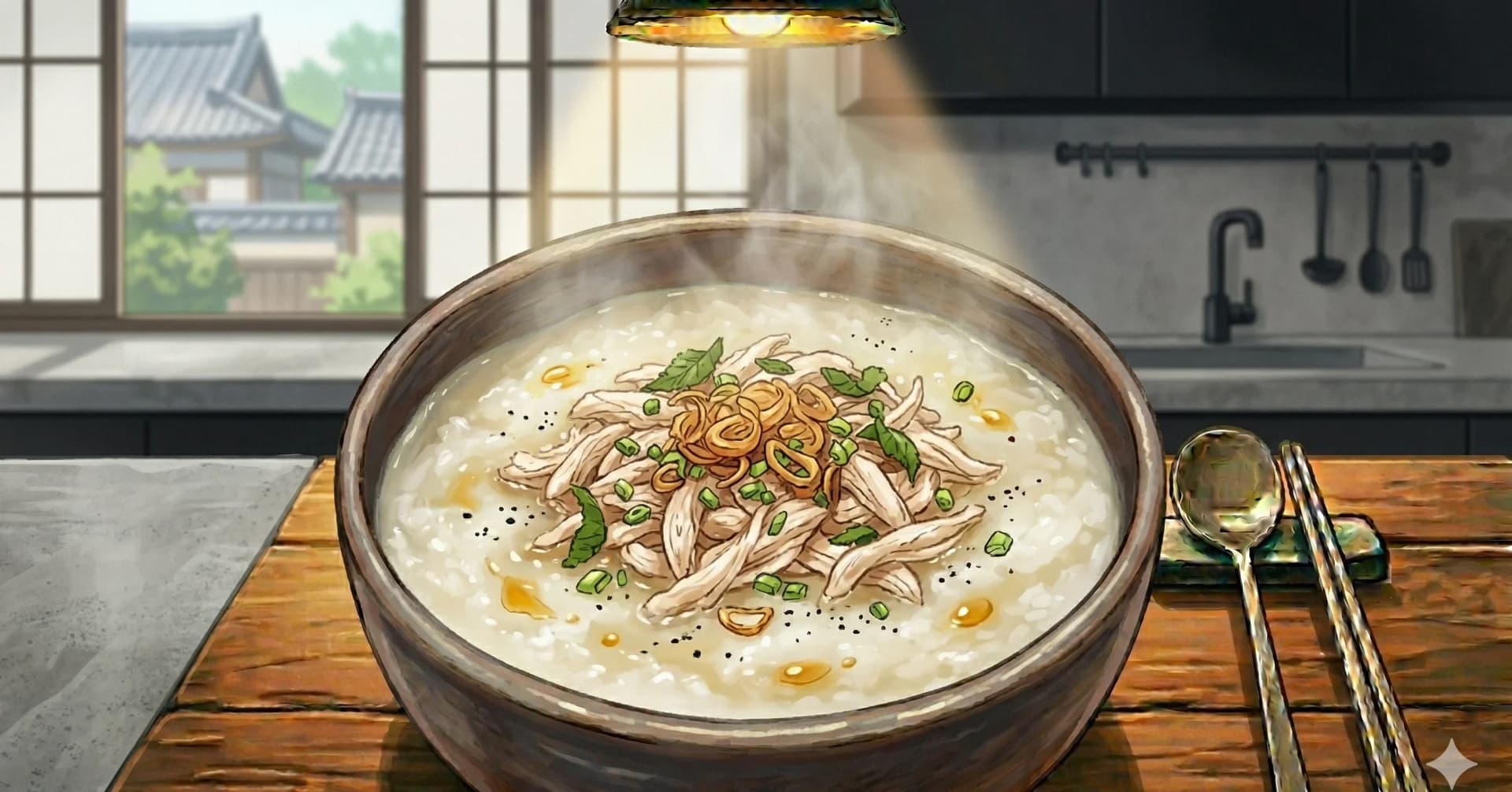
Cháo Gà (Vietnamese Chicken Rice Porridge)
1 hour 30 minutes
 Easy
EasyIndonesian Cuisine
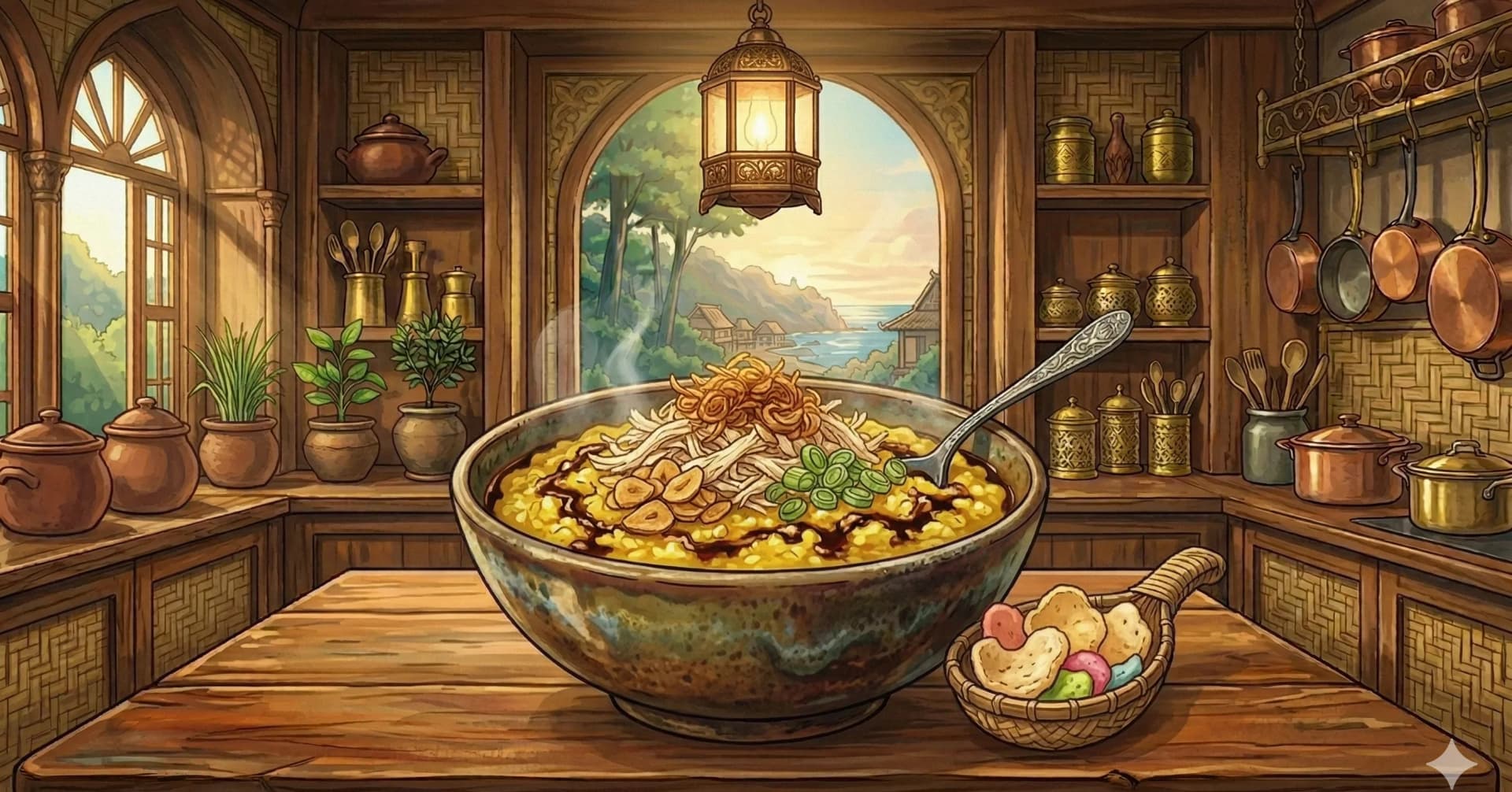
Bubur Ayam (Indonesian Chicken Rice Porridge)
1 hour 10 minutes
 Easy
EasyVietnamese Cuisine
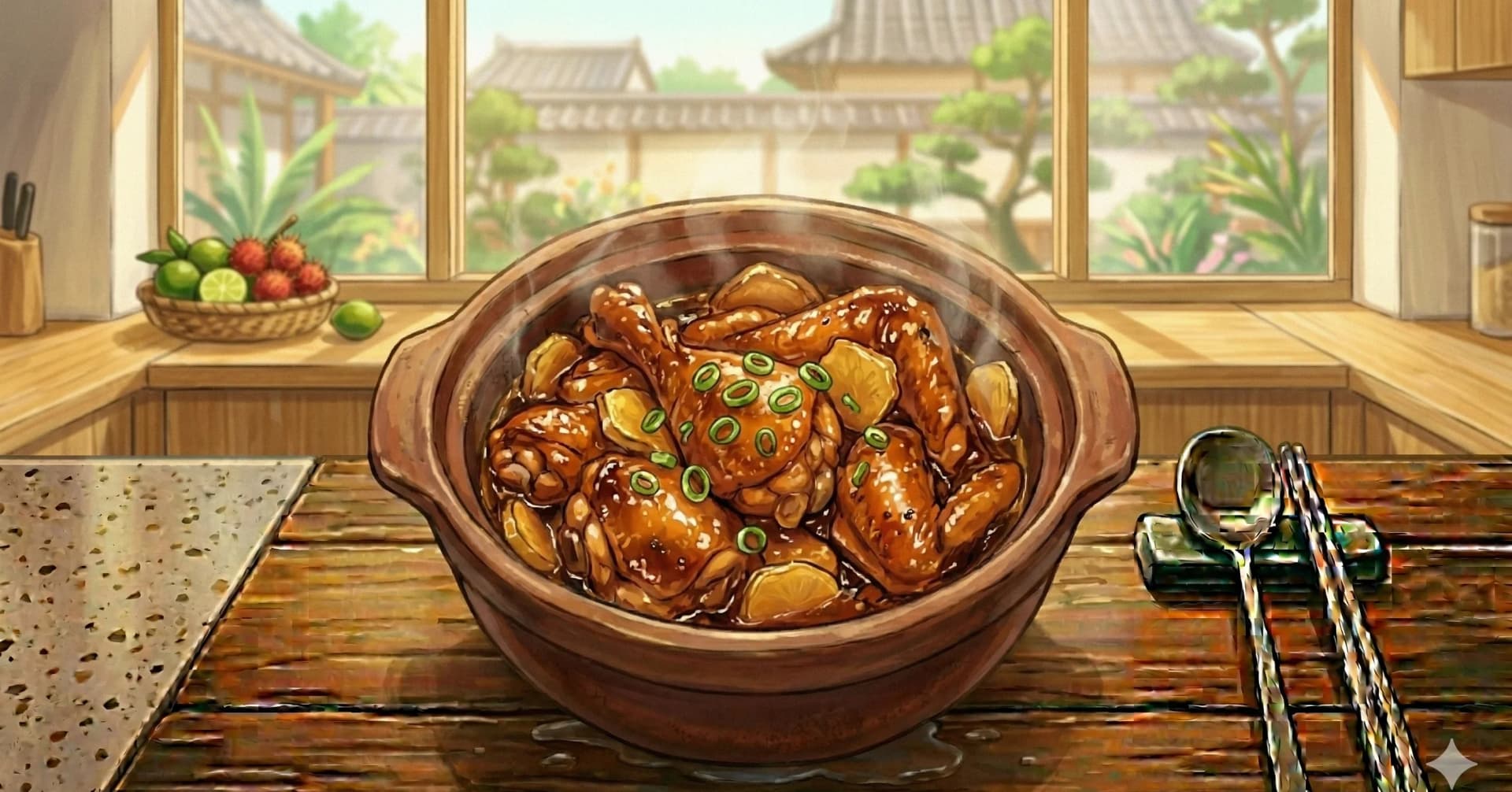
Ga Kho Gung (Vietnamese Caramelized Ginger Chicken)
1 hour
 Easy
EasyVietnamese Cuisine
Grilled Lemongrass Pork (Thịt Nướng)
2 hours 30 minutes
Ratings & Comments
Ratings & Comments
Ratings
Share your thoughts on this recipe.
Sign in to rate and comment