Cross-Cultural · India
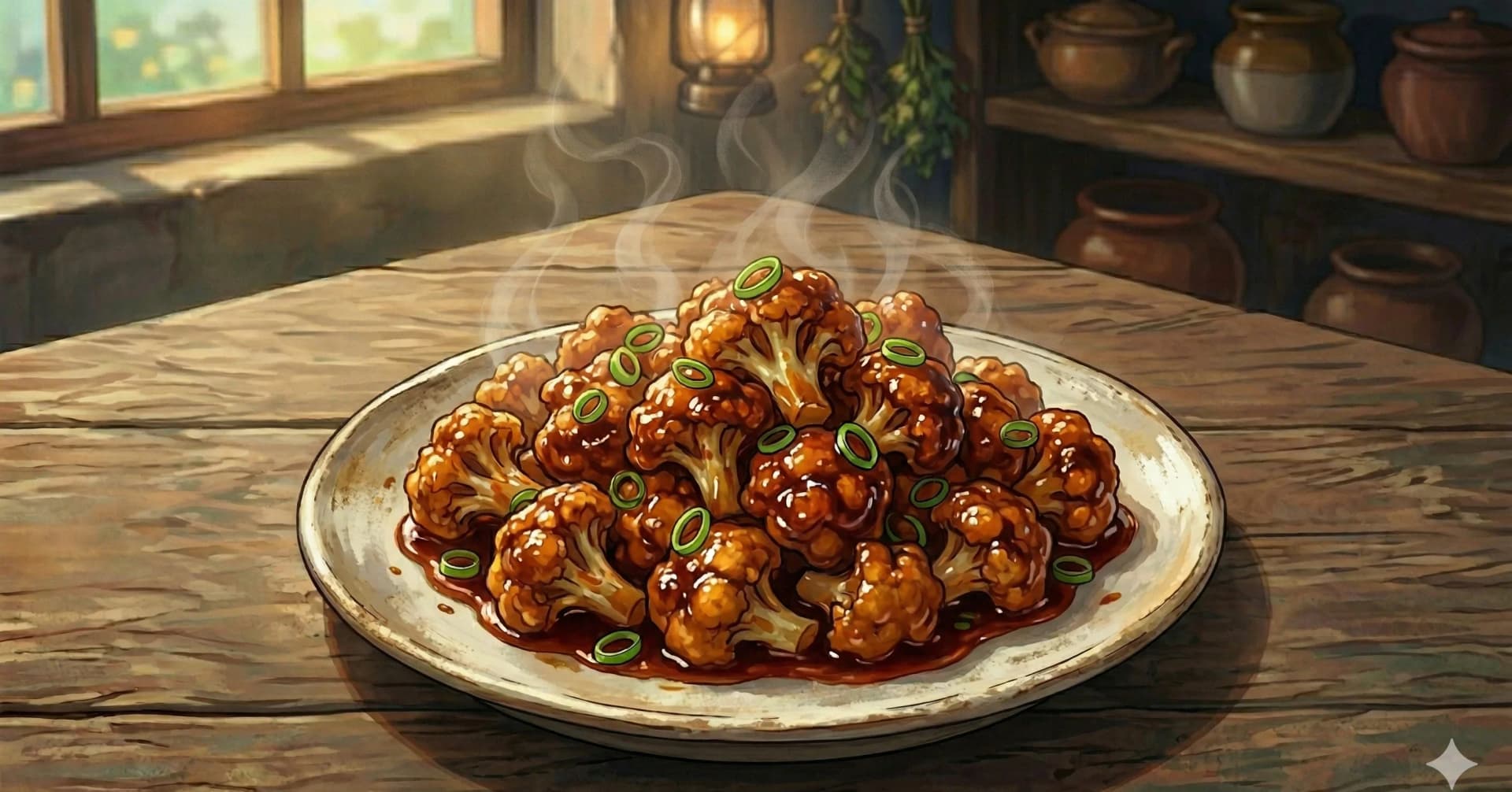
Gobi Manchurian
Crispy battered cauliflower tossed in a tangy, sweet, and spicy Indo-Chinese sauce of soy, chili, and vinegar
Indo-Chinese food is one of those cuisines that exists because two cultures collided in a kitchen and decided to keep going. It was born in the Chinese communities of Kolkata and Mumbai, where Chinese cooking techniques met Indian ingredients and Indian appetites. The result is a category of food that sounds Chinese and tastes Indian, or maybe the other way around. Gobi Manchurian is its most famous creation, and it appears on street carts and restaurant menus across India in quantities that dwarf most actual Chinese dishes in popularity.
The dish is cauliflower florets dipped in a batter of flour and cornstarch, deep-fried until shatteringly crisp, and then tossed in a sauce built from soy sauce, chili sauce, vinegar, and garlic. The sauce is the key. It hits sweet, sour, salty, and spicy simultaneously, and it clings to the cratered surface of the fried cauliflower like it was designed for exactly that purpose. The contrast between the crunchy batter and the sticky, punchy sauce is what makes the dish addictive.
There are two versions: dry and gravy. The dry version, which is what this recipe produces, is an appetizer or snack, meant to be eaten with toothpicks or fingers alongside drinks or as a starter before fried rice and hakka noodles. The gravy version adds more liquid to the sauce and is served over rice. Both are good. The dry version is more popular because the crunch lasts longer. Make it, eat it fast, and do not apologize for the pile of napkins.
At a Glance
Yield
3 servings
Prep
10 minutes
Cook
25 minutes
Total
35 minutes
Difficulty
Medium
Ingredients
Cauliflower Ingredients
- 1small head cauliflower, about 500g, cut into medium florets
Batter Ingredients
- 1/2 cupall-purpose flour, about 65g
- 1/4 cupcornstarch, about 32g
- 1/2-1 tspKashmiri red chili powder, optional, for color (optional)
- 1/4 tspground black pepper
- 1/4 tspsalt
- 1/2 cupwater, for batter, or as needed
For Frying
- —oil
Sauce Ingredients
- 1 1/2 tbspvegetable oil
- 1 tbspgarlic, finely chopped
- 1/2 tbspfresh ginger, finely chopped
- 1green chili, chopped (optional)
- 1/3 cupscallion whites, finely chopped
- 1/4 cupbell pepper, finely chopped (optional)
- 1 tbspsoy sauce
- 2-3 tbspred chili sauce, adjust to taste
- 1-2 tbsptomato ketchup (optional)
- 1/2 tbsprice vinegar
- 1 tspsugar
- 1/2-3/4 tspground black pepper
- 3-4 tbspwater
To Garnish
- 2 tbspscallion greens, chopped, for garnish
Method
- 1
Prepare the cauliflower. Cut into medium-sized florets. Soak in slightly hot water for 5 minutes, drain, rinse with cold water, and pat dry thoroughly with a clean cloth or paper towels. Any moisture will prevent crisping.
- 2
Make the batter. Combine the flour, cornstarch, chili powder, black pepper, and salt in a bowl. Add water gradually, stirring until you have a smooth, free-flowing batter with no lumps.
- 3
Fry the cauliflower. Heat oil for deep frying over medium heat. Test by dropping a small amount of batter into the oil; it should sizzle and rise without browning immediately. Coat the florets in batter and drop them one by one into the oil. Do not stir for the first 1 to 2 minutes. Fry until golden and crisp, then drain on paper towels. Repeat in batches.
- 4
Make the sauce. Heat 1 1/2 tablespoons of oil in a wide pan or wok over high heat. Add garlic, ginger, and green chili. Saute for 1 to 2 minutes. Add scallion whites and bell pepper and cook on high for 2 minutes.
- 5
Add the sauce liquids. Stir together the soy sauce, chili sauce, ketchup, vinegar, and sugar. Pour into the pan with the water. Cook, stirring, until the sauce thickens and becomes glossy. Add black pepper. Taste and adjust the balance of tangy, sweet, and hot.
- 6
Toss and serve. Let the sauce cool for 1 to 2 minutes so it does not soften the batter immediately. Add the fried cauliflower and toss gently to coat. Garnish with scallion greens. Serve immediately while still crisp.
Key Ingredient Benefits
Cauliflower: A cruciferous vegetable rich in vitamin C, vitamin K, and fiber. Contains sulforaphane and indole-3-carbinol, compounds studied for supporting detoxification pathways and potential anti-cancer properties. In Ayurveda, cauliflower benefits from warming spices and oil to balance its vata-aggravating qualities.
Ginger and Garlic: The aromatics that bridge Indian and Chinese cooking traditions. Ginger's gingerols and garlic's allicin both have documented anti-inflammatory properties.
Soy Sauce: The fermented soybean condiment anchoring the dish in its Chinese roots, providing glutamate, amino acids, and antioxidants from fermentation.
Why This Works
The batter combines flour for structure and cornstarch for crunch. Drying the cauliflower prevents steam during frying that would soften the coating. The Manchurian sauce achieves its flavor through balancing soy (salt/umami), chili sauce (heat/sweetness), vinegar (acidity), and sugar. Letting the sauce cool briefly before adding the cauliflower preserves the crust.
Substitutions & Variations
For gravy version, triple the sauce quantities and add 3/4 tbsp cornstarch mixed with 1 cup water. Paneer, baby corn, or mushrooms can replace cauliflower. Bake at 425°F for 25 minutes for a less oily version.
Serving Suggestions
Serve as an appetizer with toothpicks alongside drinks, or as a starter before hakka noodles or vegetable fried rice. In Indo-Chinese restaurants, it appears alongside chili paneer, spring rolls, and manchow soup.
Storage & Reheating
Store fried cauliflower and sauce separately for up to 2 days. Reheat cauliflower in oven at 400°F for 8 to 10 minutes to restore crunch, then toss with warmed sauce. Freezing not recommended.
Cultural Notes
Gobi Manchurian is the signature dish of Indo-Chinese cuisine, born in the Chinese communities of Kolkata and Mumbai where Chinese cooking techniques met Indian tastes. It is one of the most popular street food and restaurant appetizers across India.
Nutrition Facts
Calories: 483kcal (24%)|Total Carbohydrates: 71g (26%)|Protein: 10g (20%)|Total Fat: 19g (24%)|Saturated Fat: 2.9g (14%)|Cholesterol: 0mg (0%)|Sodium: 655mg (28%)|Dietary Fiber: 7.4g (26%)|Total Sugars: 9.5g
You Might Also Like
Ratings & Comments
Ratings & Comments
Ratings
Share your thoughts on this recipe.
Sign in to rate and comment