Malaysian Cuisine
Noodles in Sweet Gravy (Mee Rebus)
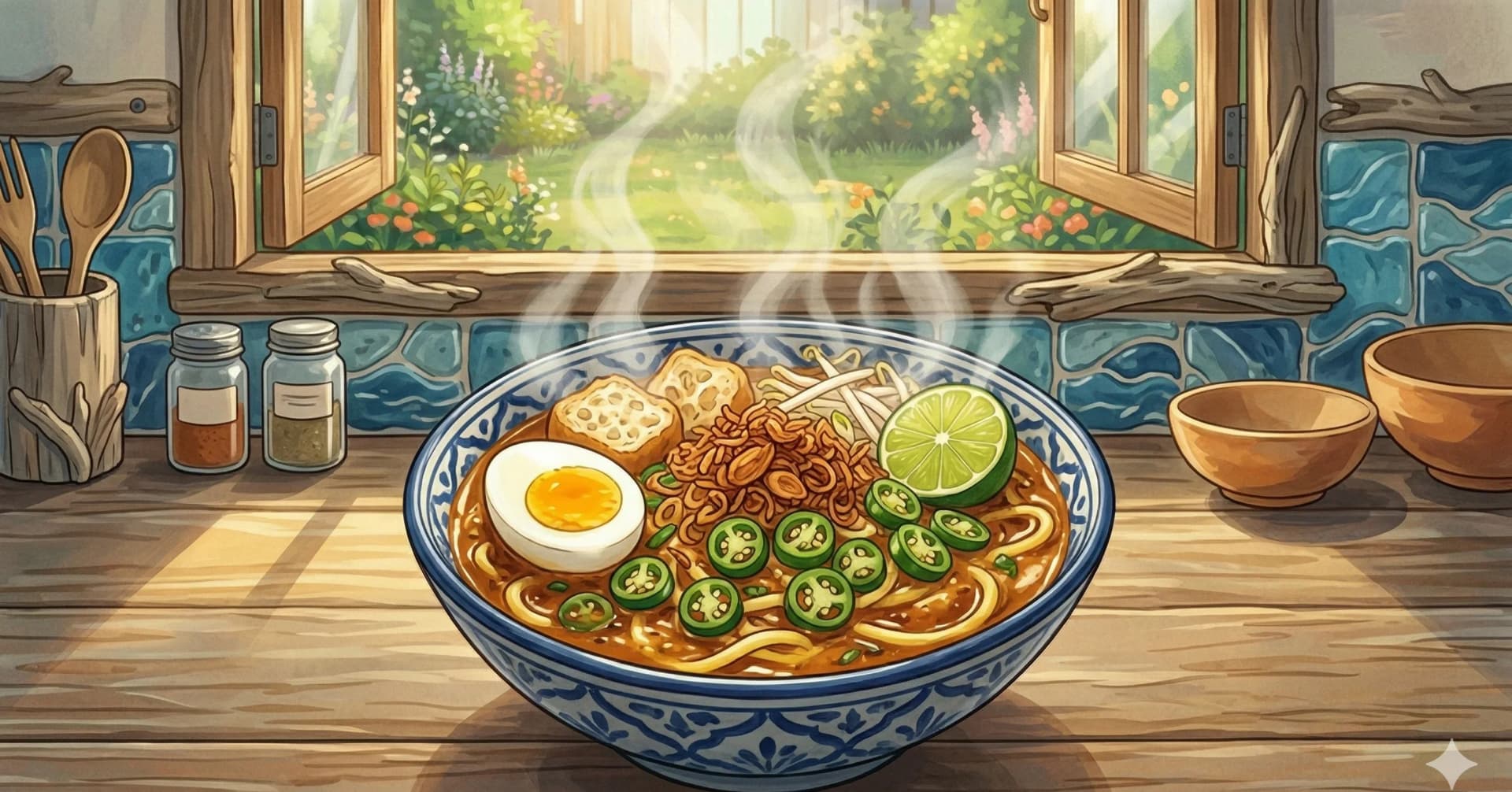
Yellow noodles in a thick, spiced sweet potato gravy with hard-boiled eggs, fried tofu, and crispy shallots
There is a particular amber color that marks a well-made mee rebus, somewhere between burnt gold and the deep orange of sunset through haze. It comes from the sweet potatoes. Mashed and stirred into a slow-simmered broth of chicken and prawn stock, they dissolve into the liquid and thicken it into a gravy that clings to each strand of yellow noodles without weighing them down. This is the quiet trick at the heart of the dish: no cornstarch, no flour, just sweet potato doing what it naturally does.
Mee rebus belongs to the Mamak hawker tradition of Malaysia, the Tamil Muslim cooking that blends South Indian spice knowledge with Malay ingredients and techniques. At Mamak stalls across Penang, Kuala Lumpur, and Singapore, the dish appears throughout the day, ladled from deep pots kept warm behind the counter. The gravy has depth that goes beyond its simple ingredient list. Dried chillies, ground coriander, cumin, and fennel build a spice paste that blooms in hot oil before the stocks go in. Tamarind pulls everything into a gentle sourness, and a pour of coconut milk at the end rounds the edges.
The toppings matter as much as the gravy. Halved hard-boiled eggs, slices of fried tofu (tau kwa), a fistful of crispy fried shallots, and a wedge of lime pressed over just before eating. Some stalls add cucur udang, the lacy prawn fritters that soak up the gravy and turn delightfully soft. If you enjoy layered, brothy noodle dishes, this sits comfortably alongside laksa, boat noodles, and khao soi as one of Southeast Asia's great bowls.
At a Glance
Yield
5 servings
Prep
30 minutes
Cook
25 minutes
Total
55 minutes
Difficulty
Medium
Ingredients
Spice Paste Ingredients
- 8dried red chillies, soaked in warm water for 15 minutes, drained
- 10shallots (about 120 g), roughly chopped
- 2 cmpiece fresh ginger (about 10 g), sliced
- 1¼ tbspground coriander (about 1/2 tablespoon)
- 1 tspfennel seeds (about 1/2 teaspoon)
- 1 tspground cumin (about 1/2 teaspoon)
- ¾ tspground turmeric (about 1/2 teaspoon)
Gravy Ingredients
- 1 tbspcooking oil
- 1cinnamon stick (about 8 cm)
- ¾ lborange-fleshed sweet potatoes, peeled, steamed until tender (about 2–2½ potatoes), and mashed
- 1½ qtchicken stock
- 1 cupprawn stock (see note)
- 1 tbsptamarind concentrate, unsweetened
- ½ cupcoconut milk (full-fat)
- —Salt, to taste
To Serve
- 1 lbfresh yellow noodles (about 1 pack)
- 5½ ozbean sprouts
- 3hard-boiled eggs, peeled and halved
- 5½ ozfirm tofu (tau kwa), sliced and pan-fried until golden
- 1 ozfried shallots (store-bought or homemade)
- 2limes, cut into wedges
- —Shredded lettuce (optional)
Method
- 1
Soak the dried red chillies in warm water for about 15 minutes, until they soften and become pliable. Drain and squeeze out excess water. Place the chillies in a blender or food processor along with the shallots, ginger, ground coriander, fennel seeds, ground cumin, and ground turmeric. Blend to a smooth paste, scraping down the sides as needed. Add a small splash of water only if the blade stalls. The paste should be thick and fragrant, a deep reddish-orange in color.
- 2
Steam or microwave the sweet potatoes until completely tender when pierced with a fork, about 15 to 20 minutes if steaming. Mash thoroughly while still warm. There should be no lumps remaining, as any chunks will not dissolve properly into the gravy.
- 3
Heat the oil in a large pot over medium heat. Drop in the cinnamon stick and let it sizzle for about 10 seconds until the kitchen smells warm and woody. Add the spice paste and stir continuously. Cook for 4 to 5 minutes, until the paste darkens slightly and the raw smell gives way to a rounded, toasted aroma. The oil will begin to separate at the edges of the paste when it is ready.
- 4
Loosen the mashed sweet potatoes with about 480 ml (2 cups) of the chicken stock, stirring until smooth. Pour this mixture into the pot with the spice paste. Add the remaining chicken stock and the prawn stock. Stir well to combine. Bring to a gentle simmer, then lower the heat and let the gravy cook for 15 minutes, stirring occasionally to prevent the bottom from catching. The gravy will thicken gradually as the sweet potato fully integrates.
- 5
Stir in the tamarind concentrate and coconut milk. Let the gravy simmer for another 3 to 5 minutes. Taste and adjust with salt. The flavor should be savory first, with a gentle sweetness from the potato, a mild sour note from the tamarind, and a rounded richness from the coconut milk. The consistency should be thick enough to coat the back of a spoon but still pourable. If the gravy is too thick, thin it with a little more stock. If too thin, simmer for a few more minutes.
- 6
Bring a separate pot of water to a rolling boil. Blanch the yellow noodles for about 30 seconds to 1 minute, just until heated through and loosened. Drain well. Blanch the bean sprouts in the same water for about 15 seconds, then drain. They should still have a firm bite.
- 7
Divide the noodles among bowls and place a small handful of blanched bean sprouts alongside. Ladle the hot gravy generously over the noodles, enough to pool around but not drown them. Arrange the hard-boiled egg halves, fried tofu slices, and a pinch of fried shallots on top. Add shredded lettuce if using. Place a lime wedge on the side of each bowl. Squeeze the lime over the noodles just before eating.
Key Ingredient Benefits
Sweet potatoes (orange-fleshed): The orange color comes from beta-carotene, a precursor to vitamin A. A 350 g portion provides many times the daily recommended intake. Sweet potatoes are also a good source of dietary fiber and potassium. In this recipe they serve as both a thickener and a flavor component, replacing the starch-slurry approach used in many other gravy-based noodle dishes.
Dried red chillies: Soaking them in warm water rehydrates the flesh and softens the skins, making them blend more easily into a smooth paste. Dried chillies have a rounder, warmer heat than fresh ones, with less sharp bite and more complexity. They contain capsaicin, which has been studied for its analgesic and metabolic effects, and provide significant amounts of vitamin A and vitamin C even in dried form.
Tamarind concentrate: Made from the pulp of the tamarind pod (Tamarindus indica), reduced to a thick paste. It is distinct from tamarind paste, which is thinner and less intense. If using tamarind paste instead of concentrate, increase the quantity to about 2 to 3 tablespoons. Tamarind is used in traditional Malaysian and Indian medicine as a digestive and cooling agent.
Prawn stock: Made by simmering prawn heads and shells in water for about 20 minutes. The heads in particular release a rich, orange-tinted broth. If you do not have prawn shells, substitute with dashi stock or add 15 g of dried shrimp to the chicken stock and simmer for 10 minutes, then strain.
Coconut milk: Full-fat coconut milk provides medium-chain triglycerides and gives the gravy a velvety mouthfeel. The fat also helps extract and carry the fat-soluble flavor compounds from the spice paste, improving how you perceive the aroma.
Why This Works
The sweet potato is doing three jobs at once. It thickens the gravy naturally, so there is no need for cornstarch or flour. It adds a gentle sweetness that balances the heat from the chillies and the sourness from the tamarind. And it gives the gravy its characteristic amber color, especially when you use the orange-fleshed variety. Other types of sweet potato can be substituted in a pinch, but they produce a paler, less visually appealing gravy.
Cooking the spice paste before adding liquid is essential. Raw spice pastes carry a harsh, green quality that disappears only through sustained contact with hot oil. As the paste fries, volatile compounds evaporate and new flavor molecules form through heat-driven reactions. The oil separating at the edges signals that the water in the paste has cooked off and the spice solids are now toasting in fat, which is where the deep, complex aroma develops.
The dual-stock approach (chicken stock and prawn stock together) creates a layered savory base. Chicken stock provides body and a neutral meaty backbone. Prawn stock, made by simmering prawn heads and shells, adds a distinct marine sweetness and depth of umami from the natural glutamates in crustacean shells. Neither stock alone produces the same effect.
Tamarind concentrate, added near the end rather than cooked into the paste, preserves its bright acidity. If added too early, the sourness mellows to the point of disappearing.
Substitutions & Variations
Noodles: If fresh yellow noodles are unavailable, use fresh egg noodles or even dried egg noodles (cooked according to package directions). Some versions in Singapore use thick bee hoon (rice vermicelli) instead. For a gluten-free option, substitute with flat rice noodles, though the texture will be different. Pad Thai uses dried rice noodles in a similar width if you need guidance on soaking them.
Sweet potatoes: Orange-fleshed sweet potatoes give the best color and flavor. Regular potatoes can substitute in an emergency, but you lose the natural sweetness and the gravy will need a small pinch of sugar to compensate.
Prawn stock: If you have no prawn shells, dissolve 15 g dried shrimp in the chicken stock as it heats, then strain before use. Or use a light fish stock. In a pinch, replace with additional chicken stock, but the gravy will lack the marine dimension.
Spice paste shortcut: If pressed for time, substitute the homemade spice paste with 3 tablespoons of a good-quality Malaysian curry paste (such as A1 or Tean's curry laksa paste), though the flavor will be less fresh and nuanced.
Protein additions: Some Mamak stalls add sliced boiled beef or chicken to the toppings. Shredded poached chicken thigh works well. The dish is traditionally flexible with toppings.
Cucur udang (prawn fritters): The classic Mamak accompaniment. If you make them, rest a fritter or two on top of the noodles so the gravy soaks into the crispy batter. They are not essential but elevate the dish considerably.
Serving Suggestions
Mee rebus is a complete meal in one bowl. The noodles, gravy, protein from the eggs and tofu, and vegetables from the bean sprouts cover all the bases for a satisfying lunch or dinner.
For a Mamak stall spread at home, serve alongside nasi lemak with its coconut rice and sambal, or pair it with a plate of roti canai for dipping into the leftover gravy. A side of acar (pickled vegetables) cuts through the richness nicely.
If you are building a Southeast Asian noodle meal for a gathering, mee rebus pairs well with lighter dishes. A bowl of soto ayam (Indonesian turmeric chicken soup) makes a good contrast, its clear broth sitting opposite the thick gravy. Or set out a plate of Vietnamese-style fresh spring rolls as a crisp, cool starter before the warm bowls arrive.
For those exploring the wider family of Southeast Asian curried noodle soups, mee rebus shares DNA with laksa (richer, coconut-forward), khao soi (Northern Thai, with crispy egg noodle topping), and boat noodles (darker, more intensely spiced). Each takes a different path from a similar starting point of spice paste, stock, and noodles.
Storage & Reheating
Gravy: Stores well in an airtight container in the refrigerator for up to 3 days. The sweet potato causes the gravy to thicken further as it cools. When reheating, add a splash of stock or water and stir over medium heat until it returns to a pourable consistency. It also freezes well for up to 1 month.
Noodles: Store separately from the gravy. Cooked yellow noodles become sticky and clump when refrigerated. Reheat by blanching briefly in boiling water for 15 to 20 seconds, then drain. Do not microwave the noodles on their own, as they dry out unevenly.
Spice paste: The uncooked spice paste can be made up to 3 days ahead and stored in a sealed container in the refrigerator. It also freezes well in ice cube trays for up to 2 months. Thaw before frying.
Toppings: Hard-boiled eggs keep in the refrigerator for up to 5 days unpeeled. Fried tofu can be pan-fried a day ahead and reheated in the gravy. Fried shallots stay crisp in an airtight container at room temperature for about 1 week.
Assembly note: Always assemble bowls fresh. The noodles absorb gravy quickly and turn soft if left sitting. If preparing for a group, set out noodles, toppings, and gravy separately and let people build their own bowls.
Cultural Notes
Mee rebus literally means "boiled noodles" in Malay, but the simplicity of the name hides one of the more unusual sauce-thickening techniques in the Malay food canon. The signature thick amber gravy gets its body and color from mashed sweet potatoes simmered into the broth. That technique produces a creamy-but-vegetable consistency you do not find in any other thickened noodle dish in the Southeast Asian repertoire. The dish belongs primarily to the Malay-Indonesian Muslim communities of Peninsular Malaysia and Singapore, with strong ties to the Indian-Muslim mamak food tradition that has shaped much of Malaysian street food.
Regional variation across the Malay world runs deep. Mee rebus Johor is among the most prestigious versions, with a sweeter and thicker gravy and abundant garlic. Mee rebus Mak Wok and Mee rebus Stulang are the two competing Johor Bahru lineages. Mee rebus Aceh (from northern Sumatra in Indonesia) is the most heavily spiced version, with a heavier hand on the dried chilies. Mee rebus Singapore leans toward the slightly drier and sweeter end. The garnish array (sliced hard-boiled egg, fried tofu cubes, taukwa firm tofu wedges, sliced green chili, fried shallots, kicap manis drizzle, lime wedge) is standardized across most variants and forms part of the dish's sensory signature.
In Malaysian mamak culture, mee rebus is one of the most reliably available dishes, served at any time of day from breakfast through late-night supper. The dish's accessibility, vegetable-based protein density (the sweet potato gravy carries real nutrition), and affordability have given it a strong working-class following. Many Malaysians have a primary cultural memory of mee rebus as the dish eaten at mamak stalls after late-night activities: football matches on TV, after-cinema gatherings, post-prayer Ramadan suppers. The dish carries strong emotional ties to informal Malaysian late-night communal eating.
Nutrition Facts
Calories: 460kcal (23%)|Total Carbohydrates: 62.3g (23%)|Protein: 19.3g (39%)|Total Fat: 16.6g (21%)|Saturated Fat: 7.1g (36%)|Cholesterol: 59mg (20%)|Sodium: 1186mg (52%)|Dietary Fiber: 6.1g (22%)|Total Sugars: 13.1g
You Might Also Like
 Medium
Thai Cuisine
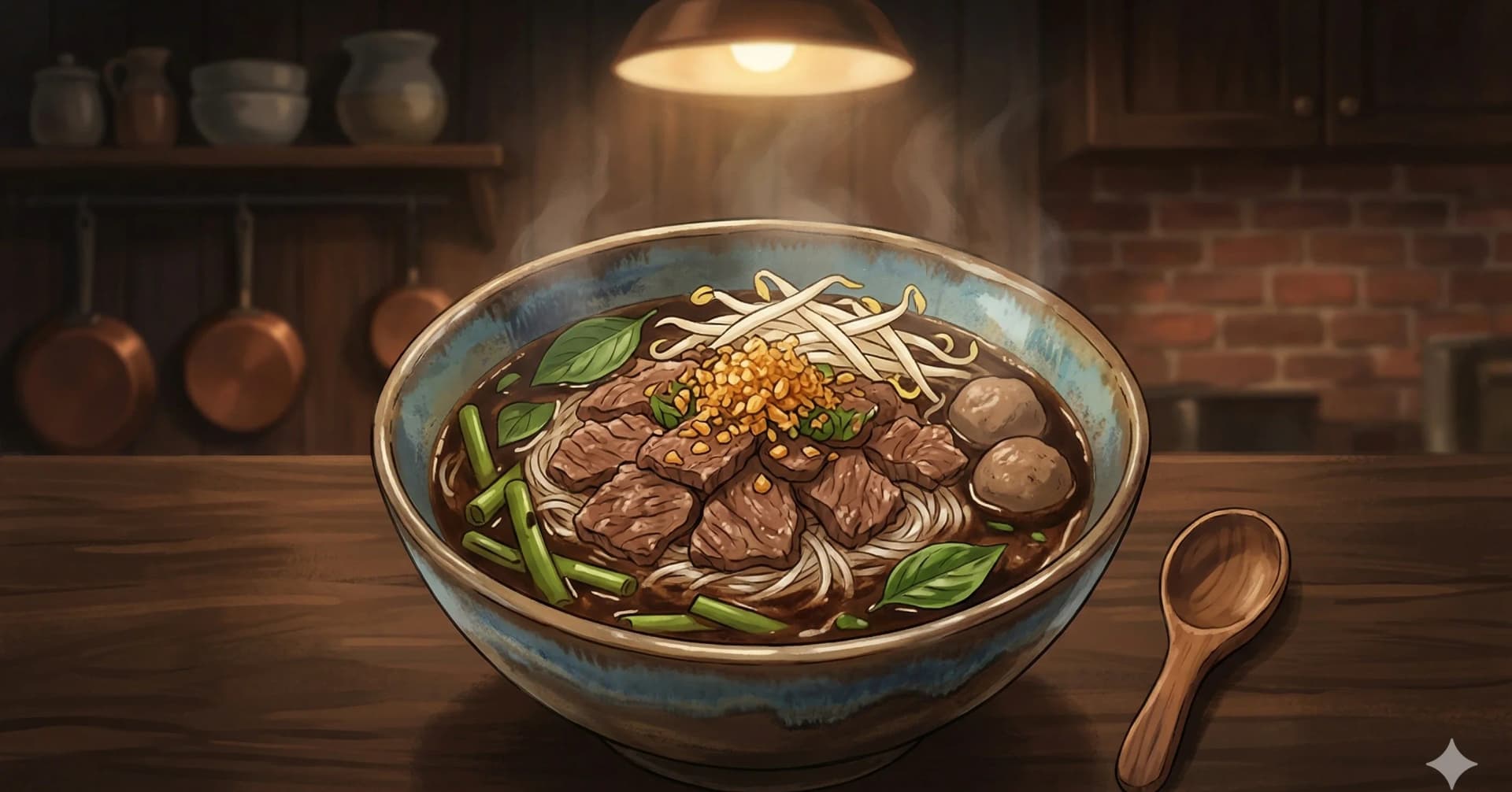
Boat Noodles (ก๋วยเตี๋ยวเรือ)
3 hours 15 minutes
 Medium
Indonesian Cuisine
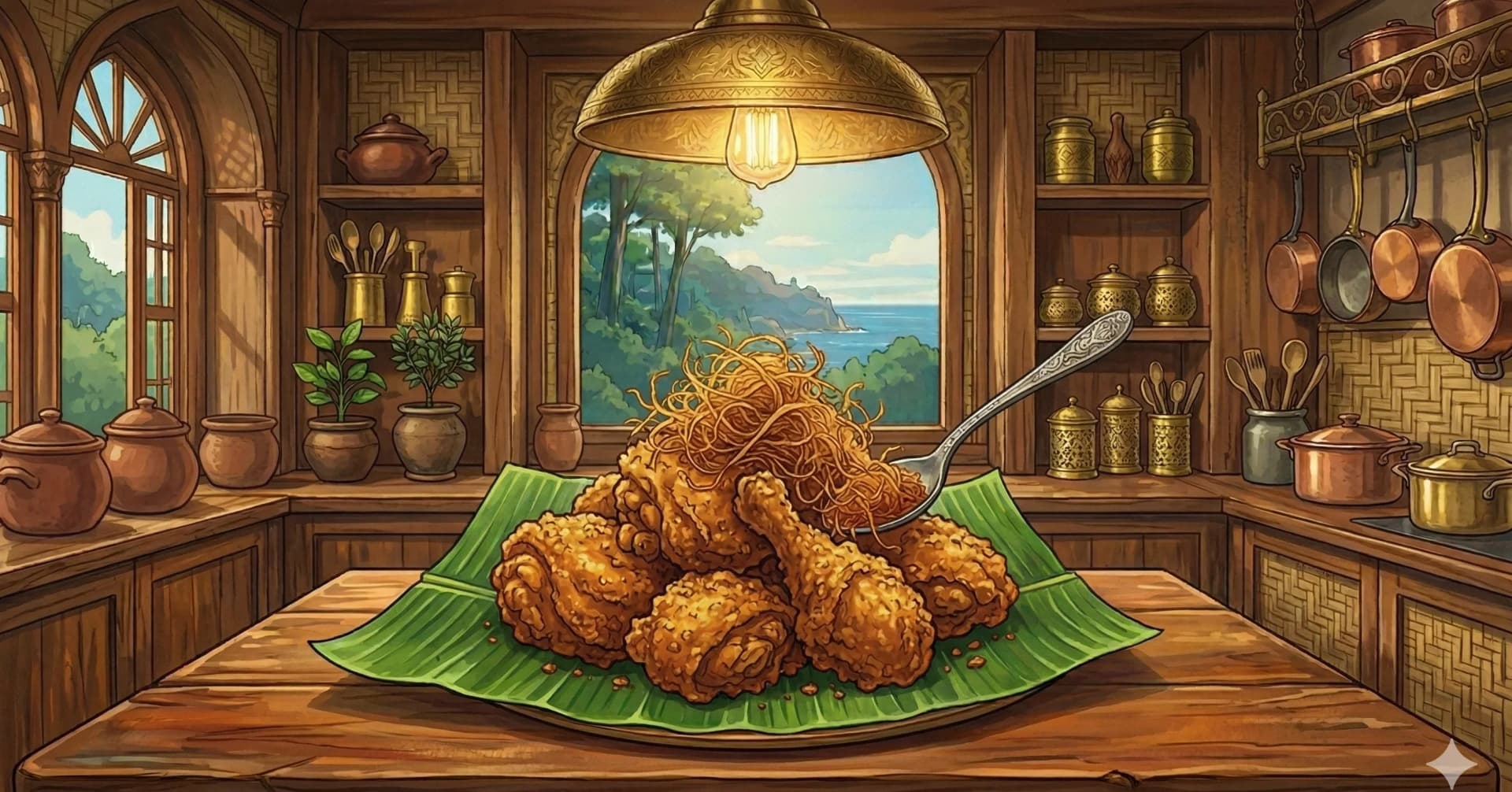
Ayam Goreng Lengkuas (Galangal Fried Chicken)
1 hour 45 minutes
 Easy
EasyIndonesian Cuisine
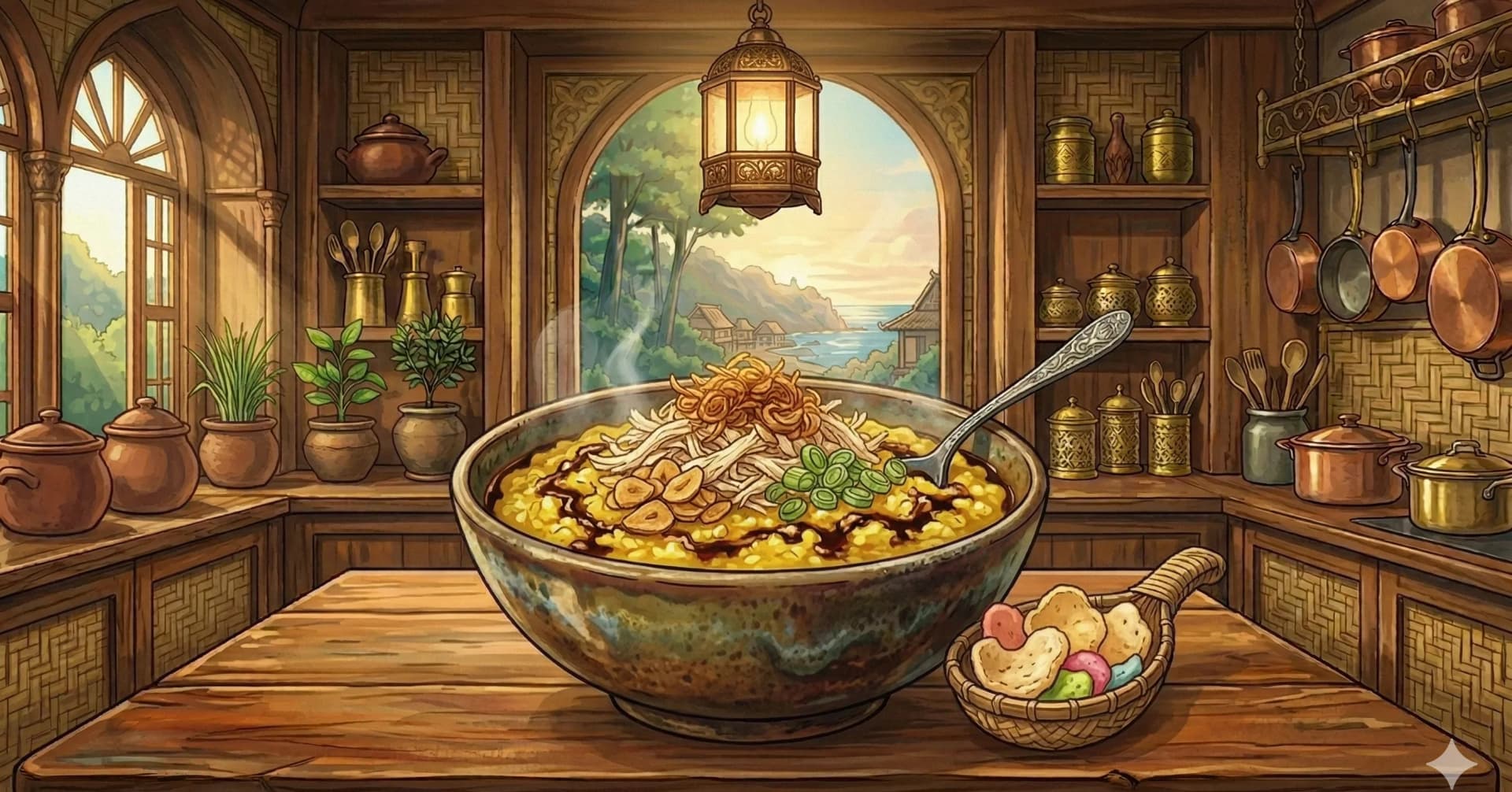
Bubur Ayam (Indonesian Chicken Rice Porridge)
1 hour 10 minutes
 Medium
Vietnamese Cuisine
Spicy Beef Noodle Soup (Bún Bò Huế)
3 hours 45 minutes
Ratings & Comments
Ratings & Comments
Ratings
Share your thoughts on this recipe.
Sign in to rate and comment