Korean Cuisine
Dakdoritang (Braised Spicy Chicken)
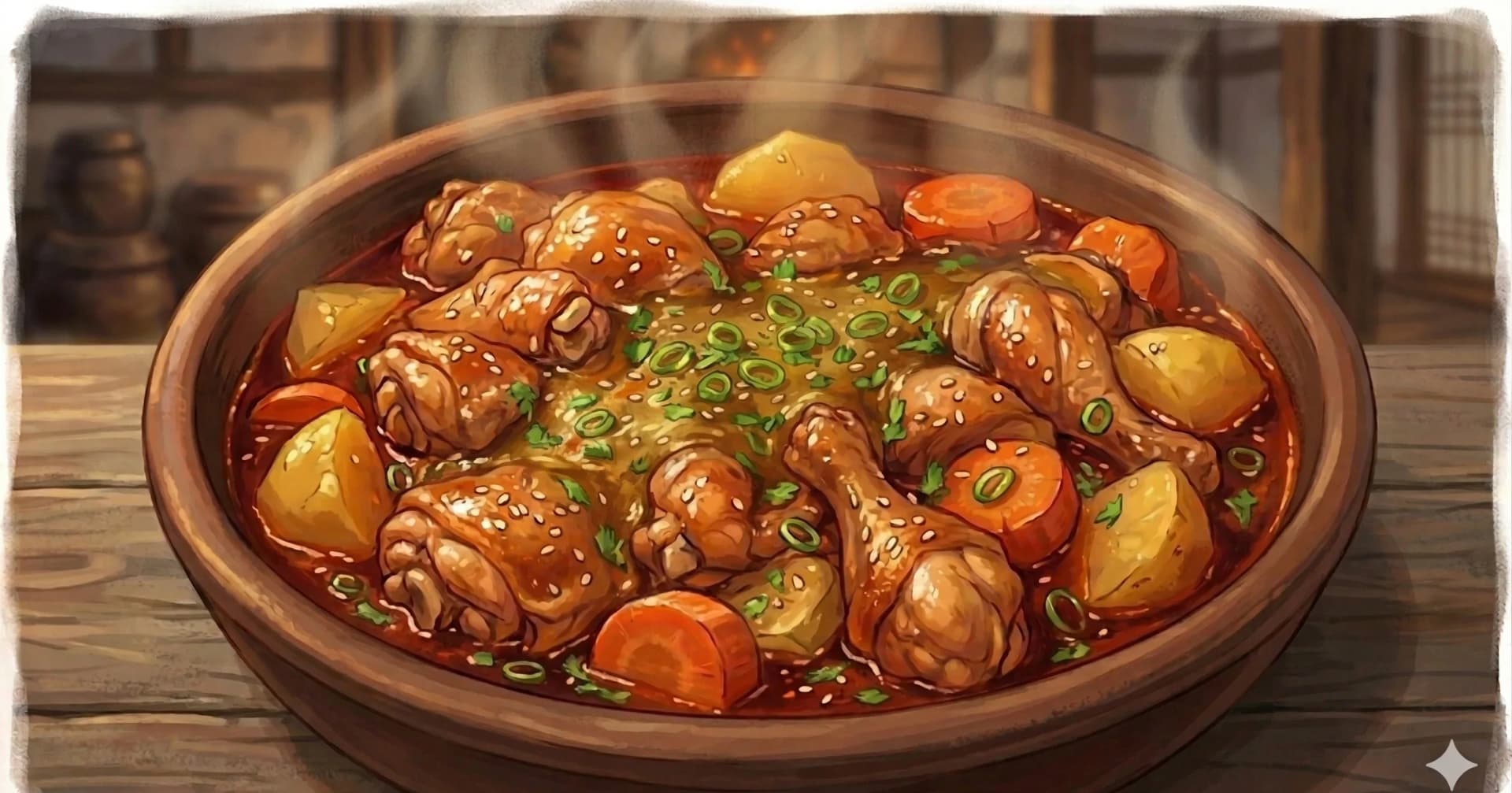
Bone-in chicken pieces braised in a spicy gochugaru sauce with potatoes, carrots, and onions
Dakdoritang is the kind of dish that simmers on the stove on a cold evening, filling the kitchen with a warm, spicy aroma that promises something deeply satisfying. It is a one-pot braise where chicken pieces cook slowly in a red sauce until the meat is falling-off-the-bone tender and the potatoes have absorbed all the flavors of the surrounding broth.
The name itself has an interesting history. "Dak" means chicken, and "tang" means soup or stew, but "dori" is thought to derive from the Japanese word for bird (tori), a linguistic remnant from the colonial period. Some Koreans prefer the name "dakbokkeumtang" (chicken stir-fry stew) to avoid the Japanese loanword, but both names refer to the same beloved dish.
What makes dakdoritang different from dak galbi is the cooking method. Where dak galbi is stir-fried in a flat pan, dakdoritang is braised in liquid. The sauce is similar, built on a foundation of gochugaru and often gochujang, but the slow simmer transforms it into something richer and more mellow. The potatoes break down slightly at the edges, thickening the sauce naturally. The carrots go soft and sweet. The onions melt into the broth.
This is home cooking at its most comforting, the sort of meal that requires little technique but rewards patience. Serve it over steamed rice with a side of kkakdugi and let the pot do the work.
At a Glance
Yield
4 servings
Prep
20 minutes
Cook
40 minutes
Total
1 hour
Difficulty
Easy
Ingredients
Marinade Ingredients
- 2 lbbone-in chicken pieces (thighs, drumsticks, and/or wings), cut into large pieces
- 1 tbspsoy sauce
- 1 tbsprice wine (mirin)
- 1/4 tspground black pepper
Sauce Ingredients
- 5 tspgochugaru (Korean chili flakes)
- 1 tbspgochujang (Korean chili paste)
- 3 tbspsoy sauce
- 2⅞ tspsugar
- 1 tbsprice wine (mirin)
- 1½ tbspminced garlic (about 3 cloves)
- 2½ tspminced ginger
- 1 tbsptoasted sesame oil
- 1/2 tspground black pepper
- 1 cupwater
To Finish
- ¾ lbpotatoes (about 2 medium), peeled and cut into 4 cm chunks
- 1medium carrot, roll-cut or cut into 2.5 cm pieces
- 1medium onion, cut into large wedges
- 2green onions, cut into 5 cm pieces
- 1to 2 green or red chili peppers, sliced diagonally (optional)
Method
- 1
Season the chicken. Place the chicken pieces in a bowl and toss with 1 tablespoon soy sauce, 1 tablespoon rice wine, and black pepper. Set aside for 10 minutes while you prepare the vegetables and sauce.
- 2
Make the sauce. In a bowl, combine the gochugaru, gochujang, soy sauce, sugar, rice wine, garlic, ginger, sesame oil, black pepper, and water. Stir until smooth.
- 3
Brown the chicken (optional). For richer flavor, heat a tablespoon of cooking oil in a large heavy pot or Dutch oven over medium-high heat. Sear the chicken pieces skin-side down for 2 to 3 minutes until the skin turns golden. This step is optional but adds depth to the finished dish.
- 4
Braise the chicken. Add the potatoes, carrot, and onion to the pot. Pour the sauce over everything. If the chicken was not browned, simply layer the raw chicken and vegetables in the pot and add the sauce. Bring to a boil over medium-high heat.
- 5
Simmer. Reduce the heat to medium-low, cover, and simmer for 30 to 35 minutes. Stir gently every 10 minutes, spooning the sauce over the chicken to baste it. The chicken is done when the meat pulls away easily from the bone and the potatoes are tender when pierced with a knife.
- 6
Finish. Add the green onions and sliced chili peppers during the last 5 minutes of cooking. Taste the sauce and adjust with more soy sauce or sugar if needed. The sauce should be a balance of spicy, savory, and slightly sweet.
- 7
Serve. Ladle the chicken, vegetables, and sauce over steamed short-grain rice. The sauce is the star here, so be generous.
Key Ingredient Benefits
Bone-in chicken: Cooking chicken on the bone yields more flavorful, juicy meat than boneless pieces. The bones also release collagen into the braising liquid, which research suggests may support joint and skin health when consumed regularly. Dark meat (thighs and drumsticks) contains more iron and zinc than breast meat.
Gochugaru: Korean chili flakes are typically made from Cheongyang or Taeyang peppers, sun-dried and coarsely ground. They sit around 4,000 to 8,000 Scoville units, making them moderately spicy. The capsaicin content has been studied for its thermogenic effects and potential to support metabolic function.
Potatoes: Provide potassium (more per serving than bananas), vitamin C, and B6. When cooled after cooking, some of the starch converts to resistant starch, which functions similarly to dietary fiber. In a braise like dakdoritang, the potatoes serve both as a vegetable and as a natural thickener.
Why This Works
Braising bone-in chicken in liquid produces a different result than stir-frying. The collagen in the bones and connective tissue dissolves into the sauce over the 30-minute simmer, creating body and richness. The potatoes absorb the gochugaru-laden sauce and begin to break down slightly at the edges, naturally thickening the braising liquid.
The combination of gochugaru and gochujang creates a layered spiciness. Gochugaru provides color and a fruity, smoky heat, while gochujang contributes fermented umami depth. The rice wine and sugar balance the heat, and the sesame oil added at the beginning rounds out the sauce with a nutty richness that persists through the long cook.
Substitutions & Variations
Chicken cuts: A whole chicken cut into pieces works well. Remove excess fat and the tail. Some cooks prefer using only legs and thighs for their higher fat content and richer flavor.
Spice level: For a milder version, reduce the gochugaru to 2 tablespoons and omit the fresh chili peppers. For more heat, increase the gochugaru or add a spoonful of gochujang.
Rice cakes: Adding sliced rice cakes (tteok) to the pot in the last 10 minutes of cooking is a popular variation that adds chewy texture.
Zucchini or sweet potato: Can be added alongside or instead of regular potatoes. Add zucchini in the last 10 minutes to prevent it from becoming too soft.
Serving Suggestions
Dakdoritang needs steamed short-grain rice to soak up the sauce. Serve with kkakdugi for a crunchy, spicy counterpoint, or baek-kimchi if you want a non-spicy side. Gyeran-jjim is a gentle, soothing contrast to the heat. A simple bowl of kongnamul-guk rounds out the meal.
Storage & Reheating
Refrigerator: Store in a sealed container for up to 4 days. The flavors deepen and improve overnight as the sauce continues to permeate the chicken and vegetables.
Freezer: Freeze in an airtight container for up to 1 month. The potatoes may become slightly softer after thawing, but the overall dish reheats well.
Reheating: Warm gently in a pot over medium heat, adding a splash of water if the sauce has thickened too much. Stir occasionally to prevent sticking. The dish is even better the next day.
Cultural Notes
Dakdoritang (닭도리탕) has one of the most contested names in Korean cooking. Dak (닭) is unambiguously "chicken" and tang (탕) is "soup or stew," but the middle syllable dori is debated. Some linguists trace it to the Japanese word tori (鳥, bird), a loanword that supposedly entered Korean during the colonial period (1910-1945). Others argue it derives from the native Korean verb dorida (도리다, to cut or chop), pointing to the way bone-in chicken pieces are cleavered for the dish.
The argument is not academic. In the 1980s and 1990s, South Korean language-purification campaigns proposed renaming the dish dakbokkeumtang (닭볶음탕, "stir-fried chicken stew") to remove the suspected Japanese root. Both names are in active use today. Dakbokkeumtang dominates in official media. Dakdoritang still leads in home cooking, on restaurant menus, and in casual conversation. The persistence of the older name through the rename campaign tells you something about how deeply embedded the dish is in everyday Korean culinary memory.
Whatever you call it, the dish itself is unambiguously old-school Korean home cooking. It is the kind of one-pot braise that fills the whole house with the smell of gochugaru, garlic, and slow-simmering chicken on a cold weekend afternoon. The braised potatoes that absorb the fiery red sauce are often the favorite part of the bowl. Modern variations include a Chuncheon version that runs closer to dak galbi, and a Jeolla-province version that adds whole dried red chilies and more sugar.
Together with kimchi jjigae and sundubu jjigae, dakdoritang is part of the proof that the Korean stew tradition has no real end. Every region, every household, every season has its own version.
Nutrition Facts
Calories: 451kcal (23%)|Total Carbohydrates: 25.3g (9%)|Protein: 32.4g (65%)|Total Fat: 23.8g (31%)|Saturated Fat: 6.3g (32%)|Cholesterol: 159mg (53%)|Sodium: 742mg (32%)|Dietary Fiber: 2.8g (10%)|Total Sugars: 6.9g
You Might Also Like
 Medium
Cross-Cultural · Korea
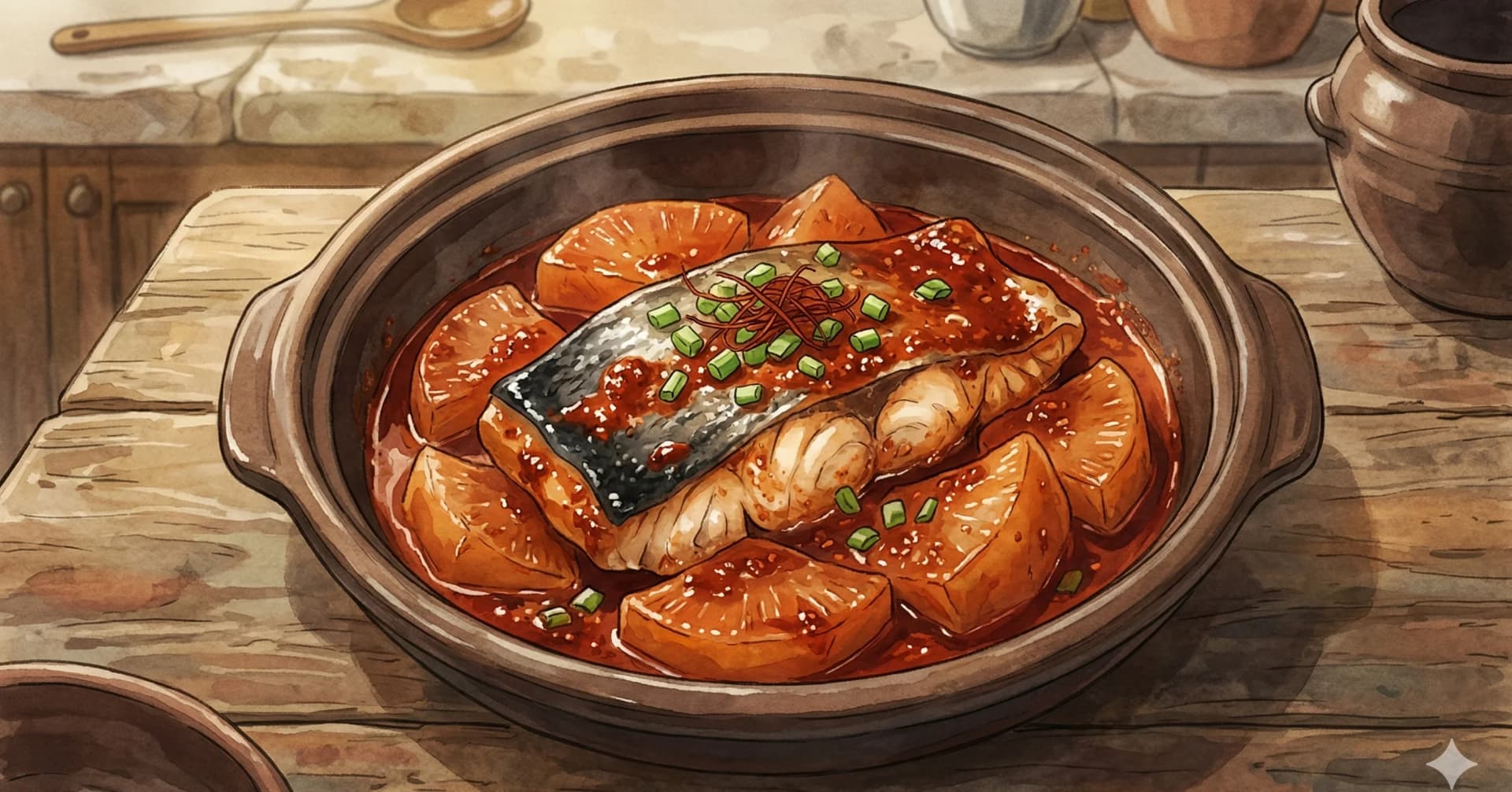
Braised Black Cod (Eundaegu-jorim / 은대구조림)
45 minutes
 Easy
EasyVietnamese Cuisine
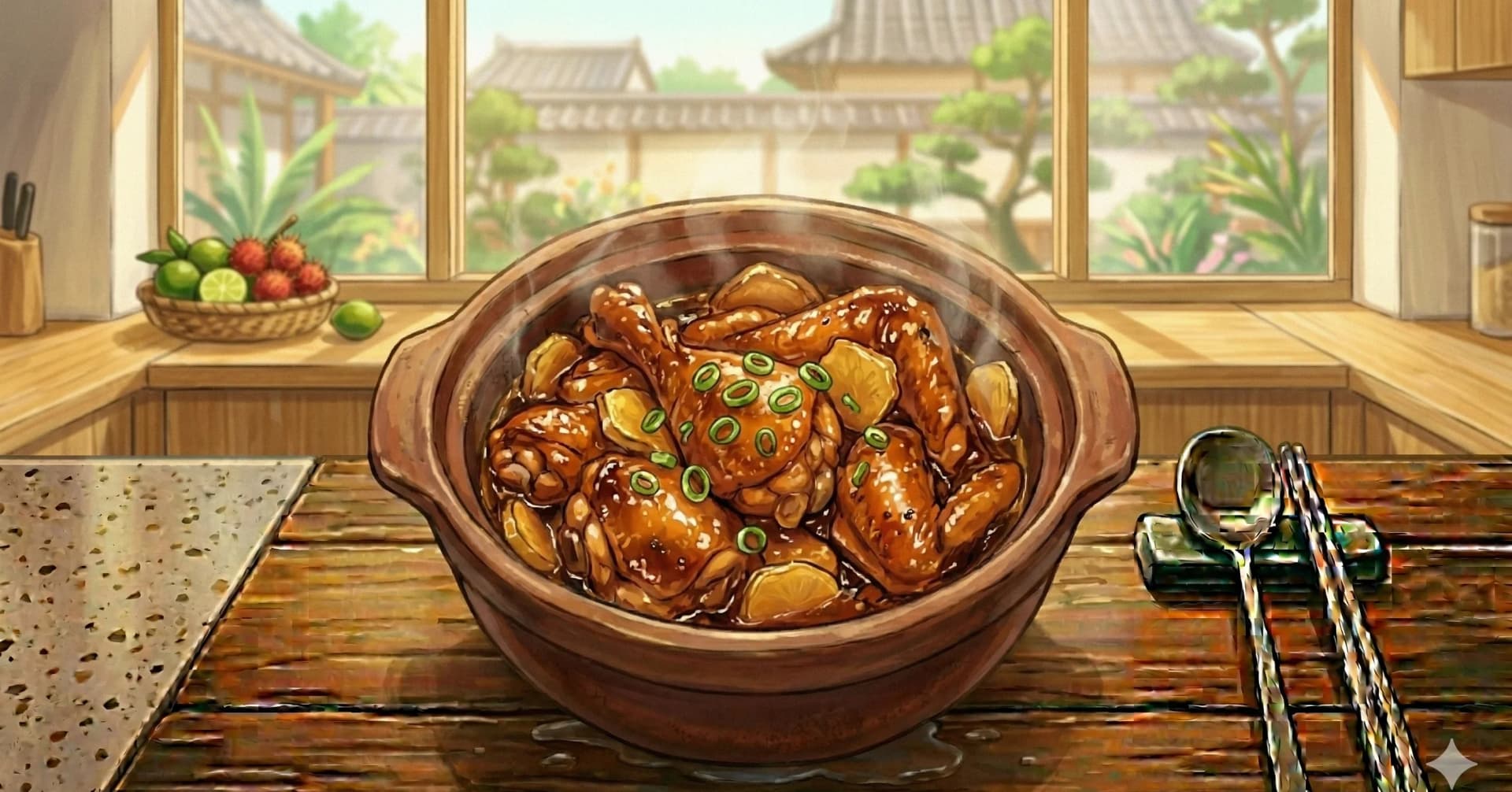
Ga Kho Gung (Vietnamese Caramelized Ginger Chicken)
1 hour
 Easy
EasyVietnamese Cuisine
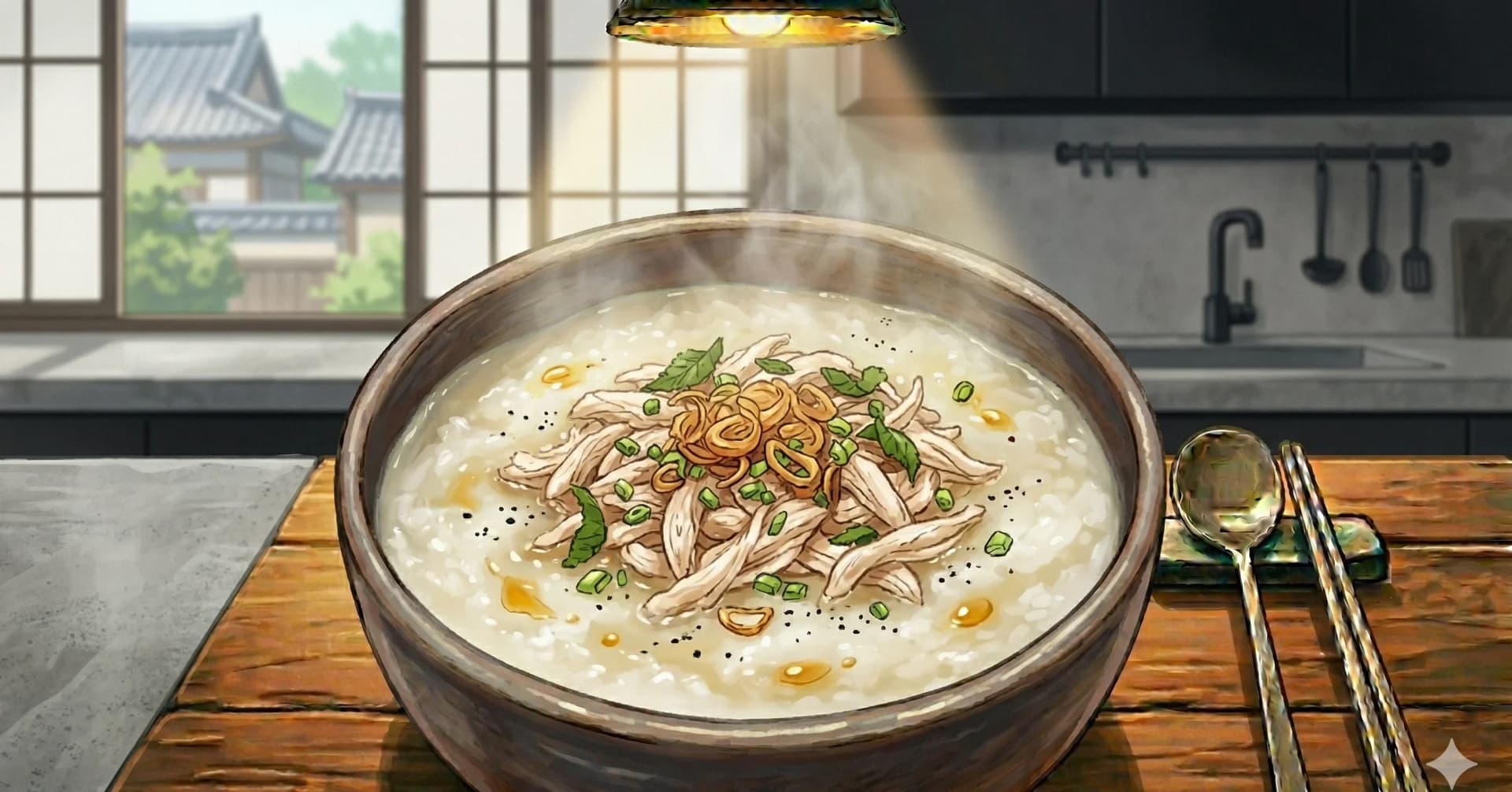
Cháo Gà (Vietnamese Chicken Rice Porridge)
1 hour 30 minutes
 Easy
EasyKorean Cuisine
Bibim Naengmyeon (Spicy Mixed Cold Noodles)
30 minutes
Ratings & Comments
Ratings & Comments
Ratings
Share your thoughts on this recipe.
Sign in to rate and comment