Cross-Cultural · Korea
Hand-Torn Noodle Soup (Sujebi / 수제비)
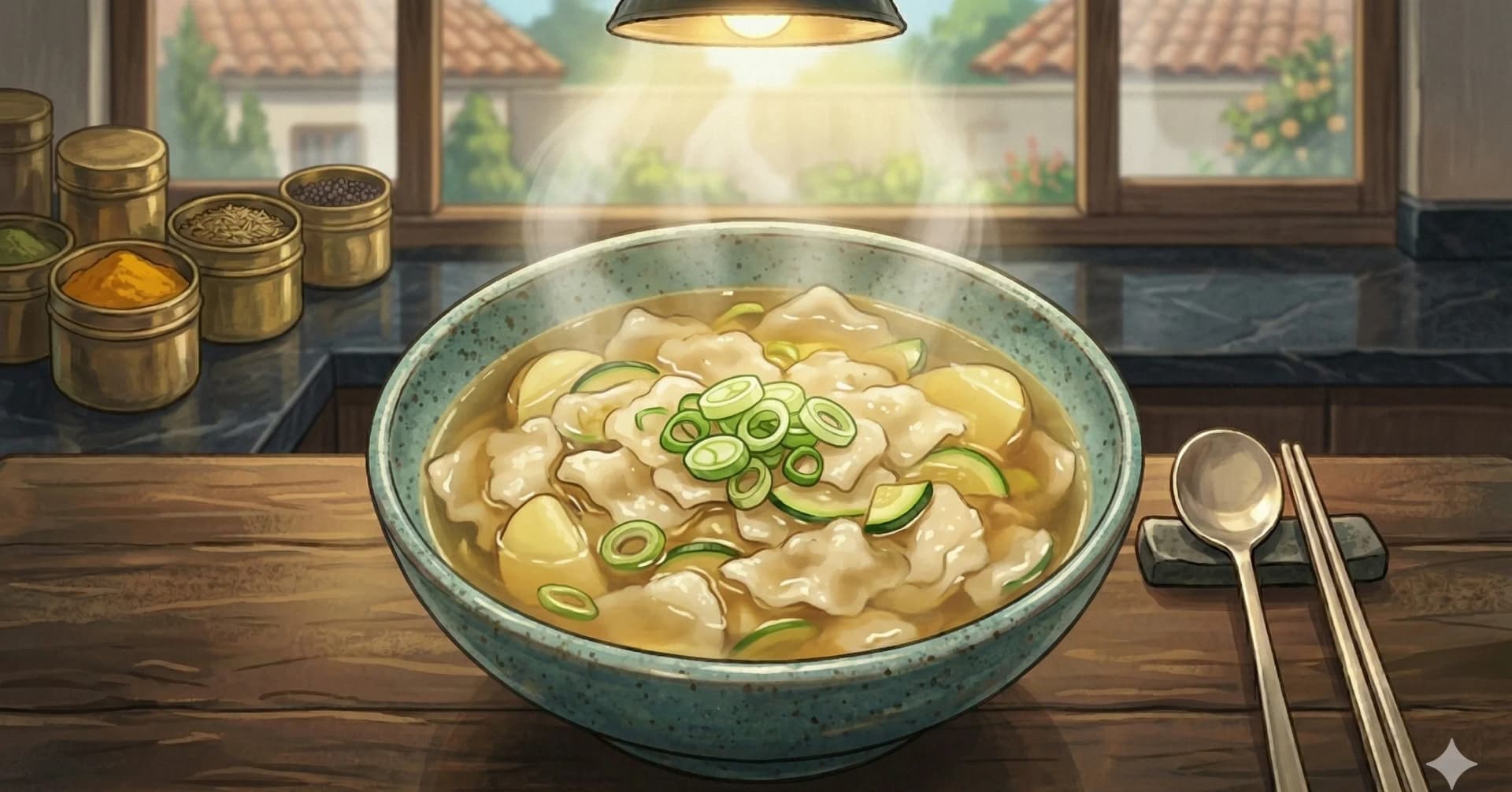
Hand-torn noodle soup in an anchovy-kelp broth with potato and zucchini, Korean rainy-day comfort food
Sujebi is the soup Koreans make on rainy days. The name means "hand-torn noodles," and the technique is exactly what it sounds like: you hold a ball of dough in one hand, stretch and tear thin pieces with the other, and drop them directly into a pot of simmering anchovy-kelp broth. The noodles cook in about two minutes, floating to the surface when they are done. It is one of the most tactile, satisfying ways to cook.
The dough is simple flour, water, salt, and a tablespoon of oil, kneaded until firm and smooth. It needs to rest in the refrigerator for at least thirty minutes, which relaxes the gluten and makes it easier to stretch. The stretching is the fun part. You pull the dough into thin, irregular sheets, the thinner the better, and tear them into bite-sized pieces. The irregularity is the point. Some pieces are thick and chewy, some are thin and silky, and the variation in texture is what makes sujebi more interesting than uniform machine-cut noodles.
The broth is an anchovy-kelp stock that simmers for forty minutes before the noodles go in. Potatoes, onion, and garlic add body and sweetness. Fish sauce and soup soy sauce (guk-ganjang) add seasoning. The kelp is removed, cut into bite-sized pieces, and added back in. Then the noodles go in, the green onion and sesame oil go on at the end, and the whole thing goes to the table in big bowls with kimchi on the side. It is the kind of soup that makes a gray afternoon feel worth having.
At a Glance
Yield
2 servings
Prep
1 hour
Cook
50 minutes
Total
1 hour 50 minutes
Difficulty
Easy
Ingredients
Dough Ingredients
- 2 cupsall-purpose flour
- 3/4 cupswater
- 1/2 tspsalt
- 1 tbspvegetable oil
Broth Ingredients
- 10 cupswater, for stock
- 12large dried anchovies, heads and guts removed
- 1piece dried kelp, about 4-5 inches square
- 2medium potatoes, peeled, cut into bite-sized pieces
- 1/2 cuponion, sliced
- 3garlic cloves, minced
- 1 tbspfish sauce
- 1 tbspsoup soy sauce (guk-ganjang), or 1-2 tsp salt
- 1scallion stalk, chopped
- 1-2 tsptoasted sesame oil
Method
- 1
Make dough. Mix flour, 3/4 cup water, salt, and oil. Knead 10-15 min until firm and smooth. Place in a plastic bag and refrigerate at least 30 min.
- 2
Make stock. Add kelp and anchovies to 10 cups water. Boil 20 min on medium-high, then simmer 20 min more. Remove and discard the anchovies and kelp.
- 3
Add potatoes, onion, and garlic to the stock. Boil 10-15 min on medium-high.
- 4
Add fish sauce and soup soy sauce.
- 5
Tear noodles. Hold dough in one hand, stretch and tear thin pieces into the boiling soup. Repeat until all dough is used. Cover and cook until noodles float to the surface.
- 6
Add scallion and sesame oil. Serve hot with kimchi.
Key Ingredient Benefits
All-purpose flour: The dough for sujebi noodles is made with simple wheat flour. The dough is kneaded firmly, rested, and then torn into rough, irregular pieces rather than rolled and cut. This irregular shape is what defines sujebi — the uneven pieces have varied thicknesses that cook to slightly different textures within a single bowl.
Dried anchovies: The foundation of the broth. Korean dried anchovies (myeolchi) are simmered briefly with dried kelp to produce a clear, deeply umami broth. This is the same broth base used in most Korean home-style soups and is the secret behind their characteristic depth without needing meat stock.
Dried kelp (dashima): Korean dried kelp adds glutamates to the broth, working synergistically with the nucleotides in anchovies to produce more umami than either ingredient alone. The kelp is added cold and removed before the broth boils to avoid releasing bitter alginic acid.
Potatoes: Cut into chunks and added to the broth, potatoes thicken the soup naturally as they release starch, and provide a soft, comforting bite alongside the chewy noodles. They are the heartiest component of an otherwise light soup.
Soup soy sauce (guk-ganjang): A specific type of Korean soy sauce used for soups and clear broths. Lighter in color than regular soy sauce, with a saltier and more straightforwardly savory profile, it seasons without darkening the broth. Korean cooking distinguishes carefully between guk-ganjang for soups and jin-ganjang for braising and dipping.
Why This Works
Resting the dough for at least 30 minutes (and ideally an hour or more) is the most important step for sujebi. Freshly mixed dough is tense from kneading; rested dough relaxes and becomes elastic, which means it can be torn into thin, pliable pieces without snapping. Skipping the rest produces tough, thick noodle pieces that need much longer cooking.
The tearing technique is what gives sujebi its name and its character. The torn pieces have uneven edges that catch broth differently than smooth cut noodles, and the irregular thickness means each piece has a slightly different texture — some chewy, some delicate, some almost dumpling-like. This variation is the point of sujebi, not a flaw.
Adding the noodle pieces individually to the simmering broth, rather than dumping them in all at once, prevents them from sticking together. As each piece hits the hot broth, it briefly floats on the surface, then sinks when cooked through. The visual cue — pieces rising back to the surface — signals doneness.
The seasoning is intentionally restrained. Sujebi is meant to be a clean, comforting bowl, not a heavily flavored one. The broth provides the depth; the noodles, potatoes, and aromatics provide the texture and freshness. Adding too much fish sauce or soy sauce muddies the simplicity that makes the dish what it is.
Substitutions & Variations
All-purpose flour: Bread flour produces a slightly chewier noodle. Whole wheat flour can be used for up to 25% of the total flour for a heartier, slightly nuttier noodle. Adding a tablespoon of vital wheat gluten makes the dough more elastic and easier to tear thin.
Dried anchovies: Japanese niboshi work similarly. Bonito flakes (katsuobushi) can substitute for the umami in a pinch — steep 1/4 cup in the kelp broth for 5 minutes. For a vegetarian version, double the kelp and add 4 to 5 dried shiitake mushrooms.
Dried kelp (dashima): Japanese kombu is identical. If unavailable, simply use more anchovies and accept a slightly different umami profile.
Soup soy sauce (guk-ganjang): Regular soy sauce works but use about 70% of the amount called for, since regular soy sauce is darker and changes the broth color. A teaspoon of fish sauce can substitute for some of the saltiness.
Potatoes: Russet works best for the natural thickening starch. Yukon gold gives a more buttery texture but less thickening. Avoid waxy potatoes (red, fingerling), which stay too firm and do not thicken the broth.
Serving Suggestions
Sujebi is a comfort soup, traditionally eaten on rainy or cold days. Serve it hot in deep bowls, ladled directly from the pot at the table. Garnish with sliced scallions and a drizzle of toasted sesame oil at the moment of serving — the heat releases the oil's nutty aroma into the soup.
The classic accompaniment is a small dish of kimchi on the side. The sour, spicy kimchi cuts beautifully through the mild broth and provides the seasoning contrast that makes sujebi feel like a complete meal. Many Koreans actually add a few pieces of well-fermented kimchi directly to their bowl as they eat.
For a more substantial meal, pair with pajeon (scallion pancake) on the side — sujebi and pajeon together is a canonical "rainy day" meal combination in Korean food culture, often served with a small bowl of makgeolli (cloudy rice wine).
Sujebi also works well as a base for additions — adding cooked seafood (clams, shrimp, mussels), kimchi (for kimchi sujebi), or a beaten egg poured in at the end transforms it into different complete meals.
Storage & Reheating
Refrigerator: Store leftover soup with noodles in an airtight container for up to 2 days. The noodles will continue to soften and absorb broth over time, so the texture will be different from freshly made — softer and more dumpling-like.
Reheating: Bring back to a gentle simmer in a covered pot over medium heat. You may need to add a splash of water if the noodles have absorbed too much broth in storage.
Make-ahead: The anchovy-kelp broth can be made up to 3 days in advance and refrigerated, or frozen for up to 3 months. The noodle dough can be made up to 4 hours in advance and kept covered with plastic wrap at room temperature. Beyond that, refrigerate the dough; let it come back to room temperature for 30 minutes before tearing.
Freezing: Not recommended in completed form. The noodles turn mushy on thawing. Freeze the broth separately and make fresh noodles when ready to serve.
Cultural Notes
Sujebi (수제비) is one of Korea's defining "rainy day" foods. The association with rain has both practical and emotional dimensions: traditionally, rainy days kept farmers indoors and were a time for slow, comforting cooking with humble ingredients. The sound of rain on a tiled roof and the soft simmer of sujebi on the stove are intertwined in Korean memory.
The dish has deep historical roots. References to hand-torn wheat noodles in seasoned broth appear in Korean cooking texts from the Joseon dynasty (1392-1897), and the technique itself almost certainly predates that. Sujebi was a peasant food made when wheat flour was available and protein was scarce — the noodles, potatoes, and clear broth provided sustenance without requiring meat.
During the Korean War and the difficult postwar decades, sujebi became a survival food. American wheat aid flooded Korea, and home cooks turned the unfamiliar flour into a Korean format by combining it with their traditional anchovy broths and tearing it by hand because rolling pins were not standard kitchen equipment. The dish has remained associated with frugal, hard times, and many older Koreans have complicated emotional relationships with it.
Modern sujebi has been reclaimed as a beloved comfort food, served in dedicated sujebi-jip (sujebi houses) across Korea, often with kalguksu (knife-cut noodles) as a companion menu item. Variations like kimchi sujebi, haemul sujebi (seafood), and gamja sujebi (potato-heavy) all exist as regional specialties.
Nutrition Facts
Calories: 678kcal (34%)|Total Carbohydrates: 133.4g (49%)|Protein: 18.6g (37%)|Total Fat: 10.2g (13%)|Saturated Fat: 1.2g (6%)|Cholesterol: 0mg (0%)|Sodium: 924mg (40%)|Dietary Fiber: 8.4g (30%)|Total Sugars: 2.8g
You Might Also Like
 Medium
Cross-Cultural · Korea
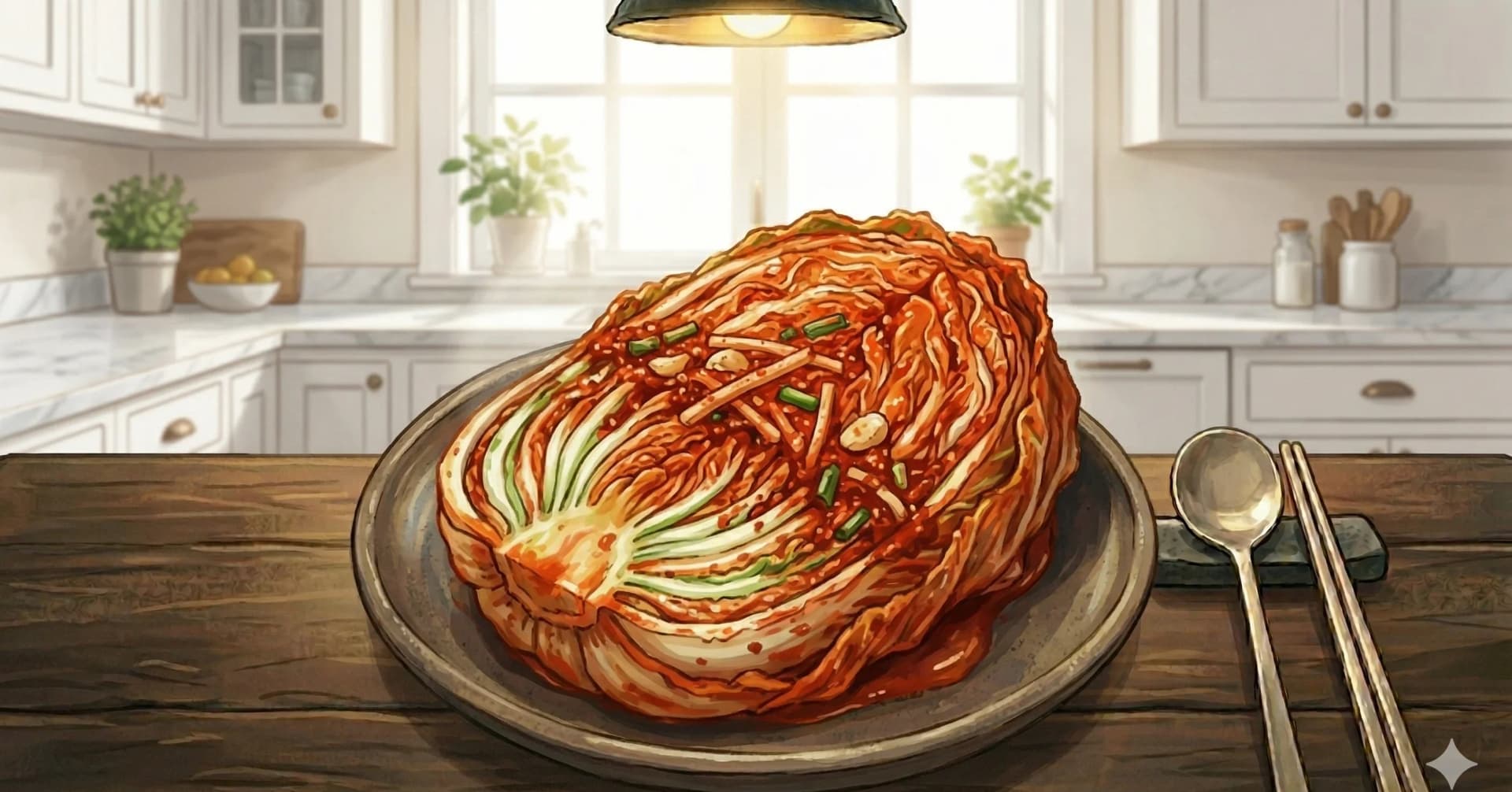
Napa Cabbage Kimchi (통배추김치)
8 hours plus 1-2 days fermentation
 Medium
Cross-Cultural · Korea
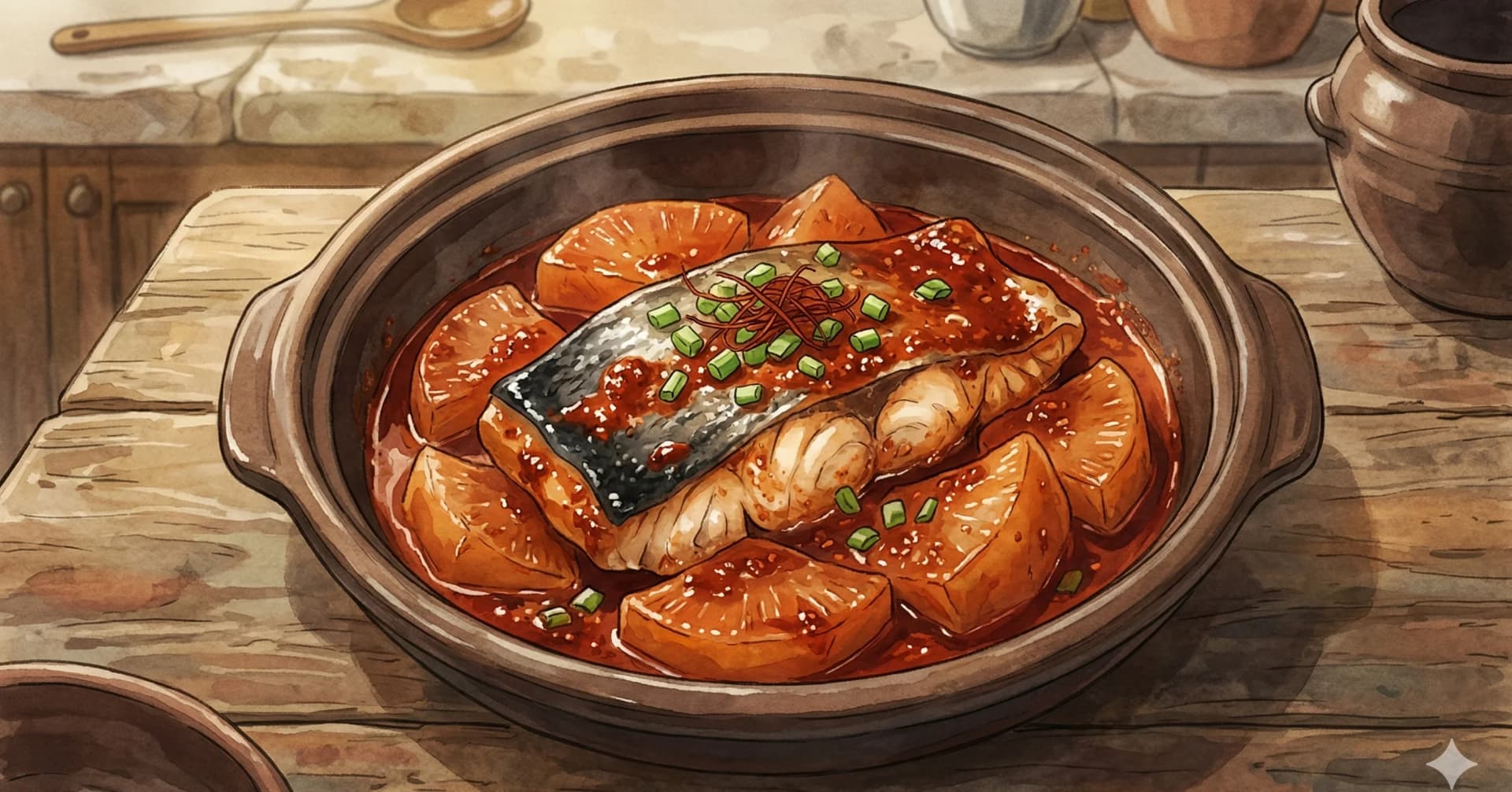
Braised Black Cod (Eundaegu-jorim / 은대구조림)
45 minutes
 Medium
Thai Cuisine
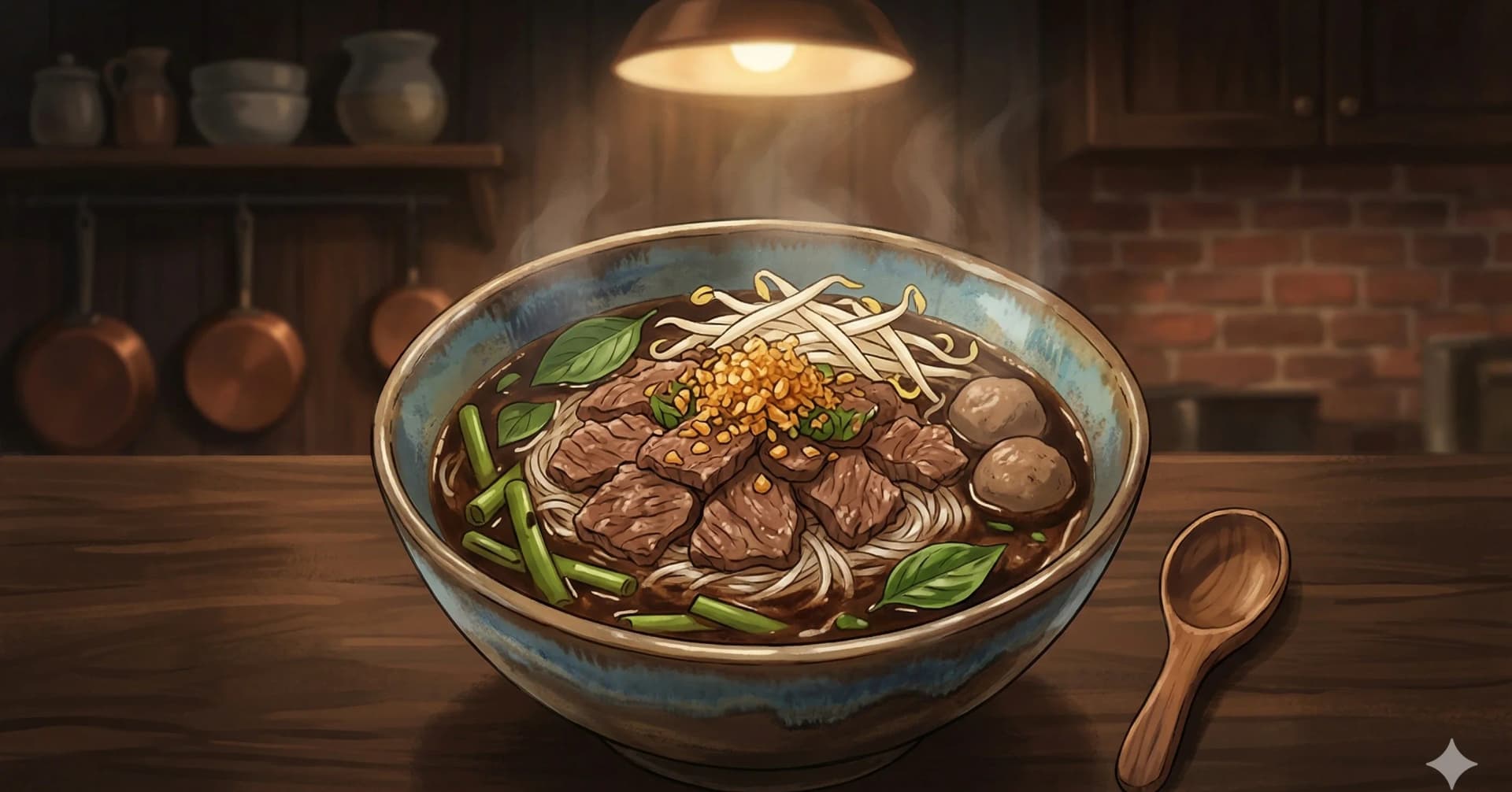
Boat Noodles (ก๋วยเตี๋ยวเรือ)
3 hours 15 minutes
 Medium
Vietnamese Cuisine
Spicy Beef Noodle Soup (Bún Bò Huế)
3 hours 45 minutes
Ratings & Comments
Ratings & Comments
Ratings
Share your thoughts on this recipe.
Sign in to rate and comment