
Cross-Cultural · Korea
Braised Lotus Root (Yeon-geun-jorim / 연근조림)
Lotus roots braised in soy sauce and rice syrup until glossy, chewy, and caramelized
Braised lotus root is one of those banchan that looks like candy and eats like a side dish. The lotus root slices come out of the braising liquid dark, glossy, and slightly translucent, with a texture that is simultaneously chewy and crisp, like nothing else in the vegetable kingdom. The holes in each slice fill with the reduced sauce, creating little wells of flavor.
The technique starts with a vinegar pre-boil that removes starch and bitterness from the raw lotus root. Then the slices stir-fry briefly in oil before being covered with water, soy sauce, and garlic and braised on low heat for forty minutes. Rice syrup goes in next for another twenty minutes of covered cooking, which gives the lotus roots their characteristic sticky sweetness. The final step is uncovering and reducing the sauce on medium-high heat until it thickens into a dark, glossy glaze that coats each slice.
Lotus root is available at Korean, Chinese, and Japanese grocery stores, fresh or frozen. Fresh is preferred but frozen works well. Pre-sliced lotus root in liquid is also available, just make sure the slices are at least a quarter inch thick. The finished banchan keeps for about a week in the fridge and is one of those side dishes that improves over the first few days as the sauce continues to penetrate.
At a Glance
Yield
4 servings
Prep
5 minutes
Cook
75 minutes
Total
80 minutes
Difficulty
Easy
Ingredients
- 1 lblotus root, peeled and sliced 1/4 inch thick
- 1 tspwhite vinegar, for pre-boiling
- 1-2 tbspvegetable oil
- 2 1/4 cupswater
- 1/4 cupsoy sauce
- 2garlic cloves, minced
- 3/4 cupsrice syrup or corn syrup, or 1/2 cup sugar
- 2 tspsesame oil
- 1 tsptoasted sesame seeds
Method
- 1
Boil lotus root slices with vinegar for 5 minutes. Rinse with cold water and drain.
- 2
Stir-fry in oil for 3 minutes until slightly softened.
- 3
Add water, garlic, and soy sauce. Cover and cook on low 40 minutes.
- 4
Add rice syrup, stir, cover again for 20 minutes.
- 5
Uncover, increase to medium-high, stir up to 10 minutes to thicken sauce without burning.
- 6
Remove from heat, add sesame oil. Plate, garnish with sesame seeds.
Key Ingredient Benefits
Lotus root (yeongeun): The rhizome of the lotus plant, with its distinctive hollow chambers that create a beautiful starburst pattern when sliced. Lotus root is crunchy when raw and takes on a slightly waxy, almost candy-like texture when braised. It is a good source of vitamin C, fiber, and potassium, and contains alkaloid compounds that have been studied for various potential health effects, though clinical evidence is limited.
Soy sauce: The savory base of the braising liquid. Korean jin-ganjang (regular soy sauce) is used here for its color and depth. The dark mahogany color is what gives braised lotus root its glossy, almost candied appearance.
Rice syrup: Used in unusually large quantity for this dish — nearly equal to the water — to produce the candy-like glaze that defines yeongeun jorim. Rice syrup specifically (rather than sugar) gives the dish its characteristic glossy, lacquered finish.
Sesame oil and sesame seeds: Added at the end for nutty fragrance and crunch. The oil contrasts with the sweet sauce and adds a layer of richness to the otherwise vegetable-only dish.
White vinegar: Added to the parboiling water for the lotus root. The vinegar prevents the root from oxidizing and turning brown, keeping the finished dish bright and visually appealing.
Why This Works
Parboiling the lotus root in acidulated water (water plus vinegar) before braising is the key to producing a bright, attractive final dish. Raw lotus root oxidizes rapidly and turns gray-brown when cut; the acid prevents this and keeps the slices visually appealing. The brief boil also softens the lotus root just enough that the braise can finish it without taking hours.
The sugar-to-water ratio is intentionally high. Yeongeun jorim is supposed to be sticky and sweet, almost like a savory candy. The high concentration of rice syrup also helps the sauce reduce quickly to a glossy glaze rather than just a flavored cooking liquid.
Stir-frying the lotus root briefly in oil before adding the braising liquid is a small but important step. The brief sauté coats the slices in fat, which prevents them from absorbing too much water and helps them retain their distinctive crunchy-waxy texture in the finished dish.
Reducing the sauce to a syrup-like consistency in the final minutes is what produces the candy-like glaze. The pan should look almost dry at the end, with only a sticky coating left on each slice of lotus root.
Substitutions & Variations
Lotus root: Fresh lotus root is best and available year-round at Asian grocery stores. Pre-sliced frozen lotus root can substitute but loses some of the distinctive crunch. There is no true substitute for lotus root in this dish; the dish's character depends on it specifically. Burdock root (ueong) is a related Korean braised banchan but produces a different, more fibrous result.
Rice syrup: Honey works for both flavor and glaze. Light corn syrup is acceptable. Brown sugar dissolved in equal water can substitute in a pinch.
Soy sauce: Korean jin-ganjang is ideal. Japanese soy sauce works perfectly. Avoid sweet or low-sodium varieties.
Garlic: Can be skipped for a Buddhist temple-style version. The dish loses some depth but becomes more delicate and ingredient-forward.
White vinegar: Any clear, mild vinegar works (rice, distilled). The vinegar is only used for the parboil and is rinsed off, so the flavor does not transfer.
Serving Suggestions
Yeongeun jorim is one of the staple Korean banchan, served in small portions alongside rice and other dishes. Its sweet, glossy character makes it especially appealing alongside savory mains: bulgogi, jeyuk-deopbap, or galbi-jjim. The candy-like sweetness provides relief from richer dishes.
This is also a beloved banchan for dosirak (lunch boxes) — the lotus root holds up beautifully at room temperature, doesn't release liquid, and adds visual interest with its starburst pattern. Generations of Korean students have grown up with yeongeun jorim in their lunch boxes.
Pair with other banchan for a complete table: sigeumchi namul (seasoned spinach), kongnamul muchim (seasoned soybean sprouts), and oi muchim (spicy cucumber salad). A small dish of kimchi provides acidic contrast.
Storage & Reheating
Refrigerator: Keeps in an airtight container for up to 2 weeks. This is one of the longer-keeping Korean banchan, designed to provide convenient flavor for days at a time.
Serving temperature: Equally good cold from the fridge or briefly warmed. Most Korean homes serve it at room temperature, straight from a container brought out at meal time.
Texture over time: The lotus root remains crunchy throughout the storage period. The sauce will continue to thicken slightly as it sits, which most cooks consider a positive trait.
Make-ahead: This is a make-ahead dish by design. The flavor actually improves over 1 to 2 days as the lotus root absorbs more of the soy-syrup glaze.
Freezing: Not recommended. The lotus root texture suffers significantly on thawing.
Cultural Notes
Yeongeun jorim is one of the most recognizable Korean banchan and a beautiful example of the jorim technique applied to vegetables. The visual appeal of lotus root — those distinctive starburst-patterned slices — has made the dish particularly popular for ceremonial meals and formal banchan presentations.
The lotus has profound cultural and religious significance in Korean culture, particularly in Korean Buddhism. The lotus flower, which grows from muddy water but emerges pristine, is a central Buddhist symbol of enlightenment, and the lotus root is treated with corresponding reverence in Korean temple cuisine. Many of the oldest documented versions of yeongeun jorim come from Korean Buddhist temple cookbooks.
The dish is also associated with traditional Korean medicine, where lotus root has been used for centuries to address various conditions including respiratory issues and digestive complaints. While clinical evidence for these traditional uses is limited, the dish has retained its cultural reputation as a "healthy" banchan that benefits the body, particularly when eaten in the cool months.
Modern Korean home cooking has standardized the recipe around the soy-syrup glaze, but regional variations exist. Some Jeolla province versions add doenjang to the braise for additional depth; some Buddhist temple versions skip garlic entirely and use only the natural sweetness of the lotus root and rice syrup. The dish remains one of the most universally loved Korean banchan, appearing in nearly every Korean meal kit and home refrigerator.
Nutrition Facts
Calories: 283kcal (14%)|Total Carbohydrates: 55.7g (20%)|Protein: 4.5g (9%)|Total Fat: 5.6g (7%)|Saturated Fat: 0.6g (3%)|Cholesterol: 0mg (0%)|Sodium: 908mg (39%)|Dietary Fiber: 5.9g (21%)|Total Sugars: 14.9g
You Might Also Like
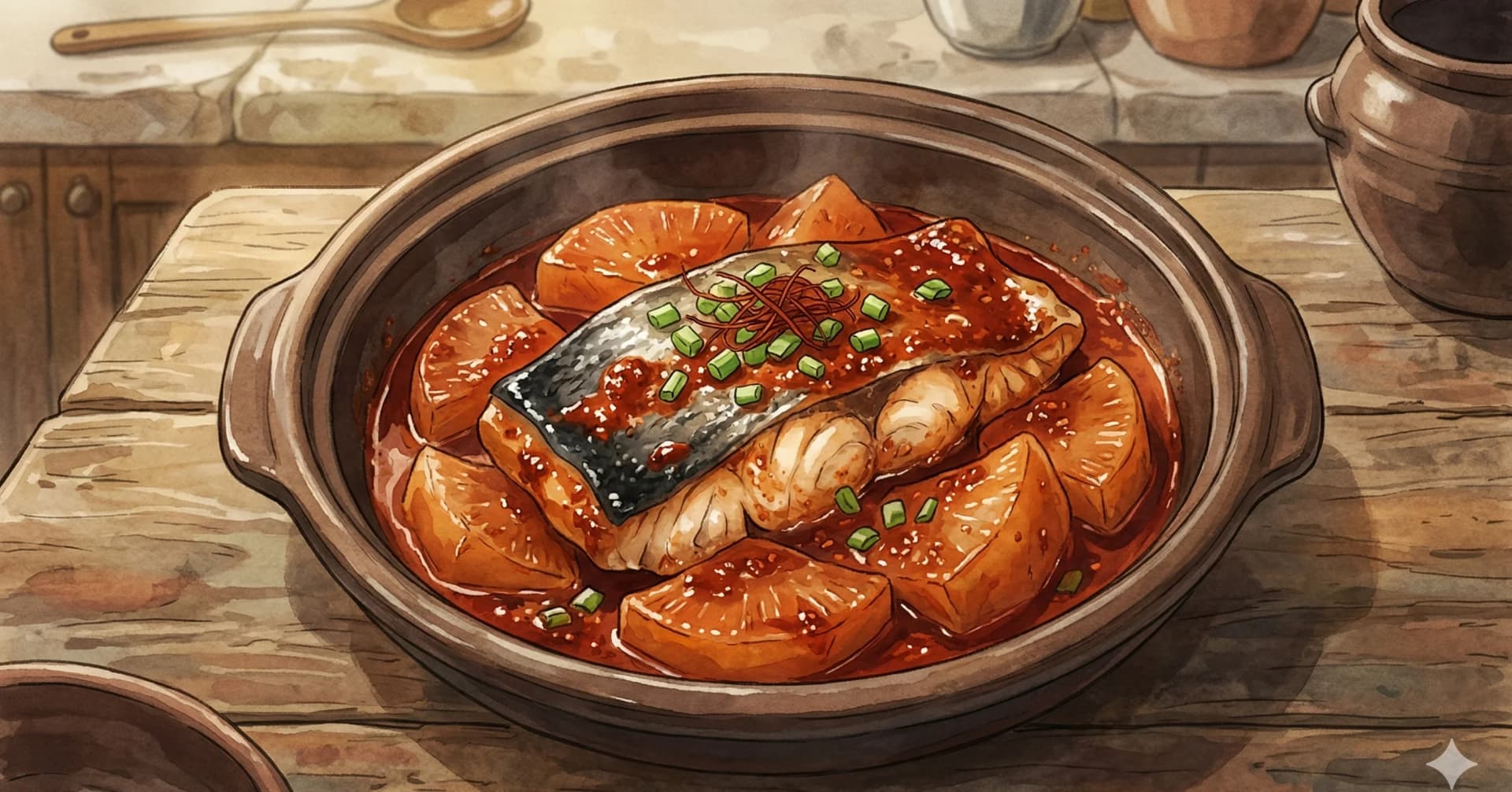 Medium
Cross-Cultural · Korea
Braised Black Cod (Eundaegu-jorim / 은대구조림)
45 minutes
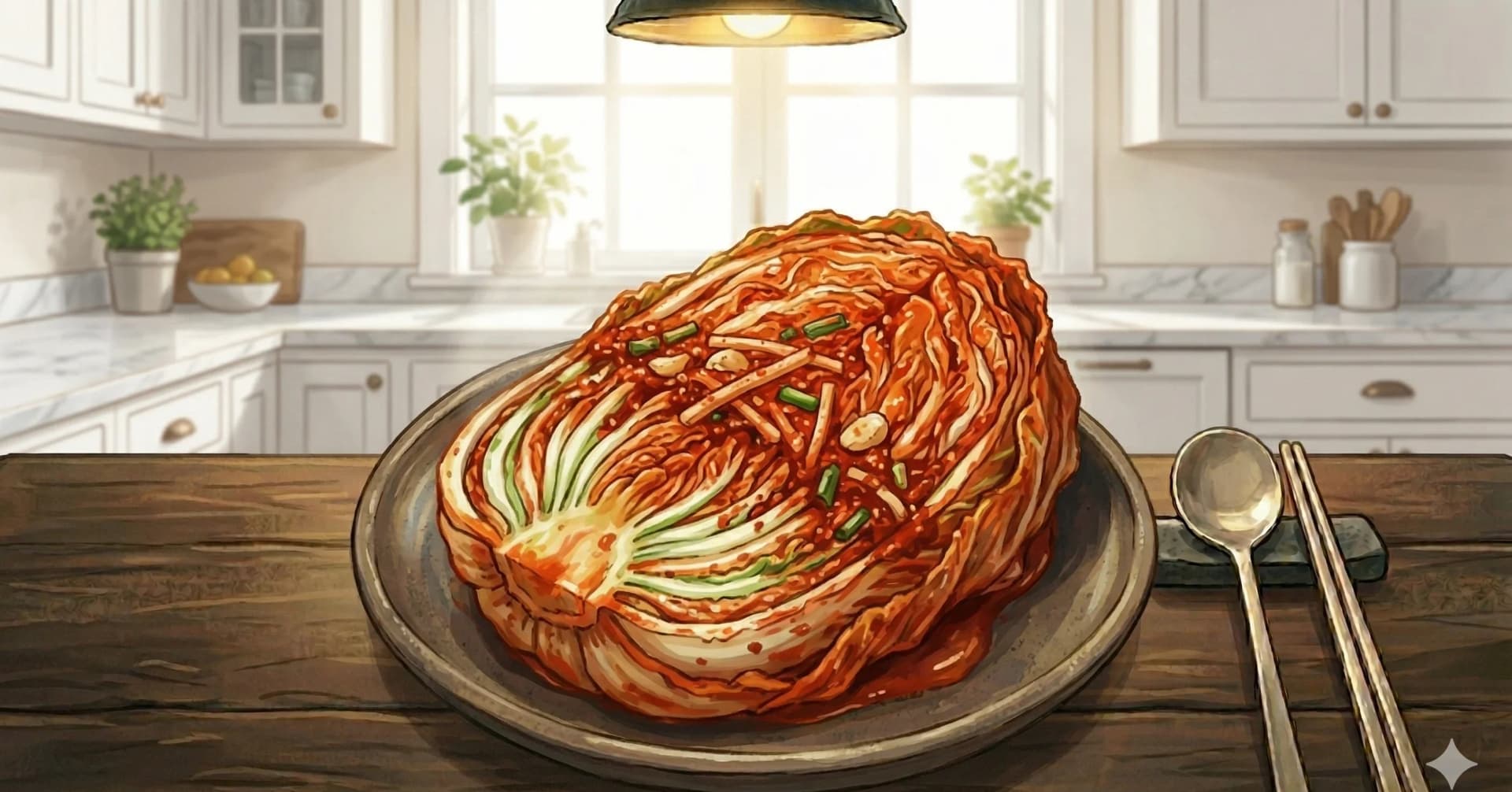 Medium
Cross-Cultural · Korea
Napa Cabbage Kimchi (통배추김치)
8 hours plus 1-2 days fermentation
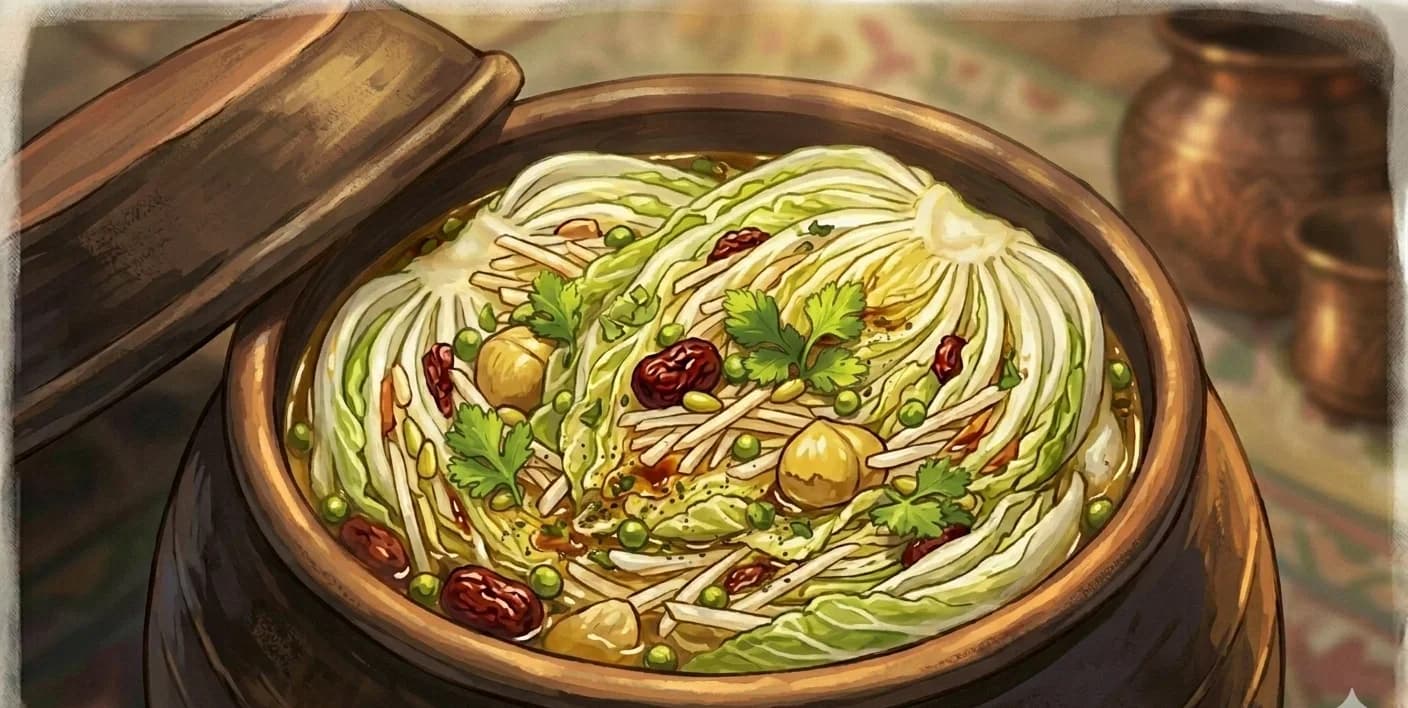 Medium
Korean Cuisine
Baek Kimchi (White Kimchi)
3 hours (plus 1 to 3 days fermentation)
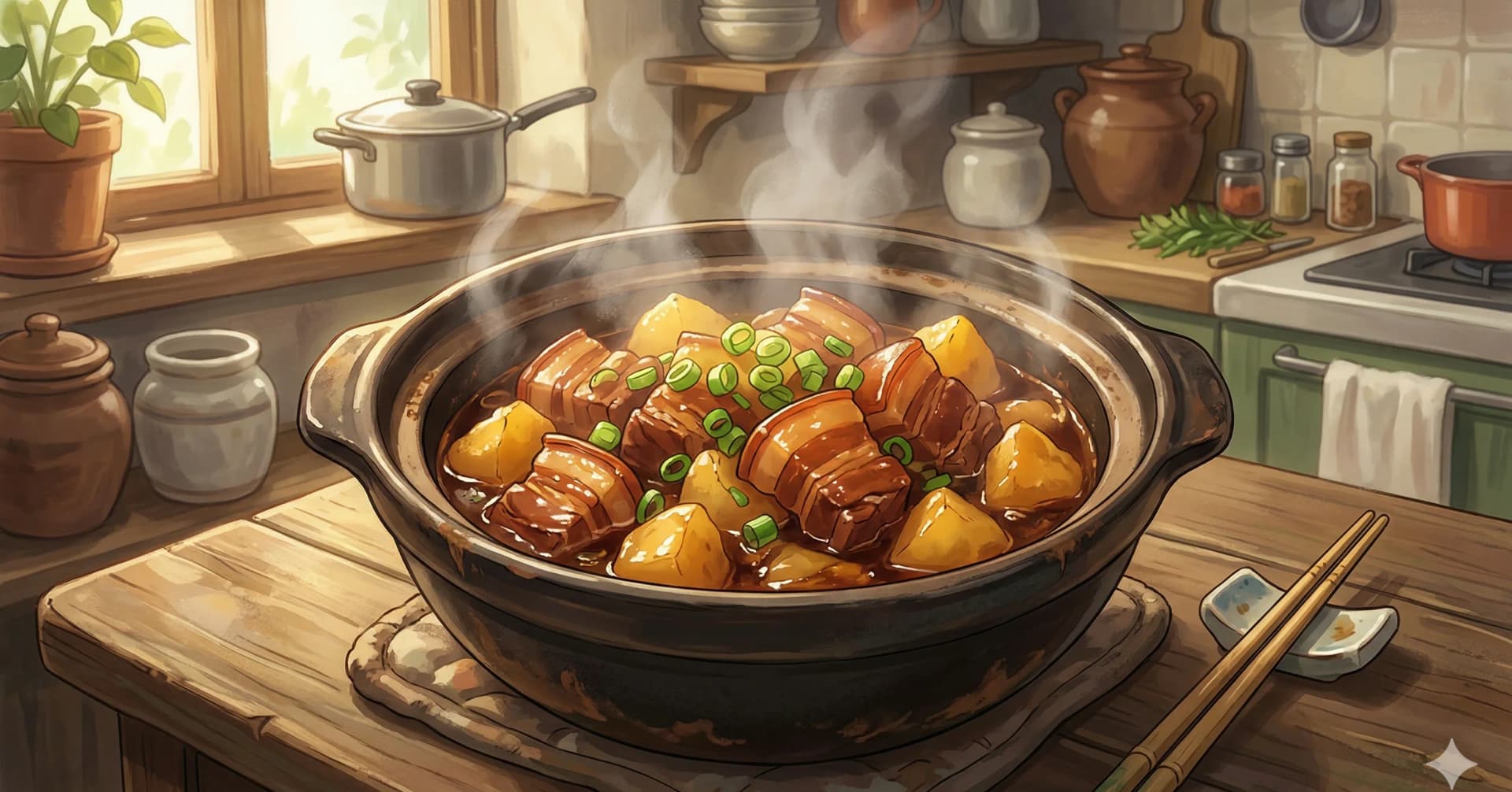 Easy
EasyCross-Cultural · China
Braised Pork with Potatoes (薯仔炆豬肉)
40 minutes
Ratings & Comments
Ratings & Comments
Ratings
Share your thoughts on this recipe.
Sign in to rate and comment