The Indian Pantry Past the Masalas
Everyone stocking an Indian kitchen for the first time buys spices. Turmeric, cumin, coriander, garam masala, a bag of chilli powder, and then they find they still cannot cook most of what they wanted to cook.
Spices are the smallest part of the Indian pantry by volume and the least important part by structure. What actually holds Indian cooking up is lentils, fat, sour and a handful of things that go into hot oil at the beginning of everything.
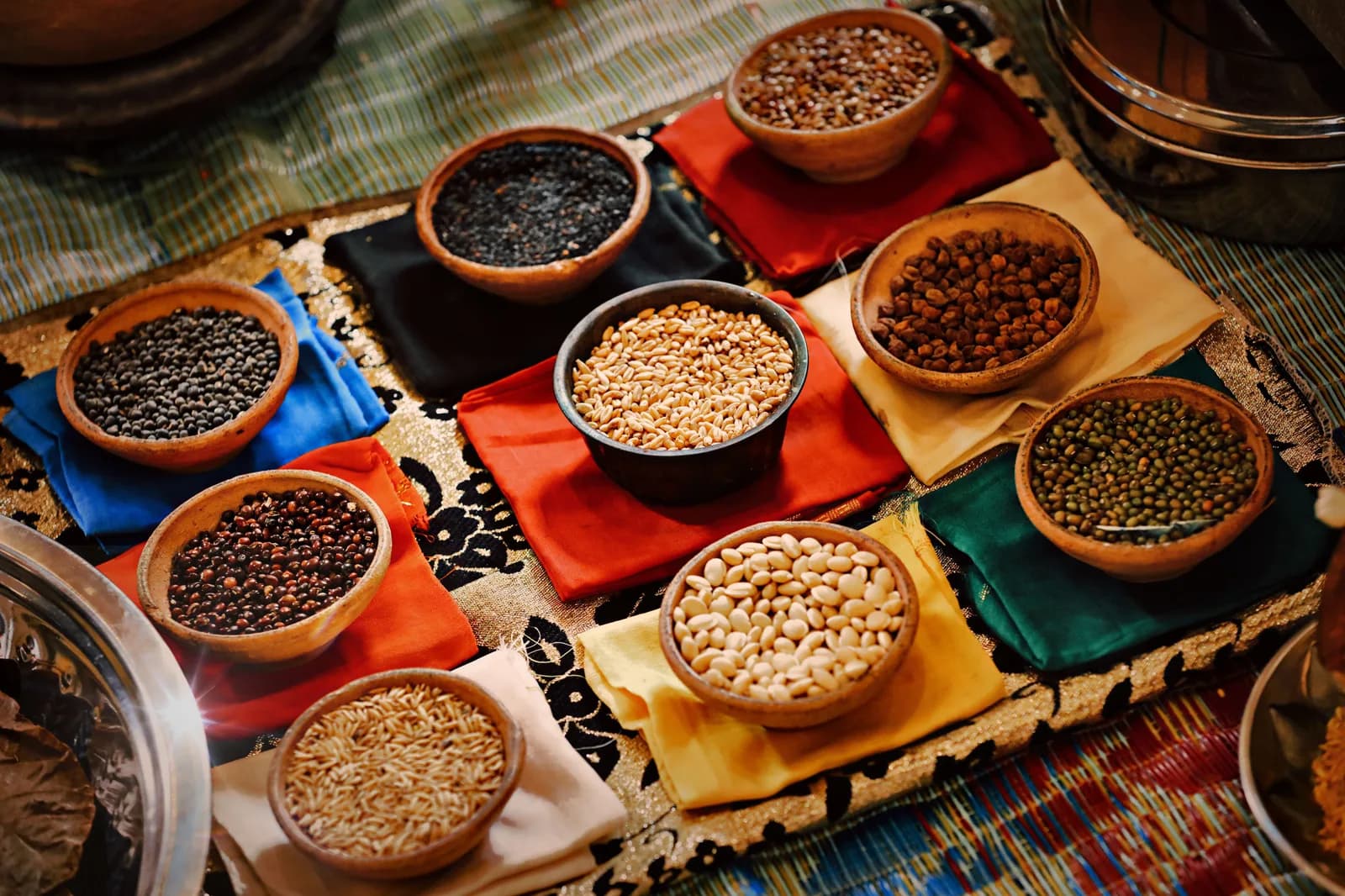
The lentils, which are a system rather than an ingredient
Dal is not one thing. There are half a dozen in common use and they behave completely differently, which is why substituting one for another produces a dish that is technically edible and structurally wrong.
Toor dal, split pigeon pea, is the everyday dal of western and southern India and the base of sambar. It cooks to a soft, slightly grainy purée.
Moong dal, split mung bean, is the lightest and fastest and the one given to people who are unwell. It is what goes into khichdi.
Urad dal, black gram, is the structural one. Whole and black it makes dal makhani creamy without cream. Split and skinned it is what gives dosa batter its ability to ferment and rise, because it holds air in a way rice cannot.
Chana dal, split brown chickpea, is nutty and holds its shape, so it turns up where you want texture rather than purée.
Buy three to start: toor, moong and urad. They keep for a year in jars.
Ghee, and why oil is not a detail
Ghee is butter with the water and milk solids cooked out, which raises its smoke point and gives it a nutty flavour that ordinary butter does not have. It is the prestige fat across northern India, the one that goes on top of a finished dal, and it keeps unrefrigerated for months.
But the fat is regional, and this matters more than people expect. Mustard oil is the fat of Bengal and the east, pungent and sharp, and it needs heating to smoking point before use to take the raw edge off. Coconut oil is Kerala and the southwest. Sesame oil, the untoasted Indian kind, is Tamil Nadu.
Cook a Bengali dish in ghee and it tastes wrong in a way you can identify immediately if you have eaten the real version.
The tempering ingredients, which are the actual signature
This is the part most people miss. Almost every Indian dish begins or ends with a tempering: hot fat, whole spices and aromatics, poured in or started from. The Hindi is tadka, the Tamil is thalippu, and it is the single most characteristic technique in the cuisine.
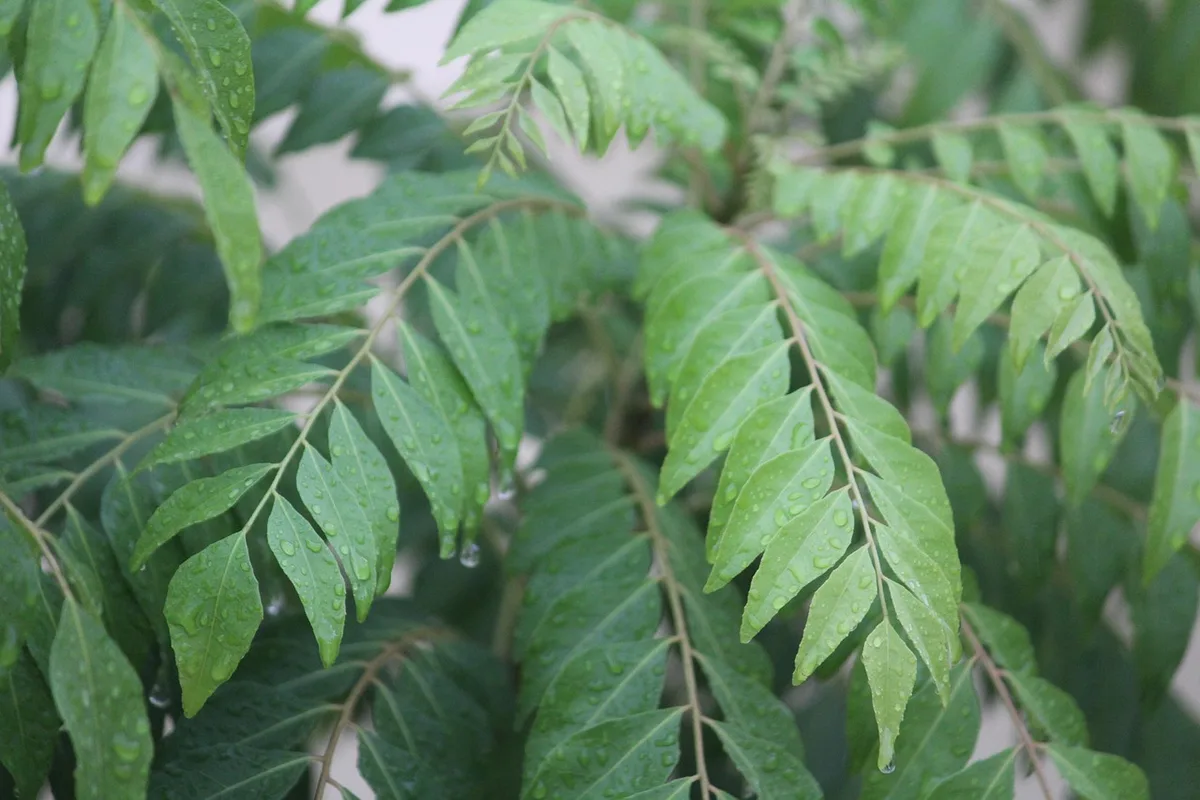
The things that go in it are not the ground spices. Mustard seeds, which must pop. Curry leaves, which are not bay leaves and have no substitute, and which go in fresh or frozen and never dried if you can help it. Asafoetida, a pinch, which smells appalling in the jar and tastes like onion and garlic once it hits fat. Whole cumin seed. Dried chillies, broken.
If your dal tastes like lentils and not like Indian food, this is what is missing.
Sour, and the three ways of getting it
Indian cooking uses sourness constantly and sources it regionally.
Tamarind is the southern and western sour, deep and fruity, used in sambar, rasam and most Tamil cooking. Buy the block, not the concentrate.
Yogurt is the northern sour, used in marinades, in kadhi, and as the cooling element on the side of everything. Full fat, and whisked before it goes near heat or it splits.
Dried mango powder, amchur, is the third, a beige powder that adds sourness without liquid, which makes it useful in dry dishes and in chaat.
Lemon, tomato and kokum fill in regionally. A dish that tastes heavy and unfinished is usually short of sour rather than short of salt.
Sweet, in small structural amounts
Jaggery is unrefined cane sugar sold in hard blocks, mineral and slightly smoky, and it goes into savoury food across Maharashtra, Gujarat and the south in quantities that surprise people from the north.
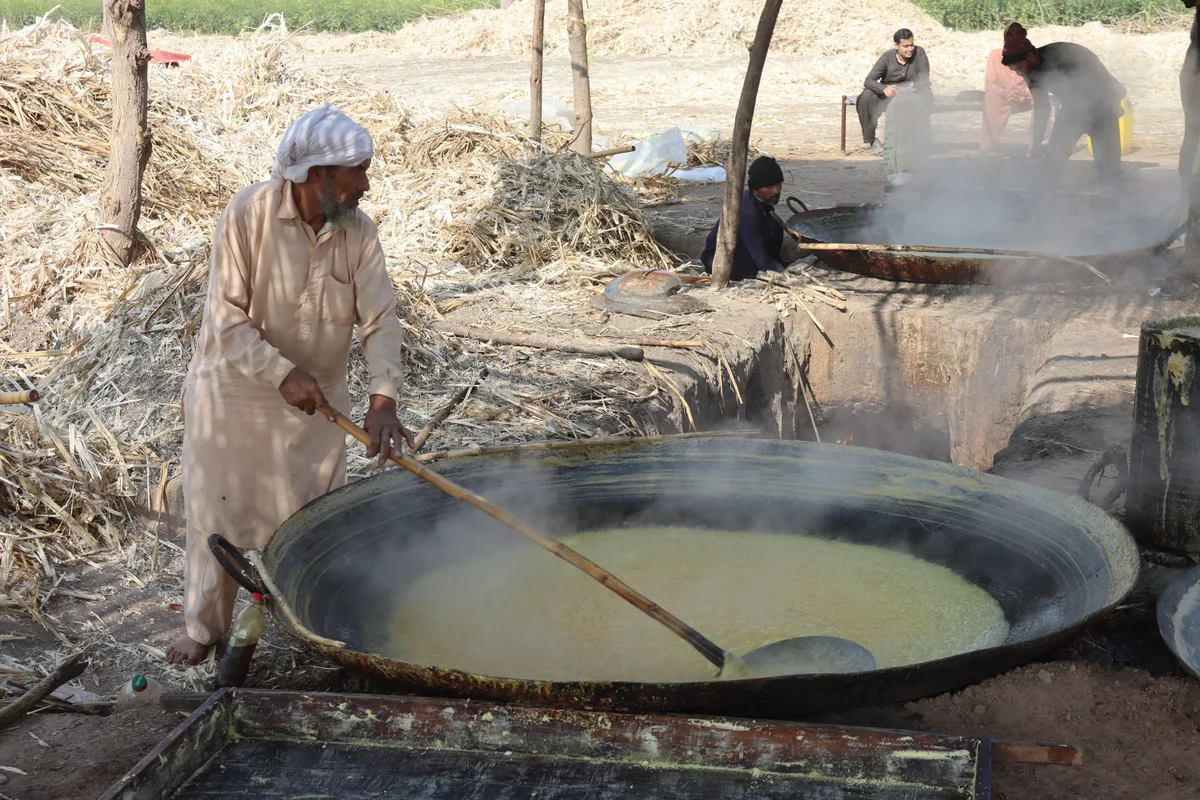
Like palm sugar in Thai cooking, it is there to round the sour and the salt rather than to sweeten. A sambar without jaggery tastes sharper and less complete.
The flours and grains
Atta, the fine wholemeal wheat flour, which is not interchangeable with Western wholemeal and is the reason home rotis fail when made with the wrong flour. Basmati rice for the north. Rice flour and semolina for southern breakfasts. Gram flour, besan, for batters and for kadhi.
Frequently asked questions
What should I buy first if I am starting from nothing?
Toor dal, atta, ghee, mustard seeds, curry leaves, asafoetida, tamarind and turmeric. That list cooks a real meal. The masala box can wait.
Can I substitute one dal for another?
Cooking times and textures differ enough that the dish changes. Moong for toor works reasonably in a simple dal. Nothing substitutes for urad in a dosa batter, because the fermentation depends on its specific properties.
Are curry leaves the same as curry powder?
No relation whatsoever. Curry leaves are the fresh leaves of a tree, used whole in tempering. Curry powder is a British commercial blend that does not exist in Indian home cooking.
Is ghee necessary or can I use oil?
Neutral oil works for most cooking. Ghee matters where it is a flavour rather than a medium, which is on top of dal, in festive rice, and in sweets. That is worth buying a small jar for.
What to cook
Khichdi uses the lentils, the fat and the tempering and almost nothing else, so it teaches the structure directly. Sambar adds tamarind and jaggery and shows how sour and sweet work together in a savoury dish. Dal makhani is the long version and demonstrates what whole urad does over hours. And for the spice side of the shelf, we wrote about why Indian cooking uses so many at once and how to build the cabinet.
Comments
Share your thoughts on this post.
Sign in to comment0 Comments