Which Rice for Which Dish
Most rice problems are not technique problems. They are shopping problems. The biryani came out gluey because it was made with the wrong rice, the sushi fell apart because the rice was too dry, the congee never got creamy because the grain had nothing to give.
Rice varieties are not interchangeable and the differences are not subtle. They come down to one thing: how much of two starches the grain contains.
The starch, in one paragraph
Rice starch is amylose and amylopectin. Amylose keeps grains firm and separate. Amylopectin makes them soft and sticky. Long grain rice is high in amylose and cooks up dry and distinct. Short grain rice is high in amylopectin and clings. Glutinous rice is almost pure amylopectin, which is why it sticks to itself hard enough to be eaten with fingers.
That single ratio explains why a cuisine that eats with chopsticks uses short grain and a cuisine that eats rice with sauce off a plate uses long.
Basmati, for when grains must stay apart
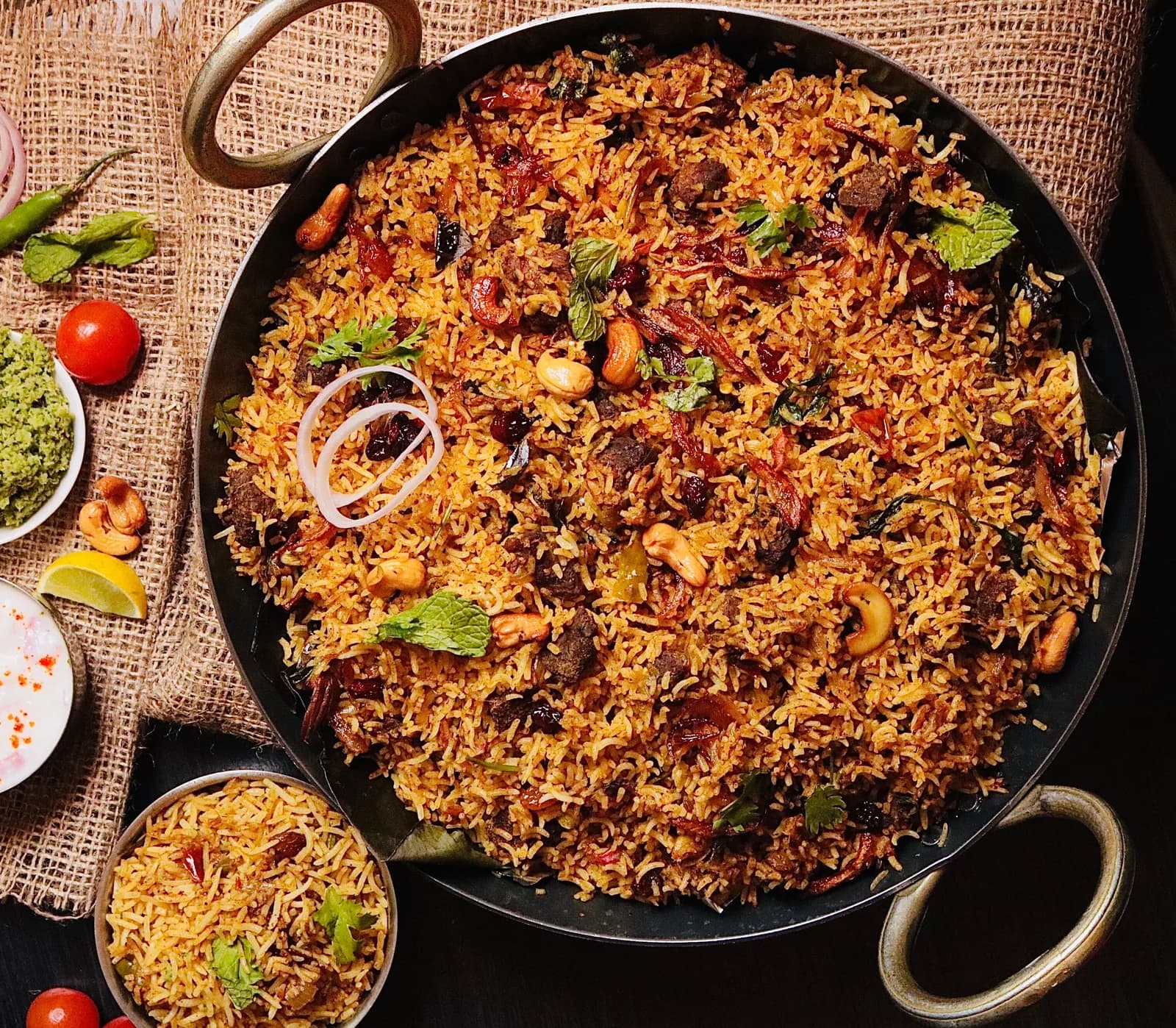
Basmati is the longest of the common long grains, it elongates rather than swells as it cooks, and it is aged before sale, sometimes for a year or more, which drives moisture out and makes the grains cook up even drier and more separate.
That is exactly what layered rice dishes need. Hyderabadi biryani depends on every grain staying individual so that the layers of rice and meat remain distinguishable, and it depends on the rice being only partly cooked before the final steam. Same for a pulao.
Rinse basmati until the water runs clear, then soak it for twenty to thirty minutes. The soak is not optional folklore. It lets water into the grain so it cooks through before the outside collapses, and it is why restaurant biryani has that distinct needle-like grain.
Jasmine, softer and fragrant
Jasmine rice is Thai, also long grain, but softer and stickier than basmati and strongly aromatic, with that popcorn and pandan smell that fills a kitchen.
It is the everyday rice of Thailand and much of Southeast Asia, and it is the right rice under a curry, because it clumps just enough to be picked up with a spoon while still reading as separate grains. Do not soak it. Rinse it, then cook with slightly less water than basmati.
Jasmine is also the rice for nasi lemak and for most Southeast Asian fried rice, where a little cling helps.
Short grain Japanese rice, which is its own category
Japanese short grain, sold as sushi rice or Japanese rice, has high amylopectin and cooks to a glossy, slightly sticky mass where the grains hold together but remain individually intact. That combination is what makes onigiri hold its shape without being paste.
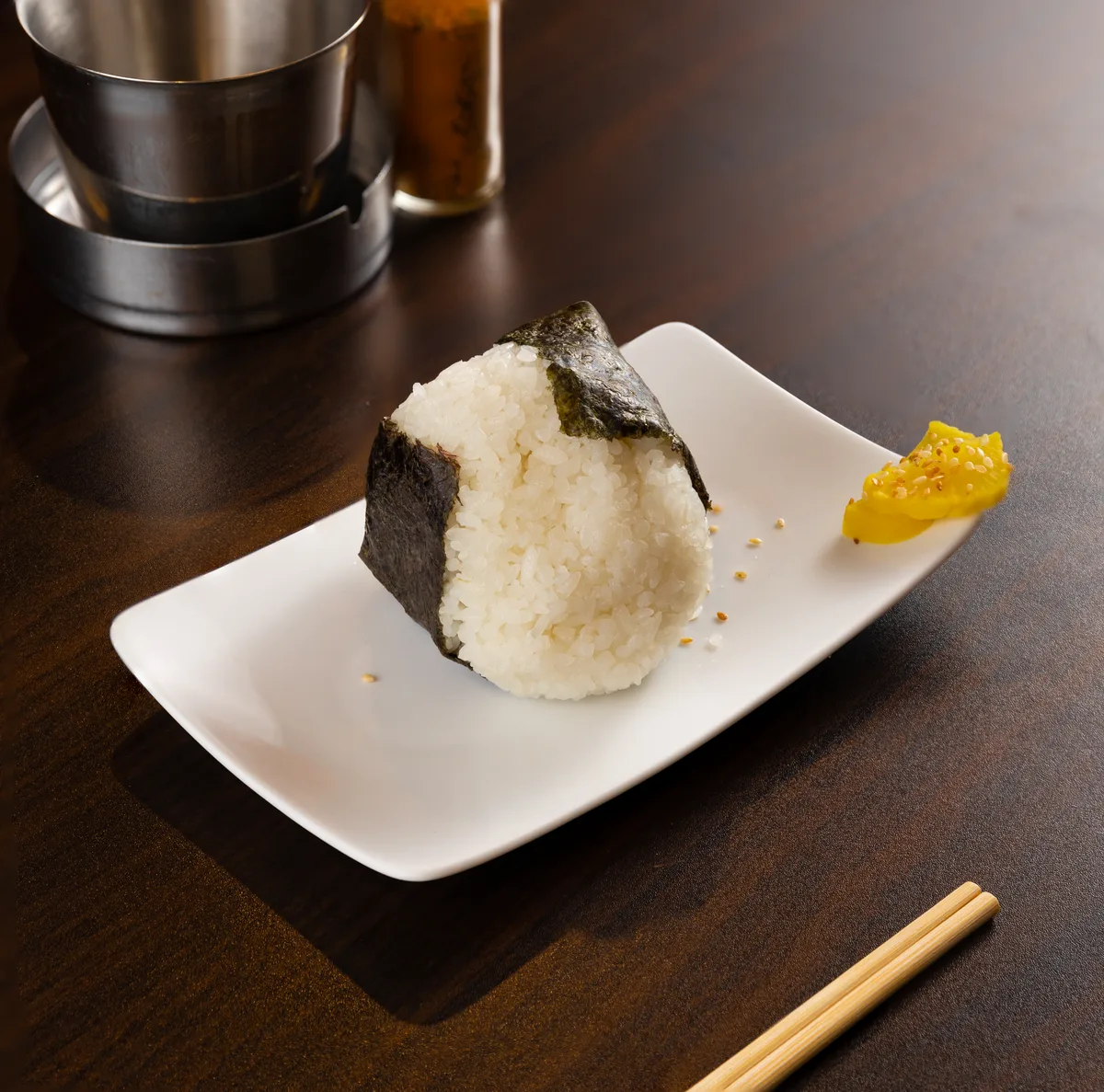
Korean rice behaves similarly. Neither is interchangeable with Chinese long grain, and neither is glutinous rice, which is a different thing altogether.
Wash it hard. Japanese technique involves rubbing the grains against each other under running water until the water runs almost clear, which removes surface starch. Then rest the cooked rice, covered, for ten minutes before touching it.
Glutinous rice, which contains no gluten
Glutinous rice, also called sticky or sweet rice, is nearly all amylopectin. Raw grains are chalky and opaque rather than translucent, which is the easiest way to identify it in a bag.
It is not boiled. It is soaked for hours and then steamed, which is the only way to cook it without turning it into glue. Thai sticky rice eaten by hand with mango, Chinese lo mai gai, and the filling of zongzi all depend on it.
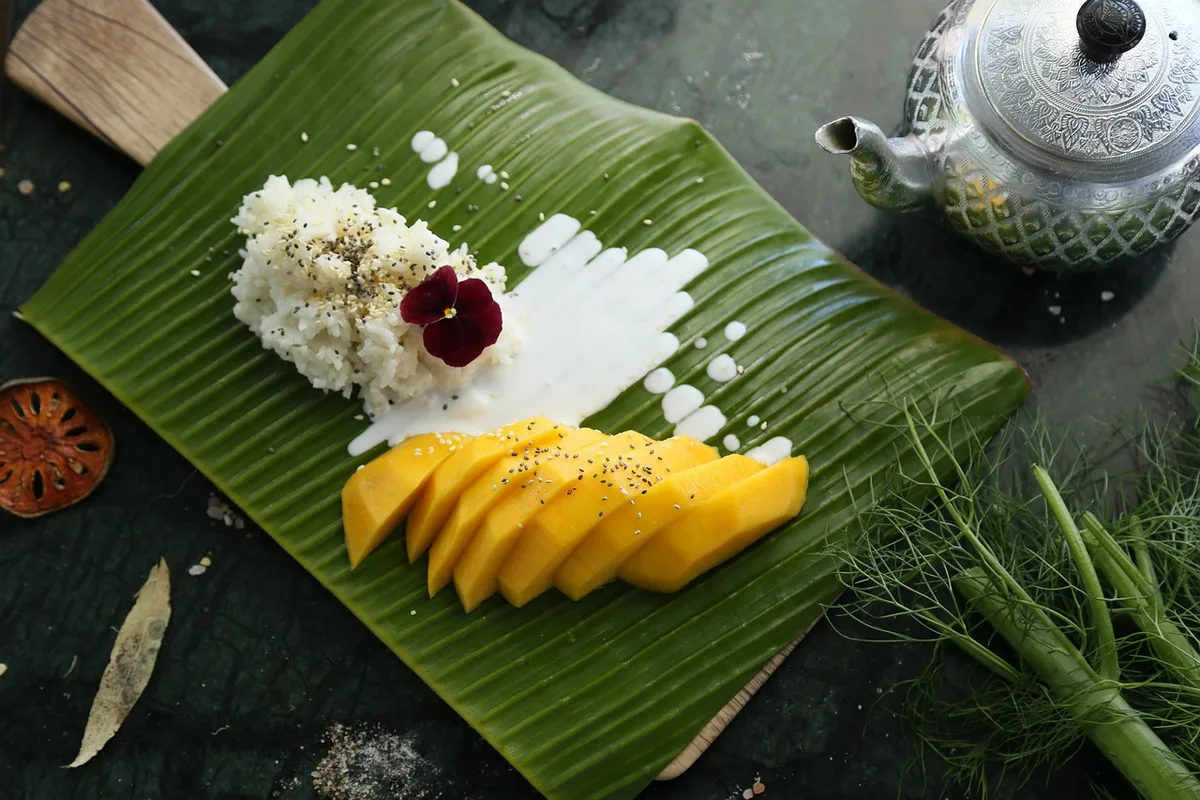
The name is a translation accident. There is no gluten in any rice.
What to use for congee and fried rice
Congee wants a grain that breaks down. Ordinary Chinese long grain or jasmine both work, and short grain works faster, since more amylopectin means a creamier result sooner. Congee made with basmati will stay stubbornly grainy no matter how long you simmer it.
Fried rice wants the opposite: cold, dry, day-old rice, cooked with slightly less water than usual, spread out and chilled uncovered so the surface dries. Fresh hot rice steams in the wok and turns to mush, which is the single reason most home fried rice disappoints.
Frequently asked questions
Can I substitute jasmine rice for basmati in biryani?
You can eat the result, but it will not be biryani in texture. Jasmine is softer and clumps, so the layers merge. If jasmine is all you have, use less water, undercook it more than feels right, and accept a different dish.
Why does my rice come out mushy?
Usually too much water, sometimes the wrong variety, occasionally not resting it. Different varieties want different ratios, and the instruction on the bag is a better starting point than any universal rule you have read.
Is rinsing rice necessary?
For basmati and Japanese short grain, yes, it changes the result. For parboiled or enriched rice, no. Rinsing removes surface starch, which is the thing that makes grains stick to each other.
What rice for a risotto-style dish?
Not any of these. Risotto needs a specific high-amylopectin Italian short grain such as arborio or carnaroli, which releases starch into the liquid while keeping a firm centre. No Asian rice does both.
What to cook
To feel the difference directly, cook jeera pulao with soaked basmati and pay attention to the grain length after steaming. Then make congee and watch a grain do the exact opposite. Mango sticky rice is the clearest demonstration of what glutinous rice is for. And for the rest of the shelf around the rice bin, we covered the Thai pantry and the Japanese one.
Comments
Share your thoughts on this post.
Sign in to comment0 Comments