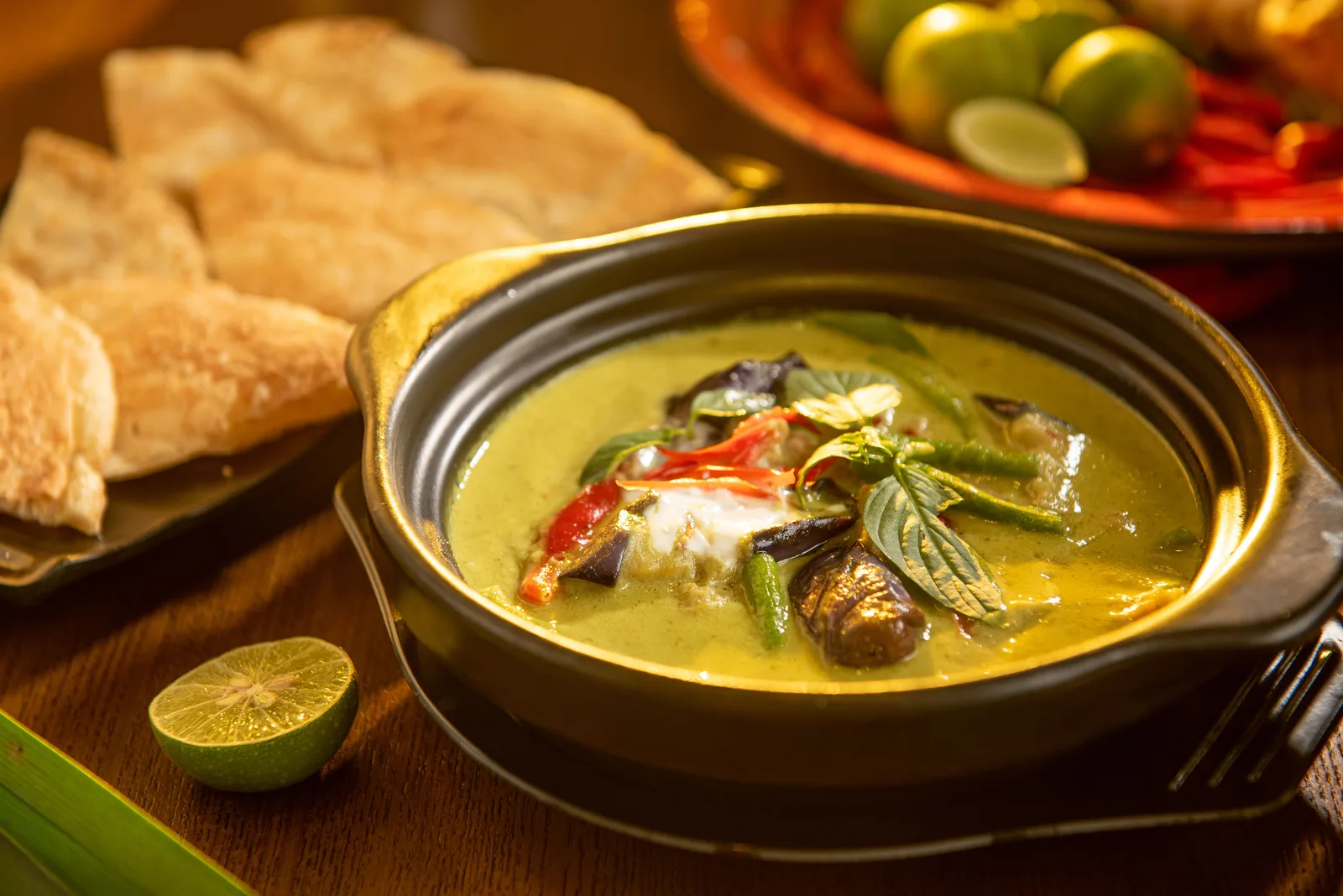
The Thai Pantry: Paste, Sauce, Sour, Sweet
Thai cooking is the one Asian cuisine where the pantry genuinely will not let you improvise. Chinese food survives a missing ingredient. Thai food does not, because the whole system is a balance of four tastes, and removing one leaves a dish that is recognisably wrong rather than merely different.
The good news is that the list is short and most of it keeps for a year.
Fish sauce, the one you cannot fake
Fish sauce is the salt of Thai cooking. Not a condiment, not an accent, the primary seasoning, used the way a European kitchen uses salt. It goes into curries, stir fries, dressings, soups and dipping sauces, and there is no substitute that behaves like it.
Buy a good one. The label should say anchovy and salt and nothing else, and it should be a clear reddish brown rather than muddy. Cheap fish sauce is harsher and flatter, and in a dressing like the one for som tam, where it is barely cooked, the difference is unmissable.
It does not need refrigerating and it lasts years. The smell in the bottle has nothing to do with how it tastes in food.
Palm sugar, which is not just sugar
Palm sugar comes in soft pale discs or tubs, smells faintly of caramel and coconut, and is less sweet than white sugar with a rounder finish.
Thai food uses sweetness structurally, not as dessert. A curry is sweetened to bring the salt and sour into focus, not to taste sweet. White sugar will do the sweetening but not the rounding, and in a massaman curry the difference is the difference between the dish and an imitation of it.
Keep it in an airtight tub. It hardens fast in open air.
Tamarind, for sour that is not sharp
Tamarind is the sour that sits under the lime rather than replacing it. Lime is bright and fades; tamarind is deep, fruity and stays.
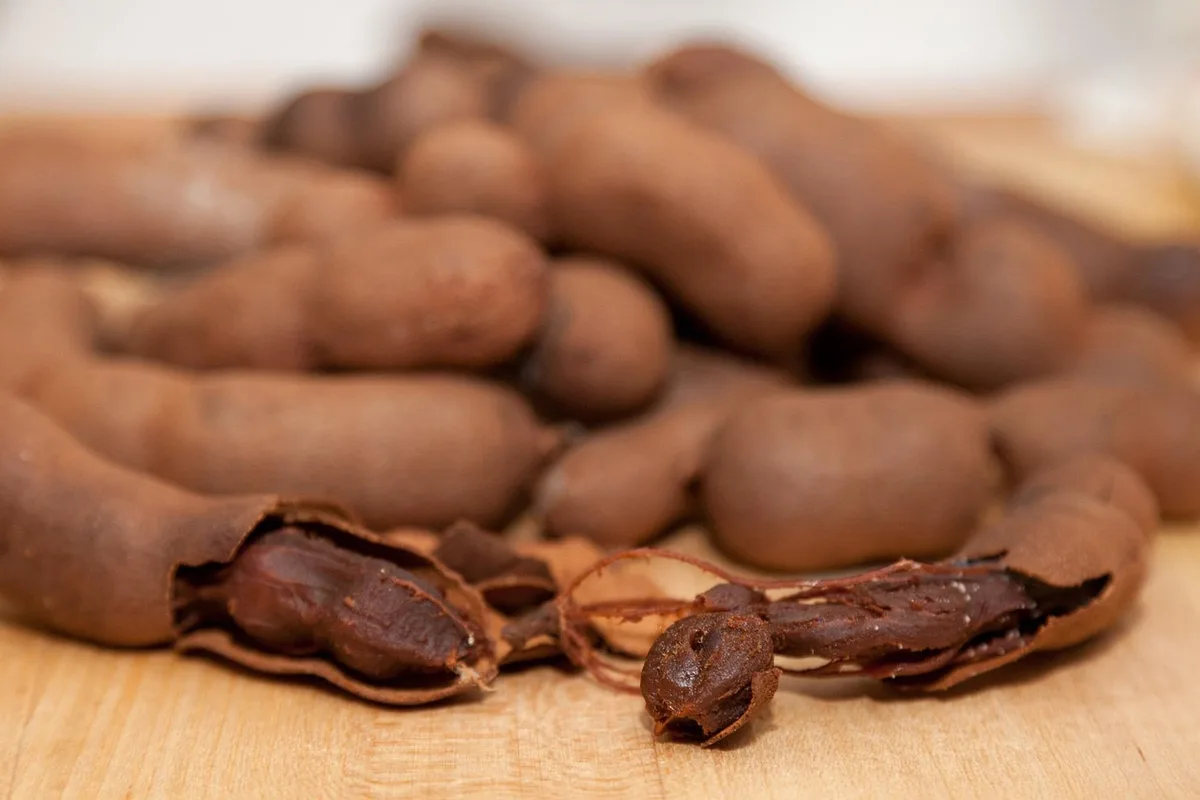
Buy the block of compressed pulp rather than the ready-made concentrate. Soak a lump in hot water, work it with your fingers, strain out the seeds and fibres, and you have a paste that tastes like fruit. Concentrate in a jar tastes like acid. This is the single upgrade that improves pad thai most.
Coconut milk, and why the cheap tin fails
Coconut milk does two jobs in a curry. It is the liquid, and its fat is the medium the curry paste is fried in.
That second job is the one people skip. A proper Thai curry starts by cracking the coconut cream, simmering the thick top layer of an unshaken tin until the oil separates out, then frying the paste in that oil until it smells cooked. The tins that will not separate, the ones full of emulsifiers and stabilisers, cannot do this. Read the label: coconut and water, ideally with coconut extract above seventy percent.
Do not shake the tin before opening it, which defeats the entire technique.
The aromatics, which are three and not one
Here is where most Western versions of Thai food go wrong. Lemongrass, galangal and kaffir lime leaves are a set, and each has a job.
Lemongrass is citrus and grass, used bruised in broths or finely sliced in salads. Galangal is not ginger and substituting ginger gives you a different soup: it is sharper, piney, almost medicinal, and it is what makes tom kha gai taste Thai rather than generic. Kaffir lime leaves are pure perfume, torn into a curry near the end.
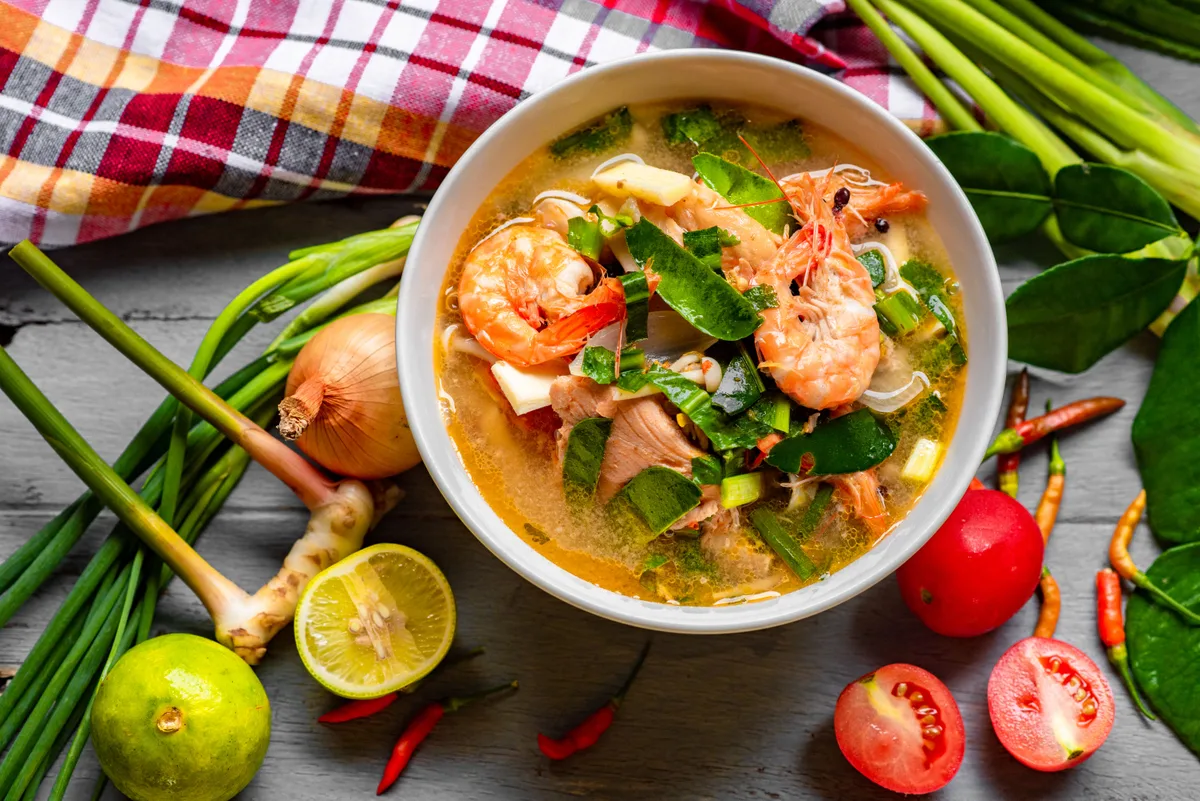
All three freeze well and none of them dries well. Buy them fresh when you see them and put them in the freezer whole.
Curry paste, and the honest advice about it
Making curry paste from scratch in a granite mortar is a real experience and produces a better green curry than any jar. It also takes forty minutes and a dozen ingredients.
A good Thai brand in a plastic tub is a perfectly respectable shortcut and is what a lot of Thai home cooks use on a weeknight. Buy the ones imported from Thailand rather than the supermarket own brand, and bloom the paste properly in coconut oil regardless. Under-frying the paste is a bigger flaw than buying it.
Two more worth having
Shrimp paste, fermented and pungent, which is in most curry pastes and in nam prik. A little goes very far and it needs to be cooked.
Thai basil and holy basil, which are not the same plant and not interchangeable. Thai basil is aniseed and goes into curries. Holy basil is peppery and clove-like and is the entire point of pad kra pao.
Frequently asked questions
Can I use ginger instead of galangal?
You can, and the dish will be good, but it will not be the dish. Galangal is sharper and more resinous, and in a coconut soup the swap is immediately obvious. Frozen galangal is widely available and works well.
Is there a vegetarian substitute for fish sauce?
Light soy sauce with a little lime and a pinch of sugar gets you in the neighbourhood. Some brands sell a vegan fish sauce made from seaweed, which is closer. Neither has the full fermented depth, so expect to compensate elsewhere.
How long do these keep?
Fish sauce and tamarind block, years. Palm sugar, a year sealed. Curry paste, months in the fridge after opening. Fresh aromatics, months in the freezer. Coconut milk, check the tin, and refrigerate leftovers for no more than a few days.
Do I need a mortar and pestle?
For pastes and for som tam, yes. Bruising releases aromatics that a blender simply shears. A heavy granite one is inexpensive and will outlive you.
What to cook
Tom kha gai uses the aromatics, coconut milk, fish sauce and palm sugar in one pot and teaches the balance faster than anything else. Pad kra pao is fifteen minutes and shows what holy basil actually does. Green curry is the one to make once you are comfortable cracking coconut cream. And for the balance itself, we wrote about the four flavours and how Thai cooking holds them in tension.
Comments
Share your thoughts on this post.
Sign in to comment0 Comments