Vietnamese Cuisine
Bun Rieu (Vietnamese Crab and Tomato Noodle Soup)
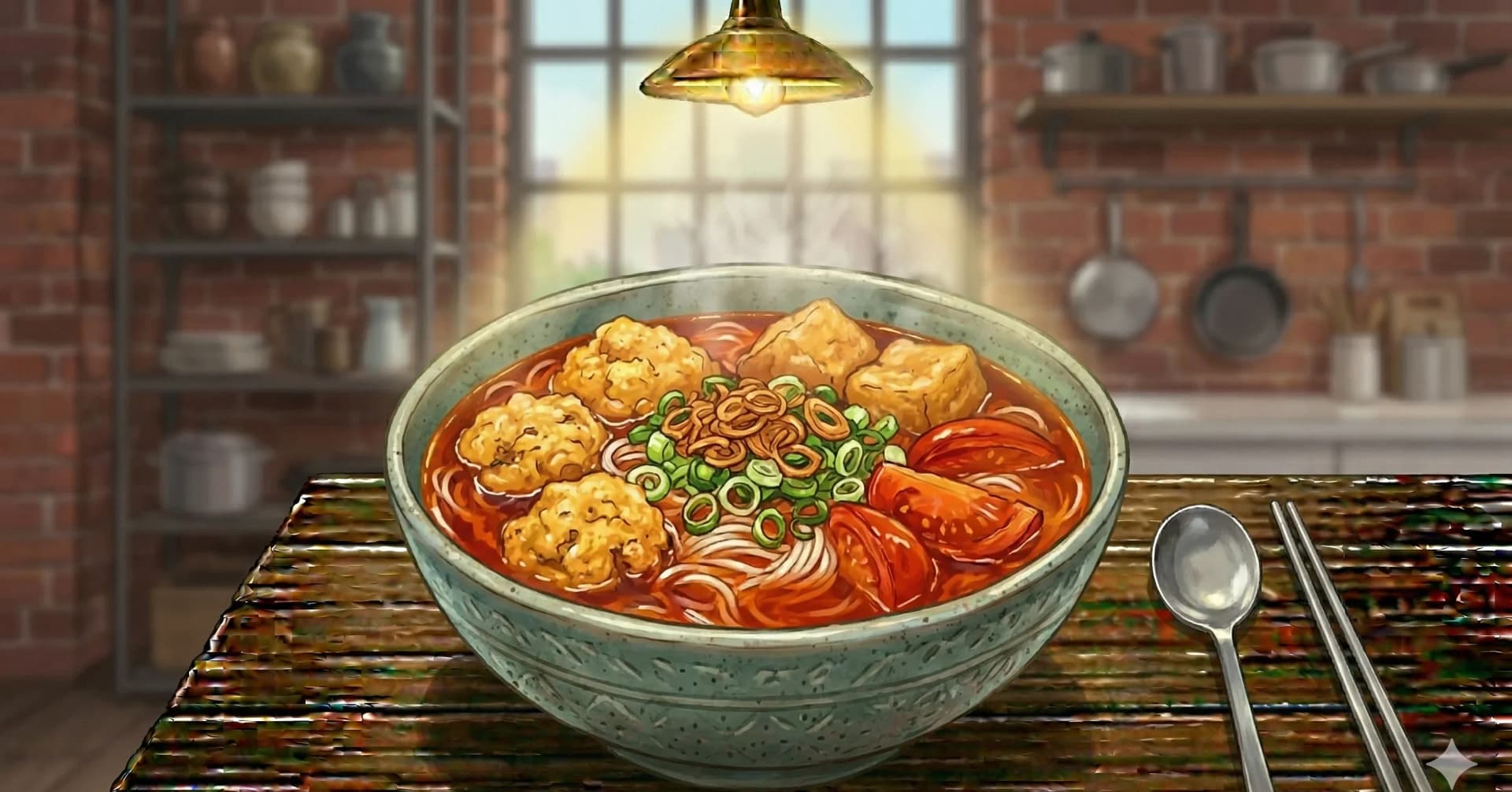
A tangy, tomato-laced noodle soup crowned with pillowy crab and shrimp fritters, fried tofu, and a tangle of fresh herbs
There is a particular color that only bun rieu achieves. Not the mahogany of a long-braised stock, not the clear gold of pho bo. It is a warm, sunset orange that comes from two sources working together: ripe tomatoes softened in a pan, and the fat from shrimp heads crushed against the bottom of a hot pot. That color tells you something about how the soup was built, and whether the cook took shortcuts.
Bun rieu belongs to a broad family of Vietnamese noodle soups, but it sits apart from its cousins. Where bun bo hue leans on lemongrass and fermented shrimp paste for a deep, spicy intensity, bun rieu takes a lighter path. The broth is tangy from tomatoes, savory from pork bones and shrimp heads, and rounded by a careful dose of mam ruoc, the fine-grained fermented shrimp paste that gives the soup its unmistakable background hum. The protein comes not from sliced meat alone but from the rieu itself: a delicate mixture of crab meat, minced shrimp, and beaten egg that floats to the surface of the simmering broth and sets into airy, custard-like fritters.
In Vietnam, the most traditional versions use rice paddy crabs pounded whole into a slurry, but home cooks outside of the country have long adapted the dish with fresh crab meat and shrimp. This version follows the heartier, southern-style approach with pork hocks simmered into the stock for richness and body. It skips the canned crab paste that many recipes lean on, relying instead on whole shrimp with heads for color and fresh crab for sweetness.
The herb platter matters as much as the broth. Vietnamese balm (kinh gioi) is the signature herb here, more so than with any other noodle soup. Perilla, mint, and shredded water spinach round out the plate. Do not skip them.
At a Glance
Yield
6 servings
Prep
40 minutes
Cook
1 hour 20 minutes
Total
2 hours
Difficulty
Medium
Ingredients
Broth Ingredients
- 2 lbpork hocks, cut into chunks by your butcher
- 10large shrimp or prawns with heads (about 350 g total)
- 3 tbspneutral oil, divided
- 1 piecefresh ginger, unpeeled (about 5 cm), sliced into thick coins
- 4large shallots (about 80 g), peeled and cut into thick wedges
- 5 clovesgarlic, peeled and sliced
- 3¾ qtwater
- 4large ripe tomatoes (about 680 g), cut into large wedges
- 6 ozfried tofu cubes (store-bought or homemade)
- 1 tbspplus 1/4 teaspoon fine sea salt
- 1 tbspgranulated sugar
- 1 tbspfish sauce
- 1 tbspfermented shrimp paste (mam ruoc, preferred) or mam tom
- 1/4 tspground black pepper
- 1/2 tbspMSG (optional)
Fritter Ingredients
- 5½ ozfresh crab meat, picked over for shell fragments
- —Reserved shrimp bodies (from the broth shrimp above), peeled and deveined
- 3large eggs, beaten
- 1/4 tspfine sea salt
- 1/4 tspground black pepper
To Serve
- 1¾ lbdried round rice vermicelli noodles (bun), cooked per package directions
- 3 stalksscallions, thinly sliced
- 1/2small yellow onion, thinly sliced into rings
- —Small handful fresh cilantro, roughly chopped
- 8 ozwater spinach (rau muong), stems split and cut into 10 cm lengths, or shredded cabbage
- 1 bunchVietnamese balm (kinh gioi)
- 1 bunchspearmint (hung lui)
- 1 bunchperilla (tia to), optional
- 8 ozbean sprouts
- 2limes, cut into wedges
- 4Thai chilies, sliced
- —Extra fermented shrimp paste
Method
- 1
Clean the pork hocks. Fill a large stockpot halfway with water and bring to a boil. Add the ginger coins and one-third of the shallot wedges. Let the aromatics simmer for about 5 minutes until fragrant. Add the pork hocks and blanch for 8 minutes. A thick layer of grey foam will rise to the surface. Drain everything into a colander, rinse the hocks well under running water, and scrub the stockpot clean. This blanching step removes blood and impurities so the finished broth tastes clean rather than murky.
- 2
Prepare the shrimp. Twist the heads from the bodies gently, keeping the orange head fat intact. Set the heads aside. Peel and devein the shrimp bodies, then pulse them in a food processor until they form a coarse paste. If you do not have a food processor, mince finely with a knife or place in a sturdy bag and pound with a rolling pin until broken down. Set the shrimp paste aside for the fritters.
- 3
Build the stock. Heat 2 tablespoons of the oil in the cleaned stockpot over medium-high heat. Add half of the remaining shallot wedges and half the garlic. Stir for about 15 seconds until fragrant. Add the reserved shrimp heads and press them firmly against the bottom of the pot with a wooden spoon, crushing them so the orange head fat releases into the oil. The oil should turn a vivid reddish-orange within a minute or two. Pour in the 3.5 litres of water and add the blanched pork hocks. Bring to a boil, then reduce to a low, steady simmer. Cook for 1 hour, or until a chopstick slides through the thickest part of the pork hock with no resistance. Skim any foam that rises during the first 15 minutes.
- 4
Shape and cook the fritters. While the stock simmers, combine the shrimp paste, crab meat, beaten eggs, salt, and pepper in a bowl. Mix gently until just combined; do not overwork it, or the fritters will be dense rather than light. When the stock has simmered for about 50 minutes, raise the heat to bring the pot to a rolling boil. Using a large spoon, slide the crab and shrimp mixture across the surface of the boiling stock in a single layer. The high heat will set the mixture quickly into one large, airy sheet that resembles sea foam. After 2 to 3 minutes, reduce the heat back to medium-low and let the stock continue simmering. The fritter sheet will hold together; you will break it into pieces when serving.
- 5
Cook the tomatoes. In a medium skillet, heat the remaining 1 tablespoon of oil over medium-high heat. Add the last of the shallots and garlic and stir for 15 seconds. Add the tomato wedges and cook, turning occasionally, until they soften and begin to break down at the edges, about 4 to 5 minutes. You want them tender but still holding some shape. Carefully transfer the tomato mixture into the stockpot, sliding it in alongside the fritter sheet. Add the fried tofu cubes to the pot as well. Let everything simmer together for 5 minutes so the flavors meld.
- 6
Season the broth. In a small bowl, dissolve the fermented shrimp paste in a few spoonfuls of hot broth, breaking up any lumps. Add this back to the pot along with the salt, sugar, fish sauce, pepper, and MSG if using. Taste and adjust. The broth should be savory, slightly tangy from the tomatoes, and carry a gentle background funk from the shrimp paste. It should not taste overtly fishy.
- 7
Prepare the accompaniments. Cook the rice vermicelli according to the package directions, drain, and rinse under cold water. Arrange the water spinach, herbs, bean sprouts, lime wedges, sliced chilies, and extra shrimp paste on a large communal platter.
- 8
Assemble the bowls. Place a handful of noodles in each bowl. Add a piece or two of pork hock, a few chunks of the crab and shrimp fritter broken from the sheet, several cubes of fried tofu, and a couple of tomato wedges. Ladle the hot broth over everything. Garnish with sliced scallions, yellow onion rings, and cilantro. Serve immediately with the herb and vegetable platter alongside.
Key Ingredient Benefits
Fermented shrimp paste (mam ruoc): This is the fine-grained paste made from fermented krill, distinct from mam tom, which uses larger shrimp and has a coarser texture and stronger smell. Mam ruoc dissolves more smoothly into broth and contributes umami without overwhelming the other flavors. It is very high in sodium, so account for it when salting the broth.
Shrimp heads: Beyond their role as a coloring agent, shrimp heads contribute a concentrated seafood flavor that the body meat alone cannot provide. The fat inside the head contains astaxanthin, the same antioxidant pigment found in salmon and flamingo feathers. Traditionally, Vietnamese cooks consider shrimp head fat a mark of quality in bun rieu.
Water spinach (rau muong): The hollow stems are the prized part for this dish. They are traditionally split lengthwise with a specialized tool into thin, curling strips that soften slightly when they hit the hot broth. Water spinach is high in iron, vitamin A, and vitamin C, and traditional Vietnamese medicine considers it cooling, a useful counterbalance in a rich soup.
Tomatoes: Cooking tomatoes in oil increases the bioavailability of lycopene, a fat-soluble carotenoid associated with antioxidant activity. The acidity of the tomatoes also helps balance the richness of the pork hock broth and the salinity of the shrimp paste.
Fried tofu: The deep-fried exterior acts like a sponge, absorbing broth as it simmers and releasing it in each bite. Look for pre-fried tofu cubes in the refrigerator or freezer section of Asian grocery stores. To fry your own, drain firm tofu thoroughly, cut into 2 cm cubes, and fry in neutral oil at 180C until golden on all sides.
Why This Works
The shrimp heads are the quiet engine of this soup. When pressed against a hot, oiled pan, the hepatopancreas (the orange goo inside the head) releases fat-soluble carotenoids that tint the oil and, eventually, the broth a warm orange-red. This is the same principle behind a French bisque, where crustacean shells are sauteed in butter to extract color and flavor before liquid is added. It eliminates the need for canned crab paste or annatto oil, both common shortcuts.
Blanching the pork hocks in aromatic water before building the stock is a two-step cleaning process borrowed from many Vietnamese and Chinese soup traditions. The first boil forces out blood proteins, which would otherwise cloud the broth and leave a faintly metallic taste. Starting the actual stock with clean meat and fresh water produces a broth that is clear enough to show off the tomato color.
The fritter mixture sets into an airy sheet because the eggs act as both binder and leavener. Pouring the mixture onto the surface of a rapidly boiling liquid cooks the egg almost instantly, trapping air and creating a texture closer to a savory custard than a dense meatball. This technique is specific to bun rieu and is what gives the soup its distinctive look and mouthfeel.
Cooking the tomatoes separately in a hot skillet before adding them to the broth concentrates their flavor through a brief period of caramelization. If you add raw tomatoes directly to the stock, they take longer to soften and release a thinner, more watered-down acidity.
Substitutions & Variations
Protein: If fresh crab meat is unavailable or too expensive, increase the shrimp quantity to 450 g total and use the extra shrimp in the fritter mixture. The fritters will be slightly less sweet but still delicious. Some cooks add 300 g of ground pork to the fritter mixture for a heartier, more economical version, as in many restaurant-style bowls.
Canned crab paste: Many Vietnamese home cooks use a 160 g can of Lee brand minced crab or prawn in spices as a shortcut. It adds color, flavor, and body. If using it, stir it into the broth after building the stock and reduce the fresh crab meat to 60 g or omit it entirely.
Broth base: If you want a simpler broth, replace the pork hocks and water with 2 litres of chicken or pork stock combined with 1.5 litres of water. You will lose the gelatin-rich body of a hock-based broth, but the soup will still be flavorful.
Blood cake: Traditional bun rieu often includes cubes of cooked pork blood cake. It has a smooth, silky texture and a mild iron flavor. Add pre-cooked blood cake cubes to the bowl during assembly. This is entirely optional.
Acidity: Some versions add 1 to 2 tablespoons of tamarind paste dissolved in warm water to the finished broth for a deeper, fruitier sourness. This is a technique associated with southern Vietnamese cooking and pairs naturally with the tomato. If the tartness of your tomatoes feels flat, a small amount of tamarind can lift the entire bowl. For another soup that uses tamarind as a primary souring agent, see canh chua.
Ketchup trick: A few tablespoons of ketchup stirred into the broth is a surprisingly common restaurant shortcut. It adds sweetness, acidity, color, and a touch of vinegar all at once. It is not traditional, but it works.
Herbs: Vietnamese balm (kinh gioi) is the signature herb. If unavailable, increase the mint and add a few leaves of Thai basil. Perilla (tia to) and fish mint (diep ca) are traditional additions but not essential.
Serving Suggestions
Bun rieu is a complete one-bowl meal, but the real joy is in the communal platter of herbs and vegetables served alongside it. Each person builds their own bowl from the shared plate, adding water spinach, herbs, bean sprouts, a squeeze of lime, sliced chilies, and an optional dab of extra shrimp paste.
This soup pairs well in a Vietnamese noodle spread alongside bun bo hue or hu tieu for a gathering where guests can try more than one bowl. For a simpler meal, serve bun rieu on its own with a side of extra lime wedges and sliced chilies.
If you enjoy the tangy, tomato-forward character of bun rieu, you may also appreciate canh chua, the southern Vietnamese sour soup that uses tamarind and pineapple in a similar bright register. For a Thai counterpart built on sour and savory flavors, see tom yum goong. And for another broth-forward Vietnamese noodle soup with a different character altogether, bun thang, the refined Hanoi noodle soup with its delicate chicken broth and shredded toppings, offers a fascinating contrast in approach.
Storage & Reheating
Broth: Store the broth (with the tomatoes, tofu, and fritter pieces left in) in an airtight container in the refrigerator for up to 3 days, or freeze for up to 2 months. The fritter pieces will soften slightly upon reheating but remain pleasant. Reheat gently on the stovetop until simmering.
Pork hocks: Store separately from the broth, refrigerated, for up to 3 days. Reheat by submerging in the simmering broth for a few minutes before serving.
Noodles: Cook fresh for each serving. Leftover cooked rice vermicelli turns gummy and sticky in the refrigerator. If you must store them, rinse well, toss with a tiny amount of oil, and refrigerate for no more than 1 day. Loosen in boiling water before serving.
Herb platter: Wash and dry the herbs, wrap loosely in damp paper towels, and store in a sealed container in the refrigerator. They will keep for 2 to 3 days. Water spinach should be prepped fresh on the day of serving.
Cultural Notes
Bún riêu is the signature crab-and-tomato noodle soup of the Red River Delta in northern Vietnam. The strongest associations are with Hanoi and the rural villages around it. The defining ingredient is riêu itself, a soft cake made by pulverizing whole rice-field crabs (cua đồng) with their shells and binding the resulting paste with egg. The technique is unusual enough that there is no obvious parallel in the cooking of China, Cambodia, Laos, or Thailand. The dish is Vietnamese through and through.
The dish has rural roots. Rice-field crabs, the small freshwater crabs that historically lived in the seasonally flooded paddies of the Red River Delta, were a free protein source for even the poorest farming families during certain months of the year. Vietnamese village cooks worked out how to extract everything from them. You pound the crabs whole, strain the liquid through cloth for the broth base, and reconstitute the crab paste into the floating soup-cake clouds the dish is named for. Nothing gets wasted. The whole technique is an answer to seasonal abundance and rural scarcity at the same time.
The tomato was added later, in the early 20th century. It gives the broth its signature sunset-orange color and balances the intense crab umami with bright acidity. The combination is the version most people now think of as the classic bún riêu.
Two serving traditions exist. Bún riêu cua is the traditional all-crab version, with crab paste as the only protein. Bún riêu hỗn hợp is the modernized restaurant version, with crab paste plus shrimp, pork ribs, tofu, and whatever else the cook adds. Restaurant menus default to the hỗn hợp version. Home cooks more often make the cua.
The shrimp paste (mắm tôm) served on the side as a condiment splits opinion. Northerners typically add a spoonful. Southerners often skip it entirely. Bún riêu cooks who love the dish say the funk of the mắm tôm is the experience. Diners who hate it say the soup is enough on its own. Outside Vietnam, where rice-field crabs are unavailable and substitutes never quite work, finding good bún riêu remains difficult.
Nutrition Facts
Calories: 440kcal (22%)|Total Carbohydrates: 55g (20%)|Protein: 28g (56%)|Total Fat: 17g (22%)|Saturated Fat: 5g (25%)|Cholesterol: 125mg (42%)|Sodium: 780mg (34%)|Dietary Fiber: 1g (4%)|Total Sugars: 4g
You Might Also Like
 Medium
Vietnamese Cuisine
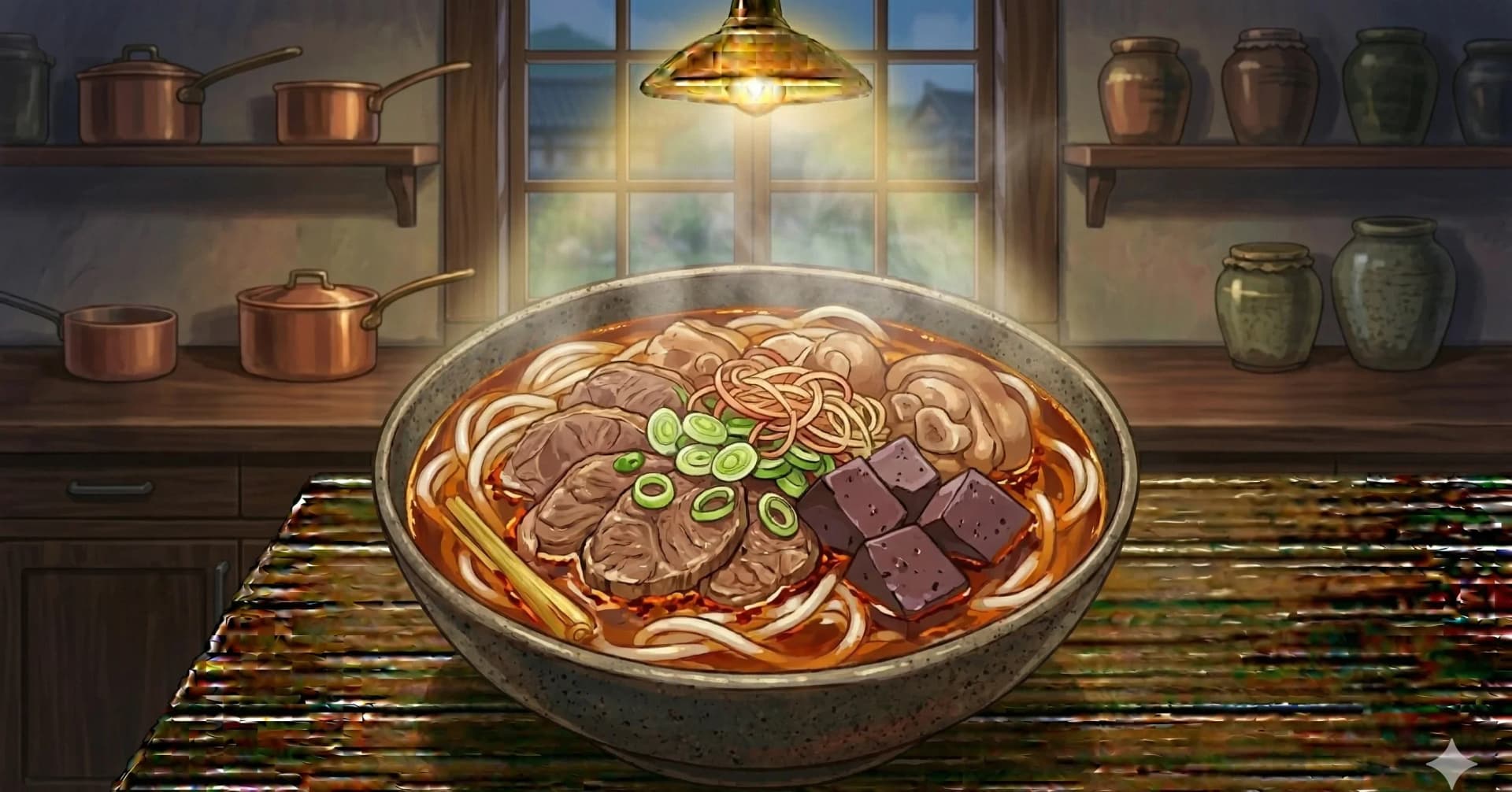
Spicy Beef Noodle Soup (Bún Bò Huế)
3 hours 45 minutes
 Easy
EasyVietnamese Cuisine
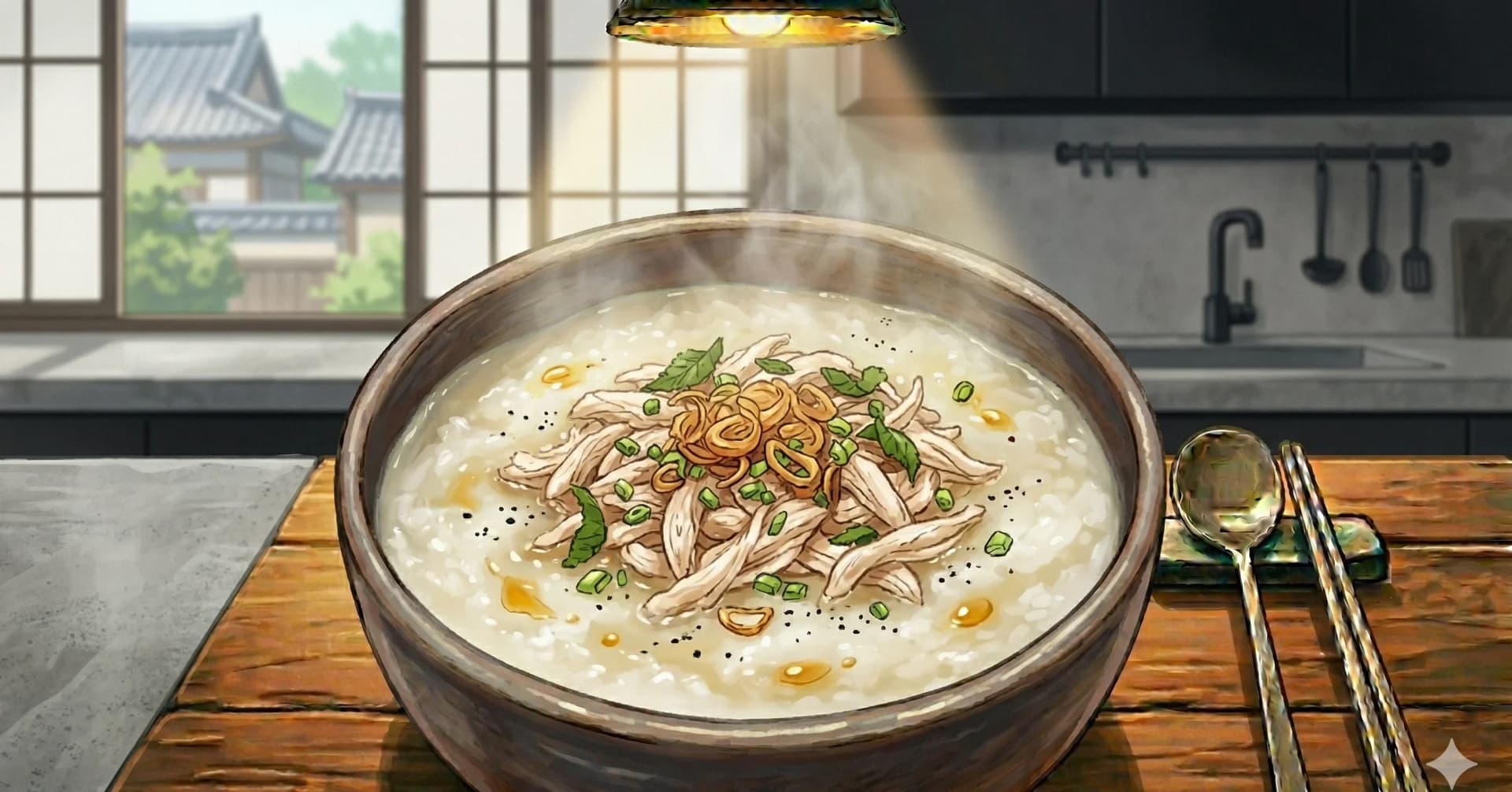
Cháo Gà (Vietnamese Chicken Rice Porridge)
1 hour 30 minutes
 Easy
EasyVietnamese Cuisine
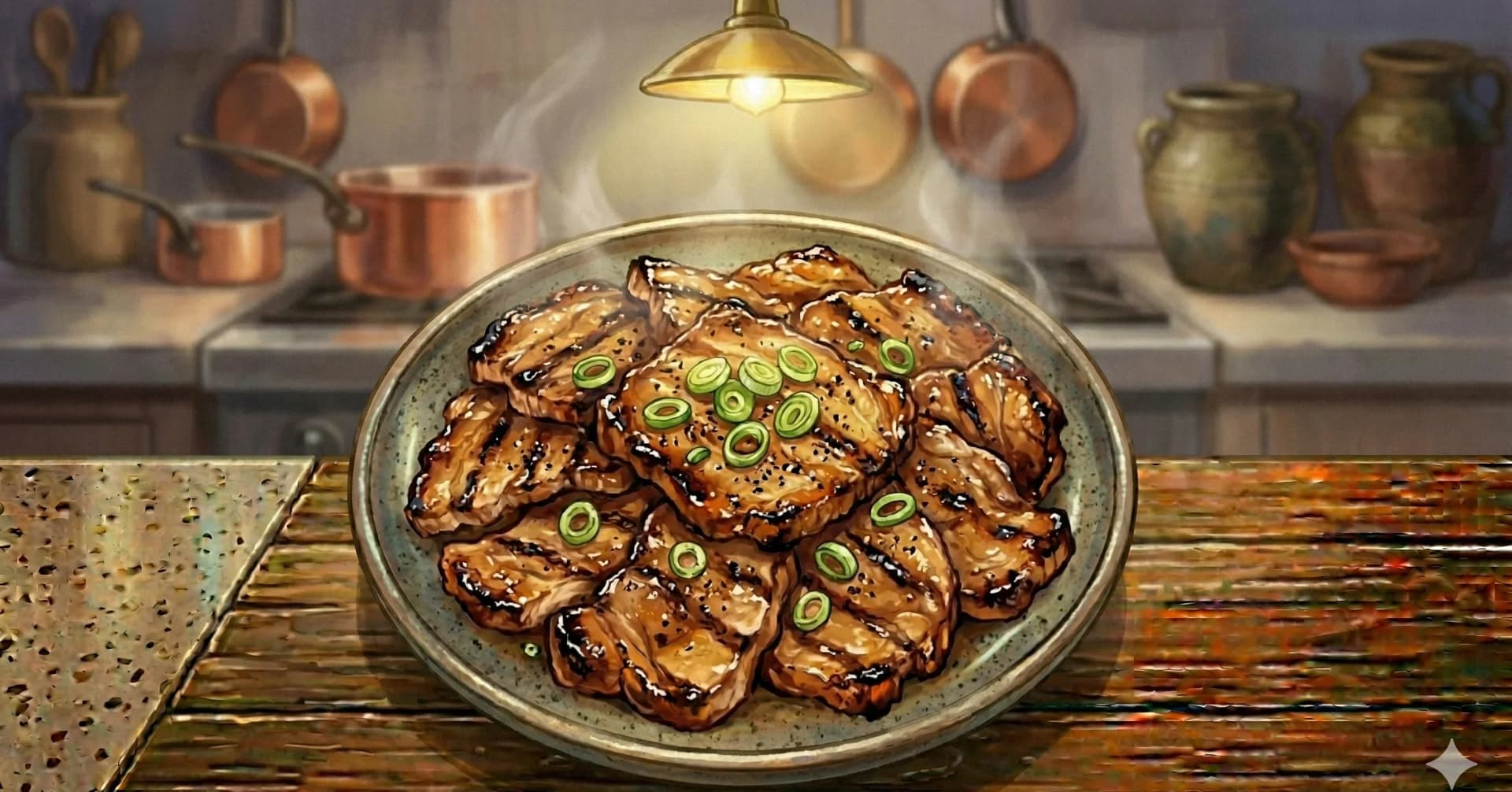
Grilled Lemongrass Pork (Thịt Nướng)
2 hours 30 minutes
 Involved
Vietnamese Cuisine
Steamed Rice Rolls (Bánh Cuốn)
3 hours 10 minutes
Ratings & Comments
Ratings & Comments
Ratings
Share your thoughts on this recipe.
Sign in to rate and comment